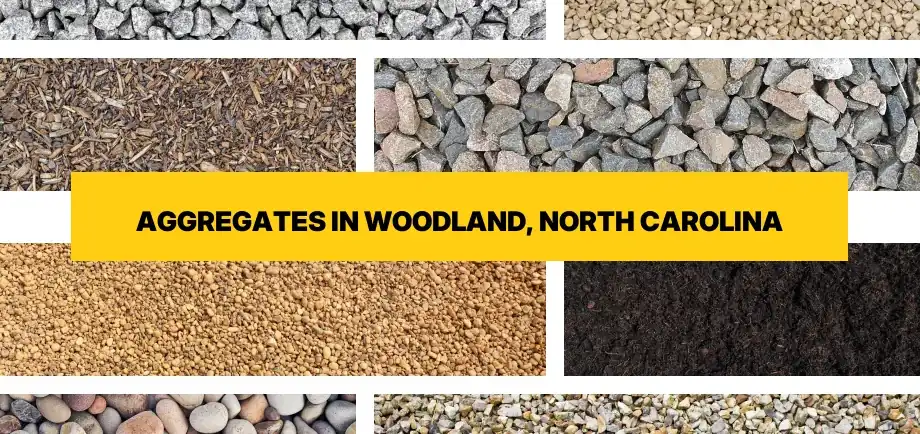
Buy Bulk Aggregates & Gravel in Woodland, North Carolina
Local Topsoil, Dirt, Sand, Rocks and Gravel near me in Woodland, North Carolina
Shop Aggregates for Delivery in Woodland
Order online for free delivery to any Woodland address.
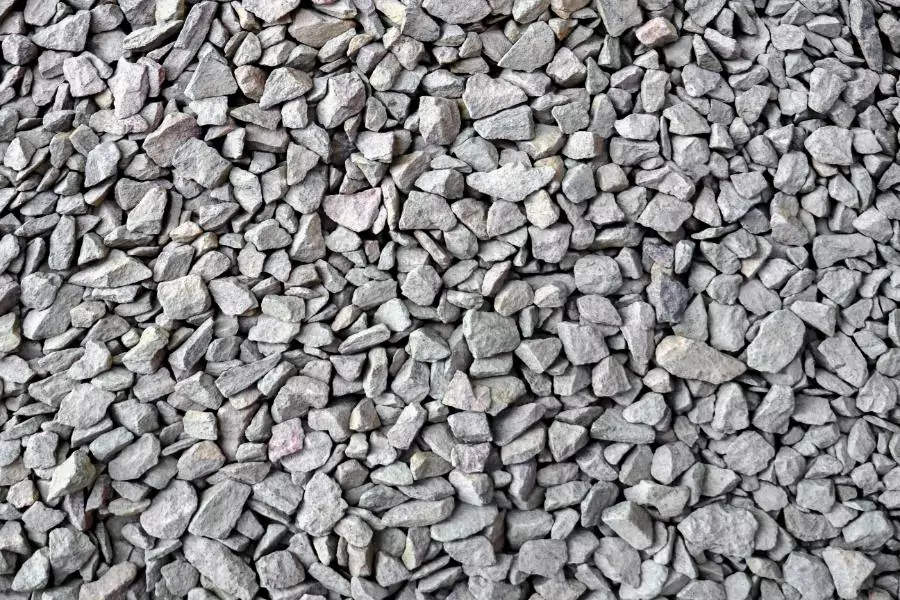
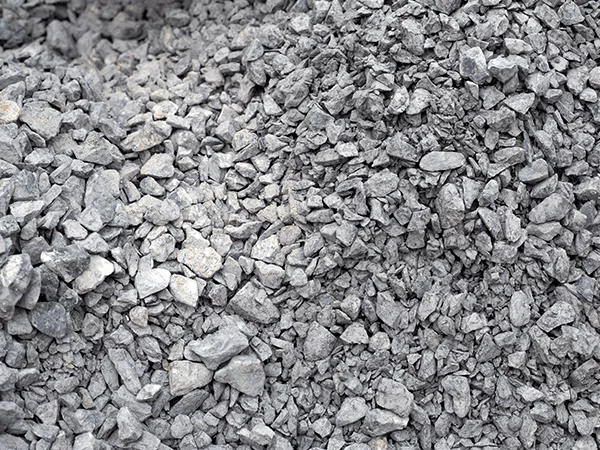


Gravel Monkey is your trusted source for premium aggregates and bulk materials delivery in Woodland, North Carolina. Whether you're improving a rural driveway near the Roanoke River, establishing drainage solutions for agricultural property, or completing construction projects in Northampton County, we deliver high-quality aggregates directly to your property with free delivery throughout Woodland and surrounding communities. From residential projects to commercial applications, our complete selection of materials supports the unique needs of this historic northeastern North Carolina region.
Premium Aggregates Available in Woodland, NC
We offer an extensive range of aggregates and bulk materials specifically suited to Woodland's clay-rich soils, humid subtropical climate, and diverse project requirements:
- Driveway Gravel - Dense, compactable base ideal for long rural driveways
- 3/4 inch Crushed Stone - Versatile angular aggregate for foundations and drainage
- #57 Stone - Clean drainage stone for French drains and septic systems
- Crusher Run - Superior base material that compacts tightly for lasting stability
- Road Base - Heavy-duty foundation aggregate for farm roads and driveways
- Pea Gravel - Smooth decorative stone for walkways and landscaping
- River Rock - Natural rounded stone perfect for gardens and water features
- Topsoil - Nutrient-rich soil for gardens and agricultural applications
- Fill Dirt - Clean fill for grading and leveling projects
- Drain Rock - Angular aggregate for superior drainage solutions
- Mason Sand - Fine sand for mortar and brick laying
- Washed Sand - Clean sand for construction and landscaping
- Crushed Concrete - Eco-friendly recycled aggregate for base applications
Serving Woodland and Surrounding Northampton County Communities
Gravel Monkey proudly serves properties throughout Woodland and the surrounding northeastern North Carolina region. We deliver to downtown Woodland near Main Street, rural properties along the Roanoke River corridor, farms and homesteads in Pleasant Grove, residential areas near the historic Woodland Cemetery, properties around Rich Square just to the west, developments near Powellsville to the east, agricultural lands throughout Northampton County, and communities extending toward Lewiston-Woodville and Ahoskie. Our free delivery service reaches both town residents and rural property owners across this agricultural region.
The unique geography of Woodland, situated in the coastal plain with proximity to the Roanoke River and surrounded by productive farmland, creates specific aggregate needs. The clay-based Norfolk and Wickham soils common throughout Northampton County present drainage challenges that our properly selected aggregates address effectively. Properties near the Roanoke River bottomlands require materials that manage moisture and resist settling, while higher elevation areas benefit from compactable bases for lasting driveway performance.
Aggregates for Woodland's Climate and Soil Conditions
Woodland's humid subtropical climate, with hot summers averaging 90°F and mild winters typically staying above 30°F, combined with approximately 48 inches of annual rainfall distributed throughout the year, demands aggregates that perform reliably in moisture-rich conditions. The region's clay content soils, predominantly Norfolk sandy loam and Wickham fine sandy loam, expand when wet and contract during dry periods, making proper base preparation with quality aggregates essential for any construction project.
The geology of Northampton County's coastal plain features layers of clay, sand, and silt deposited over millennia, creating moderate drainage challenges. Properties throughout Woodland benefit from aggregates that improve drainage, prevent mud accumulation during rainy periods, and maintain stability despite the expansive clay soils. The high water table in areas near the Roanoke River bottomlands makes drain rock and crushed stone particularly valuable for foundation work and hardscape projects.
Managing Seasonal Weather Impacts
Woodland experiences significant seasonal rainfall, with frequent afternoon thunderstorms during summer months and steady precipitation in winter. This moisture requires driveways and roads to shed water efficiently. Spring thaws and winter freeze-thaw cycles, though less severe than in northern states, still affect soil stability. Using walkway gravel for pathways ensures proper drainage while creating stable, all-weather surfaces around homes and outbuildings.
Common Aggregate Applications in Woodland
Driveway Construction and Renovation
Rural properties in Woodland often feature long driveways requiring significant amounts of aggregate. The combination of clay soils and regular rainfall makes proper driveway construction critical. We recommend starting with a 4-6 inch base layer of crusher run to create a stable foundation that resists rutting and drainage issues. This base compacts tightly and binds together, creating a solid platform that won't shift or settle.
For the top layer, driveway gravel provides an attractive, durable surface that handles vehicle traffic while maintaining good drainage. Properties near Pleasant Grove and along rural routes benefit from this two-layer approach, which extends driveway life significantly compared to single-layer installations. The angular nature of these aggregates creates mechanical interlock that prevents displacement under vehicle weight.
Agricultural and Farm Applications
Woodland's agricultural heritage means many properties require aggregates for farm roads, equipment staging areas, and animal enclosures. Road base creates durable farm roads that support heavy equipment year-round without developing ruts or mud holes. The material compacts firmly and stands up to tractor traffic, loaded trailers, and daily use.
Barn entrances, feeding areas, and paddocks benefit from well-draining aggregates that keep livestock out of mud and make daily chores easier. The combination of proper grading and quality aggregates transforms farm operations, particularly during wet spring and winter months when untreated soil turns to mud.
Drainage Solutions for Clay Soils
The clay-rich soils throughout Northampton County create standing water issues that damage foundations, flood yards, and create mosquito breeding grounds. French drains using #57 stone effectively channel water away from structures. This clean, angular aggregate provides void space for water flow while filtering out fines that could clog drainage systems.
Properties near the Roanoke River bottomlands particularly benefit from comprehensive drainage planning. Installing perimeter drains with proper slope and quality drain rock prevents basement flooding and foundation damage. The investment in proper drainage infrastructure protects property values and prevents costly water damage repairs.
Landscaping and Decorative Applications
Beyond functional applications, aggregates enhance Woodland landscapes with color, texture, and low-maintenance beauty. River rock creates natural-looking garden beds, water feature surrounds, and decorative accents that complement the area's natural environment. The rounded stones don't compact tightly, allowing for proper drainage while suppressing weed growth.
For pathways and patio areas, pea gravel offers comfortable walking surfaces that drain perfectly. The small, smooth stones feel pleasant underfoot and create attractive outdoor living spaces. Properties throughout downtown Woodland and residential neighborhoods use these decorative aggregates to reduce lawn maintenance while adding visual interest.
| Aggregate Type | Best Applications | Compaction | Drainage Rating | Woodland Advantages |
|---|---|---|---|---|
| Crusher Run | Driveway base, roads, parking areas | Excellent | Good | Binds tightly in clay soils, prevents rutting |
| Driveway Gravel | Driveway surface, parking areas | Very Good | Excellent | Attractive finish, resists erosion in rain |
| #57 Stone | French drains, septic systems, concrete mix | Moderate | Excellent | Perfect for managing high water table issues |
| Road Base | Farm roads, heavy equipment areas | Excellent | Good | Supports agricultural equipment, lasts years |
| 3/4 inch Crushed Stone | Foundations, general fill, drainage | Very Good | Very Good | Versatile for multiple applications, stable base |
| Pea Gravel | Walkways, landscaping, play areas | Low | Excellent | Comfortable surface, excellent drainage |
| Drain Rock | Foundation drains, retaining walls | Low | Excellent | Essential for clay soil water management |
| Crushed Concrete | Base material, fill, rural roads | Very Good | Good | Cost-effective for large projects, eco-friendly |
Choosing the Right Aggregates for Your Woodland Project
Selecting appropriate materials depends on your specific application, soil conditions, and budget. For new driveway construction on clay soils common throughout Northampton County, we recommend a base of crusher run or crushed concrete topped with driveway gravel. This combination provides both structural integrity and attractive appearance.
Base Layer Considerations
The base layer is the foundation of any successful aggregate project. In Woodland's clay soils, a proper base prevents settling, rutting, and premature failure. Road base and crusher run excel as base materials because they contain a mixture of stone sizes that compact and lock together. This mechanical interlock creates a stable platform that resists displacement even under heavy loads.
For projects on particularly problematic soils near the Roanoke River bottomlands, consider excavating 8-10 inches of native soil and replacing it with compacted base material. This investment in proper base preparation pays dividends in reduced maintenance and extended project life. The slightly higher initial cost is offset by years of trouble-free performance.
Surface and Finish Materials
Surface aggregates affect both function and aesthetics. For working areas like farm roads and equipment yards, prioritize durability and drainage over appearance. For residential driveways and areas visible from the street, balance function with visual appeal. Walkway gravel provides an attractive medium for pathways that remain firm underfoot while draining perfectly during Woodland's frequent rains.
Decorative applications benefit from the aesthetic qualities of river rock and pea gravel. These materials add texture and color to landscapes while providing the practical benefit of excellent drainage. They work particularly well in garden beds, around trees, and in areas where you want to reduce grass maintenance.
Sand Products for Construction and Landscaping
Beyond stone aggregates, we supply various sand products essential for construction and landscaping projects throughout Woodland. Mason sand is the preferred choice for brick and block laying, providing the fine texture necessary for smooth mortar joints. This clean, consistent sand meets specifications for masonry work and creates strong, durable bonds.
For general landscaping, washed sand serves multiple purposes from leveling paver bases to filling playgrounds. The washing process removes clay and organic material, leaving clean, stable sand that drains well and compacts predictably. Properties throughout Northampton County use washed sand for everything from horseshoe pits to sandbox fills.
When installing pavers or creating level surfaces for sheds and outbuildings, mason sand provides an ideal bedding layer. The fine particles fill voids and allow for precise leveling, ensuring your finished project sits flat and stable. Combined with proper base preparation using crusher run, sand-set pavers create attractive, long-lasting patios and walkways that handle Woodland's climate beautifully.
Specialty Sand Applications
For families with children, playground sand offers a safe, soft surface that cushions falls and drains quickly after rain. This specially processed sand is free of harmful substances and provides years of safe play. The sand's ability to drain prevents standing water and mosquito breeding, important considerations in Woodland's humid climate.
Topsoil and Fill Dirt for Grading Projects
Many Woodland properties require soil products for landscaping, grading, or filling low areas. Topsoil provides the nutrient-rich upper layer essential for lawns, gardens, and planting beds. Our topsoil blends are screened to remove debris and contain organic matter that supports healthy plant growth in Northampton County's climate.
For grading and filling applications where plant growth isn't the primary concern, fill dirt offers an economical solution. This material raises grades, fills holes, and provides bulk for landscaping projects. When combined with proper drainage using aggregates, fill dirt transforms uneven or poorly draining properties into usable spaces.
Properties throughout the Pleasant Grove area and near the Roanoke River often require significant grading to manage water flow and create level building sites. Strategic placement of fill dirt combined with well-designed drainage using #57 stone or drain rock solves common problems caused by clay soils and variable topography.
Sustainable Aggregate Solutions
Environmental stewardship matters to Woodland property owners. Crushed concrete offers an eco-friendly alternative to virgin aggregates for base applications. This recycled material diverts waste from landfills while providing excellent performance for driveways, roads, and general fill applications. The angular particles compact well and create a stable base suitable for most applications.
Using recycled aggregates reduces environmental impact without sacrificing quality. Crushed concrete performs comparably to traditional stone products for base applications while costing less and supporting sustainability goals. Many agricultural operations and rural property owners throughout Northampton County appreciate the combination of economy and environmental responsibility that recycled aggregates provide.
Permeable Surface Benefits
Aggregate surfaces naturally allow water infiltration, reducing stormwater runoff that can overwhelm drainage systems and contribute to erosion. Unlike impervious concrete or asphalt, gravel driveways and crushed stone parking areas let rainfall percolate into the ground naturally. This benefit becomes particularly important on larger properties where runoff management affects water quality in nearby streams and the Roanoke River watershed.
Installation Best Practices for Woodland Properties
Proper installation maximizes the performance and longevity of aggregates. Start by excavating to appropriate depth—typically 6-8 inches for driveways, more for heavy equipment areas. Remove vegetation and organic topsoil that will decompose and cause settling. Grade the excavated area to promote water flow away from buildings and prevent ponding.
Base Preparation Steps
Install landscape fabric to separate native soil from your aggregate base, particularly important in clay soils. This geotextile prevents fine soil particles from migrating up into your aggregate while allowing water to drain down. Add your base layer of crusher run or road base in 3-4 inch lifts, compacting each layer thoroughly with a plate compactor or roller.
Proper compaction is critical—loose aggregates shift under load and fail prematurely. For best results, add a light water spray to aid compaction, but avoid oversaturating. The goal is to achieve maximum density where particles lock together tightly. Take time with base preparation; it's the foundation of your entire project.
Surface Layer Application
Once your base is properly compacted, add surface aggregates to desired depth. For driveways, 2-3 inches of surface gravel provides adequate coverage. Use a landscape rake to spread and grade the material evenly. Allow some time for the surface to settle and compact under use before adding more material if needed.
For best results, crown the center of driveways slightly—a 2-3% slope from center to edges promotes water runoff and prevents standing water. This simple grading technique significantly extends driveway life by managing Woodland's frequent rainfall effectively.
Specialty Materials for Unique Applications
Beyond traditional aggregates, specialized materials serve specific purposes. Decomposed granite creates attractive, firm surfaces for pathways and patios that complement natural landscapes. This material compacts to a relatively hard surface while maintaining permeability and offering warm, natural colors that age beautifully.
Decomposed granite works particularly well for walking paths through wooded areas or connecting outbuildings to homes. The material resists erosion better than loose gravel while providing a more natural appearance than concrete. Properties throughout Woodland use decomposed granite to create low-maintenance landscapes that blend with the region's natural environment.
Frequently Asked Questions About Aggregates in Woodland, NC
For Woodland's clay soils, crusher run provides the best base material. It compacts tightly, creates a stable foundation, and prevents rutting common in clay-based soils. Apply 4-6 inches of compacted crusher run before adding your surface gravel layer. This two-layer approach dramatically extends driveway life compared to single-layer installations.
Proper grading is essential—crown your driveway slightly in the center to promote water runoff to the edges. Use angular aggregates like crushed stone rather than round river rock, as angular materials lock together better. Install drainage ditches along driveway sides if needed, and ensure adequate base depth of 6-8 inches total. The combination of proper grading, quality base material, and angular surface aggregates resists erosion during Woodland's frequent thunderstorms.
Yes! We deliver throughout Woodland and surrounding Northampton County, including rural properties, farms, and areas near Pleasant Grove, Rich Square, and along the Roanoke River. Our free delivery service reaches all accessible properties in the region. Contact us to confirm delivery to your specific location.
Number 57 stone is ideal for French drains and drainage systems. This clean, angular aggregate ranging from three-quarters inch to one inch provides excellent void space for water flow while filtering out fine particles. The open structure prevents clogging and ensures long-term drainage performance, particularly important in Woodland's clay soils where proper drainage is critical.
Absolutely! Crushed concrete works excellently for base applications, farm roads, and general fill. It compacts well, provides good stability, and costs less than virgin aggregates. Many Woodland property owners use crushed concrete for base layers under driveways or for rural road construction. It's not ideal for decorative applications, but performs comparably to traditional stone for structural uses.
Material needs depend on project size and desired depth. For driveways, calculate length times width times depth in feet, then divide by 27 to get cubic yards. For a 100-foot driveway 12 feet wide with 6 inches of total depth: 100 x 12 x 0.5 = 600 cubic feet ÷ 27 = 22 cubic yards. Our team can help you calculate exact amounts for your specific Woodland project.
Late spring through fall typically provides the best conditions, when soils are workable but not overly saturated. Avoid installation during very wet periods when heavy equipment can compact subsoils and create drainage problems. Summer and early fall offer ideal conditions with lower rainfall and firm ground. However, with proper base preparation, installation can occur year-round during dry spells.
Periodically rake and redistribute gravel to fill ruts and low spots. Add fresh gravel every few years to maintain depth—typically one to two inches annually depending on traffic. Grade the surface occasionally to maintain proper crown and drainage. Address edge erosion promptly by repositioning displaced material. Well-maintained gravel driveways in Woodland can last decades with minimal expense.
Get Your Free Aggregates Delivered to Woodland Today
Whether you're improving a farm road near Pleasant Grove, building a new driveway along Main Street, installing drainage systems to manage clay soil challenges, or enhancing your landscape with decorative aggregates, Gravel Monkey delivers the quality materials you need. Our comprehensive selection of aggregates, combined with expert guidance and free delivery throughout Woodland and Northampton County, makes your project easier and more affordable.
We understand the unique challenges of building and maintaining properties in northeastern North Carolina's agricultural region. From managing clay soils and seasonal rainfall to selecting materials that perform reliably year-round, our team provides the knowledge and products that ensure project success. Contact Gravel Monkey today for free delivery of premium aggregates to your Woodland property. We're ready to support your residential, agricultural, or commercial project with materials specifically suited to this region's conditions.

Need help? Reach out for a quote: