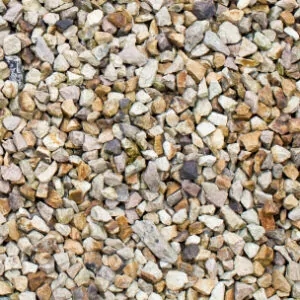

Sand, Aggregates & Gravel for Powellsville, North Carolina
Local Topsoil, Dirt, Sand, Rocks and Gravel near me in Powellsville, North Carolina
Shop Aggregates for Delivery in Powellsville
Order online for free delivery to any Powellsville address.
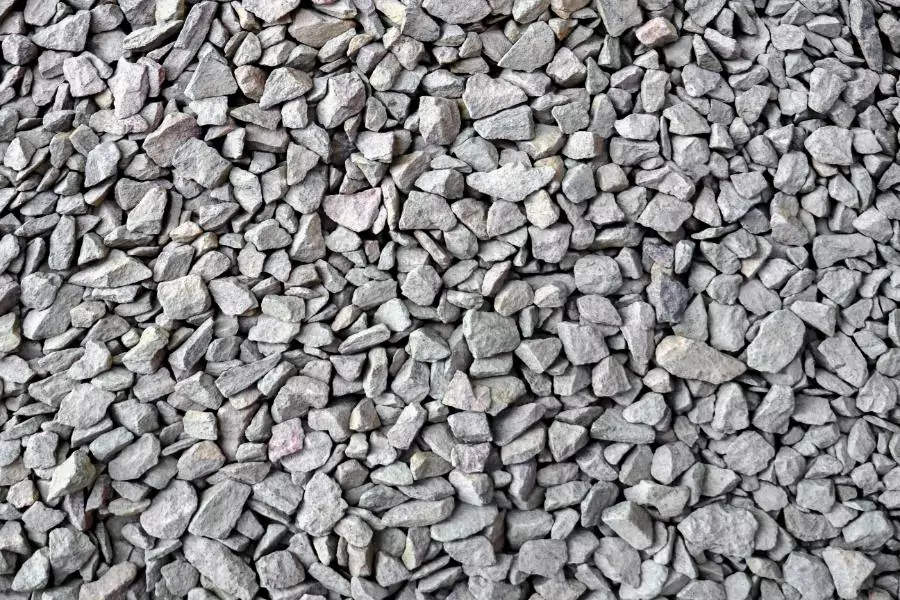
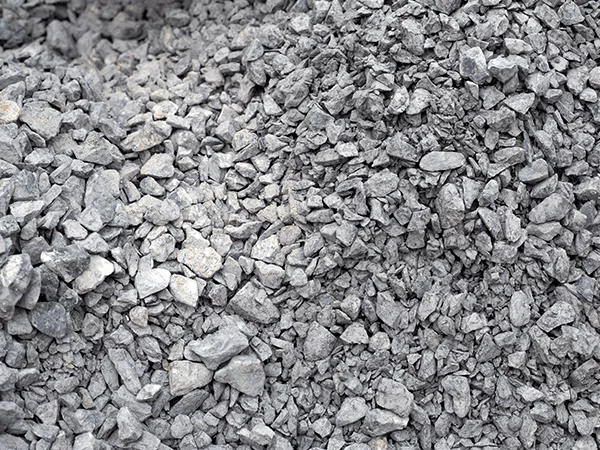


Gravel Monkey brings premium aggregates and construction materials directly to your Powellsville property with completely free delivery. Whether you're improving a rural driveway, managing drainage on farmland near the Chowan River, or creating hardscaping for your home, we provide the highest quality materials throughout Bertie County. Our extensive selection of crushed stone, base materials, and specialty aggregates meets the specific demands of Powellsville's coastal plain environment, where proper drainage and stable foundations are essential for long-lasting results.
Complete Aggregate Selection for Powellsville Properties
We offer a comprehensive range of aggregates and materials designed to perform exceptionally in Powellsville's unique climate and soil conditions. Our inventory serves both residential projects and agricultural operations across Bertie County:
- Driveway Gravel - Premium gravel engineered for long-lasting rural and residential driveways
- 3/4 inch Crushed Stone - Versatile angular aggregate for drainage, foundations, and base layers
- #57 Stone - Industry-standard crushed stone ideal for drainage systems and concrete work
- Crusher Run - Compactable base material perfect for driveways and road construction
- Road Base - Heavy-duty foundation material for farm roads and commercial access roads
- Drain Rock - Angular drainage stone for French drains and water management systems
- Pea Gravel - Smooth rounded stones for walkways, gardens, and decorative landscaping
- River Rock - Natural decorative stone for water features and landscape accents
- Walkway Gravel - Specialty aggregate designed for comfortable pedestrian paths
- Crushed Concrete - Eco-friendly recycled aggregate for budget-conscious projects
- Topsoil - Rich, nutrient-dense soil for gardens, lawns, and agricultural applications
- Fill Dirt - Quality fill material for grading, leveling, and construction projects
- Mason Sand - Fine-grade sand for masonry work, brick laying, and mortar mixing
- Playground Sand - Clean, safe sand ideal for sandboxes and play areas
- Washed Sand - Clean construction sand for concrete, pavers, and multiple applications
- Decomposed Granite - Natural granite fines for attractive, permeable pathways
Why Powellsville Properties Choose Gravel Monkey Aggregates
Powellsville's location in the coastal plain region of northeastern North Carolina presents specific challenges that require the right aggregates and proper installation. The area's sandy loam soils, high water table, and humid subtropical climate create conditions where drainage and stable foundations are critical. Properties throughout Bertie County, from established homes to working farms, benefit from materials specifically selected for these environmental factors.
Understanding Powellsville's Soil and Climate Challenges
The coastal plain soils characteristic of the Powellsville area typically consist of sandy loams with varying clay content. These soils can retain significant moisture, particularly during the region's wettest months from July through September when average rainfall peaks. With annual precipitation averaging 45-50 inches, proper drainage becomes essential for any aggregate project. The area's proximity to the Chowan River and Cashie River systems means that many properties deal with elevated groundwater levels, making proper base preparation and material selection crucial for success.
Temperature variations also impact aggregate performance. Summer highs regularly reach the upper 80s to low 90s Fahrenheit, while winter lows typically stay above 25 degrees. This moderate climate means frost heave is rarely a concern, but the wet conditions require aggregates that drain efficiently and resist displacement during heavy rainfall events. Our materials are selected specifically to handle these coastal plain conditions.
Agricultural and Rural Property Applications
Bertie County's agricultural heritage means many Powellsville properties include farm roads, equipment access paths, and barn areas that require durable aggregate solutions. Farm driveways must withstand heavy equipment loads while providing all-weather access. Base materials that compact well and shed water efficiently are essential for these applications. Properties in the surrounding rural areas between Powellsville and nearby communities like Colerain, Windsor, and Askewville benefit from aggregates that perform reliably under agricultural demands.
Selecting the Right Aggregate for Your Powellsville Project
Different projects require different aggregate characteristics. Understanding which material serves your specific application ensures optimal performance and longevity. Here's how to match aggregates to your Powellsville project needs:
| Aggregate Type | Best Applications | Drainage Quality | Compaction |
|---|---|---|---|
| Crusher Run | Driveways, roads, stable base layers | Good | Excellent |
| Road Base | Heavy equipment access, farm roads | Good | Superior |
| #57 Stone | Drainage systems, concrete aggregate | Excellent | Moderate |
| 3/4 inch Crushed Stone | Foundations, base layers, drainage | Very Good | Good |
| Drain Rock | French drains, pipe bedding | Superior | Poor |
| Pea Gravel | Walkways, landscaping, groundcover | Excellent | None |
| Crushed Concrete | Budget driveways, base material | Good | Very Good |
Driveway Projects Throughout Bertie County
Residential driveways in Powellsville require materials that handle daily traffic while resisting the washout common in coastal plain areas. A proper driveway installation starts with adequate excavation to remove unstable topsoil, followed by a compacted base layer of crusher run or road base. This foundation material creates the stable platform necessary for the surface layer. For properties with drainage challenges, incorporating drain rock along the edges helps channel water away from the driving surface.
Rural driveways serving agricultural properties need even more robust construction. Farm equipment and loaded trucks demand base materials that won't rut or displace under heavy loads. Road base compacts to near-concrete hardness when properly installed, making it ideal for these demanding applications. Properties along Highway 45 and throughout the rural areas surrounding Powellsville benefit from these heavy-duty base materials.
Drainage Solutions for Coastal Plain Properties
The high water table and moisture-retentive soils common in the Powellsville area make effective drainage essential. French drain systems using drain rock provide excellent subsurface drainage for yards, foundations, and low-lying areas. The angular nature of drain rock creates void spaces that allow water to flow freely while preventing soil infiltration. Properties near the Cashie River and Chowan River watersheds particularly benefit from properly designed drainage systems.
Surface drainage can be improved with proper grading and the strategic use of aggregates. Creating slight slopes and installing swales lined with stone helps direct water away from structures and prevents standing water. Many Powellsville properties combine surface and subsurface drainage approaches for comprehensive water management throughout the year.
Serving Properties Throughout Powellsville and Bertie County
Our free delivery service reaches every corner of Powellsville and extends throughout the surrounding Bertie County region. We regularly deliver aggregates to properties in these areas and nearby communities:
Local Area Coverage
Within Powellsville proper, we serve residential properties along Main Street and throughout the historic downtown area. Many established homes in these neighborhoods use our aggregates for driveway improvements, drainage upgrades, and landscaping projects. The surrounding rural areas extending toward Colerain Road and Highway 45 include numerous farms and larger properties that rely on our materials for equipment access roads and erosion control.
We regularly deliver to properties in nearby Colerain, located just a few miles northeast along Highway 45. This small community shares similar soil conditions with Powellsville, and projects there benefit from the same drainage-focused aggregate solutions. Properties near the Chowan River in this area often require additional attention to water management.
Windsor, the Bertie County seat located southwest of Powellsville, represents another area we serve extensively. The town's historic district and newer residential developments both utilize our aggregates for various projects. The area around the Cashie River wetlands particularly benefits from proper drainage materials and techniques.
Rural properties between Powellsville and Askewville to the south often include working farms and recreational land. These properties require durable aggregates for farm roads, equipment yards, and access paths. The sandy soils in this area compact well with proper base materials, creating stable surfaces even under heavy agricultural use.
We also serve properties extending toward Aulander to the west and up toward the Virginia border to the north. This broader Bertie County service area includes diverse property types from residential lots to extensive agricultural operations, all benefiting from our comprehensive aggregate selection and free delivery service.
Best Practices for Aggregate Installation in Powellsville
Proper installation techniques maximize the performance and longevity of any aggregate project. While specific approaches vary by application, these general principles apply to most projects in the Powellsville area:
Site Preparation and Base Construction
Successful aggregate installations begin with thorough site preparation. Remove all vegetation, roots, and organic material from the project area. The coastal plain soils around Powellsville often contain significant organic content that will decompose and settle over time. Excavate deep enough to reach stable soil, typically 8-12 inches for driveways and 6-8 inches for walkways.
Install geotextile fabric over the excavated area before adding aggregates. This barrier prevents the base material from mixing with underlying soil while still allowing water to drain through. In areas with particularly soft or wet soil, geotextile becomes even more critical for maintaining aggregate stability.
Base layer installation should use crusher run or road base compacted in lifts no more than 4 inches thick. Compact each lift thoroughly before adding the next layer. Proper compaction creates the stable foundation that prevents settling and rutting. The humid climate means scheduling installation during dry periods when possible, as excessive moisture makes proper compaction difficult.
Drainage Considerations
Every aggregate project in the Powellsville area should incorporate drainage planning. Grade surfaces to slope away from buildings and toward designated drainage areas. A minimum slope of 2% (1/4 inch per foot) ensures water doesn't pool on aggregate surfaces. For longer driveways or roads, consider incorporating crowning or cross-slopes to shed water to the sides.
Edge drainage becomes particularly important in flat areas where surface water has difficulty finding outlets. Installing drain rock along the edges of driveways or parking areas creates pathways for water to infiltrate while preventing erosion at the aggregate borders. Properties with existing drainage issues often benefit from more comprehensive French drain systems installed alongside aggregate improvements.
Seasonal Factors for Aggregate Projects in Northeastern North Carolina
Powellsville's climate influences the best timing for aggregate projects and ongoing maintenance requirements throughout the year. Understanding these seasonal patterns helps ensure successful project outcomes.
Spring and Summer Project Planning
Spring brings increased rainfall to the coastal plain, with precipitation levels rising from March through May. This wet season can make ground conditions challenging for excavation and compaction work. However, the warmer temperatures allow aggregates to settle and compact naturally more effectively than during cooler months. Summer projects face high temperatures and humidity but benefit from extended daylight hours and typically more predictable weather patterns between storm systems.
Thunderstorms are most frequent from June through August, delivering heavy rainfall in short periods. These intense storms can wash out improperly installed aggregates or erode areas without adequate drainage. Projects completed before peak storm season have time to settle and stabilize before facing these challenging conditions.
Fall and Winter Advantages
Fall presents ideal conditions for aggregate projects around Powellsville. Cooler temperatures make outdoor work more comfortable, and precipitation levels drop compared to summer months. The ground remains workable, and aggregates have time to settle before winter. Many property owners schedule major driveway and drainage projects for October and November to take advantage of these favorable conditions.
Winter in the coastal plain region rarely brings the freezing temperatures that affect projects farther north. Mild winters mean aggregate work can continue year-round in most cases. The reduced precipitation during winter months creates good working conditions, though occasional cold snaps may temporarily slow project progress. The lack of significant frost means aggregates don't experience the freeze-thaw cycling that damages surfaces in colder climates.
Maintaining Aggregate Surfaces in Coastal Plain Conditions
Properly maintained aggregate surfaces provide decades of service. The coastal plain environment requires attention to specific maintenance aspects to keep driveways, roads, and other aggregate installations performing optimally.
Routine Surface Care
Rake or blade aggregate surfaces periodically to redistribute material and maintain proper grading. Traffic naturally pushes aggregates toward the edges and creates ruts in the traveled areas. Bringing material back to the center and smoothing the surface prevents minor issues from developing into major problems. Properties with longer driveways benefit from grading two to three times yearly, particularly after heavy rain events.
Watch for areas where base material becomes exposed or where aggregates have washed away. These spots indicate drainage issues or insufficient initial material depth. Add additional aggregates to low areas and investigate the underlying drainage problems. Addressing these concerns promptly prevents expensive repairs later.
Managing Vegetation and Erosion
The humid climate supports rapid vegetation growth, and weeds can quickly establish in aggregate surfaces. Regular weed control maintains appearance and prevents root systems from disturbing the aggregate base. Fabric barriers installed during construction help but don't eliminate vegetation entirely. Spot treatment of emerging weeds keeps them manageable.
Erosion control along edges requires ongoing attention in the coastal plain. Water flowing across aggregates can create channels and wash material away, particularly during heavy rainfall. Installing permanent edge restraints helps contain aggregates while landscape plantings along borders reduce water velocity and filter sediment. Properties throughout Bertie County benefit from combining structural and vegetative erosion control approaches.
Frequently Asked Questions About Aggregates in Powellsville
Crusher run provides excellent performance for most Powellsville driveways due to its superior compaction and drainage characteristics. This aggregate combines various stone sizes that interlock when compacted, creating a stable surface that resists rutting. For heavy equipment access or farm driveways, road base offers even greater load-bearing capacity. Both materials handle the coastal plain's wet conditions effectively when properly installed over geotextile fabric.
Most residential driveways in Powellsville require 6-8 inches of compacted aggregate depth for reliable performance. Properties with soft soil or heavy use benefit from 8-10 inches of base material. Agricultural properties supporting heavy equipment should plan for 10-12 inches or more. The key is excavating to stable soil and building up from a solid foundation rather than simply spreading aggregate over existing ground.
Absolutely. We deliver throughout Bertie County including rural areas surrounding Powellsville, Colerain, Windsor, and other communities. Our free delivery service reaches farms, residential properties, and commercial sites regardless of location. Simply provide your address when ordering and we'll schedule delivery to your property.
Drain rock provides optimal performance for French drain systems common in the Powellsville area. This angular aggregate creates maximum void space for water flow while resisting compaction over time. The stone's clean, hard surface prevents breakdown and maintains drainage capacity indefinitely. Number 57 stone works well for French drains too, offering slightly smaller stone size while maintaining excellent drainage characteristics.
Aggregate pricing varies based on material type and quantity ordered. However, all our prices include free delivery to Powellsville and the surrounding area, eliminating hidden transportation fees. Contact us with your specific project details for accurate pricing. Larger quantities typically offer better per-unit pricing, and we can help you calculate exactly how much material your project requires.
We strongly recommend geotextile fabric for virtually all aggregate installations in the Powellsville area. The coastal plain soils mix easily with aggregates without a barrier, leading to premature failure and ongoing maintenance problems. Fabric prevents this mixing while still allowing water drainage. The modest investment in fabric during installation saves considerably on long-term maintenance and extends the life of your aggregate surface significantly.
Both are excellent base materials, but road base generally contains a higher percentage of fines and compacts to an even denser, harder surface than crusher run. Road base is ideal for heavy-duty applications like farm equipment access or commercial driveways. Crusher run works excellently for residential driveways and general construction. Both materials drain well and resist displacement in wet conditions, making them both suitable for the Powellsville climate.
Yes, crushed concrete provides an economical alternative for many applications. This recycled material compacts well and offers good drainage characteristics. It's particularly suitable for base layers, farm roads, and budget-conscious driveway projects. While not as aesthetically pleasing as virgin stone for visible surfaces, crushed concrete performs reliably in structural applications and represents an environmentally responsible choice that reduces construction costs.
Ready to Start Your Powellsville Aggregate Project?
Gravel Monkey makes obtaining premium aggregates for your Powellsville property simple and affordable. Our free delivery service, comprehensive material selection, and expert guidance ensure your project succeeds from start to finish. Whether you're improving a residential driveway in downtown Powellsville, constructing farm roads in rural Bertie County, or implementing drainage solutions for your property, we have the right materials and the expertise to help.
Our team understands the specific challenges of coastal plain construction and can recommend materials optimized for local soil conditions and climate. We help you calculate quantities accurately, avoiding the waste of over-ordering or the delays of under-ordering. From small landscaping projects to large-scale agricultural improvements, every order receives the same attention to quality and service.
Contact Gravel Monkey today to discuss your project requirements and schedule your free delivery. We're ready to help property owners throughout Powellsville, Colerain, Windsor, and all of Bertie County achieve outstanding results with premium aggregates and expert support.

Need help? Reach out for a quote: