Shop Bulk Materials & Gravel in Lansing, North Carolina
Local Topsoil, Dirt, Sand, Rocks and Gravel near me in Lansing, North Carolina
Shop Aggregates for Delivery in Lansing
Order online for free delivery to any Lansing address.
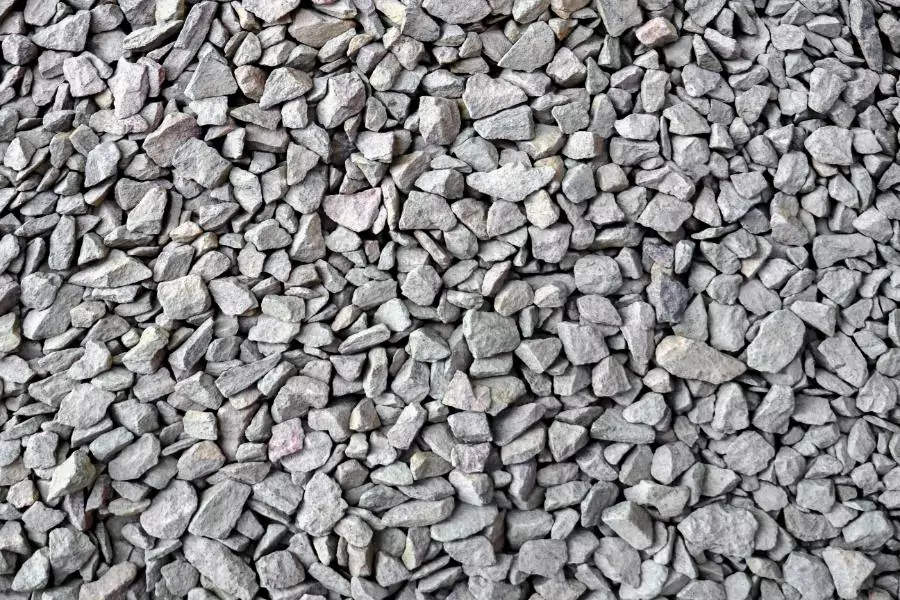
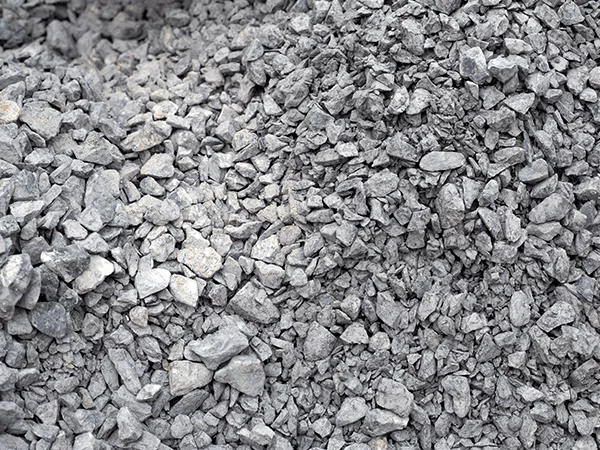


Gravel Monkey delivers premium aggregates, gravel, and landscaping materials throughout Lansing, North Carolina, and the surrounding High Country region. Whether you're building a mountain driveway along the New River, stabilizing a steep property near Phoenix Mountain, or creating drainage solutions for your Blue Ridge foothill landscape, we provide the quality materials you need with free delivery right to your Ashe County property.
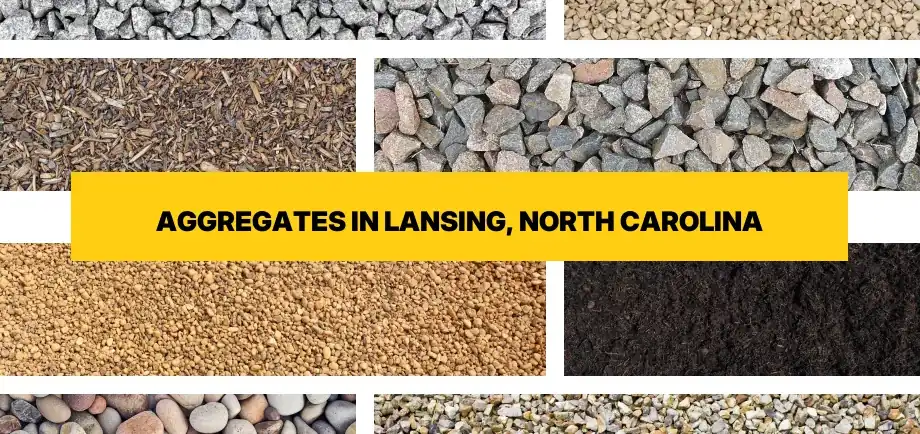
Complete Range of Aggregates and Materials in Lansing
Lansing's unique mountain terrain and climate require specific materials that can handle steep grades, heavy rainfall, and variable weather conditions. Gravel Monkey offers an extensive selection of aggregates perfect for the challenges of High Country properties:
- Driveway Gravel - Compactable base material ideal for steep mountain driveways
- 3/4 inch Crushed Stone - Versatile aggregate for foundations and drainage
- #57 Stone - Popular choice for French drains and erosion control
- Crusher Run - Excellent compaction for stable mountain road bases
- Road Base - Heavy-duty foundation for private mountain roads
- Pea Gravel - Decorative stone for pathways and garden beds
- River Rock - Natural aesthetic for water features and landscaping
- Walkway Gravel - Smooth surface for mountain trails and garden paths
- Drain Rock - Essential for managing mountain property runoff
- Crushed Concrete - Eco-friendly recycled aggregate for base layers
- Topsoil - Nutrient-rich soil for mountain gardens and lawns
- Fill Dirt - Grading material for leveling sloped properties
- Mason Sand - Fine sand for masonry and construction projects
- Playground Sand - Safe, clean sand for children's play areas
- Washed Sand - Clean aggregate for concrete mixing and landscaping
- Decomposed Granite - Natural pathway material that blends with mountain surroundings
Serving Lansing and Surrounding Mountain Communities
We proudly deliver aggregates throughout Lansing and neighboring communities in the North Carolina High Country. Our service area includes properties along Highway 194, the Helton Creek area, neighborhoods near Grassy Gap, the scenic Big Horse Creek valley, properties around Obids, homes along the North Fork of the New River, the Rush Branch community, and developments near Chestnut Hill. We also serve nearby Jefferson, West Jefferson, Crumpler, and Warrensville.
Lansing sits at approximately 2,800 feet elevation in the Blue Ridge Mountains, where properties often face challenging terrain with steep grades, rocky soil, and significant water runoff during the area's 45 inches of annual rainfall. Understanding these local conditions is essential when selecting the right aggregates for your project.
Choosing the Right Aggregates for Mountain Properties
Driveway and Road Construction Materials
Mountain driveways in Lansing require materials that can withstand steep inclines, heavy seasonal rains, and the freeze-thaw cycles common at higher elevations. The foundation must provide excellent drainage while maintaining stability under vehicle weight on grades that often exceed 10-15%.
For the base layer on steep driveways near Grassy Gap or along Big Horse Creek, crusher run provides superior compaction and stability. This aggregate contains a mix of stone sizes that lock together when compacted, creating a solid foundation that resists washout even during heavy mountain storms. The top layer should consist of driveway gravel or road base that maintains traction while allowing water to flow through rather than pooling or eroding the surface.
Properties along Highway 194 and the Helton Creek area often benefit from a thicker aggregate base—typically 6 to 8 inches—to accommodate the challenging terrain and weather conditions. The rocky subsoil common throughout Lansing actually provides good natural drainage, but imported aggregates are necessary to create a smooth, stable driving surface over the uneven bedrock.
Drainage Solutions for High Country Properties
Effective drainage is critical for mountain properties in Lansing. With elevation changes creating rapid runoff and clay-rich pockets in the soil holding water, proper aggregate selection prevents erosion, foundation damage, and driveway washout. The area experiences intense rainfall events, particularly during summer thunderstorms, making robust drainage systems essential.
Drain rock excels in French drain applications around homes near the North Fork area and properties along Rush Branch. This clean stone allows water to flow freely while providing structural support to drainage trenches. Combined with proper grading and geotextile fabric, it effectively manages even heavy water flow during the wettest months of March and July, when Lansing receives the most precipitation.
For properties near Obids and throughout the Chestnut Hill area, installing drainage aggregates along the uphill side of driveways prevents water from crossing the road surface and causing erosion. Many Lansing homeowners incorporate swales filled with drain rock to direct water safely around structures and down natural drainage paths.
Landscaping Aggregates for Mountain Aesthetics
Lansing's natural mountain beauty calls for landscaping materials that complement rather than compete with the surrounding environment. River rock sourced from regional waterways creates a natural appearance in garden beds and around water features, blending seamlessly with the forested mountain backdrop.
Pea gravel works exceptionally well for pathways in the Helton Creek area and gardens near Big Horse Creek, where its rounded shape provides comfortable walking surfaces that allow rainwater to percolate rather than creating muddy paths. This material also helps prevent weed growth while maintaining the casual, natural aesthetic that suits mountain properties.
For those creating hardscaped areas around homes near Phoenix Mountain or along Grassy Gap, decomposed granite offers an earth-toned surface that hardens when compacted but remains permeable. This material pairs beautifully with native mountain plantings and stonework, creating spaces that feel integrated into the landscape rather than imposed upon it.
Aggregate Comparison for Lansing Mountain Projects
Selecting the appropriate aggregate depends on your specific project requirements, property slope, and drainage needs. This comparison helps identify the best materials for common applications in the Lansing area:
| Material | Best For | Compaction | Drainage | Mountain Performance |
|---|---|---|---|---|
| Crusher Run | Steep driveways, road base | Excellent | Moderate | Superior on grades |
| 3/4" Crushed Stone | Drainage, foundations | Good | Excellent | Handles freeze-thaw well |
| #57 Stone | French drains, backfill | Moderate | Excellent | Prevents erosion |
| Road Base | Heavy-duty roads | Excellent | Moderate | Withstands heavy loads |
| Drain Rock | Drainage systems | Low | Excellent | Manages heavy rainfall |
| Pea Gravel | Walkways, decorative | Low | Good | Resists displacement |
| Decomposed Granite | Patios, pathways | Good | Good | Natural mountain look |
| River Rock | Landscaping, water features | Low | Good | Weather resistant |
Understanding Lansing's Climate and Geology
Lansing experiences a humid continental climate modified by mountain elevation. Summers are pleasantly mild with average July highs around 80°F, while winters bring cold temperatures with January lows averaging 20°F. The area receives approximately 45 inches of precipitation annually, distributed fairly evenly throughout the year with slight peaks in March and July.
Winter weather presents unique challenges for properties in the Rush Branch and Helton Creek areas. Lansing can receive 20 to 30 inches of snow annually, with occasional heavy snowfalls exceeding 10 inches in a single storm. Freeze-thaw cycles are common from December through March, making proper aggregate selection and installation crucial for preventing frost heave and maintaining driveway integrity.
The geology of Lansing consists primarily of metamorphic rocks including schist and gneiss, with some granite outcrops throughout the area. This bedrock creates the characteristic rocky, well-drained mountain soil. However, pockets of clay exist in valley bottoms near Big Horse Creek and along the New River floodplain, where drainage becomes more challenging. Properties on ridges near Phoenix Mountain often have shallow soil directly over bedrock, requiring imported topsoil for successful landscaping.
The acidic nature of mountain soils in Lansing, typically pH 4.5 to 5.5, influences both native vegetation and imported materials. When bringing topsoil onto properties near Obids or Chestnut Hill, testing and amending for pH ensures successful gardens and lawns. The rocky subsoil, while challenging for excavation, provides excellent natural drainage—a significant advantage when properly leveraged with appropriate aggregate installations.
Planning Your Aggregate Project in Lansing
Calculating Material Quantities
Accurate material estimation prevents costly overages or project delays due to shortages. For aggregate projects in Lansing, measure the length and width of your project area in feet, then determine the desired depth. Driveways typically require 4 to 6 inches of material on level ground, but mountain properties with significant slopes need 6 to 8 inches to ensure stability and prevent washout.
Calculate volume by multiplying length times width times depth (in feet), then divide by 27 to convert cubic feet to cubic yards—the standard unit for ordering aggregates. For example, a driveway 100 feet long by 12 feet wide with 6 inches of depth requires approximately 22 cubic yards of material. Properties along steep sections of Highway 194 or in the Grassy Gap area should add 10-15% extra material to account for settling and compaction on sloped terrain.
Seasonal Considerations for Mountain Projects
Timing your aggregate project appropriately maximizes results and minimizes weather-related complications. Spring (April to June) and fall (September to October) offer ideal conditions in Lansing, with moderate temperatures and generally lower rainfall. These seasons provide the best window for proper compaction and settling before extreme weather arrives.
Summer projects are certainly feasible, but be prepared for afternoon thunderstorms that can temporarily halt work and create muddy conditions. Winter projects near Helton Creek or along the North Fork require careful planning around freezing temperatures and potential snow, though mild winter days can allow for successful aggregate installation when necessary.
For properties throughout Rush Branch and Big Horse Creek valley, allowing several weeks of settling time before heavy use ensures proper compaction and stability. This settling period is especially important for crusher run and road base applications on steep driveways, where gravity and rainfall will naturally consolidate the material.
Best Practices for Mountain Aggregate Installation
Successful aggregate installation on Lansing mountain properties requires techniques adapted to challenging terrain. Proper site preparation begins with clearing vegetation and organic material, which is particularly important in the forested areas around Phoenix Mountain and throughout the Big Horse Creek watershed where tree roots and decomposing matter can compromise aggregate stability.
Grading should direct water away from structures and down natural drainage paths rather than across driveways or toward foundations. Properties near Obids and Chestnut Hill benefit from installing cross-drains or culverts at intervals on long driveways to prevent water from channeling down the driving surface. These drainage features, filled with appropriate drain rock, intercept runoff and direct it safely off the road.
Compaction is critical for driveway and road applications. After spreading crusher run or road base, mechanical compaction with a plate compactor or roller creates the dense, stable surface necessary for long-term durability. Adding material in 3 to 4 inch lifts and compacting each layer separately produces better results than spreading the full depth and attempting to compact all at once—especially important on the steep grades common throughout the Grassy Gap and Helton Creek areas.
For landscaping applications using pea gravel, river rock, or decomposed granite, installing landscape fabric underneath prevents material from migrating into the soil below while still allowing water to drain. This step is particularly valuable in areas with clay content near the New River floodplain, where the fabric barrier maintains a clean separation between decorative stone and underlying soil.
Maintaining Aggregates in Mountain Conditions
Regular maintenance extends the life of aggregate installations and prevents costly repairs. Mountain driveways in Lansing require periodic inspection, especially after heavy rainfall or snowmelt. Look for signs of erosion, rutting, or washout along edges and drainage paths. Properties along steep sections of Highway 194 and throughout Rush Branch should add fresh material annually to maintain proper depth and surface smoothness.
Grading and redistributing aggregate helps maintain a proper crown—the slight peak in the center that sheds water toward the sides. This crown is essential for driveways near Big Horse Creek and other areas with significant rainfall. Using a landscape rake or grading blade, pull material from the edges back toward the center, then reshape the surface to restore the crown and eliminate low spots where water can pool.
Weed control in pea gravel and decorative stone areas requires vigilance in Lansing's fertile mountain environment. Applying pre-emergent herbicide in early spring prevents most weed germination, while landscape fabric barriers installed during initial construction provide long-term weed suppression. Properties near Helton Creek and throughout the North Fork area benefit from periodic application of additional stone to maintain coverage depth and suppress vegetation growth.
Winter maintenance focuses on snow removal and preventing ice formation. Avoid metal snow shovels on pea gravel or river rock installations, as they can displace stones. Plastic shovels or snow blowers work better for decorative aggregate areas. For driveways, sand provides winter traction without the corrosive effects of road salt, which is especially important in protecting both aggregates and nearby vegetation native to the Chestnut Hill and Phoenix Mountain environments.
Frequently Asked Questions About Gravel and Aggregates in Lansing
We deliver a complete range of aggregates including driveway gravel, crushed stone, #57 stone, pea gravel, river rock, crusher run, road base, drain rock, recycled concrete, topsoil, fill dirt, and various sands throughout Lansing and the surrounding Ashe County area.
Yes, Gravel Monkey provides FREE delivery to Lansing and the surrounding North Carolina High Country region for all gravel and aggregate orders.
The amount depends on your project dimensions and the slope of your property. For driveways on mountain terrain, calculate length times width times depth in feet, typically 4 to 6 inches for proper coverage on slopes. Our team can help you estimate the right amount for your specific Lansing property and elevation challenges.
For mountain driveways in Lansing, crusher run and three-quarter inch crushed stone work best because they compact well and handle the steep grades and heavy rainfall common in the Blue Ridge Mountains. These materials provide excellent stability and drainage on sloped terrain.
Yes, we have experience delivering to mountain properties throughout Lansing and Ashe County. We understand the challenges of steep driveways and narrow mountain roads and work with you to ensure safe delivery to your property.
Drain rock and #57 stone are excellent choices for managing water runoff on mountain properties in Lansing. These materials allow water to flow through while preventing erosion, which is crucial given the heavy rainfall and steep slopes in the High Country.
Yes, we deliver year-round to Lansing, though winter weather in the mountains can occasionally cause delays. We monitor conditions closely and work with customers to schedule deliveries during safe weather windows, as Lansing can experience significant snowfall and ice during winter months.
Lansing sits in the Blue Ridge Mountains where soil is typically acidic, well-drained mountain loam with rocky subsoil. Many properties benefit from imported topsoil for gardens and lawns, especially in areas with shallow soil over bedrock.
Environmentally Responsible Aggregate Use
Choosing and installing aggregates responsibly protects Lansing's pristine mountain environment and waterways. The New River, which flows through the area, is one of the oldest rivers in the world and supports diverse aquatic ecosystems. Proper aggregate installation prevents sediment runoff that could impact water quality in Big Horse Creek, Rush Branch, and other tributaries.
Crushed concrete offers an eco-friendly alternative to virgin stone aggregates for base applications near Helton Creek and throughout the Grassy Gap area. This recycled material diverts waste from landfills while providing excellent performance characteristics. Similarly, using locally sourced aggregates reduces transportation impacts and supports the regional economy in Ashe County.
Permeable aggregate installations—such as pea gravel pathways and decomposed granite patios—allow rainfall to infiltrate naturally rather than creating runoff that overwhelms drainage systems. This approach is particularly valuable on properties near Obids and Chestnut Hill, where managing stormwater naturally reduces erosion and protects downstream water quality.
When working near streams, wetlands, or steep slopes throughout the Phoenix Mountain area, installing erosion control measures during and after aggregate placement protects sensitive areas. Silt fences, straw wattles, and vegetated buffers keep sediment onsite while projects settle and stabilize. These practices demonstrate respect for the mountain environment that makes Lansing such a special place to live and own property.
Get Started with Your Lansing Aggregate Project
Whether you're building a new driveway on a steep mountain lot near Grassy Gap, improving drainage around your Helton Creek property, or creating beautiful landscaping along Big Horse Creek, Gravel Monkey delivers the quality aggregates you need for success. Our free delivery throughout Lansing and surrounding Ashe County communities makes it easy to get started on your project.
We understand the unique challenges of working with mountain properties in the North Carolina High Country—from managing water runoff during heavy rainfall to selecting materials that withstand freeze-thaw cycles and steep grades. Our team is ready to help you choose the right aggregates and calculate accurate quantities for your specific property conditions near Rush Branch, the North Fork, Obids, Chestnut Hill, or anywhere throughout the Lansing area.
Contact us today to discuss your aggregate needs, get expert recommendations for your mountain property, and schedule your free delivery. Transform your Lansing property with quality materials delivered right when you need them, backed by our commitment to customer service and understanding of local mountain conditions.

Need help? Reach out for a quote: