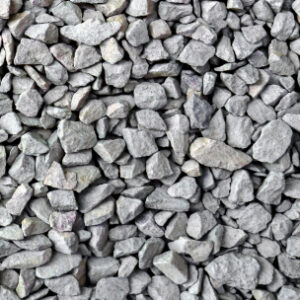
3/8″ Crushed Gravel
From $485.00
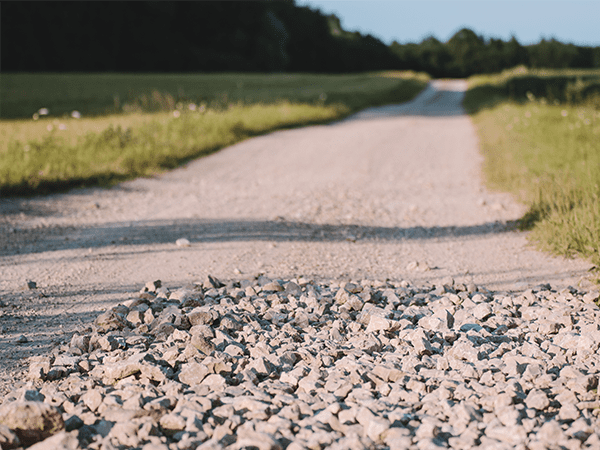
Crushed Gravel in 3/8” size is ideal for walkways, paths, or as a top layer for driveways. It offers solid drainage and a compacted look. Need a different size? We can help you find the right fit.
“Seamless shopping, from click to delivery—never knew it could be so straightforward.”
- Free Dump Truck Delivery Service
- Unmatched Value: Premium Quality at Competitive Prices
- Consistent, On-Time Delivery to Your Neighborhood



Crushed Gravel Calculator
Enter your project dimensions to estimate how much crushed gravel you will need.
Specification Information
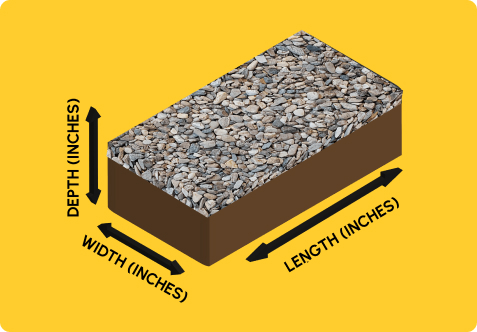
Gravel Monkey recommends:
- Orders of 4 tons or under – increase your estimated needed amount by 20%.
- Orders over 4 tons – increase your estimated needed amount by 10%.
3/8″ Crushed Gravel: What You Need to Know
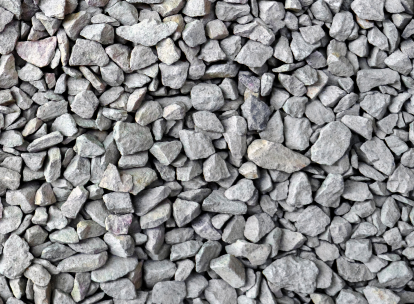
3/8″ Crushed Gravel is produced by mechanically crushing natural rock and screening it to a consistent size of approximately ⅜ inch. This angular stone interlocks when settled, forming a firm and durable surface. Its structure promotes both stability and drainage, making it suitable for everything from landscaping to foundational prep. It’s often referred to as:
- #8 gravel
- Number 8 stone
- 3/8″ stone gravel
Color may range from light gray to tan or bluish-gray depending on the source. Unlike pea gravel, which rolls underfoot, 3/8″ Crushed Gravel stays in place. It’s preferable for pathways, patios, and other areas where movement needs to be minimized.
Where It Works Best: Applications for Homeowners and Pros
3/8″ Crushed Gravel is valued for its versatility in residential and light commercial applications. Its compact size and angular geometry make it well-suited for drainage control and precise structural layering.
Pathways & Walkways
This gravel provides a comfortable, stable walking surface for garden trails, stepping stone edges, and side yard paths. It resists shifting better than rounded gravel, and when used over a geotextile fabric, it stays in place even with regular foot traffic. A layer of 2–3 inches, settled or tamped, is typically sufficient for pedestrian areas.
Best For:
- Garden trails
- Side yard walkways
- Stepping stone surrounds
- Light-use private paths
Patio Bases & Hardscape Foundations
As a bedding course beneath pavers or slabs, 3/8″ Crushed Gravel offers excellent leveling capability. When spread at about 1 inch thick over a compacted base layer of larger crushed stone, it provides uniform support and minimizes shifting. It also performs well in permeable systems if the material is clean and properly graded.
Best For:
- Paver patios
- Flagstone installs
- Concrete stepping stones
- Permeable pavement bedding
French Drains & Subsurface Drainage
3/8″ Crushed Gravel may be used in French drains or other shallow drainage trenches when paired with proper installation methods. It should be clean (free of fines) and wrapped in geotextile fabric to prevent soil infiltration. For higher-demand drainage systems, coarser stone may be recommended depending on site conditions.
Best For:
- Residential drainage
- Foundation perimeter systems
- Yard trench drains
- Downspout runoff zones
Additional Common Uses
- Backfill for utility trenches (non-sensitive lines)
- Under concrete slabs as a capillary break when clean and open-graded
- Bike paths or trail shoulders where a fine finish is desired and heavy loads are not expected
Key Benefits of 3/8″ Crushed Gravel
Interlocks for Stability with Minimal Voids
The angular shape of the gravel allows particles to interlock tightly when settled or tamped. This reduces movement and provides better load distribution—especially helpful beneath patios or pavers. While it contains more open voids than aggregates with fines, it remains stable and performs reliably as a bedding or top layer.
Use it when: You need a base that stays put and resists displacement.
Excellent Drainage Without Displacement
Its size and shape create a permeable surface that sheds water effectively. Even during heavy rain, it holds its position better than rounded stone, making it ideal for sloped areas or drainage-sensitive zones.
Use it when: You need reliable drainage in areas that must stay tidy and intact.
Ideal for Detail Work
Because of its size, 3/8″ gravel fits easily into narrow spaces and forms. It settles neatly between stones or within borders and is great for filling gaps in high-precision landscape or masonry designs.
Use it when: You’re finishing around flagstone, filling tight garden corners, or setting forms for light concrete work.
Prevents Mud and Erosion
This gravel creates a firm, dry walking surface over soil, helping to eliminate muddy zones and reduce erosion. It’s commonly used along home perimeters, in pet runs, or where foot traffic compacts the ground.
Use it when: You want a clean, dry, low-maintenance surface that keeps soil in place.
Easy to Handle
3/8″ Crushed Gravel is more manageable than larger aggregates. It’s easier to spread, level, and compact by hand, ideal for DIYers and smaller-scale jobs. This makes it practical for weekend projects or work in confined spaces.
Use it when: You’re tackling a small project and want a material that’s easy to work with.
Pro Tips for Installation
- Clear and excavate the area to your desired depth.
- Lay geotextile fabric if needed to reduce weed growth and mixing with soil.
- Use a structural base layer (like ¾″ crushed stone) where stability is critical.
- Spread in 2″ lifts to allow proper settling and interlock.
- Compact each lift using a hand tamper or plate compactor.
- Edge the area with borders to prevent gravel migration.
Maintenance Advice: Keeping It Fresh Year After Year
- Top-off yearly to restore appearance and account for compaction.
- Rake and regrade as needed after heavy rainfall or winter thaw.
- Prevent weed growth by using pre-emergent weed control or underlying fabric.
- Maintain edges to prevent the gravel from spilling into adjacent areas.
Common Mistakes to Avoid
- Applying too thin of a layer – less than 2″ may reveal soil or allow shifting.
- Skipping compaction – even clean gravel should be settled to interlock properly.
Using it alone for structural support – it’s not a substitute for heavier base materials beneath driveways or load-bearing slabs.

I had never ordered gravel before so I was a little anxious but they made it really easy and had great customer service! Super easy to book online and I was able to get quick answers to some questions I had over email too. The delivery was seamless to our rural area and at a good price.
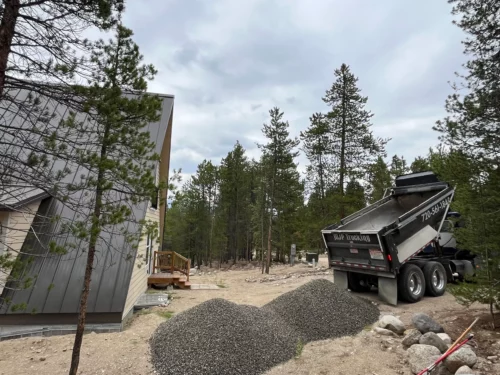
Gravel Monkey is a superb service for your gravel needs. They offer 2 day delivery scheduled on short notice, and they are quick to get your materials out the door on the delivery day. Customer support is also very helpful. Thanks Gravel Monkey!
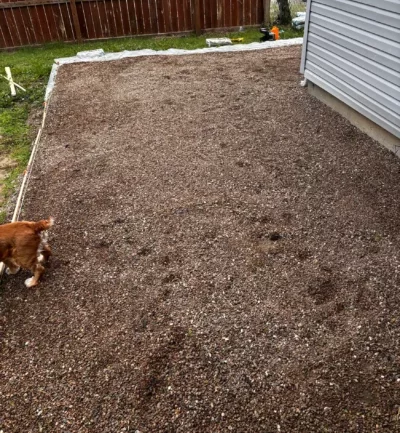
Gravel Monkey made the entire process quick and smooth from start to finish. Their online calculator was especially helpful, it took the guesswork out of determining how much material I needed, and saved me a lot of time. The ordering process was straightforward, and everything was handled efficiently. I highly recommend Gravel Monkey for anyone looking for a hassle-free experience and great customer service.
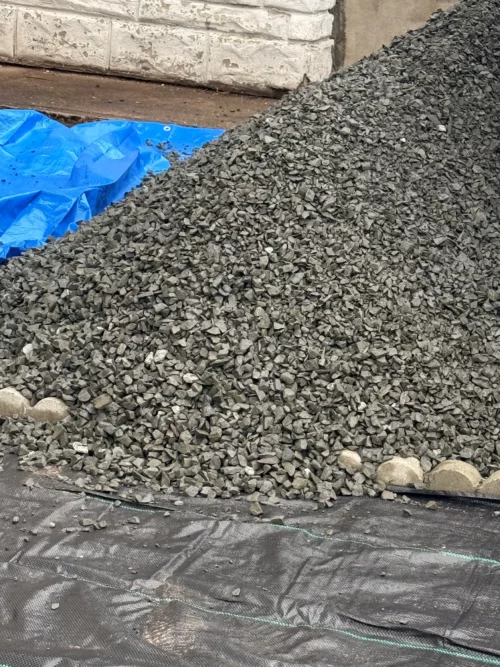
Gravel Monkey had quick turnaround and the local delivery team was very accommodating. The entire process was smooth. Thank you.
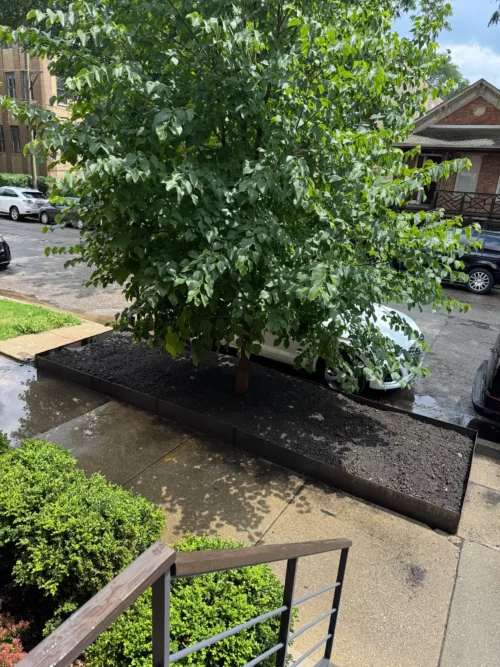
Great prices! Great communication! Fast delivery! Driver put the sand where I asked and it was challenging but he did it like a pro! Super smooth online purchase! Thanks!
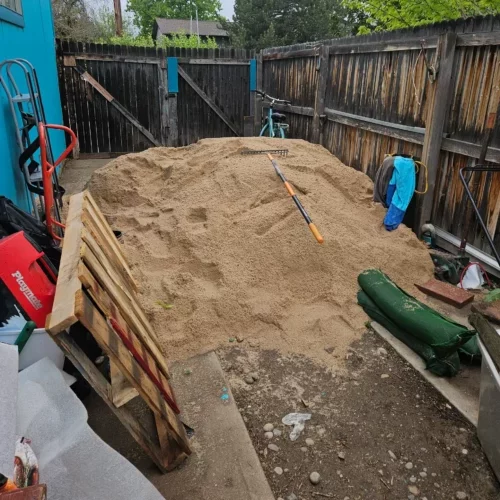
Gravel Monkey has the greatest customer service skills people. Very kind and make accommodation to your needs. Delivery fast and simple.
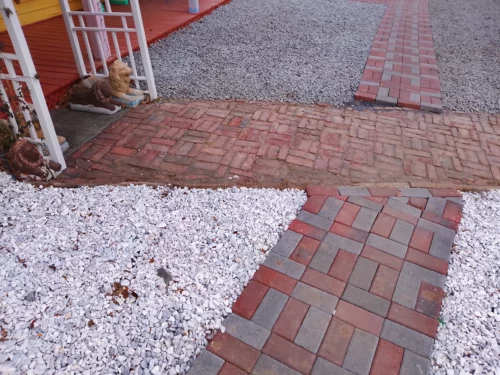
How do I install a crushed gravel walkway?
Excavate 3 – 4 inches, lay landscape fabric, add 2 – 3″ of compacted base gravel, then top with 1 – 2″ of crushed walkway gravel. Rake smooth, lightly compact, and install edging to keep stones contained. A slight slope prevents pooling and helps the walkway stay firm.
What is crushed gravel?
Crushed gravel is mechanically broken stone usually granite or limestone processed into small, angular pieces. Unlike rounded river gravel, its sharp edges interlock tightly, creating a firm, stable surface ideal for driveways, walkways, patios, drainage systems, and landscape bases.
How much does a yard of crushed gravel weigh?
A cubic yard of crushed gravel weighs 2,400 – 2,800 pounds (about 1.2 – 1.4 tons). Moisture, stone type, and compaction affect the exact weight, but most projects use 1.3 tons per cubic yard as a planning estimate.
Where to buy crushed gravel near me?
You can order crushed gravel in 1-ton bulk bags directly from Gravel Monkey, delivered to your home or job site. Just enter your ZIP code on the product page to check availability and schedule delivery no quarry pickup or hauling required.
What does crushed gravel look like?
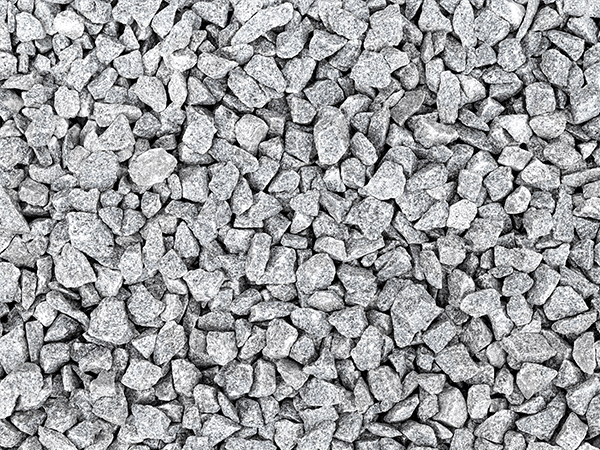
Crushed gravel has angular, fractured edges and a uniform size typically ⅜″, ¾″, or 1½″ depending on the product. Colors range from gray and tan to blue-gray or beige based on regional stone. The angular shape helps it compact firmly and stay in place.
What size crushed gravel is best for a driveway?
Most driveways use ¾″ crushed gravel for the top layer because it compacts tightly and gives strong traction. For new builds, installers often use 1 – 1½″ gravel or 1½″ gravel as the base, then finish with ¾″ for a smooth, stable surface.
How do I build a crushed gravel patio?
Excavate 4 – 6 inches, compact the soil, add 2 – 3″ of base gravel, compact again, then top with 1 – 2″ of crushed patio gravel. Screed it level, install edging, and compact lightly for a firm but natural-looking surface. A slight slope (1 – 2%) improves drainage.
How do I build a crushed gravel walkway?
Mark your path, remove 3 – 4 inches of soil, install landscape fabric, add a compacted base layer, then top with 1 – 2″ of crushed walkway gravel. Rake smooth and add edging to prevent gravel migration. Light compaction sets the surface.
How do I make a crushed gravel path?
Create the layout, excavate to depth, install fabric, add a compacted base, then layer your crushed gravel. Keep the path slightly crowned or sloped for drainage. Edging keeps the gravel contained and reduces maintenance over time.