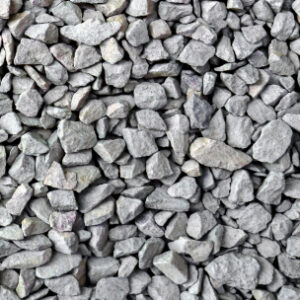
1 1/2″ Crushed Gravel
From $485.00
Crushed Gravel is a versatile material ideal for driveways, pathways, and drainage systems. Available in various sizes, it provides a strong and stable base that’s easy to maintain. Typically 1 1/2″ in size but is available in other sizes. Supplied locally near you
“Seamless shopping, from click to delivery—never knew it could be so straightforward.”
- Free Dump Truck Delivery Service
- Unmatched Value: Premium Quality at Competitive Prices
- Consistent, On-Time Delivery to Your Neighborhood



Crushed Gravel Calculator
Enter your project dimensions to estimate how much crushed gravel you will need.
Specification Information
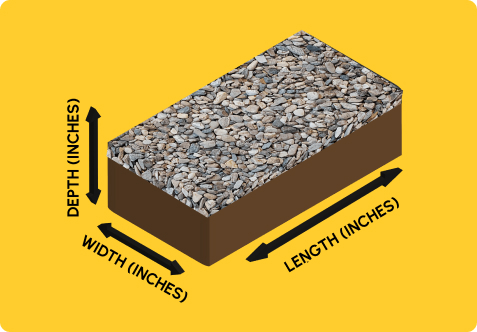
Gravel Monkey recommends:
- Orders of 4 tons or under – increase your estimated needed amount by 20%.
- Orders over 4 tons – increase your estimated needed amount by 10%.
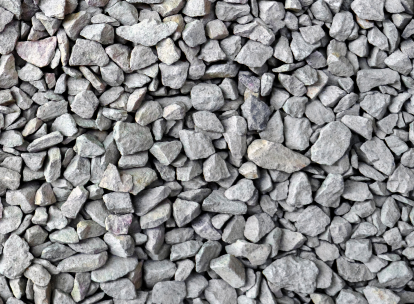
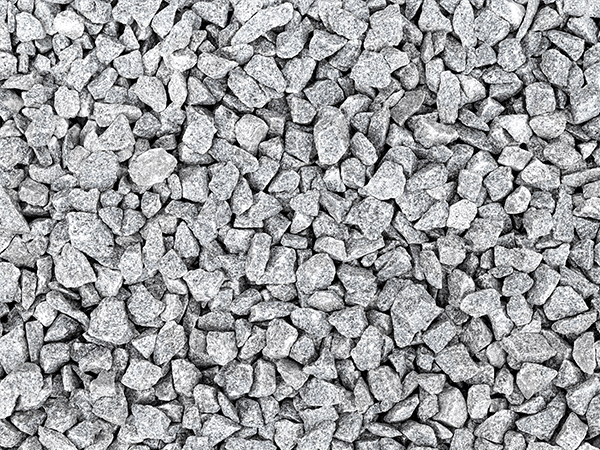
This gravel is produced by mechanically crushing hard rock-typically granite or limestone-into large angular fragments. The jagged edges interlock tightly when compacted, creating a rigid base that resists shifting even under heavy loads.
The larger profile makes it distinct from 3/4″ or 3/8″ gravels. Smaller gravels compact too tightly to leave drainage voids or may rut under weight. By contrast, 1 1/2″ crushed gravel balances structural integrity with void space, allowing water to move through while holding firm against pressure.
Its natural colors vary by quarry, often blending grays, tans, and browns for a rugged, earthy look that complements outdoor landscapes while providing functionality.
Why It Works for You: Applications & Versatility
Driveways & Vehicle Pads
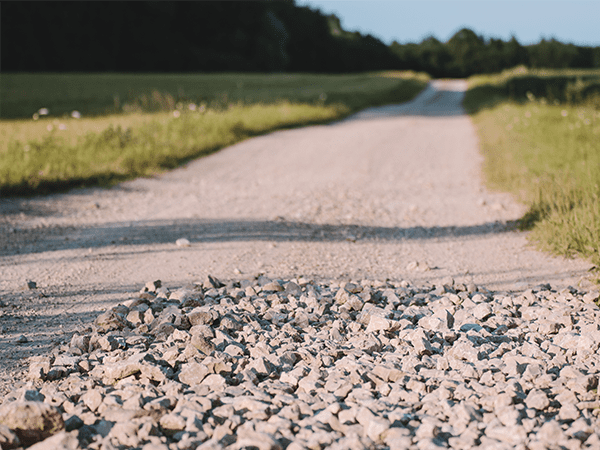
When you need a foundation that can handle SUVs, trailers, or delivery trucks, 1 1/2″ gravel is the right choice. Its angular structure distributes loads evenly, resisting rutting and heaving.
Rural Roads & Construction Access
For private roads, farm lanes, or construction access routes, this gravel provides the load-bearing capacity required for repeated axle loads and heavy machinery.
French Drains & Drainage Fields
The large voids between stones allow rapid water flow, preventing hydrostatic pressure behind retaining walls, under slabs, or near foundations.
Retaining Wall Backfill
Used as free-draining backfill, 1 1/2″ gravel reduces freeze-thaw stress and relieves water pressure behind retaining walls.
Slope Stabilization & Erosion Control
On embankments and moderate slopes, the weight and interlocking edges of 1 1/2″ gravel help anchor soil and prevent washouts.
Base for Large Structures
Provides stable support under barns, sheds, or patios where a smaller aggregate might settle unevenly.
Key Benefits of 1 1/2″ Crushed Gravel
- Durability Under Load – Angular faces lock together to form a high-shear matrix that resists rutting under trucks and trailers.
- Superior Drainage – About 35-40% void space allows water to filter downward, reducing puddles and frost heave.
- All-Climate Performance – Holds firm in summer heat and winter freeze-thaw cycles without breaking down.
- Low Maintenance – Requires only occasional top-dressing and regrading; no sealing or patching like asphalt.
- Cost-Effective – Installs at a fraction of the cost of paved surfaces while delivering long service life.
- Natural Appeal – Earth-toned colors blend into rural, woodland, and farm settings.
- Eco-Friendly – Permeable surface aids groundwater recharge and avoids petroleum-based binders.
Installation Know-How
Proper installation ensures 1 1/2″ gravel delivers maximum performance.
Step 1: Prepare the Base
- Strip away organic topsoil to expose firm subgrade.
- In clay-heavy soils, lay a heavy-duty geotextile fabric to separate fines from gravel.
Step 2: Determine Depth
- Passenger driveways: 4-6 inches.
- Truck or RV pads: 8-12 inches.
- Roads or heavy-use access lanes: up to 12 inches or more.
Step 3: Layer & Spread
- Spread in lifts of no more than 4 inches.
- Use a skid steer or tractor with a box blade for even distribution.
Step 4: Compact Thoroughly
- Compact each lift with a 3-5 ton vibratory roller or plate compactor until 95% density is achieved.
- The stone should “ring” rather than crunch under compaction.
Step 5: Optional Cap Layer
For a smoother finish, top with 2 inches of 3/4″ gravel or fines. This locks into the base without clogging drainage.
Common Mistakes to Avoid
- No Compaction: Loose gravel shifts, ruts, and fails under weight.
- Too Shallow: Less than 6 inches won’t hold up for driveways or heavy traffic.
- Skipping Fabric: In clay soils, fines migrate into gravel and weaken the base.
- Flat Grading: Without slope, water pools and undermines stability.
- Using Fines Alone: Small stone clogs drainage voids and reduces performance.
Long-Term Maintenance Tips
Seasonal Inspections
After storms, rake displaced stones back into low spots. Check slopes for erosion.
Annual Top-Dressing
Add 1/2 -1 inch of fresh gravel each spring to maintain depth and integrity.
Edge Management
Install edging or timber rails to keep gravel contained and simplify mowing.
Dust Control
In dry climates, apply magnesium chloride or light watering to reduce dust.
Snow Removal Care
Raise plow blades 1/2 inch to avoid displacing stone. Rubber cutting edges minimize disturbance.
Seasonal & Environmental Benefits
- Handles Freeze-Thaw Cycles: Prevents frost heave by maintaining drainage voids.
- Reduces Runoff: Permeable surface allows water to infiltrate naturally.
- Provides Natural Traction: Rough texture improves grip in icy or muddy conditions.
- All-Natural Material: Contains no synthetic chemicals or binders.
Pro Tips from the Field
- Always compact in layers-this is the difference between a strong base and one that fails.
- Over-order by 5-10% to account for settling and ensure complete coverage.
- For driveways, crown the center slightly to direct water off to the sides.
- Combine with a top layer of 3/4″ gravel for smoother traction and appearance.
- Use retaining borders on slopes to further anchor gravel in place.
Conclusion
1 1/2″ crushed gravel is the heavy-duty aggregate you can rely on for load-bearing foundations, drainage systems, and erosion control. Its large, angular stones interlock for strength while leaving voids that allow fast water movement. Whether you’re building a driveway for trucks, stabilizing a slope, or backfilling a retaining wall, this material delivers long-lasting stability with minimal upkeep.
With proper installation and periodic care, 1 1/2″ gravel outperforms many alternative-costing far less than asphalt or concrete while providing decades of dependable service. For projects that demand both strength and drainage, it remains the professional’s choice.

I had never ordered gravel before so I was a little anxious but they made it really easy and had great customer service! Super easy to book online and I was able to get quick answers to some questions I had over email too. The delivery was seamless to our rural area and at a good price.
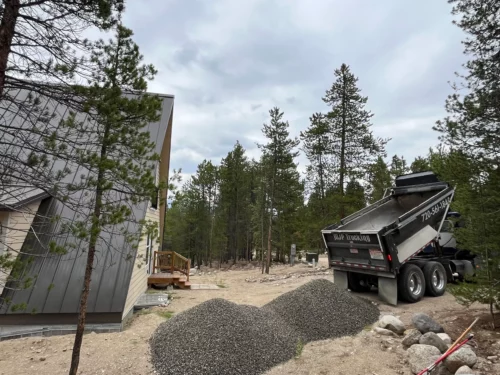
Gravel Monkey is a superb service for your gravel needs. They offer 2 day delivery scheduled on short notice, and they are quick to get your materials out the door on the delivery day. Customer support is also very helpful. Thanks Gravel Monkey!
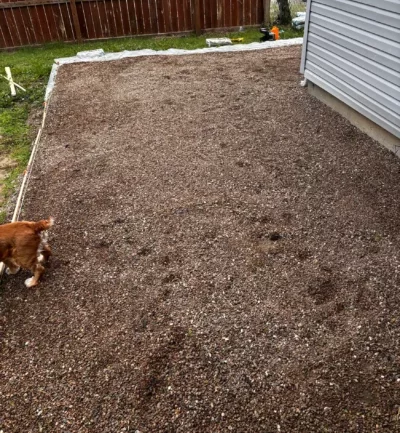
Gravel Monkey made the entire process quick and smooth from start to finish. Their online calculator was especially helpful, it took the guesswork out of determining how much material I needed, and saved me a lot of time. The ordering process was straightforward, and everything was handled efficiently. I highly recommend Gravel Monkey for anyone looking for a hassle-free experience and great customer service.
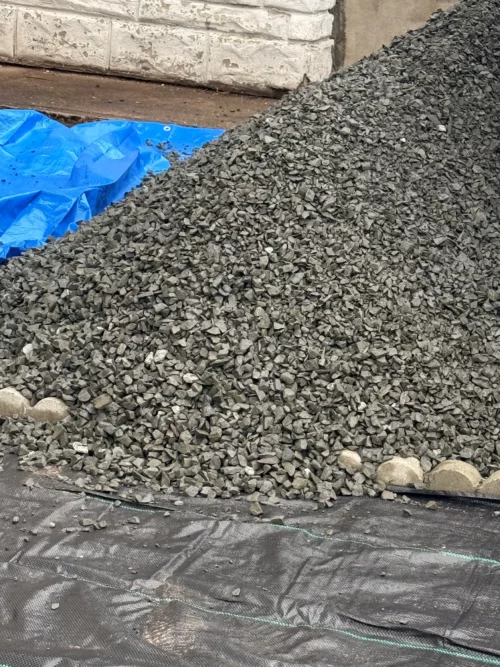
Gravel Monkey had quick turnaround and the local delivery team was very accommodating. The entire process was smooth. Thank you.
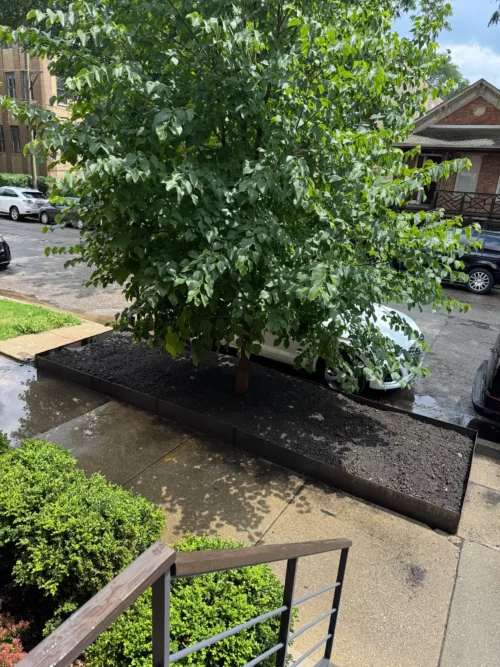
Great prices! Great communication! Fast delivery! Driver put the sand where I asked and it was challenging but he did it like a pro! Super smooth online purchase! Thanks!
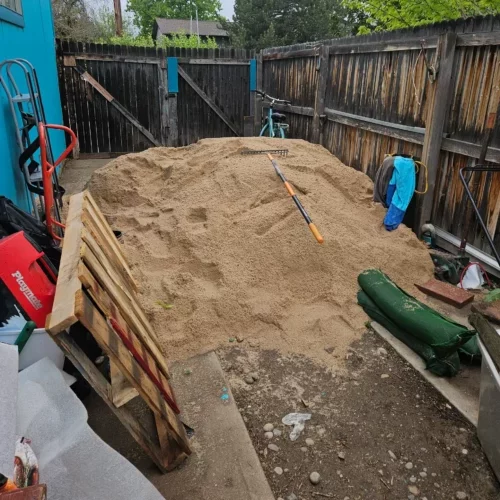
Gravel Monkey has the greatest customer service skills people. Very kind and make accommodation to your needs. Delivery fast and simple.
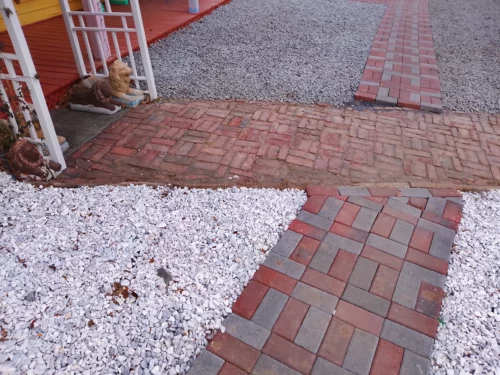
How do I install a crushed gravel walkway?
Excavate 3 – 4 inches, lay landscape fabric, add 2 – 3″ of compacted base gravel, then top with 1 – 2″ of crushed walkway gravel. Rake smooth, lightly compact, and install edging to keep stones contained. A slight slope prevents pooling and helps the walkway stay firm.
What is crushed gravel?
Crushed gravel is mechanically broken stone usually granite or limestone processed into small, angular pieces. Unlike rounded river gravel, its sharp edges interlock tightly, creating a firm, stable surface ideal for driveways, walkways, patios, drainage systems, and landscape bases.
How much does a yard of crushed gravel weigh?
A cubic yard of crushed gravel weighs 2,400 – 2,800 pounds (about 1.2 – 1.4 tons). Moisture, stone type, and compaction affect the exact weight, but most projects use 1.3 tons per cubic yard as a planning estimate.
Where to buy crushed gravel near me?
You can order crushed gravel in 1-ton bulk bags directly from Gravel Monkey, delivered to your home or job site. Just enter your ZIP code on the product page to check availability and schedule delivery no quarry pickup or hauling required.
What does crushed gravel look like?
Crushed gravel has angular, fractured edges and a uniform size typically ⅜″, ¾″, or 1½″ depending on the product. Colors range from gray and tan to blue-gray or beige based on regional stone. The angular shape helps it compact firmly and stay in place.
What size crushed gravel is best for a driveway?
Most driveways use ¾″ crushed gravel for the top layer because it compacts tightly and gives strong traction. For new builds, installers often use 1 – 1½″ gravel or 1½″ gravel as the base, then finish with ¾″ for a smooth, stable surface.
How do I build a crushed gravel patio?
Excavate 4 – 6 inches, compact the soil, add 2 – 3″ of base gravel, compact again, then top with 1 – 2″ of crushed patio gravel. Screed it level, install edging, and compact lightly for a firm but natural-looking surface. A slight slope (1 – 2%) improves drainage.
How do I build a crushed gravel walkway?
Mark your path, remove 3 – 4 inches of soil, install landscape fabric, add a compacted base layer, then top with 1 – 2″ of crushed walkway gravel. Rake smooth and add edging to prevent gravel migration. Light compaction sets the surface.
How do I make a crushed gravel path?
Create the layout, excavate to depth, install fabric, add a compacted base, then layer your crushed gravel. Keep the path slightly crowned or sloped for drainage. Edging keeps the gravel contained and reduces maintenance over time.