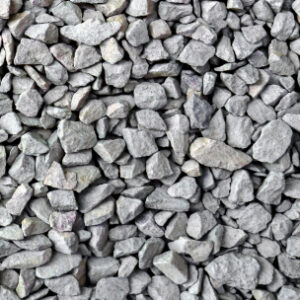
2″-3″ Crushed Gravel
From $485.00
Supplied locally near you
“Seamless shopping, from click to delivery—never knew it could be so straightforward.”
- Free Dump Truck Delivery Service
- Unmatched Value: Premium Quality at Competitive Prices
- Consistent, On-Time Delivery to Your Neighborhood



Crushed Gravel Calculator
Enter your project dimensions to estimate how much crushed gravel you will need.
Specification Information
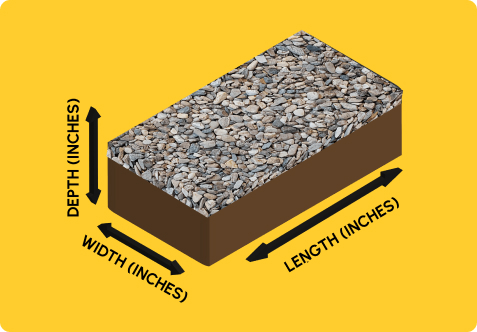
Gravel Monkey recommends:
- Orders of 4 tons or under – increase your estimated needed amount by 20%.
- Orders over 4 tons – increase your estimated needed amount by 10%.
2″‑3″ Crushed Gravel: Guide to Types, Uses, Benefits, Expert Tips
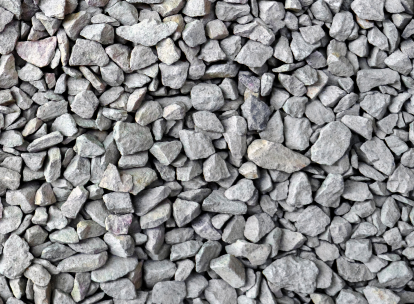
A large, angular stone aggregate ranging between 2 and 3 inches in size, 2″‑3″ crushed gravel is built for strength, stability, and long-term resilience.
Sourced from local stone, it’s processed into fractured pieces that lock into place, forming a robust base for heavy-duty construction and landscaping needs.
Where It Works Best: Applications & Versatility
2″‑3″ crushed gravel excels in foundational and drainage-focused roles, particularly in areas that require substantial load support and effective water flow management.
Top Uses:
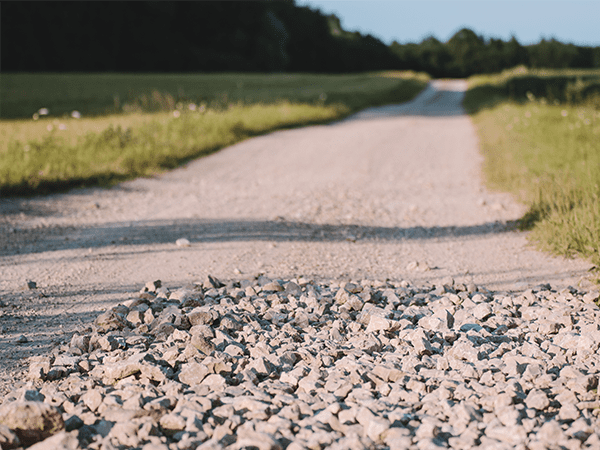
- Road & Driveway Base: Forms a load-bearing sublayer beneath finished surfaces. Its large size interlocks well, preventing shifting or settling under pressure.
- Drainage & Water Flow: Ideal for culverts, ditches, and retention zones. Its large voids help manage heavy rain or melting snow without pooling.
- Erosion Control: On slopes or embankments, it resists movement and keeps soil in place, even under fast-moving water.
- Retaining Wall Backfill: Provides essential drainage behind walls and keeps pressure off structural components.
- Foundation Prep: For large patios, barns, or storage buildings, this gravel stabilizes the area and prevents future subsidence.
- Access Roads: Whether for farms or construction zones, they create durable paths that withstand repeated traffic and weathering.
- Water Features: Used around ponds and streambeds, their size and natural appearance create a rugged, authentic finish.
Why Choose It: Benefits of 2″‑3″ Crushed Gravel
Structural Strength
Large, angular fragments resist compaction under pressure, making this gravel an excellent load-bearing base. It doesn’t compress or shift, even under machinery or fully loaded trucks.
Drainage Control
Unlike smaller gravel, the wide gaps between stones allow water to drain quickly. This helps reduce freeze-thaw damage and prevents work zones from becoming soggy or flooded.
Natural Erosion Defense
It anchors soil on slopes and in runoff zones where water would typically wash away finer materials. That makes it perfect for projects near creeks, downspouts, or grade changes.
Low-Maintenance Material
Once installed and compacted, it requires little upkeep. It doesn’t degrade like organic fill or shift like rounded stone. Most issues can be resolved by simple re-grading or topping off.
Aesthetic Value
It offers a raw, powerful look that suits rustic landscapes, ranch properties, and projects with a natural or industrial theme. When visible, it delivers visual texture and depth to any outdoor design.
How to Install It Right
Step-by-Step
- Clear the Site: Remove all grass, roots, debris, and topsoil. A clean base prevents uneven settling.
- Set Your Edging: Use timber, steel, or concrete to keep the gravel from spilling outward.
- Excavate the Base: Dig to your intended depth (usually 4–6″ for base use). Ensure the area slopes away from structures.
- Optional Underlayment: Landscape fabric prevents weeds from growing and keeps gravel from mixing with the subsoil.
- Pour the Gravel: Distribute the 2″‑3″ crushed gravel evenly across the site.
- Compact in Lifts: If applying more than 4 inches, apply it in layers. Compact each layer with a plate compactor or drum roller. Lightly watering it helps it settle tightly.
- Top Layer (if needed): Add a smaller gravel size (like ¾″ minus) for walking surfaces or visual finish.
Avoid These Common Mistakes
- Skipping compaction: Loose gravel will shift under load.
- Ignoring slope: Flat areas tend to collect water, which can lead to erosion.
- No edging: Gravel migrates, especially near driveways or slopes.
- Skipping underlayment: Weeds will work through in months.
Keeping It Looking, and Working, Great
Maintenance Best Practices
- Re-level Seasonally: Use a hard rake or grading tool to smooth out dips, especially after freeze-thaw cycles or heavy rains.
- Top Off Annually: Add a half-inch to maintain coverage and prevent exposure of the base soil.
- Manage Runoff: On hills, use barriers or check dams to slow water movement.
- Dust Management: For long driveways or industrial lots, consider occasional dust control treatments if needed.
- Snow Removal Care: Avoid scraping too deeply with blades. Leave a thin layer to protect your gravel surface from being pushed out of place.
Expert Tips from the Field
- Use in tandem: Start with 2″‑3″ gravel for strength, then layer smaller stone for smoothness and appearance.
- Inspect deliveries: Ensure your load contains clean, consistent stone with minimal fines or debris.
- Local sourcing matters: Gravel characteristics (hardness, color, drainage) vary by region. Order based on performance, not just looks.
- If it’s visible, consider aesthetics: The bold texture of this size looks best when edged cleanly or framed by complementary materials.
2″‑3″ Crushed Gravel is more than just a construction material; it’s a foundational component for projects that demand strength, stability, and smart water management. Whether you’re laying a road or fighting erosion, it brings lasting value and dependable performance.

I had never ordered gravel before so I was a little anxious but they made it really easy and had great customer service! Super easy to book online and I was able to get quick answers to some questions I had over email too. The delivery was seamless to our rural area and at a good price.
Gravel Monkey is a superb service for your gravel needs. They offer 2 day delivery scheduled on short notice, and they are quick to get your materials out the door on the delivery day. Customer support is also very helpful. Thanks Gravel Monkey!
Gravel Monkey made the entire process quick and smooth from start to finish. Their online calculator was especially helpful, it took the guesswork out of determining how much material I needed, and saved me a lot of time. The ordering process was straightforward, and everything was handled efficiently. I highly recommend Gravel Monkey for anyone looking for a hassle-free experience and great customer service.
Gravel Monkey had quick turnaround and the local delivery team was very accommodating. The entire process was smooth. Thank you.
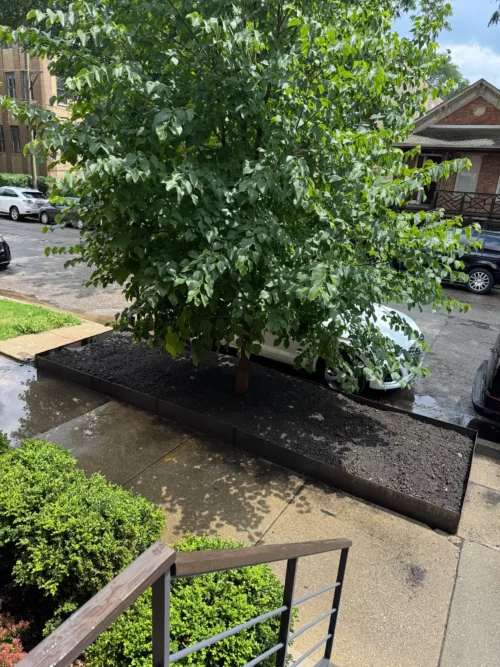
Great prices! Great communication! Fast delivery! Driver put the sand where I asked and it was challenging but he did it like a pro! Super smooth online purchase! Thanks!
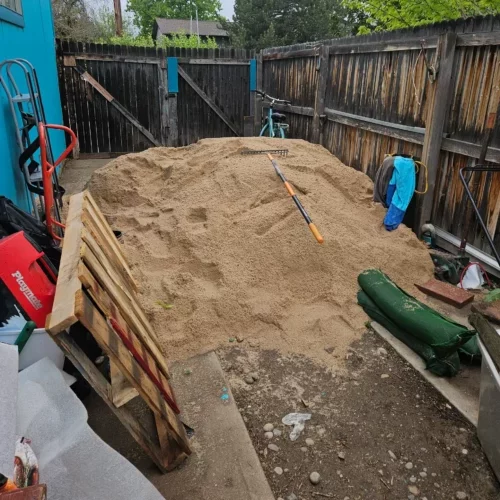
Gravel Monkey has the greatest customer service skills people. Very kind and make accommodation to your needs. Delivery fast and simple.
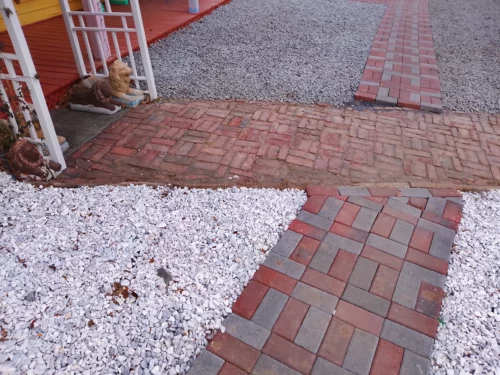
How do I install a crushed gravel walkway?
Excavate 3 – 4 inches, lay landscape fabric, add 2 – 3″ of compacted base gravel, then top with 1 – 2″ of crushed walkway gravel. Rake smooth, lightly compact, and install edging to keep stones contained. A slight slope prevents pooling and helps the walkway stay firm.
What is crushed gravel?
Crushed gravel is mechanically broken stone usually granite or limestone processed into small, angular pieces. Unlike rounded river gravel, its sharp edges interlock tightly, creating a firm, stable surface ideal for driveways, walkways, patios, drainage systems, and landscape bases.
How much does a yard of crushed gravel weigh?
A cubic yard of crushed gravel weighs 2,400 – 2,800 pounds (about 1.2 – 1.4 tons). Moisture, stone type, and compaction affect the exact weight, but most projects use 1.3 tons per cubic yard as a planning estimate.
Where to buy crushed gravel near me?
You can order crushed gravel in 1-ton bulk bags directly from Gravel Monkey, delivered to your home or job site. Just enter your ZIP code on the product page to check availability and schedule delivery no quarry pickup or hauling required.
What does crushed gravel look like?
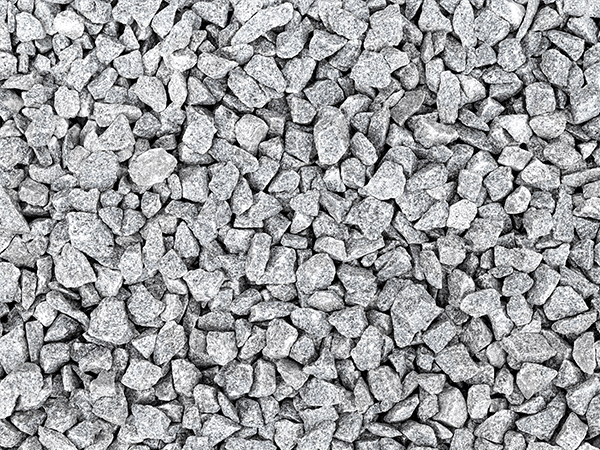
Crushed gravel has angular, fractured edges and a uniform size typically ⅜″, ¾″, or 1½″ depending on the product. Colors range from gray and tan to blue-gray or beige based on regional stone. The angular shape helps it compact firmly and stay in place.
What size crushed gravel is best for a driveway?
Most driveways use ¾″ crushed gravel for the top layer because it compacts tightly and gives strong traction. For new builds, installers often use 1 – 1½″ gravel or 1½″ gravel as the base, then finish with ¾″ for a smooth, stable surface.
How do I build a crushed gravel patio?
Excavate 4 – 6 inches, compact the soil, add 2 – 3″ of base gravel, compact again, then top with 1 – 2″ of crushed patio gravel. Screed it level, install edging, and compact lightly for a firm but natural-looking surface. A slight slope (1 – 2%) improves drainage.
How do I build a crushed gravel walkway?
Mark your path, remove 3 – 4 inches of soil, install landscape fabric, add a compacted base layer, then top with 1 – 2″ of crushed walkway gravel. Rake smooth and add edging to prevent gravel migration. Light compaction sets the surface.
How do I make a crushed gravel path?
Create the layout, excavate to depth, install fabric, add a compacted base, then layer your crushed gravel. Keep the path slightly crowned or sloped for drainage. Edging keeps the gravel contained and reduces maintenance over time.