
Sand, Aggregates & Gravel for Cedar Mountain, North Carolina
Local Topsoil, Dirt, Sand, Rocks and Gravel near me in Cedar Mountain, North Carolina
Shop Aggregates for Delivery in Cedar Mountain
Order online for free delivery to any Cedar Mountain address.
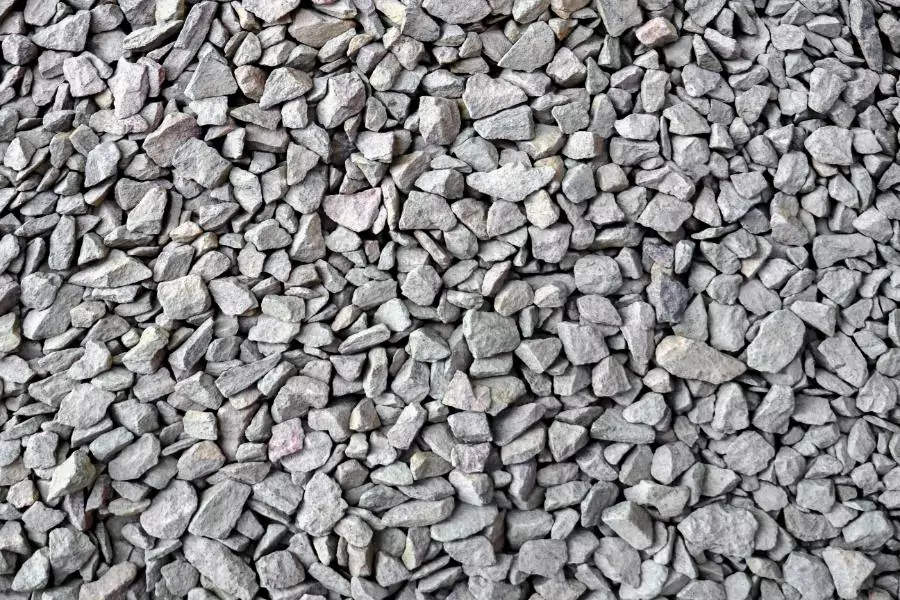
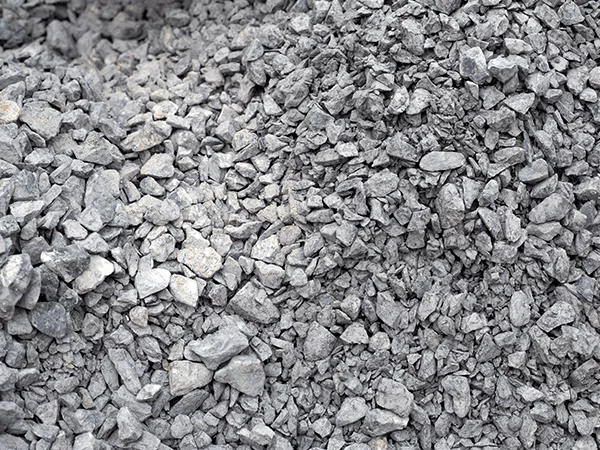


Nestled in the Blue Ridge Mountains of Transylvania County, Cedar Mountain presents unique challenges for property owners building and maintaining driveways, foundations, and landscaping projects. Gravel Monkey delivers premium aggregates and gravel materials directly to your mountain property - completely free. Whether you're grading a steep driveway near Looking Glass Rock, installing drainage solutions along Highway 276, or creating erosion control near the Davidson River, we provide the quality materials your mountain property demands.
Complete Aggregate & Gravel Selection for Cedar Mountain Properties
Living at elevation in Cedar Mountain means dealing with steep terrain, heavy seasonal rainfall (averaging 60-70 inches annually), and clay-rich mountain soils. Our comprehensive selection of aggregates addresses these specific mountain challenges:
- Driveway Gravel - Engineered for steep mountain driveways with superior compaction
- 3/4 inch Crushed Stone - Versatile aggregate for base layers and drainage applications
- #57 Stone - Premium drainage solution for water management on slopes
- Crusher Run - Compactable base material that binds effectively on inclines
- Road Base - Heavy-duty foundation for driveways handling mountain weather
- Drain Rock - Essential for managing water flow on mountain properties
- Pea Gravel - Smooth decorative stone for pathways and garden beds
- River Rock - Natural aesthetic complementing mountain landscapes
- Walkway Gravel - Stable surface for mountain trails and garden paths
- Decomposed Granite - Permeable material perfect for natural-looking pathways
- Topsoil - Nutrient-rich soil for mountain gardens and landscaping
- Fill Dirt - Grading material for leveling steep terrain
- Crushed Concrete - Eco-friendly recycled aggregate for base applications
- Mason Sand - Fine sand for masonry and hardscaping projects
- Playground Sand - Safe, clean sand for family play areas
- Washed Sand - Clean sand for construction and landscaping needs
Understanding Cedar Mountain's Unique Mountain Geology
Cedar Mountain sits at approximately 2,200-2,800 feet elevation in the Blue Ridge Mountain range, characterized by ancient metamorphic rock formations underlying clay-rich mountain soils. This geological composition significantly impacts construction and landscaping decisions. The area's bedrock consists primarily of schist and gneiss, which creates naturally acidic, clay-heavy topsoil that retains moisture during our wet seasons.
The region experiences a humid subtropical highland climate with cool winters and mild summers. Annual precipitation ranges from 60-70 inches, with significant rainfall during spring and summer months. This heavy moisture, combined with steep terrain and clay soils, creates substantial erosion and drainage challenges. Properties throughout Cedar Mountain require proper aggregate bases to prevent driveway washout and foundation settling.
Temperature fluctuations between seasons - with winter lows averaging 25-35°F and summer highs reaching 75-85°F - cause freeze-thaw cycles that can destabilize poorly constructed driveways. The clay content in local soils expands when wet and contracts when dry, making a proper gravel base essential for any long-term construction project in the area.
Serving All Cedar Mountain Communities and Surrounding Areas
Gravel Monkey provides free delivery throughout Cedar Mountain and neighboring communities:
Cedar Mountain Core Area
The heart of Cedar Mountain along Highway 276 features a mix of established mountain homes and new construction. Properties here often require substantial drainage solutions due to the steep terrain and proximity to Looking Glass Creek. We regularly deliver aggregates to homeowners upgrading driveways and installing French drains to manage seasonal water flow.
Looking Glass Rock Vicinity
Homes near the iconic Looking Glass Rock face extreme drainage challenges from mountain runoff. Properties in this area benefit from our drain rock and crusher run products, which provide stable bases capable of handling the water volume that flows down from higher elevations during storm events.
Pisgah National Forest Border Properties
Residences bordering Pisgah National Forest require materials that blend with the natural environment while providing functional durability. Many property owners choose river rock and decomposed granite for pathways that complement the mountain forest aesthetic while managing foot traffic and erosion.
Highway 276 Corridor
The main thoroughfare through Cedar Mountain serves numerous residential and small commercial properties. Driveways connecting to Highway 276 need robust aggregate bases to handle the transition from paved road to gravel surface, especially during winter months when ice and snow are common.
Davidson River Area
Properties near the Davidson River and its tributaries face unique water table challenges. Proper drainage aggregates are critical in these lower-elevation areas where seasonal flooding can occur. Foundation work and driveway construction require specialized attention to water management.
Upper Elevation Properties
Homes at higher elevations above 2,600 feet experience more severe weather conditions, including increased precipitation and longer-lasting snow cover. These properties demand premium driveway materials that maintain traction on steep grades and resist erosion from snowmelt and spring runoff.
We also serve nearby communities including Brevard, Rosman, Lake Toxaway, Sapphire, and Cashiers, providing the same quality aggregates and free delivery throughout Transylvania County and the surrounding mountain region.
Mountain Driveway Solutions for Cedar Mountain's Steep Terrain
Cedar Mountain driveways face challenges rarely encountered in flat terrain. Grades of 10-15% or more are common, requiring specialized aggregate selection and installation techniques. The combination of steep slopes, heavy rainfall, and clay soils creates perfect conditions for erosion, rutting, and washout if proper materials aren't used.
For most Cedar Mountain driveways, we recommend a layered approach starting with a compacted road base or crusher run foundation. This base layer should be 4-6 inches deep when compacted, providing stability that prevents the driveway from shifting during heavy rains. The crusher run contains a blend of stone sizes that lock together when compacted, creating a solid platform that clay soils alone cannot provide.
The top layer typically consists of driveway gravel or three-quarter inch crushed stone, which offers excellent traction for vehicles navigating mountain grades. The angular nature of crushed stone prevents it from rolling like rounded pea gravel would, making it ideal for driveways with significant inclines. A 2-3 inch top layer provides the right balance of drainage and driving surface stability.
Drainage considerations are paramount. Most Cedar Mountain driveways benefit from crown grading - where the center of the driveway is slightly higher than the edges - allowing water to sheet off to the sides rather than channeling down the middle. Strategic placement of culverts and drainage ditches lined with drain rock prevents water from undermining the driveway base during storms.
Aggregate Comparison Guide for Mountain Properties
Selecting the right aggregate for your Cedar Mountain project depends on application, drainage needs, and aesthetic preferences. This comparison helps you choose the optimal material:
| Material Type | Best Applications | Drainage Rating | Compaction | Mountain Suitability |
|---|---|---|---|---|
| Crusher Run | Driveway base, foundation prep | Good | Excellent | Ideal for steep driveways |
| 3/4" Crushed Stone | Driveway surface, around foundations | Excellent | Very Good | Perfect for drainage needs |
| #57 Stone | Drainage systems, French drains | Superior | Good | Essential for water management |
| Road Base | Heavy traffic areas, main driveways | Good | Excellent | Best for high-use mountain roads |
| Pea Gravel | Walkways, decorative landscaping | Very Good | Poor | Flat areas only, not steep slopes |
| River Rock | Landscaping, drainage channels | Excellent | Poor | Decorative use, erosion control |
| Decomposed Granite | Pathways, patios, natural trails | Good | Moderate | Great for mountain aesthetics |
| Drain Rock | Foundation drainage, retaining walls | Superior | N/A | Critical for mountain foundations |
Essential Drainage Aggregates for Mountain Properties
Water management is perhaps the single most important consideration for Cedar Mountain properties. With annual rainfall exceeding 60 inches and mountain topography channeling water from higher elevations, every property needs robust drainage solutions. Inadequate drainage leads to foundation damage, driveway erosion, basement flooding, and soil instability.
The number 57 stone serves as the workhorse of mountain drainage systems. This aggregate's uniform size (approximately three-quarter to one inch) creates void spaces that allow water to flow freely while preventing soil migration. French drains installed with number 57 stone effectively capture and redirect water away from foundations, preventing the hydrostatic pressure that causes foundation cracks and basement seepage.
Around building foundations, a six-inch layer of drain rock creates a capillary break that prevents ground moisture from wicking into concrete or stone foundations. This is especially critical in Cedar Mountain where the clay-rich soils retain moisture for extended periods after rainfall. The drain rock layer extends at least two feet beyond the foundation perimeter and slopes away from the structure at a minimum grade of one inch per eight feet.
Retaining walls - common features on mountain properties for creating level building sites - require backfill drainage to prevent water buildup that can cause wall failure. A one-foot-wide column of drain rock behind the wall, extending from the base to within six inches of the top, channels water down to a perforated drain pipe at the wall's footing. This system prevents the hydrostatic pressure that causes retaining walls to bulge and fail.
Driveway culverts and cross-drains need proper aggregate bedding and backfill. The culvert pipe sits on a bed of crushed stone, and the area around and above the pipe is backfilled with the same material. This prevents pipe crushing from vehicle weight and maintains water flow capacity even as soil settles around the installation.
Landscaping Aggregates for Mountain Gardens and Outdoor Spaces
Cedar Mountain's natural beauty inspires property owners to create outdoor spaces that complement the mountain environment. Landscaping aggregates serve both functional and aesthetic purposes, managing water flow while enhancing the visual appeal of mountain properties.
River rock has become increasingly popular for landscaping applications throughout Cedar Mountain. These naturally rounded stones come in various sizes and colors, from small one to two inch stones perfect for garden bed mulch to larger four to eight inch boulders ideal for dry creek beds. River rock doesn't decompose like organic mulch, maintaining its appearance year after year while allowing water to permeate into the soil beneath.
For walkways and informal pathways connecting different areas of mountain properties, pea gravel provides an economical and attractive solution. The small, smooth stones are comfortable to walk on and create a natural aesthetic that blends with forest surroundings. When installing pea gravel walkways, a proper base of compacted crusher run prevents the gravel from migrating into surrounding soil and maintains a stable walking surface.
Decomposed granite offers another excellent option for mountain pathways, especially for those seeking a more natural appearance. This material compacts to create a relatively firm surface while maintaining permeability for rainwater. The natural earth tones of decomposed granite coordinate beautifully with mountain vegetation and stone features common in Cedar Mountain landscaping.
Garden beds benefit from stone mulch that prevents erosion during heavy rains. On sloped properties, a two to three inch layer of river rock or crushed stone keeps soil in place while allowing water to infiltrate rather than running off and carrying topsoil with it. The stone also moderates soil temperature and suppresses weed growth more effectively than organic mulches that decompose quickly in our humid mountain climate.
Foundation and Construction Aggregates for Mountain Building
Building on Cedar Mountain's steep terrain requires careful attention to foundation preparation and drainage. The clay-rich mountain soils provide poor bearing capacity when wet, making proper aggregate bases essential for stable structures. Whether constructing a new home, adding an outbuilding, or installing a retaining wall, the right aggregates form the foundation of successful mountain construction.
Foundation excavations in Cedar Mountain typically encounter clay soil mixed with weathered rock fragments. This native material must be removed to reach undisturbed soil or bedrock, then replaced with properly compacted aggregate base. A foundation base typically begins with six to twelve inches of compacted crusher run or road base, providing a stable platform that won't settle or shift when loaded.
The compaction process is critical in mountain construction. Each layer of aggregate base material should be compacted in lifts no more than four inches thick before the next layer is added. Proper compaction eliminates void spaces and increases the bearing capacity of the aggregate base significantly. For major construction projects, compaction testing ensures the base meets engineering specifications.
Concrete footings and slabs require clean, angular aggregates in the concrete mix as well as proper base preparation. The subgrade beneath concrete should consist of well-compacted crushed stone that provides uniform support and facilitates drainage. A four-inch layer of clean crushed stone beneath concrete slabs prevents moisture migration from the soil below while providing a stable, level base for concrete placement.
Utility trenches - whether for water lines, septic systems, or electrical conduits - need proper bedding and backfill materials. Pipes are bedded on clean sand or fine gravel, then backfilled with aggregate that won't damage the pipe while providing good compaction. The remaining trench is backfilled with native soil or fill dirt, compacted in lifts to prevent settlement that could damage the utility line or create surface depressions.
Seasonal Aggregate Needs in Cedar Mountain
Cedar Mountain's distinct seasons create varying demands for aggregates and materials throughout the year. Understanding these seasonal patterns helps property owners plan projects and maintenance effectively.
Spring: Managing Snowmelt and Heavy Rains
Spring in Cedar Mountain brings snowmelt from higher elevations combined with frequent rainfall, creating peak water flow conditions. This is prime time for drainage failures and driveway erosion. Property owners often need additional crusher run to repair winter damage to driveways. Spring is also ideal for installing new drainage systems and French drains before summer landscaping projects begin. The soil is typically moist enough for easy excavation but not waterlogged.
Summer: Prime Construction Season
Summer offers the most favorable conditions for major aggregate projects. Foundation work, new driveway installation, and retaining wall construction proceed efficiently during the drier summer months. However, afternoon thunderstorms are common, so drainage planning remains important even during the driest season. Summer is perfect for installing walkway gravel and completing landscaping projects with river rock and decorative stones.
Fall: Preparation and Prevention
Autumn is crucial for winter preparation. Property owners should address any drainage issues and reinforce driveways before winter weather arrives. Adding a fresh top layer of driveway gravel in fall helps maintain traction during icy winter conditions. Fall is also an excellent time for landscaping projects, as the cooler temperatures make outdoor work more comfortable and plants establish well before winter dormancy.
Winter: Damage Prevention and Repair
Winter in Cedar Mountain brings freezing temperatures, occasional snow and ice, and freeze-thaw cycles that can damage poorly maintained driveways. Properties at higher elevations experience more severe conditions. Well-constructed aggregate bases resist freeze-thaw damage, but even the best driveways may need spring repairs. Winter is not ideal for major aggregate projects, but emergency repairs are sometimes necessary to maintain property access.
Planning Your Cedar Mountain Aggregate Project
Successful aggregate projects in mountain terrain require careful planning that accounts for slope, drainage, soil conditions, and access challenges. Here's how to approach common projects:
Driveway Installation and Repair
Measure your driveway length and width, then determine the depth of aggregate needed. For new driveways on native clay soil, plan for a minimum six-inch base depth using crusher run or road base. Add two to three inches of driveway gravel for the surface layer. A typical single-lane mountain driveway (10 feet wide by 100 feet long) with eight inches total depth requires approximately 25 tons of aggregate material.
Drainage System Installation
French drain installation requires excavation to below the problem area's water source. A typical French drain trench is 12-18 inches wide and extends to a depth where the drain pipe slopes at least one-quarter inch per foot toward the discharge point. Calculate approximately one ton of number 57 stone per 15 linear feet of drain trench. Include filter fabric to separate the aggregate from surrounding soil.
Foundation Drainage
Foundation perimeter drainage requires drain rock extending from the footing level to approximately six inches below finished grade. Calculate the linear footage of foundation perimeter, multiply by the width and depth of the drainage zone (typically two feet wide by four feet deep), and convert to cubic yards. One cubic yard covers approximately 80 linear feet at this dimension.
Landscaping Projects
For garden bed coverage with river rock or pea gravel, measure the bed area in square feet and decide on coverage depth (typically two to three inches). One ton of river rock or pea gravel covers approximately 100 square feet at two-inch depth. Pathways using decomposed granite or walkway gravel need a compacted base of crusher run (two to three inches) topped with two to three inches of surface material.
Frequently Asked Questions About Gravel and Aggregates in Cedar Mountain
We deliver driveway gravel, crushed stone in multiple sizes, number 57 stone, crusher run, pea gravel, river rock, drain rock, decomposed granite, topsoil, fill dirt, and various sand types throughout Cedar Mountain and the surrounding Blue Ridge Mountain area. All deliveries are completely free.
Yes! Gravel Monkey offers FREE delivery to Cedar Mountain and the surrounding Transylvania County area for all gravel and aggregate orders. We serve the entire Cedar Mountain community including areas near Looking Glass Rock, Pisgah National Forest, and along Highway 276.
For steep driveways in Cedar Mountain, we recommend crusher run or three-quarter inch crushed stone. These materials compact well and provide excellent traction on inclines while managing the heavy rainfall common in our mountain climate. The angular stone pieces lock together to resist sliding on slopes.
Cedar Mountain sits on clay-rich mountain soil that can retain water and shift during our wet seasons. Proper drainage rock and a solid gravel base are essential for long-lasting driveways and foundations in this area. The clay expands when wet and contracts when dry, which is why we recommend substantial aggregate bases for all construction projects.
Absolutely! We regularly deliver aggregates to properties throughout Cedar Mountain, including homes near Pisgah National Forest, Looking Glass Rock area, and along Highway 276. Our delivery trucks can navigate mountain roads and steep driveways that are common in the Cedar Mountain area.
For drainage in Cedar Mountain properties, we recommend number 57 stone or drain rock. These larger aggregates allow water to flow freely while preventing soil erosion common on mountain slopes. The uniform stone size creates void spaces that channel water effectively without clogging.
The amount depends on your driveway dimensions and condition. For new driveways, plan for six inches of base material (crusher run) plus two to three inches of surface gravel. Measure length times width times depth in feet, divide by 27 to get cubic yards, then multiply by 1.4 to convert to tons. Our team can help calculate exact amounts for your specific property.
Summer and early fall offer the best conditions for major aggregate projects in Cedar Mountain. The drier weather allows for proper compaction and reduces complications from mud and water. However, drainage system installation and emergency driveway repairs can be completed year-round as needed.
Start Your Cedar Mountain Aggregate Project Today
Whether you're building a new mountain driveway, installing drainage systems, or creating beautiful landscaping that complements Cedar Mountain's natural beauty, Gravel Monkey delivers the quality aggregates your project demands. Our mountain-tested materials withstand steep terrain, heavy rainfall, and the unique soil conditions found throughout the Blue Ridge Mountains.
Every aggregate we deliver meets rigorous quality standards and comes with the expertise of our team who understands mountain construction challenges. From the steep grades near Looking Glass Rock to properties along the Davidson River, we've supplied materials for successful projects throughout Cedar Mountain and Transylvania County.
Contact Gravel Monkey today to discuss your project needs. Our knowledgeable team can recommend the right aggregates for your specific application, help you calculate material quantities, and schedule free delivery to your Cedar Mountain property. We're committed to providing the materials and expertise that make mountain projects successful.

Need help? Reach out for a quote: