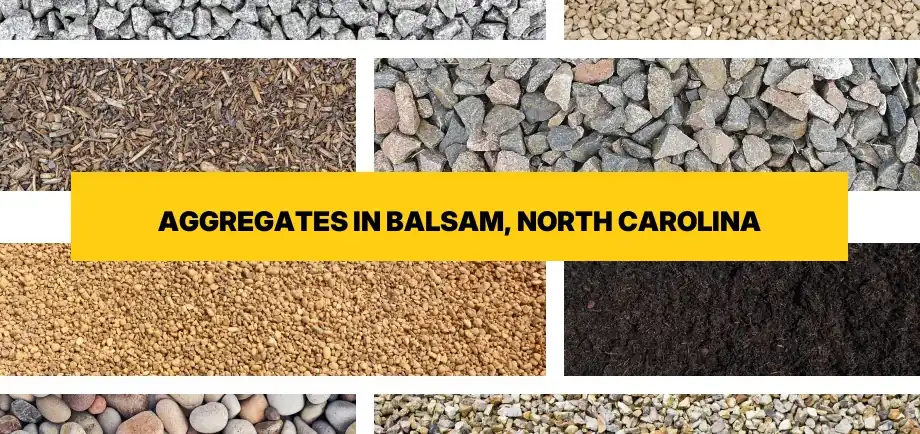
Buy Bulk Aggregates & Gravel in Balsam, North Carolina
Local Topsoil, Dirt, Sand, Rocks and Gravel near me in Balsam, North Carolina
Shop Aggregates for Delivery in Balsam
Order online for free delivery to any Balsam address.
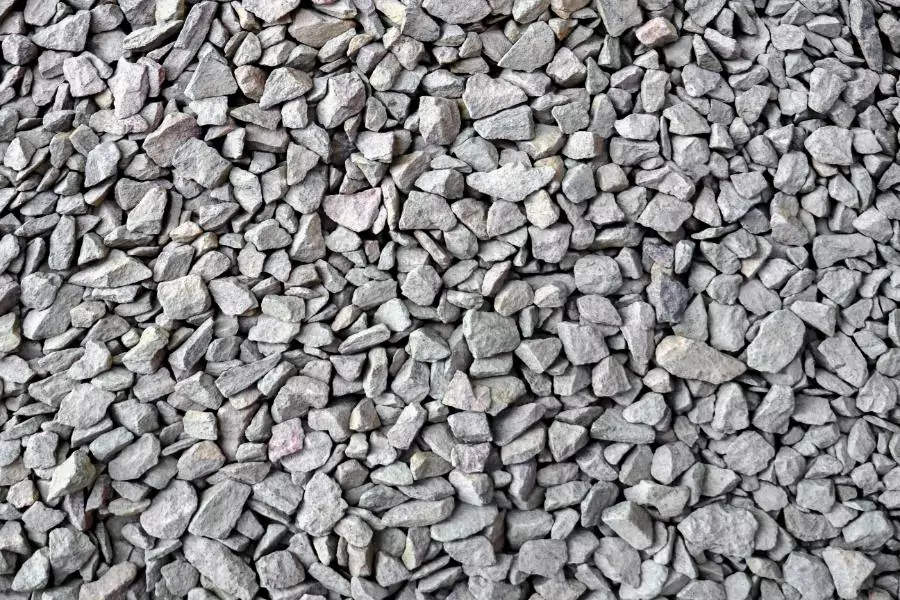
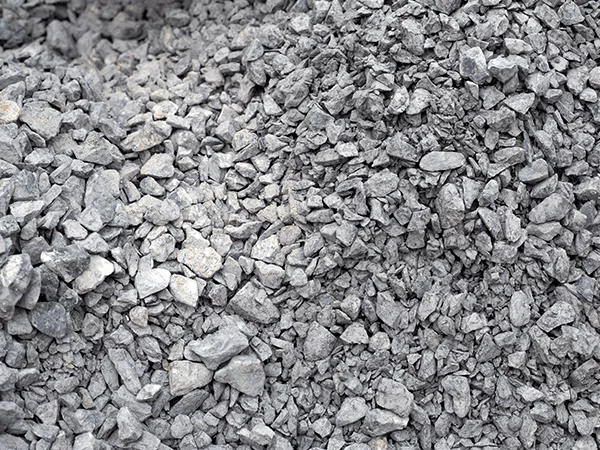


Gravel Monkey delivers premium aggregates and landscaping materials throughout Balsam, North Carolina, nestled in the heart of the Blue Ridge Mountains. Whether you're building a mountain driveway near Balsam Mountain Road, creating drainage solutions in the historic Balsam village area, or completing landscaping projects around nearby Sylva and Waynesville, we provide free delivery of high-quality aggregates directly to your mountain property. Our materials are specifically selected to handle the unique challenges of Jackson County's mountainous terrain, heavy rainfall, and elevation changes.
Complete Aggregate Selection for Balsam Mountain Properties
The challenging terrain and climate conditions around Balsam require aggregates that perform reliably in steep slopes, handle intense rainfall, and withstand freeze-thaw cycles at elevation. Our comprehensive inventory includes materials proven to excel in Blue Ridge Mountain applications:
- Driveway Gravel - Specially selected for mountain driveways with excellent compaction and drainage properties
- 3/4 Inch Crushed Stone - Versatile aggregate ideal for foundations, driveways, and base layers on sloped terrain
- #57 Stone - Premium drainage aggregate for French drains and foundation perimeters
- Crusher Run - Excellent compactable base material that locks together on steep grades
- Road Base - Heavy-duty aggregate for mountain road construction and driveway bases
- Drain Rock - Essential for managing Balsam's 60+ inches of annual rainfall
- Pea Gravel - Decorative stone for pathways and landscaping around mountain homes
- River Rock - Natural aesthetic stone perfect for water features and erosion control
- Walkway Gravel - Comfortable walking surfaces for mountain garden paths
- Crushed Concrete - Eco-friendly recycled aggregate for sustainable building projects
- Decomposed Granite - Stabilized pathway material that complements natural mountain landscapes
- Topsoil - Nutrient-rich soil for mountain gardens and landscaping beds
- Fill Dirt - Essential for grading and leveling on sloped mountain properties
- Mason Sand - Fine sand for masonry and construction projects
- Playground Sand - Safe, clean sand for family play areas
- Washed Sand - Clean aggregate for concrete mixing and specialized applications
Understanding Balsam's Unique Mountain Environment
Balsam sits at an elevation of approximately 3,400 feet in Jackson County, making it one of North Carolina's higher-elevation communities. The village is located along US Highway 23/74 between Sylva and Waynesville, with the historic Balsam Mountain Inn overlooking the valley. The surrounding Blue Ridge Mountains create a landscape of steep slopes, narrow valleys, and dramatic elevation changes that significantly impact construction and landscaping projects.
The geological composition of the Balsam area consists primarily of metamorphic rocks including schist and gneiss, overlaid with acidic mountain soils that are typically clay-heavy with significant organic content. This soil combination presents drainage challenges, particularly during Balsam's intense rainfall periods. The region receives over 60 inches of precipitation annually, with heavy rains common during spring and summer months. Winter weather brings freeze-thaw cycles that can damage improperly constructed driveways and foundations.
Properties throughout the Balsam area, from homes along Balsam Mountain Road to developments near Scott Creek, face similar challenges: managing water runoff on slopes, preventing erosion, and creating stable surfaces on uneven terrain. Quality aggregates become essential infrastructure components rather than simple landscaping materials in this environment.
Aggregate Delivery Throughout Balsam and Surrounding Areas
We provide free delivery to all areas around Balsam and throughout Jackson County. Our service extends throughout the Blue Ridge Mountain region, reaching properties in these key areas:
Historic Balsam Village and Balsam Mountain Road
The historic village center around the Balsam Mountain Inn and properties along Balsam Mountain Road often feature older driveways requiring renovation and modern drainage solutions. Mountain homes in this area benefit from crusher run and drain rock to manage the steep terrain and heavy rainfall that flows down from higher elevations. The clay-heavy soils common here require proper aggregate bases to prevent settling and erosion.
Scott Creek and Richland Creek Areas
Properties near Scott Creek and Richland Creek face unique water management challenges. Creek proximity means high water tables and seasonal flooding risks. Homeowners in these valleys frequently need quality drainage aggregates and elevated building pads. French drains using number 57 stone become critical infrastructure for basement protection and yard drainage.
Blue Ridge Parkway Access Points
Mountain properties with access to the Blue Ridge Parkway enjoy spectacular views but face exposed weather conditions at higher elevations. Driveways here require aggregates that handle freeze-thaw cycles, heavy snow loads, and significant temperature fluctuations between seasons. Road base and three-quarter inch crushed stone provide necessary stability for these challenging locations.
Nearby Sylva and Waynesville
We serve the broader Jackson County area including Sylva to the west and Waynesville to the east. These communities share similar geological and climate conditions with Balsam, requiring the same high-quality aggregates for residential and commercial projects. From downtown developments to mountain subdivisions, we deliver materials throughout the region.
Forest Service Road Properties
Remote mountain properties accessed by Forest Service roads require durable aggregates capable of handling minimal maintenance and heavy use. These driveways need materials that compact firmly, drain effectively, and resist washout during intense storms. Crusher run serves these applications particularly well due to its self-binding properties.
Mountain Driveway Construction in Balsam
Building and maintaining driveways in Balsam's mountainous terrain requires understanding how elevation, slope, and rainfall impact aggregate performance. Unlike flat terrain where any gravel might suffice, mountain driveways demand specific material properties to handle water flow, prevent erosion, and maintain stability on grades.
The ideal mountain driveway in Balsam starts with proper excavation and grading to establish drainage patterns that move water away from the driving surface. A base layer of crusher run or road base provides structural integrity and initial drainage. These materials contain a mix of stone sizes that lock together when compacted, creating a stable foundation even on slopes. The fine particles fill voids between larger stones, preventing shifting and settling.
The surface layer determines daily driving quality and long-term durability. Three-quarter inch crushed stone makes an excellent top layer because its angular edges interlock while allowing water to drain through rather than pool on the surface. This drainage capability proves critical in Balsam where afternoon thunderstorms can dump inches of rain in short periods. Water that penetrates the surface flows through the aggregate layers rather than running across the surface, which causes ruts and erosion.
Proper aggregate depth becomes more important on mountain driveways than flat alternatives. We recommend minimum depths of four to six inches of compacted aggregate for residential driveways, with steeper grades requiring deeper bases. Properties with heavy vehicle use or frequent truck deliveries benefit from eight to ten inches of total aggregate depth split between base and surface layers.
Essential Drainage Systems for Blue Ridge Properties
Water management separates successful mountain construction from costly failures in Balsam's high-rainfall environment. Every property needs comprehensive drainage planning that accounts for both surface water runoff and subsurface groundwater movement. The region's clay soils compound drainage challenges by preventing water absorption, forcing moisture to flow across surfaces and through aggregate systems.
French drains represent the primary tool for managing groundwater around foundations and in yards with persistent wet areas. These systems use perforated pipe surrounded by drain rock to collect and redirect water away from structures. The key lies in using the right aggregate—number 57 stone works perfectly because its uniform size creates consistent void spaces that allow water to flow freely while preventing soil infiltration that would clog the system.
Surface drainage requires equally careful attention. Properties on slopes must direct water flow to prevent erosion while avoiding concentration that causes gullies and washouts. Strategic placement of drainage swales lined with river rock creates attractive water management features that blend into mountain landscapes. The rounded stones slow water velocity, preventing erosion while allowing gradual infiltration.
Retaining walls throughout Balsam properties must incorporate proper backfill drainage to prevent hydrostatic pressure buildup. Backfilling with drain rock instead of soil allows water to flow down behind the wall to perforated drain pipes at the base. This simple technique prevents the water pressure that causes wall failure and extends structure life indefinitely.
| Aggregate Type | Best Mountain Applications | Drainage Rating | Compaction | Slope Performance |
|---|---|---|---|---|
| Crusher Run | Driveway base, road base, steep grades | Good | Excellent | Superior |
| 3/4" Crushed Stone | Driveway surface, drainage, foundations | Excellent | Very Good | Excellent |
| #57 Stone | French drains, foundation drainage, pipe bedding | Superior | Fair | Good |
| Drain Rock | Foundation backfill, drainage systems, septic fields | Superior | Fair | Good |
| Road Base | Heavy-duty driveways, parking areas, road construction | Good | Excellent | Excellent |
| Pea Gravel | Pathways, landscaping, decorative beds | Good | Poor | Fair |
| River Rock | Erosion control, water features, drainage swales | Very Good | Poor | Good |
| Decomposed Granite | Pathways, patios, natural-looking surfaces | Fair | Good | Fair |
Landscaping Aggregates for Mountain Properties
While functional aggregates handle infrastructure needs, decorative materials create the aesthetic character that makes mountain properties special. Balsam homeowners increasingly incorporate natural stone elements that complement the Blue Ridge environment while requiring minimal maintenance at high elevations.
Pea gravel creates comfortable walking surfaces for garden paths and around outdoor living spaces. Its rounded shape feels pleasant underfoot while providing excellent drainage—important for areas that receive heavy shade and stay damp in Balsam's humid climate. The neutral tan and gray colors available blend naturally with mountain surroundings without appearing stark or artificial.
River rock serves both functional and aesthetic purposes in mountain landscaping. Larger sizes (three to six inch diameter) work beautifully in dry creek beds that channel water during storms while creating visual interest during dry periods. These features prevent erosion while adding natural beauty that looks indigenous to mountain valleys. Smaller river rock sizes fill decorative beds around specimen plants and trees, providing clean mulch alternatives that don't wash away during heavy rains.
Decomposed granite offers an attractive solution for patios and seating areas where homeowners want natural appearance with more stability than loose gravel provides. When properly installed with compaction, decomposed granite creates firm surfaces that resist erosion while maintaining the informal character appropriate to mountain settings. The material's earth tones harmonize with surrounding forest environments.
Topsoil and Fill Dirt for Mountain Gardening
Balsam's native soils present significant challenges for gardening and landscaping. The acidic, clay-heavy composition drains poorly and contains limited nutrients. Most mountain properties benefit from importing quality topsoil to create planting beds and lawn areas where desirable plants can thrive.
Our topsoil provides the organic matter and nutrient content that native mountain soil lacks. When spread over existing ground or used to fill raised beds, quality topsoil creates growing environments where vegetables, flowers, and ornamental plants flourish. The improved drainage topsoil provides prevents the root rot and fungal issues common in Balsam's heavy native clay.
Fill dirt serves different but equally important purposes on mountain properties. Creating level building sites, filling low areas prone to water collection, and establishing proper grading around structures all require quality fill dirt. Mountain lot development often involves significant grading work to create usable spaces on steep terrain. The fill dirt we deliver compacts firmly to create stable building pads and yard areas that resist settling and erosion.
Proper grading around mountain homes becomes critical for water management. Ground should slope away from foundations at minimum two percent grade to direct water away from basements and crawl spaces. Strategic fill dirt placement creates these drainage patterns while establishing level lawn and garden areas where families can enjoy outdoor mountain living.
Seasonal Aggregate Considerations in Balsam
The Blue Ridge Mountain climate creates distinct seasonal challenges that affect aggregate selection and installation timing. Understanding these patterns helps property owners plan projects for optimal results and long-term durability.
Spring in Balsam brings heavy rainfall and freeze-thaw cycles as temperatures fluctuate. This season presents challenges for aggregate installation but represents the ideal time for assessing winter damage and planning driveway repairs. Properties with existing drainage problems become obvious during spring storms, revealing areas requiring French drains or surface drainage improvements. Late spring, after final frost dates, provides excellent conditions for aggregate installation as ground dries and compacts well.
Summer's warm temperatures and intense afternoon thunderstorms create optimal conditions for most aggregate projects. Ground stays dry between storms, allowing proper excavation and compaction. However, summer projects require attention to storm forecasts—newly installed aggregate needs time to compact before heavy rains test drainage systems. Summer also brings peak construction activity, making early material ordering advisable to ensure timely delivery.
Fall offers the longest window for aggregate projects in Balsam. Cooler temperatures, reduced rainfall, and stable ground conditions make September through November ideal for driveway construction, drainage installation, and landscaping projects. Completing aggregate work before winter ensures new installations have time to settle and stabilize before freeze-thaw cycles begin. Fall colors add natural beauty to mountain properties, making this season perfect for enhancing landscapes with decorative stone.
Winter limits aggregate work in Balsam due to freezing temperatures and occasional snow. However, winter provides valuable planning time for spring projects. Property owners can identify problem areas, measure spaces, calculate material needs, and schedule deliveries for optimal spring installation dates. Emergency driveway repairs remain possible during winter warm spells, though spring reinstallation often becomes necessary.
Free Aggregate Delivery Throughout Jackson County
Gravel Monkey eliminates one of the biggest obstacles to mountain property improvement: material transportation. Our free delivery service brings premium aggregates directly to your Balsam property regardless of accessibility challenges. We understand mountain roads, steep driveways, and tight access situations common throughout the Blue Ridge region.
Our delivery trucks navigate the winding roads and elevation changes between Sylva and Waynesville regularly. Whether your property sits along Highway 23/74, back on a Forest Service road, or up a steep mountain driveway, we have the equipment and experience to deliver materials safely and efficiently. We work with property owners to determine the best delivery locations that balance material accessibility with minimal disruption to existing landscaping and structures.
Free delivery extends throughout Jackson County and surrounding areas in the Blue Ridge Mountains. From Balsam east to Waynesville, west to Sylva, north toward the Blue Ridge Parkway, and south toward Cashiers, we serve the entire mountain region with the same commitment to quality and service. Distance from our supply sources doesn't affect delivery costs—you pay only for materials, never for transportation.
Calculating Aggregate Quantities for Your Project
Accurate material estimation prevents both shortages that delay projects and excess that wastes money. Understanding how to calculate aggregate needs ensures you order appropriate quantities for Balsam mountain projects where delivery access may limit multiple trips.
For driveway projects, measure length and width in feet, then multiply by desired depth (convert inches to feet by dividing by twelve). Divide the result by 27 to convert cubic feet to cubic yards—the standard aggregate measurement. A typical mountain driveway measuring 12 feet wide by 100 feet long with four-inch depth requires 14.8 cubic yards: (12 × 100 × 0.33) ÷ 27 = 14.8 cubic yards. We recommend rounding up to 15 yards to ensure complete coverage.
Mountain driveways often require deeper aggregate than flat alternatives due to slope stress and drainage demands. Properties with significant grades benefit from six-inch depths, increasing material requirements by fifty percent. The same driveway with six-inch depth needs 22 cubic yards. While deeper installation costs more initially, the extended life and reduced maintenance justify the investment.
Drainage projects require different calculations based on trench dimensions. French drains typically measure 12 to 18 inches wide and 18 to 24 inches deep. For a 50-foot drainage run 12 inches wide and 24 inches deep, calculate: (50 × 1 × 2) ÷ 27 = 3.7 cubic yards. Add ten percent for drainage rock to account for void spaces and ensure complete pipe coverage—this project needs approximately four cubic yards of number 57 stone.
Landscaping applications vary widely but follow the same calculation principles. Decorative rock beds typically use two to four inch depths—deeper layers look better and resist weed growth more effectively. Calculate area in square feet, multiply by depth in feet, then divide by 27 for cubic yards. Always add ten percent extra for irregular shapes and edge filling.
Frequently Asked Questions About Gravel and Aggregates in Balsam, NC
Crusher run provides the best performance on steep Balsam driveways because it compacts tightly and resists washout during heavy rains. The mixture of stone sizes creates a self-binding surface that stays stable on grades while providing good drainage. For driveway tops, three-quarter inch crushed stone over a crusher run base delivers excellent traction and long-term durability on mountain slopes.
Preventing washout requires three elements: proper base depth (minimum four inches, preferably six), adequate drainage systems to direct water off the driveway, and regular maintenance to fill ruts before they channel water. Install drainage bars or water turnouts every 50 to 75 feet on steep sections to divert water off the driving surface. Using crusher run for the base and crushed stone for the surface creates a durable system that resists erosion.
Number 57 stone provides the ideal size for French drains throughout the Balsam area. Its uniform three-quarter inch to one inch size creates consistent void spaces that allow water to flow freely while preventing soil infiltration that could clog the drain. The stone's angular shape maintains open channels around perforated drain pipe while supporting the pipe structure. Avoid smaller aggregates that compact too tightly and larger stones that leave excessive gaps allowing soil migration.
Winter aggregate installation in Balsam presents challenges due to freezing temperatures and ground frost. While emergency repairs remain possible during warm spells, we recommend planning major projects for spring through fall when ground conditions allow proper compaction. Frozen ground prevents adequate base preparation, and aggregates installed over frozen soil often settle unevenly when thawing occurs. If winter work becomes necessary, expect potential spring adjustments as ground stabilizes.
Minimum driveway aggregate depth for Balsam properties should be four inches of compacted material, but six inches provides better performance on slopes and with heavy vehicle use. Split this depth between base layers (crusher run or road base) and surface layers (three-quarter inch crushed stone). Properties with particularly steep grades, heavy truck traffic, or soft native soil benefit from eight to ten inches total depth to ensure long-term stability and drainage performance.
Balsam sits in the Blue Ridge Mountains where soil is typically acidic (pH 4.5 to 5.5), clay-heavy, and poorly draining. The region's elevation creates freeze-thaw cycles that stress foundations and driveways. Annual rainfall exceeding 60 inches saturates clay soils, creating drainage problems and erosion on slopes. These conditions make quality aggregate bases and proper drainage systems essential for any construction project. Imported topsoil becomes necessary for successful gardening in the acidic native soil.
Yes, we deliver throughout the Balsam area including remote mountain properties accessed by Forest Service roads and private mountain lanes. Our drivers have extensive experience navigating mountain terrain, steep grades, and narrow access roads common throughout Jackson County. We work with property owners to identify the best delivery location that balances material accessibility with protecting existing landscaping. All deliveries throughout the Balsam region are completely free regardless of property location or access difficulty.
Crusher run and road base serve similar purposes but have slight composition differences. Crusher run contains a blend of three-quarter inch stone down to fine dust particles, creating a material that compacts extremely well and forms a solid base. Road base typically uses slightly larger stones with less fine material, making it better for heavy-duty applications like commercial driveways and road construction. For most Balsam residential driveways, crusher run provides excellent performance at lower cost. Commercial properties and driveways with heavy truck traffic benefit from road base's additional strength.
Why Balsam Property Owners Choose Gravel Monkey
Mountain property improvement demands materials and service that understand Blue Ridge challenges. Gravel Monkey brings years of experience serving Balsam and surrounding Jackson County communities with aggregates specifically selected for mountain performance. We understand how elevation, rainfall, slopes, and freeze-thaw cycles affect material durability and project success.
Our free delivery service eliminates the hassle and expense of material transportation. You focus on project planning and execution while we handle logistics of getting quality aggregates to your mountain property. Whether you're renovating a historic home near Balsam Mountain Inn, developing a new lot along Scott Creek, or maintaining a remote mountain retreat, we deliver the materials you need when you need them.
Quality materials make the difference between projects that last decades and those requiring frequent repairs. We source aggregates that meet mountain performance standards—properly graded crushed stone that compacts and drains effectively, uniform drain rock that maintains flow capacity, and decorative materials that enhance rather than detract from natural mountain beauty. Every load meets our quality standards before leaving our facility.
Customer service matters as much as material quality. Our team answers questions, helps calculate quantities, recommends appropriate materials for specific applications, and ensures delivery timing matches your project schedule. We understand mountain construction challenges and provide the expertise that helps projects succeed from planning through completion.
Start Your Balsam Aggregate Project Today
Mountain properties throughout Balsam, from the historic village center to remote Forest Service road locations, deserve quality aggregates that perform reliably in challenging Blue Ridge conditions. Whether you're building a new driveway, installing drainage systems, or enhancing your landscape with decorative stone, proper materials ensure project success and long-term satisfaction.
Our comprehensive aggregate inventory provides solutions for every mountain property need. From crusher run bases that handle steep slopes to drain rock that manages heavy rainfall, from decorative river rock that enhances natural beauty to topsoil that makes mountain gardening possible—we supply the materials that transform Balsam properties into beautiful, functional mountain retreats.
Free delivery throughout Jackson County means you receive premium aggregates without transportation costs or logistics hassles. We bring materials directly to your property, positioned for easy project access. Our experienced drivers navigate mountain terrain safely and efficiently, ensuring your materials arrive in perfect condition ready for installation.
Contact our team to discuss your project needs, calculate material quantities, and schedule delivery. We're here to help Balsam property owners achieve their vision with quality aggregates, expert advice, and service that exceeds expectations. Let us supply the foundation for your next mountain property improvement project.

Need help? Reach out for a quote: