
Buy Bulk Aggregates & Gravel in Glendale Springs, North Carolina
Local Topsoil, Dirt, Sand, Rocks and Gravel near me in Glendale Springs, North Carolina
Shop Aggregates for Delivery in Glendale Springs
Order online for free delivery to any Glendale Springs address.
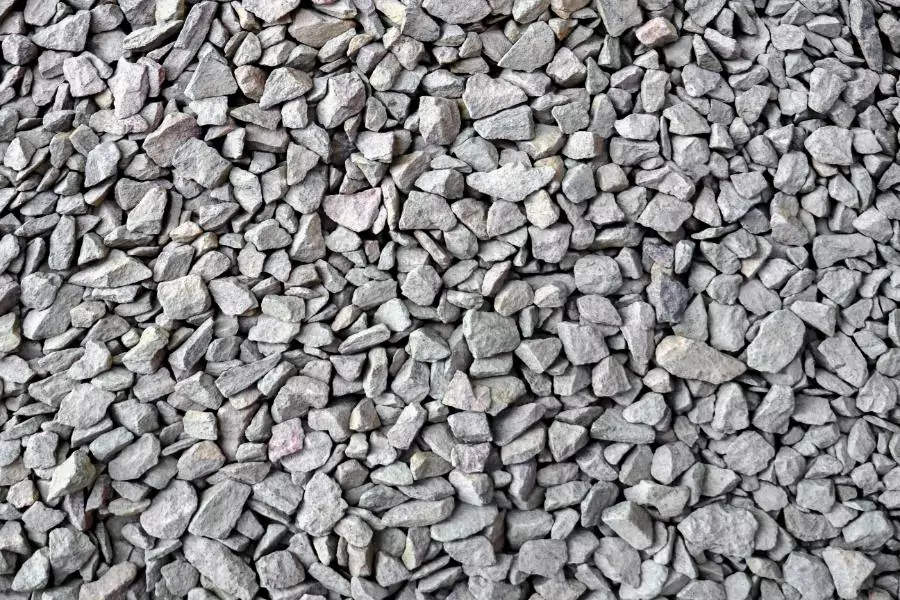
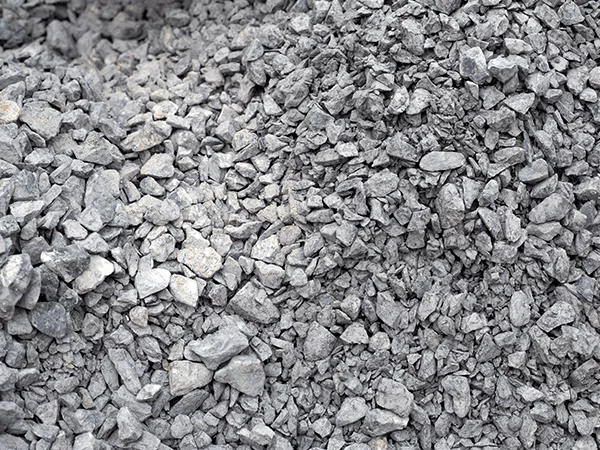


Nestled in the heart of Ashe County's Blue Ridge Mountains, Glendale Springs presents unique challenges for property owners seeking quality aggregates and landscaping materials. Gravel Monkey delivers premium gravel, crushed stone, and bulk materials directly to your mountain property with completely free delivery. Whether you're building a new driveway off Highway 16, improving drainage around your vacation cabin near the New River, or creating paths through your wooded acreage, we provide the high-quality aggregates your High Country project demands.
Complete Aggregate Selection for Glendale Springs Properties
Our extensive inventory meets every need for residential and commercial projects throughout Glendale Springs and the surrounding Ashe County area. From steep mountain driveways to level garden beds, we supply the materials that perform in our unique mountain environment:
- Driveway Gravel - Engineered for mountain slope stability and year-round traction
- 3/4 inch Crushed Stone - Versatile aggregate for foundations and drainage applications
- #57 Stone - Popular angular stone for French drains and concrete projects
- Crusher Run - Superior compaction for driveway bases on mountain terrain
- Road Base - Heavy-duty aggregate for private mountain roads
- Pea Gravel - Smooth stones perfect for pathways and decorative landscaping
- River Rock - Natural rounded stones for aesthetic mountain landscapes
- Walkway Gravel - Comfortable surface for garden paths and hiking trails
- Drain Rock - Essential for managing mountain runoff and erosion control
- Topsoil - Nutrient-rich soil for mountain gardens and lawn establishment
- Fill Dirt - Quality material for leveling and grading mountain lots
- Crushed Concrete - Eco-friendly recycled aggregate for base layers
- Mason Sand - Fine sand for stonework and masonry projects
- Playground Sand - Safe, clean sand for family outdoor spaces
- Washed Sand - Clean sand for multiple construction applications
- Decomposed Granite - Natural pathway material that compacts beautifully
Aggregates Engineered for Blue Ridge Mountain Conditions
Glendale Springs sits at elevations ranging from 2,600 to 3,200 feet in the Blue Ridge Mountains, where properties face unique geological and climate challenges. The underlying bedrock consists primarily of ancient granite and gneiss formations, creating naturally rocky, acidic soils with excellent drainage but limited depth. Understanding these conditions helps us recommend the right aggregates for your specific project.
The mountain climate brings average annual precipitation of approximately 45 inches, with significant freeze-thaw cycles during winter months when temperatures regularly drop below freezing at night and rise during the day. This cycling can destabilize poorly chosen aggregates, making material selection critical for long-lasting results. Properties throughout the area, from the historic Holy Trinity Church vicinity to newer developments along Glendale School Road, require aggregates that handle both moisture and temperature extremes.
Driveway Solutions for Mountain Properties
Mountain driveways present specific engineering challenges that demand proper aggregate selection. Steep grades, often exceeding 15 percent on properties near Peak Creek and throughout the surrounding ridges, require materials that resist erosion while maintaining vehicle traction in all seasons. The seasonal freeze-thaw action common at our elevation can heave and crack improperly constructed driveways, leading to costly repairs.
For base layers on steep terrain, crusher run provides exceptional compaction and stability. This blended aggregate contains various particle sizes that lock together under compression, creating a solid foundation that resists shifting even on significant slopes. Many properties along Highway 16 North and the winding secondary roads off Meat Camp Road have successfully used crusher run as their primary driveway base material for decades.
The surface layer typically benefits from angular crushed stone, which provides superior traction compared to rounded materials. Properties near Three Top Mountain and along Pine Swamp Road often choose this combination for reliability during ice and snow events. The angular edges interlock mechanically, preventing the washboarding effect that smooth stones can create under repeated vehicle traffic.
Managing Mountain Water Flow with Proper Aggregates
Water management stands as perhaps the most critical concern for Glendale Springs property owners. Mountain terrain naturally channels rainfall and snowmelt across slopes, and without proper drainage systems, this water flow can undermine foundations, erode driveways, and damage landscaping. The clay-rich subsoils common beneath our thin mountain topsoil layer have relatively poor permeability, meaning water tends to run across the surface rather than infiltrating deeply.
French drain systems installed with properly sized drain rock provide effective solutions for directing water away from structures and vulnerable areas. The angular particles in drain rock create void spaces that allow water to move freely through the aggregate while filtering out soil particles that could clog the system. Properties throughout the Jefferson and Lansing areas that installed comprehensive drainage systems experience significantly less maintenance and erosion issues.
Erosion Control Strategies
Steep banks and cut slopes require strategic aggregate placement to prevent erosion during heavy rain events. The mountains around Glendale Springs can receive intense thunderstorms during summer months, with rainfall rates occasionally exceeding two inches per hour. Such deluges quickly create gullies and washouts in unprotected soil.
Properly graded aggregates placed in layers of descending size create effective erosion barriers. Larger stones at the base slow water velocity, while progressively smaller materials above filter and manage the flow. This technique works particularly well along stream banks near the New River watershed and on properties with natural springs, which are common throughout the area due to our fractured bedrock geology.
| Aggregate Type | Best Mountain Applications | Typical Size Range | Drainage Rating | Freeze-Thaw Resistance |
|---|---|---|---|---|
| Crusher Run | Driveway base, road foundation | Fines to 1 inch | Moderate | Excellent |
| 3/4" Crushed Stone | Drainage, concrete aggregate | 1/2 to 3/4 inch | Excellent | Excellent |
| #57 Stone | French drains, septic systems | 1/2 to 1 inch | Excellent | Excellent |
| Pea Gravel | Walkways, decorative beds | 1/4 to 3/8 inch | Good | Good |
| Drain Rock | Foundation drainage, culverts | 3/4 to 1.5 inch | Superior | Excellent |
| River Rock | Landscaping, dry creek beds | 1 to 6 inch | Excellent | Excellent |
| Road Base | Private roads, heavy traffic | Fines to 1.5 inch | Moderate | Superior |
| Decomposed Granite | Paths, natural surfaces | Fines to 1/4 inch | Good | Good |
Landscaping Aggregates for Mountain Beauty
The natural beauty of Glendale Springs attracts property owners who want their landscaping to complement rather than compete with the surrounding mountain vistas. Native rhododendrons, mountain laurel, and various hardwoods create the signature High Country aesthetic, and landscape aggregates can enhance these natural features while solving practical problems.
River rock works beautifully in dry creek bed designs that manage seasonal water flow while adding visual interest. Many properties near the South Fork New River and along the various tributary streams use this technique to channel runoff during rain events while maintaining an attractive landscape feature during dry periods. The smooth, rounded stones come in various sizes and earth tones that blend seamlessly with native rock outcroppings.
Garden Beds and Pathway Materials
Mountain gardens benefit from proper mulching and aggregate placement around planting beds. The acidic soils throughout Glendale Springs naturally support azaleas, blueberries, and other acid-loving plants, but beds often need defined edges and weed suppression. Pea gravel provides an attractive, long-lasting option that doesn't decompose like organic mulches, reducing maintenance while controlling erosion on sloped beds.
Walking paths through wooded areas or connecting different parts of large mountain properties need materials that provide stable footing without looking out of place. Decomposed granite compacts into a firm yet natural-looking surface that works well for rustic paths. Properties throughout the area, particularly those with mountain views toward Phoenix Mountain and the surrounding peaks, appreciate materials that maintain the natural character of their land.
Serving All Glendale Springs Communities
Gravel Monkey provides free delivery throughout Glendale Springs and surrounding areas in northwestern Ashe County. Our service area extends to all neighborhoods and districts in this scenic mountain region:
Historic Glendale Springs Area
The heart of Glendale Springs centers around the intersection of Highway 16 and Glendale School Road, where the historic Glendale Springs Inn and Holy Trinity Church with its remarkable Ben Long fresco create a cultural focal point. Properties in this central area often feature older homes with mature landscaping that requires careful renovation and aggregate selection to preserve historical character while addressing modern drainage and access needs.
New River Valley Properties
Homes and vacation properties along the South Fork New River valley and its tributaries face unique water management challenges. The relatively flat bottomland transitions to steep hillsides, creating distinct zones that require different aggregate solutions. River bottom properties often need robust drainage systems to handle seasonal flooding and high water tables, while hillside lots above the valley must manage rapid runoff.
Peak Creek and Meat Camp Road Districts
The Peak Creek watershed includes numerous residential properties on both gentle and steep terrain. Meat Camp Road winds through this area, serving homes that range from modest mountain cottages to substantial mountain estates. The mixed topography means aggregate needs vary significantly from property to property, but proper driveway construction and erosion control remain consistent priorities.
Highway 16 Corridor
Running north-south through the area, Highway 16 provides the main transportation route with numerous properties along its path and on secondary roads branching east and west. This corridor includes a mix of residential, agricultural, and small commercial properties, each with specific aggregate requirements. The state highway's drainage systems interact with private property runoff, making proper aggregate selection important for managing water flow.
Three Top Mountain Region
Higher elevation properties near Three Top Mountain face the most extreme weather conditions in the area, with colder temperatures, more frequent freezing, and occasional heavy snow. These mountain properties require aggregates specifically chosen for durability under harsh conditions. The spectacular views from these heights make them desirable locations, but infrastructure materials must perform reliably through all seasons.
Surrounding Rural Areas
Beyond the main settlement, Glendale Springs encompasses extensive rural acreage with scattered homes, farms, and forest lands. Pine Swamp Road, Rich Hill Road, and numerous other secondary roads serve these outlying properties. Long driveways, private roads, and agricultural applications dominate aggregate use in these areas, where durability and cost-effectiveness remain paramount concerns.
Understanding Local Soil and Geology
The geology of Glendale Springs reflects its position in the ancient Blue Ridge Mountains, where erosion has exposed metamorphic rocks that formed over a billion years ago. The bedrock consists primarily of gneiss and schist with bands of more resistant granite, creating the ridges and valleys that define our landscape. This hard crystalline bedrock weathers slowly, producing the characteristically rocky, shallow soils found throughout the area.
Soil scientists classify most local soils as Inceptisols - relatively young mountain soils with limited profile development. The typical mountain soil in Glendale Springs features a thin organic layer over a shallow mineral horizon, often just 12 to 18 inches deep before hitting weathered bedrock. These soils drain quickly due to their coarse texture and shallow depth, which benefits construction but challenges gardening and agriculture.
Implications for Aggregate Projects
The rocky, well-drained soils mean excavation often encounters bedrock at shallow depths, affecting foundation work and utility installation. This geology actually benefits aggregate projects in some ways - the natural drainage reduces concerns about base stability and frost heaving in properly constructed features. However, the limited soil depth means topsoil and fill dirt become essential for any landscaping or agricultural improvements.
The acidic nature of mountain soils, typically with pH values between 4.5 and 5.5, results from the granite-derived parent material and high rainfall that leaches basic elements. While this acidity suits native vegetation, improved areas often need lime amendments in addition to topsoil for successful lawn and garden establishment. Our delivered topsoil comes properly conditioned for mountain growing conditions.
Seasonal Factors in Aggregate Selection
The distinct seasons in Glendale Springs influence both when to schedule aggregate projects and which materials work best for different applications. Understanding these seasonal patterns helps property owners plan effectively and achieve optimal results.
Spring: High Water and Mud Season
Spring brings warming temperatures that melt accumulated snow and ice, combined with frequent rainfall as weather systems move through the mountains. This creates the wettest conditions of the year, with soil moisture at saturation and streams running high. While spring tempts property owners to start projects after winter confinement, it's actually the most challenging season for aggregate work.
Saturated soils can't support heavy equipment without rutting and compaction damage. Aggregate placed in wet conditions often settles unevenly as underlying soils dry and consolidate later in the season. For essential spring work, proper site preparation and drainage become even more critical than usual. Many experienced property owners in the Jefferson and West Jefferson areas wait until late spring or early summer for major aggregate projects.
Summer: Optimal Construction Season
Summer provides the best conditions for aggregate installation throughout Glendale Springs. Dry, warm weather allows proper compaction and settling. The extended daylight hours permit longer working days for larger projects. However, summer also brings afternoon thunderstorms, particularly in July and August when warm, humid air masses interact with mountain topography.
These storms can be intense but typically brief, dumping heavy rain that tests drainage systems. Properties with new aggregate installation should include temporary erosion control measures until vegetation and permanent drainage features establish. The storms also demonstrate whether drainage systems function properly, allowing adjustments before fall and winter precipitation arrives.
Fall: Last Chance for Major Work
Autumn combines favorable weather conditions with the urgency of completing projects before winter. September and October typically offer dry conditions with comfortable temperatures for outdoor work. Property owners throughout the area often schedule driveway improvements, drainage installations, and landscape projects during these months.
The falling leaves that give the season its beauty can create challenges for aggregate work, as leaf litter mixed into stone bases creates weak spots that compress over time. Keeping work areas clean during fall construction maintains quality. As November approaches and freezing nights become more common, the window for aggregate work closes rapidly.
Winter: Maintenance and Planning
Winter in Glendale Springs brings regular freezing temperatures, occasional snow and ice, and limited opportunities for new aggregate installation. However, winter reveals how well existing features handle freeze-thaw cycles and demonstrates where drainage improvements are needed. Observant property owners note problem areas during winter for correction when spring arrives.
The freeze-thaw action that occurs when daytime temperatures rise above freezing but nights drop below zero represents the most severe test for aggregates. Materials that contain fines and don't drain properly can heave and crack under these conditions. This validates the importance of selecting proper aggregates initially rather than dealing with repeated winter damage.
Aggregate Quantity Estimating for Glendale Springs Projects
Calculating the amount of aggregate material needed for a project prevents both shortages that delay completion and excess material that wastes money. The specific requirements depend on project type, material characteristics, and site conditions.
Driveway Projects
A typical mountain driveway needs a 4 to 6 inch base layer of compacted crusher run or road base, followed by a 2 to 3 inch surface layer of crushed stone. For a driveway 12 feet wide and 100 feet long (1,200 square feet), this translates to approximately 15 to 20 tons of base material and 7 to 10 tons of surface stone.
Steep driveways require thicker base sections, particularly where grades exceed 10 percent. The additional material provides the mass and stability needed to resist gravity's downslope pull. Properties climbing the ridges around Glendale Springs often need base depths of 8 inches or more on the steepest sections.
Drainage Applications
French drain systems require stone that fills the trench around the perforated pipe. A typical residential drainage system uses 4-inch pipe in a trench 12 inches wide and 18 inches deep, filled with drain rock or #57 stone. Each linear foot of trench requires approximately 1.5 cubic feet of aggregate, or roughly 1 ton per 20 linear feet.
Larger drainage projects, such as interceptor drains upslope from structures or along property boundaries, may need wider trenches and more aggregate. The investment in proper drainage pays dividends through reduced maintenance and structural protection, making it worth sizing systems generously rather than minimizing material use.
Landscape Features
Decorative aggregate coverage depends on desired depth. For pea gravel or river rock in planting beds, a 2 to 3 inch depth provides good coverage and weed suppression. One ton of pea gravel covers approximately 100 square feet at 2 inches deep, while larger river rock covers slightly less area due to the increased void space between stones.
Pathway applications benefit from slightly greater depth, typically 3 to 4 inches, which provides a more stable walking surface and better resistance to displacement. Property owners creating extensive path networks through wooded areas should account for this deeper coverage when calculating material needs.
Choosing Between Common Aggregate Types
Understanding the characteristics and best applications for different aggregates helps property owners make informed decisions that serve their needs both immediately and long-term. The wrong material can create ongoing problems, while the right choice provides years of trouble-free performance.
Crusher Run Versus Road Base
Both crusher run and road base provide excellent compaction for driveway and road foundations, but subtle differences affect performance. Crusher run typically contains more fines (small particles and dust) that bind larger stones together, creating a very dense, solid base when properly compacted. Road base has a slightly more controlled gradation with somewhat less fines, making it compact well while maintaining better drainage.
For most mountain driveways in Glendale Springs, crusher run performs excellently. The tight compaction resists rutting and provides a stable platform for surface aggregates. Properties with high water flow across the driveway area might prefer road base for its marginally better drainage characteristics. Both materials handle freeze-thaw cycles effectively when properly installed with adequate drainage.
Angular Versus Rounded Stone
The shape of aggregate particles significantly affects performance. Angular crushed stone, whether 3/4 inch material or #57 stone, locks together mechanically through the interlocking of irregular edges. This provides superior stability in load-bearing applications like driveways and foundations. The angular particles also create consistent void spaces that promote drainage.
Rounded materials like pea gravel and river rock don't interlock as effectively, making them less suitable for heavy traffic areas or steep slopes where particles might roll and shift. However, their smooth surfaces and attractive appearance make them ideal for decorative applications. Walking on rounded stone is also more comfortable than angular material, making pea gravel the preferred choice for pathways and garden areas.
Recycled Versus Virgin Aggregates
Crushed concrete offers an environmentally responsible alternative to quarried stone for certain applications. The recycled material performs well in base layers and areas where appearance matters less than function. It compacts reasonably well and costs less than virgin aggregates, making it economical for large projects like private road construction.
However, crushed concrete doesn't weather or perform identically to natural stone. Over time, the cement matrix that binds aggregate in concrete can break down, creating fines that may affect drainage and stability. For critical applications like primary driveway bases or foundation drainage, natural stone aggregates provide more predictable long-term performance. Crushed concrete works well for secondary roads, parking areas, and other lower-stress applications where its economic advantages outweigh any performance limitations.
Frequently Asked Questions About Aggregates in Glendale Springs
We deliver driveway gravel, crushed stone in various sizes, pea gravel, river rock, recycled concrete, topsoil, fill dirt, mason sand, drain rock, road base, and decomposed granite throughout Glendale Springs and surrounding areas in Ashe County.
Yes! Gravel Monkey offers FREE delivery to Glendale Springs and the surrounding North Carolina High Country area for all gravel and landscaping material orders.
The amount depends on your project size. For driveways, calculate length times width times depth, typically 3 to 4 inches deep. Our team can help you estimate the right amount for your specific Glendale Springs property, accounting for mountain terrain and drainage needs.
For mountain properties in Glendale Springs, crusher run and three-quarter inch crushed stone work exceptionally well. These materials compact firmly on slopes and handle the freeze-thaw cycles common in the Blue Ridge Mountains while providing excellent drainage.
Yes, we regularly deliver aggregates to mountain properties throughout the Glendale Springs area, including steep terrain near the Blue Ridge Parkway. Our experienced drivers understand the unique challenges of High Country deliveries and can navigate mountain roads safely.
Glendale Springs sits on mountain soils that are typically acidic and well-drained, formed from weathered granite and gneiss bedrock. Many properties have rocky, shallow topsoil that benefits from amendments. Our topsoil and fill dirt help create proper growing conditions for mountain landscaping.
Summer and early fall provide optimal conditions for aggregate installation in Glendale Springs. The dry weather allows proper compaction and settling. Spring's wet conditions and winter's freezing temperatures make those seasons less ideal for major aggregate projects, though planning and preparation can occur year-round.
Proper driveway construction starts with adequate drainage. Install culverts or drainage ditches to direct water away from the driveway surface. Use a thick base layer of crusher run for stability, and crown the surface so water drains to the sides. Consider adding cross-slope drainage bars on steep sections to prevent concentrated water flow that causes erosion.
Free Delivery Throughout the Glendale Springs Area
Gravel Monkey serves the entire Glendale Springs region with free delivery of all aggregates and landscaping materials. Our service extends throughout Ashe County and into adjacent areas, reaching properties in Jefferson, West Jefferson, Lansing, and the surrounding mountain communities. We understand the challenges of navigating mountain roads and delivering to properties with steep or narrow access, and our experienced drivers routinely handle these situations safely and professionally.
Whether your property sits along Highway 16 in the main village area, climbs the slopes toward Three Top Mountain, or occupies a remote mountain homestead accessed by gravel roads, we deliver the materials you need directly to your project site. The convenience of free delivery means you can focus on your project rather than arranging transportation for heavy, bulky materials.
Ordering and Delivery Process
Ordering aggregates from Gravel Monkey is straightforward. Contact us through our website or by phone to discuss your project requirements. Our knowledgeable staff will help you select the right materials and calculate quantities based on your project dimensions and site conditions. We can answer questions about material characteristics, installation recommendations, and timing considerations specific to mountain projects.
Once you've placed your order, we schedule delivery at your convenience. Our drivers will contact you before arrival to confirm timing and discuss any specific site access considerations. If your property has challenging access - steep grades, tight turns, or seasonal road restrictions - let us know when ordering so we can plan accordingly. We've successfully delivered to countless mountain properties throughout the area and have experience with virtually every access situation.
Upon delivery, we place materials where you specify, whether that's at the top of your driveway, adjacent to your project area, or another convenient location. Our dump trucks can place material precisely, minimizing the distance you need to move it for your project. For large orders that exceed a single truck's capacity, we coordinate multiple deliveries to ensure you have all materials when needed.
Quality Materials for Mountain Durability
The aggregates we deliver to Glendale Springs properties meet rigorous quality standards appropriate for mountain conditions. All crushed stone comes from regional quarries that produce material specifically graded for construction and landscaping applications. Our suppliers understand that mountain properties demand aggregates that perform reliably through temperature extremes, high precipitation, and the freeze-thaw cycles that define our climate.
We inspect materials regularly to ensure consistent quality. Crushed stone maintains proper size gradation without excessive fines that reduce drainage or oversized particles that prevent good compaction. Sand products are properly washed and screened to remove organic matter and unwanted debris. Topsoil is tested for appropriate composition and pH, with organic matter content suitable for mountain growing conditions.
This attention to quality means the materials you receive will perform as expected in your project. A driveway built with our crusher run will compact solidly and resist rutting. Drainage systems using our drain rock will function efficiently for years. Landscaping features created with our decorative aggregates will maintain their appearance and function through all seasons. Quality materials reduce maintenance requirements and extend the service life of your improvements, providing excellent long-term value.
Understanding Glendale Springs Properties
Success with aggregate projects in Glendale Springs requires understanding the specific characteristics of our mountain environment. The combination of steep terrain, rocky soils, seasonal weather extremes, and beautiful natural surroundings creates unique requirements that generic advice may not address adequately. Gravel Monkey brings experience specific to the High Country that helps property owners achieve optimal results.
We've delivered materials throughout the area for over a decade, working with property owners on projects ranging from modest pathway installations to major private road construction. This experience has taught us which materials perform best on steep grades, how to design drainage for maximum effectiveness, and what seasonal timing considerations matter most for different project types. When you work with us, you benefit from this accumulated knowledge.
Property owners new to the area particularly appreciate guidance on working with mountain conditions. The challenges of freeze-thaw cycles, erosion control, and managing water flow differ significantly from level terrain in milder climates. We're happy to discuss your specific site conditions and help you plan projects that address your property's particular situation. Sometimes a brief conversation can save significant expense by directing you toward solutions that work reliably in our environment.
Our commitment extends beyond simply delivering materials. We want every customer to achieve successful project results that enhance their property value and enjoyment. Whether you're improving an existing mountain home, developing a new property, or maintaining a vacation retreat, Gravel Monkey provides the materials and expertise that contribute to your success. Contact us today to discuss your aggregate needs and experience the difference that quality materials and knowledgeable service make for mountain projects in Glendale Springs.

Need help? Reach out for a quote: