Shop Sand, Stone & Gravel in Julian, North Carolina
Local Topsoil, Dirt, Sand, Rocks and Gravel near me in Julian, North Carolina
Shop Aggregates for Delivery in Julian
Order online for free delivery to any Julian address.
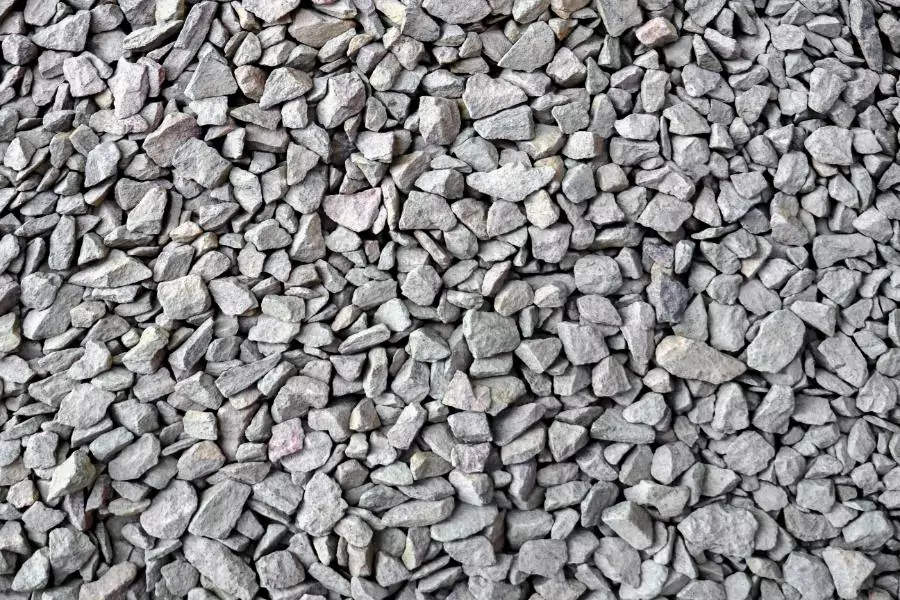
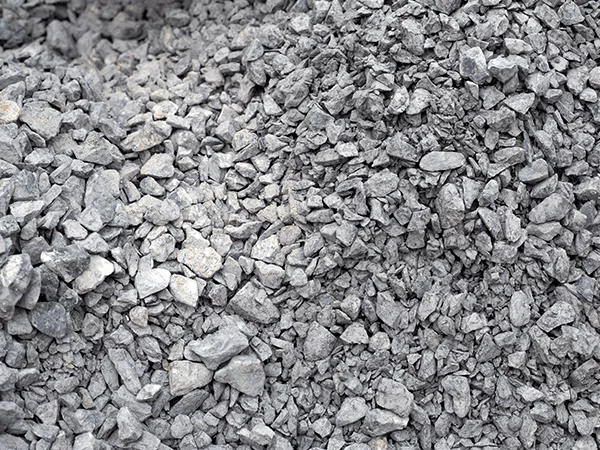


Gravel Monkey is your trusted source for premium aggregates and landscaping materials in Julian, North Carolina. Located in the heart of Guilford County, Julian presents unique challenges and opportunities for property owners, from the characteristic red Piedmont clay soil to the rolling terrain that requires proper drainage solutions. Whether you're building a new driveway near Pleasant Garden, improving drainage along Highway 62, or creating a landscape feature in the Climax area, we deliver high-quality aggregates directly to your property with absolutely free delivery. Our extensive selection of materials meets the specific needs of Julian's rural and residential properties, helping you build projects that last through North Carolina's variable climate.
Complete Selection of Aggregates for Julian Properties
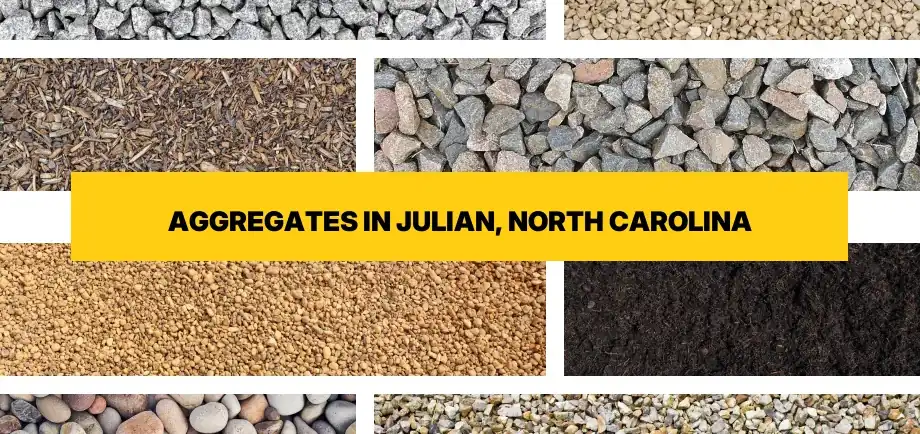
Gravel Monkey provides a comprehensive range of aggregates and materials specifically suited to Julian's Piedmont geography and soil conditions. Our product selection addresses the drainage, stability, and aesthetic needs of properties throughout the Julian area:
- Driveway Gravel - Premium aggregate blend engineered for long-lasting rural and residential driveways
- Crusher Run - Compactable base material ideal for Julian's clay soil conditions
- 3/4 inch Crushed Stone - Versatile aggregate for drainage, driveways, and foundation work
- #57 Stone - Popular drainage aggregate for French drains and septic systems
- Road Base - Stable foundation material for long driveways and access roads
- Drain Rock - Angular aggregate specifically designed for optimal water flow
- Pea Gravel - Smooth decorative stone perfect for walkways and landscaping
- River Rock - Natural rounded stones for beautiful landscape features
- Walkway Gravel - Comfortable walking surface for paths and garden areas
- Crushed Concrete - Eco-friendly recycled aggregate for base layers
- Decomposed Granite - Natural pathway material that compacts beautifully
- Topsoil - Nutrient-rich soil for gardens and lawn establishment
- Fill Dirt - Quality grading material for leveling and elevation changes
- Mason Sand - Fine sand for masonry work and paver installations
- Playground Sand - Clean, safe sand for play areas and sandboxes
- Washed Sand - Clean sand for various construction applications
Understanding Julian's Unique Landscape and Soil Conditions
Julian sits in the northern Piedmont region of North Carolina, where the characteristic red clay soil presents both challenges and opportunities for property owners. This Piedmont clay, rich in iron oxide minerals, is notorious for poor drainage and significant expansion when wet. Properties throughout Julian, from those near Brightwood Elementary School to homes along Guilford College Road, must contend with these soil characteristics when planning driveways, foundations, and drainage systems.
The area experiences a humid subtropical climate with average annual rainfall around 44 inches, concentrated heavily during summer thunderstorms. This precipitation pattern, combined with the clay soil's poor percolation rate, makes proper drainage absolutely critical for any aggregate installation in Julian. Winter temperatures occasionally dip below freezing, causing frost heave concerns in poorly designed aggregate bases. The rolling terrain common throughout Julian and nearby Pleasant Garden requires careful grading and aggregate selection to manage water runoff effectively.
Local geology consists primarily of weathered metamorphic rocks including schist and gneiss, which break down into the characteristic clay-rich soil. Properties near Sophia and Trinity often feature similar conditions, though variations exist based on specific location and historical land use. Understanding these geological factors helps property owners select the right aggregates for their specific Julian location, whether building near Highway 62 or on more remote country roads.
Aggregate Delivery Throughout Julian and Surrounding Communities
Gravel Monkey proudly serves the entire Julian area with free delivery to every neighborhood and surrounding community. Our service territory includes:
Julian proper encompasses the historic core community along Highway 62, where many properties feature long gravel driveways requiring quality aggregates that perform well on clay soil. Residents appreciate materials that minimize maintenance while providing reliable access year-round.
Pleasant Garden, just northeast of Julian, represents one of the fastest-growing areas in Guilford County. New residential developments and established properties alike require aggregates for driveways, drainage solutions, and landscaping projects. The area's continued growth drives demand for quality materials delivered efficiently.
Climax, to the southwest, features primarily agricultural and residential properties with long access roads and driveways. This rural community values aggregates that provide durability and require minimal maintenance, particularly important for properties with significant distance from main roads.
Sophia, southeast of Julian, shares similar soil and terrain characteristics. Properties in this area often need aggregates for farm roads, residential driveways, and erosion control applications. The community's rural character demands materials that balance functionality with aesthetics.
Trinity, to the west, presents opportunities for both residential and light commercial aggregate applications. Properties near Lake Brandt and surrounding conservation areas particularly appreciate environmentally conscious aggregate choices and proper drainage design.
We also regularly deliver to properties along Guilford College Road, Brightwood School Road, and throughout the rural areas connecting these communities. No location is too remote – if you're in our Julian service area, we deliver free of charge.
Choosing the Right Aggregates for Julian Applications
Driveway Construction and Repair
Julian's clay soil requires special consideration when building or maintaining gravel driveways. The key challenge involves creating a stable base that resists the expansion, contraction, and poor drainage characteristics of Piedmont clay. Successful driveway installation begins with proper site preparation, including removal of topsoil and clay to reach more stable subsoil. For properties throughout Julian and Pleasant Garden, we recommend a layered approach that addresses both stability and drainage.
The foundation layer should consist of larger angular aggregates that allow water to pass through while providing structural strength. Road base or crusher run work exceptionally well in this application, as they compact firmly and resist shifting under vehicle traffic. This base layer typically ranges from four to six inches deep, depending on soil conditions and expected traffic loads. Properties with particularly challenging clay conditions may benefit from geotextile fabric beneath the aggregate to prevent mixing with underlying soil.
The surface layer determines both performance and appearance. Many Julian property owners prefer traditional driveway gravel for its proven track record, while others choose 3/4 inch crushed stone for improved compaction. Both options provide adequate drainage and resist rutting when installed over a proper base. For longer driveways common in the Climax and Sophia areas, the investment in quality aggregates pays dividends through reduced maintenance and extended service life.
Drainage Solutions for Clay Soil
Poor drainage represents the most common challenge facing Julian property owners. Clay soil's impermeability causes water to pond on the surface or flow across the ground rather than percolating downward. This creates problems ranging from muddy yards to foundation damage and flooded basements. Proper drainage design using appropriate aggregates solves these issues effectively.
French drains installed with #57 stone provide reliable subsurface drainage for problem areas. The angular stone creates void spaces that allow rapid water movement while resisting compaction over time. Installation involves excavating a trench, installing perforated pipe wrapped in filter fabric, and backfilling with drain rock. Properties near Brightwood School Road and throughout Pleasant Garden frequently benefit from this proven drainage solution.
Surface drainage applications use larger aggregates to create swales and channels that direct water away from structures and problem areas. Drain rock excels in these applications, providing immediate water flow capacity while maintaining stability. The angular shape resists washing away during heavy rainfall common to the Julian area during summer months.
Landscaping and Decorative Applications
Beyond functional applications, aggregates create beautiful landscape features throughout Julian properties. Pea gravel offers a smooth, comfortable walking surface for garden paths and play areas, available in various natural colors that complement North Carolina's landscape. The rounded stones shift underfoot slightly, providing a relaxing sensory experience while maintaining excellent drainage.
River rock creates stunning visual impact in landscape beds, around water features, and as natural-looking borders. Available in multiple size ranges, these smooth stones add texture and interest while requiring virtually no maintenance. Properties throughout Trinity and near Lake Brandt particularly appreciate the natural aesthetic river rock provides.
Walkway gravel offers another option for creating attractive paths through gardens and woodland areas. This material provides a stable surface that feels natural underfoot while defining clear pathways. Decomposed granite presents yet another choice, compacting into a firm surface with a natural appearance that suits both formal and informal landscape designs.
Aggregate Comparison Guide for Julian Projects
Selecting the optimal aggregate for your Julian property depends on understanding how different materials perform in specific applications. This comparison helps clarify the strengths of each option:
| Aggregate Type | Best Applications | Compaction | Drainage | Julian Suitability |
|---|---|---|---|---|
| Crusher Run | Driveway base, roads, foundations | Excellent | Moderate | Ideal for clay soil conditions |
| Road Base | Long driveways, access roads | Excellent | Good | Perfect for rural properties |
| 3/4 inch Crushed Stone | Driveways, drainage, general use | Good | Excellent | Versatile for most projects |
| #57 Stone | French drains, septic fields | Moderate | Excellent | Essential for drainage systems |
| Drain Rock | Drainage systems, water management | Low | Outstanding | Critical for clay soil drainage |
| Pea Gravel | Walkways, landscaping, play areas | Low | Excellent | Beautiful decorative option |
| River Rock | Landscape beds, decorative features | None | Good | Premium aesthetic choice |
| Crushed Concrete | Base layers, budget-conscious projects | Good | Good | Economical and eco-friendly |
| Decomposed Granite | Pathways, natural landscapes | Good | Moderate | Compacts well on clay base |
Installation Best Practices for Julian's Clay Soil
Successful aggregate projects in Julian require attention to specific installation details that account for local soil conditions. These practices ensure your investment performs optimally for years to come:
Site Preparation: Remove all organic material, topsoil, and loose clay before installing aggregates. The depth of excavation depends on your project – driveways typically require removing material to a depth of six to eight inches, while drainage systems need trenches of appropriate depth for the specific application. Properties throughout Pleasant Garden and Climax benefit from thorough site preparation that creates a stable foundation.
Geotextile Fabric: Consider installing landscape fabric or geotextile material between the native clay soil and your aggregate base. This barrier prevents the fine clay particles from migrating upward into the aggregate, which would reduce drainage capacity and stability over time. The fabric allows water to pass through while maintaining separation between materials.
Proper Grading: Ensure adequate slope for water drainage away from structures and problem areas. A minimum slope of two percent (about quarter inch per foot) prevents water ponding. Julian's terrain often provides natural drainage patterns that should be maintained or enhanced during aggregate installation.
Compaction: Compact aggregate in lifts (layers) of three to four inches maximum thickness. Attempting to compact thicker layers results in inadequate density at depth, leading to premature failure. Rent a plate compactor or roller for larger projects, or arrange professional compaction for critical applications like driveways and foundations.
Edge Restraint: Install appropriate edging to contain aggregates and prevent lateral spreading. Options range from pressure-treated timbers to metal edging to formed concrete curbs. The choice depends on your aesthetic preferences and functional requirements. Properties along Guilford College Road and throughout residential areas benefit from clean, defined edges that enhance curb appeal.
Seasonal Considerations for Julian Aggregate Projects
North Carolina's climate influences the optimal timing for aggregate installation and the performance characteristics you should prioritize. Understanding these seasonal factors helps ensure project success.
Spring Installation: Spring offers ideal conditions for most aggregate projects in Julian. Moderate temperatures make outdoor work comfortable, and soil typically reaches optimal moisture content for compaction. However, spring's frequent rainfall can complicate installation timing. Plan projects during dry spells, and ensure adequate drainage is incorporated into your design to handle spring and summer storms.
Summer Projects: Summer provides excellent installation conditions, with warm temperatures and generally stable weather patterns between thunderstorms. The heat does make physical work more demanding, so plan accordingly. Summer installations should prioritize drainage design, as this season brings Julian's heaviest rainfall. Properties need systems that handle intense downpours without erosion or washout.
Fall Advantages: Many Julian property owners consider fall the ideal season for aggregate projects. Cooler temperatures make work comfortable, rainfall typically decreases, and soil moisture remains adequate for proper compaction. Projects completed in fall have several months to settle and stabilize before winter's freeze-thaw cycles begin. This timing works particularly well for properties in Sophia and Trinity preparing for the following year's growing season.
Winter Considerations: While possible, winter installations face challenges from cold temperatures, potential freezing, and variable moisture conditions. However, winter can work well for drainage projects where excavation and aggregate placement don't require extensive compaction. If winter work is necessary, monitor soil temperature and moisture carefully, and avoid installing aggregates over frozen ground.
Calculating Aggregate Quantities for Your Julian Project
Ordering the correct amount of material prevents costly delays and minimizes waste. Use these guidelines to estimate your aggregate needs:
Driveway Projects: Measure the length and width of your driveway in feet. Multiply these dimensions by the desired depth in feet (convert inches to feet by dividing by twelve). For example, a driveway twenty feet wide, one hundred feet long, and four inches deep requires: 20 × 100 × 0.33 = 660 cubic feet, or approximately 24.5 cubic yards. Add ten percent for settling and to account for irregular surfaces common in Julian's rolling terrain.
Drainage Systems: French drain trenches typically measure twelve inches wide. Calculate linear feet of trench, multiply by one foot (width), and multiply by the depth in feet. A one hundred foot French drain twelve inches wide and eighteen inches deep requires: 100 × 1 × 1.5 = 150 cubic feet, or approximately 5.6 cubic yards. Round up to ensure adequate material for proper installation.
Landscape Coverage: For decorative applications like pea gravel or river rock, measure the area in square feet and determine desired depth (typically two to three inches for appearance, four inches for weed suppression). Multiply area by depth to get cubic feet, then divide by twenty-seven to convert to cubic yards. Add fifteen percent for natural settling and irregular coverage.
Our team at Gravel Monkey helps Julian property owners calculate exact quantities for any project. We account for local conditions, material characteristics, and your specific application to ensure you order the right amount the first time.
Maintaining Your Aggregate Investment
Proper maintenance extends the life of aggregate installations and preserves their appearance and functionality. Julian properties benefit from these maintenance practices:
Regular Raking: Rake gravel driveways and surfaces periodically to redistribute material and maintain even coverage. Traffic patterns and weather gradually push aggregates toward edges and low spots. Monthly raking during heavy-use periods prevents thin spots from developing into larger problems.
Weed Control: Apply pre-emergent herbicides in early spring to prevent weed growth in aggregate areas. Address any weeds that do appear promptly, as their roots can displace aggregates and accelerate surface deterioration. Landscape fabric beneath aggregates greatly reduces weed problems, especially important in Julian's humid climate that promotes vigorous plant growth.
Replenishment: Add fresh aggregate periodically to maintain proper depth and coverage. Driveways throughout Pleasant Garden and Climax typically need supplemental material every two to three years, depending on traffic volume and weather exposure. Decorative applications like walkway gravel may need occasional replenishment to maintain appearance.
Drainage Maintenance: Keep drainage systems clear of debris and sediment. Inspect French drains annually and flush with water if flow appears restricted. Surface drainage channels should be checked after major storms to ensure they remain clear and functional. Properties near Brightwood School Road and throughout Julian's more developed areas particularly benefit from proactive drainage maintenance.
Pothole Prevention: Address soft spots or developing potholes in gravel driveways immediately. Remove deteriorated material, compact the base, and install fresh aggregate. Small problems addressed promptly prevent expansion into major repairs. The freeze-thaw cycles Julian experiences, though mild compared to northern climates, can accelerate pothole development when moisture penetrates through inadequately maintained surfaces.
Environmental Advantages of Quality Aggregates
Choosing the right aggregates provides environmental benefits beyond basic functionality. Julian property owners increasingly recognize these advantages when planning projects:
Stormwater Management: Permeable aggregate surfaces allow rainfall to infiltrate naturally rather than running off into storm drains and waterways. This reduces stress on municipal infrastructure and helps protect water quality in local streams and Lake Brandt. Properties throughout Trinity particularly benefit from improved stormwater management given their proximity to conservation areas.
Reduced Heat Island Effect: Aggregate surfaces remain cooler than asphalt or concrete, reducing the urban heat island effect. While Julian maintains its rural character, this benefit becomes increasingly important as development continues in Pleasant Garden and surrounding areas.
Recycled Materials: Crushed concrete and other recycled aggregates divert material from landfills while providing excellent performance. These sustainable options appeal to environmentally conscious property owners throughout Guilford County without compromising quality or durability.
Habitat Preservation: Properly designed aggregate installations with adequate drainage reduce erosion and protect local habitats. This consideration matters particularly for properties near streams, wetlands, and conservation areas common throughout the Julian region.
Frequently Asked Questions About Aggregates in Julian
Crusher run and road base excel on Julian's clay soil because they compact firmly and create a stable base that resists the expansion and contraction characteristic of Piedmont clay. For the surface layer, driveway gravel or 3/4 inch crushed stone provides excellent performance. The key is building a proper multi-layer system that addresses both drainage and stability.
Proper installation prevents washout during Julian's intense summer thunderstorms. Ensure adequate crown (higher center, sloping to edges) for water drainage, install edge restraints to contain material, and use appropriately sized aggregates that interlock rather than washing away. Crusher run or road base for the foundation layer, topped with driveway gravel or crushed stone, creates a system resistant to erosion. Consider adding water bars or drainage swales for longer driveways in sloped areas common throughout Climax and Sophia.
While possible for some applications, best practice involves removing loose surface clay and installing geotextile fabric before placing aggregates. The fabric prevents clay migration into the aggregate layer, which would reduce drainage and stability over time. For critical applications like driveways and foundations, excavate to stable subsoil and build up with proper aggregate layers. This investment pays significant dividends in performance and longevity, particularly important given Julian's challenging clay soil conditions.
Residential driveways in Julian typically need six to eight inches of aggregate total depth for reliable performance. This usually consists of four to six inches of compacted base material like crusher run or road base, topped with two to three inches of surface aggregate such as driveway gravel or crushed stone. Properties with particularly poor clay conditions or heavy vehicle traffic may benefit from deeper installation. Commercial applications and areas with significant truck traffic require engineering analysis for proper depth specifications.
Number 57 stone and drain rock work best for French drain installations in Julian. These materials provide optimal void space for water flow while resisting compaction. The angular shape prevents settling that would reduce drainage capacity over time. Proper installation includes wrapping perforated pipe in filter fabric and surrounding it completely with drainage aggregate. This system effectively handles Julian's clay soil drainage challenges and protects foundations from water damage.
Well-installed gravel driveways in Julian typically require minor maintenance annually and supplemental aggregate every two to three years. Monthly raking during heavy-use periods redistributes material and maintains even coverage. Annual inspections identify any developing problems before they become major issues. The frequency depends on traffic volume, weather exposure, and initial installation quality. Properties along busier roads may need more frequent attention than those with light residential use.
Yes! We provide completely free delivery throughout Julian, Pleasant Garden, Climax, Sophia, Trinity, and surrounding areas. Whether your property is on Highway 62 or a remote country road, delivery is included at no additional charge. We believe quality aggregates should be accessible to all property owners throughout our service area, regardless of location.
Absolutely! Pea gravel, river rock, and other decorative aggregates perform beautifully in Julian landscapes. These materials provide excellent drainage, require minimal maintenance, and create attractive features that complement North Carolina's natural beauty. Use them for walkways, garden paths, landscape beds, and decorative features throughout your property. The key is proper installation with adequate depth and appropriate edging to contain the material.
Experience the Gravel Monkey Difference in Julian
From the rolling countryside near Climax to established neighborhoods in Pleasant Garden, Julian property owners trust Gravel Monkey for reliable aggregate delivery and expert guidance. We understand the unique challenges Piedmont clay soil presents and stock materials specifically suited to local conditions. Our team helps you select the right aggregates for your application, calculate accurate quantities, and provides delivery exactly when you need it – all with no delivery charges.
Every aggregate we deliver meets rigorous quality standards, ensuring your project performs as expected through North Carolina's variable seasons. Whether you're building a new driveway, installing drainage systems, or creating beautiful landscape features, we provide materials and expertise that guarantee success. Our commitment to Julian extends beyond simple delivery – we partner with property owners to achieve results that enhance property value and functionality for years to come.
Contact us today to discuss your Julian property's specific needs. Our knowledgeable team provides honest recommendations based on your unique situation, budget, and goals. We'll help you understand your options, calculate exact quantities, and schedule delivery at your convenience. Experience why Julian property owners choose Gravel Monkey for all their aggregate and landscaping material needs.

Need help? Reach out for a quote: