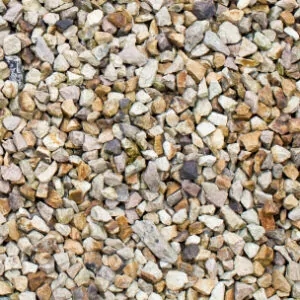
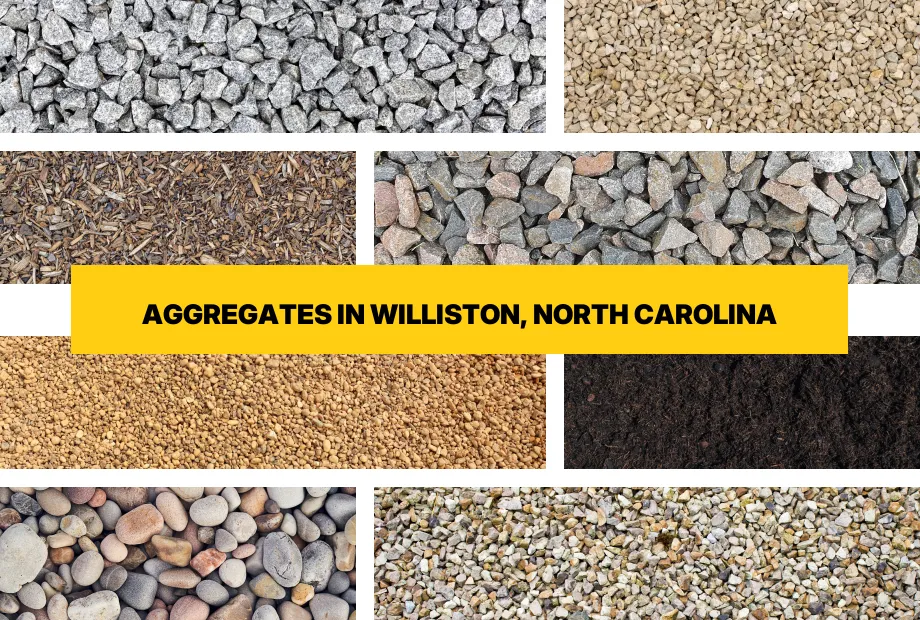
Bulk Aggregate & Gravel Products in Williston, North Carolina
Local Topsoil, Dirt, Sand, Rocks and Gravel near me in Williston, North Carolina
Shop Aggregates for Delivery in Williston
Order online for free delivery to any Williston address.
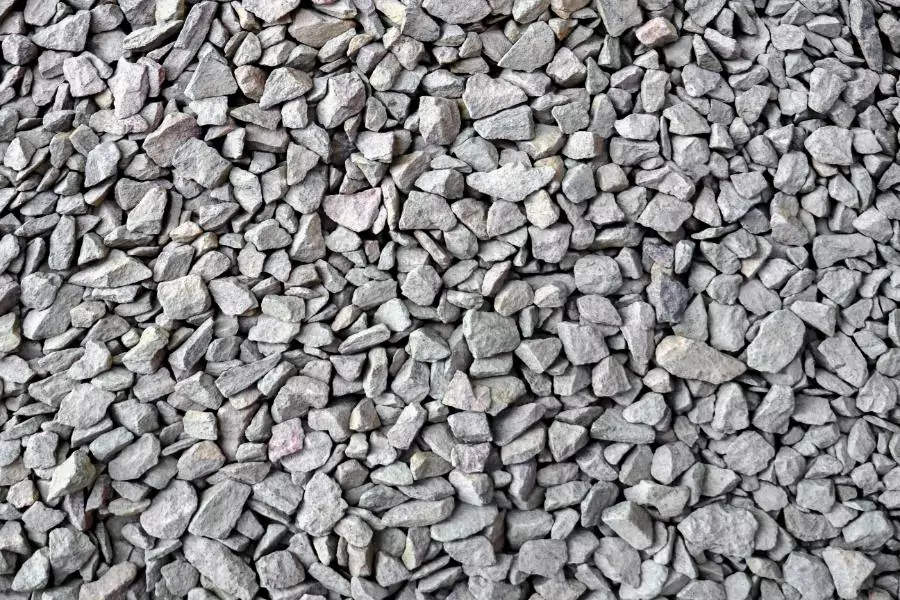
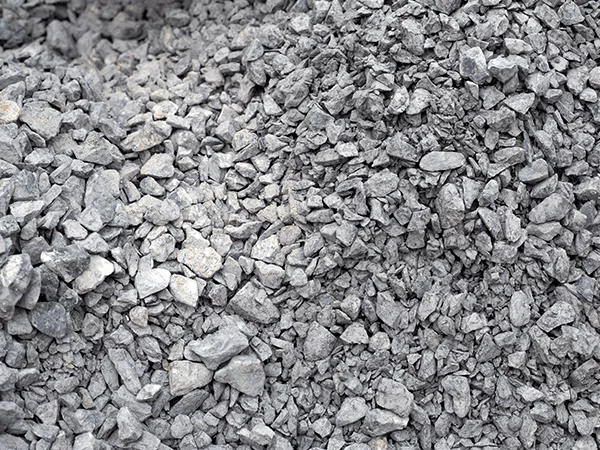


Gravel Monkey is your trusted local source for premium gravel, aggregates, and bulk materials delivered directly to your property in Williston, North Carolina. Located in the heart of eastern North Carolina near the South Carolina border, Williston experiences unique soil conditions and drainage challenges that require quality materials and local expertise. Whether you're improving a country driveway off Highway 39, building a shed foundation near Aiken County, or creating proper drainage solutions in our dense Carolina clay soils, we deliver the aggregates you need with absolutely free delivery throughout Williston and neighboring communities like Elko, Neeses, and Blackville.
Complete Aggregate & Gravel Selection for Williston Properties
Gravel Monkey offers an extensive selection of bulk aggregates, crushed stone, sand, and soil products specifically suited for Williston's clay-based soils and humid subtropical climate. Our materials help property owners throughout the area address drainage issues, construct durable driveways, and complete landscaping projects that stand up to North Carolina weather patterns.
- Driveway Gravel - Durable, compactable base material ideal for long country driveways
- 3/4 inch Crushed Stone - Versatile aggregate for driveways, foundations, and drainage applications
- #57 Stone - Premium drainage rock perfect for French drains and septic systems
- Crusher Run - Excellent compacting base for driveways and parking areas in clay soils
- Road Base - Heavy-duty foundation aggregate for substantial construction projects
- Drain Rock - Angular stone designed specifically for water management systems
- Pea Gravel - Smooth, decorative stone for walkways and landscaping features
- River Rock - Natural aesthetic appeal for garden beds and water features
- Walkway Gravel - Comfortable, stable surface for pedestrian paths
- Crushed Concrete - Eco-friendly recycled aggregate for cost-effective projects
- Topsoil - Nutrient-rich soil perfect for gardens and lawn establishment
- Fill Dirt - Clean fill for grading, leveling, and raising low-lying areas
- Mason Sand - Fine sand for mortar, masonry work, and paver installation
- Washed Sand - Clean sand for concrete mixing and construction applications
- Playground Sand - Safe, soft sand for children's play areas and sandboxes
- Decomposed Granite - Natural pathway material with excellent drainage properties
Understanding Williston's Soil and Climate Challenges
Williston sits in the eastern Piedmont region of North Carolina, characterized by heavy red clay soils, gently rolling terrain, and proximity to the Savannah River watershed. These geological features present specific challenges for property owners that require thoughtful aggregate selection and proper installation techniques.
Clay Soil Considerations Throughout Williston
The predominant Cecil and Appling clay soils common throughout Williston retain moisture and expand when wet, creating challenges for driveways, foundations, and drainage systems. These heavy clay soils compact poorly when wet but become rock-hard during dry summer months. Properties near the Savannah River bottomlands may encounter even heavier clay and seasonal water tables, making proper aggregate selection critical for project success.
When installing aggregates in Williston's clay soils, proper base preparation becomes essential. The clay must be scraped to firm bottom, and a layer of larger aggregates establishes the foundation before finer materials are applied. This approach prevents smaller materials from disappearing into the clay substrate and ensures long-term stability throughout humid summers and occasional winter freeze-thaw cycles.
Weather Patterns and Material Performance
Williston experiences a humid subtropical climate with hot, humid summers where temperatures regularly exceed 90°F and cool winters that average 45°F but can dip below freezing. Annual rainfall totals approximately 45 inches, concentrated in summer thunderstorms and occasional tropical systems. This moisture, combined with clay soils, creates drainage challenges that quality aggregates help address throughout the year.
The area's weather patterns demand aggregates that drain well during heavy summer rains, compact firmly for stability, and resist displacement during temperature fluctuations. Materials that perform well in one season must also function reliably during freeze-thaw cycles that occasionally affect the region during winter months.
Serving Williston and Surrounding Communities
Gravel Monkey proudly delivers aggregates and bulk materials throughout Williston and neighboring areas in eastern North Carolina and the South Carolina border region:
Within Williston proper, we serve residential properties along Highway 39, rural farms throughout the community, and the historic downtown area. Properties near the Williston Elementary School area frequently need quality aggregates for driveway repairs and yard drainage solutions.
We deliver throughout Elko, the nearby community to the north where many Williston residents shop and conduct business. The Neeses area to the east receives our aggregate deliveries for farm roads, driveways, and construction projects. Properties near Blackville to the southwest benefit from our material selection and free delivery service.
The Aiken County line marks the South Carolina border just south of Williston, and we serve properties on both sides of this state boundary. Rural areas toward Barnwell and the Savannah River Site vicinity receive our aggregate deliveries for various residential and agricultural applications. Farms and timber operations throughout the surrounding countryside rely on our materials for access roads and property improvements.
Choosing the Right Aggregate for Your Williston Project
Different projects require specific aggregate types. Understanding how various materials perform in Williston's conditions helps ensure project success and long-term satisfaction.
| Material Type | Best Applications | Drainage Rating | Clay Soil Performance |
|---|---|---|---|
| Crusher Run | Driveway base, parking areas | Good | Excellent - compacts firmly |
| #57 Stone | French drains, septic systems | Excellent | Superior - prevents clogging |
| 3/4" Crushed Stone | Driveways, foundations, general use | Very Good | Excellent - versatile application |
| Drain Rock | Drainage systems, wet areas | Excellent | Superior - angular shape |
| Pea Gravel | Walkways, decorative landscaping | Good | Moderate - needs edging |
| Road Base | Heavy-duty access roads | Very Good | Excellent - load-bearing |
| Decomposed Granite | Pathways, natural landscaping | Very Good | Good - compacts naturally |
Driveway Aggregates for Williston Clay Soils
Long country driveways are common throughout Williston, and these access roads require aggregates that perform reliably in heavy clay soils and humid conditions. The proper base establishes stability, while surface materials provide traction and drainage.
Base Layer Foundation
Start with larger aggregates that bridge soft clay and create a stable foundation. Road base or crusher run works excellently as the initial layer, particularly in areas where clay holds moisture. This foundation layer should be 4-6 inches thick and compacted firmly after installation. The angular nature of crushed aggregates helps them lock together and resist displacement even when clay beneath becomes saturated during heavy rainfall.
Surface and Maintenance Layers
The driveway surface typically uses smaller aggregates that compact smoothly while maintaining drainage. Three-quarter inch crushed stone provides an excellent driving surface that resists rutting and drains well. For properties with lighter traffic, driveway gravel offers a cost-effective solution that performs reliably in Williston conditions when installed over proper base materials.
Annual maintenance often involves adding fresh surface material to address minor rutting and replenish aggregates displaced by weather and traffic. Keep edges well-defined and periodically grade the surface to maintain proper crown for water runoff away from the driveway center.
Drainage Aggregates for Clay Soil Properties
Effective water management remains critical throughout Williston due to heavy clay soils that shed water rather than absorb it. During summer thunderstorms, water quickly accumulates in low spots, around foundations, and along driveways. Quality drainage aggregates help direct this water away from structures and prevent standing water issues.
French Drain Installation
French drains effectively manage groundwater and surface runoff in Williston's challenging soil conditions. Drain rock creates the open void space necessary for water collection and movement. The angular shape prevents the aggregates from compacting together, maintaining continuous drainage pathways even under the weight of soil above. Number 57 stone also works excellently in French drain applications, with its uniform size allowing maximum water flow while preventing soil intrusion.
Proper French drain installation in clay soils requires complete excavation to firm bottom, installation of drainage fabric to separate aggregates from clay, placement of perforated drain pipe, and complete coverage with drainage aggregates. This system intercepts water and redirects it to appropriate discharge points away from problem areas.
Surface Drainage and Erosion Control
Properties with slopes or water concentration areas benefit from strategic aggregate placement. River rock placed in drainage swales provides an attractive solution that allows water flow while preventing soil erosion. Larger stones remain in place during heavy flows while smaller materials would wash away. The rounded shape of river rock also creates less resistance to water flow compared to angular aggregates.
Decorative Aggregates and Landscaping Materials
Beyond functional applications, aggregates enhance Williston landscapes with natural beauty, reduced maintenance, and improved growing conditions. The humid climate supports lush plant growth, and properly selected aggregates complement this vegetation while reducing yard maintenance requirements.
Walkways and Paths
Pea gravel creates comfortable walking surfaces for garden paths and side yards. Its smooth, rounded stones feel pleasant underfoot while providing excellent drainage that prevents muddy conditions common in clay soils. Walkway gravel offers a similar aesthetic with slightly larger stone sizes for more substantial paths. Decomposed granite provides a more natural appearance that compacts into stable pathways while maintaining permeability for rainfall absorption.
Garden Beds and Mulch Alternatives
River rock surrounding shrubs and perennial beds reduces weed growth, conserves soil moisture during hot summers, and adds visual interest to landscapes. Unlike organic mulches that decompose quickly in Williston's humid climate, stone aggregates provide permanent coverage that never needs replacement. Various sizes create different aesthetics, from small pea gravel for delicate plantings to larger river rock for bold design statements.
Construction and Foundation Aggregates
Building projects throughout Williston require quality aggregates for foundations, concrete work, and site preparation. Proper material selection ensures structures remain stable in clay soils and perform reliably through seasonal moisture variations.
Foundation and Concrete Applications
Building foundations need aggregates that provide drainage away from footings while creating stable bearing surfaces. Crushed stone under concrete slabs prevents moisture wicking while providing uniform support. Mason sand mixes with cement for mortar applications, and washed sand creates quality concrete with consistent strength properties.
Shed foundations, pole barn floors, and equipment pads all benefit from proper aggregate bases. The load-distributing properties of compacted stone prevent settling that would occur if structures were placed directly on clay soils. This base layer also facilitates drainage, preventing water accumulation under structures where it could cause frost heave or soil expansion issues.
Site Grading and Fill
Topsoil creates the final growing layer for lawns and gardens, providing the organic matter and nutrients plants need to thrive. Fill dirt addresses elevation changes, fills low areas, and builds up sites for construction. In Williston's clay soils, imported topsoil often performs better than native soil for establishing attractive lawns and productive gardens.
Grading projects use fill dirt to create proper drainage away from buildings, level building pads, and fill unwanted depressions. The material should be free of organic debris and large rocks, allowing proper compaction and stable long-term performance.
Specialty Sand Products for Specific Applications
Different sand types serve distinct purposes in construction and recreational applications. Understanding these differences ensures you select the right material for your specific Williston project needs.
Construction and Masonry Sands
Mason sand provides the fine particles necessary for mortar and masonry work, offering consistent texture that mixes smoothly with cement. Washed sand undergoes cleaning to remove clay and silt, creating uniform concrete with predictable strength characteristics. These clean sands prove essential for structural applications where material consistency directly affects performance.
Recreational Sand
Playground sand creates safe, soft surfaces for children's play areas. This fine, clean sand cushions falls, provides enjoyable digging and building medium, and drains well to prevent standing water after rain. The material meets safety standards for playground use and remains free of contaminants that could pose health concerns.
Aggregate Installation Best Practices for Williston Properties
Proper installation techniques maximize aggregate performance and longevity in Williston's challenging clay soil conditions. Following these practices ensures your investment delivers long-term value.
Site Preparation
Remove all vegetation and organic material from the project area before aggregate installation. Grass, roots, and organic debris decompose over time, creating voids that allow aggregates to settle unevenly. Excavate to firm clay bottom, removing any soft or unstable soil. The stable substrate provides the foundation for all subsequent layers.
Grade the prepared area to promote drainage away from structures and toward appropriate discharge points. Even slight slopes prevent water accumulation and extend aggregate life. In flat areas, create subtle crowns or grades to facilitate runoff rather than accepting standing water as inevitable.
Layer Installation and Compaction
Install aggregates in lifts no thicker than 4 inches, compacting each layer before adding the next. This approach creates uniform density throughout the aggregate depth rather than a compacted surface over loose material below. Use mechanical compaction equipment for driveways and load-bearing applications, while hand tamping suffices for walkways and landscaping areas.
Moisture content affects compaction effectiveness. Slightly damp aggregates compact better than completely dry materials, but saturated conditions prevent proper compaction. Plan installation during dry weather periods common in Williston's late spring and early fall seasons.
Edge Containment
Define aggregate area edges to prevent material migration. Timber borders, metal edging, or concrete curbs contain aggregates within intended boundaries. Without containment, materials gradually spread beyond desired areas, requiring frequent replenishment and creating maintenance headaches. Proper edging from the start prevents these issues and maintains clean, attractive boundaries.
Frequently Asked Questions About Aggregates in Williston, NC
Calculate driveway length times width times depth in feet, then divide by 27 to get cubic yards. For a typical 12-foot wide by 100-foot long driveway with 4-inch depth: 12 x 100 x 0.33 = 396 cubic feet ÷ 27 = 14.7 cubic yards. Round up to account for compaction and irregularities. Our team helps verify calculations for your specific Williston property.
Crusher run and three-quarter inch crushed stone perform excellently in clay soils. These angular aggregates compact firmly, resist displacement, and provide good drainage. The mixed sizes in crusher run allow smaller particles to fill voids between larger stones, creating a stable, dense base that resists clay soil expansion issues.
Absolutely! We deliver throughout Williston and surrounding rural areas including properties near Elko, Neeses, Blackville, and the South Carolina border. Our free delivery service extends throughout the region. Contact us with your specific location to confirm delivery availability and schedule your aggregate drop-off.
Heavy clay soils create drainage challenges throughout Williston. French drains using drain rock or number 57 stone effectively intercept and redirect water. Surface solutions include grading to direct water away from problem areas and creating drainage swales lined with river rock. Proper installation of drainage aggregates solves most yard water issues.
Crusher run contains a mix of stone sizes from dust to approximately three-quarter inch, while road base typically includes larger aggregates up to 1.5 inches. Both compact excellently for driveway and road applications. Crusher run provides a smoother final surface, while road base offers maximum strength for heavy-duty applications. Both perform well in Williston clay soils.
Most driveways benefit from a fresh aggregate layer every 2-3 years, depending on traffic levels and weather impacts. Light residential driveways may need replenishment less frequently, while heavily used access roads require more regular maintenance. Adding a thin layer of fresh material before significant deterioration occurs proves more cost-effective than major repairs later.
Yes! Crushed concrete performs well for driveway bases, parking areas, and utility applications. It costs less than virgin aggregates, provides environmental benefits, and compacts firmly. The slight cement residue helps it harden over time. While not ideal for decorative landscaping, crushed concrete excels in functional applications throughout Williston properties.
Number 57 stone or drain rock work best for French drains in Williston clay soils. These aggregates measure approximately three-quarter inch diameter with angular shapes that resist compaction. The uniform size creates consistent void space for water flow, while angular edges prevent the stones from packing tightly together. This maintains drainage capacity long-term.
Free Aggregate Delivery Throughout Williston and Eastern North Carolina
Gravel Monkey provides completely free delivery of all aggregates, gravel, sand, and soil products to Williston and the surrounding communities. Our delivery service extends throughout eastern North Carolina and the South Carolina border region, ensuring property owners throughout the area access quality materials without hidden delivery charges.
We deliver to residential properties, farms, construction sites, and commercial locations throughout the Williston area. Our experienced drivers navigate rural roads and country properties with confidence, placing materials exactly where you need them. The delivery process includes careful material placement to avoid damage to lawns, driveways, or existing landscaping.
Schedule your free aggregate delivery by contacting our team. We discuss your project requirements, recommend appropriate materials based on your specific application and soil conditions, calculate quantities needed, and arrange delivery at your convenience. Our local knowledge of Williston properties and regional geology helps ensure you receive materials perfectly suited to your project and conditions.
Whether you need a single cubic yard for a small landscaping project or multiple loads for a major driveway installation, Gravel Monkey delivers the quality aggregates your Williston property requires. Our commitment to customer satisfaction, material quality, and reliable service has made us the preferred aggregate supplier throughout eastern North Carolina.

Need help? Reach out for a quote: