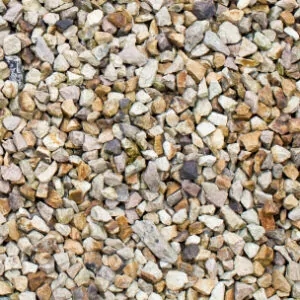

Order Topsoil, Stone & Gravel in Garland, North Carolina
Local Topsoil, Dirt, Sand, Rocks and Gravel near me in Garland, North Carolina
Shop Aggregates for Delivery in Garland
Order online for free delivery to any Garland address.
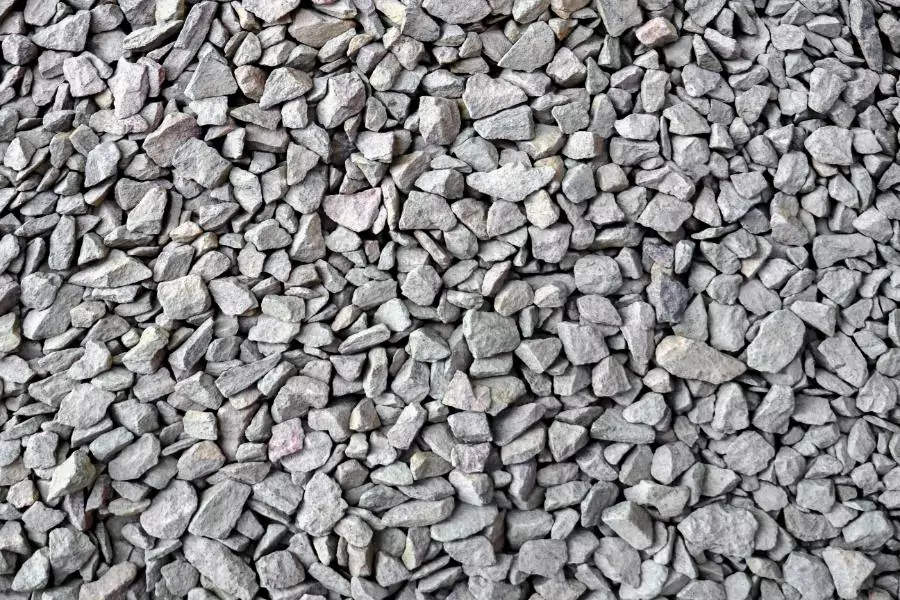
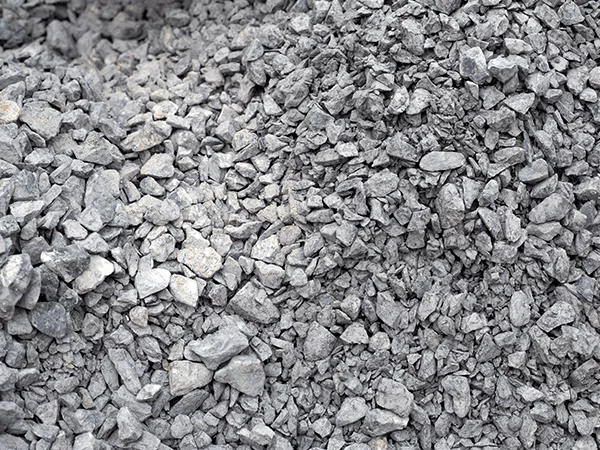


Gravel Monkey is your trusted source for premium aggregates and bulk materials delivered directly to properties throughout Garland, North Carolina. Whether you're maintaining a rural driveway near the Sampson County line, improving drainage around agricultural land, or launching a construction project in the heart of this historic farming community, we provide high-quality aggregates with completely free delivery. Our extensive selection of crushed stone, gravel, sand, and soil products meets the unique needs of Garland's residential, agricultural, and commercial customers.
Complete Selection of Aggregates Available in Garland
Garland property owners benefit from our comprehensive inventory of construction and landscaping aggregates. We understand the specific challenges of working with Sampson County's heavy clay soils and humid subtropical climate, which is why we stock materials that perform exceptionally well in these conditions. Each product we deliver meets rigorous quality standards and arrives ready for immediate use on your project.
- Driveway Gravel - Durable aggregate base for long-lasting rural and residential driveways
- 3/4 inch Crushed Stone - Versatile angular aggregate for foundations, drainage, and driveway applications
- #57 Stone - Clean crushed stone ideal for French drains and concrete aggregate
- Crusher Run - Premium compactable base material for roads and heavy-duty driveways
- Road Base - Professional-grade foundation material for road construction and parking areas
- Pea Gravel - Smooth decorative aggregate perfect for garden pathways and landscaping
- River Rock - Natural rounded stone for attractive landscape features and water management
- Walkway Gravel - Specialized aggregate for comfortable and attractive pedestrian paths
- Drain Rock - Clean washed stone engineered specifically for drainage systems
- Crushed Concrete - Eco-friendly recycled aggregate for sustainable construction projects
- Topsoil - Nutrient-rich soil for gardens, lawns, and agricultural applications
- Fill Dirt - Quality earthen material for grading, leveling, and building pads
- Mason Sand - Fine clean sand for mortar mixing and masonry work
- Washed Sand - Premium washed sand for concrete and construction applications
- Playground Sand - Safe, clean sand for children's play areas and recreational spaces
- Decomposed Granite - Natural stabilized aggregate for paths, patios, and rustic landscapes
Understanding Garland's Soil and Climate Conditions
Garland sits in the heart of Sampson County's coastal plain region, characterized by predominantly Norfolk and Goldsboro soil series - fine sandy loams underlain by dense clay subsoils. This geology presents specific challenges for construction and landscaping projects. The area's heavy clay content, typically found 12 to 24 inches below the surface, retains significant moisture and expands during Garland's wet seasons, which can damage driveways and foundations without proper aggregate base preparation.
With average annual rainfall exceeding 48 inches and humid summers where temperatures regularly reach the upper 90s, drainage becomes critical throughout Garland and surrounding areas near Clinton, Harrells, and Salemburg. Properties in lower-lying areas closer to the South River watershed or near Turkey Creek require especially robust drainage solutions. The region's mild winters, with average January lows around 32°F, mean freeze-thaw cycles are less severe than in northern climates, but spring moisture can still create soft, muddy conditions that demand well-compacted aggregate bases.
The agricultural heritage of Garland - known historically for its tobacco farming and now for diverse crops including sweet potatoes and soybeans - means many properties feature long rural driveways and farm access roads. These applications require aggregates that can withstand heavy equipment traffic while providing excellent drainage through the clay-rich soils common throughout the area.
Driveway Aggregates for Garland Properties
Rural driveways constitute the most common aggregate application throughout Garland and the surrounding Sampson County countryside. Unlike urban areas with paved roads throughout, many Garland properties maintain gravel driveways ranging from a few hundred feet to a quarter-mile or longer. Selecting the right aggregate makes the difference between a driveway that requires constant maintenance and one that performs reliably for years.
Base Layer Materials
The foundation of any successful driveway on Garland's clay soils starts with a proper base layer. Crusher run provides the ideal foundation because it contains a blend of aggregate sizes from dust to larger stones. When compacted, this mixture creates an extremely stable base that locks together and resists the shifting common in clay soils. Many contractors throughout Clinton and Garland prefer crusher run as their go-to base material for new driveway construction.
For properties requiring maximum load-bearing capacity - such as farm entrances near Harrells where heavy equipment regularly travels - road base offers enhanced strength. This engineered aggregate contains specific size gradations designed to achieve optimal compaction and stability. Properties along Highway 701 or Highway 242 often use road base for approaches that connect to paved roads, ensuring smooth transitions that won't rut or wash out.
Surface Layer Options
After establishing a solid base, the surface layer provides the driving surface and aesthetic appearance. Traditional driveway gravel remains popular throughout Garland for its proven performance and attractive appearance. The angular stones interlock to resist displacement while allowing water to drain through rather than pooling on the surface - essential during the heavy spring and summer thunderstorms common to this region.
For enhanced drainage performance, particularly on properties with poor natural drainage near Turkey Creek or in low-lying areas, drain rock sized appropriately provides excellent water movement. The clean, washed stone allows rapid water infiltration, preventing the standing water that can weaken driveway bases over time.
| Aggregate Type | Best Applications | Compaction | Drainage Rating | Garland-Specific Benefit |
|---|---|---|---|---|
| Crusher Run | Driveway base, road foundation | Excellent | Good | Locks together on clay soils |
| 3/4 inch Crushed Stone | Driveways, drainage, foundations | Very Good | Excellent | Angular shape resists clay adhesion |
| #57 Stone | French drains, concrete aggregate | Good | Excellent | Clean stone prevents clay clogging |
| Road Base | Heavy traffic roads, parking areas | Excellent | Good | Supports agricultural equipment |
| Pea Gravel | Walkways, landscaping, gardens | Fair | Excellent | Won't stick to shoes in muddy conditions |
| Crushed Concrete | Farm roads, utility access | Very Good | Good | Economical for long farm driveways |
| Decomposed Granite | Pathways, patios, naturalistic areas | Good | Very Good | Compacts naturally in humid climate |
Drainage Aggregates for Clay Soil Management
Effective drainage represents perhaps the most critical challenge for Garland property owners. The region's heavy clay subsoils naturally retain water, and without proper drainage systems, this moisture can damage foundations, flood basements, create swampy yards, and destabilize driveways. The combination of clay soils and 48+ inches of annual rainfall makes professional drainage solutions essential for most properties.
French Drain Systems
French drains remain the most effective solution for redirecting subsurface water away from structures and problem areas. These systems require clean, angular aggregate that allows rapid water movement while filtering out soil particles that could clog the system. Properties throughout the Garland area, particularly older homes that predate modern drainage codes, often benefit from retrofit French drain installation around foundations and in low spots where water naturally collects.
The drain rock we supply is specifically washed to remove fine particles that could reduce drainage efficiency. Unlike rounded gravel that can shift and settle, angular drain rock maintains its structure and drainage capacity even under the weight of soil and surface materials. Many properties near Salemburg or in the Turkey Creek watershed install extensive French drain networks to manage seasonal high water tables.
Foundation Drainage
Proper foundation drainage prevents the basement moisture issues and foundation cracking common in Garland's clay soil conditions. A footer drain installed during construction or added during foundation repairs uses clean stone to create a water-gathering zone around the foundation perimeter. This aggregate layer intercepts water before it can penetrate basement walls or create hydrostatic pressure against foundations.
For properties experiencing foundation settling or cracking - problems that often emerge after several wet seasons as clay soils expand and contract - improved drainage with appropriate aggregate can prevent further damage. Properties throughout Clinton and Garland have successfully stabilized foundation issues by installing proper drainage systems with quality aggregate materials.
Landscaping and Decorative Aggregates
Beyond functional construction applications, aggregates play an important aesthetic role in Garland landscapes. The region's growing season, extending from late March through October, supports lush gardens and landscaping that benefit from decorative stone applications. These materials reduce maintenance, suppress weeds, retain soil moisture, and create attractive visual contrast against the deep greens characteristic of North Carolina vegetation.
Garden and Bed Materials
River rock provides excellent ground cover for flower beds, around trees, and in decorative landscape features. The smooth, naturally rounded stones resist embedding dirt and plant debris, making them easy to maintain through Garland's humid summers when vegetation grows rapidly. Properties throughout the area use river rock to create low-maintenance landscape zones that complement traditional Southern garden aesthetics.
For pathways through gardens or connecting landscape features, walkway gravel offers a comfortable walking surface that drains instantly after rain. Unlike mulch that decomposes and requires annual replacement, gravel pathways remain stable and attractive for years. Many historic properties around Garland's town center use decorative gravel paths to maintain period-appropriate landscaping while meeting modern maintenance preferences.
Natural Aesthetics
Decomposed granite has gained popularity throughout the region for creating natural-looking pathways, patios, and naturalistic landscape areas. This material compacts to a firm surface that allows water infiltration while preventing the muddy conditions that plague grass pathways during wet periods. Properties pursuing rustic or natural landscape designs find decomposed granite provides an authentic appearance that complements Garland's rural character.
Pea gravel remains a versatile choice for multiple landscaping applications. Its small, uniform size and smooth texture create comfortable surfaces for walkways, play areas, and decorative features. The stone's natural drainage prevents puddles while its light colors reflect heat - a valuable characteristic during Garland's hot summer months when darker materials can become uncomfortably warm.
Construction and Building Aggregates
New construction, renovations, and infrastructure projects throughout Garland require reliable supplies of construction-grade aggregates. From residential additions in town to commercial buildings along Highway 701, proper aggregate selection ensures structural integrity and long-term performance. Gravel Monkey supplies contractors and owner-builders throughout Sampson County with materials that meet or exceed construction specifications.
Foundation and Concrete Work
Every foundation begins with proper site preparation and aggregate base installation. Fill dirt provides the earthen foundation for building pads, allowing construction teams to establish proper grades and elevations. On properties throughout Garland where natural grades require adjustment, quality fill dirt creates stable building platforms that resist settling.
Clean washed sand serves as an essential ingredient in concrete mixing for foundations, slabs, and structural elements. The washed sand we supply is free from clay, silt, and organic materials that could compromise concrete strength or create finishing difficulties. Local contractors appreciate the consistent quality that eliminates concrete mix problems and ensures reliable curing.
Mason sand provides the fine aggregate necessary for mortar in brick, block, and stone masonry work. Whether building new structures or matching existing masonry on historic properties around Garland's downtown area, proper sand selection ensures strong, durable mortar joints that resist weathering and maintain structural integrity through decades of service.
Site Grading and Preparation
Topsoil represents the final grading material for most construction projects. After rough grading with fill dirt, a topsoil layer provides the nutrient-rich growing medium necessary for lawns and landscaping. Garland's native soils, while agriculturally productive, often lack the organic content and structure ideal for ornamental landscapes. Imported topsoil amended with organic matter establishes healthy lawns and gardens more quickly than native clay-heavy soils.
For utility installations, parking areas, and access roads, proper aggregate selection prevents settling and maintains accessibility in all weather conditions. Properties developing new home sites in rural areas near Harrells or Salemburg often require extensive site preparation with multiple aggregate types to create functional, attractive properties from raw agricultural land.
Aggregate Delivery Throughout Greater Garland
Gravel Monkey provides free delivery throughout Garland and surrounding Sampson County communities. Our service area encompasses the diverse landscape of this historic agricultural region, from the town center to rural properties miles from paved roads.
Areas We Serve
Our delivery routes regularly serve properties throughout downtown Garland, where historic homes and businesses maintain traditional Southern architecture. Moving outward, we supply aggregates to properties along Highway 701 North toward Clinton, where residential development has expanded significantly in recent decades. The rural areas east toward Harrells represent some of our most frequent deliveries, with agricultural properties requiring materials for farm access roads and drainage projects.
South and west of Garland toward Salemburg, properties benefit from our understanding of the Turkey Creek watershed's drainage challenges and soil conditions. We regularly deliver to this area's mix of agricultural operations, rural residences, and small commercial properties. The neighborhoods along Highway 242 toward Ivanhoe and Piney Green Road receive regular deliveries for both residential and agricultural applications.
Properties near the Sampson-Bladen County line appreciate our familiarity with the region's unique characteristics. We understand that rural Garland-area properties often require larger quantities of material for longer driveways and more extensive projects than typical suburban applications. Our delivery capabilities accommodate these needs with reliable service regardless of property location or access conditions.
Agricultural and Farm Applications
Garland's agricultural heritage continues today with diverse farming operations throughout the area. These agricultural businesses require reliable aggregate supplies for multiple applications that keep operations running efficiently through all seasons and weather conditions.
Farm Access and Equipment Roads
Farm roads must withstand heavy equipment traffic while providing all-weather access to fields, barns, and equipment storage areas. The combination of loaded trucks, tractors, and harvest equipment creates demanding conditions that require robust aggregate bases. Crusher run provides the load-bearing capacity necessary for these applications, compacting to a firm surface that resists rutting even during wet periods.
Many farms throughout the Garland area maintain multiple access points to different fields and facilities. Rather than paving these roads at considerable expense, properly constructed aggregate roads with adequate depth and quality materials provide decades of reliable service. Properties near Clinton and throughout southern Sampson County use these techniques to maintain hundreds or even thousands of feet of farm roads economically.
Barn and Equipment Areas
Barns, equipment sheds, and work areas require firm, well-drained surfaces that remain functional during Garland's wet seasons. Without proper aggregate bases, these high-traffic areas quickly become muddy and difficult to use. A layer of compacted crusher run topped with larger stone creates surfaces that shed water, resist equipment damage, and remain accessible year-round.
Feed storage areas, livestock handling facilities, and equipment maintenance zones benefit from similar aggregate applications. The investment in proper aggregate preparation prevents the ongoing maintenance headaches and efficiency losses that plague poorly surfaced agricultural work areas. Throughout Sampson County's farming community, property owners recognize that quality aggregate installation pays dividends through improved operations and reduced maintenance.
Aggregate Installation Best Practices for Garland Conditions
Successful aggregate projects in Garland's clay soil environment require attention to specific installation details that ensure long-term performance. While basic principles apply universally, local soil conditions demand particular approaches that prevent common problems.
Soil Preparation
Before placing any aggregate, proper soil preparation creates the foundation for success. In Garland's clay-heavy soils, this often means excavating to reach more stable subgrade - typically 8 to 12 inches for driveways, deeper for roads supporting heavy equipment. Removing topsoil and loose material prevents settlement and ensures the aggregate layer rests on firm ground.
Many contractors throughout Sampson County install geotextile fabric between native soil and aggregate layers. This fabric prevents aggregate from being pressed into soft clay during compaction while blocking clay migration upward into the stone layer. Properties in particularly wet areas or with very heavy clay content benefit significantly from this installation step, which extends aggregate life and maintains drainage efficiency.
Proper Depths and Layers
Aggregate depth directly correlates with long-term performance. Residential driveways throughout Garland typically require minimum 4-inch compacted depths, with 6 inches preferred for properties expecting regular heavy vehicle use. Base layers of crusher run or road base should achieve 3 to 4 inches after compaction, with surface layers adding another 2 inches of driveway gravel or appropriate surface material.
Compaction represents the single most important factor in aggregate performance. Each layer must be thoroughly compacted before adding subsequent layers. Equipment ranging from hand tampers for small areas to vibratory plate compactors or rollers for larger projects achieves the density necessary for stable, long-lasting results. Properties that skimp on compaction inevitably experience premature rutting and settling that necessitates expensive repairs.
Drainage Integration
Every aggregate installation should incorporate appropriate drainage features. Crown driveways slightly higher in the center to encourage water flow toward edges. Install French drains or swales to intercept water before it reaches aggregate surfaces. Properties with significant elevation changes may require multiple drainage interventions to control water movement and prevent erosion.
The humid climate and heavy rainfall throughout the Garland area make drainage considerations essential rather than optional. Properties that address drainage comprehensively during initial installation avoid the washouts, soft spots, and premature failure common in installations that ignore water management. Local contractors experienced with Sampson County conditions understand these requirements and can design systems appropriate for specific property conditions.
Planning Your Aggregate Project Budget
Garland property owners benefit from understanding the factors that influence aggregate project costs, allowing accurate budgeting and informed material selection. While initial material costs represent an obvious consideration, total project value includes installation labor, site preparation, equipment needs, and long-term performance expectations.
Material Quantities and Coverage
Calculating required material quantities prevents over-ordering that wastes money or under-ordering that leaves projects incomplete. For area coverage, multiply length times width times depth (all in feet) to determine cubic feet, then divide by 27 to convert to cubic yards - the standard ordering unit for bulk aggregates. A 200-foot driveway, 10 feet wide with 4-inch depth requires approximately 25 cubic yards of material.
Remember that stated depths refer to compacted measurements. Loose aggregate compacts to approximately 75-80% of its original volume, so ordering slightly more than calculated ensures adequate coverage after compaction. Properties throughout Garland regularly order 10-15% extra material to account for compaction and ensure complete coverage without running short during installation.
Delivery and Installation
Free delivery from Gravel Monkey eliminates transportation costs that can significantly impact project budgets, particularly for rural properties distant from material suppliers. Installation costs vary based on site conditions, required equipment, and project complexity. Simple driveway installations may require only a skid steer and compactor, while complex sites with extensive grading needs involve excavators, dump trucks, and multiple equipment types.
Many Garland property owners complete simpler projects themselves, renting necessary equipment from local suppliers in Clinton or other nearby communities. Owner-installation works well for pathways, small driveways, and landscaping applications. Larger or more complex projects benefit from professional contractor expertise, particularly when dealing with challenging drainage conditions or heavy clay soils common throughout the area.
Seasonal Timing for Aggregate Projects
Garland's seasonal climate patterns influence optimal timing for aggregate installations. Understanding these seasonal factors helps property owners schedule projects for best results and easiest installation conditions.
Spring Considerations
Spring in Garland brings increasing rainfall and warming temperatures as the growing season begins. While soil moisture complicates excavation and compaction during wet periods, spring represents an excellent time for completing projects before summer heat arrives. Properties planning extensive grading or drainage work should schedule early spring completion, allowing several months for systems to prove themselves before summer thunderstorm season.
Many contractors throughout Sampson County experience high demand during spring as property owners prepare for summer activities and address winter damage. Scheduling projects early, preferably in late winter, ensures availability and allows completion before the busiest season. Materials dry and cure better during spring's moderate temperatures compared to summer extremes or winter cold.
Summer and Fall
Summer heat makes physical labor more challenging but provides excellent conditions for aggregate compaction and curing. Projects completed during summer typically achieve better compaction due to drier soil conditions, though afternoon thunderstorms can temporarily halt work. Properties throughout Garland often schedule major projects for early summer completion, providing the full growing season for establishing lawns and landscaping around new installations.
Fall offers ideal working conditions with moderate temperatures and typically drier weather before winter arrives. Projects completed in October or early November allow aggregate bases to settle and stabilize through winter before experiencing full use the following spring. The fall season also sees reduced contractor demand compared to spring and summer, potentially offering better availability and competitive pricing.
Winter Projects
While Garland's mild winters permit year-round construction, cold periods can complicate compaction and curing. Frozen ground prevents proper excavation, and wet conditions during winter thaws create muddy challenges. However, extended mild periods common to the region allow winter work on many properties. Emergency repairs and time-sensitive projects proceed throughout winter, though ideal results require appropriate weather windows.
Frequently Asked Questions About Aggregates in Garland
We deliver driveway gravel, crushed stone in various sizes including 3/4 inch and #57 stone, crusher run, pea gravel, river rock, recycled concrete, topsoil, fill dirt, and multiple sand types throughout Garland and surrounding Sampson County areas. Our complete selection addresses residential, agricultural, and commercial applications with materials specifically suited to local clay soil conditions.
Yes! Gravel Monkey offers FREE delivery to Garland and the surrounding North Carolina area for all gravel and aggregate material orders. We serve properties throughout town and rural areas extending to Clinton, Harrells, Salemburg, and beyond without delivery charges, making quality materials accessible regardless of property location.
The amount depends on your project size and type. For driveways, calculate length times width times depth in feet, typically 4 inches deep for rural properties. Convert to cubic yards by dividing cubic feet by 27. Our team can help you estimate the right amount for your specific Garland property needs, accounting for compaction and local soil conditions that may require additional depth.
For Garland's heavy clay soils, crusher run or 3/4 inch crushed stone works best as a base layer because they compact well and provide excellent drainage. The angular edges lock together better than rounded gravel on clay surfaces. Many properties use crusher run for the base with driveway gravel as the surface layer, creating driveways that resist the rutting and settling common in clay soil areas.
Absolutely! We deliver throughout rural Sampson County including areas near Clinton, Harrells, and Salemburg. Our free delivery service covers the greater Garland area and surrounding communities, with regular routes to agricultural properties, rural residences, and remote locations miles from paved roads. Distance from town doesn't affect our delivery commitment.
We offer mason sand for mortar and bricklaying, washed sand for concrete mixing, and playground sand for safe recreational areas. Each sand type is clean and meets construction specifications for Garland area projects. Our washed sand is particularly popular for concrete work, free from clay and silt that could compromise strength or finishing quality.
Yes! Crushed concrete is an excellent, eco-friendly choice for farm roads and rural driveways in Garland. It compacts well, provides good drainage, and is more affordable than new stone while being environmentally sustainable. Many agricultural operations throughout Sampson County use recycled concrete for equipment access roads, achieving performance that matches virgin stone at reduced cost.
Preventing sinking requires proper installation with adequate depth, typically 6-8 inches of compacted aggregate for residential driveways. Many contractors install geotextile fabric between clay soil and aggregate layers to prevent mixing. Using crusher run or road base as a foundation, thoroughly compacted in layers, creates a stable platform that resists clay soil problems even during wet seasons common to the Garland area.
Get Started on Your Garland Aggregate Project
Whether you're maintaining a rural driveway near Turkey Creek, building new farm roads in the Harrells area, installing drainage systems to manage clay soil challenges, or creating attractive landscapes around your Garland property, Gravel Monkey delivers the quality aggregates you need. Our extensive inventory, local expertise, and free delivery throughout Sampson County make us the preferred aggregate supplier for residential, agricultural, and commercial customers.
Our team understands the specific challenges of working with Garland's clay soils, humid climate, and seasonal moisture patterns. We can recommend appropriate materials for your specific application and help calculate quantities that ensure project completion without waste. From small landscaping projects to extensive farm infrastructure work, we supply the materials that perform reliably in North Carolina's coastal plain conditions.
Contact us today to discuss your project requirements. We'll help you select the right materials, calculate accurate quantities, and schedule delivery at your convenience. With free delivery throughout the Garland area and decades of combined experience serving Sampson County properties, we're ready to support your success with premium aggregates and professional service.

Need help? Reach out for a quote: