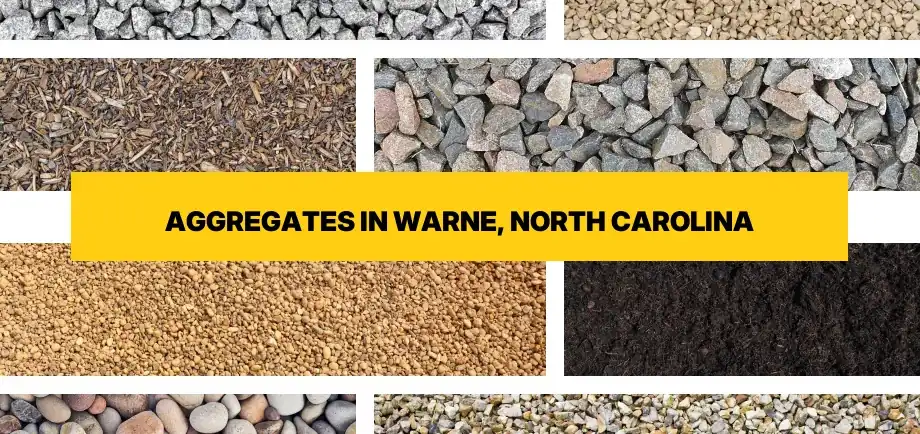
Shop Sand, Stone & Gravel in Warne, North Carolina
Local Topsoil, Dirt, Sand, Rocks and Gravel near me in Warne, North Carolina
Shop Aggregates for Delivery in Warne
Order online for free delivery to any Warne address.
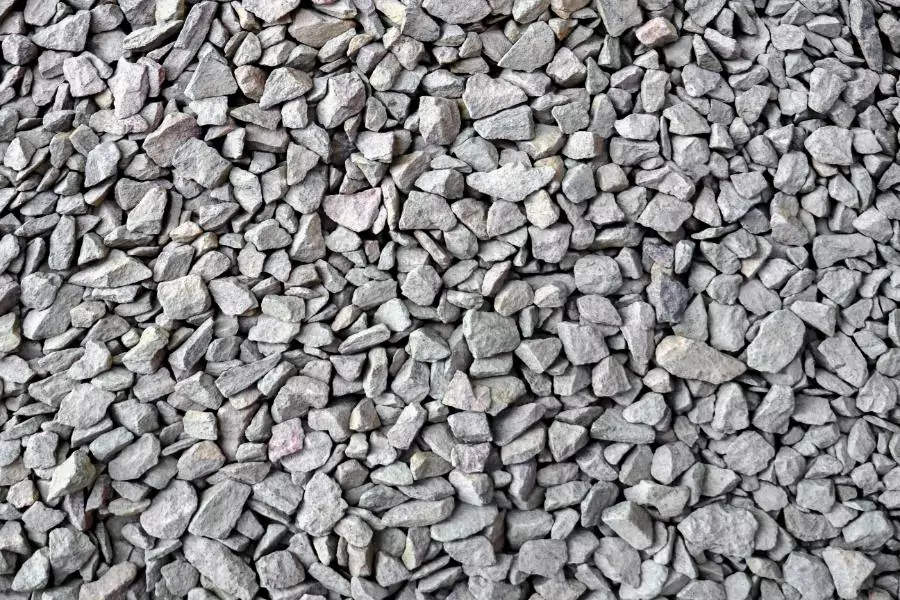
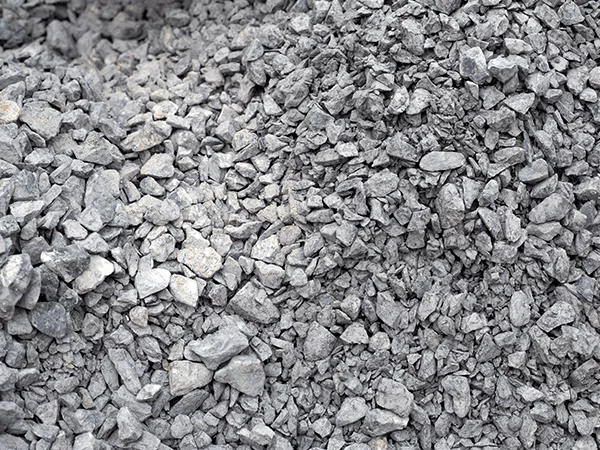


Gravel Monkey is your trusted aggregate supplier for the Warne community and surrounding Clay County areas. Nestled in the beautiful Nantahala Mountains of western North Carolina, Warne presents unique challenges for construction and landscaping projects—from steep mountain driveways to managing the area's substantial rainfall. We deliver premium gravel, crushed stone, and construction materials directly to your property with free delivery throughout the region, including remote locations near Fires Creek, Tusquittee, and the Hiwassee River valley.
Whether you're maintaining a mountain driveway in the Sweetwater community, installing drainage solutions near Shooting Creek, or creating landscaping features along Chunky Gal Mountain, our high-quality aggregates are specifically selected to perform in Warne's challenging mountain terrain. With over 60 inches of annual rainfall and clay-heavy soils typical of the region, choosing the right aggregates and proper installation is essential for long-lasting results.
Premium Aggregates & Construction Materials Available in Warne
At Gravel Monkey, we stock a comprehensive selection of aggregates and materials perfect for mountain properties throughout Warne and Clay County. Our products are chosen specifically to handle the steep grades, heavy rainfall, and unique soil conditions found in western North Carolina:
- Driveway Gravel - Specially selected for steep mountain driveways and heavy-use access roads
- 3/4 Inch Crushed Stone - Versatile angular aggregate ideal for foundations and drainage applications
- #57 Stone - Premium drainage stone essential for French drains and septic systems
- Crusher Run - Compactable base material that locks together for stable driveways
- Road Base - Heavy-duty foundation material for mountain roads and parking areas
- Drain Rock - Specialized aggregate for managing water in wet terrain
- Pea Gravel - Smooth decorative stone for pathways and landscaping
- River Rock - Natural stone for water features and ornamental landscaping
- Walkway Gravel - Comfortable walking surface for mountain trails and garden paths
- Topsoil - Rich growing medium for mountain gardens and raised beds
- Fill Dirt - Essential for grading mountain lots and filling low spots
- Crushed Concrete - Eco-friendly recycled aggregate for base layers
- Decomposed Granite - Natural compacting material for rustic pathways
- Mason Sand - Fine sand for masonry and construction projects
- Playground Sand - Safe, clean sand for children's play areas
- Washed Sand - Clean aggregate for concrete mixing and specialized applications
Understanding Warne's Unique Geology and Climate
Warne sits at approximately 1,900 feet elevation in the Nantahala Mountains, surrounded by peaks reaching over 5,000 feet. This mountainous terrain creates specific challenges that require expert knowledge of both geology and proper aggregate selection. The area's underlying geology consists primarily of metamorphic rocks including schist and gneiss, which break down over time to create the clay-rich soils common throughout Clay County.
These heavy clay soils have poor natural drainage, making proper aggregate selection critical for any construction project. When combined with Warne's substantial annual rainfall—typically 60 to 70 inches per year—properties can experience significant water management issues without appropriate drainage solutions. The area also experiences distinct seasons, with winter freezes that can heave poorly constructed driveways and summer thunderstorms that can wash away inadequate road surfaces.
The mountain topography around Fires Creek, Tusquittee, and throughout the Hiwassee River watershed means most properties in the Warne area feature steep grades. These slopes require aggregates that compact well, provide excellent drainage, and resist erosion during heavy rain events. Understanding these local conditions is essential for selecting the right materials for your project.
Critical Drainage Solutions for Mountain Properties
Effective water management is the foundation of any successful construction project in Warne. With the area's heavy rainfall and clay soils, proper drainage isn't optional—it's essential. Poor drainage can lead to foundation problems, washed-out driveways, flooded basements, and significant erosion on steep properties throughout the Sweetwater and Shooting Creek communities.
French drains using proper drainage stone are often necessary around foundations and along the uphill side of driveways. These systems intercept groundwater before it can cause problems, directing it safely away from structures and roads. The key is using clean, angular aggregate that allows water to flow freely while filtering out sediment that could clog the system over time.
For driveway construction on mountain properties, establishing a solid base with proper crown and drainage ditches is crucial. Water should always be directed off the driveway surface and into controlled drainage areas—never allowed to run down the center of the drive where it will cause erosion and create ruts. Strategic placement of culverts where the driveway crosses natural water flow patterns helps manage runoff during heavy rain events common in the Chunky Gal Mountain area.
| Aggregate Type | Best Applications | Compaction | Drainage Rating | Mountain Suitability |
|---|---|---|---|---|
| Crusher Run | Driveway base, roads | Excellent | Moderate | Ideal for steep grades |
| #57 Stone | French drains, septic | Poor | Excellent | Essential for drainage |
| 3/4" Crushed Stone | Driveways, foundations | Very Good | Good | Versatile mountain use |
| Road Base | Heavy traffic areas | Excellent | Good | Best for main access |
| Pea Gravel | Landscaping, paths | Poor | Good | Decorative only |
| Drain Rock | Wet areas, erosion | Poor | Excellent | Critical for water issues |
Building Durable Mountain Driveways in Warne
Mountain driveway construction in the Warne area requires specialized knowledge and the right materials. A typical mountain driveway faces challenges that flat-terrain driveways never encounter: steep grades that can reach 15-20%, heavy water runoff during storms, freeze-thaw cycles in winter, and the constant pull of gravity trying to move materials downhill.
The foundation of a quality mountain driveway starts with proper excavation and grading. You must establish a stable subgrade by removing organic material and unstable soil. In areas with heavy clay, additional drainage measures may be necessary before adding aggregate. The goal is to create a solid foundation that won't shift or settle over time, particularly important in remote areas near Tusquittee where access for repairs can be challenging.
For the base layer, compactable materials like crusher run provide excellent performance on steep grades. This material contains a mix of stone sizes that lock together when compacted, creating a stable surface that resists both vertical settling and horizontal sliding. The depth of aggregate needed depends on soil conditions and expected traffic, but mountain driveways typically require 6 to 12 inches of base material for proper performance—more than the 4 inches often adequate in flatter terrain.
Surface Material Selection
The top layer of your driveway determines day-to-day performance and maintenance requirements. Many Warne property owners choose additional crushed stone for the surface, providing good traction and a traditional mountain appearance. The angular shape of crushed stone helps it stay in place on slopes better than rounded materials. Regular maintenance—adding fresh material and blading to redistribute stone—keeps these driveways performing well for years.
For properties requiring easier maintenance or dealing with particularly steep sections, some owners opt for a thicker base of compacted aggregate. This approach reduces ongoing maintenance needs but requires careful initial construction. In areas around Fires Creek where access can be difficult during winter months, this lower-maintenance approach often makes sense.
Landscaping Aggregates for Mountain Properties
Creating beautiful outdoor spaces in the mountains requires materials that serve both aesthetic and practical purposes. The same heavy rainfall and steep terrain that challenges driveway construction also affects landscaping choices. Decorative aggregates must look good while also managing water, preventing erosion, and standing up to the region's weather extremes.
Natural stone materials like river rock work beautifully for dry creek beds and drainage swales that manage runoff while adding visual interest to mountain properties near Shooting Creek. These features transform a drainage necessity into an attractive landscape element. River rock comes in various sizes, allowing you to match the scale to your property and water management needs.
For pathways and garden areas, pea gravel or walkway gravel provides comfortable walking surfaces that also drain well—important in an area that sees significant rainfall throughout the year. These materials work particularly well around the Sweetwater community where properties often feature multiple terraced garden areas connected by paths. The natural look of these aggregates complements the mountain setting while providing practical functionality.
In areas prone to erosion on steeper slopes, larger aggregates can provide soil stabilization while establishing native plantings. The key is choosing materials that will stay in place during heavy rain events while allowing water to infiltrate rather than run off. This approach helps protect both your property and the water quality of nearby streams that eventually flow to the Hiwassee River.
Foundation and Site Work Aggregates
Whether you're building a new home, adding an outbuilding, or installing a retaining wall, proper foundation preparation is critical in Warne's mountainous terrain. The combination of clay soils, steep slopes, and high rainfall means that cutting corners on foundation work often leads to expensive problems down the road.
Building sites in the mountains typically require significant grading work to create level areas for structures. This means both cutting into hillsides and building up low areas with fill material. Quality fill dirt provides the volume needed for major grading projects, but it must be placed in lifts and properly compacted to prevent future settling. On larger projects around Chunky Gal Mountain, this process may involve moving substantial amounts of material to achieve stable building pads.
Under foundations, proper drainage stone—typically clean, angular aggregate like crushed stone—allows water to drain away from the structure rather than collecting where it can cause problems. This drainage layer is particularly important in Clay County where the clay soils naturally hold water. Combining proper drainage aggregate with perimeter drainage systems protects foundations from hydrostatic pressure and prevents water infiltration into basements or crawl spaces.
Retaining walls, common on mountain properties for creating level areas from sloped terrain, require proper backfill material to perform correctly. Drain rock or crushed stone behind the wall allows water to drain to designed exit points rather than building up pressure that can push the wall outward. This drainage layer is just as important as the wall construction itself for long-term stability.
Seasonal Factors for Aggregate Projects in Western North Carolina
Timing your aggregate project appropriately can make the difference between success and frustration in Warne's mountain climate. Each season brings specific considerations that affect both material performance and construction feasibility.
Spring in the Nantahala Mountains often means abundant rainfall and muddy conditions, particularly in low-lying areas near the Hiwassee River valley. While spring is an ideal time for many landscaping projects, major grading work may need to wait until soil conditions dry somewhat. However, spring is an excellent time to address drainage issues that became apparent during winter, as water flow patterns are visible and can guide French drain placement.
Summer provides the most reliable weather for major construction projects. Soil dries out, making excavation and compaction more effective. This is the ideal season for driveway construction or major grading projects throughout the Fires Creek area. However, summer thunderstorms can be intense, so having erosion control measures in place protects work in progress from damage.
Fall offers another excellent construction window, particularly for projects that benefit from cooler temperatures. The combination of lower humidity, moderate temperatures, and typically dry conditions makes fall ideal for most aggregate projects. This is also a good time to prepare properties for winter by ensuring drainage systems are clear and driveways are in good condition before freeze-thaw cycles begin.
Winter in Warne brings freezing temperatures, particularly at higher elevations. While some aggregate work can continue during winter, projects involving compaction or grading are best postponed. However, winter is an excellent time for planning projects and placing material orders for spring delivery, ensuring you're ready when conditions improve.
Environmental Considerations in the Nantahala Mountains
Working in Warne's beautiful mountain environment comes with responsibility to protect natural resources, particularly water quality in streams that feed the Hiwassee River and eventually Lake Chatuge. Proper aggregate selection and installation practices play a crucial role in environmental stewardship.
Erosion control during construction is critical to prevent sediment from reaching streams around Tusquittee and Shooting Creek. Using silt fencing, establishing vegetated buffer zones, and minimizing the area of disturbed soil all help protect water quality. Once construction is complete, properly installed aggregates help prevent ongoing erosion by stabilizing soil and managing water flow.
Choosing materials like crushed concrete for appropriate applications represents another aspect of environmental responsibility. This recycled aggregate reduces demand for quarried stone and diverts material from landfills, making it an eco-friendly choice for base layers and non-visible applications throughout Clay County.
Proper drainage design does more than protect your property—it also maintains natural water flow patterns and prevents concentrated runoff that can damage downstream areas. Working with the natural topography of the Nantahala Mountains rather than against it produces better results with less environmental impact.
Maintaining Aggregate Installations in Mountain Terrain
Even properly installed aggregate driveways and drainage systems require periodic maintenance to perform their best in Warne's challenging conditions. Understanding maintenance needs helps you protect your investment and avoid more costly repairs.
Gravel driveways in the Sweetwater community and throughout the mountain areas should be graded periodically to redistribute material that naturally migrates downhill or gets displaced by traffic. Adding fresh aggregate every few years maintains proper depth and surface quality. The frequency of maintenance depends on traffic levels, slope steepness, and material quality—some driveways may need attention annually while others perform well with less frequent maintenance.
Drainage systems require periodic inspection and cleaning. French drains can become clogged over time with sediment, particularly in areas with clay soils. Checking these systems after major rain events and clearing culverts of debris prevents small problems from becoming major failures. This is particularly important near Fires Creek where seasonal leaf fall can block drainage structures.
Erosion monitoring on slopes helps catch problems early. If you notice areas where aggregate is washing away or water is creating new channels, addressing these issues promptly prevents more extensive damage. Small additions of drainage rock or strategic placement of larger stone can often resolve developing problems before they require major repairs.
Communities Served Throughout the Warne Area
Gravel Monkey proudly delivers throughout Warne and surrounding Clay County locations. Our free delivery service reaches mountain properties in all these areas and beyond:
- Warne - Central delivery location with excellent access throughout the community
- Fires Creek - Serving properties along this scenic mountain creek drainage
- Tusquittee - Delivering to homes throughout this rural mountain area
- Shooting Creek - Reaching properties in this neighboring community
- Sweetwater - Serving the area near Sweetwater Creek
- Chunky Gal Mountain - Delivering to properties on and around this prominent peak
We also serve nearby communities including Hayesville, Murphy, Brasstown, and throughout western Clay County. If you're unsure whether we deliver to your specific location, just call—our experienced drivers know the mountain roads throughout the region and can navigate even challenging delivery sites.
Frequently Asked Questions About Aggregate Delivery in Warne
We deliver a complete range of aggregates including driveway gravel, crushed stone in various sizes, number 57 stone, crusher run, pea gravel, river rock, drain rock, road base, topsoil, fill dirt, and specialty sands throughout Warne and Clay County.
Yes! Gravel Monkey offers FREE delivery to Warne and the surrounding Clay County area for all gravel and aggregate orders. We navigate mountain roads and steep driveways throughout the region.
For steep driveways in Warne, we recommend crusher run or three-quarter inch crushed stone. These materials compact well, provide excellent traction on slopes, and handle the heavy rainfall common in the Nantahala Mountains. Proper drainage is critical for mountain driveways.
Calculate length times width times depth in feet, then divide by 27 for cubic yards. For mountain driveways, we recommend four to six inches depth due to steep grades and drainage needs. Our team can help estimate the right amount for your specific Warne property.
Warne receives over 60 inches of annual rainfall, making drainage critical. We recommend number 57 stone or drain rock for French drains, proper road base for driveways, and strategic grading to channel water away from structures. Clay soils common in the area require good drainage planning.
Yes, we deliver throughout the Warne area including remote locations near Fires Creek, Tusquittee, and other parts of Clay County. Our drivers are experienced with mountain roads and challenging delivery sites common in western North Carolina.
Clay soils throughout the Warne area have poor natural drainage and expand when wet, then contract when dry. This creates challenges for foundations and driveways. Proper aggregate base layers and drainage systems help mitigate these soil conditions for long-lasting construction.
Summer and fall typically provide the best conditions for major aggregate projects in Warne. Drier weather allows for better compaction and reduces mud issues. However, drainage work can be done in spring when water flow patterns are most visible, helping guide proper system design.
Ready to Start Your Mountain Project?
Whether you're building a new mountain driveway, improving drainage around your Warne property, or creating beautiful landscaping features, Gravel Monkey has the aggregates you need. Our team understands the unique challenges of construction and landscaping in the Nantahala Mountains, and we're here to help you select the right materials for lasting results.
We serve the entire Warne area including Fires Creek, Tusquittee, Shooting Creek, Sweetwater, and throughout Clay County with free delivery. Our knowledgeable staff can answer questions about material selection, help you calculate quantities, and ensure you get exactly what your project requires. Call Gravel Monkey today at +1-646-809-3983 to discuss your aggregate needs and schedule your free delivery throughout the western North Carolina mountains.

Need help? Reach out for a quote: