Order Topsoil, Stone & Gravel in Council, North Carolina
Local Topsoil, Dirt, Sand, Rocks and Gravel near me in Council, North Carolina
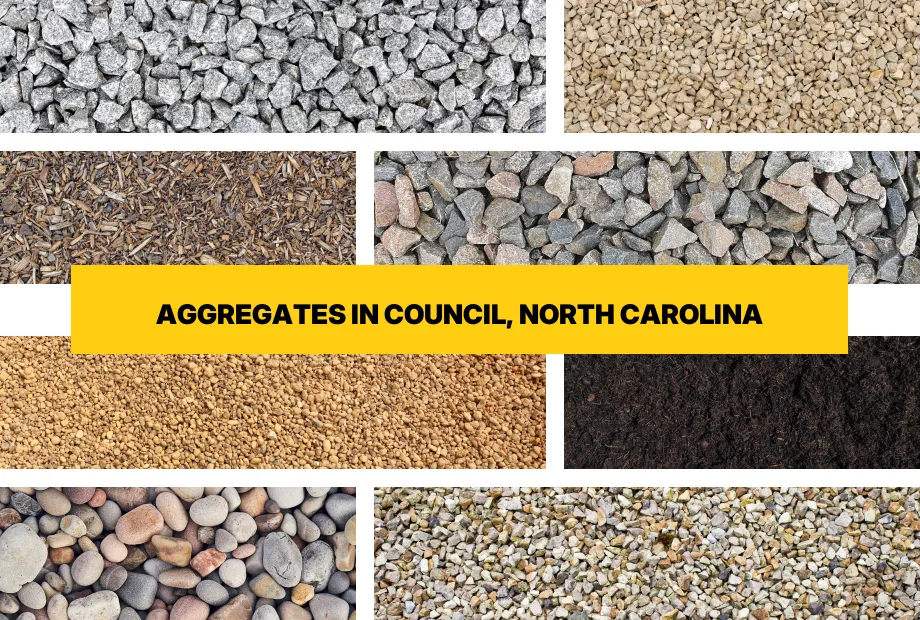
Shop Aggregates for Delivery in Council
Order online for free delivery to any Council address.


Council, North Carolina, sits in the heart of Bladen County's agricultural landscape, where the sandy Coastal Plain soils and rural character create unique challenges for driveways, farm roads, and construction projects. Gravel Monkey delivers premium aggregates and landscaping materials directly to your Council property with absolutely free delivery. Whether you're maintaining a long country driveway, building farm infrastructure, or improving drainage on your land, we provide the quality materials you need to handle the region's sandy soils and significant rainfall.
Complete Aggregate Selection for Council Properties
Our extensive inventory includes every type of aggregate material needed for residential, agricultural, and commercial projects throughout Council and the surrounding Bladen County area. From base materials that stabilize sandy soils to decorative stone for landscaping, we deliver professional-grade aggregates that perform reliably in eastern North Carolina's climate.
- Driveway Gravel - Engineered blends that compact firmly in Council's sandy terrain
- 3/4 Inch Crushed Stone - Versatile aggregate for bases and drainage applications
- #57 Stone - Standard drainage stone perfect for septic systems and French drains
- Crusher Run - Superior compacting base that stabilizes loose soil conditions
- Road Base - Heavy-duty foundation for farm roads and private lanes
- Drain Rock - Angular stone designed for optimal water management
- Pea Gravel - Smooth aggregate ideal for walkways and decorative beds
- River Rock - Natural stone for landscaping and erosion control
- Crushed Concrete - Eco-friendly recycled aggregate for budget-conscious projects
- Walkway Gravel - Decorative aggregate for paths and garden features
- Topsoil - Nutrient-rich soil for gardens and lawn establishment
- Fill Dirt - Essential for grading and building up low-lying areas
- Mason Sand - Fine sand for masonry work and paver installation
- Playground Sand - Clean, safe sand for children's play areas
- Washed Sand - Cleaned sand for concrete mixing and construction
- Decomposed Granite - Natural pathway material that compacts firmly
Serving Council and Surrounding Bladen County Communities
Gravel Monkey proudly delivers throughout Council and neighboring communities across eastern North Carolina. Our free delivery service extends to rural properties, farms, residential developments, and commercial sites throughout the region. We understand the unique characteristics of Council's geography—from the sandy Coastal Plain soils to the challenges posed by the area's high water table and seasonal flooding concerns near local waterways.
The agricultural heritage of Council and surrounding areas means many properties feature long driveways, farm roads, and equipment areas that require durable aggregate solutions. Whether your property is near the town center or on rural farmland toward Elizabethtown, Clarkton, or White Lake, we provide the same reliable delivery service. Our drivers are familiar with the network of country roads throughout Bladen County and can navigate to properties of all types.
Council's location in the Cape Fear River basin means drainage is a critical consideration for any project involving aggregates. The region's 50-plus inches of annual rainfall, combined with the area's flat topography and sandy soils, creates unique challenges that proper aggregate selection can address effectively. Properties near White Lake experience different drainage needs than those in more central Council locations, and our team understands these local variations.
Aggregate Solutions for Council's Specific Conditions
Driveway and Farm Road Construction
Council's rural character means many properties feature extended driveways and farm roads that must withstand agricultural equipment, daily traffic, and the area's substantial rainfall. The native sandy soils of the Coastal Plain provide poor natural stability, making proper base preparation with quality aggregates absolutely essential. Without adequate base material, driveways quickly develop ruts, potholes, and soft spots that become impassable during wet weather.
The most effective approach for driveway construction in Council starts with proper excavation to remove topsoil and organic material, followed by a thick base layer of compacting aggregate. This base layer does the heavy lifting—literally—by distributing vehicle weight across the underlying sand and providing a stable platform that resists settling. The top layer then provides the wearing surface and final drainage characteristics.
For properties with heavy use—farms with tractor traffic, homes with multiple vehicles, or businesses with delivery trucks—a layered approach works best. A bottom layer of larger aggregate provides structural strength, while progressively finer materials in upper layers create a smooth, durable surface. This system has proven effective across thousands of Council-area driveways and farm roads over many decades.
Drainage Systems for High Water Table Areas
Council's position in the Coastal Plain means groundwater is often just a few feet below the surface, and seasonal flooding can affect low-lying properties. Proper drainage isn't optional—it's essential for protecting foundations, preventing yard flooding, and maintaining driveway integrity. The region's nearly 50 inches of annual rainfall must go somewhere, and well-designed drainage systems using quality aggregates direct water away from structures and usable areas.
French drains are particularly effective in Council's sandy soil conditions. These subsurface drainage systems use perforated pipe surrounded by clean aggregate to intercept groundwater and surface water, directing it to appropriate discharge points. The key to effective French drains lies in using clean, angular stone that allows water to flow freely while preventing soil infiltration that could clog the system. Properties near White Lake or other low-lying areas especially benefit from comprehensive drainage planning.
Foundation drainage represents another critical application for aggregates in Council. The combination of sandy soil and high water tables means basement and crawl space moisture problems are common without proper drainage. A perimeter drain using appropriate stone allows water to drain away from foundations rather than creating hydrostatic pressure against basement walls or moisture problems in crawl spaces.
Choosing the Right Aggregate for Your Council Project
Understanding which aggregate works best for specific applications helps ensure project success and longevity. Council's unique conditions—sandy Coastal Plain soils, high rainfall, warm humid summers, and mild winters—influence material performance significantly. Here's a detailed comparison of common aggregates and their optimal uses in the Council area:
| Aggregate Type | Best Applications | Key Benefits | Drainage Rating |
|---|---|---|---|
| Crusher Run | Driveway base, farm roads, parking areas | Excellent compaction, superior stability in sand | Good |
| Road Base | Heavy-use roads, equipment yards | Maximum strength, handles heavy loads | Good |
| #57 Stone | Drainage systems, French drains, septic fields | Clean aggregate, excellent water flow | Excellent |
| 3/4 Inch Crushed Stone | Driveway top layer, general fill, drainage | Versatile, affordable, readily available | Very Good |
| Drain Rock | Foundation drains, retaining walls, septic systems | Angular shape promotes drainage, resists compaction | Excellent |
| Pea Gravel | Walkways, decorative areas, dog runs | Comfortable to walk on, attractive appearance | Fair |
| River Rock | Landscaping beds, erosion control, water features | Natural aesthetic, various sizes available | Good |
| Crushed Concrete | Base layers, temporary roads, budget projects | Eco-friendly, cost-effective, compacts well | Good |
| Decomposed Granite | Pathways, patios, natural landscaping | Natural look, firm when compacted, permeable | Fair |
Understanding Council's Soil and Climate Conditions
Coastal Plain Sandy Soils
Council sits squarely in North Carolina's Coastal Plain physiographic region, characterized by deep sandy soils deposited over millions of years when this area was under ancient seas. These soils, while excellent for certain crops, present challenges for construction and infrastructure. Sand particles don't lock together like clay or silt, meaning load-bearing capacity is limited without proper stabilization through aggregates.
The typical soil profile in Council consists of sandy loam topsoil over deep sand subsoils, sometimes extending 20 feet or more before reaching denser material. This means any structure—whether a driveway, building foundation, or road—essentially "floats" on sand unless properly supported. Aggregate base layers distribute loads across larger areas, preventing the sinking and rutting that occurs when heavy weights concentrate on small areas of sand.
Local farmers and longtime Council residents understand these conditions intuitively. They know that a pickup truck parked on grass quickly sinks during wet weather, that driveways need thick bases to avoid rutting, and that proper drainage is essential to prevent standing water. These aren't just inconveniences—they're engineering challenges that quality aggregates solve effectively and permanently.
Rainfall and Drainage Patterns
Council receives approximately 50 inches of rainfall annually, distributed fairly evenly throughout the year but with peaks during summer thunderstorm season and when tropical systems affect eastern North Carolina. This substantial rainfall must be managed effectively to prevent property damage and maintain usable outdoor spaces. The flat topography of Bladen County means water doesn't naturally run off quickly—it tends to pool and infiltrate slowly through sandy soils toward the water table.
Summer thunderstorms in Council can drop several inches of rain in short periods, overwhelming inadequate drainage systems and creating temporary flooding on poorly graded properties. Properties near White Lake or in low-lying areas near creek branches face additional challenges during heavy rainfall events. Well-designed aggregate drainage systems—French drains, swales lined with stone, and properly graded driveways—handle these periodic deluges effectively.
Winter and early spring bring different challenges. While rainfall totals are similar to other seasons, the lower evapotranspiration rates mean soil moisture stays higher for longer periods. This sustained wetness makes projects more challenging and emphasizes the importance of using aggregates that drain well while maintaining structural integrity when saturated. Clean stone without excessive fines performs better under these conditions than materials that retain water.
Best Practices for Aggregate Installation in Council
Proper Base Preparation
The success of any aggregate project in Council begins with proper preparation of the underlying sand. Simply spreading gravel over native soil leads to rapid failure as materials mix together and lose their beneficial properties. Professional installation starts with excavation to remove topsoil and organic material, which compress and decompose over time. For driveways, excavating 8 to 12 inches provides room for adequate base material thickness.
After excavation, the exposed subgrade should be graded for proper drainage—typically a 2% slope away from buildings and toward drainage points. In Council's sandy conditions, compacting the subgrade with a vibrating plate compactor or roller creates a firmer foundation that resists further settling. Some contractors place geotextile fabric over the compacted sand to prevent aggregate migration into the soil below, though this isn't always necessary in well-drained sandy conditions.
The base aggregate layer—typically crusher run or road base in Council—should be installed in lifts of no more than 4 inches at a time, with each lift compacted thoroughly before adding the next. This systematic approach ensures uniform density throughout the base, maximizing load-bearing capacity. Attempting to compact 8 or 10 inches at once rarely achieves adequate density at the bottom of the lift, leaving weak zones that cause problems later.
Seasonal Timing Considerations
While aggregate can be installed year-round in Council's mild climate, certain seasons offer advantages. Fall and spring typically provide the most comfortable working conditions, with moderate temperatures and lower rainfall probability than summer. These seasons also feature lower groundwater levels than winter and early spring, making excavation easier and allowing better compaction of base materials.
Summer installation is certainly feasible but requires planning around afternoon thunderstorms that are common in eastern North Carolina during July and August. Morning starts allow crews to complete substantial work before daily convective storms develop. The warm temperatures help some binding agents cure quickly if using stabilized base products, though hydration is essential for crews working in Council's humid summer heat.
Winter projects benefit from lower ground moisture and lack of vegetation growth, making it easier to work on previously landscaped areas. However, occasional hard freezes can temporarily harden ground and interfere with compaction equipment operation. The key is flexibility—watching weather forecasts and adjusting schedules when necessary to ensure quality installation regardless of season.
Aggregates for Council's Agricultural and Commercial Properties
Farm and Agricultural Applications
Agriculture forms the backbone of Council's economy, and farms throughout Bladen County require extensive aggregate infrastructure. Equipment yards need firm, well-drained surfaces to support heavy tractors, combines, and implements. Farm roads must handle loaded grain trucks and equipment transporters without developing ruts that interfere with harvest operations. Storage areas for bulk commodities need stable surfaces that drain quickly after rain.
The challenge with agricultural applications is the extreme weight involved. Modern agricultural equipment often weighs 20 tons or more, and loaded trucks can exceed 40 tons. These weights demand thick aggregate bases—often 12 to 18 inches—using materials specifically designed for heavy-load applications. Road base and crusher run work exceptionally well for these demanding situations, providing the strength needed while maintaining good drainage through Council's rainy seasons.
Many Council-area farms also need aggregates for erosion control around buildings, livestock areas, and field entrances. River rock works well for areas requiring erosion protection while maintaining visual appeal. Crushed concrete offers a cost-effective solution for less-visible applications like field entrances that need frequent maintenance due to heavy seasonal use during planting and harvest.
Commercial Property Development
Commercial properties in and around Council face unique aggregate needs. Parking areas must support consistent vehicle traffic while maintaining appearance and functionality. Loading areas require even heavier-duty construction to handle delivery trucks and equipment. Drainage systems must be designed to handle not just rainfall but also runoff from impervious surfaces like roofs and pavement.
Commercial projects typically require engineered specifications and compaction testing to ensure adequate performance and meet local building codes. The aggregates themselves must meet specific gradations and quality standards. Our commercial-grade materials are tested and certified to meet North Carolina DOT specifications, providing documentation required for permit applications and inspections.
Landscaping around commercial buildings often incorporates decorative aggregates that complement architectural features while providing low-maintenance ground cover. Decomposed granite creates attractive, firm pathways between buildings. River rock provides erosion control in drainage swales while maintaining a polished appearance. These aesthetic considerations combine with functional requirements to create commercial landscapes that perform reliably in Council's climate.
Sustainable Aggregate Practices in Council
Environmental stewardship is increasingly important to Council residents and businesses, and aggregate selection offers opportunities to reduce environmental impact while maintaining performance. Recycled crushed concrete diverts construction waste from landfills while providing quality base material at lower cost than virgin stone. When used appropriately, crushed concrete performs comparably to natural aggregates for many applications, particularly in base layers where appearance isn't a consideration.
Permeable aggregate surfaces help manage stormwater runoff, allowing rainfall to infiltrate naturally rather than running off into drainage systems and local waterways. This reduces erosion, filters pollutants, and helps recharge groundwater—important considerations in Council's Coastal Plain environment where groundwater resources support agriculture and private wells. Pea gravel and river rock applications allow infiltration while providing usable surfaces for walkways and patios.
Proper aggregate selection and installation also reduce long-term maintenance needs and associated environmental impacts. A well-built driveway using quality base materials lasts decades with minimal maintenance, avoiding the repeated disturbance and material consumption that comes with frequent repairs. This longevity represents true sustainability—building once and building right, rather than repeatedly addressing problems caused by inadequate initial construction.
Frequently Asked Questions About Aggregates in Council, NC
We deliver a comprehensive range of aggregates including driveway gravel, crushed stone in multiple sizes, pea gravel, river rock, crusher run, road base, drain rock, recycled concrete, topsoil, fill dirt, and various sand types throughout Council and surrounding Bladen County areas.
Yes! Gravel Monkey offers FREE delivery to Council and the surrounding North Carolina area for all gravel and aggregate orders. We service the entire Bladen County region with no delivery charges.
The amount depends on your project size and depth. For driveways, calculate length times width times depth in feet, then divide by 27 for cubic yards. A typical driveway needs 4 to 6 inches of compacted base material. Our team can help estimate the right quantity for your specific Council property.
For Council's Coastal Plain sandy soils, crusher run and road base provide excellent stability and compaction for driveways. These aggregates lock together well even in sandy conditions. For drainage applications, number 57 stone and drain rock work exceptionally well given the high water table common in the area.
Absolutely! We deliver to all areas of Council, including rural properties, farms, and residential developments. Our delivery service covers the entire Council area and surrounding communities with the same free delivery guarantee.
In Council, spring and fall are ideal for aggregate installation when temperatures are moderate. However, we deliver year-round. Summer installations should account for afternoon thunderstorms typical of eastern North Carolina, while winter projects benefit from lower groundwater levels.
Yes, we serve both residential and commercial customers in Council. Whether you need aggregates for farm roads, commercial driveways, construction sites, or large-scale drainage projects, we deliver bulk quantities with the same free delivery service.
Council's humid subtropical climate with average annual rainfall of 50 inches means proper drainage is essential. We recommend angular aggregates like crusher run for base layers and drain rock for French drains and foundation drainage to handle the significant rainfall and occasional tropical weather systems.
Professional Aggregate Delivery Throughout Council and Bladen County
Whether you're planning a residential driveway, farm road improvements, commercial parking area, or drainage system installation, Gravel Monkey provides the quality aggregates and reliable service Council property owners depend on. Our extensive inventory includes every material you need, from heavy-duty base aggregates that stabilize sandy soils to decorative stone that enhances your property's appearance.
Our free delivery service eliminates the hassle and expense of aggregate procurement, allowing you to focus on your project rather than logistics. We understand Council's unique conditions—the sandy Coastal Plain soils, high water tables, substantial rainfall, and agricultural heritage that shapes how properties are used and maintained. This local knowledge ensures you receive not just materials, but expert guidance on selecting the right aggregates for your specific situation.
From rural farms to residential properties throughout Council and neighboring communities toward Elizabethtown, Clarkton, White Lake, and beyond, Gravel Monkey delivers professional-grade aggregates that perform reliably in North Carolina's demanding climate. Contact us today to discuss your project needs and experience the difference that quality materials and local expertise make in achieving successful, long-lasting results.

Need help? Reach out for a quote: