
Edgecombe County, North Carolina Free dump truck delivery
Order Topsoil, Stone & Gravel Delivery in Conetoe, North Carolina
Local Topsoil, Dirt, Sand, Rocks and Gravel near me in Conetoe, North Carolina
Free delivery to Conetoe. Open a product to see your delivered price, then pick your delivery date on the product page when you choose your quantity.
- 4.9 on Reviews.io, 4.7 on Google
- Free delivery to every Conetoe ZIP
- Loads from 2 tons
Get a quoteNeed pricing for a custom project? Send us your details below.
Driveway Gravel delivered to Conetoe
Angular stone that locks under tires.

3/4" Driveway Gravel
3/4" stone for a firm driveway top layer that drains well
Free delivery to Conetoe
1 1/2" Driveway Gravel
1-1/2" stone for driveways that carry trucks or heavy loads
Free delivery to Conetoe
1"-1 1/2" Driveway Gravel
1" to 1-1/2" stone for a driveway's middle or base layer
Free delivery to Conetoe
2"-3" Driveway Gravel
Large 2" to 3" base stone for new or soft, rutted driveways
Free delivery to Conetoe
Not sure which material or tonnage you need?Tell us about your project and we will send a delivered quote.
Get a quoteCrushed Stone delivered to Conetoe
Clean angular stone for base, drainage and concrete.

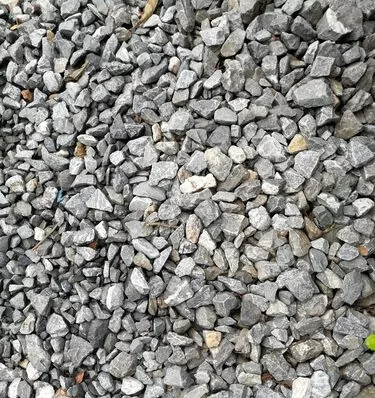

#10 Rock Screenings (Stone Dust)
Stone dust for leveling, paver bedding and paver joints
Free delivery to Conetoe

3/8" Crushed Stone
Fine 3/8" stone for paths, patios and driveway top dressing
Free delivery to Conetoe

1"-1 1/2" Crushed Stone
1" to 1-1/2" stone for driveway base and drainage trenches
Free delivery to Conetoe
#57 Crushed Stone
3/4" to 1" all-purpose stone for drainage, bases and drives
Free delivery to Conetoe
Crushed Concrete delivered to Conetoe
Recycled aggregate for base and fill at a lower cost.
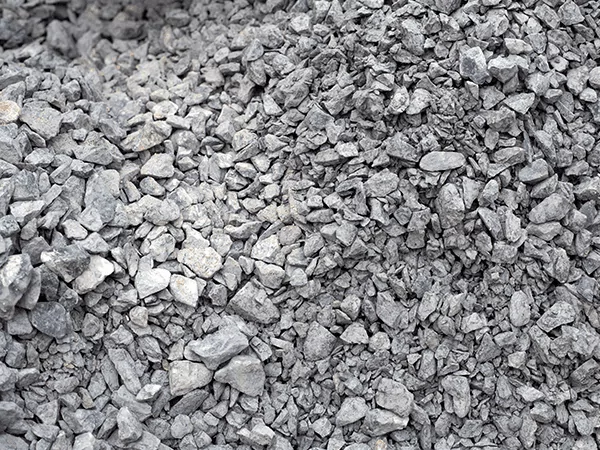
3/4" Crushed Concrete
Recycled 3/4" for driveways, parking areas and slab bases
Free delivery to Conetoe
1"-1 1/2" Crushed Concrete
Recycled 1" to 1-1/2" for paths, bases and erosion control
Free delivery to Conetoe
2"-3" Crushed Concrete
Recycled 2" to 3" rock for heavy base and muddy access roads
Free delivery to Conetoe
Base Materials delivered to Conetoe
Compacting layers that go under driveways, pads and pavers.
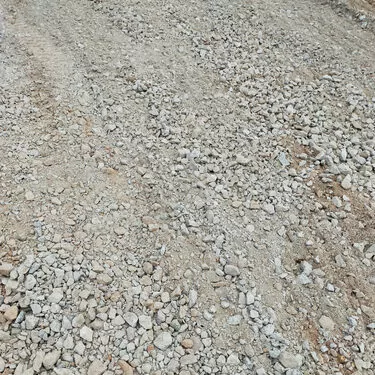


Decomposed Granite
Fine granite that packs into natural paths and patio floors
Free delivery to Conetoe
Drainage Rock delivered to Conetoe
Washed stone that lets water through.

Decorative Gravel & River Rock delivered to Conetoe
Rounded natural stone for beds, borders and paths.

3/8" Natural Pea Gravel
Small rounded 3/8" stones for paths, patios and play areas
Free delivery to Conetoe

Walkway Gravel delivered to Conetoe
Stone that stays comfortable underfoot.


3/4" Walkway Gravel
3/4" gravel for paths that also take a wheelbarrow or mower
Free delivery to Conetoe
1"-1 1/2" Walkway Gravel
1" to 1-1/2" gravel for path edging and the base under walks
Free delivery to Conetoe
2"-3" Walkway Gravel
Large 2" to 3" stone for path borders and drainage edges
Free delivery to Conetoe
Crushed Gravel delivered to Conetoe
Crushed gravel in every common size.

3/4" Crushed Gravel
3/4" gravel that locks together for driveways and drainage
Free delivery to Conetoe
1"-1 1/2" Crushed Gravel
1" to 1-1/2" gravel for driveway base and parking pads
Free delivery to Conetoe
Sand delivered to Conetoe
Mason, washed and play sand.


Mulch, Soil & Dirt delivered to Conetoe
Topsoil, fill dirt and hardwood mulch.


Shredded Hardwood Mulch
Hardwood mulch for beds and trees; holds water, stops weeds
Free delivery to Conetoe
How delivery works in Conetoe
- 1Pick your material and load size.Use the calculator if you are not sure. Under 15 tons is usually one truckload.
- 2Choose a delivery date when you choose your quantity.Our team confirms the details, then reminds you the day before and the day of drop-off.
- 3A dump truck drops the load where you point.Someone on site guides the driver to the spot. We do not spread material by hand.
Gravel Monkey delivers premium aggregates and landscaping materials to Conetoe, North Carolina, with absolutely free delivery. Serving farms, rural properties, and residential projects throughout Edgecombe County, we understand the unique challenges of eastern North Carolina's clay soils and agricultural terrain. Whether you're maintaining a long rural driveway, improving drainage on farmland, or completing construction projects near Conetoe Creek, we provide the quality aggregates your property needs.
Complete Range of Aggregates and Materials in Conetoe, NC
Conetoe properties face distinctive challenges including heavy clay soils, seasonal moisture, and the need for durable driveways that handle agricultural equipment. Our aggregate selection addresses these specific regional requirements:
- Driveway Gravel: Durable foundation for rural and residential driveways throughout Edgecombe County
- Crusher Run: Superior compaction for farm roads and equipment paths
- Road Base: Professional-grade aggregate for heavy-duty applications and long driveways
- 3/4 inch Crushed Stone: Versatile aggregate for drainage and foundation work
- #57 Stone: Ideal drainage stone for French drains and septic systems
- Drain Rock: Specialized aggregate for managing water in clay soils
- Crushed Concrete: Eco-friendly recycled aggregate for farm roads and base layers
- Pea Gravel: Attractive landscaping stone for walkways and garden beds
- River Rock: Natural decorative stone in multiple sizes
- Walkway Gravel: Perfect for paths between buildings and garden areas
- Topsoil: Nutrient-rich soil for gardens and lawn establishment
- Fill Dirt: Essential for grading and leveling properties
- Mason Sand: Fine sand for construction and masonry projects
- Playground Sand: Safe, clean sand for play areas
- Washed Sand: Clean sand for concrete mixing and paver bedding
- Decomposed Granite: Natural compacting material for rustic pathways
Agricultural and Rural Applications for Conetoe Aggregates
Conetoe's agricultural heritage creates specific aggregate needs. The community sits in prime farmland where properties often feature long access roads, equipment storage areas, and drainage challenges from eastern North Carolina's 45-50 inches of annual rainfall.
Farm Roads and Agricultural Access
Rural properties around Conetoe typically require substantial aggregate investment for functional access roads. The region's Cecil and Wickham soil series contain significant clay content that becomes problematic during wet periods. Spring rains and summer thunderstorms can quickly turn untreated farm roads into impassable mud.
Successful farm roads in Edgecombe County require proper aggregate depth and selection. Most agricultural operations benefit from 6-8 inches of compacted base material. The combination of heavy equipment, clay soils, and moisture makes this investment essential rather than optional for year-round property access.
Drainage Solutions for Clay-Heavy Soils
Eastern North Carolina's clay soils present persistent drainage challenges. Properties near Conetoe Creek and tributary areas experience seasonal flooding and standing water. Proper aggregate drainage systems extend property usability and prevent foundation problems in buildings and equipment storage facilities.
Effective drainage systems typically combine different aggregate types. Perimeter drainage uses larger stone that creates void space for water movement, while surface applications may use compactable aggregates that shed water while supporting vehicle weight. Understanding these relationships ensures successful outcomes in challenging soil conditions.
Aggregate Comparison for Conetoe Projects
Selecting appropriate aggregates for eastern North Carolina conditions requires understanding how different materials perform in clay soils with significant moisture exposure. This comparison helps match aggregates to common Conetoe applications:
| Aggregate Type | Best Applications | Compaction | Drainage | Clay Soil Performance |
|---|---|---|---|---|
| Crusher Run | Farm roads, driveways, base layers | Excellent | Moderate | Superior, locks together firmly |
| Road Base | Heavy traffic areas, main access roads | Excellent | Good | Excellent, engineered for stability |
| #57 Stone | French drains, septic fields, foundation drainage | Poor | Excellent | Very Good, resists clay intrusion |
| 3/4" Crushed Stone | Driveway surface, parking areas, general use | Good | Good | Good, versatile performance |
| Drain Rock | Drainage systems, water management | Poor | Excellent | Excellent, purpose-built drainage |
| Crushed Concrete | Secondary roads, cost-effective base | Very Good | Moderate | Good, economical alternative |
| Pea Gravel | Landscaping, decorative areas, pathways | Poor | Good | Fair, best for non-traffic areas |
| Decomposed Granite | Walking paths, rustic driveways | Good | Moderate | Good, natural appearance |
Understanding Conetoe's Geography and Soil Conditions
Conetoe sits in the Coastal Plain region of North Carolina, where the landscape transitions from the Piedmont's rolling hills to the flatter eastern terrain. This geographic position creates specific challenges and opportunities for aggregate applications.
Soil Characteristics and Aggregate Selection
The predominant soil types around Conetoe include members of the Cecil series and various alluvial deposits near creek systems. These soils contain substantial clay fractions that expand when wet and contract during dry periods. This soil movement creates stress on foundations, driveways, and hardscaping that proper aggregate selection can mitigate.
Seasonal moisture patterns significantly impact aggregate performance. Eastern North Carolina experiences humid subtropical climate conditions with hot, wet summers and mild winters. July and August bring average temperatures in the upper 80s with frequent afternoon thunderstorms. Winter months average in the mid-40s to low-50s, rarely freezing but often damp.
Properties closer to Conetoe Creek face additional moisture challenges during spring runoff and tropical weather systems. September and October bring potential hurricane remnants that can dump significant rainfall across Edgecombe County. These patterns make proper drainage aggregate installation essential for long-term property functionality.
Regional Agricultural Impact on Aggregate Needs
Conetoe's agricultural economy creates specific aggregate demands. Cotton, soybeans, and tobacco farming dominate the area, requiring substantial equipment movement during planting and harvest seasons. Farm operations need access roads that support loaded grain trucks, tractors, and harvest equipment regardless of recent rainfall.
Equipment storage buildings, maintenance facilities, and barn approaches all require stable aggregate bases. The weight and repetitive traffic from agricultural machinery exceeds typical residential vehicle loads, necessitating deeper aggregate installations and more solid base materials. Most farm applications in the area use minimum 6-inch depths of properly compacted aggregate.
Serving Conetoe and Surrounding Edgecombe County Areas
While Conetoe itself is a small community, Gravel Monkey serves the broader Edgecombe County region including numerous rural areas and nearby towns. Our delivery area encompasses:
Nearby Communities
We provide free aggregate delivery throughout the region surrounding Conetoe. Properties near Tarboro, the Edgecombe County seat located about 10 miles north, receive the same reliable service as Conetoe residents. The historic town of Princeville, America's oldest town incorporated by African Americans, sits just across the Tar River from Tarboro.
Bethel, positioned southwest of Conetoe, represents another significant agricultural community we serve regularly. Properties along Highway 33 between Conetoe and Bethel frequently need aggregate for long rural driveways and farm road maintenance. The Speed community, north toward the Halifax County line, also falls within our delivery territory.
Rural areas along Highway 42 and Highway 258 form the core of our service region. These corridors contain numerous farms, rural residences, and agricultural operations that depend on quality aggregates for property maintenance and improvement projects.
Agricultural Areas and Farm Properties
The productive farmland surrounding Conetoe creates consistent demand for aggregate materials. Properties along Conetoe Creek and its tributaries often need specialized drainage solutions due to proximity to water courses. Areas with heavier clay concentrations require more aggressive aggregate strategies to maintain year-round access.
Equipment operators and farm managers throughout the region understand that investing in proper aggregate materials saves money long-term by reducing maintenance needs and preventing access disruptions during critical planting and harvest windows.
Best Practices for Aggregate Installation in Conetoe
Successful aggregate projects in eastern North Carolina require understanding local conditions and following proven installation methods. Clay soils and moisture exposure create specific challenges that proper technique addresses.
Site Preparation and Drainage Considerations
Before aggregate delivery, proper site preparation determines long-term success. Remove organic material, roots, and debris from the area. Clay soils benefit from initial grading that creates positive drainage away from structures and traffic areas. Standing water under aggregate leads to premature failure regardless of material quality.
Consider installing geotextile fabric between native clay soil and aggregate layers. This separation prevents clay migration into aggregate void spaces, which causes premature compaction loss and reduced drainage performance. The modest fabric investment significantly extends aggregate life in clay-heavy conditions.
Compaction and Layer Thickness
Proper compaction transforms loose aggregate into stable, durable surfaces. Compact in lifts of 4-6 inches maximum for best results. Deeper loose aggregate layers won't compact uniformly, creating weak spots that fail under load. Multiple compacted lifts build stronger bases than single deep applications.
Vibratory plate compactors work well for most rural projects. Larger areas benefit from roller compaction equipment. Add light moisture during compaction to help aggregates lock together, but avoid over-wetting which creates mud rather than stable base material.
Maintenance and Longevity
Even properly installed aggregate requires occasional maintenance. Grade aggregate surfaces annually to maintain proper crown for water shedding. Fill low spots that develop from traffic patterns or material migration. Address erosion issues promptly before they expand into larger problems.
Plan to add fresh aggregate every few years depending on traffic levels. Farm roads with heavy equipment use may need annual addition, while residential driveways might go 3-5 years between additions. Maintaining proper aggregate depth prevents base layer exposure that accelerates deterioration.
Calculating Aggregate Quantities for Conetoe Projects
Accurate material estimation prevents project delays and controls costs. Understanding volume calculations helps plan deliveries and budget appropriately for property improvement projects.
Basic Volume Calculations
Calculate aggregate needs by determining the area's cubic footage, then converting to cubic yards (the standard delivery unit). Measure length times width in feet, multiply by depth in feet, then divide the result by 27 to get cubic yards.
Example: A 200-foot long driveway that's 12 feet wide needs 6 inches (0.5 feet) of aggregate:
- 200 x 12 x 0.5 = 1,200 cubic feet
- 1,200 ÷ 27 = 44.4 cubic yards
- Round up to 45 cubic yards for waste and compaction
Depth Recommendations for Different Applications
Application type determines necessary aggregate depth. These guidelines reflect typical requirements for Edgecombe County conditions:
- Residential Driveways: 4-6 inches for light vehicle traffic
- Farm Roads: 6-8 inches minimum for equipment traffic
- Parking Areas: 6 inches for regular use, 8 inches for heavy vehicles
- Walkways and Paths: 2-3 inches for foot traffic only
- French Drains: 12-18 inches of drainage stone
- Foundation Drainage: 6-12 inches depending on soil conditions
Clay soil conditions around Conetoe often justify increasing these minimums. Poor drainage areas benefit from extra aggregate depth that provides additional water storage capacity and extends surface life.
Common Aggregate Projects in the Conetoe Area
Eastern North Carolina properties use aggregates for numerous applications. Understanding common project types helps property owners plan improvements and select appropriate materials.
Long Rural Driveways
Many Conetoe-area properties feature driveways measuring 500-1,000 feet or more from public roads to home sites. These long drives represent significant aggregate investments but prove essential for property access and home values. Quality aggregate installation maintains accessibility during wet weather that would otherwise trap vehicles in mud.
Rural driveways typically use layered aggregate approaches. Base layers use crusher run or road base for stability and compaction. Surface layers might use slightly larger stone that resists sinking into the base while providing good drainage. This two-layer approach optimizes both stability and surface performance.
Farm Infrastructure Improvements
Agricultural operations continuously need aggregate for various projects. Equipment yards around barns and maintenance facilities require stable surfaces that don't deteriorate into mud. Grain bin approaches need solid bases that support loaded trucks during harvest. Livestock operations benefit from aggregate areas around barns and feeding facilities that improve sanitation and reduce maintenance.
Drainage System Installation
Clay soils make drainage projects common throughout the region. French drains around foundations prevent moisture intrusion into crawl spaces and basements. Curtain drains intercept upslope water before it reaches structures or causes erosion. Septic system drainage fields require specific aggregate types that meet health department specifications while providing necessary drainage performance.
Property Improvement Projects
Residential property owners use aggregates for numerous enhancement projects. Landscaping improvements incorporate decorative stone in garden beds and around plantings. Patio bases require properly compacted aggregate foundations. Shed and outbuilding sites need level, stable aggregate pads. These smaller projects improve property aesthetics and functionality while requiring smaller material quantities than major construction.
Environmental and Sustainability Factors
Modern aggregate selection increasingly considers environmental impacts and sustainability. Conetoe property owners have several options that balance performance with environmental responsibility.
Recycled Aggregate Options
Crushed concrete represents the most common recycled aggregate choice. This material comes from demolished buildings, roads, and other concrete structures. After crushing and sizing, recycled concrete performs similarly to natural stone aggregates while reducing landfill burden and preserving natural stone resources.
Recycled concrete works particularly well for base layers and secondary roads where its slightly rougher texture and variable composition don't impact performance. Many farm applications successfully use recycled concrete, achieving good results at lower cost than virgin stone materials. The slight cement residue in crushed concrete can actually improve binding in some applications.
Permeable Surface Options
Environmental regulations increasingly encourage permeable surfaces that allow water infiltration rather than creating runoff. Properly designed aggregate surfaces naturally provide permeability, particularly when using larger stone sizes without fine material that fills voids.
Properties concerned about stormwater management can design aggregate systems that maximize infiltration while maintaining surface stability. This approach reduces downstream flooding impacts and helps recharge groundwater resources, particularly important in agricultural areas depending on well water for irrigation and livestock.
Frequently Asked Questions About Aggregates in Conetoe
What types of gravel and aggregates does Gravel Monkey deliver in Conetoe?
We deliver a complete range of aggregates including driveway gravel, crusher run, #57 stone, crushed stone in various sizes, pea gravel, river rock, road base, drain rock, recycled concrete, topsoil, fill dirt, and multiple sand types throughout Conetoe and surrounding Edgecombe County areas.
Is delivery free in Conetoe, North Carolina?
Yes! Gravel Monkey offers FREE delivery to Conetoe and the surrounding North Carolina area for all gravel and aggregate material orders. We service rural properties and farms throughout Edgecombe County.
What aggregate materials work best for the clay soil in Conetoe?
For Conetoe's heavy clay soils, we recommend crusher run or road base for driveways, drain rock for drainage solutions, and #57 stone for foundation drainage. These aggregates compact well and handle moisture effectively in clay-heavy conditions.
How much gravel do I need for a rural driveway in Conetoe?
For a typical rural driveway in Conetoe, calculate length times width times depth in feet, then divide by 27 for cubic yards. Most driveways need 4 to 6 inches of aggregate depth. Our team can help estimate quantities for your specific property.
Can you deliver aggregates to farms and agricultural properties near Conetoe?
Absolutely! We regularly deliver aggregates to farms, agricultural operations, and rural properties throughout Conetoe and eastern North Carolina. We understand the unique access and material needs of farming operations in Edgecombe County.
What is the difference between crusher run and road base for Conetoe projects?
Both are excellent compactable aggregates. Crusher run contains a mix of stone sizes from dust to larger pieces and compacts extremely well for driveways. Road base is specifically graded for road construction and provides superior stability for heavy traffic areas and farm equipment routes.
Do you deliver aggregates to nearby towns like Tarboro or Bethel?
Yes! In addition to Conetoe, we deliver free throughout Edgecombe County including Tarboro, Bethel, Princeville, Speed, and other nearby communities. Our service area covers the greater eastern North Carolina region.
Why Conetoe Property Owners Choose Gravel Monkey
Successful aggregate projects require more than just material delivery. Our understanding of eastern North Carolina conditions, agricultural applications, and rural property needs sets us apart in the Edgecombe County market.
Local Knowledge and Expertise
We understand the specific challenges of clay soils, seasonal moisture patterns, and agricultural equipment demands common in the Conetoe area. This regional expertise helps property owners select appropriate materials and avoid common mistakes that lead to premature failure.
Quality Materials and Reliable Delivery
Our aggregate materials meet or exceed regional standards for size, cleanliness, and composition. Reliable delivery scheduling accommodates farm operations, construction projects, and property improvement timelines. We understand that timing matters, particularly during critical agricultural seasons when delays can impact harvest operations or planting schedules.
Free Delivery Throughout the Region
Free delivery eliminates hidden costs and makes project budgeting straightforward. Whether you're improving a residential driveway or maintaining miles of farm roads, delivery charges don't inflate your material costs. This policy particularly benefits rural properties where distance to suppliers can create significant transportation expenses.
Customer Support and Technical Guidance
Our team provides material recommendations, quantity calculations, and installation guidance based on your specific project requirements. We help property owners understand differences between aggregate types, appropriate applications, and realistic performance expectations given local soil and climate conditions.
Start Your Conetoe Aggregate Project Today
Quality aggregates form the foundation of successful property improvements throughout Conetoe and Edgecombe County. From long rural driveways to agricultural infrastructure and drainage solutions, proper material selection and installation create lasting results that serve properties for years.
Gravel Monkey combines regional expertise with quality materials and free delivery to help Conetoe property owners achieve their improvement goals. Whether you're planning a major farm road project or need drainage aggregate for a specific problem area, we provide the materials and support that ensure success in eastern North Carolina's challenging soil conditions.
Contact us today to discuss your aggregate needs, get material recommendations for your specific application, and receive accurate quantity estimates. Our team understands Conetoe's unique conditions and helps property owners make informed decisions that balance performance, durability, and cost-effectiveness.
Need a quote for a bigger Conetoe job?
Send the address, the material and how much you need, and our team gets back to you with a quote.

Free delivery to the Conetoe area!
Need help? Reach out for a quote: