
Gravel for Sale in Calabash, North Carolina
Local Topsoil, Dirt, Sand, Rocks and Gravel near me in Calabash, North Carolina
Shop Aggregates for Delivery in Calabash
Order online for free delivery to any Calabash address.
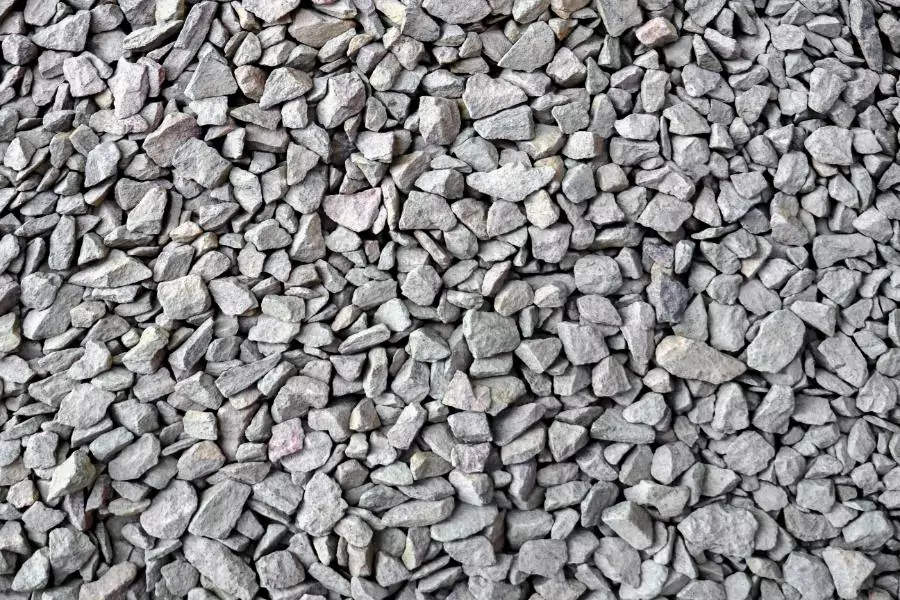
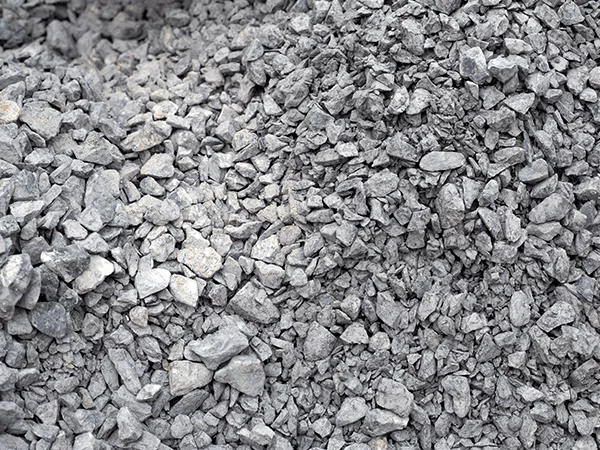


Gravel Monkey provides premium gravel and aggregate delivery throughout Calabash, North Carolina, serving coastal communities from the Calabash River waterfront to Carolina Shores and Sunset Harbor. Whether you're building a new driveway near the historic Calabash downtown district or installing drainage solutions in the sandy coastal soils around Calabash Creek, we deliver high-quality aggregates directly to your property with free delivery. Our extensive selection of materials meets the unique demands of coastal construction and landscaping projects in Brunswick County.
Complete Range of Aggregates and Materials Available in Calabash
Calabash properties face unique challenges from sandy native soils, high humidity, coastal storms, and fluctuating water tables. Our comprehensive selection of aggregates addresses these specific coastal conditions:
- Driveway Gravel - Premium base material engineered for stability in coastal sandy soils
- 3/4 inch Crushed Stone - Versatile aggregate for foundations, bases, and compaction applications
- #57 Stone - Industry-standard crushed stone perfect for drainage and concrete mix
- Crusher Run - Self-compacting base material that performs exceptionally in sandy substrates
- Road Base - Heavy-duty foundation material for driveways and vehicular paths
- Pea Gravel - Smooth decorative aggregate for coastal landscaping and walkways
- River Rock - Natural stone for water features and ornamental garden beds
- Walkway Gravel - Comfortable, stable material for pedestrian paths and garden trails
- Drain Rock - Large aggregate designed for superior water management systems
- Topsoil - Nutrient-enriched soil for gardens, lawns, and raised beds
- Fill Dirt - Essential for grading, leveling, and raising elevation on flood-prone properties
- Crushed Concrete - Eco-friendly recycled aggregate for sustainable construction
- Mason Sand - Fine-grade sand for masonry work and pavers
- Playground Sand - Safe, clean sand for children's play areas
- Washed Sand - Clean aggregate for concrete mixing and construction
- Decomposed Granite - Permeable surface material for natural-looking pathways
Understanding Calabash Coastal Soil and Climate Conditions
Successful aggregate projects in Calabash require understanding the unique coastal environment. The area sits along the Atlantic Coastal Plain where Quaternary-age sediments create predominantly sandy soils with minimal clay content. This Norfolk sandy loam and Wando loamy sand composition provides excellent natural drainage but presents stability challenges for construction projects.
Calabash experiences a humid subtropical climate with average annual rainfall exceeding 54 inches, significantly higher than the national average. Summer thunderstorms can dump several inches of rain in hours, while hurricane season from June through November brings potential for extreme precipitation events. These weather patterns make proper drainage and stable aggregate bases essential for any outdoor project near Carolina Shores, Sunset Beach, or Ocean Isle Beach.
The coastal water table fluctuates with tidal cycles and seasonal rainfall, often rising to within 18-24 inches of the surface during wet periods. Properties near the Calabash River, Calabash Creek, and canal systems must account for this high water table when planning foundations, driveways, and drainage systems. Using appropriate aggregates with proper sizing and installation creates stable surfaces that resist erosion and settling in these challenging conditions.
Aggregate Selection for Sandy Coastal Soils
The sandy native soils throughout Calabash and surrounding communities like Sunset Harbor and Carolina Shores lack the cohesive properties of clay-based soils. This means aggregates must provide both structural support and proper compaction without relying on native soil stability. Crusher run excels in these conditions because its blend of stone sizes fills voids effectively, creating a dense, interlocking matrix that resists shifting and settling.
For drainage applications near the waterfront communities along the Intracoastal Waterway, larger aggregates like drain rock and number 57 stone create void spaces that channel water efficiently. The sandy soil naturally filters water while the aggregate provides pathways for rapid drainage, preventing the pooling and erosion common to coastal properties during heavy rainfall.
Serving Calabash Communities and Surrounding Areas
We deliver aggregates throughout Calabash and the greater Brunswick County coastal region, including these established communities:
Historic Downtown Calabash - The seafood capital's commercial district and surrounding residential neighborhoods require durable aggregates for parking areas, walkways, and storm drainage systems. The older properties often need fill dirt for grading improvements and crushed stone for stable parking surfaces that can withstand heavy restaurant and tourist traffic.
Sunset Harbor - This waterfront community features canal homes and boating facilities where proper drainage is paramount. Residents frequently use road base and crusher run for boat ramp approaches, while river rock and pea gravel enhance waterfront landscaping along bulkheads and docks.
Carolina Shores - This expansive residential development includes golf course communities where topsoil supports landscape renovations and decomposed granite creates natural-looking cart paths. Driveway projects benefit from crusher run bases topped with attractive pea gravel or river rock for curb appeal.
Calabash River Waterfront - Properties along the scenic river require specialized aggregate solutions for erosion control, dock access roads, and foundation stabilization. Fill dirt raises elevation to meet flood plain requirements while drain rock manages runoff from higher elevations.
Route 179 Corridor - The main commercial strip connecting Calabash to Sunset Beach and Ocean Isle Beach sees continuous development. Commercial projects utilize road base for parking lots and loading areas, while mason sand and washed sand support construction projects throughout the corridor.
Calabash Creek Area - Homes near this tidal creek benefit from french drain systems using drain rock and number 57 stone to manage the fluctuating water table. Walkway gravel creates permeable paths that reduce runoff while crushed concrete offers economical solutions for utility access roads.
We also service nearby communities including Sunset Beach, Ocean Isle Beach, Little River (SC), Shallotte, and Holden Beach, ensuring consistent access to quality aggregates throughout the coastal region.
Coastal Driveway and Road Base Applications
Driveways in Calabash face constant challenges from sandy substrates, high humidity that accelerates material breakdown, and intense summer sun that can affect certain materials. A properly constructed coastal driveway requires understanding how aggregates interact with the local environment and constructing layers that work together to provide long-lasting stability.
Optimal Driveway Construction Methods
The most successful driveways in Carolina Shores, Sunset Harbor, and throughout Calabash follow a multi-layer approach. Start with fill dirt to establish proper elevation and slope for drainage, ensuring water flows away from structures toward appropriate drainage points. Next, install a 4-6 inch compacted layer of road base or crusher run to create a stable foundation that won't shift or settle in sandy soil.
For the surface layer, number 57 stone provides excellent traction and drainage while maintaining a clean, professional appearance. Alternatively, driveway gravel offers a traditional look with superior compaction properties. Both options shed water quickly during Calabash's frequent heavy rains, preventing the standing water and erosion that plague poorly constructed driveways in coastal areas.
Commercial and Heavy-Duty Applications
Commercial properties along Route 179 and in downtown Calabash require aggregates that withstand constant traffic, delivery trucks, and heavy equipment. Road base provides the structural integrity necessary for these demanding applications, while crushed concrete offers an economical alternative for parking areas and utility access roads where appearance is secondary to functionality.
Drainage Solutions for Coastal Properties
Effective water management separates successful Calabash properties from those plagued by flooding, foundation issues, and landscape erosion. The combination of high rainfall, sandy soils, and fluctuating water tables requires thoughtful drainage design using appropriate aggregates.
French Drain Systems
Properties near Calabash Creek, the Calabash River, and tidal canals benefit tremendously from properly installed french drains. These systems use perforated pipe surrounded by drain rock or number 57 stone, wrapped in geotextile fabric to prevent sand intrusion. The large aggregate creates void spaces that collect and channel water away from foundations, crawl spaces, and low-lying areas prone to flooding during heavy rains or tidal surges.
Install french drains around building perimeters, along property boundaries where water collects, and across low spots where standing water accumulates after storms. The sandy native soil naturally filters water while the aggregate provides rapid conveyance to appropriate discharge points such as storm drains, drainage ditches, or dry wells.
Surface Drainage and Swales
Directing surface water before it becomes a problem is equally important. Swales lined with river rock or crusher run channel runoff from driveways, patios, and rooflines to drainage systems or natural absorption areas. These landscape features can be both functional and attractive, using river rock and decorative aggregates to enhance curb appeal while protecting property from water damage.
Aggregate Applications in Coastal Landscaping
Calabash landscaping must withstand salt air, intense sun, and occasional salt spray from coastal storms. Aggregates offer durable, low-maintenance solutions that enhance property aesthetics while functioning effectively in the harsh coastal environment.
Pathways and Garden Features
Walkway gravel creates comfortable pedestrian paths through gardens and landscapes, providing excellent drainage while maintaining stability underfoot. The material compacts naturally over time, creating firm surfaces that don't shift or migrate like loose materials. For more refined appearances, pea gravel offers smooth texture and attractive color that complements coastal plantings throughout Sunset Harbor and Carolina Shores.
River rock serves multiple functions in coastal gardens. Use it around plant beds for weed suppression and moisture retention, create dry creek beds that channel occasional runoff, or develop Japanese-inspired garden features that require minimal maintenance. The natural stone withstands salt air and sun exposure indefinitely, maintaining its appearance without replacement or significant upkeep.
Soil Amendments and Planting Areas
The sandy native soils throughout Calabash lack organic matter and nutrients necessary for thriving gardens and lawns. Quality topsoil provides the foundation for successful plantings, delivering organic content, beneficial microorganisms, and improved water retention. Use topsoil to create raised beds, improve existing garden soil, or establish new lawn areas throughout your property.
Decomposed granite offers a permeable surface for naturalistic garden paths, patio areas, and beneath outdoor seating. This material compacts firmly while allowing water penetration, reducing runoff and creating stable surfaces that complement native and drought-tolerant plantings popular in coastal landscapes.
| Aggregate Type | Best Coastal Applications | Drainage Rating | Compaction | Typical Depth |
|---|---|---|---|---|
| Crusher Run | Driveway base, road foundations | Good | Excellent | 4-6 inches |
| #57 Stone | Drainage systems, driveway topping | Excellent | Moderate | 3-4 inches |
| Road Base | Heavy-duty driveways, parking areas | Good | Excellent | 6-8 inches |
| Drain Rock | French drains, foundation drainage | Superior | Poor | 12-18 inches |
| Pea Gravel | Walkways, decorative landscaping | Excellent | Fair | 2-3 inches |
| River Rock | Garden beds, erosion control | Good | Poor | 3-4 inches |
| Crushed Concrete | Utility roads, parking areas | Good | Good | 4-6 inches |
| Mason Sand | Paver base, masonry work | Fair | Good | 1-2 inches |
Planning Your Calabash Aggregate Project
Successful aggregate projects begin with accurate material estimation and understanding installation requirements. The sandy coastal soils in Calabash require slightly different approaches than inland projects, and accounting for these differences ensures optimal results.
Calculating Material Quantities
Measure your project area in feet, recording length, width, and desired depth. For driveways, plan for 4-6 inches of base material (crusher run or road base) plus 3-4 inches of surface aggregate. For drainage projects, french drains typically require 12-18 inches of drain rock surrounding the pipe, while surface drainage swales need 4-6 inches of aggregate depth.
Convert your measurements to cubic yards by multiplying length times width times depth (in feet), then dividing by 27. Always order 10-15% extra material to account for compaction, settlement in sandy soils, and irregular project boundaries. Our team can verify your calculations and recommend optimal quantities based on your specific Calabash location and soil conditions.
Site Preparation Essentials
Proper site preparation determines project success in coastal sandy soils. Remove existing vegetation, organic material, and debris that could decompose and create voids beneath your aggregate. For driveways and heavy-use areas, compact the sandy subgrade with a mechanical compactor to create stable footing, even though the sand won't compact like clay soils.
Install geotextile fabric between native sand and aggregates to prevent intermixing that would compromise both drainage and stability. This separation layer is particularly important in Calabash where the fine sandy soils can migrate upward into aggregate layers, filling voids and reducing performance. The fabric allows water passage while maintaining distinct material layers.
Compaction and Installation
Base materials like crusher run and road base require thorough compaction in layers no more than 4 inches thick. Mechanical compactors work the aggregate into a dense, interlocking matrix that resists shifting despite the sandy subgrade. Water the material lightly during compaction to achieve maximum density, but avoid over-watering that would create a soupy mess in the sand below.
Surface aggregates like number 57 stone and pea gravel need less aggressive compaction, just enough to settle the material and create stable surfaces. Drain rock should not be compacted, as crushing the void spaces would eliminate its drainage function. Install drainage aggregates around perforated pipe with proper slope (minimum 1% grade) to ensure water flows toward discharge points rather than pooling in low spots.
Coastal Weather and Seasonal Project Planning
Calabash's coastal location creates year-round construction opportunities but also unique seasonal considerations. Understanding these patterns helps you schedule projects for optimal conditions and long-term success.
Spring and Summer Considerations
March through May brings moderate temperatures ideal for outdoor projects before summer heat arrives. This window is perfect for major installations in Carolina Shores, Sunset Harbor, and waterfront properties before tourist season crowds local contractors. However, afternoon thunderstorms become common by late spring, so plan installations for morning hours and have tarps ready to protect exposed areas.
Summer heat from June through August can make outdoor work challenging but doesn't prevent aggregate installation. The sandy soils drain quickly after frequent thunderstorms, allowing projects to resume shortly after rainfall. However, avoid scheduling concrete work (which uses washed sand and aggregates) during extreme heat, as rapid curing can compromise strength. Hurricane season overlaps summer months, so monitor forecasts and secure materials before storms approach.
Fall and Winter Project Windows
September through November offers ideal conditions for aggregate projects once hurricane season wanes. Comfortable temperatures, reduced rainfall, and lower humidity create perfect installation weather. This is prime time for driveway renovations, drainage improvements, and landscape projects throughout downtown Calabash and surrounding communities.
Winter months from December through February see occasional cold snaps but rarely sustained freezing temperatures that would halt work. Coastal moderation keeps soil workable year-round, though occasional wet periods may delay projects for a few days. Winter is excellent for planning and executing drainage improvements since you can observe how water moves across your property during rainy periods.
Specialty Aggregates for Unique Coastal Applications
Beyond standard driveway and drainage materials, several specialized aggregates solve specific challenges common to Calabash coastal properties.
Sand Products for Construction and Recreation
Mason sand provides the fine gradation necessary for mortar, brick pointing, and paver installation throughout the area. Its clean, uniform particles create smooth workable mixtures that set properly in coastal humidity. Use washed sand for concrete mixing, ensuring your concrete achieves specified strength without contaminants that could weaken the mix or cause finishing problems.
Playground sand creates safe, clean play areas for children at homes and vacation properties. This specially screened material resists compaction while providing cushioning for falls, and its rounded particles won't irritate skin during play. The sand drains quickly after rain, allowing rapid return to use after typical Calabash afternoon thunderstorms.
Sustainable Aggregate Options
Crushed concrete offers environmentally conscious property owners an economical alternative to virgin aggregates. This recycled material performs admirably for utility access roads, equipment pads, and areas where appearance is secondary to function. The material compacts well and provides adequate drainage while diverting waste from landfills and reducing demand for quarried stone.
Decomposed granite creates permeable surfaces that reduce runoff while providing stable, attractive pathways and patio areas. This natural material complements coastal native plantings and xeriscaping efforts, reducing irrigation needs while maintaining functionality. The granite compacts firmly but allows water infiltration, supporting sustainable landscape practices increasingly popular in coastal communities.
Frequently Asked Questions About Gravel and Aggregates in Calabash
Crusher run provides the best foundation for Calabash driveways, creating a stable, compacted base that resists settling in sandy soils. Top it with number 57 stone or driveway gravel for an attractive, durable surface that drains quickly during heavy coastal rains. This two-layer approach addresses both stability and drainage challenges unique to coastal properties.
The high coastal water table, often 18-24 inches below surface, requires careful aggregate selection and installation. Use drain rock and number 57 stone around foundations and in drainage systems to manage fluctuating water levels. Install geotextile fabric to prevent sand intrusion while allowing water movement. Proper drainage design is essential for waterfront properties to prevent flooding and foundation issues during high tides and heavy rainfall.
For a standard driveway, calculate length times width times depth in feet, then divide by 27 for cubic yards. Plan for 4-6 inches of base material and 3-4 inches of surface gravel. A typical 12-foot wide by 50-foot long driveway needs approximately 11 cubic yards of base crusher run and 7 cubic yards of surface stone. Always order 10-15% extra for compaction and edge work.
Calabash's mild coastal climate allows year-round aggregate installation, though spring and fall offer ideal conditions. Summer requires working around afternoon thunderstorms, while winter occasionally brings wet periods that delay work temporarily. Avoid major projects during active hurricane threats from June through November, but otherwise installation can proceed any month with proper planning.
French drains using drain rock or number 57 stone effectively manage high water tables and heavy rainfall in these waterfront communities. Install perforated pipe surrounded by drainage aggregate, wrapped in geotextile fabric to prevent sand intrusion. Combine with surface drainage swales lined with river rock to channel runoff away from structures. The sandy soil naturally filters water while aggregates provide rapid conveyance.
Install geotextile fabric between the sandy subgrade and aggregate layers to maintain separation while allowing water passage. This crucial step prevents fine sand particles from migrating upward into gravel voids, which would compromise both drainage and stability. The fabric is especially important in Calabash where the fine sandy soils can quickly contaminate aggregate layers without proper separation.
Road base contains larger maximum particle sizes and is engineered for heavy-duty applications like commercial parking lots and high-traffic driveways. Crusher run uses slightly smaller maximum sizes and typically contains more fines, making it easier to work with and suitable for residential driveways. Both compact excellently in Calabash sandy soils and provide stable foundations, but road base offers higher load-bearing capacity for commercial applications.
River rock provides larger stones that resist displacement from heavy rain and won't blow away during coastal storms, making it ideal for permanent landscape features and erosion control along slopes. Pea gravel offers smoother texture and easier installation for walkways and patio areas, plus it's more comfortable underfoot. Both resist salt air and sun exposure indefinitely, so choose based on your specific application and aesthetic preferences.
Professional Aggregate Delivery Throughout Calabash and Coastal Brunswick County
Gravel Monkey delivers premium aggregates to every corner of Calabash, from historic downtown to Sunset Harbor, Carolina Shores, and waterfront communities along the Calabash River and Intracoastal Waterway. Our free delivery service brings materials directly to your property when you need them, eliminating the hassle of pickup and transportation.
Our team understands coastal construction challenges and helps you select appropriate materials for Calabash's unique sandy soils, high water table, and heavy rainfall patterns. Whether you're installing a new driveway near Route 179, improving drainage around your canal home, or creating landscape features that withstand salt air and coastal storms, we provide the aggregates and expertise to ensure project success.
Every aggregate delivery includes materials sourced from quality suppliers who maintain consistent grading and composition. We verify material quality before loading to ensure you receive aggregates that meet specifications and perform as expected in demanding coastal applications. From small residential projects to commercial developments, Gravel Monkey serves as your reliable partner for aggregates throughout Calabash and the greater Brunswick County coastal region.

Need help? Reach out for a quote: