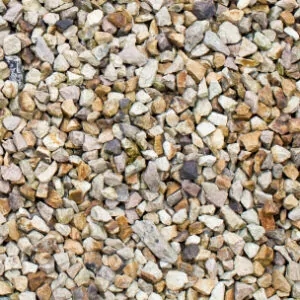
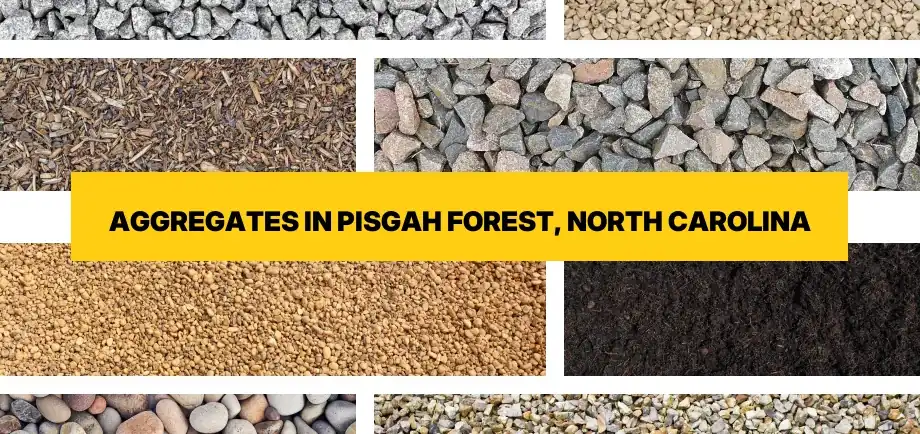
Shop Bulk Materials & Gravel in Pisgah Forest, North Carolina
Local Topsoil, Dirt, Sand, Rocks and Gravel near me in Pisgah Forest, North Carolina
Shop Aggregates for Delivery in Pisgah Forest
Order online for free delivery to any Pisgah Forest address.
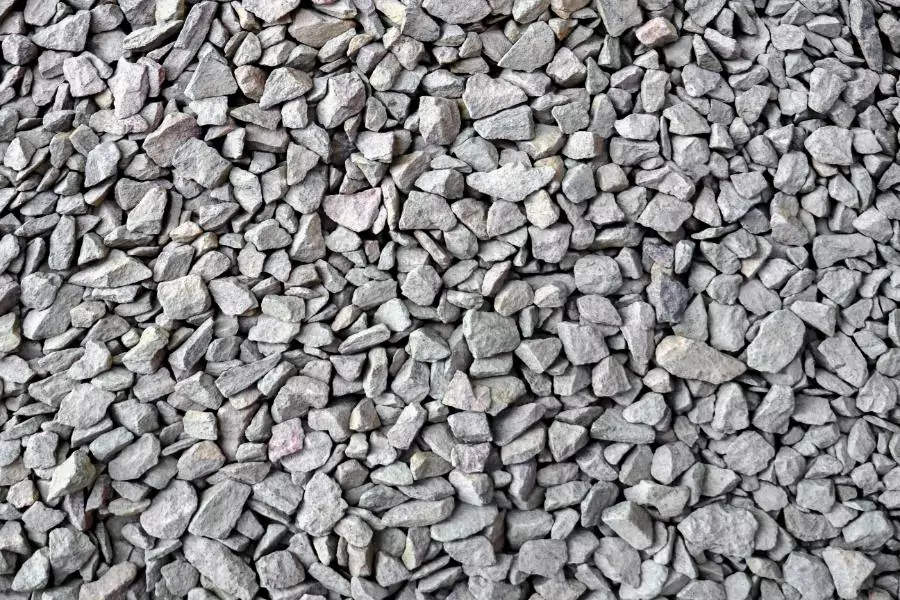
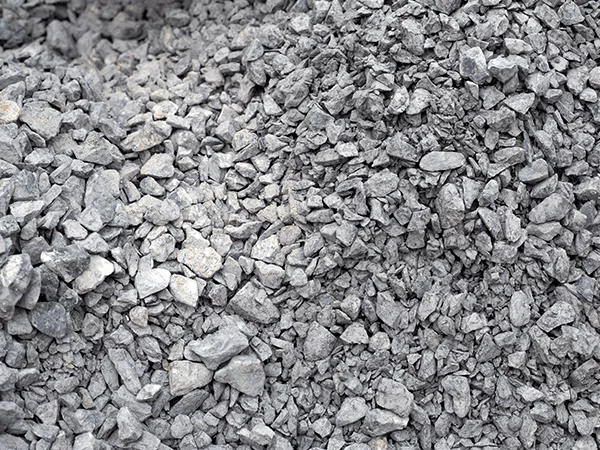


Gravel Monkey delivers premium aggregates and landscaping materials directly to properties throughout Pisgah Forest, North Carolina. Nestled in the Blue Ridge Mountains of Transylvania County, this mountain community requires specialized materials that handle steep terrain, heavy rainfall, and unique soil conditions. Whether you're building a driveway near Looking Glass Rock, creating drainage solutions along Davidson River, or landscaping a property near Brevard, we provide the right aggregates for Western North Carolina's challenging environment—delivered free to your location.
Complete Aggregate Selection for Pisgah Forest Properties
Mountain properties in Pisgah Forest demand aggregates that perform in challenging conditions. We supply materials specifically suited for the steep grades, clay soils, and exceptional rainfall characteristic of this beautiful mountain region:
- Driveway Gravel - Engineered for mountain driveways with steep inclines and heavy traffic
- Crusher Run - Compactable base material ideal for stabilizing mountain terrain
- 3/4 Inch Crushed Stone - Versatile aggregate for driveways, drainage, and foundations
- #57 Stone - Popular size for French drains and concrete applications
- Road Base - Heavy-duty foundation for private roads and long driveways
- Drain Rock - Angular stone for managing mountain property water flow
- Pea Gravel - Smooth decorative stone for pathways and landscaping
- River Rock - Natural aesthetic that complements mountain settings
- Decomposed Granite - Natural pathways that blend with forest surroundings
- Crushed Concrete - Eco-friendly recycled aggregate for sustainable building
- Topsoil - Nutrient-rich soil for mountain gardens and landscaping
- Fill Dirt - Essential for grading and leveling sloped properties
- Mason Sand - Fine sand for masonry and stonework projects
- Washed Sand - Clean sand for concrete mixing and construction
- Playground Sand - Safe, soft sand for children's play areas
- Walkway Gravel - Ideal for garden paths and pedestrian areas
Serving Pisgah Forest and Surrounding Mountain Communities
Our delivery service covers the entire Pisgah Forest area and neighboring communities throughout Transylvania County. We regularly deliver aggregates to properties in these popular neighborhoods and nearby areas:
Primary Service Areas
Pisgah Forest proper encompasses the community along US Highway 276 and the surrounding mountain properties. Residents near the Davidson River area often require specialized drainage solutions due to proximity to water features and heavy seasonal runoff. The Looking Glass Rock vicinity presents unique challenges with steep terrain and forest settings that demand carefully selected aggregates.
Properties in Gloucester to the east and homes near Connestee Falls frequently need materials for private roads and driveways that navigate significant elevation changes. The Cedar Mountain area north of Pisgah Forest experiences similar conditions, where proper aggregate selection prevents erosion and maintains driveway integrity through all seasons.
We also serve Brevard, the nearby county seat located just minutes away, and extend coverage to Penrose, Lake Toxaway, and properties throughout the Pisgah National Forest boundary areas. Mountain homes near John Rock and along the numerous forest service roads benefit from our understanding of Western North Carolina's unique material requirements.
Understanding Pisgah Forest's Geology and Climate Challenges
Pisgah Forest sits at approximately 2,200 feet elevation in the Blue Ridge Mountains, creating specific geological and climatic conditions that directly impact aggregate selection and performance. The region's underlying geology consists primarily of ancient metamorphic rocks including schist, gneiss, and granite formations, which weather into the characteristic reddish-brown clay soils common throughout the area.
Exceptional Rainfall and Drainage Requirements
Transylvania County is known as the "Land of Waterfalls" for good reason—Pisgah Forest receives an impressive 80 to 85 inches of annual precipitation, nearly double the national average. This exceptional rainfall creates persistent drainage challenges for property owners. Summer thunderstorms can drop several inches in hours, while winter brings a mix of rain, sleet, and occasional snow that tests every driveway and drainage system.
The combination of steep mountain terrain and heavy rainfall means that proper aggregate selection is not optional—it's essential for preventing erosion, maintaining driveway surfaces, and protecting structures from water damage. Clay soils have poor drainage characteristics, making angular aggregates with excellent compaction properties the preferred choice for most applications.
Temperature Variations and Freeze-Thaw Cycles
While Pisgah Forest enjoys a temperate mountain climate, winter temperatures regularly drop below freezing. The area experiences 30 to 50 freeze-thaw cycles annually, which can damage improperly installed driveways and foundations. Aggregates must be sized and installed with sufficient depth to prevent heaving and maintain stability through seasonal temperature swings ranging from winter lows around 20°F to summer highs near 85°F.
Soil Expansion and Clay Content
The native clay soils in Pisgah Forest exhibit moderate expansion characteristics when saturated, then contract during dry periods. This movement stresses driveways, foundations, and hardscaping. Using proper aggregate bases helps bridge these unstable soils, distributing loads and minimizing the effects of soil movement. A well-constructed aggregate base essentially "floats" above the problematic clay, maintaining structural integrity.
Choosing the Right Aggregate for Your Mountain Property
Different projects in Pisgah Forest require specific aggregate types. Understanding these applications helps ensure long-lasting results that withstand the mountain environment.
Mountain Driveway Construction
Building driveways in Pisgah Forest requires materials that handle steep grades, provide traction, and drain efficiently. Crusher run remains the top choice for most mountain driveways because it compacts into a solid base while still allowing water to percolate through. For the surface layer, many property owners prefer three-quarter inch crushed stone, which provides excellent traction even on inclines and creates a traditional mountain aesthetic.
Long driveways accessing properties deep in the forest often benefit from a road base foundation, especially where soil stability is questionable. The angular particles lock together when compacted, creating a stable platform that resists rutting from vehicles and maintains its structure through wet seasons. Properties near Connestee Falls and Cedar Mountain frequently use this approach for private roads serving multiple homes.
Drainage Solutions for Mountain Properties
Managing water flow is paramount in Pisgah Forest. French drains using number 57 stone effectively channel water away from foundations and prevent basement moisture issues. The uniform sizing of this aggregate allows excellent water movement while filtering out sediment that could clog drainage systems. Drain rock offers another solution with its angular shape that resists compaction, maintaining void spaces for water flow even under pressure.
Properties along Davidson River Road and near Looking Glass Rock often require comprehensive drainage systems to handle both groundwater and surface runoff. Combining different aggregate sizes—larger material for subsurface drains and smaller gravel for surface drainage swales—creates layered systems that handle Pisgah Forest's exceptional rainfall.
Landscaping and Aesthetic Applications
Mountain properties deserve materials that enhance natural beauty while providing function. Pea gravel creates attractive pathways that complement forest settings, its rounded shape comfortable for walking and its natural colors blending with surrounding vegetation. River rock adds visual interest to dry creek beds and landscape borders, mimicking the natural stone found in nearby mountain streams.
Decomposed granite has gained popularity for pathways and patios around Pisgah Forest homes. This natural material compacts into a firm surface that feels appropriate in mountain settings while allowing some water permeability. When properly installed with edging, decomposed granite creates low-maintenance paths that age gracefully alongside native plantings.
| Aggregate Type | Best Mountain Applications | Size Range | Drainage Performance | Compaction Level |
|---|---|---|---|---|
| Crusher Run | Driveway base, steep grades | Fines to 1 inch | Good | Excellent |
| 3/4 Inch Crushed Stone | Driveway surface, foundations | 3/4 inch nominal | Excellent | Very Good |
| #57 Stone | French drains, drainage systems | 3/4 inch uniform | Excellent | Moderate |
| Road Base | Long driveways, private roads | Fines to 1.5 inches | Good | Excellent |
| Drain Rock | Foundation drains, culverts | 1 to 2 inches | Superior | Poor (intentional) |
| Pea Gravel | Walkways, landscaping | 3/8 inch round | Very Good | Poor |
| Decomposed Granite | Pathways, patios | 1/4 inch minus | Moderate | Very Good |
| Crushed Concrete | Budget driveways, fill | Fines to 2 inches | Good | Good |
Mountain Property Installation Considerations
Proper installation ensures that aggregates perform optimally in Pisgah Forest's challenging conditions. Understanding these regional factors helps avoid common problems.
Depth Requirements for Mountain Driveways
Mountain driveways in Pisgah Forest typically require greater depth than flatland installations. A minimum of four inches of compacted aggregate is standard, but many properties benefit from six-inch depths, especially on steep sections or areas with heavy vehicle traffic. The combination of freeze-thaw cycles and substantial rainfall demands this additional material to maintain long-term stability.
Properties with particularly steep access roads often use a layered approach: road base or crusher run for the bottom three inches, compacted thoroughly, topped with two to three inches of crushed stone for the driving surface. This creates both structural integrity and proper drainage throughout the driveway profile.
Slope Management and Erosion Control
Steep driveways require special attention to prevent erosion during heavy rains. Installing water bars—shallow trenches angled across the driveway—diverts water off the surface before it gains erosive velocity. Spacing these every 50 to 75 feet on steep grades prevents the sheet erosion common on mountain properties. Lining these water bars with larger stone helps them survive repeated water flow.
Side ditches parallel to driveways capture water from upslope areas, preventing it from saturating the driveway base. These ditches often use a combination of aggregates: larger stone at the bottom for water flow, smaller material near the surface to catch sediment. Proper grading ensures water moves away from the driveway rather than undermining it.
Compaction and Settlement
Western North Carolina's clay soils continue settling for months after construction, especially following wet periods. Initial compaction of aggregate bases is crucial, but property owners should expect to add additional material during the first year. Keeping extra aggregate on hand allows for quick filling of low spots before they become drainage problems.
Mechanical compaction with a plate compactor or roller is essential for bases like crusher run and road base. These materials need that mechanical energy to achieve their full structural potential. Simply dumping and spreading aggregates, even on clay soil, results in premature failure under load.
Aggregate Solutions for Specific Pisgah Forest Areas
Different neighborhoods around Pisgah Forest present unique challenges that benefit from specific material selection.
Davidson River Area Properties
Homes near the Davidson River corridor deal with high water tables and seasonal flooding concerns. Drainage aggregates become critical here, with French drains and foundation perimeter drains preventing moisture intrusion. Number 57 stone and drain rock excel in these wet conditions, maintaining void spaces even when saturated. Many properties install sump systems that collect water from perimeter drains, requiring gravel beds to protect pump systems.
Looking Glass Rock Vicinity
Properties in this area often feature extreme slopes and rocky soil conditions. Driveways may climb several hundred feet in elevation, requiring careful material selection. Crusher run provides necessary traction on steep grades while compacting well enough to resist washout. Some of the steepest driveways benefit from geotextile fabric beneath aggregates, preventing material migration into softer areas and extending driveway life.
Cedar Mountain Community
This area north of Pisgah Forest includes many seasonal homes that sit vacant during winter months. Freeze-thaw damage accumulates when driveways aren't actively maintained. Deeper aggregate bases—six inches or more—help minimize this damage. Many property owners here choose crushed concrete as an economical solution for long driveways, recognizing that mountain freeze-thaw will require periodic maintenance regardless of material choice.
Connestee Falls Development
This established mountain community features paved main roads but many gravel driveways accessing individual homes. Property owners here often prioritize aesthetics alongside function, choosing materials like pea gravel for walkways and river rock for landscaping. The community's focus on preserving natural beauty makes decomposed granite a popular choice for pathways that blend with the forest environment.
Seasonal Aggregate Performance in Pisgah Forest
Understanding how different seasons affect aggregates helps property owners anticipate needs and time projects appropriately.
Spring: Heavy Rainfall and Runoff
March through May brings Pisgah Forest's wettest months, when saturated soils and heavy runoff test every drainage system. Aggregates installed the previous year often reveal weaknesses during this period. Low spots that collect water indicate areas needing additional material. Spring is also ideal for identifying drainage problems before addressing them—observing water flow patterns during heavy rain guides effective solutions.
Summer: Thunderstorm Season
Summer thunderstorms can drop intense rainfall in short periods, creating flash flooding conditions on steep properties. Well-designed aggregate driveways with proper cross-slope and drainage features shed this water quickly. Properties lacking adequate drainage infrastructure often experience washouts during these events, requiring emergency repairs. Summer is peak construction season, making it the busiest time for aggregate delivery and installation.
Fall: Preparation for Winter
Autumn offers ideal conditions for aggregate projects—cooler temperatures, lower humidity, and generally drier ground make installation easier. Smart property owners use fall to address issues before winter, adding material to worn areas and improving drainage before freeze-thaw cycles begin. Fallen leaves can clog drainage systems, requiring cleaning before winter arrives.
Winter: Freeze-Thaw Challenges
While Pisgah Forest's winters are milder than higher elevations, freeze-thaw cycles still occur regularly. Water trapped in aggregate bases can freeze and expand, creating heaving and surface disruption. Properly installed bases with good drainage minimize this effect. Winter is generally slow for new installations, but emergency repairs from storm damage or sudden freezing conditions keep delivery services busy.
Sustainable Aggregate Options for Environmental Stewardship
Pisgah Forest's location adjacent to Pisgah National Forest and near the Cradle of Forestry makes environmental consciousness important to many property owners. Several aggregate options support sustainable building practices while delivering excellent performance.
Recycled Crushed Concrete
Crushed concrete diverts material from landfills while providing an economical aggregate option. It performs similarly to crushed stone in many applications, particularly as driveway base material and fill. The aggregate compacts well and handles drainage adequately, though its appearance differs from natural stone. For budget-conscious projects or long private roads, crushed concrete offers substantial savings without sacrificing structural performance.
Locally Sourced Aggregates
Choosing aggregates quarried in Western North Carolina reduces transportation impacts and supports regional businesses. The granite and other metamorphic rocks common to the Blue Ridge Mountains produce excellent crushed stone with ideal characteristics for local conditions. These materials naturally match the geology of the area, creating appropriate aesthetics while delivering proven performance.
Permeable Solutions
Where appropriate, selecting more open-graded aggregates allows rainfall to percolate into the ground rather than running off. This reduces erosion, minimizes impact on nearby streams, and helps maintain natural hydrology. Applications like parking areas and low-traffic driveways can use these permeable designs effectively, though steep driveways still require denser materials for stability and traction.
Working with Gravel Monkey for Your Mountain Property
Delivering aggregates to mountain properties requires experience with access challenges, material quantities for sloped terrain, and understanding regional conditions. Gravel Monkey brings this expertise to every Pisgah Forest delivery.
Quantity Calculations for Sloped Properties
Calculating aggregate needs for mountain driveways differs from flatland estimates. Slopes require more material both for adequate depth and because material naturally shifts downhill during installation. We help property owners account for these factors, ensuring sufficient material arrives to complete projects without running short partway through.
Delivery Access Assessment
Many Pisgah Forest properties feature challenging access—narrow roads, tight turns, overhanging trees, or steep approaches that require specific equipment. Our delivery team assesses these factors before scheduling, ensuring we arrive with appropriate vehicles and plans for safe unloading. We regularly deliver to remote mountain locations and understand how to navigate the area's terrain.
Material Recommendations
Not sure which aggregate suits your specific application? Our team understands Pisgah Forest's conditions and can recommend materials based on your project scope, location characteristics, and budget. Whether you're building a new driveway near Looking Glass Rock, improving drainage along Davidson River, or creating pathways through forest property, we help match materials to requirements.
Free Delivery Throughout the Area
Distance shouldn't determine whether you can access quality aggregates. We provide free delivery throughout Pisgah Forest, Brevard, Cedar Mountain, Connestee Falls, and surrounding Transylvania County communities. This includes properties on forest service roads, private mountain roads, and anywhere else our delivery vehicles can safely access.
Frequently Asked Questions About Gravel in Pisgah Forest
We deliver a complete range of aggregates including driveway gravel, crusher run, crushed stone in various sizes, pea gravel, river rock, drain rock, decomposed granite, road base, recycled crushed concrete, topsoil, fill dirt, and multiple sand varieties throughout Pisgah Forest and surrounding Transylvania County areas.
Yes, Gravel Monkey offers FREE delivery to Pisgah Forest and the surrounding North Carolina area for all gravel and aggregate orders. We service properties near Brevard, Looking Glass Rock, Davidson River area, and throughout Transylvania County.
For mountain driveways in Pisgah Forest with steep grades and heavy rainfall, we recommend crusher run or three-quarter inch crushed stone. These aggregates compact well, provide excellent traction on slopes, and handle the drainage challenges common to Western North Carolina properties.
The amount depends on your project dimensions. For driveways, calculate length times width times depth in feet. Mountain driveways typically need 4 to 6 inches of aggregate due to steeper grades and drainage requirements. Our team can help estimate the right quantity for your specific Pisgah Forest location.
Yes, we regularly deliver to mountain properties throughout the Pisgah Forest area, including locations near Looking Glass Rock, Davidson River, and steep terrain throughout Transylvania County. Contact us to discuss access requirements for your specific property.
We offer mason sand for masonry work and mortar, washed sand for concrete applications, and playground sand for recreational areas. All sand products are delivered free to Pisgah Forest construction sites and residential properties.
Pisgah Forest receives over 80 inches of annual rainfall, making proper drainage critical. Our drain rock and crushed stone aggregates help channel water away from foundations, prevent erosion on slopes, and protect driveways from washout during heavy mountain storms.
The native clay soils in Pisgah Forest expand when wet and contract when dry, creating unstable conditions for driveways and structures. A proper aggregate base bridges these problematic soils, distributing loads and preventing the movement that damages surfaces. Adequate depth and good drainage are essential for long-term performance.
Ready to Start Your Pisgah Forest Project?
Whether you're building a new mountain driveway, improving drainage around your forest property, or creating beautiful landscaping that complements Western North Carolina's natural beauty, Gravel Monkey delivers the aggregates you need. Our team understands the unique challenges of Pisgah Forest properties and can help you select materials that perform reliably in this mountain environment.
Contact us today to discuss your project requirements, get material recommendations specific to your location, and schedule your free delivery to anywhere in Pisgah Forest or surrounding Transylvania County areas. Let our expertise with mountain properties and regional conditions help ensure your project's success from start to finish.

Need help? Reach out for a quote: