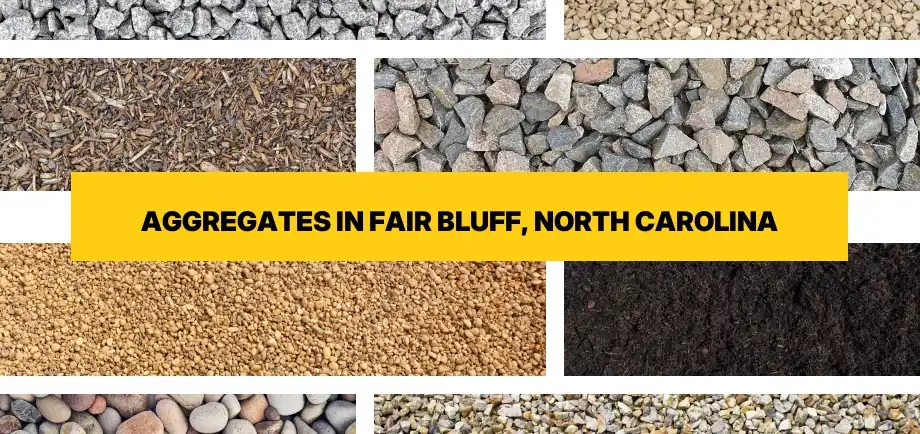
Order Topsoil, Stone & Gravel in Fair Bluff, North Carolina
Local Topsoil, Dirt, Sand, Rocks and Gravel near me in Fair Bluff, North Carolina
Shop Aggregates for Delivery in Fair Bluff
Order online for free delivery to any Fair Bluff address.
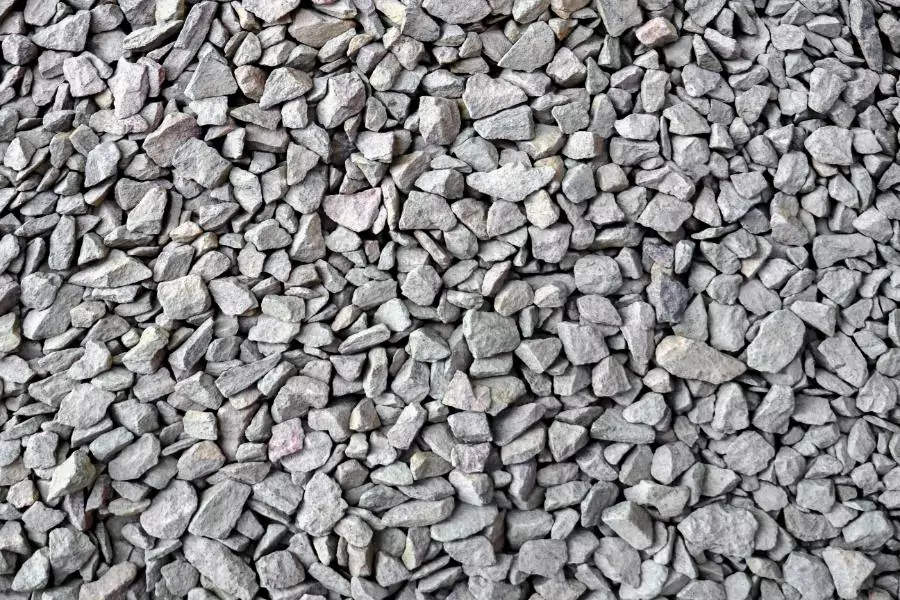
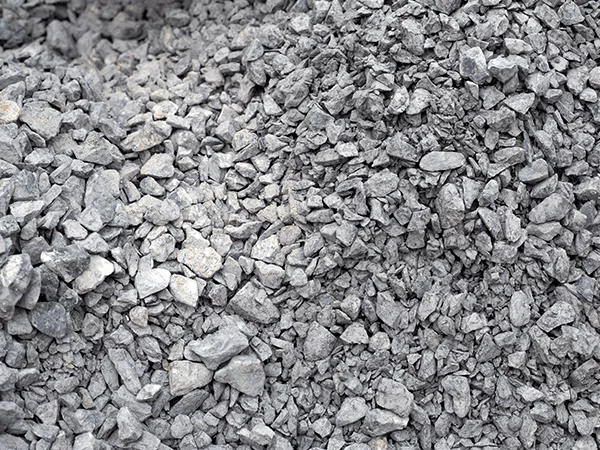


Gravel Monkey is your dedicated source for premium aggregates and bulk materials in Fair Bluff, North Carolina. Located in Columbus County along the historic Lumber River, Fair Bluff properties face unique challenges from sandy coastal plain soils, seasonal flooding, and high water tables that demand quality materials and proper installation. Whether you're rebuilding driveways in the downtown historic district, creating drainage solutions near the Lumber River waterfront, or developing rural properties along Highway 130, we deliver professional-grade aggregates directly to your Fair Bluff location with completely free delivery throughout Columbus County and surrounding southeastern North Carolina communities.
Complete Aggregate & Material Selection for Fair Bluff Properties
Fair Bluff's position in the coastal plain region requires aggregates that perform in challenging conditions. Our comprehensive selection addresses every need from foundation work to decorative landscaping:
- Driveway Gravel - Engineered aggregate blends that compact firmly over Fair Bluff's sandy base soils
- 3/4 inch Crushed Stone - Versatile angular aggregate for foundations, driveways, and drainage applications
- #57 Stone - Clean washed stone perfect for French drains and water management systems
- Crusher Run - Self-compacting base material ideal for Fair Bluff's soil conditions
- Road Base - Heavy-duty foundation material for lasting rural driveway construction
- Drain Rock - Large aggregate specifically sized for superior drainage performance
- Pea Gravel - Smooth decorative stone for walkways and garden accents
- River Rock - Natural rounded stone for landscaping and erosion control
- Walkway Gravel - Comfortable aggregate blend perfect for garden paths
- Crushed Concrete - Economical recycled aggregate for base layers and rural applications
- Decomposed Granite - Natural compacting material for stable walkways and patios
- Topsoil - Rich soil amendments for Fair Bluff gardens and lawn establishment
- Fill Dirt - Clean fill for grading, elevation changes, and flood mitigation
- Mason Sand - Fine washed sand for masonry, paver bases, and construction
- Playground Sand - Safe, clean sand for residential play areas
- Washed Sand - Multi-purpose clean sand for various construction needs
Understanding Fair Bluff's Unique Aggregate Requirements
Fair Bluff sits in the coastal plain region of Columbus County, where the Lumber River creates a distinctive environment. The town's elevation averages just 40 feet above sea level, making it part of North Carolina's low country. This geographic position creates specific challenges that influence material selection throughout the community.
The predominant soil composition consists of Norfolk sandy loam and Goldsboro fine sandy loam - both characterized by deep sand content that extends several feet below surface level. These well-drained but structurally weak soils require aggregates that can interlock and compact to create stable foundations. Simple gravel alone often sinks or shifts in these conditions, which is why proper base preparation with compactable materials becomes essential.
Fair Bluff's proximity to the Lumber River brings high water tables that sit just 3-6 feet below ground surface throughout much of the community. Properties along River Road and near the waterfront historic district face especially elevated groundwater levels. This persistent moisture means aggregates must provide exceptional drainage while maintaining structural integrity when saturated - a combination that requires careful material selection.
Climate Impacts on Fair Bluff Aggregate Performance
The humid subtropical climate delivers 50-55 inches of annual rainfall, with summer thunderstorms and occasional tropical systems bringing intense precipitation. Hurricane Matthew in 2016 and Hurricane Florence in 2018 created catastrophic flooding that submerged much of Fair Bluff under several feet of water. These events demonstrated the critical importance of proper drainage systems and elevated foundations built on quality aggregate materials.
Summer temperatures regularly reach the low 90s Fahrenheit with high humidity, while winter lows typically stay above 35°F. This moderate temperature range means aggregates don't face freeze-thaw cycles like northern climates, but the persistent moisture creates different challenges. Materials must resist erosion from heavy rain and maintain stability when saturated for extended periods.
Selecting Aggregates for Common Fair Bluff Applications
Driveway Construction Throughout Columbus County
Fair Bluff driveways require substantial base preparation to perform well over sandy soils. The standard construction method begins with 6-8 inches of compacted base material to create a stable foundation. Properties along Main Street and throughout the residential areas near the old business district need this solid base to support vehicle traffic without developing the ruts and washboard surfaces that plague poorly built driveways.
For the base layer, crusher run provides excellent performance in Fair Bluff conditions. This blend of various-sized angular stones from dust to 3/4 inch creates a material that compacts tightly and interlocks mechanically. When properly installed and compacted with a plate compactor or roller, crusher run transforms sandy soil into a firm foundation that resists sinking and shifting. The fine particles fill voids between larger stones while the angular edges prevent movement under load.
After establishing the base, a surface layer of clean aggregate completes the driveway. The 3/4 inch crushed stone works beautifully as a wearing surface - it's large enough to resist washing away during heavy rains but small enough to create a relatively smooth driving surface. This angular stone compacts moderately and maintains good drainage, allowing water to percolate through rather than pooling on the surface.
Managing Water with Strategic Drainage Systems
High water tables and heavy rainfall make drainage management absolutely critical for Fair Bluff properties. Homes near the Lumber River waterfront and throughout low-lying areas frequently battle standing water, soggy yards, and moisture intrusion into crawl spaces. Properly designed drainage systems using appropriate aggregates solve these persistent problems.
French drains represent the most effective solution for many Fair Bluff properties. These subsurface drainage systems use perforated pipe surrounded by clean stone to intercept and redirect groundwater. The number 57 stone works perfectly for this application - its uniform 1/2 to 1 inch size provides excellent water flow around the drainage pipe while the clean, washed nature prevents clogging over time. Properties along Highway 130 and throughout the rural areas use these drainage systems to protect foundations and keep yards usable year-round.
Surface drainage also matters tremendously in Fair Bluff's flat terrain. Swales and drainage ditches lined with river rock prevent erosion while guiding water away from structures. The natural rounded shape of river rock resists being washed away by flowing water, making it ideal for channels that carry runoff during heavy rain events. This same material creates attractive dry creek beds that manage water beautifully while adding aesthetic value to properties near the historic downtown area.
| Aggregate Type | Best Fair Bluff Applications | Soil Compatibility | Drainage Performance | Compaction Level |
|---|---|---|---|---|
| Crusher Run | Driveway base, foundations | Excellent on sandy soils | Moderate | Excellent |
| 3/4 inch Crushed Stone | Driveway surface, general use | Very good stability | Very good | Good |
| #57 Stone | French drains, drainage systems | Good with pipe systems | Excellent | Minimal |
| Road Base | Heavy-duty driveways, roads | Superior on weak soils | Good | Superior |
| Drain Rock | Foundation drainage, septic | Requires proper installation | Superior | None needed |
| Decomposed Granite | Walkways, patios, paths | Good on stable base | Moderate | Good natural compaction |
| River Rock | Landscaping, erosion control | Decorative applications | Good | None |
| Pea Gravel | Walkways, decorative areas | Best with edging | Very good | Minimal |
Aggregate Projects for Fair Bluff Area Properties
Rural Property Development Along Highway 130
Many Fair Bluff residents own larger rural properties that require substantial amounts of aggregate for access roads, building pads, and site development. These projects in the countryside surrounding Fair Bluff demand materials that perform over long distances and under agricultural equipment weight. Road base provides the foundation strength needed for these applications, creating stable all-weather access even during Columbus County's wettest periods.
For properties being developed for homes or agricultural buildings, proper site preparation begins with fill dirt to establish correct elevations and drainage patterns. Given Fair Bluff's flooding history, many residents now build elevated foundations that require significant fill volumes. Following the fill work, compacted road base creates driveways and work areas that support construction equipment and eventual regular use.
Historic District Property Improvements
Fair Bluff's downtown historic district along Main Street contains charming older properties that require sensitive improvements. Many homeowners enhance these properties with gravel walkways, parking areas, and drainage upgrades that address age-related settling while respecting the historic character. Decomposed granite creates beautiful walkways that suit historic homes perfectly, providing a natural compacted surface that's comfortable underfoot and requires minimal maintenance.
For parking areas near historic properties, the combination of a compacted crusher run base topped with walkway gravel creates functional surfaces that avoid the harsh appearance of asphalt or concrete. This traditional approach suits Fair Bluff's character while providing modern durability and drainage performance.
Lumber River Waterfront Properties
Properties along the Lumber River and throughout the floodplain face unique challenges that require careful material selection. These locations need aggregates that can withstand periodic flooding while providing daily function during normal conditions. For waterfront access paths and stabilization projects, river rock serves dual purposes - it creates attractive landscaping while its weight and rounded shape resist being washed away during high water events.
Foundation drainage becomes absolutely critical for waterfront properties where groundwater stays perpetually high. Drain rock installed around foundation perimeters, combined with properly designed discharge systems, keeps crawl spaces and basements as dry as possible despite challenging conditions. This proactive approach prevents the moisture problems and structural issues that plague poorly protected riverside properties.
Garden and Landscaping Enhancements
Fair Bluff's mild climate supports beautiful gardens when proper soil amendments and drainage exist. Many residents enhance their properties with walkway gravel paths that connect garden areas while providing all-weather access. These comfortable walking surfaces require less maintenance than solid paving while offering better drainage and a softer appearance that complements natural plantings.
Pea gravel creates attractive mulch alternatives in Fair Bluff gardens, providing clean surfaces around plantings that don't decompose like organic mulches. This smooth rounded aggregate stays in place reasonably well while allowing water and air to reach plant roots. For larger decorative accents, river rock in various sizes creates focal points, borders, and water feature surrounds that add texture and visual interest to Columbus County landscapes.
Proper Aggregate Installation for Fair Bluff Conditions
Success with aggregates in Fair Bluff depends heavily on proper installation techniques that account for sandy soils and high moisture levels. Even premium materials fail when installed incorrectly over inadequate preparation. Understanding these critical steps ensures your investment delivers lasting performance.
Base Preparation Essentials
Start every Fair Bluff aggregate project by removing organic topsoil and unstable material down to firm subgrade. Sandy soils often require excavation to 8-12 inches depth for driveways to remove loose material. Once excavated, compact the subgrade firmly with a plate compactor or roller before adding any aggregate. This compacted base prevents continued settlement that would compromise the aggregate layers above.
For areas with particularly weak soils or high traffic loads, consider installing geotextile fabric over the compacted subgrade before adding aggregates. This permeable fabric prevents aggregate from migrating down into sandy soil while maintaining drainage. Many Columbus County contractors use this technique for Fair Bluff projects to extend service life and reduce maintenance needs.
Compaction Techniques That Work
Proper compaction transforms loose aggregate into a solid, stable surface. For base materials like crusher run and road base, add material in 3-4 inch lifts rather than dumping the full depth at once. Compact each lift thoroughly before adding the next layer. This systematic approach creates uniform density throughout the base rather than having a hard top surface over loose material below.
Water aids compaction by helping particles settle and interlock. During dry periods, lightly mist aggregate before and during compaction. The moisture acts as a lubricant that allows particles to nestle together more tightly. However, avoid over-wetting, which creates muddy conditions and prevents proper compaction. The aggregate should be damp but not saturated.
Drainage Integration
Every Fair Bluff aggregate installation should incorporate drainage planning from the start. Grade all surfaces with minimum 2% slope to shed water toward designated drainage areas. Never allow water to pond on aggregate surfaces or against structures. For driveways along Main Street and throughout residential areas, crown the surface or slope it to one side so water runs off quickly.
Where aggregates meet structures, install proper drainage systems to intercept groundwater before it reaches foundations. A perimeter drain using number 57 stone protects homes from moisture intrusion while keeping aggregate driveways and walkways dry and stable. This proactive approach prevents the settlement and erosion issues common in high-water-table locations.
Maintaining Aggregate Surfaces in Fair Bluff's Climate
Properly installed aggregates require relatively little maintenance, but Fair Bluff's heavy rainfall and vegetation growth necessitate some attention to keep surfaces performing optimally. Regular care extends service life and maintains appearance with minimal effort.
Rake gravel surfaces periodically to redistribute material and fill low spots that develop over time. Heavy rains can wash fines from aggregate, leaving surfaces looser than ideal. An annual addition of fresh material maintains the proper surface and compensates for material loss. For Fair Bluff driveways, plan on adding a thin layer of fresh aggregate every 2-3 years to maintain optimal conditions.
Control vegetation aggressively around aggregate installations. Weeds and grass grow readily in Fair Bluff's climate, and plants that establish in gravel surfaces compromise drainage and appearance. Hand-pull weeds when small, or use appropriate herbicides to prevent establishment. Edge maintenance keeps grass from encroaching on gravel areas, maintaining clean boundaries that prevent material mixing with soil.
After heavy rain events, inspect drainage systems to ensure they're flowing freely. Clear debris from drainage swales and check French drain outlets to verify proper discharge. Columbus County's thunderstorms can deposit leaves and debris that block drainage, so prompt attention prevents water backup that damages aggregate installations and structures.
Aggregate Delivery Throughout Fair Bluff & Columbus County
Gravel Monkey provides free delivery throughout Fair Bluff proper and the surrounding Columbus County region. Our service area includes these communities and areas:
Fair Bluff neighborhoods and surrounding areas: The downtown historic district along Main Street, residential areas north and south of downtown, properties along River Road near the Lumber River waterfront, rural developments along Highway 130 extending toward Chadbourn, communities along Old Lake Road, properties in the surrounding countryside including areas toward Evergreen and Cherry Grove, developments near the former business district, waterfront properties along the Lumber River floodplain, rural farms and homesteads throughout Columbus County, and properties extending toward nearby communities including Nakina, Cerro Gordo, and Tabor City.
Whether your project sits in Fair Bluff's historic core or on a rural property miles outside town, we deliver the same quality aggregates with the same professional service. Our free delivery throughout southeastern North Carolina ensures Columbus County residents access premium materials regardless of location.
Estimating Aggregate Quantities for Fair Bluff Projects
Accurate material estimation prevents shortages that delay projects or excess material that wastes money. Use these guidelines to calculate aggregate needs for common Fair Bluff applications:
For driveway projects: Measure length times width in feet to get square footage. Multiply by desired depth in inches, then divide by 324 to get cubic yards needed. A standard Fair Bluff residential driveway 12 feet wide by 50 feet long with 4 inches of aggregate requires: (12 × 50 × 4) ÷ 324 = 7.4 cubic yards. Round up to 8 yards to ensure adequate material for waste and compaction loss.
For walkway and patio areas: Use the same calculation method but adjust depth based on use. Light-duty walkways need just 2-3 inches of aggregate, while patio areas receiving furniture should use 3-4 inches for stability. A 4-foot wide by 30-foot walkway with 3 inches of aggregate requires: (4 × 30 × 3) ÷ 324 = 1.1 cubic yards.
For drainage projects: French drains typically use 12 inches of stone around a 4-inch perforated pipe. Calculate trench volume (length × width × depth in feet), then convert to cubic yards by dividing by 27. A 50-foot French drain in a 12-inch wide by 18-inch deep trench needs: (50 × 1 × 1.5) ÷ 27 = 2.8 cubic yards of number 57 stone.
Our team can verify your calculations and recommend appropriate materials for your specific Fair Bluff project requirements. We'd rather help you order correctly the first time than see you run short or have excess material left over.
Frequently Asked Questions About Aggregates in Fair Bluff
Fair Bluff's deep sandy soils require aggregates that compact well and create mechanical interlock. Crusher run and road base work exceptionally well as foundation materials because they contain a blend of stone sizes that nestle together tightly. For surface layers, 3/4 inch crushed stone provides good stability with excellent drainage. Avoid using rounded gravels alone as base materials - their smooth shape doesn't interlock and they'll shift under load in sandy conditions.
Proper installation prevents erosion better than material selection alone. Start with a well-compacted base of crusher run or road base at least 6 inches deep. Crown or slope the surface so water runs off quickly rather than flowing along the driveway. Install cross-drains or culverts where water naturally wants to cross the driveway. For the surface, angular crushed stone resists washing better than round gravel. Consider edging with landscape timbers or stone to contain material during Columbus County's intense thunderstorms.
High groundwater levels throughout Fair Bluff require proactive drainage management. Foundation perimeter drains using number 57 stone intercept groundwater before it reaches crawl spaces. Surface water management through properly graded yards, swales lined with river rock, and strategic collection points keeps properties usable even after heavy rain. For chronically wet areas, consider raising elevation with fill dirt topped by well-drained aggregates. Combine multiple drainage strategies for best results in challenging locations near the Lumber River.
After Fair Bluff's flooding experiences, many property owners raise structures and yards to reduce future flood risk. Required elevation depends on FEMA flood maps and desired protection level. As a general rule, fill dirt provides economical bulk for raising elevation, with a 6-12 inch cap of compacted aggregate on top creating a stable surface. For a typical half-acre lot raised 2 feet, you'll need approximately 320 cubic yards of fill dirt plus 27 cubic yards of surface aggregate. Consult with local contractors familiar with Fair Bluff's specific flood elevations for your property location.
Simple projects like garden paths and small patios work well as DIY installations for homeowners with basic tools. Rent a plate compactor from local equipment rental companies for proper base preparation. However, driveway construction, significant drainage work, and projects requiring substantial excavation benefit from professional installation. Columbus County contractors have the heavy equipment needed for efficient excavation, grading, and compaction. They also understand Fair Bluff's specific soil and drainage challenges. Consider professional help for projects exceeding 10 cubic yards of material or involving critical drainage issues.
Fall through early spring offers the most favorable conditions for aggregate installation in Fair Bluff. Cooler temperatures make physical work more comfortable, and lower rainfall reduces mud and drainage complications during construction. Summer's heat and frequent afternoon thunderstorms can slow work and create challenging conditions. Winter's mild temperatures allow year-round installation in Fair Bluff unlike northern climates, though occasional wet periods may delay work temporarily. Schedule major projects for October through March for optimal installation conditions in Columbus County.
Aggregates typically cost significantly less than paved surfaces while providing excellent service life when properly installed. A gravel driveway costs 50-70% less than asphalt and 70-80% less than concrete. Maintenance requirements stay minimal with occasional regrading and material addition every few years. For Fair Bluff's rural properties and historic district homes, aggregates offer ideal combinations of economy, function, and aesthetic appeal. Factor in our free delivery throughout Columbus County, and aggregates become even more cost-effective for your Fair Bluff property improvements.
Properties in Fair Bluff's floodplain can absolutely use aggregates successfully, though installation methods should account for periodic flooding. Ensure aggregates sit on well-compacted bases that won't wash away during flood events. Use heavier materials like larger crushed stone or road base that resist displacement. Consider elevating critical areas above typical flood levels using fill dirt capped with compacted aggregates. Post-flood, you may need to rake and redistribute surface material, but properly installed aggregate foundations typically remain intact even after significant flooding events.
Why Fair Bluff Residents Choose Gravel Monkey
Our commitment to Fair Bluff and Columbus County extends beyond simply delivering aggregates. We understand the specific challenges your properties face - from sandy coastal plain soils to high water tables and flood recovery needs. This local knowledge informs our material recommendations and ensures you receive aggregates suited to your exact application.
Free delivery throughout Fair Bluff and surrounding communities eliminates a significant cost factor in your project budget. Many aggregate suppliers charge $100-200 or more for delivery, especially to rural properties. We include delivery at no charge whether you're in downtown Fair Bluff or on a farm miles outside town along Highway 130.
Quality materials make the difference between projects that perform for decades and those requiring constant maintenance. We source aggregates from reputable quarries that meet specifications for gradation, cleanliness, and durability. You'll receive materials that compact properly, drain effectively, and maintain stability in Fair Bluff's challenging conditions.
Our team provides genuine expertise to help you succeed. We're happy to discuss your specific project, recommend appropriate materials, and estimate quantities accurately. Whether you're rebuilding after flooding, developing a rural property, or enhancing your historic district home, we'll help you choose the right aggregates and plan proper installation for lasting results.
Gravel Monkey serves Fair Bluff with the professionalism, quality, and local understanding you deserve. Contact us today to discuss your aggregate needs and schedule your free delivery throughout Columbus County and southeastern North Carolina.

Need help? Reach out for a quote: