Order Topsoil, Stone & Gravel in Barnardsville, North Carolina
Local Topsoil, Dirt, Sand, Rocks and Gravel near me in Barnardsville, North Carolina
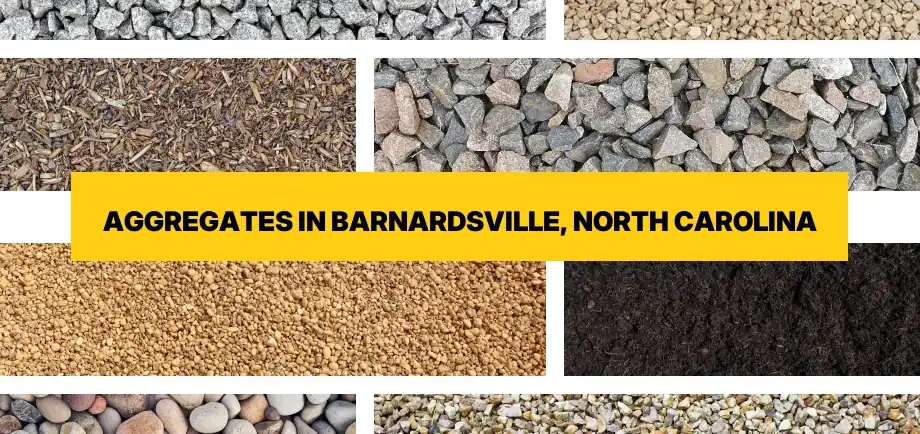
Shop Aggregates for Delivery in Barnardsville
Order online for free delivery to any Barnardsville address.


Gravel Monkey delivers premium aggregates and bulk materials to Barnardsville, North Carolina, serving mountain properties throughout the Blue Ridge foothills. Whether you're maintaining a steep driveway along Big Ivy Road, building a new home site in Dillingham, or managing drainage near the French Broad River valley, we bring high-quality stone, gravel, sand, and soil directly to your property with free delivery throughout northern Buncombe County.
Complete Aggregate Selection for Barnardsville Mountain Properties
The unique terrain and geology of Barnardsville demand specialized aggregates that handle steep grades, heavy rainfall, and clay-based soils. We supply materials specifically suited to mountain conditions across the area:
- Driveway Gravel - Premium base material engineered for mountain driveways with steep grades
- 3/4 inch Crushed Stone - Versatile angular aggregate for foundations and hardscaping
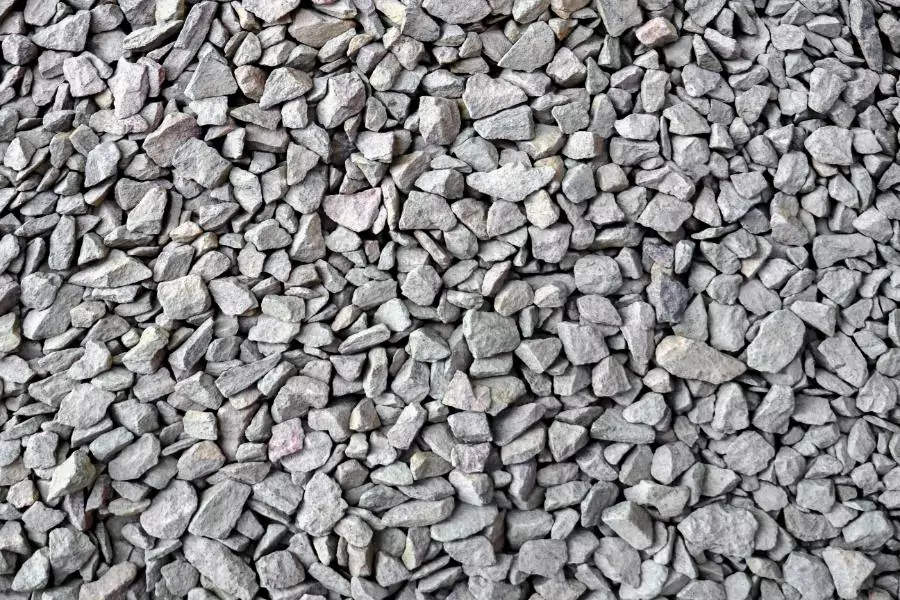
- #57 Stone - Industry-standard drainage stone ideal for French drains and septic systems
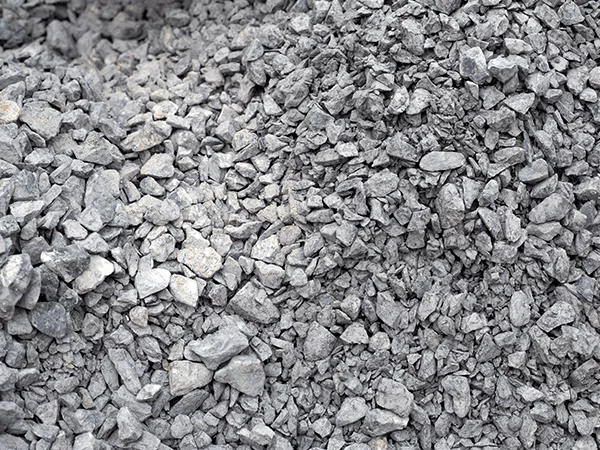
- Crusher Run - Compactable base that locks together for stable mountain roads
- Road Base - Heavy-duty aggregate blend for rural road construction and repair
- Drain Rock - Large stone for critical water management in high-rainfall areas
- Pea Gravel - Rounded decorative stone for pathways and mountain gardens
- River Rock - Natural smooth stone echoing the French Broad River aesthetic
- Walkway Gravel - Attractive aggregate for garden paths and outdoor living spaces
- Topsoil - Nutrient-rich soil for mountain gardens and landscaping
- Fill Dirt - Quality earth for grading sloped properties and site preparation
- Crushed Concrete - Eco-friendly recycled aggregate for budget-conscious projects
- Mason Sand - Fine sand for masonry work and construction applications
- Playground Sand - Clean, safe sand for children's play areas
- Washed Sand - Multi-purpose sand for various outdoor projects
- Decomposed Granite - Natural granite fines for permeable pathways and surfaces
Serving Barnardsville and Surrounding Mountain Communities
Our delivery service extends throughout northern Buncombe County, bringing aggregates to rural properties and mountain communities where material access can be challenging. We regularly serve properties in Dillingham, along Big Ivy Road, throughout the Barnardsville valley, and in surrounding areas including parts of Leicester, Weaverville, and the communities extending toward Madison County.
The Barnardsville area sits at elevations ranging from 2,200 to 3,500 feet in the Blue Ridge Mountains, where steep terrain and winding roads are the norm. Our drivers navigate these conditions daily, delivering aggregates to properties that others might consider too remote or difficult to reach. From the valley floor near Dillingham Road to hilltop home sites overlooking the French Broad River valley, we've supplied materials for countless projects across this beautiful mountain region.
Understanding Barnardsville's Geology and Climate Challenges
Barnardsville's location in the Blue Ridge province presents unique geological conditions that affect every aggregate project. The underlying bedrock consists primarily of Precambrian metamorphic rocks including gneiss, schist, and amphibolite. These ancient formations weather into the characteristic clay-rich, reddish-brown soils seen throughout the area. This heavy clay content creates significant drainage challenges that proper aggregate selection directly addresses.
The mountain climate brings approximately 45 to 50 inches of rainfall annually, with precipitation fairly evenly distributed throughout the year. Winter months can bring freezing temperatures and occasional snow, while summer afternoons often feature heavy thunderstorms that test drainage systems. The freeze-thaw cycle, combined with heavy rain events, makes selecting the right aggregates critical for long-term project success.
Steep topography means most properties in Barnardsville deal with significant elevation changes. Driveways often climb several hundred feet from road level to home sites, creating erosion concerns during heavy rains. The clay soils expand when wet and can become slippery, making properly installed aggregate bases essential for safe vehicle access year-round. These conditions make materials like crusher run particularly valuable, as they compact tightly and interlock to resist displacement on slopes.
Mountain Driveway Aggregates for Steep Barnardsville Properties
Driveways in Barnardsville face unique challenges that flatland aggregate solutions don't address. The combination of steep grades, clay subsoils, and heavy rainfall demands materials that provide both stability and drainage. We recommend starting with a solid base layer that compacts firmly and resists washout during storms.
For the base layer on mountain driveways, crusher run provides exceptional performance. This blend of crushed stone and fines compacts tightly, creating a stable foundation that resists erosion on slopes. The angular particles interlock mechanically, preventing the aggregate from rolling downhill during heavy use. Many Barnardsville contractors specify a minimum 4-inch crusher run base, with 6 inches preferred for steeper driveways or heavier vehicle use.
The surface layer selection depends on your priorities. Number 57 stone offers excellent drainage and a clean appearance, though it may require occasional raking on steep sections. Traditional driveway gravel provides a denser, more packed surface that resists rutting but requires good base drainage. Road base works well for working driveways where utility and traction matter more than appearance, particularly on properties in more remote areas like upper Big Ivy Road.
| Aggregate Type | Best Mountain Applications | Drainage Rating | Compaction | Slope Stability |
|---|---|---|---|---|
| Crusher Run | Driveway base, road base, parking areas | Moderate | Excellent | Excellent |
| #57 Stone | Drainage systems, driveway surface, septic fields | Excellent | Good | Good |
| 3/4 inch Crushed Stone | General construction, foundations, landscaping | Very Good | Very Good | Very Good |
| Road Base | Heavy-duty driveways, rural roads, parking | Good | Excellent | Excellent |
| Drain Rock | French drains, foundation drainage, retention | Excellent | Poor | Moderate |
| Pea Gravel | Pathways, decorative landscaping, ground cover | Very Good | Poor | Poor |
| Decomposed Granite | Walking paths, patios, natural surfaces | Good | Good | Good |
Critical Drainage Solutions for Mountain Properties
Water management separates successful mountain properties from problematic ones in Barnardsville. The combination of steep slopes, clay soils, and abundant rainfall creates conditions where water wants to follow every path of least resistance—often straight down your driveway or through your foundation. Proper drainage aggregates channel this water safely away from structures and trafficked areas.
French drains remain the most effective solution for managing subsurface water on sloped properties. These installations use drain rock or number 57 stone wrapped in filter fabric to create underground pathways that intercept groundwater before it causes problems. Many Barnardsville properties install French drains upslope from driveways, along foundation walls, and at natural collection points where springs emerge during wet periods.
Surface drainage requires equally careful attention. Driveway crowning—creating a slight peak in the center so water runs to the sides—prevents water from channeling down the middle of the drive. Stone-lined swales along driveway edges collect this runoff and direct it to culverts or dispersal areas. Properties along Big Ivy Road and other secondary roads often need robust driveway entrance drainage where road runoff might otherwise wash across the property entrance.
The clay content in Barnardsville soils means subsurface drainage often works more effectively than surface solutions alone. Installing drainage aggregate beneath driveways, around foundations, and in problem areas creates paths for water that would otherwise saturate the clay and cause shifting, erosion, or foundation issues. This investment in proper drainage infrastructure pays dividends for decades.
Decorative Aggregates for Mountain Landscaping
Mountain landscaping in Barnardsville takes advantage of the natural beauty surrounding every property. Decorative aggregates help define garden beds, create pathways, manage erosion, and add visual interest while requiring minimal maintenance compared to planted areas. The key is selecting materials that complement the natural mountain aesthetic while serving practical purposes.
River rock brings the look of mountain streams into residential landscapes. Available in various sizes from small accents to large feature stones, this smooth aggregate works beautifully around water features, in dry creek beds that manage seasonal runoff, and as ground cover in areas too shaded for grass. Many Dillingham area properties use river rock to create naturalistic transitions between formal landscaping and the surrounding forest.
Pea gravel provides a more refined decorative option for walkways, patio surrounds, and garden paths. Its small, rounded stones create a surface that's comfortable to walk on while maintaining excellent drainage. Mountain gardens benefit from pea gravel's ability to suppress weeds while allowing water to penetrate to plant roots. The light color brightens shaded garden areas common on north-facing mountain slopes.
Decomposed granite offers a natural, compactable surface that works exceptionally well for formal pathways, outdoor living areas, and as an alternative to mulch in planting beds. This material compacts moderately when properly installed, creating a stable surface that still allows water infiltration. Its warm, natural color palette complements the earth tones common in mountain stone and timber construction throughout Barnardsville.
Construction and Foundation Aggregates
Building in the mountains requires aggregates that address the challenges of sloped sites, varying soil conditions, and the need for long-term stability. Foundation work in Barnardsville typically begins with proper site preparation, using fill dirt to establish level building pads and correct grading for proper drainage away from structures.
Crushed stone forms the foundation base for most construction projects. The angular shape of these particles ensures they interlock when compacted, creating a stable platform that resists settling. Many builders in the area specify 6 to 8 inches of compacted crushed stone beneath slabs and footings, providing both bearing capacity and a capillary break that prevents moisture wicking up from the clay subsoil.
Mason sand serves multiple roles in construction projects, from mixing concrete and mortar to providing bedding material for paver installations. The fine, clean nature of this sand ensures consistent mixing and proper setting of masonry materials. Mountain construction often involves stone or brick elements that benefit from quality mason sand in the mix.
Crushed concrete provides an economical alternative for base applications where appearance matters less than performance. This recycled material works well for shop floors, equipment pads, and temporary access roads during construction. Many Barnardsville contractors use crushed concrete for staging areas and construction access routes that will be removed or covered once the primary project is complete.
Local Regulations and Best Practices
Buncombe County regulations address erosion control and stormwater management, particularly relevant for aggregate projects in steep terrain. Any project disturbing more than one acre requires an erosion control plan, though good practice suggests implementing erosion control measures on projects of any size. Proper aggregate selection and installation naturally support these regulatory requirements.
The county encourages low-impact development techniques that manage stormwater on-site rather than sending it downstream. Permeable aggregate surfaces like pea gravel, decomposed granite, and properly spaced stone align well with these goals. Many Barnardsville property owners find that working with the natural topography and using appropriate aggregates creates both compliant and beautiful results.
Mountain properties often fall within watershed protection areas, particularly near tributaries of the French Broad River system. Projects in these areas may have additional restrictions on impervious surfaces and runoff management. Aggregates provide excellent solutions because they create functional surfaces while maintaining some degree of permeability compared to asphalt or concrete.
Seasonal Planning for Aggregate Projects
Timing aggregate projects around Barnardsville's mountain weather improves results and reduces complications. Spring and fall offer ideal conditions—moderate temperatures, lower humidity, and less extreme rainfall make for easier installation and better compaction. Many contractors prefer fall work because the ground is typically drier after summer, yet temperatures remain warm enough for comfortable working conditions.
Summer brings afternoon thunderstorms that can interrupt project work and test newly installed aggregates before they've fully settled. However, summer's dry mornings and longer days allow significant work to be accomplished before afternoon weather arrives. Projects in summer benefit from good drainage planning, as newly placed aggregates will face rainfall before fully compacting.
Winter work is possible but presents challenges. Frozen ground complicates excavation and compaction, while ice and snow make steep mountain driveways treacherous for delivery vehicles. Most aggregate projects in Barnardsville are planned for March through November, though emergency driveway repairs and essential drainage work continue year-round.
The area's freeze-thaw cycle affects aggregate performance over time. Proper base preparation and drainage become even more critical when considering how winter conditions stress materials. Aggregates that compact well and drain effectively handle freeze-thaw cycles better than poorly installed materials, making quality installation an investment in long-term performance.
Aggregate Delivery Throughout Barnardsville Communities
We deliver aggregates throughout Barnardsville's mountain communities, each with distinct characteristics and material needs. The Dillingham area features many established properties with mature landscaping requiring decorative stone and occasional driveway maintenance. Big Ivy Road extends through diverse terrain from valley floor to mountain ridges, with properties needing everything from drainage solutions to new driveway construction.
Properties along Upper Big Ivy Road often sit at higher elevations with steeper access roads and more remote locations. These sites frequently require road base and crusher run for maintaining long private driveways that serve as the only access to the property. The more challenging the access, the more important quality aggregates become for creating reliable year-round entry.
The Barnardsville valley floor near Dillingham Road includes flatter terrain but still deals with clay soils and drainage challenges. Properties here often focus on landscaping aggregates, garden paths, and decorative features alongside functional drainage solutions. The proximity to Weaverville makes this area attractive for new construction that requires comprehensive aggregate packages from foundation to finish.
Areas extending toward Leicester and the French Broad River valley transition from mountain to foothill terrain. Properties here balance mountain challenges with slightly gentler topography, often focusing on agricultural fencing and rural road maintenance alongside residential needs. The variety of property types in these areas means diverse aggregate requirements from working farms to weekend retreats.
Calculating Aggregate Quantities for Mountain Projects
Accurate quantity estimation prevents both material shortages mid-project and paying for excess material. The basic formula multiplies length times width times depth, all measured in feet, then divides by 27 to convert cubic feet to cubic yards—the standard unit for aggregate sales.
For driveway projects, measure the length and width, then determine appropriate depth based on use and slope. Mountain driveways typically require 4 to 6 inches of base material, sometimes more on very steep sections or for heavy vehicle use. A 100-foot driveway that's 12 feet wide with a 4-inch base requires: 100 × 12 × 0.33 ÷ 27 = 14.7 cubic yards, typically rounded up to 15 yards to ensure complete coverage.
Drainage projects require different calculations based on trench dimensions. A French drain 50 feet long, 12 inches wide, and 18 inches deep needs: 50 × 1 × 1.5 ÷ 27 = 2.8 cubic yards of drain rock. Always add 10 to 15 percent extra to account for settling and irregularities in excavation depth.
Landscaping aggregate calculations follow the same formula but often involve irregular shapes. Break complex areas into rectangles and triangles, calculate each separately, then sum the results. For areas around existing trees or structures, measure carefully and consider ordering slightly more than calculations suggest—it's easier to use extra material than to order a small second delivery.
Installation Best Practices for Mountain Conditions
Proper installation determines whether aggregates perform as intended or require early replacement. The process begins with site preparation—removing organic material, grading for drainage, and compacting the subgrade. Skipping these steps invites settling and performance issues regardless of aggregate quality.
Base layers require mechanical compaction to achieve stability. Hand tamping works for small areas, but most mountain driveway projects benefit from plate compactor or roller use. Compact in lifts—layers no thicker than 4 inches—rather than attempting to compact the full depth at once. Each lift should be compacted to the point where no footprints remain when walking on the surface.
Drainage installation in clay soils requires filter fabric to prevent the fine clay particles from migrating into and clogging the drainage aggregate. Wrap drain rock in non-woven geotextile fabric, ensuring several inches of overlap at seams. This step proves critical in Barnardsville's clay-rich soils where drainage effectiveness depends on maintaining void space between aggregate particles.
Surface aggregate placement considers both function and appearance. For walkways and decorative applications, a 2 to 3 inch depth of pea gravel or river rock over compacted base provides adequate coverage. Driveway surfaces need 3 to 4 inches to handle vehicle traffic without exposing the base layer. Steep slopes may benefit from slightly deeper coverage to compensate for the tendency of loose material to migrate downslope over time.
Frequently Asked Questions About Aggregates in Barnardsville
Crusher run provides the best overall performance for steep mountain driveways. It compacts tightly, resists erosion, and creates a stable surface that handles the combination of slopes and clay soils common in Barnardsville. For the surface layer, number 57 stone offers excellent drainage while maintaining good traction. Many contractors use a crusher run base with a number 57 surface for optimal results on challenging grades.
Barnardsville's clay-rich soils expand when wet and contract when dry, potentially causing aggregate bases to shift without proper preparation. The clay also retains water, creating drainage challenges that affect foundation stability and driveway performance. Successful installation requires removing or stabilizing soft clay, installing proper drainage, and using filter fabric beneath drainage aggregates to prevent clay migration. These extra steps ensure long-term performance in challenging mountain soils.
Yes, decorative aggregates perform well in mountain conditions when properly installed. River rock and pea gravel naturally resist freeze-thaw damage and don't degrade from weather exposure. The key is providing adequate depth and proper base preparation. For pathways subject to foot traffic, install over a compacted base with landscape fabric to prevent mixing with soil. Areas that remain decorative without traffic can be placed directly on fabric-covered soil, though a sand base improves drainage and stability.
Well-installed mountain driveways with proper drainage typically need surface refreshment every 3 to 5 years, depending on traffic and weather exposure. Driveways on very steep grades or with heavy vehicle use may need attention more frequently. Regular maintenance involves adding a fresh surface layer and regrading to maintain crown and drainage. The base layer, if properly installed and drained, often lasts decades without replacement.
Both materials create stable, compactable bases, but road base typically contains a more precise blend of stone sizes specifically engineered for heavy traffic. Crusher run is quarry run material that includes the full range of sizes from dust to larger stones, creating excellent compaction through the variety of particle sizes. For mountain driveways, both work well—crusher run offers slightly better value while road base provides maximum strength for the heaviest use applications.
Preventing washout requires multiple strategies: proper compaction of base layers, adequate depth of material, good drainage planning to direct water away from vulnerable areas, and choosing the right aggregate type. Materials like crusher run that compact firmly resist washout better than loose stone. Installing stone-lined swales and culverts to manage water flow, maintaining driveway crown, and ensuring water has directed paths away from the drive all contribute to long-term stability even during Barnardsville's heaviest storms.
Yes, we regularly deliver to challenging mountain properties throughout Barnardsville. Our drivers have extensive experience navigating steep, narrow driveways common in mountain communities. We ask that access roads be at least 10 feet wide for safe delivery, bridges be rated for heavy trucks, and overhead clearance be adequate (about 14 feet). If access is questionable, we're happy to assess your property beforehand to ensure safe delivery. We've successfully reached properties throughout Big Ivy Road, Dillingham, and surrounding mountain areas.
Regular maintenance preserves mountain driveway performance. Rake and redistribute surface stone after heavy rains or snow to maintain even coverage. Fill ruts and low spots promptly before they channel water and cause erosion. Maintain drainage features—clear culverts, check swales, and ensure water diverts properly. Plan to add fresh surface material every few years and regrade as needed. For properties in Barnardsville's steep terrain, spring and fall inspections catch small issues before they become expensive repairs.
Professional Aggregate Delivery Throughout Barnardsville
Gravel Monkey brings decades of aggregate knowledge to every Barnardsville delivery. We understand the unique challenges of mountain properties, from steep access roads to clay soils and heavy rainfall. Our material selection is specifically suited to Blue Ridge Mountain conditions, and our drivers know the roads and communities throughout northern Buncombe County.
Free delivery means no surprises—the price you see includes bringing aggregates directly to your property, whether you're in the Dillingham valley or on a ridge top off Big Ivy Road. We serve residential and commercial customers throughout Barnardsville, Weaverville, Leicester, Mars Hill, and surrounding communities with the same commitment to quality materials and reliable service.
Every project deserves the right materials installed correctly. Our team helps property owners select appropriate aggregates for their specific conditions, calculate accurate quantities, and understand installation requirements for long-term success. From modest pathway projects to complete driveway installations, we supply the aggregates that mountain properties demand.

Need help? Reach out for a quote: