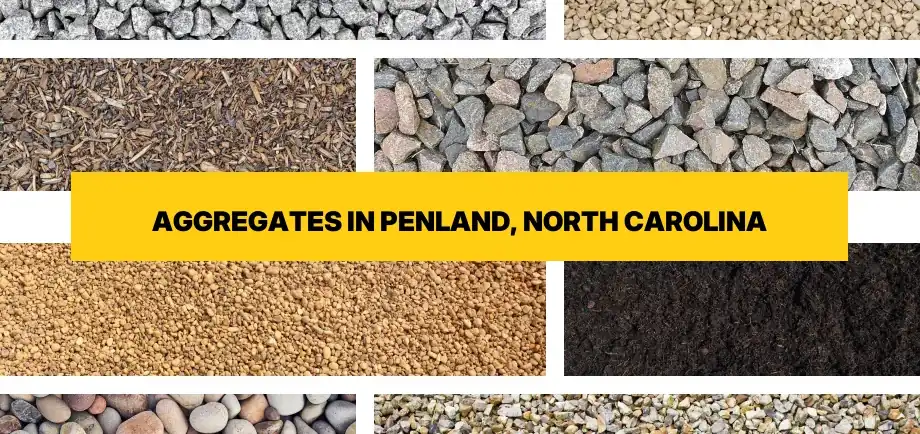
Bulk Aggregate & Gravel Products in Penland, North Carolina
Local Topsoil, Dirt, Sand, Rocks and Gravel near me in Penland, North Carolina
Shop Aggregates for Delivery in Penland
Order online for free delivery to any Penland address.
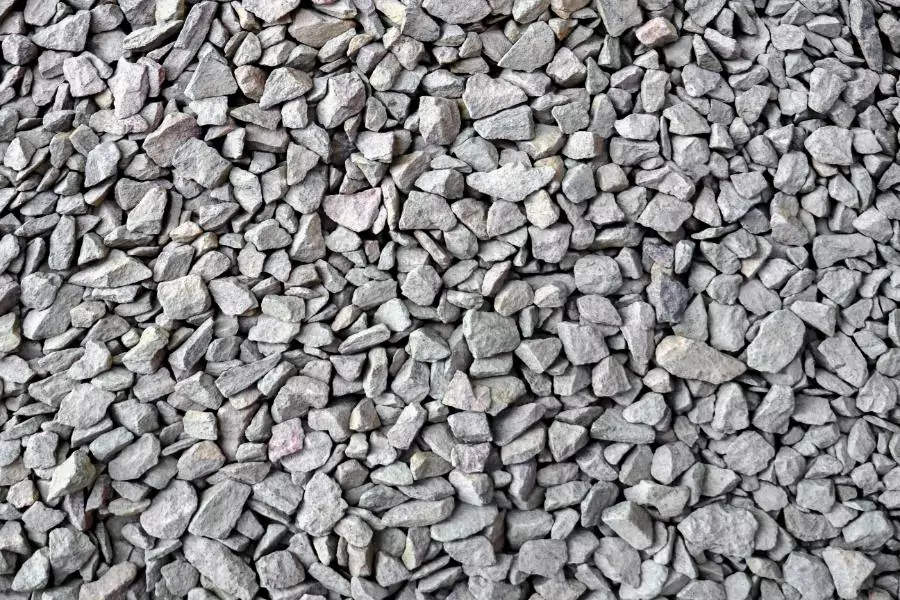
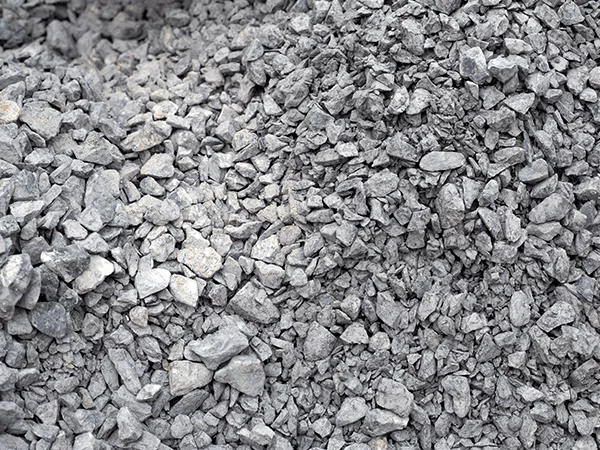


Gravel Monkey delivers premium aggregates and landscaping materials throughout Penland, North Carolina and the surrounding Blue Ridge Mountain communities. Whether you're building a driveway that navigates the steep terrain near the Penland School of Craft, creating drainage solutions for properties along Conley Ridge, or establishing garden beds in the mineral-rich mountain soil, we provide free delivery of bulk materials directly to your property. Our comprehensive selection of aggregates serves residential artisans, homesteaders, and commercial contractors working in this unique mountain environment where proper materials selection makes all the difference.
Complete Selection of Aggregates Available in Penland
Understanding the specific challenges of mountain construction and landscaping in Mitchell County, we stock aggregates suited for the elevation, terrain, and soil conditions characteristic of the Penland area:
- Driveway Gravel - Engineered for steep mountain driveways and heavy loads
- Crusher Run - Superior compaction for bases and mountain roads
- 3/4 inch Crushed Stone - Versatile aggregate for multiple applications
- #57 Stone - Standard drainage and foundation material
- Road Base - Stable foundation for challenging mountain terrain
- Drain Rock - Essential for managing mountain water flow
- Pea Gravel - Smooth stone for walkways and decorative applications
- River Rock - Natural aesthetics from local waterways
- Decomposed Granite - Permeable natural pathways
- Topsoil - Nutrient-rich soil for mountain gardens
- Fill Dirt - Grading material for elevation changes
- Crushed Concrete - Sustainable recycled aggregate
- Mason Sand - Fine sand for masonry projects
- Playground Sand - Safe material for children's areas
- Washed Sand - Clean sand for concrete and mortar
- Walkway Gravel - Comfortable stone for garden paths
Driveway Aggregates for Penland's Mountain Terrain
Penland's location in the Blue Ridge Mountains presents unique challenges for driveway construction. Steep grades, elevation changes exceeding 20 percent in many areas, and seasonal freeze-thaw cycles require carefully selected aggregates that provide both stability and drainage. Properties along Penland Road, near the historic craft school area, and throughout the valleys surrounding Conley Ridge demand materials engineered for mountain conditions.
The combination of Mitchell County's metamorphic bedrock—primarily schist and gneiss formations—and the region's red clay subsoil creates specific requirements for driveway bases. Without proper aggregate selection, mountain driveways experience washouts during heavy rains, rutting from freeze-thaw action, and erosion on steep grades. Our crusher run provides an ideal solution, offering angular stones that interlock and compact into a solid base that resists movement even on challenging slopes.
For top dressing and final surfaces on mountain driveways, three quarter inch crushed stone delivers excellent performance. This size provides superior traction for vehicles navigating steep inclines while allowing water to permeate through to the compacted base below. Many Penland property owners combine crusher run as a base layer with crushed stone on top, creating a durable two-layer system that handles both daily use and seasonal weather extremes. The angular nature of these aggregates means they lock together rather than rolling like rounded river stones, which is critical for grades common in this mountain environment.
Road base material serves as another excellent option for longer driveways or those experiencing heavy equipment traffic. This engineered aggregate blend contains precise gradations that maximize compaction while maintaining permeability. Properties near the Penland School with artist studios often use road base for areas where pottery kilns and equipment require load-bearing surfaces that won't settle over time. The material's ability to shed water while supporting weight makes it particularly valuable for Penland's 45 inches of average annual rainfall.
Critical Drainage Aggregates for Mountain Properties
Managing water flow ranks among the most important considerations for any Penland property. The combination of mountain topography, clay-heavy soils, and substantial rainfall creates drainage challenges that require strategic aggregate placement. Properties failing to address water management experience foundation problems, driveway washouts, and landscape erosion that compromises both aesthetics and structural integrity.
Number 57 stone functions as a workhorse material for drainage applications throughout the Penland area. This uniform aggregate size—approximately three quarter inch to one inch—creates consistent void spaces that allow water to flow freely while providing structural support. French drain installations around homes near Conley Ridge benefit significantly from #57 stone, as the material efficiently channels water away from foundations while remaining stable under soil pressure. The rounded edges of #57 stone also make it gentler on drainage fabric compared to more angular aggregates.
For properties dealing with significant water volume from upslope areas or natural springs common in the Blue Ridge Mountains, dedicated drain rock provides superior performance. This larger aggregate allows maximum water flow while preventing soil migration into drainage systems. Many Penland homesteaders working properties in the valleys install drain rock behind retaining walls and beneath gravel driveways to manage subsurface water that moves through the mountainside. The open structure of drain rock handles the substantial runoff generated during spring rains and summer thunderstorms.
Combining drainage aggregates with proper grading creates comprehensive water management systems. Properties should direct surface water away from structures using strategic placement of crusher run and drainage rock, while maintaining positive drainage slopes across the entire site. The clay content in Penland soil means water doesn't percolate naturally, making aggregate-based drainage solutions essential rather than optional. Homes along the winding mountain roads near the craft school area particularly benefit from well-designed aggregate drainage that prevents water from undermining driveways and foundations.
| Aggregate Type | Best Mountain Uses | Size Range | Drainage Rating | Compaction |
|---|---|---|---|---|
| Crusher Run | Driveway base, road foundation | Fine to 3/4 inch | Good | Excellent |
| 3/4 inch Crushed Stone | Driveway surface, general purpose | 3/4 inch | Excellent | Good |
| #57 Stone | Drainage, concrete aggregate | 3/4 to 1 inch | Excellent | Fair |
| Road Base | Heavy-duty foundations | Fine to 1 inch | Good | Excellent |
| Drain Rock | French drains, foundation drains | 1 to 2 inch | Maximum | Poor |
| Pea Gravel | Walkways, decorative areas | 3/8 inch | Very Good | Poor |
| Decomposed Granite | Natural paths, permeable surfaces | Fine to 1/4 inch | Good | Good |
Landscaping and Garden Aggregates for Mountain Properties
The artistic community surrounding Penland's renowned craft school has created a culture of thoughtful landscape design that harmonizes with the natural mountain environment. Aggregate selection for landscaping purposes must consider both aesthetic goals and the practical challenges of gardening at elevation with clay-rich soil and variable moisture conditions. Properties throughout the area showcase creative uses of stone and gravel that enhance both functionality and visual appeal.
Pea gravel remains a popular choice for pathways connecting studio buildings, garden areas, and outdoor living spaces common on Penland properties. The smooth, rounded stones provide comfortable walking surfaces while allowing excellent drainage during rain events. Many artisans working near the Penland School use pea gravel to create permeable walkways between workshop buildings, preventing mud while maintaining a natural aesthetic that complements the mountain setting. The three-eighths inch size stays in place reasonably well on gentle slopes but may require edging on steeper grades.
River rock brings natural mountain aesthetics to landscaping projects throughout Penland. Available in various sizes from one inch to six inches, this rounded stone works beautifully for dry creek beds that manage runoff, decorative borders around native plantings, and mulch alternatives in garden beds. The organic appearance of river rock mirrors the natural stone found in mountain streams throughout Mitchell County, helping landscapes blend seamlessly with the surrounding Blue Ridge environment. Larger river rock sizes provide effective erosion control on slopes while smaller sizes create attractive ground covers that suppress weeds without impacting soil pH.
Decomposed granite has gained popularity among Penland gardeners seeking permeable pathway solutions that allow water infiltration while resisting weed growth. This natural material compacts into firm walking surfaces while maintaining a soft, natural appearance appropriate for mountain settings. The granite's neutral color palette complements both contemporary and traditional architecture common in the area. Properties using decomposed granite for paths and patios appreciate its ability to handle foot traffic while remaining cool underfoot during summer months—an important consideration for outdoor living spaces at this elevation.
Topsoil and Fill Dirt for Penland's Mountain Environment
Understanding Penland's native soil composition proves essential for successful landscaping and gardening at this elevation. The area's red clay subsoil, derived from weathered metamorphic bedrock, provides poor drainage and challenging growing conditions without proper amendments. The topsoil layer varies significantly across properties, with some areas near the craft school featuring relatively deep organic layers while others expose clay within inches of the surface. Most Penland gardeners benefit from importing quality topsoil to establish productive growing areas.
Our topsoil provides the organic matter and mineral content necessary for mountain gardening success. Mixed with native clay in ratios appropriate for specific plants, imported topsoil creates growing media that balances moisture retention with drainage. Properties establishing vegetable gardens—common among Penland's homesteading community—often build raised beds using imported topsoil, avoiding the challenges of working with dense clay. The elevation of approximately 2,600 feet means a shorter growing season than lower elevations, making quality soil that warms quickly in spring even more valuable for garden productivity.
Fill dirt serves critical functions for properties requiring grading work or foundation adjustments. The mountainous terrain means many Penland homes sit on sloped lots requiring careful earth moving to create level areas for structures, parking, and outdoor spaces. Quality fill dirt compacts reliably and resists settling, providing stable foundations for subsequent aggregate layers. Properties along mountain roads often use fill dirt to establish proper drainage grades that direct water away from buildings while creating usable outdoor spaces on challenging terrain.
The clay content in Penland soil actually provides advantages when properly managed with aggregates. Clay compacts extremely well, creating firm bases for driveways and structures when combined with proper drainage. Many experienced builders in the area create composite bases using clay-rich fill dirt as a bottom layer, crusher run as middle layer, and crushed stone on top. This layered approach leverages clay's compaction properties while avoiding its drainage limitations, creating durable surfaces suited for mountain conditions.
Aggregate Delivery Throughout the Penland Area
We serve the entire Penland community and surrounding Mitchell County areas with reliable aggregate delivery. Our service area encompasses properties throughout this artistic mountain community:
Penland School Area: The historic craft school campus and surrounding properties where artists and craftspeople maintain studios and residences. Deliveries navigate winding mountain roads to reach properties requiring aggregates for studio access, parking areas, and landscaping projects.
Conley Ridge: This elevated area features homes with spectacular views and challenging access. Properties here often require aggregates for steep driveways and drainage solutions that handle runoff from upslope areas. The ridge terrain demands materials that perform reliably on significant grades.
Penland Road Corridor: The main route through the community connects numerous properties needing aggregate materials for everything from driveway maintenance to landscape projects. This area showcases the diverse ways mountain residents use stone and gravel.
Creek Bottom Properties: Lower elevation areas near seasonal streams require specialized drainage solutions. Properties in these locations benefit from drain rock and #57 stone installations that manage water during spring runoff and summer storms while preventing erosion.
Upper Mountain Properties: Homes situated at higher elevations experience more severe freeze-thaw cycles and require aggregates that resist frost heaving. These properties often need substantial quantities of crusher run and road base for driveway stability throughout winter conditions.
Near Spruce Pine: We deliver to properties in the greater Penland area including those closer to Spruce Pine, providing aggregates for both residential and commercial projects throughout this section of Mitchell County.
Toward Bakersville: Properties along routes heading toward neighboring Bakersville receive the same quality materials and free delivery service, supporting construction and landscaping throughout the broader Blue Ridge community.
Rural Homesteads: Many Penland-area properties embrace self-sufficient lifestyles requiring aggregates for farm roads, garden paths, drainage systems, and various homesteading infrastructure projects. We support these rural properties with materials suited for agricultural and residential uses.
Specialized Sand and Aggregate Products
Beyond primary construction aggregates, certain projects require specialized materials for specific applications. Penland's diverse property uses—from pottery studios requiring sand for mixing clay bodies to families creating play areas for children—generate demand for particular sand grades and specialty aggregates.
Mason sand provides the fine, consistent texture necessary for mortar and masonry work. Properties building stone retaining walls or repointing chimneys on historic structures benefit from quality mason sand that creates smooth, workable mortar. The material's fine gradation also makes it suitable for bedding pavers and creating stable bases for stone patios common in mountain landscaping. Many Penland builders keep mason sand on hand for ongoing maintenance of stone structures typical in Blue Ridge architecture.
Playground sand serves families creating safe play areas for children. This washed, rounded sand provides cushioning for falls while remaining comfortable for barefoot play. Properties near the craft school area often incorporate play spaces into their landscapes, requiring materials that balance safety with natural aesthetics. Our playground sand meets safety standards while integrating visually with mountain environments.
Washed sand delivers clean material free from clay and organic matter, making it ideal for concrete mixing and applications requiring precise sand characteristics. Construction projects throughout Penland use washed sand for concrete flatwork, beneath pavers, and anywhere clean sand without fines proves necessary. The material's consistency ensures reliable results for both professional contractors and homeowner projects.
Crushed concrete offers an environmentally conscious alternative to virgin aggregates for projects where appearance matters less than function. This recycled material works well for driveway bases, parking areas behind studios, and utility access roads on larger properties. The crushed concrete compacts firmly and provides adequate drainage while diverting material from landfills. Many Penland property owners appreciate using recycled materials when appropriate, aligning with the sustainability values common in this artistic community.
Walkway gravel provides another specialized option for creating comfortable paths through gardens and between buildings. This aggregate grade features sizing and texture optimized for foot traffic, remaining stable underfoot while draining efficiently. Properties with extensive gardens or multiple structures benefit from network of walkways using materials that perform reliably across seasons without constant maintenance.
Climate and Geological Factors Affecting Aggregate Selection
Penland's mountain climate significantly influences aggregate performance and selection. The area experiences average annual rainfall of approximately 45 inches, with precipitation distributed fairly evenly throughout the year. Summer thunderstorms can deliver substantial rainfall in short periods, while winter weather brings freezing temperatures that challenge inadequately designed aggregate installations. Understanding these climate factors helps property owners select materials that perform reliably across all seasons.
The freeze-thaw cycle presents particular challenges for aggregate installations in mountain environments. Water infiltrating into compacted aggregates expands when frozen, potentially causing frost heaving that disrupts surfaces and creates instability. Properly graded aggregates with good drainage characteristics resist frost damage by allowing water to drain before freezing occurs. This reality makes crusher run and well-draining crushed stone preferable to poorly graded materials that trap water within the aggregate matrix.
Penland's geology reflects its Blue Ridge Mountain location, with underlying metamorphic rocks—primarily schist, gneiss, and some granite formations—creating the bedrock foundation throughout the area. These ancient rocks have weathered over millions of years into the clay-rich red soils characteristic of the Southern Appalachians. This geological context explains why drainage proves so critical: the clay subsoil derived from weathered metamorphic rock simply doesn't absorb water efficiently. Successful aggregate installations must account for this reality by incorporating materials and designs that manage water movement rather than expecting soil absorption.
The mountain topography creates microclimates across relatively short distances. Properties on south-facing slopes receive more solar exposure and experience faster snowmelt, requiring drainage aggregates that handle sudden water volume. North-facing properties remain cooler and may have frozen ground longer into spring, demanding aggregates resistant to extended freeze-thaw periods. These elevation and exposure variations mean that two properties just hundreds of feet apart may benefit from slightly different aggregate approaches based on their specific site conditions.
Seasonal considerations affect aggregate project timing as well. Spring and fall typically provide ideal conditions for aggregate installation, with moderate temperatures and manageable moisture levels. Summer heat makes compaction work physically demanding but allows installed aggregates to settle and stabilize before winter. Winter installation remains possible during dry periods but requires attention to frozen ground conditions that affect compaction quality. Most Penland contractors prefer spring and fall for major aggregate projects while using summer for maintenance and winter for planning.
Estimating Aggregate Quantities for Mountain Projects
Accurately calculating aggregate needs prevents both material shortages that delay projects and excess orders that waste resources. Mountain terrain adds complexity to quantity estimates compared to flat sites, as slopes require more material to achieve equivalent coverage and drainage considerations may demand additional aggregates for subsurface layers.
For driveway projects, measure the length and width to determine square footage, then multiply by desired depth in feet to calculate cubic feet needed. Divide by 27 to convert to cubic yards—the standard bulk material measurement. Mountain driveways typically require 4 to 6 inches of aggregate due to drainage needs and grade considerations, compared to 3 to 4 inches for flat driveways. A 100-foot by 12-foot driveway at 5 inches depth requires approximately 18.5 cubic yards of material. Steep sections may need additional aggregate for stability, while gentle slopes can use slightly less.
French drain installations require calculating linear feet and trench dimensions. A typical residential French drain uses a trench 12 inches wide and 18 inches deep, requiring roughly half a cubic yard of drain rock per 10 linear feet. Properties installing extensive drainage systems around foundations or along driveways should add 10 to 15 percent extra material to ensure complete coverage and proper function. The investment in adequate drainage aggregate pays dividends through prevented water damage and extended driveway life.
Landscape projects involving pathways, decorative borders, or ground covers require depth considerations based on material type and intended use. Pea gravel and river rock typically apply at 2 to 3 inches depth for pathways, while decorative areas may use 3 to 4 inches for better weed suppression. Calculate square footage and multiply by depth, adding 5 to 10 percent for irregularly shaped areas or areas with significant slope. Larger river rock sizes require greater depth for visual impact and effective ground coverage.
Our team at Gravel Monkey helps Penland customers estimate quantities accurately for their specific projects. We account for mountain terrain variables and can recommend appropriate depths based on project goals and site conditions. Providing accurate measurements of your project area allows us to calculate precise material needs, and we can discuss whether site conditions suggest adjusting standard depth recommendations for optimal results.
Best Practices for Aggregate Installation in Mountain Terrain
Successful aggregate installations require more than simply dumping material on the ground. Mountain properties demand attention to preparation, layering, and drainage to achieve long-lasting results that withstand Penland's climate and terrain challenges.
Site preparation begins with removing vegetation, organic matter, and loose soil down to firm subsoil or bedrock. Any soft spots require excavation and replacement with compacted fill dirt or native material. Properties with significant clay should consider creating positive drainage grades that direct water away from aggregate areas. This preparation phase determines long-term performance more than any other factor—inadequate prep leads to settling, rutting, and premature failure regardless of aggregate quality.
Proper layering creates stable, well-draining installations. For driveways, start with compacted subgrade, add a 3 to 4 inch base layer of crusher run, compact thoroughly, then finish with 2 to 3 inches of crushed stone. Each layer requires compaction using a plate compactor or roller before adding the next layer. Water sprinkling during compaction helps achieve maximum density, but avoid oversaturating which creates muddy conditions. The base layer provides load-bearing capacity while the surface layer offers drainage and traction.
Edging prevents aggregate migration, especially on slopes. Treated lumber, steel edging, or stone borders maintain clean lines and keep materials in place during heavy rains or snowmelt. Mountain driveways particularly benefit from defined edges that prevent stone from washing down slopes. The investment in quality edging installation saves ongoing maintenance costs by eliminating the need to constantly replenish scattered aggregate.
Drainage integration ensures water moves through and away from aggregate installations. Install French drains along the upslope side of driveways to intercept subsurface water before it undermines the aggregate base. Create swales or berms to direct surface water around rather than through aggregate areas. Properties with natural springs or seeps require specialized drainage solutions that may include multiple drain rock installations to capture and redirect water safely away from structures and paved areas.
Regular maintenance extends aggregate life significantly. Rake or drag driveways periodically to redistribute stone and fill low spots before they become problems. Add fresh aggregate every few years to maintain proper depth as material gradually compacts and embeds into the base layer. Address drainage issues immediately when they appear—small problems become major failures quickly in mountain environments. Spring represents an ideal time for maintenance, addressing any winter damage before summer traffic and fall rains.
Frequently Asked Questions About Aggregates in Penland
We deliver a complete range including driveway gravel, crusher run, crushed stone in various sizes, pea gravel, river rock, decomposed granite, topsoil, fill dirt, road base, drain rock, and multiple sand types throughout Penland and the Blue Ridge Mountain area.
Yes! Gravel Monkey offers FREE delivery to Penland and the surrounding Mitchell County area for all gravel and aggregate orders.
For Penland's steep terrain and mountain driveways, crusher run and three quarter inch crushed stone provide excellent traction and drainage. These materials compact well and handle the elevation changes common in the Blue Ridge Mountains.
Calculate your area in square feet and multiply by your desired depth. For mountain driveways, we recommend 4 to 6 inches of aggregate due to elevation changes and drainage needs. Our team can help estimate quantities for your specific Penland project.
Yes. Penland sits on mineral-rich mountain soil with high clay content. The area benefits from quality topsoil amendments and proper drainage solutions using appropriate aggregates to handle the 45 inches of annual rainfall.
Absolutely. We regularly deliver to mountain properties throughout the Penland area. Our delivery team is experienced with the challenging terrain and steep grades common in Mitchell County.
For drainage applications in Penland, number 57 stone and drain rock work exceptionally well. These sizes allow water to flow freely while providing structural stability, which is crucial given the mountain rainfall patterns.
Yes, we deliver throughout the entire Penland area including properties near the craft school. We navigate the mountain roads regularly and understand the access considerations for properties throughout this artistic community.
Professional Aggregate Delivery for Penland Properties
Whether you're establishing a new mountain driveway, installing drainage systems to protect your property, creating artistic landscape features, or undertaking any project requiring quality aggregates, Gravel Monkey provides the materials and expertise Penland property owners need. Our understanding of mountain terrain, climate challenges, and local soil conditions ensures you receive appropriate recommendations for your specific situation.
We maintain extensive inventory of all aggregate types, ensuring prompt delivery even for large projects or multiple material orders. Our free delivery service eliminates transportation logistics and costs, making professional-grade materials accessible for properties throughout Mitchell County. From the Penland School area to Conley Ridge to rural homesteads, we serve the entire community with reliable material supply and knowledgeable guidance.
Contact our team to discuss your project requirements and receive expert recommendations tailored to Penland's unique mountain environment. We help you select appropriate aggregates, calculate accurate quantities, and coordinate convenient delivery timing. Our commitment to quality materials and customer service has made us the preferred aggregate supplier for mountain properties throughout Western North Carolina.

Need help? Reach out for a quote: