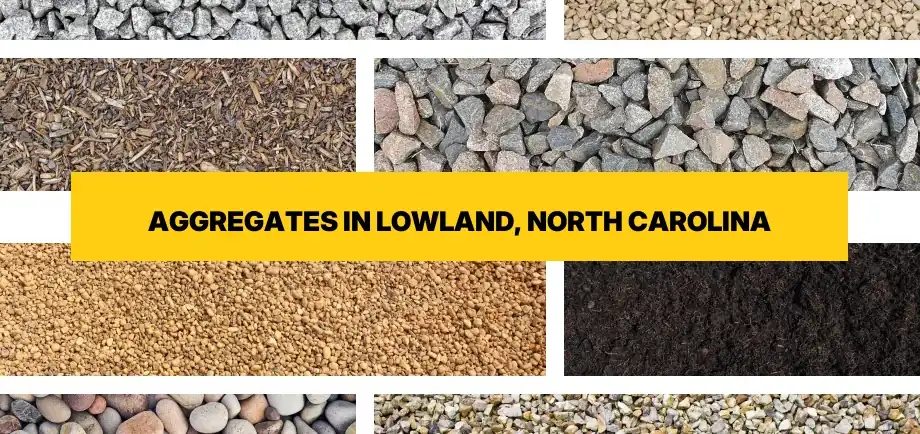
Sand, Aggregates & Gravel for Lowland, North Carolina
Local Topsoil, Dirt, Sand, Rocks and Gravel near me in Lowland, North Carolina
Shop Aggregates for Delivery in Lowland
Order online for free delivery to any Lowland address.
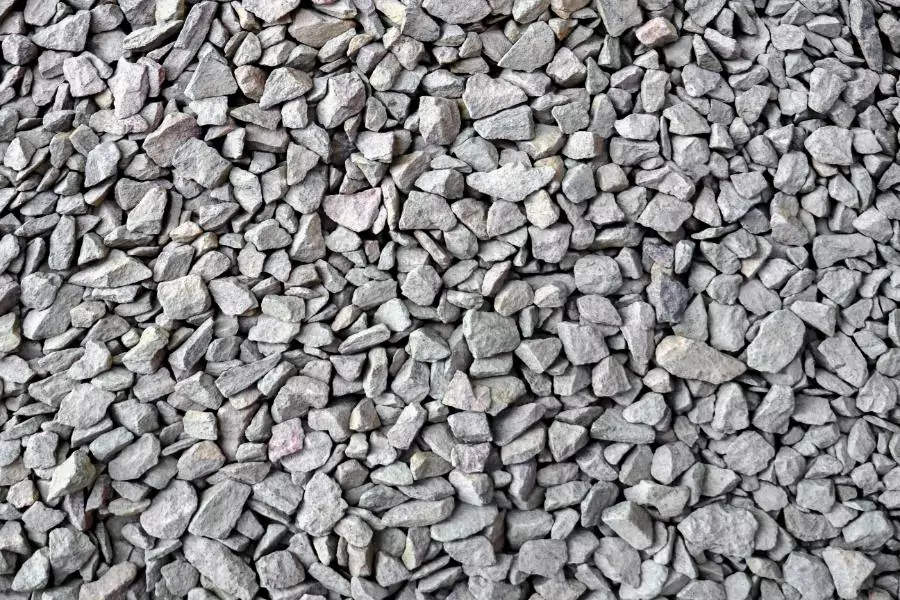
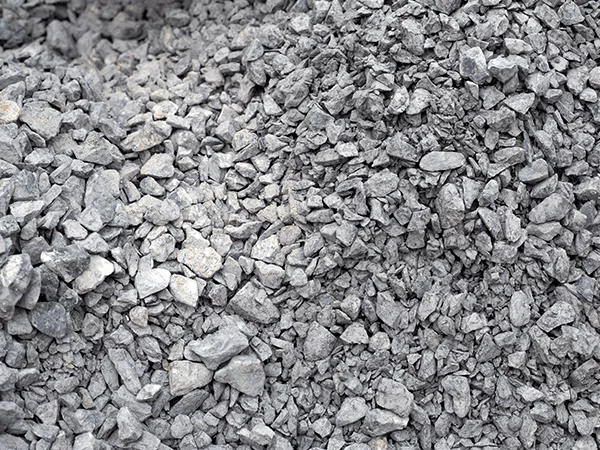


Gravel Monkey provides premium aggregate delivery services throughout Lowland, North Carolina and the surrounding Pamlico County region. Whether you're building a new driveway near the Neuse River shoreline, creating drainage solutions for properties in the coastal plain, or developing commercial sites in this historic community, we deliver high-quality aggregates directly to your location with absolutely free delivery. Our comprehensive selection of crushed stone, gravel, sand, and soil products addresses the unique challenges of Lowland's sandy soils and high water table conditions.
Complete Range of Aggregates Available in Lowland, NC
Understanding the specific needs of coastal North Carolina properties, Gravel Monkey offers an extensive inventory of aggregate materials suitable for both residential and commercial applications throughout Lowland and nearby communities including Arapahoe, Grantsboro, and Oriental:
- Driveway Gravel - Premium surface material that provides excellent traction and durability for Lowland's residential driveways
- 3/4 inch Crushed Stone - Versatile angular aggregate ideal for foundations, drainage applications, and base layers throughout Pamlico County
- #57 Stone - Popular drainage stone that handles water management challenges in low-lying coastal areas
- Crusher Run - Superior compactable base material that performs exceptionally well in sandy coastal soil conditions
- Road Base - Heavy-duty aggregate foundation for driveways and roadways requiring maximum stability
- Drain Rock - Clean aggregate specifically designed for French drains and water management systems
- Pea Gravel - Smooth decorative stone perfect for pathways, gardens, and landscaping features
- River Rock - Natural aesthetic stone available in multiple sizes for water features and landscape design
- Walkway Gravel - Attractive and functional material for pedestrian paths throughout your property
- Crushed Concrete - Eco-friendly recycled aggregate offering excellent value for base applications
- Decomposed Granite - Natural stabilized surface material for modern landscaping designs
- Topsoil - Nutrient-rich soil for gardens, raised beds, and lawn establishment
- Fill Dirt - Essential material for grading, leveling, and property elevation projects
- Mason Sand - Fine sand for masonry work, mortar mixing, and construction applications
- Playground Sand - Clean, safe sand for play areas and sandboxes
- Washed Sand - Premium clean sand for concrete, paver installation, and specialty applications
Drainage Aggregates for Lowland's Coastal Environment
Properties in Lowland face unique water management challenges due to the area's position in the coastal plain with its characteristically high water table and sandy soils. The community's proximity to the Neuse River and surrounding wetlands means proper drainage is critical for any construction or landscaping project. Our drainage aggregates help homeowners and contractors manage excess water effectively while preventing property damage and erosion.
The soil composition in Lowland consists primarily of fine sand and sandy loam, which offers natural permeability but lacks structural stability without proper base materials. Average annual rainfall in Pamlico County exceeds 52 inches, with peak precipitation during summer months when tropical systems can bring heavy downpours. These conditions make French drains, swales, and proper base preparation essential for long-term project success.
For properties near Creek Road and areas close to Jones Bay, where the water table sits particularly high, we recommend clean angular aggregates that allow water to pass through freely while providing structural support. The key is selecting materials that compact sufficiently for stability while maintaining void spaces for water infiltration. This balance is crucial in a region where saturated soils can cause settling, erosion, and foundation issues.
Premium Driveway Aggregates for Coastal Plain Properties
Building a durable driveway in Lowland requires understanding the relationship between the region's sandy substrate and the aggregate materials placed on top. Unlike piedmont or mountain regions with clay-rich soils, coastal plain soils offer minimal natural compaction. This makes the selection of proper base materials and surface aggregates particularly important for driveways throughout the community.
Residential properties along NC Highway 306 and throughout the rural areas surrounding Lowland benefit from a multi-layer approach to driveway construction. A solid foundation begins with proper grading and, in many cases, geotextile fabric to prevent aggregate from sinking into the sandy subsoil. Next comes a compacted base layer that provides structural integrity, followed by a surface layer that offers traction and visual appeal.
For base layers, many Lowland contractors and property owners choose our materials because they compact exceptionally well even in the presence of moisture. The angular shape of these aggregates creates a mechanical lock when compacted, forming a stable platform that resists rutting and displacement. This is particularly important during North Carolina's humid summer months when afternoon thunderstorms can saturate surfaces quickly.
The surface layer requires different characteristics. Homeowners throughout the Lowland area appreciate aggregates that provide good traction for vehicles, drain surface water effectively, and maintain their appearance over time. Our materials resist breaking down under vehicle traffic while the varied stone sizes create a naturally permeable surface that channels water away rather than allowing it to pool and create soft spots.
| Aggregate Type | Best Applications | Drainage Rating | Compaction | Ideal for Lowland Projects |
|---|---|---|---|---|
| Crusher Run | Driveway base, parking areas, road foundation | Moderate | Excellent | Primary base material for all driveways |
| Road Base | Heavy-duty applications, commercial drives | Moderate | Superior | Commercial properties and high-traffic areas |
| #57 Stone | Drainage systems, French drains, backfill | Excellent | Good | Water management throughout property |
| 3/4 inch Crushed Stone | Foundations, drainage, decorative applications | Very Good | Very Good | Versatile for multiple project types |
| Drain Rock | French drains, foundation drainage, septic | Superior | Minimal | Dedicated drainage installations |
| Driveway Gravel | Driveway surface, pathways, parking | Good | Good | Top layer for residential drives |
| Pea Gravel | Landscaping, pathways, decorative beds | Excellent | Poor | Garden features and walkways |
| Decomposed Granite | Pathways, patios, natural landscapes | Good | Moderate | Modern landscape design projects |
Aggregate Solutions for Lowland's Diverse Project Needs
Residential Applications Throughout Pamlico County
Homeowners in Lowland and surrounding communities rely on quality aggregates for numerous residential applications. Foundation work requires materials that provide both drainage and structural support in the area's sandy soils. Properties near the waterfront, particularly those along the Neuse River and connecting waterways, need proper grading and drainage to manage seasonal water level fluctuations.
Garden beds and landscape features benefit from the natural drainage characteristics of our sand products and decorative aggregates. Many Lowland residents create attractive yards using combinations of materials - perhaps edging flower beds with natural stone while using sand or fine aggregate for pathways. The key is matching the right material to each specific application while considering how water moves through your property.
Agricultural and Rural Property Development
Pamlico County maintains a strong agricultural heritage, with many properties in the Lowland area supporting farming operations, timber production, and rural living. These properties often require aggregate materials for farm roads, equipment pads, and barn sites. The challenge is creating stable work surfaces that can handle heavy equipment while managing the moisture that naturally accumulates in the coastal plain.
Farm roads benefit from materials that provide year-round access regardless of weather conditions. A properly constructed farm road begins with adequate drainage - possibly including roadside ditches or culverts - followed by a thick base layer that distributes weight and prevents rutting. The investment in proper aggregate base pays dividends through reduced maintenance and reliable access even during wet seasons.
Commercial and Municipal Infrastructure
Commercial properties throughout Lowland require aggregates that meet specific engineering standards while providing long-term value. Parking areas, loading zones, and access roads all demand materials that can withstand heavy vehicle traffic and frequent use. The selection process considers load requirements, traffic patterns, and maintenance expectations.
Municipal infrastructure projects, including road improvements and drainage enhancements, utilize aggregates that meet North Carolina Department of Transportation specifications. These materials undergo rigorous testing to ensure they perform as expected under varying conditions. Whether supporting new development or maintaining existing infrastructure, properly specified aggregates form the foundation of reliable transportation networks throughout the community.
Understanding Lowland's Soil and Climate Conditions
Lowland sits in the Atlantic Coastal Plain physiographic province, characterized by flat topography, sandy soils, and extensive wetland systems. The area's elevation ranges from just above sea level to approximately 15 feet, making it one of the lower-elevation communities in North Carolina. This geography significantly influences construction and landscaping approaches, as the high water table sits typically within 3-6 feet of the surface.
The predominant soil series in the Lowland area includes Rains, Pocomoke, and Portsmouth soils - all classified as poorly drained to somewhat poorly drained. These soils formed in marine sediments and contain high percentages of fine sand with minimal clay content. While this composition provides good permeability for water movement, it offers little natural cohesion or bearing capacity without proper base preparation.
Climate conditions in coastal North Carolina create both opportunities and challenges for outdoor projects. The area experiences a humid subtropical climate with mild winters and hot, humid summers. Average temperatures range from lows in the mid-30s during January to highs in the upper 80s and low 90s during July and August. This temperature range allows for year-round construction activity but requires consideration of seasonal moisture variations.
Rainfall distribution throughout the year affects project planning and material selection. Summer months typically see the highest precipitation, often from intense thunderstorms and occasional tropical systems. These weather events can deliver several inches of rain in short periods, creating temporary flooding in low-lying areas. Proper drainage design using appropriate aggregates helps properties manage these weather extremes effectively.
The proximity to the Neuse River and associated tidal creeks introduces another variable - groundwater levels that fluctuate with tides and seasonal rainfall. Properties closer to these waterways must account for both surface water management and subsurface water movement. Aggregates with good drainage characteristics become essential components of any construction in these areas, allowing water to move through and around structures rather than accumulating and causing damage.
Serving All Lowland Areas and Nearby Communities
Gravel Monkey proudly delivers aggregates throughout Lowland and the greater Pamlico County region. Our service area includes residential properties along Highway 306, waterfront developments near the Neuse River, rural properties throughout the surrounding countryside, and commercial sites in the community center.
We also service nearby communities including Arapahoe to the north, where residents appreciate our selection of materials for driveways and landscaping projects. Grantsboro properties benefit from our free delivery and expert guidance on material selection. Oriental, known for its sailing heritage and waterfront location, relies on our aggregates for both residential and marina-related applications. Bayboro, the county seat, uses our materials for municipal and commercial projects. Alliance and Mesic residents find our comprehensive product selection meets their rural property needs.
Each of these communities shares similar soil and drainage challenges, making our experience with coastal plain conditions particularly valuable. Whether you're building a new driveway near Jones Bay, improving drainage around an existing home, or developing commercial property, we understand the specific requirements for successful projects in this region.
Choosing the Right Aggregates for Your Project
Selecting appropriate materials for construction or landscaping projects in Lowland requires considering multiple factors specific to coastal plain conditions. The decision process should account for soil type, water table depth, intended use, traffic loads, and aesthetic preferences. Understanding how these variables interact helps ensure project success and longevity.
Base Layer Considerations
Every durable surface in Lowland begins with a proper base layer. The sandy native soil lacks the load-bearing capacity needed for driveways, parking areas, or building sites. A well-designed base provides this capacity while facilitating drainage and preventing settlement. The thickness of the base layer depends on expected loads - residential driveways typically require 4-6 inches of compacted base material, while commercial applications may need 8-12 inches or more.
Material gradation plays a crucial role in base performance. Aggregates containing a range of particle sizes from fine to coarse compact more effectively than single-sized materials. The fine particles fill voids between larger stones, creating a dense, interlocked matrix. This structure distributes loads effectively and resists displacement even under heavy traffic or moisture exposure.
Surface Layer Options
Once a solid base is established, the surface layer determines both functionality and appearance. For driveways and parking areas, the surface aggregate should provide good traction, resist breaking down under traffic, and maintain a neat appearance with minimal maintenance. Color and texture choices allow property owners to complement their home's architecture and surrounding landscape.
Decorative applications benefit from aggregates selected primarily for aesthetic appeal. Natural stone products create attractive focal points in garden beds, around water features, or along pathways. The key is ensuring adequate drainage beneath decorative layers so water doesn't accumulate and create soft spots or allow materials to sink into the soil.
Drainage System Materials
Given Lowland's high water table and sandy soils, most properties benefit from dedicated drainage systems. French drains, which consist of perforated pipe surrounded by clean aggregate, effectively capture and redirect groundwater away from buildings and paved surfaces. The aggregate surrounding the pipe must be clean and angular to maintain void spaces that allow water to enter the system freely.
Surface drainage features like swales and ditches help manage runoff from rain events. The aggregates used in these features need to resist erosion from flowing water while maintaining their shape and function over time. Angular materials perform better than rounded stones in these applications because they interlock and resist movement.
Best Practices for Aggregate Installation in Coastal Conditions
Successful aggregate projects in Lowland require attention to preparation and installation details that address the area's unique conditions. Starting with proper site preparation sets the stage for long-term performance. This typically involves removing vegetation and unstable topsoil, establishing appropriate grades for drainage, and compacting the subgrade to provide a uniform foundation.
In areas with particularly high water tables or poor drainage, installing geotextile fabric between the subgrade and base layer prevents aggregates from sinking into the soft soil while still allowing water to pass through. This extra step adds minimal cost but significantly extends the life of driveways and other aggregate surfaces, especially in low-lying areas near waterways.
Compaction represents perhaps the most critical step in aggregate installation. Each layer should be compacted to approximately 95% of maximum density for residential applications or higher for commercial projects. This requires mechanical compactors - hand tamping rarely achieves adequate density. Proper compaction eliminates air voids, increases load-bearing capacity, and prevents settlement that leads to rutting and uneven surfaces.
Edge restraint helps maintain the shape and position of aggregate surfaces over time. Without proper edging, materials gradually spread and thin, especially along driveway edges where vehicles turn. Options for edge restraint range from simple soil berms to more formal solutions like plastic edging or decorative borders. The choice depends on the application and desired aesthetic.
Moisture management during installation affects compaction effectiveness and final performance. Aggregates compact best at optimum moisture content - too dry and they won't bind properly; too wet and they become soft and unstable. Experienced contractors understand these nuances and adjust their approach based on existing conditions and weather forecasts.
Maintaining Aggregate Surfaces in Coastal North Carolina
Properly installed aggregate surfaces require relatively minimal maintenance, but periodic attention helps preserve their appearance and functionality. Gravel driveways benefit from occasional raking to redistribute material that vehicle traffic pushes to the sides. This simple maintenance task, performed once or twice per year, keeps the surface even and prevents the development of ruts or bare spots.
Weed control becomes important in aggregate surfaces, particularly in areas that receive less traffic. Applying landscape fabric during installation helps prevent weed growth, but determined plants may still appear. Spot treatment with appropriate herbicides or manual removal keeps weeds from establishing and spreading. Prevention is easier than remediation, so addressing weeds promptly saves effort long-term.
Drainage features require periodic inspection and cleaning to maintain their effectiveness. Leaves, sediment, and organic debris can accumulate in swales and around drainage structures, reducing their capacity to handle water. Annual cleaning, typically in late fall after leaves drop, ensures these systems function properly when needed during winter and spring rain events.
Over time, aggregate surfaces may require replenishment as material compacts further or gets displaced. This is normal and expected, not a sign of installation problems. Adding a fresh surface layer every few years restores appearance and function while protecting the base layer beneath. The frequency of replenishment depends on traffic volume, maintenance practices, and initial installation quality.
Environmental Benefits of Properly Managed Aggregates
Aggregate surfaces offer environmental advantages compared to impervious paving like asphalt or concrete. Water infiltrates through gravel and crushed stone, reducing runoff and helping recharge groundwater. This characteristic is particularly valuable in coastal areas where maintaining freshwater resources is important for both human use and ecosystem health.
Permeable aggregate surfaces help filter pollutants from stormwater before it reaches waterways. As water percolates through stone layers and underlying soil, suspended sediments settle out and biological processes break down certain contaminants. This natural filtration contributes to better water quality in the Neuse River and associated waterways that ultimately discharge to the Pamlico Sound.
Heat island effects, common with dark asphalt surfaces, are less pronounced with lighter-colored aggregates. Stone surfaces reflect more solar radiation and don't store as much heat, contributing to slightly cooler ambient temperatures around buildings. In summer months, this can reduce cooling costs and improve outdoor comfort for coastal properties.
Many aggregate products, including crushed concrete options, represent recycled materials that reduce demand for virgin stone extraction. Choosing recycled aggregates for appropriate applications supports sustainability goals while often providing cost savings. These materials perform comparably to natural stone in many applications, particularly for base layers and utility work.
Frequently Asked Questions About Aggregate Delivery in Lowland
For Lowland's coastal plain conditions, we recommend a base layer of crusher run or road base for proper compaction, topped with driveway gravel for appearance and traction. The base layer should be 4-6 inches thick after compaction. This combination addresses the lack of natural bearing capacity in sandy soils while providing excellent drainage to handle the area's high water table and significant rainfall.
Multiply length times width times depth (all in feet) to get cubic feet, then divide by 27 to convert to cubic yards. Most aggregates are sold by the ton, with approximately 1.4 tons equaling one cubic yard depending on material type. For a driveway 50 feet long by 12 feet wide with 4 inches of base material, you would need approximately 7.5 cubic yards or about 10-11 tons. Our team can help refine estimates based on your specific project and local soil conditions.
Yes, we deliver throughout Pamlico County including rural areas surrounding Lowland. Our free delivery covers properties in Arapahoe, Grantsboro, Alliance, Mesic, and other nearby communities. We regularly service farms, rural homesites, and properties along Highway 306 and connecting roads throughout the region.
Both materials provide excellent compaction for base layers, but road base is typically more uniform in gradation and may contain more fines that help it compact to a denser surface. Crusher run contains a broader range of stone sizes and works well for most residential applications. Road base is often preferred for commercial projects or areas expecting heavy traffic. Both perform excellently in Lowland's coastal conditions when properly installed and compacted.
The high water table means proper drainage is essential for any aggregate project. We recommend incorporating drainage features like French drains or swales to manage groundwater and surface water. Using angular aggregates that allow water to flow through while maintaining structural integrity is key. Geotextile fabric between native soil and base aggregates helps prevent settling while allowing water movement. Projects near the Neuse River or in low-lying areas require extra attention to water management.
We strive to accommodate same-day delivery requests when possible, depending on current order volume and material availability. Most orders placed in the morning can be delivered the same day to Lowland and surrounding Pamlico County locations. For guaranteed delivery times, especially for larger commercial projects, we recommend scheduling at least 24-48 hours in advance. Contact us to discuss your specific timeline needs.
Aggregate driveways in Lowland require minimal maintenance - primarily occasional raking to redistribute material that gets pushed to the edges by traffic. Plan to add a fresh top layer every 3-5 years depending on usage. Control weeds promptly before they establish, and ensure drainage features remain clear of debris. After heavy rain events, check for any areas where material may have washed away and address them quickly to prevent larger issues.
Yes, we provide clean aggregates appropriate for septic drain field applications. Septic systems in Lowland's sandy soils require specific aggregate gradations that allow proper effluent distribution while preventing soil migration into the stone layer. Our drain rock and clean crushed stone options meet North Carolina septic system requirements. We recommend consulting with your septic installer regarding specific material specifications for your system design.
Free Aggregate Delivery Throughout Lowland and Pamlico County
Gravel Monkey makes ordering quality aggregates simple and convenient for Lowland residents and businesses. Our free delivery service covers the entire area, from waterfront properties along the Neuse River to rural farms throughout the countryside. We understand the unique challenges of building and maintaining properties in coastal North Carolina, and our team can recommend the right materials for your specific conditions and applications.
Whether you're planning a residential driveway, agricultural access road, commercial parking area, or landscaping project, we have the aggregates and expertise to support your success. Our products arrive clean, properly graded, and ready to install. With decades of combined experience serving coastal communities, we know what works in Lowland's sandy soils and challenging drainage conditions.
Orders are simple - just use our online system or contact our team directly to discuss your project requirements. We'll help calculate quantities, recommend appropriate materials, and schedule delivery at your convenience. Our drivers know the Lowland area well and can navigate to properties throughout Pamlico County, including rural locations that may pose challenges for some suppliers.
Join the hundreds of satisfied customers throughout coastal North Carolina who trust Gravel Monkey for their aggregate needs. From small residential projects to large commercial developments, we deliver the materials and service you need to complete your project successfully. Experience the difference that quality aggregates and professional service make for your Lowland property.

Need help? Reach out for a quote: