Gravel for Sale in West End, North Carolina
Local Topsoil, Dirt, Sand, Rocks and Gravel near me in West End, North Carolina
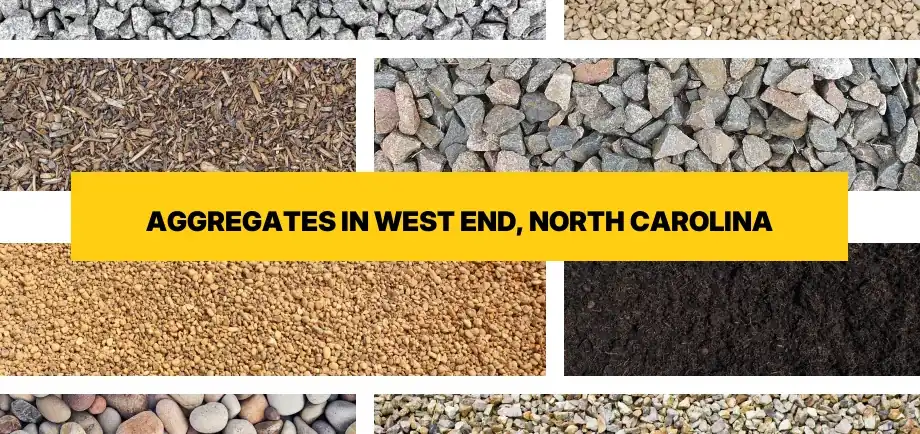
Shop Aggregates for Delivery in West End
Order online for free delivery to any West End address.


Gravel Monkey is your trusted source for premium gravel and aggregate delivery in West End, North Carolina. Whether you're building a new driveway near the golf courses, creating erosion control along the sandy terrain of the Sandhills region, or developing a property off Highway 211, we deliver high-quality aggregates directly to your location with absolutely free delivery throughout Moore County.
Complete Aggregate Selection for West End Properties
West End's unique position in the Sandhills region of North Carolina creates specific material requirements for construction and landscaping projects. Our comprehensive selection of aggregates is specifically suited to the sandy soils and moderate climate conditions common throughout the area. We stock materials that perform excellently in the distinctive geological conditions found between Pinehurst and Southern Pines.
From residential properties in Seven Lakes to commercial developments along NC Highway 211, Gravel Monkey provides the aggregates you need for lasting results. Our materials work effectively with the sandy loam soils typical of Moore County and handle the region's weather patterns, from warm humid summers to mild winters with occasional freezing temperatures.
Essential Crushed Stone Aggregates
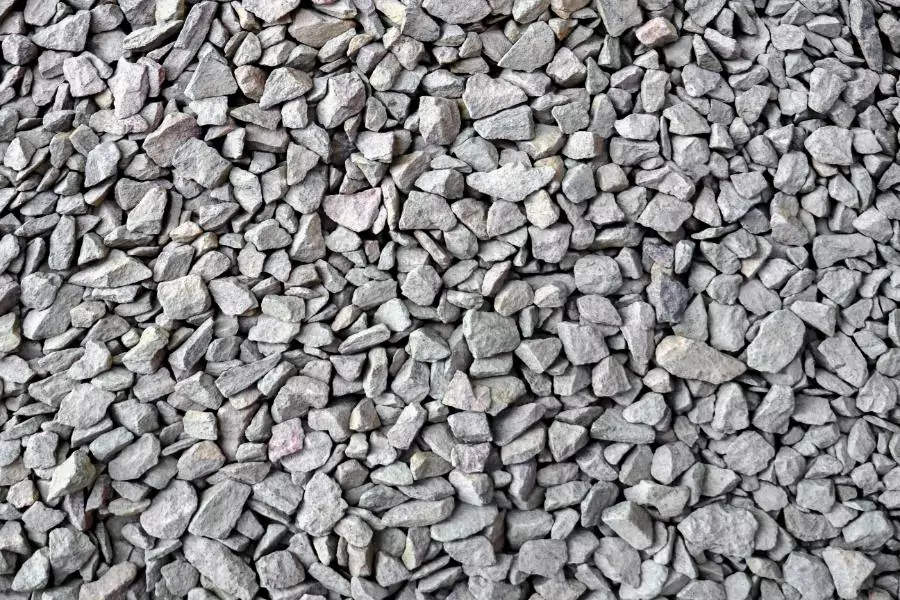
Crushed stone forms the foundation of most construction projects in West End. The angular edges and varied particle sizes of crushed stone provide superior compaction compared to rounded materials, which is particularly important in sandy soil conditions. Our 3/4 inch crushed stone serves as an excellent base material for driveways, parking areas, and foundation work throughout the area.
For drainage applications around homes near Aberdeen or Southern Pines, #57 stone offers optimal water flow while providing structural support. This versatile aggregate works exceptionally well in West End's climate, handling both the humid summer rains and occasional winter moisture without breaking down or shifting.
Premium Base Materials for Driveways and Roads
The sandy foundation soils throughout West End demand stable, well-compacting base materials for lasting driveway performance. Our driveway gravel combines various particle sizes to create a dense, stable surface that resists rutting and erosion common in Sandhills terrain.
For properties requiring maximum compaction and stability, crusher run provides an excellent solution. This blend of crushed stone and stone dust compacts tightly, creating a solid base that won't shift in sandy soil. Many property owners near Seven Lakes West and throughout the golf course communities choose crusher run for its superior performance on long driveways and private roads.
When developing larger access roads or commercial properties, road base delivers the structural integrity needed for heavy vehicle traffic. This engineered aggregate material meets municipal specifications and provides long-term durability for roads throughout Moore County.
Decorative Aggregates for Landscaping
West End's beautiful residential properties and golf course communities often incorporate decorative stone elements that complement the natural Sandhills landscape. Pea gravel remains a popular choice for garden paths, around pool areas, and in planting beds. Its smooth, rounded texture is comfortable underfoot while providing excellent drainage.
For more dramatic landscaping effects, river rock adds natural beauty to water features, dry creek beds, and decorative borders. The varied colors and smooth surfaces of river rock create visual interest while requiring minimal maintenance in West End's climate.
Properties seeking a natural, compactable pathway material should consider decomposed granite. This material stabilizes well and provides an attractive, rustic appearance perfect for garden paths and outdoor living spaces throughout the Pinehurst area.
Specialized Drainage Solutions
Despite the naturally sandy soils in West End, proper drainage around foundations and in low-lying areas remains crucial for protecting structures. Drain rock creates efficient water channels that direct moisture away from buildings and prevent pooling during heavy spring and summer rains common to North Carolina.
For walkways that need both aesthetic appeal and excellent drainage, walkway gravel combines functionality with attractive appearance. This material works particularly well around homes in areas with occasional standing water concerns.
Sustainable Aggregate Options
Environmentally conscious property owners throughout Moore County appreciate our crushed concrete as an eco-friendly alternative to virgin stone. This recycled material performs excellently as a base layer for driveways and parking areas while reducing environmental impact. The angular particles lock together well, providing stability comparable to traditional crushed stone at a more sustainable price point.
Sand Products for Multiple Applications
Beyond aggregates, we supply various sand types essential for construction and landscaping projects. Mason sand provides the fine, clean particles needed for masonry work, paver installation, and concrete mixing throughout West End.
For families creating safe play areas, playground sand meets safety standards while providing soft cushioning. Properties requiring clean sand for landscaping or construction use our washed sand, which has been thoroughly cleaned to remove clay and organic material.
Soil Products for West End Landscaping
The sandy native soils throughout the Sandhills region often benefit from amendments for optimal plant growth. Our premium topsoil provides the nutrient-rich growing medium necessary for lawns, gardens, and landscaping beds. This screened material blends well with existing sandy soils to improve water retention and fertility.
For grading projects, land development, or filling low areas, fill dirt provides economical bulk material. This compactable soil works effectively for leveling properties and building up areas around homes and commercial buildings throughout Moore County.
Serving West End Communities and Beyond
Gravel Monkey proudly delivers throughout West End and surrounding Moore County communities. Our service area encompasses diverse neighborhoods and areas, each with unique aggregate needs based on local soil conditions and property types.
Properties along Highway 211 between West End and Pinehurst benefit from our convenient delivery service. The commercial and residential mix in this area frequently requires aggregates for driveway maintenance, parking lot construction, and landscaping projects. The sandy roadside soils here demand stable base materials for lasting results.
The Seven Lakes community, with its pristine residential properties and two private lakes, represents some of West End's most beautiful developments. Homeowners here often request decorative aggregates for landscaping around waterfront properties while also needing functional materials for driveway maintenance and erosion control on sloped lots.
Areas near Pinehurst and the famous golf courses require premium materials that meet the aesthetic standards of these upscale communities. We supply aggregates for both functional applications like driveway construction and decorative uses that complement the manicured landscapes surrounding the golf facilities.
The rural residential areas between West End and Carthage feature larger properties where aggregate materials support farm roads, long driveways, and land development projects. These properties often require bulk deliveries of crusher run and road base to maintain access roads through sandy terrain.
Northern sections near Aberdeen and Southern Pines benefit from our extended delivery range. Properties in these areas share similar soil characteristics with West End proper, making our aggregate recommendations equally applicable throughout the broader Sandhills region.
Developments around Jackson Springs and toward the Randolph County line showcase the rural character of western Moore County. Properties here frequently need aggregates for private road maintenance, pasture access, and residential development on larger acreage parcels.
The growing residential areas between West End and the Moore County Airport represent newer development utilizing modern construction techniques. These properties often incorporate proper drainage systems and stable base materials from the initial construction phase, creating demand for quality aggregates that meet current building standards.
Historic downtown West End and the surrounding older neighborhoods occasionally require aggregate materials for renovation projects, driveway repairs, and property improvements. The mature landscapes in these areas benefit from decorative stone that complements established plantings while improving functionality.
Understanding West End's Unique Geological Conditions
West End sits within North Carolina's Sandhills region, a distinctive geological area characterized by ancient coastal plain deposits. The sandy soils throughout this region formed from marine sediments deposited millions of years ago when ocean waters covered much of central North Carolina. This geological history directly impacts aggregate selection and performance.
The predominant soil type in West End consists of deep, well-drained sandy loams classified as Candor and Gilead series soils. These soils typically contain 70-85% sand content with minimal clay, resulting in excellent natural drainage but presenting challenges for compaction and stability. Understanding these soil characteristics is essential when selecting appropriate aggregates for construction projects.
Climate Considerations for Aggregate Selection
West End experiences a humid subtropical climate typical of central North Carolina. Average temperatures range from winter lows around 35°F to summer highs near 90°F. The area receives approximately 45 inches of rainfall annually, with peak precipitation occurring during spring and summer months when thunderstorms are common.
The moderate climate rarely produces sustained freezing temperatures, minimizing frost heave concerns that affect northern regions. However, occasional winter freezes do occur, making freeze-thaw durability an important consideration for aggregate materials used in foundations and drainage systems.
Summer heat and humidity can accelerate organic material decomposition in soil-based products, emphasizing the importance of inorganic aggregates for long-term stability. The warm, moist conditions also promote rapid vegetation growth, making proper landscape fabric installation important beneath decorative stone applications.
Soil Challenges and Aggregate Solutions
The sandy nature of West End soils creates specific challenges that proper aggregate selection addresses effectively. Loose sand lacks the cohesive properties needed for stable driveways and foundations, requiring angular aggregates that mechanically lock together through compaction.
Erosion potential increases on sloped properties where sandy soil washes away easily during heavy rains. Strategic placement of aggregates along drainage paths and on slopes helps control erosion while maintaining the natural landscape character of the Sandhills region.
The high sand content also means native soils may shift under load, particularly along driveways and parking areas. Proper base preparation using compactable aggregates like crusher run creates a stable platform that distributes weight and prevents rutting or settling common in untreated sandy soils.
Aggregate Comparison Guide for West End Projects
Selecting the appropriate aggregate material depends on your specific project requirements, local soil conditions, and intended use. This comparison helps West End property owners choose materials that will perform optimally in Sandhills terrain and climate conditions.
| Material Type | Best Applications | Compaction | Drainage | Sandy Soil Performance |
|---|---|---|---|---|
| Crusher Run | Driveway base, road foundation | Excellent | Moderate | Superior stability |
| 3/4 inch Crushed Stone | General base, under concrete | Very Good | Excellent | Reliable performance |
| #57 Stone | Drainage, decorative, pathways | Good | Excellent | Prevents shifting |
| Road Base | Heavy traffic areas, commercial | Excellent | Good | Maximum stability |
| Pea Gravel | Landscaping, pathways, decorative | Minimal | Excellent | Aesthetic applications |
| River Rock | Decorative landscapes, erosion control | Minimal | Very Good | Visual appeal |
| Drain Rock | French drains, foundation drainage | Minimal | Excellent | Water management |
| Crushed Concrete | Base layer, eco-friendly projects | Very Good | Good | Cost-effective stability |
| Decomposed Granite | Natural pathways, patios | Good | Good | Rustic aesthetic |
This comparison reflects performance characteristics specific to West End's sandy soil conditions and moderate climate. Material selection should also consider project scope, budget constraints, and aesthetic preferences for optimal results.
Project-Specific Aggregate Recommendations
Different projects throughout West End require specific aggregate types for optimal performance and longevity. Understanding these applications helps ensure your project success from initial planning through completion.
Residential Driveway Construction
Building a new driveway in West End's sandy soil requires careful attention to base preparation. Start with a 4-6 inch layer of crusher run or road base, compacting thoroughly to create stable foundation. This base layer is critical in sandy terrain where inadequate preparation leads to rutting and premature failure.
Top the compacted base with driveway gravel or additional crusher run, maintaining proper crown for water drainage. The angular particles in these materials lock together mechanically, resisting displacement even under vehicle weight on sandy subsoil. Proper base thickness becomes especially important for driveways serving heavy vehicles or experiencing frequent use.
Foundation Drainage Systems
Even though West End's sandy soils drain naturally, proper foundation drainage prevents water accumulation during heavy rains. Install drain rock around foundation perimeters within a fabric-lined trench. The large void spaces in drain rock quickly channel water away from structures to daylight or collection systems.
Connect foundation drains to appropriate discharge points, ensuring water flows away from buildings and neighboring properties. In areas with poor natural drainage slope, consider dry wells filled with drain rock to dissipate collected water gradually into surrounding soil.
Landscaping and Decorative Applications
West End's beautiful properties often incorporate decorative stone elements that enhance curb appeal while reducing maintenance. Install landscape fabric beneath pea gravel or river rock beds to prevent material migration into sandy soil while blocking weed growth.
For natural-looking pathways through gardens or wooded areas, decomposed granite provides a permeable surface that complements native vegetation. This material compacts moderately while maintaining a soft, natural appearance appropriate for informal walking paths around Seven Lakes properties or golf course neighborhoods.
Erosion Control on Sloped Properties
Properties with slope gradients exceeding 3:1 may experience erosion during heavy rainfall events. Strategic placement of larger aggregates like river rock creates decorative dry creek beds that channel runoff while preventing soil loss. These features add visual interest while serving important functional purposes.
For steeper slopes requiring stabilization, consider terracing with retaining structures backfilled with free-draining aggregates. This approach prevents soil movement while creating usable flat areas for landscaping or outdoor living spaces on challenging topography.
Installation Best Practices for Sandhills Conditions
Proper installation techniques maximize aggregate performance in West End's unique soil conditions. Following these guidelines ensures projects remain stable and functional for years despite the challenges posed by sandy terrain.
Site Preparation Essentials
Begin all projects by removing organic material, loose soil, and vegetation from the work area. In sandy conditions, excavate to firm subsoil, typically 6-8 inches below finished grade for driveways and parking areas. This depth accommodates proper base thickness while reaching stable bearing material.
Grade the excavated area to promote drainage away from structures and toward appropriate discharge points. Even slight slope (1-2% gradient) significantly improves water management, preventing pooling that could undermine aggregate bases over time.
Compaction Techniques for Sandy Soil
Achieving proper compaction in West End's sandy soil requires appropriate equipment and technique. Use plate compactors for smaller areas and vibratory rollers for larger projects like driveways and parking lots. Make multiple passes with equipment, adding light moisture if material is too dry for optimal compaction.
Compact aggregate bases in 2-3 inch lifts rather than attempting to compact full depth in single application. This layered approach achieves better density and reduces voids that could lead to future settling. Pay special attention to edges where compaction is often less effective.
Fabric and Geotextile Use
Install geotextile fabric between native sandy soil and aggregate bases to prevent intermixing. This separation layer maintains aggregate integrity while allowing water to pass through freely. Choose non-woven fabrics for drainage applications and woven fabrics where additional soil stabilization is needed.
Overlap fabric seams by at least 12 inches and secure edges to prevent displacement during aggregate placement. Proper fabric installation significantly extends project life by maintaining distinct layers and preventing base material migration into sandy subsoil.
Edge Restraints and Borders
Decorative gravel applications benefit from solid edge restraints that prevent material migration. Use landscape edging, pavers, or timber borders to contain pea gravel and river rock installations. These edges maintain clean lines while reducing maintenance by keeping aggregates within intended areas.
For driveways and parking areas, extend aggregate base beyond paved edges by 6-12 inches to provide lateral support. This extended base prevents edge failures common when loads are applied near unsupported boundaries in sandy soil conditions.
Maintaining Aggregate Installations in West End
Proper maintenance extends the life and appearance of aggregate installations throughout Moore County. West End's climate and soil conditions create specific maintenance considerations that differ from other regions.
Seasonal Maintenance Tasks
Spring maintenance should focus on repairing any winter damage and addressing drainage issues before heavy summer rains. Rake decorative gravels to redistribute material and remove accumulated organic debris. Check driveway surfaces for rutting or displacement, adding material and re-compacting affected areas promptly.
Summer activities include weed control in decorative gravel areas and monitoring drainage performance during thunderstorms. The warm, moist conditions of Moore County summers promote rapid vegetation growth, making regular inspection and removal important for maintaining appearance.
Fall preparation involves clearing fallen leaves from aggregate surfaces to prevent organic material decomposition and staining. This is particularly important for lighter-colored decorative stones like river rock and pea gravel used in landscaping applications throughout West End neighborhoods.
Winter tasks remain minimal given the mild climate, though occasional freezing requires attention to drainage systems. Ensure water doesn't accumulate and freeze in low spots where ice could displace aggregate material or damage adjacent structures.
Long-Term Care Strategies
Driveway and parking areas benefit from periodic addition of surface material to maintain proper depth and appearance. Traffic gradually causes compaction and minor material loss, particularly near frequently used areas. Adding a thin layer every 2-3 years and re-compacting maintains optimal surface conditions.
Decorative gravel installations require occasional topping up as material gradually works into underlying soil or disperses beyond intended boundaries. Keep extra material on hand for quick touch-ups that maintain consistent appearance.
Monitor drainage systems annually to ensure proper function. Clean out catch basins, check pipe outlets for obstructions, and verify that water flows freely away from structures during heavy rains. Early detection of drainage issues prevents more serious problems that could undermine aggregate installations.
Frequently Asked Questions About Gravel in West End
We deliver a complete range of aggregates including driveway gravel, crusher run, crushed stone in multiple sizes, pea gravel, river rock, road base, drain rock, recycled concrete, topsoil, fill dirt, and various sand types throughout West End and the surrounding Moore County area. Our selection addresses the specific needs of properties built on the sandy soils characteristic of the Sandhills region.
Yes, Gravel Monkey offers FREE delivery to West End and the surrounding North Carolina area for all gravel and aggregate orders. We service the entire Moore County region including areas near Pinehurst, Southern Pines, and Seven Lakes. Our delivery service extends to both residential and commercial properties throughout the area.
For the sandy soils common in West End, crusher run and road base provide excellent compaction and stability. These aggregates work particularly well for driveways and foundations because they lock together and resist shifting in sandy terrain typical of the Sandhills region. The combination of stone sizes in these materials creates mechanical interlock that sandy soil alone cannot provide.
For a typical West End driveway, calculate length times width times depth in feet, then divide by 27 to convert to cubic yards. A standard 4-inch depth is common for residential driveways. For example, a 12 foot by 50 foot driveway at 4 inches deep requires approximately 7.5 cubic yards of material. Our team can help you calculate the exact amount for your specific project and recommend appropriate material types for local soil conditions.
West End's moderate climate with warm summers and mild winters makes most aggregates suitable year-round. Crushed stone and crusher run perform excellently during occasional winter freezes, while pea gravel and river rock resist heat absorption during summer months, making them ideal for walkways and decorative applications. The humid subtropical climate rarely produces sustained freezing, minimizing frost heave concerns common in northern regions.
Absolutely! We regularly deliver to properties throughout West End, including neighborhoods near the local golf courses, along Highway 211, in the Seven Lakes area, and throughout the residential areas between Pinehurst and Carthage. Our delivery service reaches all areas within Moore County and extends into adjacent regions as needed for customer convenience.
While West End's sandy soil naturally drains well, drain rock and number 57 stone are excellent for managing water around foundations and in low-lying areas. These aggregates create efficient drainage channels that prevent water pooling during the wetter spring and summer months when thunderstorms deliver heavy rainfall. Proper drainage installation protects structures and prevents erosion on sloped properties.
Install quality landscape fabric beneath decorative gravel to block weed growth while allowing water drainage. West End's warm, humid climate promotes vegetation growth, making fabric installation essential for long-term weed control. Apply a thick layer of gravel (3-4 inches minimum) over fabric for best results. Periodic inspection and spot treatment of any breakthrough weeds maintains appearance with minimal effort.
Why West End Property Owners Choose Gravel Monkey
Gravel Monkey has established itself as the preferred aggregate supplier throughout Moore County by consistently delivering quality materials and exceptional service. Our understanding of local soil conditions and climate factors ensures we recommend products that perform optimally in West End's unique environment.
Local Expertise and Knowledge
Our team understands the specific challenges posed by Sandhills sandy soils and how different aggregates perform in these conditions. We provide guidance based on actual experience with projects throughout West End, Pinehurst, Southern Pines, and surrounding communities. This local expertise helps customers avoid common mistakes and achieve better results from their aggregate installations.
Quality Materials from Trusted Sources
We source aggregates from reputable suppliers who meet our quality standards for gradation, cleanliness, and consistency. Whether you need crusher run for a driveway base or decorative river rock for landscaping, our materials arrive in the condition you expect for professional-quality results.
Free Delivery Throughout Moore County
Our complimentary delivery service throughout West End and surrounding areas eliminates transportation costs and logistics headaches. We schedule deliveries at your convenience and place materials where you need them on your property, saving time and effort compared to pickup arrangements.
Professional Guidance and Support
From initial material selection through project completion, our knowledgeable staff provides the information you need for success. We help calculate quantities accurately, recommend appropriate products for specific applications, and offer installation tips based on years of experience serving Moore County properties.
Competitive Pricing and Value
Our pricing reflects the quality of materials we supply while remaining competitive with other regional suppliers. Combined with free delivery, our value proposition helps West End property owners complete projects within budget without compromising on material quality or service excellence.
Get Started on Your West End Aggregate Project
Ready to begin your driveway, landscaping, or construction project in West End? Gravel Monkey makes ordering premium aggregates simple and convenient. Our team is available to answer questions, help you select appropriate materials for your specific needs, and schedule delivery at your convenience throughout Moore County and surrounding North Carolina communities.
Contact us today to discuss your project requirements and receive expert recommendations based on local soil conditions, climate factors, and intended use. Whether you're building a new driveway in Seven Lakes, creating decorative landscapes near the golf courses, or developing commercial property along Highway 211, we have the materials and expertise to support your success.
Experience the difference that quality aggregates and professional service make for your West End property. Join the many satisfied customers throughout Moore County who trust Gravel Monkey for all their gravel and aggregate needs.

Need help? Reach out for a quote: