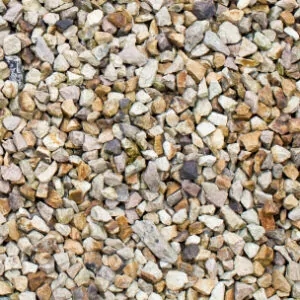
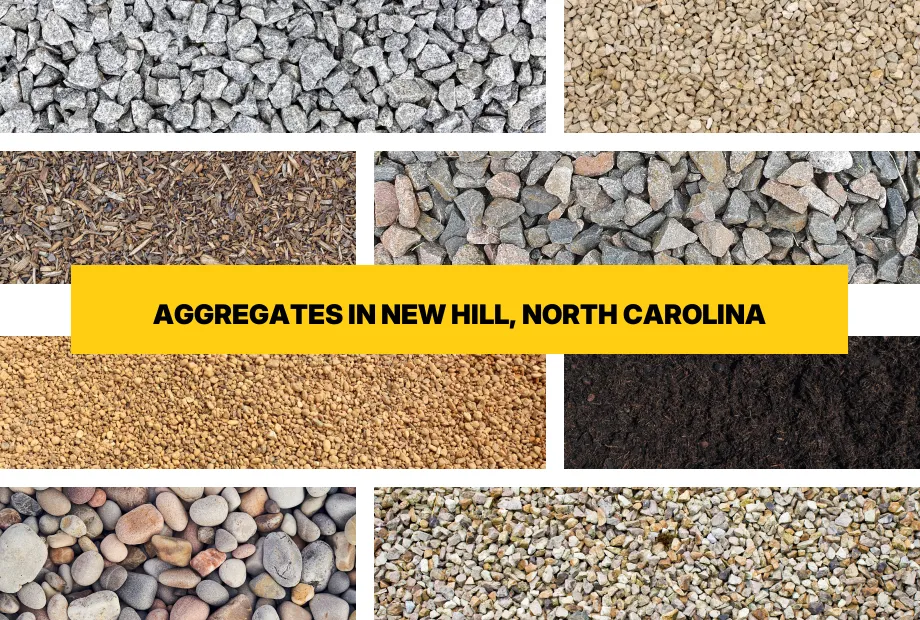
Rock & Driveway Gravel in New Hill, North Carolina
Local Topsoil, Dirt, Sand, Rocks and Gravel near me in New Hill, North Carolina
Shop Aggregates for Delivery in New Hill
Order online for free delivery to any New Hill address.
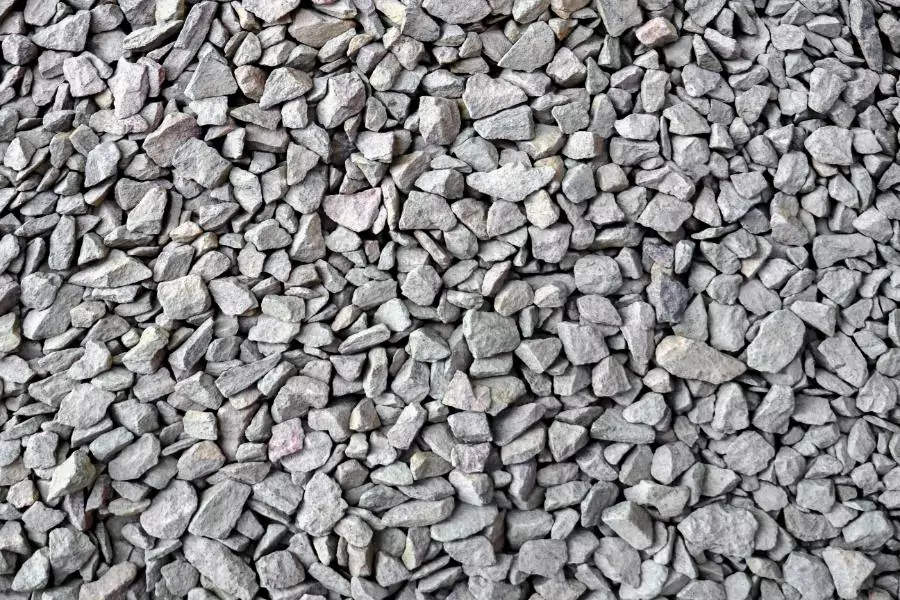
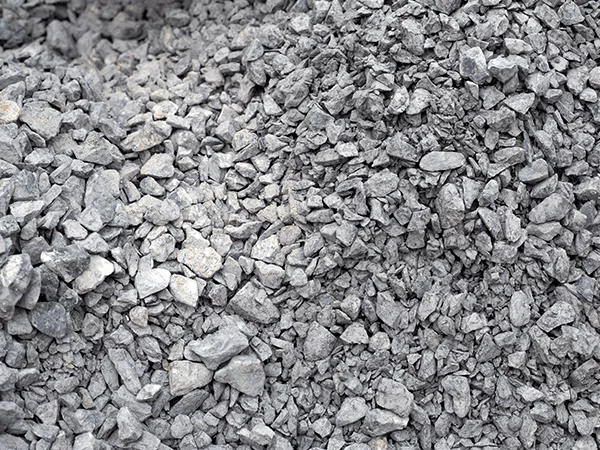


Gravel Monkey is your premier source for premium gravel, aggregates, and landscaping materials delivered directly to New Hill, North Carolina. Serving the rural communities and expanding residential areas of Chatham County, we provide free delivery of high-quality stone, sand, soil, and aggregate products to homeowners, contractors, and farmers throughout the New Hill area. Whether you're building a new driveway off Pea Ridge Road, creating drainage solutions for your property near Jordan Lake, or upgrading farm lanes in the rolling countryside, our comprehensive selection of aggregates meets every project need.
Complete Aggregate & Material Selection for New Hill Properties
New Hill's unique location in the North Carolina Piedmont region, with its characteristic red clay soil and rolling terrain, requires specific aggregate solutions. Gravel Monkey delivers a full range of materials perfectly suited to local conditions:
- Driveway Gravel - Durable aggregate blends designed for New Hill's clay soils and long rural driveways
- 3/4 inch Crushed Stone - Versatile aggregate for foundations, drainage, and base layers
- #57 Stone - Standard construction aggregate ideal for drainage systems and concrete work
- Crusher Run - Compactable base material perfect for driveways and parking areas
- Road Base - Professional-grade aggregate for stable road and driveway construction
- Pea Gravel - Smooth decorative stone for walkways and landscaping features
- River Rock - Natural rounded stone for water features and garden beds
- Drain Rock - Angular aggregate engineered for superior water management
- Crushed Concrete - Eco-friendly recycled aggregate for cost-effective projects
- Decomposed Granite - Natural compactable material for pathways and landscape surfaces
- Topsoil - Nutrient-rich soil perfect for gardens and lawn establishment
- Fill Dirt - Quality grading material for site preparation and elevation changes
- Mason Sand - Fine-grade sand for masonry and construction applications
- Playground Sand - Safe, clean sand for play areas and sandboxes
- Washed Sand - Clean sand for landscaping and hardscaping projects
- Walkway Gravel - Specially sized aggregate for comfortable pedestrian surfaces
Understanding New Hill's Unique Soil and Geology
New Hill sits in the Carolina Slate Belt of the Piedmont region, characterized by dense red clay soils derived from ancient volcanic and metamorphic rocks. This heavy clay soil, while fertile, presents specific challenges for construction and drainage that require proper aggregate selection.
The local geology features Cecil and Appling soil series - both highly weathered, acidic soils with substantial clay content. These soils expand when wet and contract during dry periods, which can impact driveways, foundations, and drainage systems. Properties throughout New Hill, from developments near Pea Ridge to farms along Williams Road, benefit from properly installed aggregate bases that prevent settling and erosion.
Annual rainfall in New Hill averages 45 inches, with the wettest months typically occurring in summer. This precipitation, combined with clay soils, makes effective drainage critical for any construction project. The area's gently rolling terrain, with elevations ranging from 300 to 450 feet above sea level, often requires grading and fill work for site development.
Climate Considerations for Aggregate Projects
New Hill experiences a humid subtropical climate with hot summers (averaging 89°F in July) and mild winters (averaging 50°F in January). This temperature range creates freeze-thaw cycles during winter months that can affect aggregate installations. Frost penetration typically reaches 6 to 12 inches deep, requiring proper base depth for permanent installations like driveways and parking areas.
The region's seasonal weather patterns influence project timing. Summer afternoon thunderstorms are common, delivering heavy rainfall that can temporarily halt construction. Fall and spring offer ideal conditions for aggregate work, with moderate temperatures and lower precipitation. Winter projects remain feasible during dry periods, though clay soils take longer to dry after rain events.
Aggregate Solutions for New Hill Applications
Residential Driveway Construction
New Hill's predominantly rural character means many properties feature long driveways ranging from several hundred feet to over a quarter mile. These extended drives require substantial aggregate investment and proper construction methods. The typical New Hill driveway benefits from a multi-layer approach starting with a compacted base layer, followed by drainage-promoting middle layers, and topped with a durable surface material.
For properties throughout neighborhoods near Harris Lake and developments off New Hill-Holleman Road, proper drainage becomes paramount. Clay soils shed water poorly, creating pooling and erosion issues without adequate aggregate drainage layers. Many homeowners combine different aggregate sizes to create optimal driveway performance - coarser materials at depth for drainage, finer compactable aggregates at the surface for stability and appearance.
Farm and Agricultural Access Roads
Agricultural properties dominate much of the New Hill landscape, from small hobby farms to larger agricultural operations. Farm lanes and field access roads face unique challenges including heavy equipment traffic, livestock passage, and seasonal muddy conditions. Aggregates used in agricultural settings must withstand repeated loading while maintaining trafficability during wet weather.
Many New Hill farmers prefer cost-effective aggregate solutions that balance durability with budget constraints. Properly installed aggregate roads support everything from tractor traffic to loaded hay wagons while resisting rutting in clay soil conditions. The key lies in adequate base thickness and selecting aggregates that compact and interlock effectively.
Drainage and Erosion Control
New Hill's topography creates natural drainage challenges, particularly in low-lying areas near creeks and seasonal streams. Properties experience various water management issues from standing water in yards to foundation seepage. French drains installed with appropriate angular aggregates provide effective solutions for redirecting groundwater and surface runoff.
Erosion control represents another common concern, especially on sloped properties and along driveway edges. Strategic aggregate placement helps stabilize soil, prevent gully formation, and protect valuable topsoil. Areas near the New Hope Creek watershed particularly benefit from proper erosion control measures that protect water quality.
Landscaping and Hardscaping Projects
As New Hill gradually transitions from purely agricultural to mixed rural-residential use, landscaping projects increasingly incorporate decorative aggregates. Natural stone provides attractive, low-maintenance alternatives to traditional mulch in garden beds, creates defined pathways through wooded properties, and adds visual interest around homes and outbuildings.
Decorative aggregate applications range from simple walkway installations to elaborate dry creek beds that manage runoff while adding aesthetic value. The natural color palette of local stone complements the wooded character of New Hill properties, blending hardscaping elements with the surrounding environment.
Serving New Hill Communities and Surrounding Areas
Gravel Monkey provides free aggregate delivery throughout New Hill and neighboring communities in western Chatham County. Our service area includes:
New Hill Proper and Rural Routes
The heart of New Hill along NC Highway 1 and the rural roads extending in all directions form our primary service territory. Properties on Pea Ridge Road, Williams Road, New Hill-Holleman Road, and Jack Bennett Road receive regular deliveries. We navigate the area's narrow country lanes and private drives to reach even the most remote properties.
Jordan Lake Area Properties
Homes and properties near Jordan Lake, including areas around Harris Lake County Park and developments with lake views, frequently require aggregate materials for driveway maintenance, drainage improvements, and landscaping projects. The proximity to water resources makes proper stormwater management especially important in this zone.
Moncure and White Oak Communities
Just south of New Hill, the Moncure area and White Oak communities share similar geological conditions and material needs. We regularly deliver to properties throughout these neighboring areas, supporting both residential and light industrial projects.
Pittsboro Outskirts
Properties on the western outskirts of Pittsboro, the Chatham County seat located east of New Hill, benefit from our service coverage. This includes newer developments and established properties along the Highway 15-501 corridor approaching the county line.
Chapel Hill Border Region
New Hill's northern boundary approaches the Chapel Hill town limits and Orange County line. Properties in this transitional zone, including some of the area's newest residential developments, utilize our aggregate delivery services for construction and landscaping needs.
Nearby Rural Communities
We extend service to surrounding unincorporated communities including Seaforth, Haywood, and areas near the Haw River. These agricultural regions share New Hill's soil conditions and require similar aggregate solutions for farm lanes, driveways, and site work.
Choosing the Right Aggregate for Your New Hill Project
Different aggregates serve distinct purposes based on project requirements, budget, and site conditions. Understanding these differences helps you select the optimal material:
| Aggregate Type | Best Applications | New Hill Advantages | Compaction Level |
|---|---|---|---|
| Crusher Run | Driveway base, parking areas | Excellent compaction in clay soil | High |
| Road Base | Farm roads, long driveways | Handles heavy equipment traffic | Very High |
| #57 Stone | Drainage, concrete work | Superior water flow through clay | Medium |
| 3/4" Crushed Stone | Base layers, French drains | Versatile for multiple uses | Medium-High |
| Drain Rock | French drains, foundation drainage | Maximum water movement | Low |
| Crushed Concrete | Budget driveways, farm lanes | Cost-effective recycled option | High |
| Decomposed Granite | Pathways, landscape surfaces | Natural appearance, good drainage | Medium |
| Pea Gravel | Decorative landscaping, walkways | Prevents mud in clay areas | Low |
| River Rock | Erosion control, decorative beds | Attractive natural aesthetic | None |
Aggregate Depth Recommendations for New Hill Clay Soils
Clay soil conditions throughout New Hill require greater aggregate depth than sandy or loamy soils. For residential driveways receiving regular vehicle traffic, we recommend a minimum of 6 inches of compacted base aggregate, with 8 to 10 inches preferred for heavy vehicle use or poor soil conditions. Farm roads supporting tractor and equipment traffic often require 10 to 12 inches of aggregate for long-term performance.
French drain installations in clay soils benefit from wider, deeper trenches than standard specifications. A typical residential French drain in New Hill should be at least 12 inches wide and 18 to 24 inches deep, completely filled with appropriate drainage aggregate. This ensures adequate water collection and movement through the heavy soil matrix.
Installation Best Practices for New Hill Conditions
Site Preparation Essentials
Proper site preparation determines aggregate installation success. New Hill's clay soils require thorough excavation of organic material and existing soft soil before aggregate placement. Vegetation, roots, and topsoil must be removed to reach firm subgrade. Many installations benefit from geotextile fabric placement over clay subgrade to prevent aggregate migration into soft soil below.
Grading establishes proper drainage away from structures and prevents water pooling. Even slight grades of 2 to 3 percent effectively move water off aggregate surfaces. In flat areas, creating crown profiles helps water drain to sides rather than pooling in wheel tracks.
Compaction Techniques
Compaction transforms loose aggregate into a stable, load-bearing surface. Each aggregate layer should be compacted in lifts no thicker than 4 inches for optimal results. Mechanical compaction using plate compactors or roller compactors produces far superior results compared to vehicle traffic alone.
Moisture content affects compaction effectiveness. Aggregate should be slightly damp but not saturated during compaction. New Hill's summer humidity often provides ideal moisture levels, while winter installations may require light water application to achieve optimal compaction.
Edge Restraint and Containment
Aggregate installations require edge restraint to prevent lateral spreading. Options include pressure-treated timber borders, steel or aluminum edging, concrete curbing, or natural containment from adjacent slopes and vegetation. Without proper edging, aggregate gradually spreads and thins, particularly under vehicle traffic.
On sloped driveways common in New Hill's rolling terrain, speed bumps or checkrows of larger stone help prevent aggregate from migrating downhill. These installations every 50 to 100 feet maintain material distribution and reduce maintenance.
Seasonal Project Planning in New Hill
Spring Installation Advantages
Spring offers excellent conditions for aggregate projects in New Hill. Moderate temperatures make outdoor work comfortable, while soil begins drying from winter moisture. March through May typically provides consistent working conditions, though occasional rain events require flexibility in scheduling.
Spring installation allows aggregate to settle and compact through summer, creating a stable surface before winter. New plantings benefit from spring soil and mulch delivery, establishing before summer heat stress.
Summer Project Considerations
Summer heat and afternoon thunderstorms characterize the New Hill construction season. Early morning work avoids peak heat, though humidity remains high throughout the day. Afternoon storms typically pass quickly, with clay soils taking longer to dry between rain events.
Despite weather challenges, summer remains popular for aggregate projects as homeowners tackle improvement projects during vacation periods. Adequate hydration and sun protection become essential for outdoor work.
Fall: Prime Construction Season
September through November represents ideal construction weather in New Hill. Moderate temperatures, lower humidity, and reduced precipitation create optimal working conditions. Clay soils dry more quickly between rain events, and cooler temperatures make physical labor more comfortable.
Fall installation allows projects to cure before winter, ensuring stability during freeze-thaw cycles. Completing projects before holiday seasons also appeals to many homeowners preparing for guests and gatherings.
Winter Work Windows
Winter projects remain feasible during dry periods, though clay soils retain moisture longer in cooler temperatures. Frost considerations affect excavation depth requirements and compaction effectiveness. Projects should be timed for predicted dry spells to ensure proper installation conditions.
Winter advantages include lower contractor demand and potential cost savings. Deciduous tree dormancy also improves access on wooded properties where summer foliage restricts equipment movement.
Understanding Aggregate Costs and Quantities
Calculating Material Requirements
Accurate quantity estimates prevent material shortages and minimize excess. For rectangular areas, multiply length times width times depth (all in feet) to get cubic feet, then divide by 27 to convert to cubic yards. Circular areas use the formula: 3.14 × radius squared × depth ÷ 27.
Remember that clay excavation often produces excess soil requiring disposal, while aggregate typically compacts 10 to 20 percent during installation. These factors affect total material needs and project costs.
Cost-Effective Material Selection
Budget constraints influence aggregate selection for many New Hill projects. Crushed concrete provides cost-effective performance for utilitarian applications like farm lanes and storage areas. Crusher run balances affordability with excellent compaction characteristics for driveways. Premium decorative aggregates reserve for high-visibility landscaping applications where aesthetics justify higher costs.
Combining materials optimizes performance and budget. A crusher run base topped with decorative surface aggregate creates attractive driveways at moderate cost. Utilizing site-excavated clay for grading reduces fill dirt requirements on large projects.
Long-Term Value Considerations
Initial aggregate investment provides decades of service with minimal maintenance. Properly installed driveways require occasional surface refreshment but avoid the recurring costs of asphalt sealing or concrete repairs. Effective drainage installations prevent foundation problems that cost thousands to remediate.
Quality materials and proper installation technique dramatically affect longevity. Skimping on base depth or compaction leads to premature failure requiring complete reconstruction. Investing appropriately during initial installation provides superior long-term value.
Sustainable Aggregate Practices
Aggregate materials offer environmental advantages compared to alternatives. Permeable surfaces allow rainwater infiltration, reducing runoff into streams and reducing strain on stormwater systems. This proves particularly valuable near Jordan Lake and the New Hope Creek watershed where water quality protection remains paramount.
Recycled aggregates like crushed concrete repurpose construction waste that would otherwise occupy landfill space. These materials perform comparably to virgin stone while reducing environmental impact. Local aggregate sourcing minimizes transportation emissions compared to imported materials.
Natural stone aggregates require no chemical treatments or petroleum-based binders unlike asphalt. They don't leach chemicals into soil or groundwater, maintaining environmental safety. At project end-of-life, aggregate can be reclaimed and reused indefinitely rather than requiring disposal.
Frequently Asked Questions About Gravel Delivery in New Hill
We deliver driveway gravel, crushed stone in various sizes including 3/4 inch and number 57, pea gravel, river rock, crusher run, road base, drain rock, decomposed granite, recycled crushed concrete, topsoil, fill dirt, and multiple sand varieties throughout New Hill and surrounding Chatham County areas.
Yes! Gravel Monkey offers FREE delivery to New Hill and the surrounding North Carolina area for all gravel and aggregate orders.
The amount depends on your project size. For driveways, calculate length times width times depth in feet, typically 3 to 4 inches deep. Our team can help you estimate the right amount for your specific New Hill property based on local soil conditions and drainage needs.
For New Hill red clay soil, crusher run and road base work excellently as they compact well and create a stable base. For drainage solutions, drain rock and number 57 stone help manage water flow in clay-heavy areas common to Chatham County.
Absolutely! Crushed concrete is an eco-friendly and cost-effective option for driveways in New Hill. It compacts well, provides excellent drainage, and is ideal for the rural properties common in Chatham County.
We deliver mason sand for construction projects, playground sand for safe play areas, and washed sand for landscaping applications throughout New Hill and nearby communities like Moncure and Pittsboro.
We typically deliver to New Hill within 1 to 3 business days depending on order size and current demand. Our free delivery service covers the entire New Hill area including rural routes and properties near Jordan Lake.
Drain rock and number 57 stone are ideal for French drains in New Hill due to their angular shapes and excellent water flow properties. These aggregates help manage the drainage challenges common with Piedmont region clay soils.
Professional Aggregate Delivery for New Hill Projects
Whether you're improving a long country driveway, establishing farm access roads, creating effective drainage solutions, or enhancing your property with decorative landscaping, Gravel Monkey delivers the quality aggregates you need. Our comprehensive material selection, expert guidance, and free delivery service make us the preferred aggregate supplier for New Hill, North Carolina.
We understand the unique challenges of working with Chatham County's clay soils and rolling terrain. Our team helps you select appropriate materials, calculate quantities accurately, and plan installations for lasting success. From small residential projects to extensive agricultural improvements, we provide the aggregates that perform in New Hill conditions.
Contact us today to discuss your project needs and receive a detailed material recommendation tailored to your specific application. Experience the convenience of free delivery throughout New Hill and surrounding areas, backed by our commitment to quality products and customer service.

Need help? Reach out for a quote: