
Henderson County, North Carolina Free dump truck delivery
Sand, Aggregates & Gravel Delivery for Bat Cave, North Carolina
Local Topsoil, Dirt, Sand, Rocks and Gravel near me in Bat Cave, North Carolina
Free delivery to Bat Cave. Open a product to see your delivered price, then pick your delivery date on the product page when you choose your quantity.
- 4.9 on Reviews.io, 4.7 on Google
- Free delivery to every Bat Cave ZIP
- Loads from 2 tons
Get a quoteNeed pricing for a custom project? Send us your details below.
Driveway Gravel delivered to Bat Cave
Angular stone that locks under tires.

3/8" Driveway Gravel
Small 3/8" top dressing for a smoother driveway surface
Free delivery to Bat Cave
3/4" Driveway Gravel
3/4" stone for a firm driveway top layer that drains well
Free delivery to Bat Cave
1 1/2" Driveway Gravel
1-1/2" stone for driveways that carry trucks or heavy loads
Free delivery to Bat Cave
1"-1 1/2" Driveway Gravel
1" to 1-1/2" stone for a driveway's middle or base layer
Free delivery to Bat Cave
2"-3" Driveway Gravel
Large 2" to 3" base stone for new or soft, rutted driveways
Free delivery to Bat Cave
Not sure which material or tonnage you need?Tell us about your project and we will send a delivered quote.
Get a quoteCrushed Stone delivered to Bat Cave
Clean angular stone for base, drainage and concrete.

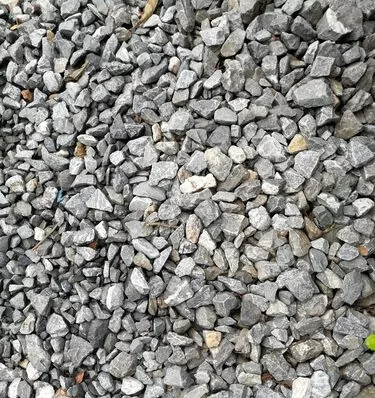

#10 Rock Screenings (Stone Dust)
Stone dust for leveling, paver bedding and paver joints
Free delivery to Bat Cave

3/8" Crushed Stone
Fine 3/8" stone for paths, patios and driveway top dressing
Free delivery to Bat Cave

3/4" Crushed Stone
Angular 3/4" stone for driveways, drainage and slab bases
Free delivery to Bat Cave
1"-1 1/2" Crushed Stone
1" to 1-1/2" stone for driveway base and drainage trenches
Free delivery to Bat Cave
#57 Crushed Stone
3/4" to 1" all-purpose stone for drainage, bases and drives
Free delivery to Bat Cave
Crushed Concrete delivered to Bat Cave
Recycled aggregate for base and fill at a lower cost.
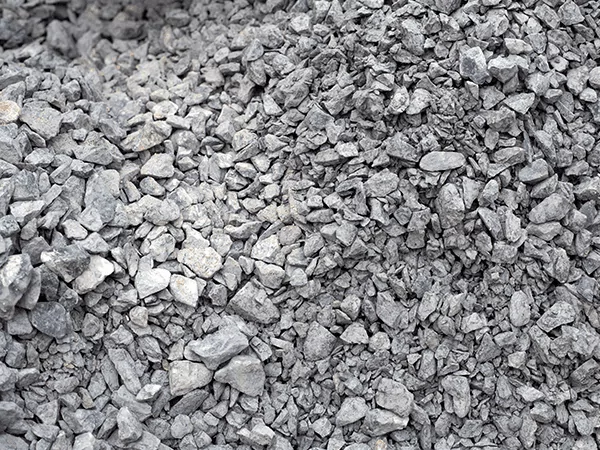
3/4" Crushed Concrete
Recycled 3/4" for driveways, parking areas and slab bases
Free delivery to Bat Cave
1"-1 1/2" Crushed Concrete
Recycled 1" to 1-1/2" for paths, bases and erosion control
Free delivery to Bat Cave
2"-3" Crushed Concrete
Recycled 2" to 3" rock for heavy base and muddy access roads
Free delivery to Bat Cave
Base Materials delivered to Bat Cave
Compacting layers that go under driveways, pads and pavers.
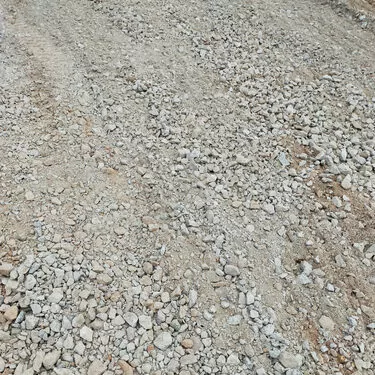


Decomposed Granite
Fine granite that packs into natural paths and patio floors
Free delivery to Bat Cave
Drainage Rock delivered to Bat Cave
Washed stone that lets water through.

Decorative Gravel & River Rock delivered to Bat Cave
Rounded natural stone for beds, borders and paths.

3/8" Natural Pea Gravel
Small rounded 3/8" stones for paths, patios and play areas
Free delivery to Bat Cave

Walkway Gravel delivered to Bat Cave
Stone that stays comfortable underfoot.


3/4" Walkway Gravel
3/4" gravel for paths that also take a wheelbarrow or mower
Free delivery to Bat Cave
1"-1 1/2" Walkway Gravel
1" to 1-1/2" gravel for path edging and the base under walks
Free delivery to Bat Cave
2"-3" Walkway Gravel
Large 2" to 3" stone for path borders and drainage edges
Free delivery to Bat Cave
Crushed Gravel delivered to Bat Cave
Crushed gravel in every common size.

3/4" Crushed Gravel
3/4" gravel that locks together for driveways and drainage
Free delivery to Bat Cave
1"-1 1/2" Crushed Gravel
1" to 1-1/2" gravel for driveway base and parking pads
Free delivery to Bat Cave
1 1/2" Crushed Gravel
1-1/2" gravel for drainage systems and under driveways
Free delivery to Bat Cave
2"-3" Crushed Gravel
2" to 3" gravel for road base and areas that move water
Free delivery to Bat Cave
Sand delivered to Bat Cave
Mason, washed and play sand.


Mulch, Soil & Dirt delivered to Bat Cave
Topsoil, fill dirt and hardwood mulch.


Shredded Hardwood Mulch
Hardwood mulch for beds and trees; holds water, stops weeds
Free delivery to Bat Cave
How delivery works in Bat Cave
- 1Pick your material and load size.Use the calculator if you are not sure. Under 15 tons is usually one truckload.
- 2Choose a delivery date when you choose your quantity.Our team confirms the details, then reminds you the day before and the day of drop-off.
- 3A dump truck drops the load where you point.Someone on site guides the driver to the spot. We do not spread material by hand.
Set in the heart of the Blue Ridge Mountains along the scenic Hickory Nut Gorge, Bat Cave presents unique challenges and opportunities for property owners. Gravel Monkey is your trusted source for premium aggregates and materials delivery throughout Bat Cave, NC. Whether you're building a mountain driveway that can handle steep grades, creating erosion control systems for hillside properties, or establishing drainage solutions for the clay-rich soils common throughout Henderson County, we deliver high-quality aggregates directly to your property with absolutely free delivery.
The mountainous terrain around Bat Cave, from the slopes near Chimney Rock to properties along Broad River, demands specialized knowledge of materials that perform in challenging conditions. Our aggregates are selected specifically for mountain environments where drainage, compaction, and erosion resistance are critical. We understand the geological characteristics of the Blue Ridge region and can help you choose the right materials for your specific elevation, slope, and soil conditions.
Complete Range of Aggregates Available in Bat Cave, NC
Gravel Monkey offers an extensive selection of aggregates, stone, and materials perfectly suited for mountain properties in Bat Cave and the surrounding Henderson County area. Each product is selected for performance in the challenging Blue Ridge Mountain environment:
- Driveway Gravel: Premium base material engineered for steep mountain driveways
- 3/4 inch Crushed Stone: Versatile angular aggregate for foundations and drainage
- #57 Stone: Clean, uniform crushed stone ideal for French drains and concrete work
- Crusher Run: Compactable blend that creates rock-solid bases on mountain slopes
- Road Base: Heavy-duty foundation material for mountain roads and steep driveways
- Pea Gravel: Smooth decorative stone for mountain garden paths
- River Rock: Natural rounded stone for landscaping and erosion control
- Drain Rock: Angular aggregate specifically designed for mountain drainage systems
- Crushed Concrete: Eco-friendly recycled aggregate for sustainable mountain projects
- Decomposed Granite: Natural compacting material for rustic mountain trails
- Topsoil: Nutrient-rich soil for mountain gardens and landscaping
- Fill Dirt: Essential for grading steep lots and leveling mountain properties
- Walkway Gravel: Specially sized aggregate for mountain paths and trails
- Mason Sand: Fine-grade sand for masonry and construction projects
- Playground Sand: Clean, safe sand for family recreation areas
- Washed Sand: Premium cleaned sand for concrete and precise applications
Serving Bat Cave and the Greater Hickory Nut Gorge Area
Our aggregate delivery service covers the entire Bat Cave region and surrounding mountain communities. We're familiar with the unique access challenges and terrain throughout Henderson County, ensuring reliable delivery to properties in all areas:
- Bat Cave Village: Historic mountain community along US Highway 74
- Hickory Nut Gorge: Scenic gorge properties with steep terrain
- Broad River Access: Properties along the Broad River corridor
- Chimney Rock Area: Mountain homes near the famous rock formation
- Lake Lure Vicinity: Properties within reach of Lake Lure
- Gerton Community: Rural mountain properties to the north
- Edneyville Area: Agricultural and residential properties nearby
- East LaPorte: Mountain communities off Highway 74
We also serve nearby communities including Chimney Rock, Lake Lure, Hendersonville, and the broader Henderson County area. Whether your property is accessible via paved mountain roads or remote gravel drives, our delivery team has the experience to reach you safely and efficiently.
Understanding Bat Cave's Mountain Climate and Geology
The Blue Ridge Mountain environment around Bat Cave creates specific challenges and requirements for aggregate selection and installation. With elevations ranging from 1,200 to over 3,000 feet in the surrounding peaks, the area experiences a distinct mountain climate that affects material performance.
Climate Considerations for Mountain Aggregates
Bat Cave receives approximately 50-55 inches of annual rainfall, significantly higher than North Carolina's statewide average. The Hickory Nut Gorge acts as a natural funnel for weather systems moving through the Blue Ridge, creating localized heavy rainfall events that can produce substantial runoff on steep mountain slopes. Summer thunderstorms and winter precipitation, occasionally including snow at higher elevations, demand aggregates with excellent drainage characteristics.
Temperature variations range from average lows in the upper 20s during January to highs in the mid-80s in July. The freeze-thaw cycles that occur during winter months can affect aggregate settling and compaction, making proper base preparation essential for long-term driveway and road stability. Mountain properties experience more dramatic temperature swings than valley locations, with cooler nights even during summer months.
Mountain Soil Composition and Drainage
The geology of the Bat Cave area is dominated by ancient metamorphic rocks of the Blue Ridge province, including schists, gneisses, and granitic rocks that have weathered over millions of years. This weathering produces the characteristic red and orange clay soils common throughout Henderson County. These clay-rich soils, while creating the region's distinctive color, present drainage challenges due to their high water retention and expansion properties.
Mountain topsoil in the area is typically thin, often just 6-12 inches deep over clay subsoil or weathered bedrock. The steep slopes characteristic of Bat Cave accelerate erosion, making proper aggregate selection critical for long-term stability. Properties along the Broad River and in the Hickory Nut Gorge frequently encounter exposed bedrock, requiring specialized excavation and fill strategies when installing driveways or building pads.
Mountain Driveway Solutions for Bat Cave Properties
Building and maintaining a driveway in Bat Cave's mountainous terrain requires careful material selection and proper installation techniques. The combination of steep grades, heavy rainfall, and clay soils makes standard gravel driveways inadequate for many properties.
Choosing the Right Base Material
For mountain driveways, we typically recommend starting with a solid foundation of road base or crusher run. These materials contain a mix of aggregate sizes with fine particles that fill voids and compact into a solid, stable base. On steep grades, crusher run excels because the angular stones interlock, resisting downslope movement that rounded gravel would experience. Properties in areas like Hickory Nut Gorge and along mountain access roads benefit significantly from the superior compaction these materials provide.
The base layer should typically be 4-6 inches deep after compaction, though steeper driveways or areas with particularly problematic clay soils may require deeper bases. Proper compaction is essential, the material should be watered and rolled in layers to achieve maximum density. This creates a stable platform that won't shift during heavy rains or under vehicle weight.
Surface Layer Considerations
For the surface layer, driveway gravel provides an all-weather driving surface that handles mountain conditions effectively. The angular nature of crushed driveway gravel provides traction on slopes while maintaining stability. Properties near Chimney Rock and throughout the Bat Cave area benefit from the way driveway gravel resists rutting and washout compared to rounded stone.
An alternative approach uses larger 3/4 inch crushed stone as a surface layer, which provides excellent traction and drainage while creating a more refined appearance. This works particularly well for properties where aesthetics matter, such as vacation homes and mountain retreats near Lake Lure.
| Aggregate Type | Best Mountain Uses | Drainage Rating | Slope Stability | Compaction |
|---|---|---|---|---|
| Crusher Run | Driveway base, steep roads | Good | Excellent | Superior |
| Road Base | Heavy-duty access roads | Good | Excellent | Superior |
| Driveway Gravel | Surface layer, all-weather access | Very Good | Excellent | Very Good |
| 3/4 inch Crushed Stone | Surface layer, drainage areas | Excellent | Very Good | Good |
| #57 Stone | French drains, foundation drainage | Excellent | Good | Moderate |
| Drain Rock | Drainage systems, erosion control | Excellent | Very Good | Moderate |
| Pea Gravel | Walkways, decorative landscaping | Very Good | Fair | Poor |
| River Rock | Erosion control, landscape accent | Very Good | Fair | Poor |
| Decomposed Granite | Natural trails, rustic paths | Good | Good | Good |
| Crushed Concrete | Sustainable base material | Very Good | Very Good | Very Good |
Essential Drainage Solutions for Mountain Properties
Proper drainage is perhaps the most critical consideration for properties in Bat Cave and the surrounding Blue Ridge Mountain area. The combination of steep slopes, heavy rainfall, and clay soils creates conditions where water management determines the long-term success of any aggregate installation.
French Drain Systems
French drains are essential for managing groundwater and surface runoff on mountain properties. These systems use perforated pipe surrounded by drain rock to intercept and redirect water away from driveways, foundations, and other structures. Properties throughout the Hickory Nut Gorge benefit from French drains installed along the uphill side of driveways to prevent water from flowing across the surface and causing erosion.
The key to effective French drains is using the right aggregate. #57 stone is ideal because its uniform size creates consistent voids for water flow while remaining clean enough that fine particles don't clog the system. The stone should surround the perforated pipe completely, extending at least 6 inches on all sides, and be wrapped in landscape fabric to prevent clay infiltration.
Surface Water Management
Managing surface water on steep mountain driveways requires strategic placement of water bars, cross drains, and collection systems. Water bars, diagonal berms of compacted aggregate, direct water off the driveway surface before it gains enough velocity to cause erosion. These are particularly important on properties near Bat Cave Village and along mountain access roads where grades exceed 10-12%.
Drain rock placed in swales alongside driveways creates permeable channels that allow water to flow without eroding soil. Unlike solid culverts that can clog with debris, drain rock systems remain functional even when leaves and organic matter accumulate. This makes them ideal for properties surrounded by forest, which describes most of the Bat Cave area.
Mountain Landscaping with Decorative Aggregates
Beyond functional applications, aggregates play an important role in mountain landscaping throughout Bat Cave. The natural aesthetic of stone complements the Blue Ridge environment while providing practical benefits like erosion control and low-maintenance ground cover.
Creating Natural Mountain Paths
Walkway gravel creates durable, natural-looking paths that blend smoothly with the mountain environment. For properties in Gerton, Edneyville, and throughout Henderson County, these paths provide all-weather access while allowing water infiltration. The size of walkway gravel is optimal for comfortable walking while remaining stable underfoot on gentle to moderate slopes.
For more rustic applications, decomposed granite offers a compacting natural surface that looks at home in mountain settings. This material works beautifully for hiking trails, nature paths, and informal access routes throughout forested properties. As it compacts, decomposed granite takes on the appearance of natural soil while providing a much more stable walking surface.
Decorative Stone Applications
Pea gravel excels in garden beds and around plantings where its smooth texture and neutral color provide visual appeal without competing with the mountain landscape. Properties near Lake Lure and Chimney Rock use pea gravel to create low-maintenance planting beds that require no mowing and suppress weed growth effectively.
River rock in various sizes adds sculptural interest to mountain landscapes while serving functional purposes. Larger river rock placed at the base of slopes or around downspouts slows water velocity and prevents erosion. The rounded stones absorb impact energy from falling water, dissipating it safely without creating scour holes. Medium-sized river rock creates attractive dry creek beds that handle occasional water flow during heavy rains while looking intentional and designed during dry periods.
Construction and Foundation Applications
Building in the mountains requires specialized approaches to site preparation and foundation work. The steep terrain and challenging access common around Bat Cave make proper material selection even more critical for construction projects.
Site Preparation and Grading
Fill dirt is essential for creating level building pads on mountain properties where natural terrain rarely provides adequate flat space. The process of cutting into hillsides and filling downslope areas requires substantial amounts of fill dirt that compacts well and provides stable support. Properties throughout the Bat Cave area typically need significant grading work before construction can begin.
When establishing new building sites, topsoil should be stripped and stockpiled for later use in landscaping. This preserves the valuable organic layer while allowing access to the clay subsoil beneath. The clay can then be graded to create proper drainage away from the future structure, with fill dirt added where needed to establish the desired elevations.
Foundation Drainage and Support
Mountain foundations require solid drainage systems to handle the hydraulic pressure that builds up in saturated clay soils. A properly designed system combines drain rock around foundation walls with perimeter drains that intercept water before it reaches the structure. The drain rock creates a permeable zone that relieves hydrostatic pressure while directing water to collection pipes.
For foundation support, crusher run or road base creates a stable platform that won't settle or shift under structural loads. This is particularly important on properties where building pads have been created with fill material, as the compacted aggregate distributes weight evenly and prevents differential settling. Projects in areas like Hickory Nut Gorge and East LaPorte benefit from the superior load-bearing capacity these compacted aggregates provide.
Erosion Control Strategies for Mountain Properties
Erosion is a constant challenge in the Bat Cave area, where steep slopes, heavy rainfall, and thin topsoil create conditions conducive to soil loss. Properly placed aggregates play an important role in stabilizing slopes and preventing the loss of valuable land.
Slope Stabilization Techniques
For slopes that are too steep for vegetation alone to stabilize, a combination of aggregates and plantings provides effective erosion control. River rock placed at the base of slopes acts as riprap, absorbing the energy of flowing water and preventing undercutting. The stones should be large enough that typical rainfall won't move them, typically 4-8 inches in diameter for most applications.
On slopes where water concentrates into defined channels, drain rock can be used to create stabilized drainage ways that guide water safely downslope. These rock-lined channels remain stable during heavy flow while allowing water infiltration that reduces the total volume of runoff. Properties along the Broad River and in the Hickory Nut Gorge use these techniques extensively to manage mountain runoff.
Retaining Wall Drainage
Retaining walls are common features on Bat Cave properties where terracing is necessary to create usable space on steep lots. Behind these walls, drain rock serves the critical function of preventing hydrostatic pressure buildup that could cause wall failure. The rock creates a permeable zone that allows water to drain to weep holes or collection pipes rather than pushing against the wall.
The drain rock should extend the full height of the wall and be at least 12 inches thick. It must be separated from the clay backfill by landscape fabric to prevent soil migration into the rock voids. This drainage system is not optional on mountain properties, it's essential for wall longevity and safety.
Sustainable and Eco-Friendly Aggregate Options
Environmental consciousness is particularly important in the pristine Blue Ridge Mountain environment surrounding Bat Cave. We offer several sustainable aggregate options that provide excellent performance while minimizing environmental impact.
Recycled Crushed Concrete
Crushed concrete represents an environmentally responsible alternative to virgin quarried stone for many applications. This recycled material performs excellently as a base for driveways and roads, compacting well and providing good drainage characteristics. The environmental benefits are substantial, using crushed concrete diverts material from landfills while reducing the demand for new quarry operations.
For properties in Edneyville, Gerton, and throughout Henderson County, crushed concrete offers cost-effective performance that matches traditional aggregates for most non-decorative applications. The material's slightly different appearance compared to natural stone typically isn't visible once installed as a base layer beneath surface aggregate.
Natural Material Choices
Decomposed granite provides another sustainable option, as this naturally occurring material requires minimal processing compared to crushed stone products. The material's ability to compact into a firm, stable surface makes it ideal for trails and paths through forested mountain properties where a more natural aesthetic is desired.
When selecting aggregates for mountain properties near Bat Cave, consider the entire lifecycle impact. Materials sourced from nearby quarries require less transportation fuel, reducing the carbon footprint of your project. Local sourcing also typically means fresher material that hasn't been sitting in stockpiles where fine particles can wash away.
Professional Installation Considerations for Mountain Properties
Successful aggregate installation in Bat Cave's challenging terrain requires understanding the specific techniques that work in mountain environments. While we deliver premium materials, proper installation ensures they perform as intended for years to come.
Timing Your Project
The mountain climate around Bat Cave creates distinct seasonal windows for aggregate work. Late spring through early fall offers the most favorable conditions, with drier weather and warm temperatures that allow for proper compaction. Heavy spring rains can make access difficult and prevent adequate base preparation, while early winter weather can arrive suddenly at higher elevations.
Summer months provide ideal conditions for most projects, though occasional afternoon thunderstorms typical of the Blue Ridge region require flexibility in scheduling. Projects throughout the Hickory Nut Gorge and surrounding areas should account for weather variability and plan accordingly.
Equipment Access and Site Logistics
Mountain properties often present access challenges that affect material placement and installation. Narrow driveways, steep grades, and tight turning radii can limit delivery truck access, requiring strategic planning for material placement. Our delivery team is experienced with mountain access roads and can work with you to ensure materials are placed as close to the work area as possible.
For properties with limited access, consider staging materials at accessible locations and using smaller equipment to distribute them to the final installation area. This approach is common on properties near Chimney Rock and in remote areas of Henderson County where full-size delivery trucks cannot reach the final work site.
Maintaining Mountain Aggregate Installations
Proper maintenance extends the life of aggregate driveways, paths, and drainage systems in the demanding Blue Ridge Mountain environment. The combination of steep slopes and heavy rainfall requires more attention than flat terrain, but the right maintenance approach keeps installations performing well for years.
Driveway Maintenance
Mountain driveways benefit from annual inspection and maintenance, typically performed in late spring after winter freeze-thaw cycles and spring rains have had their effect. Look for areas where aggregate has washed downslope, ruts from vehicle traffic, and any signs of erosion or drainage problems.
Adding a thin layer of fresh surface aggregate every 2-3 years helps maintain the driving surface and prevents the exposure of base materials. This top dressing fills in minor ruts and replenishes material lost to normal wear. For driveways in Bat Cave Village, along Highway 74, and throughout mountain communities, this regular maintenance prevents small problems from becoming major repairs.
Drainage System Care
French drains and rock-lined drainage ways require periodic inspection to ensure they're functioning properly. Check for any settling of drain rock, accumulation of debris that could impede flow, or signs that fine soil particles are migrating into the rock voids. Properties in the Hickory Nut Gorge should inspect drainage systems before and after the heavy rainfall season.
Clear organic debris from surface drainage features at least twice annually, particularly in fall when leaf accumulation can block water flow. This simple maintenance prevents water from finding alternative flow paths that could cause erosion or undermine aggregate installations.
Specialized Services Throughout the Bat Cave Region
Every area around Bat Cave presents unique characteristics that affect aggregate selection and installation. Our experience throughout Henderson County means we understand the specific conditions in your neighborhood and can recommend solutions that work.
Hickory Nut Gorge Properties
Properties within the dramatic Hickory Nut Gorge face perhaps the most challenging conditions, steep slopes, thin soils over bedrock, and concentrated water flow during heavy rains. These sites typically require solid drainage systems, substantial amounts of fill dirt for building pads, and road base or crusher run for access roads that can handle the extreme grades. The gorge's microclimate, with higher rainfall and cooler temperatures than surrounding areas, demands aggregates with superior performance characteristics.
Broad River Corridor
Properties along the Broad River enjoy beautiful water views but face periodic flooding concerns and high water tables. Aggregate installations in these areas benefit from elevated profiles that raise driveways and building pads above flood levels. Drain rock and #57 stone play important roles in managing groundwater, while crushed concrete provides an eco-friendly option for fill material that performs well in moisture-prone environments.
Chimney Rock and Lake Lure Vicinity
The area near these iconic landmarks attracts vacation homes and retreat properties where aesthetic considerations matter alongside functional requirements. Decomposed granite for nature trails, pea gravel for landscaped areas, and river rock for decorative applications complement the natural beauty while providing practical benefits. Driveways serving these properties often use 3/4 inch crushed stone as an attractive surface layer that maintains the upscale appearance while handling mountain conditions effectively.
Frequently Asked Questions About Gravel and Aggregates in Bat Cave, NC
What types of gravel and aggregates does Gravel Monkey deliver in Bat Cave?
We deliver a complete range of aggregates including driveway gravel, crushed stone, #57 stone, crusher run, road base, pea gravel, river rock, drain rock, decomposed granite, crushed concrete, topsoil, fill dirt, and various sand types throughout Bat Cave and the surrounding Blue Ridge Mountain area.
Is delivery free in Bat Cave, North Carolina?
Yes! Gravel Monkey offers FREE delivery to Bat Cave and the surrounding Henderson County area for all gravel and aggregate material orders. We serve the entire Hickory Nut Gorge region.
How much gravel do I need for my mountain property in Bat Cave?
The amount depends on your project size and the steep terrain common in Bat Cave. For mountain driveways, calculate length times width times depth in feet, typically 4 to 6 inches deep due to erosion concerns. Our team understands mountain grading challenges and can help you estimate the right amount for your specific property.
What is the best aggregate for steep mountain driveways in Bat Cave?
For steep Blue Ridge Mountain driveways, crusher run and road base are ideal because they compact tightly and resist erosion. The angular nature of crushed stone also provides better traction on slopes compared to rounded gravel, which is essential for the steep terrain around Bat Cave.
Does the clay-rich mountain soil in Bat Cave affect aggregate choices?
Yes, the red clay common in the Blue Ridge Mountains retains water and can expand. Proper drainage using drain rock or #57 stone beneath your surface aggregate is essential. Many Bat Cave properties benefit from French drains and gravel drainage systems to manage mountain runoff.
Can you deliver aggregates to remote mountain properties near Bat Cave?
Yes, we deliver to properties throughout the Hickory Nut Gorge area, including remote mountain locations near Bat Cave, Chimney Rock, and Lake Lure. We understand mountain access roads and can work with you to ensure successful delivery to your property.
What aggregates work best for erosion control on Bat Cave slopes?
For erosion control on mountain slopes, we recommend larger angular aggregates like river rock for decorative areas, drain rock for water management, and crusher run or road base for structural support. The key is using materials that interlock and resist washing away during heavy mountain rains.
How does the Bat Cave climate affect aggregate installation timing?
The Blue Ridge Mountain climate with cold winters and significant rainfall means spring through fall are ideal for aggregate projects. Winter freezing can affect settling, and heavy spring rains create runoff challenges. Late spring and summer offer the best conditions for gravel installation in Bat Cave.
Expert Aggregate Delivery for Bat Cave Mountain Properties
Whether you're building a new mountain driveway in the Hickory Nut Gorge, establishing drainage systems on a steep property near Chimney Rock, creating landscaped spaces in Bat Cave Village, or tackling any project that requires quality aggregates, Gravel Monkey delivers the materials and expertise you need. Our understanding of Blue Ridge Mountain conditions, combined with premium aggregate products and free delivery throughout Henderson County, makes us the preferred choice for property owners throughout the Bat Cave area.
The unique challenges of mountain properties demand specialized knowledge and quality materials. From the red clay soils that require proper drainage design to the steep slopes that demand specific aggregate choices, we understand what works in this demanding environment. Our team can help you select the right materials for your specific site conditions, elevation, and intended use, ensuring your project performs well for years to come.
Contact Gravel Monkey today to discuss your aggregate needs. We'll help you choose the right materials for your Bat Cave property, calculate the quantities you'll need, and schedule free delivery at your convenience. Let our experience with mountain properties throughout the Blue Ridge region help make your project a success.
Need a quote for a bigger Bat Cave job?
Send the address, the material and how much you need, and our team gets back to you with a quote.

Free delivery to the Bat Cave area!
Need help? Reach out for a quote: