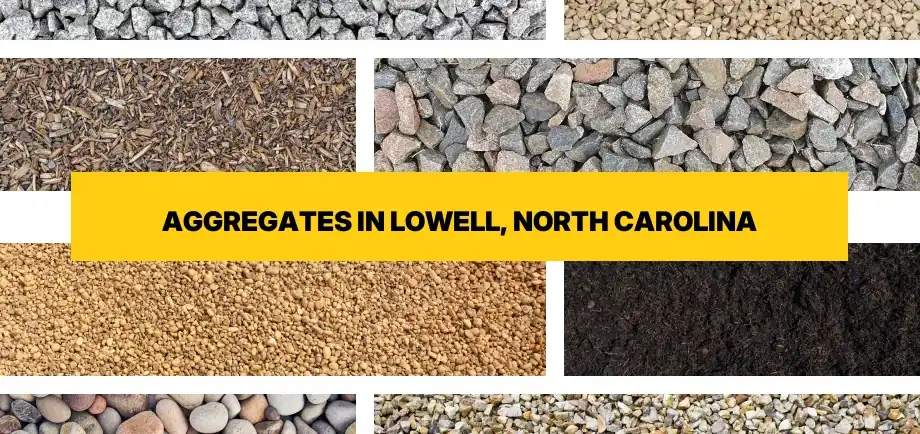
Order Topsoil, Stone & Gravel in Lowell, North Carolina
Local Topsoil, Dirt, Sand, Rocks and Gravel near me in Lowell, North Carolina
Shop Aggregates for Delivery in Lowell
Order online for free delivery to any Lowell address.
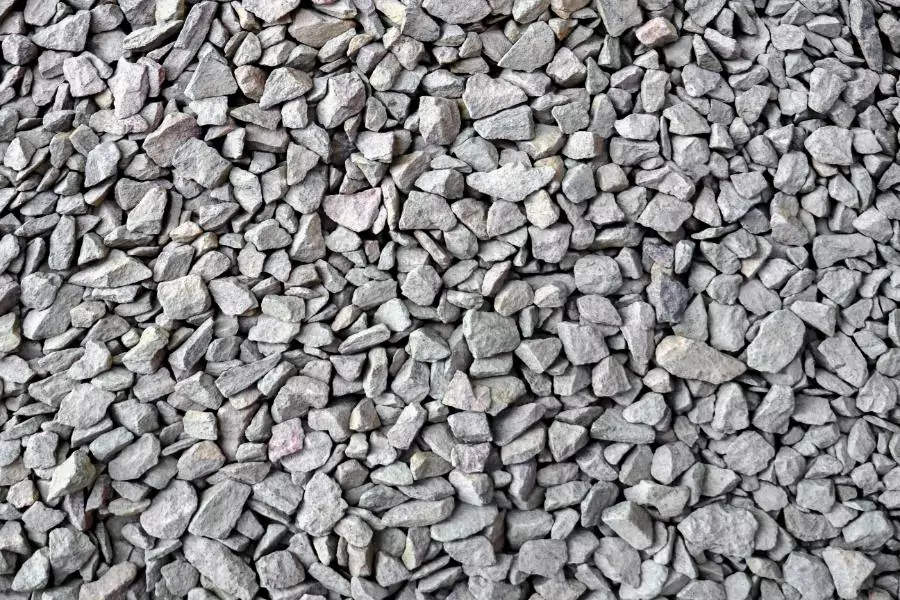
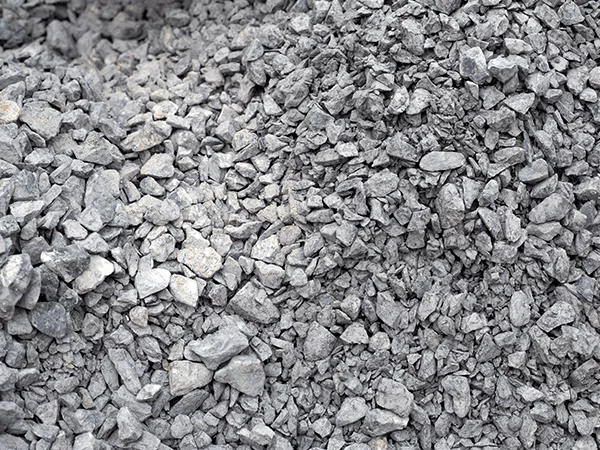


Gravel Monkey is your trusted source for premium aggregates and landscaping materials delivery in Lowell, North Carolina. Whether you're building a new driveway near South Point High School, creating drainage solutions along Cox Road, or landscaping a property near the Catawba River, we deliver high-quality aggregates directly to your location with absolutely free delivery. Our extensive selection of materials serves residential and commercial projects throughout Lowell and the greater Gaston County area.
Complete Range of Aggregates Available in Lowell
Gravel Monkey provides a comprehensive selection of construction and landscaping aggregates specifically suited to the soil conditions and climate of the Lowell area. Understanding the local Piedmont geology with its characteristic red clay soils and seasonal rainfall patterns, we stock materials that perform exceptionally well in this region. Our inventory includes:
- Driveway Gravel - Durable aggregate blend designed for long-lasting driveways that withstand North Carolina weather
- 3/4 inch Crushed Stone - Versatile material ideal for drainage, driveways, and concrete foundations
- #57 Stone - Industry-standard aggregate for drainage systems and French drains
- Crusher Run - Compactable base material combining multiple stone sizes for maximum stability
- Road Base - Professional-grade material for driveway foundations and road construction
- Pea Gravel - Smooth decorative stone perfect for walkways and landscaping features
- River Rock - Natural aesthetic appeal for gardens and water features
- Drain Rock - Large aggregate specifically for drainage applications and septic systems
- Crushed Concrete - Eco-friendly recycled material for cost-effective base applications
- Decomposed Granite - Natural pathway material that compacts beautifully for trails and patios
- Topsoil - Nutrient-rich soil perfect for gardens and lawn establishment
- Fill Dirt - Quality material for grading, leveling, and foundation work
- Mason Sand - Fine-grade sand for masonry work and paver installations
- Playground Sand - Clean, safe sand for play areas and sandboxes
- Washed Sand - Versatile clean sand for multiple construction applications
- Walkway Gravel - Specially sized aggregate for comfortable walking paths and garden trails
Serving Lowell Neighborhoods and Surrounding Communities
Gravel Monkey delivers aggregates throughout Lowell and neighboring communities in Gaston County. We're familiar with the local terrain and can easily access properties in all areas, including:
Local Lowell Areas We Serve
Our delivery drivers know Lowell well, from the residential neighborhoods near South Point High School to the commercial areas along McAdenville Road. We regularly service properties near Main Street in historic downtown Lowell, the growing subdivisions off Cox Road, and rural properties extending toward the Catawba River. The proximity to Highway 321 and Interstate 85 makes our deliveries efficient throughout the area.
Whether you're located near the textile mill heritage sites that define Lowell's history or in the newer developments spreading toward McAdenville and Cramerton, we provide prompt delivery service. Our trucks navigate the terrain between the Catawba River and South Fork easily, ensuring your aggregates arrive on schedule regardless of your location within our service area.
Aggregate Applications for Lowell Properties
Driveway Construction and Repair
The clay-rich soils common throughout the Piedmont region, including Lowell, require proper base preparation for durable driveways. A well-constructed driveway begins with proper grading and a solid base layer that provides stability and drainage. The foundation should consist of compactable material that resists the expansion and contraction cycles caused by North Carolina's seasonal temperature variations and precipitation patterns.
For optimal results, we recommend starting with a layer of road base or crusher run as your foundation material. This compactable aggregate creates a stable platform that distributes weight evenly and prevents settling. The combination of various stone sizes in crusher run allows the material to lock together when compacted, creating a solid foundation that performs well in local soil conditions. Top this base with your surface material of choice for a driveway that withstands years of use.
Drainage Solutions
Properties in Lowell frequently face drainage challenges due to the area's clay soils, which have poor permeability and tend to retain water. Annual rainfall averaging 43 inches combined with the region's topography creates situations where proper drainage becomes essential for protecting foundations, preventing yard flooding, and maintaining landscape health. Areas near the Catawba River and other local waterways may experience particularly notable drainage concerns.
Effective drainage systems typically incorporate aggregates that allow water to flow freely while filtering out soil particles. The number 57 stone works excellently in French drains and foundation drainage systems throughout Lowell. Its uniform sizing creates consistent void spaces that channel water effectively while the angular shape prevents the stones from compacting too tightly. For larger drainage applications such as retention areas or dry creek beds, drain rock provides the volume and flow capacity needed to handle heavy rainfall events.
Landscaping and Decorative Applications
The natural beauty of Lowell's setting along the Catawba River inspires many homeowners to create attractive outdoor spaces. Decorative aggregates offer versatile solutions for enhancing property aesthetics while providing practical benefits. River rock creates stunning garden beds, borders, and dry stream features that complement the area's natural landscape. The smooth, rounded stones come in various sizes and colors, allowing customization to match any design vision.
For walkways and paths, pea gravel and walkway gravel provide comfortable surfaces that drain well and require minimal maintenance. These materials work particularly well in shaded areas under trees where grass struggles to grow, a common situation in Lowell's wooded residential neighborhoods. Decomposed granite offers another attractive option for pathways, patios, and outdoor entertaining areas, compacting into a stable surface with a natural, rustic appearance that suits both traditional and contemporary landscape designs.
Understanding Lowell's Soil and Climate Conditions
Local Soil Characteristics
Lowell sits within the Piedmont physiographic region of North Carolina, characterized by residual soils formed from the weathering of metamorphic and igneous rocks. The predominant soil types include Cecil, Pacolet, and Madison series soils, all featuring significant clay content in their subsoil layers. These red and orange-hued soils result from iron oxidation and are common throughout Gaston County.
The high clay content presents specific challenges for construction and landscaping projects. Clay soils expand when wet and contract when dry, creating movement that can damage structures, crack driveways, and disrupt landscaping features. Proper aggregate base preparation becomes critical for any construction project to mitigate these soil movement issues. Additionally, the poor drainage characteristics of clay soils necessitate thoughtful planning for water management across properties in the area.
Climate Considerations
Lowell experiences a humid subtropical climate with four distinct seasons. Summer temperatures regularly reach the upper 80s and low 90s Fahrenheit, while winter lows typically drop to the upper 20s and low 30s. This temperature range causes freeze-thaw cycles during winter months, where water trapped in soil and aggregate materials expands when frozen and contracts when thawed, potentially causing heaving and settlement issues.
Precipitation distributes relatively evenly throughout the year, with spring typically bringing the heaviest rainfall. The combination of clay soils and substantial rainfall creates situations where proper drainage infrastructure becomes essential. Storm events can deliver several inches of rain in short periods, overwhelming inadequate drainage systems and causing erosion, ponding, and water intrusion problems. Selecting appropriate aggregates for drainage applications helps properties handle these weather patterns effectively.
| Aggregate Type | Best Applications | Key Benefits | Compaction |
|---|---|---|---|
| Crusher Run | Driveway base, parking areas, road foundations | Excellent compaction, superior stability | Excellent |
| 3/4 inch Crushed Stone | Drainage, concrete aggregate, driveway surface | Versatile, good drainage, durable | Good |
| #57 Stone | French drains, drainage systems, pipe bedding | Consistent sizing, optimal drainage | Moderate |
| Pea Gravel | Walkways, landscaping, decorative features | Attractive appearance, comfortable walking surface | Low |
| River Rock | Garden beds, water features, decorative borders | Natural beauty, erosion control | None |
| Decomposed Granite | Pathways, patios, naturalistic landscapes | Compactable surface, rustic appearance | Very Good |
Technical Specifications and Material Selection
Calculating Material Quantities
Determining the correct amount of aggregate for your Lowell project requires understanding both the project dimensions and the intended application. For most projects, you'll need to calculate volume in cubic yards, the standard measurement for bulk aggregate sales. The basic formula involves multiplying length times width times depth (all measured in feet), then dividing the result by 27 to convert cubic feet to cubic yards.
For example, a driveway measuring 50 feet long by 12 feet wide requiring a 4-inch base layer would calculate as follows: 50 × 12 × 0.33 (4 inches converted to feet) = 198 cubic feet ÷ 27 = 7.3 cubic yards. We recommend ordering approximately 10 percent extra material to account for compaction, settling, and minor calculation variations. Our team at Gravel Monkey can assist with accurate quantity estimates based on your specific project requirements.
Base Layer Specifications
Proper base construction determines the longevity and performance of driveways, parking areas, and hardscaping projects throughout Lowell. The base serves multiple critical functions: distributing loads across a wider area to prevent settling, providing adequate drainage to prevent water accumulation, and creating a stable platform resistant to the expansion and contraction of underlying clay soils.
For residential driveways in the Lowell area, we typically recommend a minimum 4-inch compacted base layer, though 6 inches provides enhanced durability for heavier vehicles or properties with particularly challenging soil conditions. Commercial applications or heavily trafficked areas may require 8 to 12 inches of compacted base material. The base should extend beyond the finished surface dimensions by at least 6 inches on each side to provide edge support and prevent material migration.
Surface Material Selection
The surface layer of your project serves both functional and aesthetic purposes. For driveways, driveway gravel provides an excellent balance of durability and appearance, creating a finished surface that drains well and resists rutting. The material compacts moderately while maintaining enough surface texture to provide traction in wet conditions, important during Lowell's rainy spring seasons.
Alternative surface options include three-quarter inch crushed stone, which offers a more uniform appearance and excellent drainage characteristics. Properties seeking a more refined look might consider combining aggregates with concrete or asphalt, using the stone base we deliver as the foundation for these harder surfaces. For walkways and paths, pea gravel or decomposed granite creates attractive, permeable surfaces that handle foot traffic well while allowing rainwater to percolate naturally into the ground.
Installation Best Practices for Lowell Properties
Site Preparation
Successful aggregate projects begin with thorough site preparation. The first step involves removing existing vegetation, organic material, and debris from the project area. Organic matter decomposes over time, creating voids that cause settling and instability in the aggregate layers above. In areas with established vegetation near Cox Road or the wooded neighborhoods throughout Lowell, this may require significant excavation to reach mineral soil.
After clearing, evaluate the existing grade and drainage patterns. The finished surface should slope away from buildings at a minimum rate of 2 percent (approximately quarter-inch drop per foot of distance) to ensure proper water runoff. Properties near the Catawba River or in lower-lying areas may require more substantial grading to achieve positive drainage. Consider how water will flow across your property during heavy rain events and plan your project accordingly.
Compaction Techniques
Proper compaction transforms loose aggregate into a stable, durable surface capable of supporting loads without settling or rutting. The compaction process squeezes air voids from between aggregate particles, allowing them to interlock and distribute loads effectively. For base materials like crusher run and road base, mechanical compaction with a plate compactor or roller is essential to achieve the density needed for optimal performance.
Compact aggregate in lifts (layers) no more than 4 inches thick before compaction. Attempting to compact thicker layers results in insufficient densification of lower portions, leaving weak zones that will eventually fail. For larger projects common in Lowell's growing residential areas, consider renting or hiring professional equipment. Multiple passes with compaction equipment, typically four to six passes, ensure thorough densification throughout the material depth.
Edge Restraint and Containment
Aggregate materials require edge restraint to prevent lateral spreading and maintain their intended shape and coverage area. Without proper edging, material gradually migrates outward, creating thin spots in the surface and requiring frequent replenishment. Edge restraint options range from simple solutions like landscape timbers or plastic edging to more substantial installations using concrete curbing or steel edging.
For driveways, the base material should extend beyond the surface dimensions, but the surface layer needs defined edges to look clean and function properly. Decomposed granite pathways, common in landscaping projects around Main Street area homes, particularly benefit from solid edge restraint since the fine particles readily scatter without containment. The choice of edging material should complement your overall landscape design while providing the structural support needed to contain the aggregate.
Environmental Considerations and Sustainable Choices
Permeable Surface Benefits
Aggregate surfaces offer significant environmental advantages over impermeable materials like concrete or asphalt. Water permeates through aggregate layers naturally, reducing stormwater runoff that can overwhelm municipal drainage systems during heavy rainfall. This permeability proves particularly valuable in Lowell, where clay soils already challenge natural water infiltration. By allowing water to percolate gradually through the aggregate and into the ground below, permeable surfaces help recharge groundwater supplies and reduce erosion.
Properties near the Catawba River and other water bodies benefit especially from permeable surfaces, as reduced runoff means less pollution reaching these waterways. Rainwater running across impermeable surfaces picks up contaminants like oil, chemicals, and debris before entering storm drains that typically discharge directly to streams and rivers. Aggregate surfaces filter water naturally while slowing its movement, allowing pollutants to settle out and reducing the volume of contaminated runoff.
Recycled Aggregate Options
Crushed concrete represents an environmentally responsible choice for many applications around Lowell. This recycled material comes from demolished concrete structures, processed and crushed to create aggregate suitable for base layers, driveways, and other applications. Using crushed concrete diverts material from landfills while reducing the need to quarry new stone, conserving natural resources and decreasing the environmental impact of material production.
Crushed concrete performs comparably to natural aggregates in most applications. It compacts well due to angular particle shapes and provides excellent stability for driveways and parking areas. The material may contain some residual cement, which can actually enhance its performance by contributing minor cementing properties when compacted with moisture present. For budget-conscious projects throughout Gaston County, crushed concrete often costs less than virgin aggregates while delivering reliable performance.
Commercial and Large-Scale Projects
Construction Site Requirements
Commercial construction projects throughout Lowell require substantial quantities of aggregates for various applications. Foundation preparation begins with proper excavation followed by installation of compacted base materials that provide stable support for building loads. The volume requirements for commercial foundations typically measure in dozens or hundreds of cubic yards, necessitating reliable delivery logistics and quality materials that meet engineering specifications.
Construction access roads and staging areas also consume significant aggregate quantities. These temporary surfaces must support heavy equipment traffic while providing stable footing in various weather conditions. Crusher run works exceptionally well for construction access, compacting into a firm surface that handles loaded concrete trucks, excavators, and other heavy machinery. After construction completion, these materials can often be repurposed elsewhere on the site or recycled for other projects.
Parking Lot Development
Aggregate base preparation forms the foundation of durable parking lot construction, whether for gravel parking surfaces or as the base beneath asphalt or concrete. The design requirements for parking areas account for repeated vehicle loads, turning movements, and the need for positive drainage to prevent ponding. A properly constructed aggregate base distributes these loads across the subgrade, preventing settlement and pavement failure.
Gravel parking lots offer cost-effective alternatives to paved surfaces for many businesses in Lowell. Using driveway gravel or crusher run as the surface material creates functional parking that drains naturally, requires minimal maintenance, and can be expanded or reconfigured easily as business needs change. Churches, seasonal businesses, and overflow parking areas often benefit from gravel surfaces that serve their purposes well at substantially lower initial costs than paved alternatives.
Frequently Asked Questions About Aggregates in Lowell, NC
We deliver a complete range of aggregates including driveway gravel, crushed stone in various sizes, #57 stone, crusher run, pea gravel, river rock, drain rock, road base, crushed concrete, decomposed granite, topsoil, fill dirt, and multiple sand varieties throughout Lowell and surrounding Gaston County areas. Each material is selected for quality and suitability to local soil and climate conditions.
Yes! Gravel Monkey provides FREE delivery to Lowell and the surrounding North Carolina area for all aggregate and landscaping material orders. No hidden fees or minimum order requirements for delivery charges. We service all neighborhoods from South Point High School to properties along the Catawba River.
The amount depends on your project dimensions and depth requirements. For driveways, calculate length times width times depth (in feet), then divide by 27 for cubic yards. A typical driveway needs 3 to 4 inches of base material, though 6 inches provides better performance in our local clay soils. Our team can help you calculate the exact amount for your Lowell property based on your specific situation and soil conditions.
For drainage solutions in Lowell, we recommend drain rock, #57 stone, or 3/4 inch crushed stone. These materials provide excellent water flow while preventing soil migration. The local clay-heavy soils in Gaston County often require proper drainage systems to prevent water pooling and foundation issues, making the choice of drainage aggregate particularly important for long-term property performance.
Absolutely! We deliver to all neighborhoods in Lowell, including areas near South Point High School, McAdenville Road, Cox Road, Main Street, and throughout the entire Lowell community including properties extending toward Cramerton and McAdenville. Our delivery trucks can access most residential streets and driveways throughout the area.
Both are compactable base materials excellent for driveways and foundations. Crusher run contains a blend of stone sizes from dust to larger pieces that compact tightly together, creating a very stable base. Road base is specifically graded for road construction with consistent sizing optimized for load distribution. Both work excellently for driveways in Lowell and compact well in our local soil conditions, with crusher run typically being slightly more affordable.
Yes! We deliver high-quality topsoil perfect for gardens and lawns, plus fill dirt for grading and leveling projects throughout Lowell. These materials work well with the Piedmont region soil composition and help address common grading challenges in the area. Topsoil provides the nutrients needed for healthy plant growth, while fill dirt offers stable material for raising grades and filling low areas.
We accept all major credit cards, debit cards, and electronic payments for convenient ordering. Simply place your order online through our website or call us directly, and we'll schedule your free delivery to your Lowell location at your convenience. Our ordering process is simple and secure, designed to get your materials delivered quickly and efficiently.
Delivering Premium Aggregates Throughout Greater Lowell
Gravel Monkey serves the entire Lowell community and surrounding areas with reliable aggregate delivery. From established neighborhoods near Main Street to developing subdivisions off Cox Road, we bring quality materials directly to your property. Our service area extends throughout Gaston County, including nearby communities like McAdenville, Cramerton, and Belmont.
Properties along McAdenville Road, near the historic textile mill sites, and throughout residential areas surrounding South Point High School all receive the same professional service and quality materials. Whether your project sits near the Catawba River waterfront or in the growing areas toward Interstate 85, Gravel Monkey delivers the aggregates you need with the free delivery that keeps your project on budget.
We understand Lowell's unique characteristics - from the clay soil challenges to the local climate patterns that affect outdoor projects. Our experience serving this community means we can recommend the right materials for your specific location and application. Contact Gravel Monkey today to discuss your project needs and schedule your free aggregate delivery anywhere in Lowell, North Carolina.

Need help? Reach out for a quote: