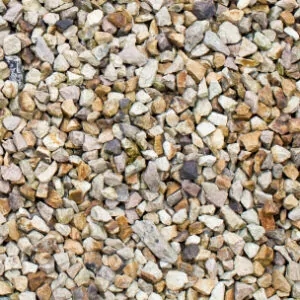

Gravel for Sale in Hatteras, North Carolina
Local Topsoil, Dirt, Sand, Rocks and Gravel near me in Hatteras, North Carolina
Shop Aggregates for Delivery in Hatteras
Order online for free delivery to any Hatteras address.
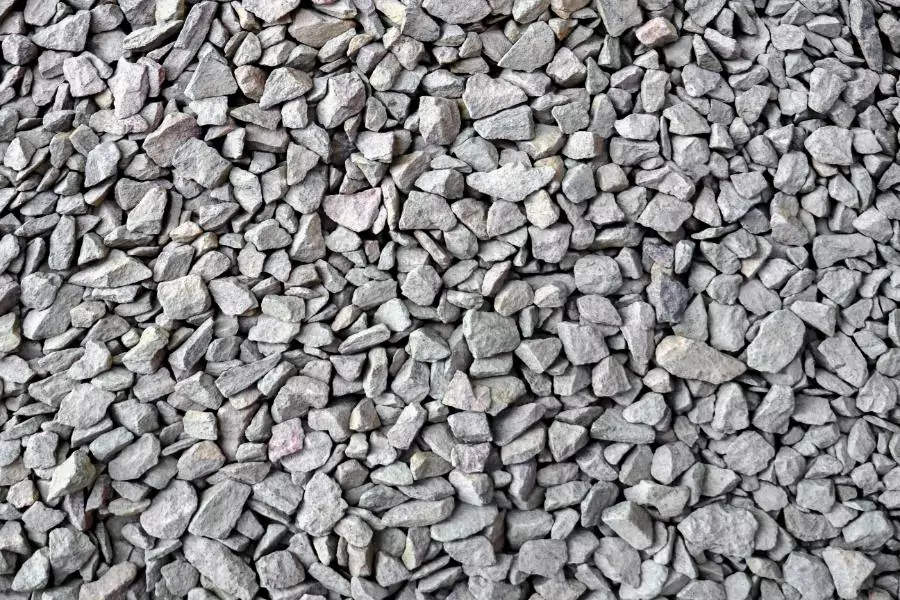
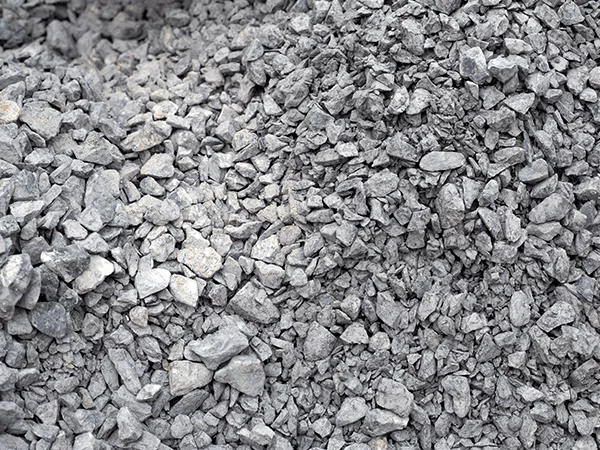


Gravel Monkey is your trusted partner for premium gravel and aggregate delivery in Hatteras, North Carolina. Serving properties from Hatteras Village to the Cape Hatteras Lighthouse area and throughout the southern Outer Banks, we understand the unique challenges of building and maintaining properties in this coastal environment. Whether you're reinforcing a driveway near Frisco Woods or creating drainage solutions for a property by Pamlico Sound, we deliver high-quality aggregates directly to your location with free delivery throughout the Hatteras area.
Premium Aggregates Available for Hatteras Coastal Properties
Living on the Outer Banks requires materials that can withstand salt air, high winds, and sandy soil conditions. Gravel Monkey offers a comprehensive selection of aggregates specifically suited for Hatteras's coastal environment. Our materials help stabilize driveways, improve drainage, and create beautiful outdoor spaces that endure the elements.
We deliver the following premium aggregates throughout Hatteras and surrounding communities:
- Driveway Gravel - Essential foundation material for stable coastal driveways
- 3/4 inch Crushed Stone - Versatile aggregate for multiple construction applications
- #57 Stone - Standard drainage and base material for Outer Banks projects
- Crusher Run - Compactable base that locks together for maximum stability
- Road Base - Heavy-duty foundation for driveways and parking areas
- Drain Rock - Critical for managing water in flood-prone coastal areas
- Pea Gravel - Smooth decorative stone perfect for walkways and gardens
- River Rock - Natural aesthetic for landscaping near the ocean
- Walkway Gravel - Attractive pathway material that drains quickly
- Crushed Concrete - Eco-friendly recycled aggregate for sustainable projects
- Decomposed Granite - Natural compacting material for rustic coastal charm
- Topsoil - Nutrient-enriched soil for gardens and landscaping
- Fill Dirt - Grade adjustment and elevation material
- Mason Sand - Fine sand for construction and masonry work
- Playground Sand - Safe, clean sand for children's play areas
- Washed Sand - Clean sand for various construction applications
Understanding Hatteras's Unique Coastal Geology
Hatteras sits on a barrier island formed by sandy sediment deposited over thousands of years. The soil throughout the village is predominantly sandy loam with minimal clay content, which creates both challenges and opportunities for property owners. The water table is extremely high across the island, typically just a few feet below the surface, making proper drainage absolutely critical.
The Outer Banks experiences a humid subtropical climate with average temperatures ranging from 45°F in winter to 82°F in summer. Annual rainfall averages around 55 inches, with significant precipitation during hurricane season from June through November. Salt spray from the Atlantic Ocean affects all outdoor materials, requiring aggregates that resist corrosion and degradation.
The sandy soil in Hatteras provides excellent natural drainage but poor stability for structures and driveways. Properties near Pamlico Sound and along Highway 12 particularly need reinforcement with quality aggregates to prevent sinking and erosion. The combination of high winds, storm surge risk, and shifting sands makes proper foundation and drainage work essential for any construction or landscaping project.
Driveway Aggregates for Hatteras Coastal Conditions
Driveways in Hatteras face unique challenges that mainland properties don't encounter. The sandy substrate provides minimal support, requiring substantial base layers to prevent rutting and sinking. Salt air accelerates deterioration of certain materials, while seasonal storms can wash away improperly installed driveways. Homes in Frisco Woods, near the Cape Hatteras National Seashore, and throughout Hatteras Village all benefit from properly constructed aggregate driveways.
Optimal Driveway Construction Methods
For Hatteras properties, we recommend starting with a deep base layer of compactable aggregate. The best approach uses at least 6 to 8 inches of crusher run as the foundation layer. This material compacts tightly in sandy soil and creates a stable platform that resists settling. The finer particles fill voids between larger stones, essentially creating a concrete-like base without the cost or cracking issues of actual concrete.
Over the crusher run base, add 2 to 3 inches of road base for the surface layer. This top layer provides a smooth driving surface while maintaining excellent drainage characteristics. Properties near the waterfront or in lower-lying areas should consider even deeper base layers, as these locations experience more moisture and potential flooding during storms.
The initial investment in proper depth pays dividends over time. Hatteras driveways constructed with adequate aggregate base layers last for decades with minimal maintenance, while thin installations require constant repair and material addition. The sandy soil beneath will compress over time, so starting with extra depth accounts for this natural settling process.
Critical Drainage Solutions for Hatteras Properties
Drainage management isn't optional in Hatteras—it's absolutely essential. The high water table, frequent rainfall, and storm surge risk mean every property must channel water away effectively. Poor drainage leads to foundation problems, flooded yards, and accelerated erosion. Properties throughout the island, from areas near the Graveyard of the Atlantic Museum to residential neighborhoods by the ferry docks, require proper drainage infrastructure.
French Drains and Percolation Systems
French drains work exceptionally well in Hatteras's sandy soil. These drainage systems use perforated pipe surrounded by drain rock to capture and redirect water. The surrounding aggregate filters out sand and debris while allowing water to flow freely into the pipe. Install French drains along property perimeters, around foundations, and in any low-lying areas where water accumulates.
For French drain construction, excavate trenches 12 to 18 inches wide and slope them slightly toward the desired drainage point. Line the trench with landscape fabric to prevent sand infiltration, then add 2 to 3 inches of drain rock. Place the perforated pipe on the rock bed, then surround and cover it with additional drain rock. Wrap the fabric over the top before backfilling with sand or topsoil.
Many Hatteras properties benefit from multiple French drains creating a comprehensive drainage network. Direct water away from structures toward ditches, storm drains, or designated drainage areas. Never direct drainage toward neighboring properties or environmentally sensitive areas near the Cape Hatteras National Seashore.
| Aggregate Type | Best Coastal Applications | Drainage Rating | Salt Resistance | Compaction |
|---|---|---|---|---|
| Crusher Run | Driveway base, parking areas | Good | Excellent | Superior |
| Road Base | Surface layer, heavy traffic areas | Very Good | Excellent | Excellent |
| Drain Rock | French drains, foundation drainage | Excellent | Excellent | Poor (by design) |
| #57 Stone | Drainage systems, base layer | Excellent | Excellent | Fair |
| 3/4 inch Crushed Stone | Versatile base, drainage, erosion control | Very Good | Excellent | Good |
| Pea Gravel | Walkways, landscaping, decorative | Excellent | Good | Minimal |
| River Rock | Landscaping, water features, mulch | Good | Excellent | None |
| Crushed Concrete | Base layer, temporary roads, eco-projects | Good | Very Good | Good |
Coastal Landscaping with Aggregates in Hatteras
Landscaping on the Outer Banks requires materials that complement the natural coastal environment while withstanding harsh conditions. Traditional mulch degrades quickly in the salt air and washes away during storms. Aggregate landscaping materials provide a durable, attractive alternative that actually improves with age as stones settle naturally into place.
Walkway gravel creates permeable pathways that drain instantly after rain. Unlike concrete or pavers, gravel walkways flex with shifting sand beneath without cracking or becoming uneven. Properties near the lighthouse and throughout residential areas use walkway gravel to connect different outdoor spaces while maintaining the casual, beachy aesthetic that defines Hatteras living.
Decorative Stone Applications
River rock adds natural beauty to coastal gardens and landscaping beds. These smooth, rounded stones come in various sizes and colors, allowing creative designs that echo the natural beach environment. Use larger river rock as ground cover around salt-tolerant plants like beach grass and sea oats. The stones prevent sand erosion while allowing rainwater to percolate naturally into the soil.
Pea gravel works beautifully for smaller areas like courtyard spaces, around outdoor showers, and in contained garden beds. The small, rounded stones create a comfortable walking surface and provide excellent drainage. Many Hatteras vacation rental properties use pea gravel around pools and outdoor entertainment areas for both aesthetics and functionality.
Decomposed granite offers a more refined look for pathways and patios while maintaining the permeable, natural characteristics essential in coastal environments. This material compacts slightly to create a stable surface while still allowing water infiltration. The warm, natural tones complement beach house architecture throughout Hatteras Village and surrounding areas.
Serving All Hatteras Neighborhoods and Surrounding Areas
Gravel Monkey delivers premium aggregates throughout Hatteras and the southern Outer Banks region. We understand the specific needs of different areas based on proximity to water, elevation, and typical construction styles.
Hatteras Village
The main village area contains most residential and commercial properties on the island. Homes here range from permanent residences to vacation rentals, all requiring quality aggregates for driveways and drainage. Properties near the harbor and marinas face additional moisture challenges and benefit from extra drainage infrastructure.
Frisco Woods
This maritime forest area on the Pamlico Sound side provides some wind protection but still requires proper drainage due to the high water table. Properties here often feature longer driveways through wooded areas, making quality aggregate surfaces essential for access. The natural beauty of Frisco Woods complements decorative stone landscaping that blends with the forest environment.
Cape Hatteras National Seashore Area
Properties near the National Seashore must balance functional needs with environmental sensitivity. Permeable aggregate surfaces help manage stormwater without disrupting natural drainage patterns. These locations experience the full force of coastal weather and require the most durable aggregate installations.
Nearby Communities We Serve
Beyond Hatteras itself, we deliver to Frisco, Buxton, Avon, and other southern Outer Banks communities. Each area has unique characteristics, but all share the sandy soil and coastal conditions that make quality aggregates essential for successful construction and landscaping projects.
Hurricane Preparedness and Storm Resilience
Living in Hatteras means preparing for tropical storms and hurricanes. While aggregates can't prevent all storm damage, proper installation significantly improves property resilience. Well-constructed aggregate driveways and drainage systems reduce flooding risk and prevent the erosion that damages many coastal properties during major weather events.
Before hurricane season begins, inspect aggregate surfaces for any settling or low spots where water might accumulate. Add fresh material to low areas and ensure drainage channels remain clear. Properties with proper aggregate drainage infrastructure experience far less flooding and water damage during storms compared to those with poor drainage.
After storms pass, aggregate surfaces are much easier to repair than concrete or asphalt. Simply rake displaced material back into place and add new aggregate where needed. This resilience makes gravel and stone surfaces particularly well-suited to the Hatteras environment where storm impacts are a regular reality.
Sand Products for Hatteras Construction and Recreation
Beyond stone aggregates, various sand products serve important functions in Hatteras properties. Mason sand is essential for mixing mortar and concrete in construction projects. The fine, clean texture ensures proper bonding and structural integrity. Many contractors working on homes throughout the island rely on quality mason sand for masonry work that can withstand coastal conditions.
Playground sand creates safe, clean play areas for children at vacation rentals and residential properties. This specially washed and screened sand is free from contaminants and provides a soft landing surface. With Hatteras's family-friendly beach atmosphere, quality playground sand adds value to rental properties and creates safe spaces for kids to enjoy.
Washed sand serves multiple purposes from bedding materials for pavers to base layers for pools and patios. The washing process removes organic material and fine silt, creating a clean product that drains well and won't discolor when wet. Properties throughout Hatteras use washed sand for various construction and landscaping applications where clean, consistent material is essential.
Topsoil and Fill Dirt for Coastal Property Enhancement
While Hatteras's native sandy soil drains exceptionally well, it lacks the organic matter and nutrients needed for successful gardening and landscaping. Quality topsoil introduces the biological components necessary for healthy plant growth. Mix topsoil with native sand to create planting beds that retain some moisture while maintaining the drainage characteristics essential in coastal areas.
Many Hatteras residents create raised bed gardens using topsoil to grow vegetables and ornamental plants. The elevated beds provide better soil quality while keeping roots above the high water table. This approach works particularly well for properties throughout the village where saltwater intrusion can affect ground-level plantings.
Fill dirt serves different purposes, primarily for grading and elevation adjustments. Properties in low-lying areas use fill dirt to raise elevation and improve drainage away from structures. Any fill dirt used in Hatteras should be properly compacted in layers to prevent excessive settling in the sandy substrate. Combine fill dirt with aggregates for best results in grading projects.
Professional Installation Best Practices for Hatteras Conditions
Successful aggregate installation in Hatteras requires understanding local conditions and using proven techniques. The sandy substrate demands proper preparation before placing any aggregate material. Remove any vegetation and organic matter from the installation area, as these will decompose and create voids beneath your aggregate surface.
Compact the native sand base before adding aggregates. While sand doesn't compact like clay soil, vibrating or rolling the base creates a more uniform foundation. For driveways and parking areas, consider using landscape fabric between the sand base and crusher run layer. This geotextile prevents the finer particles from working down into the sand over time.
Install aggregates in layers, compacting each layer before adding the next. For a standard driveway, place 4 inches of crusher run and compact thoroughly. Add another 2 to 3 inches and compact again. Finally, add the 2 to 3 inch surface layer of road base. This layered approach creates superior stability compared to placing all material at once.
Maintenance for Long-Term Performance
Even properly installed aggregate surfaces require periodic maintenance. Rake surface material regularly to maintain even distribution and proper grading. After heavy rains or storms, inspect for any areas where material has been displaced and redistribute as needed. Add fresh surface material every few years to maintain appearance and function.
Keep vegetation from encroaching on aggregate surfaces, as plant roots can disrupt the material over time. Edge landscaping areas clearly to prevent grass and weeds from infiltrating walkways and driveways. Many Hatteras property owners find that quarterly maintenance sessions keep their aggregate surfaces looking great year-round.
Frequently Asked Questions About Aggregates in Hatteras
Crusher run provides the best base layer for Hatteras driveways, with road base as the ideal surface material. This combination compacts well in sandy soil and creates a stable, long-lasting driveway. The compactable nature of these materials prevents the rutting and sinking common with loose gravel on sandy substrates.
Due to the sandy soil, Hatteras driveways should have at least 6 to 8 inches of total aggregate depth. This typically means 4 to 6 inches of compacted crusher run base with 2 to 3 inches of road base surface material. Properties in lower areas or with poor drainage may benefit from even deeper installations.
Natural stone aggregates are highly resistant to salt air corrosion and actually perform better than many alternatives in coastal environments. Unlike metal or concrete that can corrode or spall from salt exposure, gravel and crushed stone maintain their integrity indefinitely. Regular rinsing after storms helps remove salt buildup and keeps materials looking fresh.
For French drains in Hatteras sandy soil, use drain rock in the half inch to one and a half inch range. This size range provides excellent water flow while the surrounding landscape fabric prevents sand infiltration. The open structure of drain rock allows rapid water movement, essential for managing the high water table and frequent rainfall.
Smaller projects like walkways and garden borders are suitable for DIY installation with basic tools. Larger projects like driveways benefit from professional installation to ensure proper depth, compaction, and grading. Contractors familiar with Hatteras conditions understand the specific techniques needed for successful installations in sandy coastal soil.
Calculate area in square feet by multiplying length times width. Then multiply by depth in feet to get cubic feet. Divide by 27 to convert to cubic yards. For example, a driveway 20 feet wide by 50 feet long and 6 inches deep equals 1,000 square feet times 0.5 feet equals 500 cubic feet, divided by 27 equals 18.5 cubic yards of material needed.
With proper installation and regular maintenance, quality aggregate driveways in Hatteras can last 10 to 15 years before requiring significant additional material. You may need to add a thin layer every 3 to 5 years to maintain appearance and compensate for minor settling. Properties with heavy vehicle traffic may need more frequent surface refreshing.
Yes, we provide free delivery throughout Hatteras Village, Frisco Woods, and all areas of the southern Outer Banks. We understand the logistics of island delivery and work with your schedule to ensure materials arrive when you need them for your project.
Start Your Hatteras Aggregate Project Today
Whether you're building a new driveway, improving drainage, or creating beautiful coastal landscaping, Gravel Monkey provides the premium aggregates you need with free delivery throughout Hatteras and the Outer Banks. Our materials are specifically selected to perform in coastal conditions, and our team understands the unique challenges of building on barrier islands.
From crusher run and road base for stable driveways to drain rock for essential water management, we stock everything needed for successful construction and landscaping in Hatteras's sandy coastal environment. Contact us today to discuss your project and get expert recommendations for the right aggregates to meet your specific needs.

Need help? Reach out for a quote: