
Shop Sand, Stone & Gravel in Mars Hill, North Carolina
Local Topsoil, Dirt, Sand, Rocks and Gravel near me in Mars Hill, North Carolina
Shop Aggregates for Delivery in Mars Hill
Order online for free delivery to any Mars Hill address.
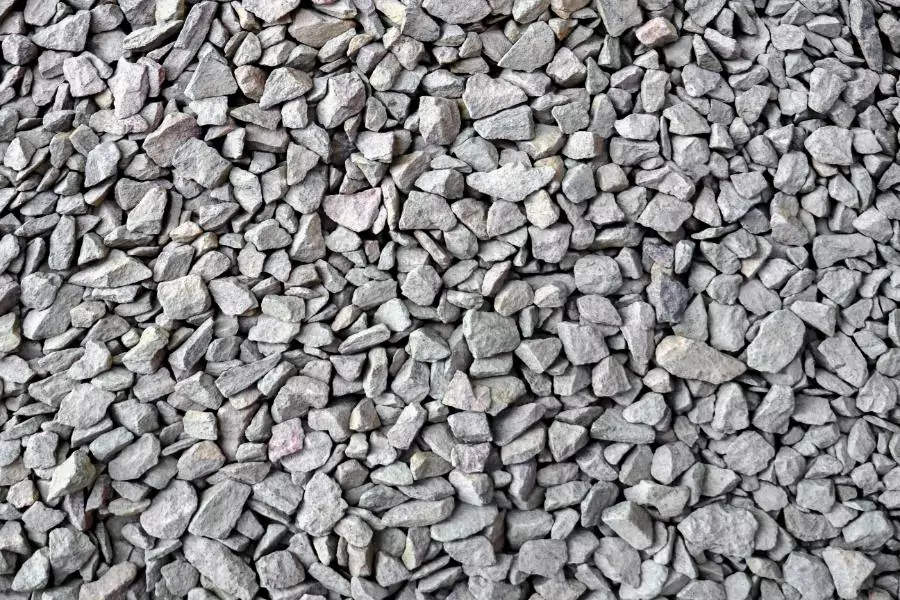
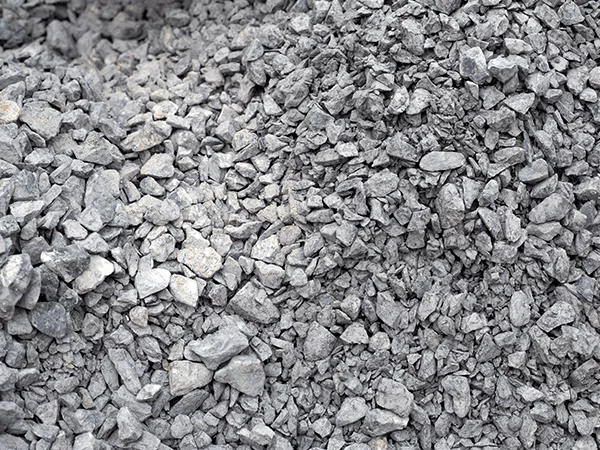


Gravel Monkey delivers premium gravel and aggregates throughout Mars Hill, North Carolina, serving the college community, mountain homeowners, and contractors across Madison County. Whether you're building a driveway on Bailey Mountain, upgrading a property near Mars Hill University, or addressing drainage issues in Wolf Laurel, we provide high-quality materials with free delivery to your location. Our aggregates are specifically selected to handle the unique challenges of Blue Ridge Mountain terrain, including steep slopes, heavy rainfall, and the red clay soils characteristic of this beautiful western North Carolina region.
Buy Materials by Type in Mars Hill
Every material we deliver in Mars Hill, with coverage, sizing and ordering details for each one.
Complete Selection of Aggregates Available in Mars Hill
Mars Hill's mountainous terrain and variable weather patterns require carefully selected aggregates that provide stability, drainage, and longevity. Gravel Monkey supplies a comprehensive range of materials suited to local conditions:
- Driveway Gravel - Engineered for mountain driveways with steep grades and heavy use
- 3/4 Inch Crushed Stone - Versatile aggregate for foundations, driveways, and drainage applications
- #57 Stone - Popular size for drainage systems and driveway surfaces
- Crusher Run - Superior compacting base material for mountain driveways
- Road Base - Stable foundation for roads and long driveways
- Pea Gravel - Smooth stones perfect for pathways and decorative areas
- River Rock - Natural beauty for landscaping and water features
- Drain Rock - Large aggregate designed for French drains and water management
- Topsoil - Rich soil for mountain gardens and lawn establishment
- Fill Dirt - Essential for grading and leveling mountain properties
- Crushed Concrete - Eco-friendly recycled aggregate for various applications
- Mason Sand - Fine sand for masonry and construction work
- Playground Sand - Safe, clean sand for play areas
- Washed Sand - Clean sand for multiple uses
- Decomposed Granite - Natural material for attractive walkways
- Walkway Gravel - Decorative stones specifically for pathways
Serving Mars Hill and Surrounding Mountain Communities
Our free delivery service covers all of Mars Hill and neighboring areas throughout Madison County. We regularly deliver aggregates to properties near Mars Hill University campus, residential areas along Cascade Drive and Forest Hills, mountain communities in Wolf Laurel, homes around Bailey Mountain, properties near Spring Creek, the Walnut area, and developments throughout the French Broad River valley. Whether you're located in town near the historic downtown district or on a remote mountain property with challenging access, our experienced drivers navigate the winding mountain roads to deliver materials directly to your site.
Understanding Mars Hill's Unique Geological Characteristics
Mars Hill sits at approximately 2,300 feet elevation in the Blue Ridge Mountains, where the predominant soil type is red clay derived from weathered metamorphic and igneous bedrock. This clay soil, while common throughout western North Carolina, presents specific challenges for construction and drainage. The clay's high plasticity means it expands significantly when wet and shrinks during dry periods, creating movement that can destabilize driveways, foundations, and pathways. Additionally, the steep mountain terrain means water runoff is rapid and concentrated, requiring proper aggregate selection to prevent erosion and maintain structural integrity.
The climate in Mars Hill brings another layer of consideration. Annual rainfall averages 45 to 50 inches, with precipitation distributed throughout the year but slightly higher in summer months. Winter temperatures regularly drop below freezing, with occasional snowfall and ice events that test the durability of any aggregate installation. The freeze-thaw cycles common from December through March can cause poorly installed or inappropriate materials to heave and crack. These conditions make proper base preparation and aggregate selection critical for long-lasting results.
Choosing the Right Aggregate for Mars Hill Projects
Different projects around Mars Hill require specific aggregate types to address local conditions effectively. Understanding which material works best for your application ensures successful results that withstand mountain weather and terrain challenges.
Driveways and Parking Areas
Mountain driveways in Mars Hill face steep grades, heavy runoff, and challenging access conditions. The most successful installations begin with a solid foundation layer. For base material, crusher run provides excellent stability because it contains stone fines that compact tightly, creating a firm barrier against the underlying clay soil. This base layer should be at least three to four inches thick, properly compacted to prevent settling.
For the surface layer, most Mars Hill properties benefit from three quarter inch crushed stone or number 57 stone. These angular aggregates interlock well, providing traction on slopes and resisting displacement from vehicle traffic. The open structure also allows water to drain through rather than pooling on the surface, which is essential given the area's rainfall patterns. Properties with particularly steep grades may want to consider road base as an alternative foundation material, as it provides exceptional stability on challenging slopes.
Drainage Solutions for Mountain Properties
Proper drainage is perhaps the most critical consideration for Mars Hill properties. The combination of steep terrain, heavy rainfall, and clay soil means water management cannot be an afterthought. French drains are commonly needed to intercept water flowing downslope and redirect it away from structures and driveways.
For French drain installations, drain rock is specifically designed for this application. These larger stones create void spaces that allow rapid water movement while providing structural stability to the drain trench. The aggregate surrounds a perforated pipe that collects and channels water to a safe outlet point. In some cases, number 57 stone serves as an alternative for smaller drainage projects or as a filter layer in more complex drainage systems.
Pathways and Decorative Applications
Mars Hill's natural beauty inspires many homeowners to create attractive outdoor spaces that complement the mountain environment. Walkway gravel provides an excellent option for garden paths, offering good drainage and a stable walking surface. For areas where a softer, more decorative look is desired, pea gravel creates beautiful pathways that feel natural in a mountain setting.
Decomposed granite has gained popularity for its natural appearance and excellent drainage properties. This material compacts moderately while still allowing water infiltration, making it ideal for pathways through wooded areas or garden settings. River rock serves well for decorative borders, dry creek beds that manage runoff, and areas around the base of buildings where aesthetic appeal combines with practical water management.
Mars Hill Aggregate Comparison Guide
This comparison helps you select the appropriate aggregate for your specific Mars Hill project based on local conditions and performance characteristics:
| Aggregate Type | Best Applications | Drainage Rating | Mountain Slope Performance | Compaction Level |
|---|---|---|---|---|
| Crusher Run | Driveway base, road foundation | Moderate | Excellent | Very High |
| Road Base | Steep driveways, long roads | Good | Excellent | Very High |
| 3/4" Crushed Stone | Driveway surface, drainage | Excellent | Very Good | High |
| #57 Stone | Drainage, driveway topping | Excellent | Very Good | Moderate |
| Drain Rock | French drains, water management | Excellent | Good | Low |
| Pea Gravel | Pathways, decorative areas | Very Good | Fair | Low |
| Decomposed Granite | Natural pathways, garden walks | Good | Good | Moderate |
| Crushed Concrete | Base layers, eco-friendly projects | Good | Good | High |
Professional Installation Practices for Mars Hill Conditions
Proper installation techniques make the difference between a driveway or pathway that lasts decades and one that requires frequent repair. Mars Hill's mountain environment demands attention to specific details that might not matter in flatter, drier climates.
Site Preparation and Clay Soil Management
The first step in any successful aggregate installation involves addressing the clay soil. Simply spreading stone over clay rarely produces good results. The clay must be properly graded to ensure water flows away from the installation area rather than pooling underneath. In many cases, excavating six to eight inches of clay and replacing it with compacted base material provides the most durable foundation.
For driveway projects, this excavation should extend slightly beyond the driveway edges to prevent edge failure. The subgrade clay should then be compacted before base material is installed. If the clay is particularly soft or wet, allowing it to dry or stabilizing it with lime can improve results. Some Mars Hill properties benefit from installing geotextile fabric between the clay and aggregate base to prevent mixing and maintain separation.
Compaction and Layer Thickness
Proper compaction cannot be overemphasized. Each layer of aggregate should be compacted thoroughly before the next layer is added. For base materials like crusher run, compaction levels of 95% or higher provide the stability needed for mountain conditions. This typically requires mechanical compaction equipment rather than relying on vehicle traffic alone.
Layer thickness also matters significantly. Attempting to compact a twelve-inch layer in a single pass rarely achieves good results. Instead, aggregate should be placed in four-inch lifts, with each lift compacted before adding the next. This approach takes more time initially but produces far superior long-term performance.
Drainage Integration
Every aggregate installation in Mars Hill should consider water management from the design stage. Driveways need appropriate crown or cross-slope to shed water to the edges. The edges themselves require either shallow drainage swales or proper grading to move water away from the aggregate surface.
Properties with significant upslope areas may need interceptor drains to capture water before it reaches the driveway or pathway. These drains typically run parallel to and upslope of the installation, collecting water and directing it to safe outlet points. In some cases, culverts or cross-drains are necessary to allow water to flow under driveways without causing erosion.
Seasonal Considerations for Mars Hill Aggregate Projects
Timing your aggregate installation project appropriately for Mars Hill's seasons can significantly impact both the installation process and long-term performance. Each season presents distinct advantages and challenges worth considering.
Spring Installation Projects
Spring brings increasing temperatures and regular rainfall to Mars Hill. While the warming weather makes it pleasant to work outdoors, the frequent rain can complicate aggregate installation. Clay soil remains saturated from winter moisture, making excavation and compaction more difficult. However, spring can work well for projects if you schedule installation between rain events and allow adequate drying time for base layers.
Summer: Peak Installation Season
Summer offers the most favorable conditions for aggregate installation in Mars Hill. The combination of warm temperatures and lower relative humidity helps aggregate bases dry and compact effectively. Even when afternoon thunderstorms occur, the clay soil and aggregate layers typically dry within a day or two. Most professional installation projects happen during summer months for these reasons. If your project timeline is flexible, scheduling for June through August typically provides the smoothest installation experience.
Fall Projects and Winter Preparation
Fall presents another good window for aggregate work. September and October usually bring drier weather before winter arrives. Completing driveway or drainage projects in fall means they're ready for winter weather challenges. However, be aware that as November approaches, shorter days and cooling temperatures may slow the installation process.
Winter Limitations
Winter installation in Mars Hill faces significant challenges. Frozen ground makes excavation difficult or impossible. Aggregate cannot be properly compacted when temperatures drop near freezing. Snow and ice events interrupt work schedules. Most contractors avoid winter installation unless specific circumstances require it. If you're planning an aggregate project, starting the planning process during winter for spring or summer installation makes more sense than attempting winter work.
Maintaining Aggregates in Mountain Conditions
Proper maintenance extends the life of your aggregate installation significantly. Mars Hill's climate and terrain create specific maintenance needs that, when addressed proactively, prevent larger problems from developing.
Regular Inspection and Grading
Walk your driveway or pathway several times per year, looking for developing issues. Common problems include rutting from vehicle traffic, displacement of surface aggregate, development of low spots that collect water, and erosion along edges. Addressing these issues when they're minor prevents them from becoming major repairs.
Most gravel driveways benefit from periodic grading or raking to redistribute aggregate that has been displaced by traffic or weather. This might be needed once or twice per year, depending on traffic levels and slope. Adding new aggregate every few years maintains proper depth and replenishes material lost to vehicle tires and erosion.
Drainage Maintenance
Keep drainage swales and ditches clear of leaves, branches, and sediment. In Mars Hill's wooded mountain environment, organic debris accumulates quickly. Clogged drainage systems cause water to back up onto aggregate surfaces, accelerating deterioration. After heavy storms, check drainage outlets to ensure they're flowing freely.
French drains may need periodic inspection to verify they're still functioning properly. If you notice water pooling where it previously drained well, the drain system may need cleaning or the aggregate may need replenishing.
Edge Maintenance and Erosion Control
Driveway and pathway edges are vulnerable points where aggregate can wash away during heavy rain. Installing edge restraints helps contain aggregate and prevents spreading. This might be as simple as larger stones placed along edges or more formal edging materials. Maintaining vegetation along edges also helps stabilize soil and reduce erosion.
Delivering Throughout Mars Hill's Diverse Communities
Mars Hill encompasses varied terrain and neighborhood types, each with unique aggregate needs. The areas surrounding Mars Hill University near College Street require materials suitable for rental properties and student housing. The Bailey Mountain area features steeper terrain and longer driveways that demand durable base materials and proper drainage. Wolf Laurel, a mountain community at higher elevations, sees more winter weather and requires aggregates that handle freeze-thaw cycles effectively.
The Spring Creek area combines rural residential properties with some agricultural use, often requiring larger quantities of aggregate for farm roads and equipment access. Forest Hills and Cascade Drive neighborhoods feature established homes on moderate slopes, typically needing aggregate for driveway maintenance and landscaping projects. Downtown Mars Hill, with its historic character, sometimes requires aggregates for pathway restoration and property improvements that complement the area's traditional architecture.
Properties in the Walnut community and along the French Broad River valley often deal with particular drainage challenges due to their proximity to waterways and lower elevation positions. These locations may need substantial amounts of drain rock and proper aggregate bases to manage water infiltration. Throughout all these areas, Gravel Monkey provides reliable delivery service, understanding the access challenges and material requirements specific to each location.
Sustainable Aggregate Choices for Mars Hill
Environmental consciousness matters to many Mars Hill residents, and aggregate selection can reflect these values. Crushed concrete represents a sustainable choice that recycles construction materials while providing performance comparable to traditional stone. This recycled aggregate works well for base layers and some surface applications, keeping concrete waste out of landfills while delivering the stability needed for mountain driveways.
Locally sourced aggregates reduce transportation impacts and often cost less due to shorter delivery distances. Materials quarried within western North Carolina typically arrive with lower environmental footprints than stone shipped from distant sources. When planning your project, asking about material origins can help you make environmentally informed decisions.
Proper drainage design also contributes to environmental stewardship. Systems that infiltrate and filter runoff rather than creating rapid concentrated discharge help protect stream quality in the French Broad River watershed. French drains and permeable aggregate surfaces allow water to soak into the ground rather than running off immediately, reducing erosion and supporting groundwater recharge.
Commercial and Municipal Aggregate Supply
Beyond residential applications, Mars Hill's commercial properties, municipal facilities, and Mars Hill University campus require aggregates for various projects. Parking lot construction and repair, campus pathway maintenance, stormwater management systems, and athletic field drainage all demand quality materials delivered on schedule.
Contractors working on larger projects appreciate reliable aggregate supply that meets specifications and arrives when needed. Whether you're building a new commercial driveway, installing a stormwater infiltration system, or maintaining municipal roads, having a dependable aggregate supplier streamlines project management and helps maintain schedules.
We work with contractors throughout Madison County, understanding the unique requirements of commercial installations. Larger orders receive the same free delivery service, with scheduling flexibility to accommodate project timelines. Our experience supplying aggregates for mountain conditions means we can provide technical guidance on material selection for challenging applications.
Frequently Asked Questions About Aggregates in Mars Hill
We deliver a complete range including driveway gravel, crushed stone in various sizes, number 57 stone, pea gravel, river rock, crusher run, road base, drain rock, topsoil, fill dirt, sand products, decomposed granite, and crushed concrete throughout Mars Hill and surrounding Madison County areas.
Yes! Gravel Monkey offers FREE delivery to Mars Hill and the surrounding North Carolina mountain region for all gravel and aggregate orders.
For steep mountain driveways in Mars Hill, we recommend crusher run or number 57 stone. These aggregates compact well and provide excellent traction on slopes while handling the drainage challenges of mountain terrain.
Mars Hill red clay soil expands when wet and contracts when dry. Using proper aggregate base materials like road base or crusher run creates a stable barrier between clay and your driveway surface, preventing shifting and erosion common in mountain clay conditions.
Drain rock and number 57 stone are ideal for French drains in Mars Hill. These aggregates provide excellent water flow to handle the high rainfall and mountain runoff typical of the Blue Ridge region.
Yes! We deliver mason sand for construction work, playground sand for safe play areas, and washed sand for various applications throughout Mars Hill and the surrounding college community.
For Mars Hill driveways, three quarter inch crushed stone or number 57 stone works excellently for the surface layer over a compacted crusher run or road base foundation. This combination handles mountain weather and drainage effectively.
Calculate length times width times depth in feet, then divide by 27 for cubic yards. For mountain driveways, we typically recommend 4 to 6 inches depth. Our team can help estimate quantities for your specific Mars Hill project and terrain.
Get Started with Your Mars Hill Aggregate Project
Whether you're building a new mountain driveway, addressing drainage problems, or creating beautiful pathways around your Mars Hill property, quality aggregates delivered free make your project easier. Our team understands the specific challenges of working in the Blue Ridge Mountains and can help you select materials that perform well in local conditions. From Bailey Mountain to Wolf Laurel, from the Mars Hill University area to Spring Creek, we deliver the aggregates you need for lasting results. Contact us today to discuss your project requirements and schedule your free delivery to anywhere in Mars Hill or surrounding Madison County areas.

Need help? Reach out for a quote: