Gravel for Sale in Dillsboro, North Carolina
Local Topsoil, Dirt, Sand, Rocks and Gravel near me in Dillsboro, North Carolina
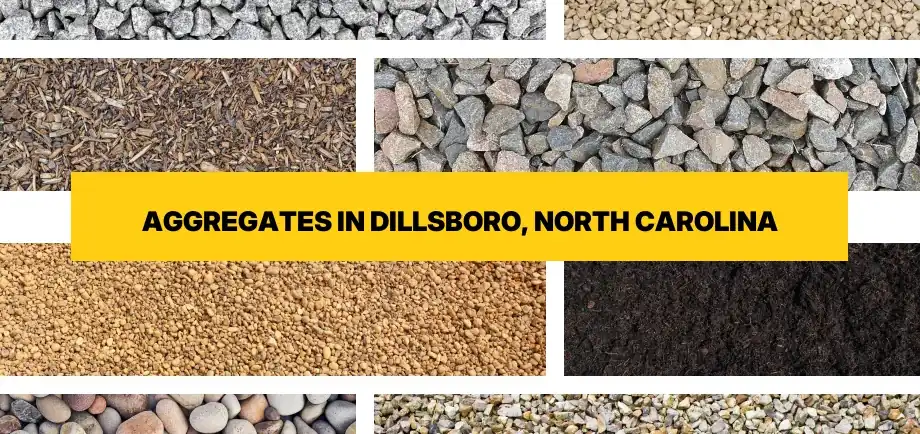
Shop Aggregates for Delivery in Dillsboro
Order online for free delivery to any Dillsboro address.


Gravel Monkey is your premier source for quality aggregates and gravel delivery in Dillsboro, North Carolina. Nestled in the heart of Jackson County along the scenic Tuckasegee River, Dillsboro presents unique challenges for property owners due to its mountain terrain, clay-heavy soil, and abundant rainfall typical of the Blue Ridge region. Whether you're building a driveway near the historic downtown area, creating drainage solutions for properties along Scott Creek, or undertaking construction projects in the surrounding mountain communities, we deliver premium aggregates directly to your location with absolutely free delivery throughout the Dillsboro area.
Complete Aggregate Selection for Dillsboro Properties
Our extensive inventory addresses every aggregate need for residential and commercial projects throughout Dillsboro and the greater Jackson County region. We understand the specific requirements of working with the local terrain, from handling clay soils to managing water runoff on sloped properties.
- Driveway Gravel - Specially selected for mountain driveways and steep grades
- Crusher Run - Superior compaction for stable bases on challenging terrain
- 3/4 inch Crushed Stone - Versatile stone for foundations and drainage applications
- #57 Stone - Industry standard for concrete work and French drain systems
- Road Base - Heavy-duty foundation material for lasting durability
- Pea Gravel - Decorative stone for walkways and garden beds
- River Rock - Natural aesthetic matching Tuckasegee River stones
- Walkway Gravel - Perfect size for comfortable pedestrian paths
- Decomposed Granite - Natural pathway material that firms beautifully
- Topsoil - Nutrient-rich soil for mountain gardens
- Fill Dirt - Essential for grading hillside properties
- Drain Rock - Clean stone for managing mountain water flow
- Crushed Concrete - Eco-friendly recycled aggregate option
- Mason Sand - Fine sand for masonry and stonework
- Playground Sand - Safe, clean sand for play areas
- Washed Sand - Multi-purpose clean sand for various applications
Understanding Dillsboro's Unique Terrain and Soil Conditions
Dillsboro's location in the Blue Ridge Mountains creates specific challenges that require expert knowledge of local conditions. The town sits at approximately 2,000 feet elevation where the Scott Creek meets the Tuckasegee River, surrounded by steep mountain slopes and dense hardwood forests.
Clay Soil Challenges in Jackson County
The predominant soil type throughout Dillsboro is heavy red clay, characteristic of the Southern Appalachian region. This clay soil has high plasticity, meaning it expands significantly when wet and shrinks when dry. Properties in areas like Webster, Wilmot, and along River Road frequently experience soil movement that can damage driveways, foundations, and retaining walls without proper aggregate base preparation.
The clay composition requires specific aggregate solutions. Base materials must provide stability while allowing adequate drainage. Standard gravel alone won't suffice - the fines in crusher run help bind the aggregate while the larger stones prevent compaction into the clay layer, creating a stable interface between your construction and the native soil.
Mountain Climate and Rainfall Patterns
Dillsboro receives approximately 55 inches of rainfall annually, significantly higher than the national average. The Blue Ridge Mountains create orographic lift, meaning clouds rise and cool as they encounter the mountains, producing frequent precipitation. Spring and summer thunderstorms can deliver 2-3 inches of rain in hours, creating erosion concerns for unprepared surfaces.
Winter temperatures typically range from the mid-20s to low-40s Fahrenheit, with occasional snow and ice. The freeze-thaw cycle can damage improperly installed aggregates, making material selection and installation depth critical for longevity. Properties at higher elevations near Caney Fork or along mountain roads experience more severe freeze-thaw conditions than properties closer to the river valley floor.
Aggregate Delivery Throughout Dillsboro and Surrounding Areas
We proudly serve all neighborhoods and communities throughout the Dillsboro region with free aggregate delivery:
Historic Downtown Dillsboro
The charming downtown district along Haywood Road features historic buildings, shops, and restaurants. Properties here often need aggregates for parking areas, walkways, and drainage improvements. The proximity to the Tuckasegee River means excellent drainage is essential to prevent water damage during high water events.
River Road and Tuckasegee Communities
Properties along the Tuckasegee River corridor require special attention to drainage and erosion control. The river's periodic flooding and high water table make proper aggregate base crucial. Homes and businesses in this area benefit from drain rock installations and properly graded fill dirt to direct water away from structures.
Webster Area
Just west of Dillsboro, Webster sits at the confluence of several creeks feeding the Tuckasegee. This community experiences similar soil conditions but often with steeper residential lots. Driveway installations here frequently require road base materials to handle the grade while maintaining vehicle traction.
Scott Creek Valley
Properties along Scott Creek and its tributaries deal with both slope challenges and periodic creek flooding. The valley's narrowness creates unique water management needs, making French drains with proper drain rock essential for many properties. The scenic location attracts homeowners who appreciate natural river rock for landscaping that complements the creek environment.
Mountain View Subdivisions
Newer residential developments on the hillsides above Dillsboro offer spectacular mountain views but present significant grading challenges. These properties often require substantial amounts of fill dirt for leveling building sites and crushed stone for long, steep driveways. Proper material selection prevents erosion on these exposed slopes.
Caney Fork Area
The Caney Fork community north of Dillsboro features rural properties with extensive acreage. These homesteads often need aggregates for long access roads, barn construction, and pasture management. The higher elevation means more freeze-thaw cycles, requiring thicker aggregate bases for durability.
Wilmot and Highway 74 Corridor
Properties along the Highway 74 corridor between Dillsboro and Sylva represent a mix of residential and light commercial uses. These locations often need materials for parking areas, loading zones, and landscaping. The heavier traffic patterns require durable aggregate solutions that won't break down under vehicle stress.
Love's Creek Communities
The Love's Creek area features winding mountain roads and hillside properties with spectacular forest views. Access roads here wind through mature hardwood forests where tree roots and natural drainage patterns create unique installation challenges. Proper aggregate selection ensures driveways remain stable without disrupting the natural landscape.
Choosing the Right Aggregates for Mountain Properties
Selecting appropriate materials for Dillsboro's mountain environment requires understanding how different aggregates perform in clay soil and steep terrain. Each material serves specific purposes and performs differently under the local conditions.
Driveway Construction on Mountain Slopes
Mountain driveways in Dillsboro face unique challenges: steep grades, water runoff, and the need for vehicle traction in wet or icy conditions. A proper driveway starts with adequate excavation into the clay subsoil, typically 8-12 inches deep depending on traffic and slope.
The base layer should consist of crusher run or road base, materials that compact tightly and interlock to prevent shifting. These materials contain a mix of stone sizes from dust to 1.5 inches, creating a dense, stable foundation. The fines fill voids while larger stones provide structural strength. For particularly steep sections, some property owners add geotextile fabric between the clay and aggregate base to further prevent mixing and shifting.
The top layer can be additional crusher run for a utilitarian finish, or decorative options like river rock or pea gravel for improved aesthetics. However, on slopes exceeding 15%, loose decorative gravel may migrate downhill during heavy rains. In these cases, compacted crushed stone provides better performance.
French Drains and Water Management
Given Dillsboro's rainfall and clay soil, French drains are often necessary to protect foundations and prevent water pooling. A typical French drain installation requires 4-inch perforated pipe surrounded by drain rock wrapped in filter fabric. The clean, uniformly sized stones in drain rock allow rapid water movement while preventing soil intrusion.
Properties along Scott Creek or near the Tuckasegee River may need more extensive drainage systems, sometimes requiring multiple drain lines converging to a single discharge point. The #57 stone works well for these applications, providing the size consistency needed for efficient water flow while remaining economical for large-volume installations.
Walkways and Garden Paths
Decorative pathways enhance property aesthetics while providing functional access through gardens and landscaped areas. Walkway gravel offers an ideal size for comfortable walking while remaining stable underfoot. For a more natural appearance matching the local river environment, pea gravel provides smooth, rounded stones in earth tones.
Decomposed granite creates a more formal pathway that compacts firmly when installed properly. It works particularly well for properties seeking a Southwest aesthetic or natural-looking paths that blend seamlessly with surrounding landscapes. When wetted and compacted, decomposed granite forms a solid surface that resists erosion while remaining permeable to water.
Aggregate Material Comparison for Dillsboro Projects
Understanding the differences between aggregate types helps you select the right material for your specific application:
| Material | Best Applications | Compaction | Drainage | Mountain Suitability |
|---|---|---|---|---|
| Crusher Run | Driveway base, road foundations | Excellent | Good | Ideal for slopes and clay soil |
| 3/4" Crushed Stone | General purpose, under concrete | Very Good | Excellent | Versatile for most projects |
| #57 Stone | French drains, pipe bedding | Good | Excellent | Perfect for water management |
| Road Base | Heavy traffic areas, steep grades | Excellent | Good | Best for challenging terrain |
| Pea Gravel | Walkways, decorative landscaping | Minimal | Excellent | Flat areas only, migrates on slopes |
| River Rock | Decorative features, drainage | Minimal | Excellent | Aesthetic use on level ground |
| Drain Rock | French drains, foundation drainage | Minimal | Superior | Essential for mountain properties |
| Decomposed Granite | Pathways, patio bases | Good when wet | Good | Works well for formal walkways |
| Mason Sand | Mortar, paver base, masonry | Good | Poor | Construction and stonework |
| Crushed Concrete | Utility roads, parking areas | Very Good | Good | Economical for large areas |
Working with Dillsboro's Clay Soil
Successful aggregate installation begins with understanding and properly preparing the native clay soil common throughout Jackson County. This red clay, formed from weathered metamorphic rocks of the Blue Ridge, requires specific handling techniques for lasting results.
Excavation and Grading
Remove existing vegetation, topsoil, and loose material down to firm clay before aggregate installation. The depth varies by application - driveways typically require 6-8 inches minimum, while parking areas handling heavier vehicles may need 10-12 inches. Properties near Webster or along steep hillsides may require deeper excavation to reach stable clay.
Grade the excavated area to promote water drainage away from structures. Even a 2% slope (2 feet of drop per 100 feet of distance) significantly improves water management. The clay's impermeability means water won't percolate downward - it must flow laterally to drainage points.
Geotextile Fabric Considerations
For problem areas where clay and aggregates tend to mix, geotextile fabric provides separation while allowing water passage. This fabric is particularly valuable for driveways along River Road or other flood-prone areas where water saturation can cause aggregate settling into the clay layer.
The fabric should overlap at seams by at least 12 inches and extend up the sides of the excavation. This prevents clay migration from the edges as well as the bottom. While not necessary for every installation, geotextile significantly extends aggregate life in challenging locations.
Compaction Techniques
Proper compaction transforms loose aggregate into a firm, stable surface. Mechanical compactors work best, though hand tampers suffice for small areas. Apply aggregates in 3-4 inch lifts, compacting each layer before adding the next. This approach ensures uniform density throughout the depth.
Moisture content affects compaction efficiency. Slightly damp aggregate compacts better than dry or saturated material. Given Dillsboro's humidity, material often arrives at ideal moisture levels, though additional water may help during dry summer periods. The goal is aggregate that holds together when squeezed but crumbles with minimal pressure.
Seasonal Planning for Aggregate Projects in Dillsboro
The Blue Ridge climate creates distinct seasons that affect aggregate installation and performance. Planning your project around seasonal conditions ensures optimal results and easier installation.
Spring Considerations
Spring brings increased rainfall and occasional flooding, particularly along the Tuckasegee River and Scott Creek. However, moderate temperatures make this an excellent time for driveway installation. The soil is typically moist enough for good compaction without being saturated. Plan installations for periods between storm systems when clay has adequate time to firm up.
Summer Installation
Summer offers the most predictable weather for aggregate work. The afternoon thunderstorms typical of mountain summers usually clear by evening, allowing work to resume the next morning. The warm temperatures help aggregates compact well and cure properly. This is the ideal season for large projects requiring multiple days of work.
Fall Projects
Fall combines excellent weather with the advantage of preparing properties before winter. Completing driveway work in October or November means the installation goes through several freeze-thaw cycles before spring traffic increases. This "seasoning" helps identify any areas needing adjustment before the busy spring season.
Winter Limitations
While possible, winter installation in Dillsboro faces challenges from frozen ground, snow cover, and difficulty achieving proper compaction in cold conditions. Emergency repairs remain feasible, but major installations should wait for spring. However, winter is an excellent time for planning and material ordering to ensure availability when spring arrives.
Frequently Asked Questions About Aggregates in Dillsboro
We deliver a complete range of materials including driveway gravel, crusher run, crushed stone, river rock, pea gravel, topsoil, fill dirt, various sand types, drain rock, decomposed granite, and recycled crushed concrete throughout Dillsboro and surrounding Jackson County areas.
Yes! Gravel Monkey offers FREE delivery to Dillsboro and the surrounding North Carolina mountain region for all gravel and aggregate orders. We serve properties throughout the Tuckasegee River valley and nearby communities.
For mountain driveways in Dillsboro, crusher run and three-quarter inch crushed stone provide excellent stability on slopes. These materials compact well, handle the clay soils common in Jackson County, and provide superior drainage during heavy rainfall typical of the Blue Ridge Mountains.
Dillsboro sits on dense clay soil typical of the Blue Ridge region. This soil expands when wet and contracts when dry, making proper drainage essential. Using crusher run as a base layer before adding topsoil or gravel helps prevent shifting and improves water management in the mountain climate.
Yes, we have experience delivering to mountain properties throughout Dillsboro and the surrounding Blue Ridge area. Our delivery team is familiar with the terrain near Scott Creek, Webster, and the hillside neighborhoods, ensuring safe aggregate delivery to your property.
We offer mason sand for mortar work, playground sand for safe play areas, and washed sand for various applications. Each sand type is selected for quality and delivered fresh to your Dillsboro location throughout Jackson County.
Calculate your driveway length times width times depth. For mountain driveways in Dillsboro, we recommend 4 to 6 inches of depth to handle erosion and slope challenges. Our team can help you estimate the exact amount needed for your specific property and terrain conditions.
We combine free delivery, premium quality materials, and local expertise in mountain properties. We understand Dillsboro's unique challenges including clay soil, steep grades, and heavy rainfall, providing materials and advice specifically suited to Blue Ridge Mountain conditions.
Commercial and Municipal Aggregate Solutions
Beyond residential applications, our aggregates serve Dillsboro's commercial and municipal needs. Downtown businesses require parking lot maintenance, retail properties need drainage solutions, and municipal projects demand reliable material supply.
Parking Area Construction
Commercial parking areas handle significantly more traffic than residential driveways, requiring more robust aggregate bases. Road base provides the structural strength needed for delivery trucks and customer vehicles while maintaining proper drainage. The material's ability to compact to near-concrete hardness makes it ideal for high-traffic commercial applications.
Erosion Control Projects
Properties along the Tuckasegee River or steep hillsides throughout Dillsboro sometimes need erosion control solutions. Larger river rock placed along embankments absorbs water energy while preventing soil loss. Combined with proper grading and drainage, these installations protect valuable property from the powerful forces of mountain water flow.
Municipal Infrastructure
Road maintenance, stormwater management, and public works projects throughout Jackson County rely on quality aggregates. Our ability to deliver large volumes of crusher run, road base, and other materials supports the infrastructure that keeps Dillsboro and surrounding communities functional and accessible year-round.
Sustainable Aggregate Choices for Mountain Properties
Environmental consciousness guides many property owners in the Blue Ridge region. Our aggregate options include materials that minimize environmental impact while providing excellent performance.
Recycled Crushed Concrete
Crushed concrete diverts material from landfills while providing a cost-effective aggregate solution. This recycled material performs comparably to natural stone for many applications including roadbeds, parking areas, and utility access roads. The material's limestone content even provides modest pH buffering in acidic mountain soils.
Permeable Surface Options
Unlike asphalt or concrete that creates impermeable surfaces, properly installed aggregates allow rainwater infiltration. This reduces stormwater runoff, decreases erosion, and helps maintain natural water tables. For environmentally sensitive areas near Scott Creek or the Tuckasegee River, permeable aggregate surfaces minimize impact on aquatic ecosystems.
Local Material Sourcing
Our aggregates come from regional quarries, minimizing transportation distances and associated carbon emissions. This regional sourcing also ensures materials match the local geological character, helping installations blend naturally with the surrounding Blue Ridge landscape.
Your Partner for Aggregate Solutions in Dillsboro
Gravel Monkey understands the unique requirements of working in Dillsboro's mountain environment. From the clay soils that dominate the region to the heavy rainfall and steep terrain, we provide materials and expertise specifically suited to Blue Ridge conditions. Our free delivery throughout Dillsboro, Webster, and surrounding Jackson County communities ensures you receive quality aggregates exactly where you need them.
Whether you're installing a driveway on a hillside property near Caney Fork, creating drainage solutions along River Road, or undertaking commercial projects in downtown Dillsboro, our comprehensive material selection and local expertise support your success. We serve properties throughout the Tuckasegee River valley, Scott Creek watershed, and surrounding mountain communities with the same commitment to quality and service.
Contact us today to discuss your aggregate needs. Our team will help you select the right materials for your specific application, terrain, and soil conditions. With free delivery and materials proven to perform in mountain environments, we're ready to support your next project in beautiful Dillsboro, North Carolina.

Need help? Reach out for a quote: