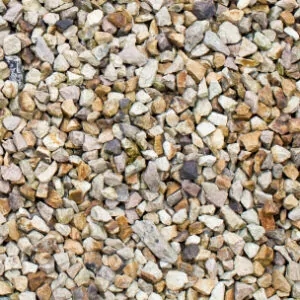

Bulk Aggregate & Gravel Products in Hot Springs, North Carolina
Local Topsoil, Dirt, Sand, Rocks and Gravel near me in Hot Springs, North Carolina
Shop Aggregates for Delivery in Hot Springs
Order online for free delivery to any Hot Springs address.
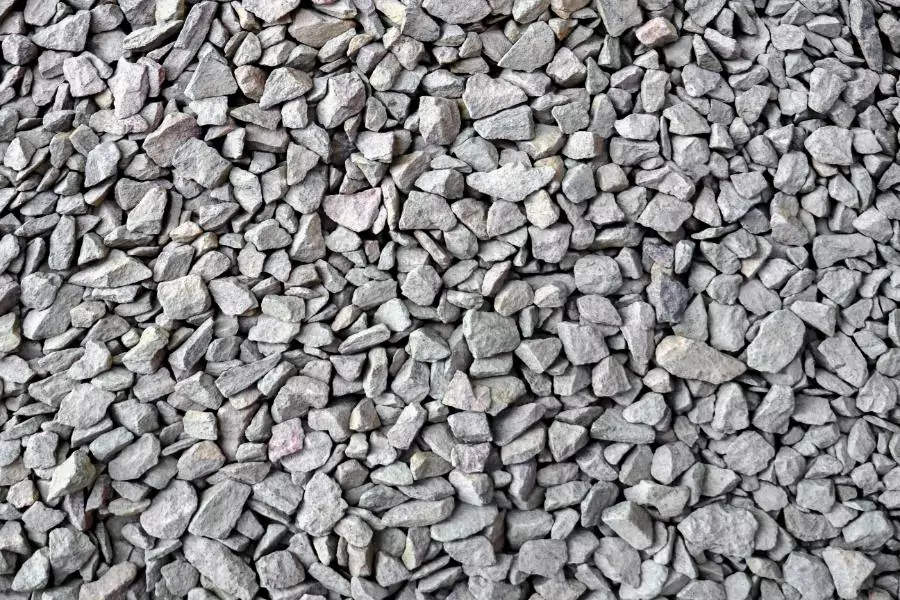
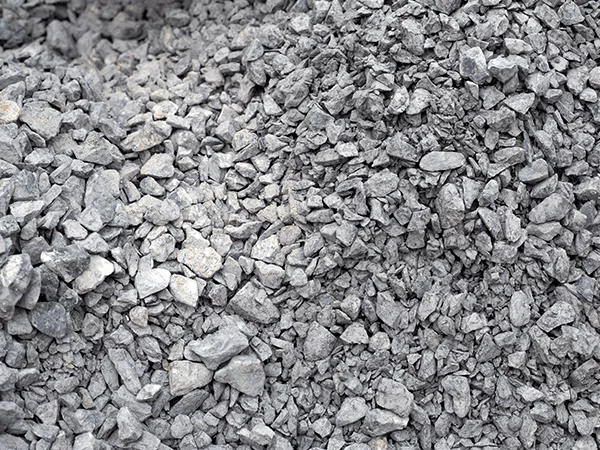


Gravel Monkey is your trusted source for premium gravel and aggregate delivery in Hot Springs, North Carolina. Whether you're building a mountain driveway near Spring Creek, installing drainage solutions along the French Broad River corridor, or creating walkways in the downtown historic district, we deliver high-quality aggregates directly to your property with absolutely free delivery. Our materials are specifically selected to handle the unique challenges of Appalachian mountain terrain, heavy rainfall, and the clay-rich soils characteristic of Madison County.
Comprehensive Aggregate Selection for Hot Springs Mountain Properties
Hot Springs sits at 1,326 feet elevation in the scenic Appalachian Mountains where the French Broad River cuts through Madison County. This unique geography creates specific challenges for construction and landscaping projects, including steep grades, heavy rainfall averaging over 50 inches annually, and the region's distinctive red clay soils. Gravel Monkey provides a complete selection of aggregates engineered to meet these mountain conditions:
- Driveway Gravel - Premium base material designed for steep mountain driveways and heavy vehicle traffic
- 3/4 Inch Crushed Stone - Versatile angular aggregate perfect for drainage and stable foundations on slopes
- #57 Stone - Industry-standard crushed stone ideal for French drains and driveway applications
- Crusher Run - Superior compaction aggregate that creates rock-solid bases on mountain terrain
- Road Base - Heavy-duty foundation material for private mountain roads and long driveways
- Pea Gravel - Smooth, rounded stones perfect for decorative landscaping around cabins and riverside properties
- River Rock - Natural aesthetic aggregate that complements French Broad River environments
- Walkway Gravel - Stable pathway material ideal for garden trails and outdoor spaces
- Drain Rock - Essential drainage stone for water management in high-rainfall mountain areas
- Decomposed Granite - Natural pathway material that compacts beautifully for rustic mountain aesthetics
- Topsoil - Rich, nutrient-dense soil for gardens and landscaping projects
- Fill Dirt - Quality grading material essential for leveling mountain property building sites
- Crushed Concrete - Eco-friendly recycled aggregate for sustainable construction projects
- Mason Sand - Fine-grade sand for masonry, paver installation, and construction applications
- Playground Sand - Safe, clean sand perfect for children's play areas and sandboxes
- Washed Sand - Premium clean sand for concrete mixing and landscaping applications
Understanding Hot Springs Mountain Geology and Soil Conditions
Hot Springs and the surrounding Madison County region sit within the ancient Appalachian Mountains, characterized by metamorphic and igneous bedrock formations overlaid with clay-rich residual soils. The area's distinctive red and orange clay soils are products of weathered mica schist and granite, creating challenging conditions for construction and drainage. Properties near Spring Creek, Paint Rock, and Trust frequently encounter steep grades, shallow bedrock, and seasonal water table fluctuations.
The region receives approximately 52 inches of rainfall annually, with precipitation distributed relatively evenly throughout the year but with peaks during spring and late summer. This consistent moisture, combined with the French Broad River's influence and numerous mountain streams, creates persistent drainage challenges. The freeze-thaw cycles common at Hot Springs' elevation further complicate construction, as moisture trapped in inadequate base materials can cause heaving and settling during winter months.
These geological factors make proper aggregate selection critical for project longevity. Angular crushed stone materials compact more effectively in clay soils than rounded gravel, while proper base depth—typically 6 to 8 inches for mountain driveways—ensures stability even during heavy rain events. Properties in Bluff and along the Appalachian Trail corridor particularly benefit from enhanced drainage solutions using quality stone aggregates.
Mountain Driveway Solutions for Hot Springs Properties
Hot Springs mountain driveways present unique engineering challenges not found in flat terrain. Steep grades, erosion from runoff, and the need for excellent traction during rain and occasional snow require careful material selection and proper installation techniques. Properties throughout the Silvermine Creek area and along Highway 209 toward Marshall particularly need durable driveway solutions that withstand both vehicle traffic and mountain weather conditions.
For steep mountain driveways, we recommend starting with a solid foundation of crusher run or road base, which provides superior compaction and load distribution. These materials contain a mix of stone sizes that lock together when compacted, creating a stable base that resists washout during heavy rain. A surface layer of driveway gravel or three-quarter inch crushed stone then provides the traction and drainage needed for safe vehicle operation on grades.
Proper drainage integration is essential for mountain driveways in Hot Springs. Installing drainage ditches or culverts at strategic intervals prevents water from running directly down the driveway surface, which causes erosion and creates ruts. Many properties near the French Broad River and in the downtown historic district benefit from cross-slope crowning that directs water to reinforced edges rather than allowing it to concentrate in wheel tracks.
Recommended Driveway Depth for Mountain Terrain
Unlike flat terrain driveways that may function with 3 to 4 inches of aggregate, Hot Springs mountain driveways typically require deeper profiles. We recommend 6 to 8 inches of total aggregate depth, installed in compacted lifts. The base layer of 4 to 5 inches provides structural integrity, while the top 2 to 3 inches offers proper drainage and surface traction. Properties with particularly steep grades or heavy vehicle use may benefit from even greater depth, especially where clay soils are prevalent.
Critical Drainage Solutions for High-Rainfall Mountain Environments
With Hot Springs receiving over 50 inches of annual rainfall—significantly above the national average—proper drainage is not optional but essential for property protection. Clay-rich Appalachian soils have poor natural drainage, causing water to pool on surfaces or create hydrostatic pressure against foundations. Properties in Spring Creek, Trust, and throughout the French Broad River watershed require proactive water management systems to prevent erosion, foundation damage, and saturated yards.
French drain systems using number 57 stone or drain rock effectively intercept and redirect subsurface water before it reaches foundations or creates boggy areas. These systems work particularly well on mountain properties where natural water flow follows topographic contours. Installing perforated pipe surrounded by clean stone aggregate captures water and channels it to safe discharge points away from structures and usable outdoor spaces.
Surface drainage solutions are equally important in Hot Springs' climate. Strategic placement of drainage swales lined with river rock or crusher run prevents erosion while managing stormwater runoff. Properties near Bluff and along Highway 25/70 often benefit from dry creek beds that provide both functional drainage and aesthetic landscaping elements. These features become particularly valuable during spring rain events and summer thunderstorms when mountain runoff intensifies.
| Aggregate Type | Best Mountain Applications | Compaction Level | Drainage Performance | Slope Stability |
|---|---|---|---|---|
| Crusher Run | Driveway base, road foundations, parking areas | Excellent | Good | Excellent |
| 3/4" Crushed Stone | Driveway surface, drainage, foundation work | Very Good | Excellent | Very Good |
| #57 Stone | French drains, driveway applications, utility work | Good | Excellent | Good |
| Road Base | Heavy-duty access roads, steep driveways | Excellent | Good | Excellent |
| Drain Rock | Drainage systems, foundation perimeter, retaining walls | Moderate | Superior | Good |
| Decomposed Granite | Pathways, patios, decorative surfaces | Very Good | Good | Good |
| Pea Gravel | Landscaping, decorative beds, light pathways | Low | Good | Moderate |
| River Rock | Decorative features, drainage accents, erosion control | Low | Excellent | Moderate |
Serving Hot Springs Neighborhoods and Surrounding Communities
Gravel Monkey proudly delivers premium aggregates throughout Hot Springs and the greater Madison County region. Our service area encompasses the diverse communities and neighborhoods that make this mountain region unique:
Downtown Historic District and French Broad River Corridor
The heart of Hot Springs features the historic downtown district along Bridge Street, where properties benefit from our decorative aggregates for walkways, landscaping, and parking areas. River rock and pea gravel complement the historic architecture while providing functional drainage solutions near the French Broad River. Many riverside properties and vacation rentals utilize our materials for creating attractive outdoor spaces that withstand seasonal flooding events.
Spring Creek Community
The Spring Creek area northeast of Hot Springs represents classic mountain living with properties ranging from riverside homes to elevated mountain sites. This community frequently requires substantial driveway materials due to steep access roads and the need for erosion control. Crusher run and road base are particularly popular in Spring Creek for creating stable driveways that handle the terrain's challenges while maintaining accessibility year-round.
Paint Rock and Trust Areas
Paint Rock and the Trust community to the northwest feature rural mountain properties where long driveways and private roads are common. These areas benefit from bulk aggregate delivery for maintaining extensive access routes. The combination of crusher run bases with crushed stone surfaces proves ideal for the miles of private roads serving mountain cabins and homesteads in these communities.
Bluff and Highway 209 Corridor
The Bluff area and properties along Highway 209 toward Marshall include a mix of residential developments and agricultural land. These properties often require fill dirt for grading and leveling building sites, combined with proper drainage aggregates to manage water flow from higher elevations. Mason sand and washed sand are popular here for construction projects ranging from home foundations to barn construction.
Silvermine Creek and Mountain Cabins
The Silvermine Creek area and surrounding mountain cabin communities represent some of Hot Springs' most scenic elevated properties. These locations require reliable aggregate delivery to maintain remote driveways and create functional outdoor spaces. Decomposed granite has become increasingly popular for cabin pathways and patios, providing a natural aesthetic that blends with the mountain environment while offering excellent compaction for stable surfaces.
Appalachian Trail Section and Max Patch Road
Properties near the Appalachian Trail and along Max Patch Road serve both residential and recreational purposes. These areas often need specialized aggregate solutions for parking areas that accommodate trail hikers and visitors. Crushed concrete offers an economical, environmentally friendly option for creating durable parking surfaces, while walkway gravel provides stable pathways for high foot traffic areas around trailheads and recreational facilities.
Seasonal Aggregate Planning for Hot Springs Climate
Hot Springs experiences four distinct seasons, each presenting unique challenges for aggregate applications and property maintenance. Understanding these seasonal patterns helps property owners plan projects for optimal results and long-term durability.
Spring: Managing Peak Rainfall and Runoff
Spring brings the heaviest rainfall to Hot Springs, with March through May seeing frequent rain events and occasional severe thunderstorms. This season tests drainage systems and can expose weaknesses in driveway construction. Many property owners use spring as an opportunity to install or enhance French drain systems using drain rock, or to repair winter damage with fresh crusher run and driveway gravel. The mild temperatures make spring ideal for major aggregate projects before summer heat arrives.
Summer: Perfect Construction and Landscaping Weather
Summer offers the most favorable conditions for aggregate installation in Hot Springs. Warm temperatures and lower humidity allow materials to compact effectively, while longer daylight hours provide extended working time for projects. This season is ideal for installing new driveways, creating pathways with decomposed granite or walkway gravel, and completing landscaping projects with pea gravel or river rock. Properties throughout Spring Creek and Paint Rock frequently schedule major projects during summer months.
Fall: Preparation for Winter Challenges
Fall represents a critical maintenance window in Hot Springs. Property owners should inspect driveways for damage, add fresh surface aggregate where needed, and ensure drainage systems are clear of leaves and debris before winter. Installing additional crushed stone or road base during fall prevents winter washout and prepares properties for freeze-thaw cycles. The cooler weather and lower humidity make fall comfortable for physical work while allowing adequate compaction.
Winter: Monitoring and Minor Repairs
While winters are generally mild in Hot Springs compared to higher elevations, freeze-thaw cycles still occur, particularly at night when temperatures drop below freezing. These cycles can cause heaving in improperly installed aggregates or create potholes in driveways with inadequate base depth. Winter is typically reserved for planning spring projects, though mild days allow for minor repairs using readily available materials from our year-round delivery service.
Aggregate Quantity Estimation for Common Hot Springs Projects
Accurately estimating aggregate quantities prevents both material shortages that delay projects and over-ordering that wastes money. Here are calculation guidelines for typical Hot Springs mountain property projects:
Mountain Driveway Construction
For a standard single-lane mountain driveway (10 feet wide, 100 feet long, 6 inches deep), calculate the volume in cubic yards: multiply length times width times depth in feet, then divide by 27. This example requires approximately 18.5 cubic yards of material. Most Hot Springs mountain driveways need 20 to 40 cubic yards of aggregate for proper construction, with half allocated to base materials like crusher run and half to surface materials like crushed stone.
French Drain Installation
A typical French drain (12 inches wide, 18 inches deep, 50 feet long) requires approximately 5.5 cubic yards of drain rock or number 57 stone. Hot Springs properties often need multiple French drains to address different drainage issues, so total quantities frequently range from 10 to 20 cubic yards. Properties with significant drainage challenges in Spring Creek or along the French Broad River may require even more extensive systems.
Pathway and Patio Projects
For pathways using decomposed granite or walkway gravel (4 feet wide, 50 feet long, 3 inches deep), you'll need approximately 2.5 cubic yards of material. Patios and outdoor living spaces typically require 3 to 4 inches of aggregate depth over properly compacted subgrade. A 200-square-foot patio needs approximately 2.5 cubic yards of pea gravel or river rock for the surface layer, plus additional base material for stability.
Erosion Control and Landscaping
Erosion control projects using river rock or crusher run vary widely based on slope severity and area coverage. As a general guideline, covering 100 square feet of slope 4 inches deep requires approximately 1.25 cubic yards of material. Madison County properties with significant elevation changes may need 10 to 30 cubic yards for comprehensive erosion control systems that protect against the region's heavy rainfall.
Professional Installation Techniques for Mountain Aggregates
Proper installation techniques maximize aggregate performance and longevity in Hot Springs' challenging mountain environment. While professional installation is always recommended for major projects, understanding proper methods helps property owners make informed decisions and ensure quality work.
Site Preparation and Excavation
All successful aggregate projects begin with thorough site preparation. Remove organic material, vegetation, and topsoil from the project area, excavating to proper depth plus 2 inches to accommodate base compaction. In Hot Springs' clay soils, consider installing landscape fabric before placing aggregates to prevent clay migration into stone layers. This step is particularly important for properties in Bluff and Trust where clay content is high.
Compaction and Lift Installation
Install aggregates in lifts (layers) of no more than 4 inches, compacting each lift thoroughly before adding the next. Use a vibrating plate compactor for small areas or a roller for larger projects like driveways. Proper compaction is critical in mountain terrain where gravity and water flow create additional stress on aggregate layers. Base materials like crusher run require particularly thorough compaction to achieve maximum density and stability.
Drainage Integration
Every aggregate installation in Hot Springs should include drainage considerations. Crown driveways slightly (2 to 3 percent slope from center to edges) to promote water runoff. Install drainage ditches, culverts, or French drains to intercept and redirect water before it reaches critical areas. Properties throughout Spring Creek and along the French Broad River corridor particularly benefit from integrated drainage systems that work in harmony with natural water flow patterns.
Edge Restraint and Confinement
Use proper edge restraints to prevent aggregate migration, especially on sloped applications. Options include pressure-treated timbers, concrete curbing, or steel edging depending on project scope and aesthetic preferences. Edge restraints are particularly important for pathways using pea gravel or decomposed granite, which can migrate without proper confinement. Many Hot Springs properties use natural stone edging that complements mountain aesthetics while providing functional containment.
Sustainable Aggregate Practices for Madison County
Hot Springs' mountain environment and proximity to the French Broad River watershed make environmental stewardship particularly important. Gravel Monkey prioritizes sustainable practices in aggregate sourcing and delivery while helping property owners minimize environmental impact.
Crushed concrete represents an excellent eco-friendly alternative to virgin stone aggregates. This recycled material performs well in many applications including driveway bases, parking areas, and utility work. Using recycled materials reduces demand on quarries while giving new life to construction waste. Properties committed to sustainable building practices throughout Hot Springs increasingly specify crushed concrete for appropriate applications.
Proper aggregate installation itself serves environmental purposes by controlling erosion and managing stormwater runoff. Well-designed drainage systems using drain rock and crushed stone prevent sediment from entering streams and rivers, protecting the French Broad River's water quality. Properties in the Appalachian Trail corridor and near Spring Creek particularly benefit from erosion control measures that protect both private land and public natural resources.
Permeable aggregate surfaces like pea gravel and river rock allow rainwater to infiltrate naturally rather than creating runoff that overwhelms drainage systems or causes erosion. These materials provide functional surfaces for pathways, patios, and parking areas while maintaining natural hydrologic processes. This approach aligns with modern stormwater management principles and reduces strain on municipal and natural drainage systems throughout Madison County.
Maintaining Aggregate Surfaces in Mountain Conditions
Regular maintenance extends the life of aggregate installations and preserves their functionality in Hot Springs' demanding climate. Different materials require specific maintenance approaches based on their characteristics and applications.
Driveway Maintenance
Gravel driveways need periodic regrading to restore proper crown and fill ruts or depressions. Plan to add fresh surface material every 2 to 3 years, typically 2 to 3 inches of crushed stone or driveway gravel. Spring provides an ideal maintenance window after winter freeze-thaw cycles reveal any damage. Properties with steep driveways in Paint Rock or along Highway 209 may require more frequent attention due to gravity-induced stone migration.
Drainage System Care
French drains and surface drainage features require annual inspection and cleaning. Remove accumulated sediment, leaves, and debris that can clog systems and reduce effectiveness. Check that drainage outlets remain clear and that water flows freely through aggregate layers. Many Hot Springs properties schedule drainage maintenance in fall before winter precipitation or in early spring after leaf season ends.
Pathway and Landscaping Maintenance
Decorative aggregate features using pea gravel, river rock, or decomposed granite benefit from periodic raking to restore level surfaces and redistribute materials. Edge restraints should be inspected for integrity, and escaped stones can be returned to proper areas. Add fresh material as needed to maintain desired depth, typically every 2 to 4 years depending on foot traffic and weather exposure.
Weed Control
While proper aggregate installation over landscape fabric minimizes weed growth, some maintenance remains necessary. Hand-pulling weeds when small prevents root establishment, while occasional application of environmentally friendly herbicides can provide additional control. Thick aggregate layers (4 inches or more) naturally suppress weed growth better than thin applications, making proper initial installation the best long-term weed prevention strategy.
Frequently Asked Questions About Aggregates in Hot Springs
For steep driveways common throughout Hot Springs and Spring Creek, we recommend starting with a crusher run or road base foundation for superior compaction and stability. Top this with 3/4 inch crushed stone or driveway gravel for excellent traction. Angular crushed stone performs significantly better on slopes than rounded gravel because the edges lock together and resist sliding. Plan for 6 to 8 inches total depth with proper compaction in lifts to handle the combination of steep grades and heavy rainfall our mountain region experiences.
Hot Springs receives over 50 inches of annual rainfall, making washout prevention critical. Install drainage ditches or culverts at strategic intervals to divert water off the driveway surface rather than allowing it to run straight down. Crown your driveway with a 2 to 3 percent slope from center to edges so water flows to the sides. Use properly compacted crusher run as a base layer, which resists erosion better than loose materials. Consider installing water bars (small berms angled across the driveway) on particularly steep sections to break up water flow and direct it safely to the sides.
Yes, Gravel Monkey provides free delivery throughout Madison County including Paint Rock, Trust, Bluff, Spring Creek, and all rural areas around Hot Springs. We understand that remote mountain properties often need bulk materials but face high delivery costs from other suppliers. Our free delivery service ensures that your location doesn't create additional expense, whether you're in downtown Hot Springs or maintaining a private road miles from the nearest highway.
For French drains in Hot Springs' clay-rich soils, use drain rock or number 57 stone around perforated drainage pipe. These clean, angular aggregates create void spaces that allow water to flow freely while preventing fine clay particles from clogging the system. Wrap the entire trench in landscape fabric before installing aggregate to provide additional protection against clay migration. Size your French drain system generously for our high rainfall climate—a typical residential system should be at least 12 inches wide and 18 to 24 inches deep for effective performance.
While DIY installation is possible for small, flat areas, Hot Springs mountain driveways typically benefit from professional installation due to steep grades, drainage complexity, and the importance of proper compaction. Professionals have equipment like plate compactors and grading tools that ensure proper installation. However, if you choose DIY, rent proper equipment rather than attempting hand work, install material in thin lifts with thorough compaction, and pay special attention to drainage features. For driveways longer than 100 feet or with significant slopes, professional installation provides better long-term results and value.
Most Hot Springs driveways benefit from fresh surface material every 2 to 3 years, typically 2 to 3 inches of crushed stone or driveway gravel. Steep driveways or those with heavy vehicle traffic may need more frequent attention. Spring offers an ideal maintenance window after winter freeze-thaw cycles, allowing you to repair any damage before summer use. Rather than waiting for severe deterioration, plan regular maintenance that preserves the base layer and prevents costly full reconstruction later.
Crusher run contains a mix of stone sizes from dust to larger angular pieces, typically up to 3/4 inch. This mixture compacts extremely well, with small particles filling voids between larger stones to create a dense, stable base. Crushed stone like 3/4 inch or number 57 consists of more uniform-sized angular pieces that provide excellent drainage and surface stability but don't compact as tightly as crusher run. For Hot Springs driveways, use crusher run or road base for the foundation layer and uniform crushed stone for the surface layer to get both stability and drainage performance.
For foundation perimeter drainage in Hot Springs' high-rainfall environment, use drain rock or number 57 stone. These aggregates provide 1 to 2 inch void spaces that allow water to flow freely away from foundations rather than creating hydrostatic pressure against basement walls. Install a 12 to 18 inch wide band of drainage aggregate around the entire foundation perimeter, sloped slightly away from the building. In our clay soils, this drainage layer is critical for preventing moisture problems and protecting foundation integrity during wet seasons.
Start Your Hot Springs Aggregate Project Today
Whether you're maintaining a mountain driveway in Spring Creek, installing drainage solutions near the French Broad River, or creating beautiful landscaping in the historic downtown district, Gravel Monkey delivers the quality aggregates you need with free delivery throughout Hot Springs and Madison County. Our materials are selected specifically to perform in Appalachian mountain conditions, handling steep grades, heavy rainfall, and clay soils that challenge lesser quality products.
Our knowledgeable team understands the unique challenges of Hot Springs properties, from navigating steep access roads to estimating proper quantities for mountain terrain. We're available to answer your questions, help you select the right materials for your specific project and location, and ensure timely delivery that keeps your project on schedule. From Paint Rock to Bluff, Trust to downtown Hot Springs, we're your trusted aggregate partner.
Contact Gravel Monkey today to discuss your project needs and discover why property owners throughout Madison County rely on us for premium aggregates delivered free to their location. Let us help you build driveways that last, drainage systems that work, and landscaping features that enhance your mountain property's beauty and functionality.

Need help? Reach out for a quote: