
Carteret County, North Carolina Free dump truck delivery
Gravel Delivery in Cedar Island, North Carolina
Local Topsoil, Dirt, Sand, Rocks and Gravel near me in Cedar Island, North Carolina
Free delivery to Cedar Island. Open a product to see your delivered price, then pick your delivery date on the product page when you choose your quantity.
- 4.9 on Reviews.io, 4.7 on Google
- Free delivery to every Cedar Island ZIP
- Loads from 2 tons
Get a quoteNeed pricing for a custom project? Send us your details below.
Driveway Gravel delivered to Cedar Island
Angular stone that locks under tires.

3/8" Driveway Gravel
Small 3/8" top dressing for a smoother driveway surface
Free delivery to Cedar Island
3/4" Driveway Gravel
3/4" stone for a firm driveway top layer that drains well
Free delivery to Cedar Island
1 1/2" Driveway Gravel
1-1/2" stone for driveways that carry trucks or heavy loads
Free delivery to Cedar Island
1"-1 1/2" Driveway Gravel
1" to 1-1/2" stone for a driveway's middle or base layer
Free delivery to Cedar Island
2"-3" Driveway Gravel
Large 2" to 3" base stone for new or soft, rutted driveways
Free delivery to Cedar Island
Not sure which material or tonnage you need?Tell us about your project and we will send a delivered quote.
Get a quoteCrushed Stone delivered to Cedar Island
Clean angular stone for base, drainage and concrete.

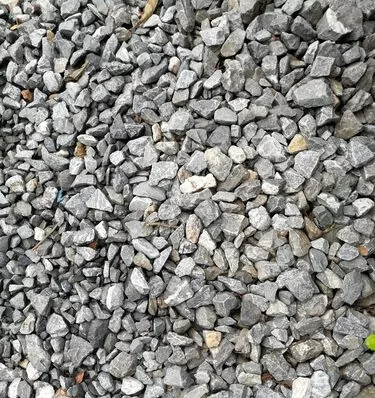

#10 Rock Screenings (Stone Dust)
Stone dust for leveling, paver bedding and paver joints
Free delivery to Cedar Island

3/8" Crushed Stone
Fine 3/8" stone for paths, patios and driveway top dressing
Free delivery to Cedar Island

3/4" Crushed Stone
Angular 3/4" stone for driveways, drainage and slab bases
Free delivery to Cedar Island
1"-1 1/2" Crushed Stone
1" to 1-1/2" stone for driveway base and drainage trenches
Free delivery to Cedar Island
2"-3" Crushed Stone
Large 2" to 3" stone for heavy base and drainage swales
Free delivery to Cedar Island
#57 Crushed Stone
3/4" to 1" all-purpose stone for drainage, bases and drives
Free delivery to Cedar Island
Crushed Concrete delivered to Cedar Island
Recycled aggregate for base and fill at a lower cost.
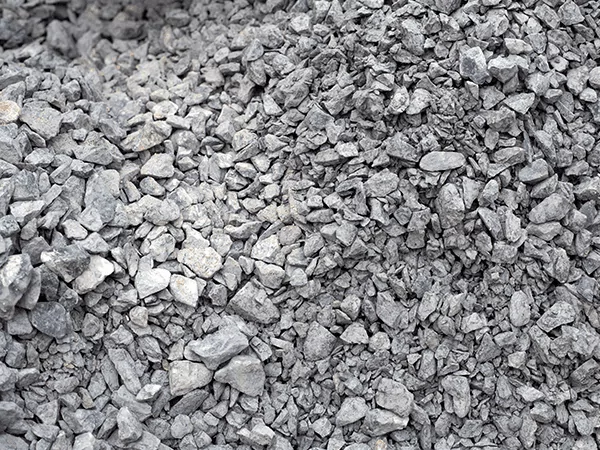
Crushed Concrete
Recycled 1" minus base that packs hard for drives and pads
Free delivery to Cedar Island
3/8" Crushed Concrete
Recycled 3/8" for walkways, patios and paver bedding
Free delivery to Cedar Island
3/4" Crushed Concrete
Recycled 3/4" for driveways, parking areas and slab bases
Free delivery to Cedar Island
1"-1 1/2" Crushed Concrete
Recycled 1" to 1-1/2" for paths, bases and erosion control
Free delivery to Cedar Island
2"-3" Crushed Concrete
Recycled 2" to 3" rock for heavy base and muddy access roads
Free delivery to Cedar Island
Base Materials delivered to Cedar Island
Compacting layers that go under driveways, pads and pavers.
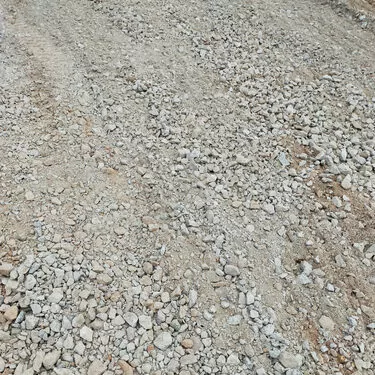
Crusher Run
Stone-and-dust blend that compacts into a firm driveway base
Free delivery to Cedar Island


Decomposed Granite
Fine granite that packs into natural paths and patio floors
Free delivery to Cedar Island
Drainage Rock delivered to Cedar Island
Washed stone that lets water through.

Decorative Gravel & River Rock delivered to Cedar Island
Rounded natural stone for beds, borders and paths.

3/8" Natural Pea Gravel
Small rounded 3/8" stones for paths, patios and play areas
Free delivery to Cedar Island

2-4" River Rock
Large 2" to 4" stones for dry creek beds and bold accents
Free delivery to Cedar Island
Walkway Gravel delivered to Cedar Island
Stone that stays comfortable underfoot.

3/8" Walkway Gravel
3/8" gravel that stays comfortable underfoot on a path
Free delivery to Cedar Island

3/4" Walkway Gravel
3/4" gravel for paths that also take a wheelbarrow or mower
Free delivery to Cedar Island
1"-1 1/2" Walkway Gravel
1" to 1-1/2" gravel for path edging and the base under walks
Free delivery to Cedar Island
2"-3" Walkway Gravel
Large 2" to 3" stone for path borders and drainage edges
Free delivery to Cedar Island
Crushed Gravel delivered to Cedar Island
Crushed gravel in every common size.

3/8" Crushed Gravel
3/8" gravel for walkways and as a driveway's top layer
Free delivery to Cedar Island
3/4" Crushed Gravel
3/4" gravel that locks together for driveways and drainage
Free delivery to Cedar Island
1"-1 1/2" Crushed Gravel
1" to 1-1/2" gravel for driveway base and parking pads
Free delivery to Cedar Island
1 1/2" Crushed Gravel
1-1/2" gravel for drainage systems and under driveways
Free delivery to Cedar Island
2"-3" Crushed Gravel
2" to 3" gravel for road base and areas that move water
Free delivery to Cedar Island
Sand delivered to Cedar Island
Mason, washed and play sand.


Mulch, Soil & Dirt delivered to Cedar Island
Topsoil, fill dirt and hardwood mulch.


Shredded Hardwood Mulch
Hardwood mulch for beds and trees; holds water, stops weeds
Free delivery to Cedar Island
How delivery works in Cedar Island
- 1Pick your material and load size.Use the calculator if you are not sure. Under 15 tons is usually one truckload.
- 2Choose a delivery date when you choose your quantity.Our team confirms the details, then reminds you the day before and the day of drop-off.
- 3A dump truck drops the load where you point.Someone on site guides the driver to the spot. We do not spread material by hand.
Cedar Island sits at the edge of North Carolina's Crystal Coast, where Core Sound meets the Atlantic Ocean. This remote coastal community presents unique challenges for property owners due to its high water table, sandy soil composition, and exposure to saltwater environments. Gravel Monkey delivers premium aggregates and landscaping materials directly to Cedar Island properties, helping residents and contractors build durable structures that withstand coastal conditions. Whether you're improving a driveway near the ferry terminal, installing drainage systems along Core Sound, or creating stable foundations in the Lola community, we provide the specialized materials your coastal project demands with completely free delivery.
Premium Aggregates for Cedar Island Coastal Properties
Cedar Island's unique geographic position requires aggregates specifically suited to high-moisture environments, sandy substrates, and occasional saltwater exposure. Our complete selection addresses every coastal construction and landscaping challenge:
- Driveway Gravel: Durable base material that resists washout in coastal conditions
- 3/4 inch Crushed Stone: Versatile aggregate for foundations and drainage applications
- #57 Stone: Premium drainage stone ideal for Cedar Island's high water table
- Crusher Run: Compactable base that creates stable surfaces on sandy soil
- Road Base: Heavy-duty foundation material for roads and parking areas
- Drain Rock: Essential for managing Cedar Island's water table issues
- Pea Gravel: Rounded stones for landscaping and decorative applications
- River Rock: Natural aesthetic stone that resists erosion
- Walkway Gravel: Attractive, functional material for coastal pathways
- Crushed Concrete: Sustainable recycled aggregate for base layers
- Topsoil: Nutrient-rich soil for gardens and lawn establishment
- Fill Dirt: Essential for grading and elevation on low-lying properties
- Mason Sand: Fine sand for construction and masonry work
- Playground Sand: Safe, clean sand for residential play areas
- Washed Sand: Clean sand for multiple landscaping uses
- Decomposed Granite: Natural material for pathways and xeriscaping
Understanding Cedar Island's Unique Soil and Climate Conditions
Cedar Island occupies a narrow barrier island extension in eastern Carteret County, where geological and environmental factors significantly impact construction decisions. The area sits on unconsolidated sediments from the Quaternary period, consisting primarily of fine to medium sand with high organic content from maritime forest vegetation and marsh environments.
Coastal Plain Geology
The entire Cedar Island region rests atop the Atlantic Coastal Plain, characterized by poorly consolidated sediments deposited over millions of years. The water table sits exceptionally high, often within two to four feet of the surface, creating constant moisture challenges. This sandy substrate provides minimal structural support without proper aggregate bases, leading to settling and instability in driveways, foundations, and pathways. Properties throughout the community, from Highway 12 to waterfront locations along Cedar Island Bay, require specialized aggregate solutions to combat these inherent soil limitations.
Climate and Weather Impact
Cedar Island experiences a humid subtropical climate with hot, humid summers and mild winters. Average temperatures range from 40°F in January to 85°F in July, with annual rainfall exceeding 55 inches. Hurricane season brings the most significant challenges, with storm surge, flooding, and high winds regularly impacting the island. Nor'easters during fall and winter create additional moisture and erosion concerns. These weather patterns make proper drainage and stable aggregate bases absolutely critical for any construction or landscaping project in the area.
Saltwater and Moisture Exposure
Being surrounded by Core Sound, Cedar Island Bay, and the Atlantic Ocean means properties face constant saltwater exposure through spray, storm surge, and groundwater intrusion. This saline environment affects material selection, as traditional aggregates must resist salt degradation while providing excellent drainage to manage the omnipresent moisture. The combination of sandy soil, high water table, and saltwater creates unique engineering challenges that standard materials cannot adequately address.
Aggregate Applications for Cedar Island Properties
Driveway Construction and Stabilization
Cedar Island's sandy soil makes driveway construction particularly challenging. Without a proper aggregate base, vehicles quickly create ruts and washboard surfaces. The key to a lasting driveway involves layering materials for maximum stability. Start with a foundation layer of road base or crusher run, which compacts firmly even on sandy substrates. This creates a stable platform that distributes vehicle weight and prevents settling. Top this base with driveway gravel for the wearing surface, providing traction and drainage while resisting displacement from vehicle traffic and weather.
Properties near the Cedar Island Ferry Terminal and along Highway 12 face additional traffic challenges, requiring thicker base layers, typically six to eight inches of compacted material. The combination of proper depth and quality aggregates ensures driveways remain functional through the frequent storms and heavy moisture conditions characteristic of this coastal environment.
Drainage Solutions for High Water Table
Water management represents the single most critical challenge for Cedar Island property owners. The shallow water table, combined with heavy rainfall and occasional storm surge, creates persistent standing water issues. Effective drainage systems typically incorporate multiple aggregate types working together. French drains constructed with drain rock or number 57 stone provide pathways for water to flow away from structures. These angular stones create void spaces that remain open even under pressure, allowing water to move efficiently through the drainage system.
Many properties in the Lola area and near Core Sound waterfront require extensive drainage networks to keep foundations and yards functional. Proper aggregate selection and installation prevent the soil saturation that leads to foundation problems, mosquito breeding, and vegetation stress. The investment in quality drainage aggregates pays dividends through reduced maintenance and improved property usability throughout the year.
Foundation and Site Preparation
Building on Cedar Island's sandy soil demands thorough site preparation with appropriate aggregates. Foundation areas require excavation below the organic layer to reach more stable sand, followed by compacted aggregate bases that distribute structural loads. Crushed stone creates an excellent foundation base, providing both stability and drainage. This prevents the differential settling that cracks foundations and causes structural damage.
For properties undertaking new construction or significant renovations, fill dirt helps establish proper grades and elevation. Given Cedar Island's low elevation and flood risk, raising building sites above potential storm surge levels is often necessary. Quality fill dirt, properly compacted in lifts, creates stable building platforms that support structures while managing water flow around foundations.
Erosion Control and Waterfront Protection
Properties along Core Sound, Cedar Island Bay, and tidal creeks face ongoing erosion challenges. River rock and larger stone materials provide natural-looking erosion control that withstands wave action and tidal forces. These rounded stones dissipate wave energy while allowing water to flow through, preventing the buildup of pressure that causes undermining. Strategically placed stone also creates habitat for marine life while protecting valuable property from loss to erosion.
Combining aggregates with vegetation creates the most effective erosion control systems. Stone provides immediate protection while marsh grasses and other coastal plants establish root systems that further stabilize shorelines. This integrated approach works particularly well for properties throughout Cedar Island's waterfront areas.
Aggregate Selection Guide for Cedar Island Projects
Choosing the right aggregate depends on your specific application and local conditions. This comparison helps Cedar Island property owners select optimal materials:
| Aggregate Type | Best Applications | Drainage Rating | Coastal Suitability |
|---|---|---|---|
| Crusher Run | Driveway base, parking areas, road foundations | Moderate | Excellent, compacts well on sand |
| #57 Stone | Drainage systems, French drains, foundation drainage | Excellent | Superior, resists saltwater degradation |
| 3/4 inch Crushed Stone | General purpose base, pathways, under concrete | Good | Very Good, versatile coastal aggregate |
| Road Base | Heavy-duty roads, commercial drives, structural support | Moderate | Excellent, maximum stability |
| Drain Rock | Septic systems, foundation drains, water management | Excellent | Superior, designed for wet conditions |
| Pea Gravel | Decorative landscaping, walkways, gardens | Good | Good, attractive and functional |
| River Rock | Erosion control, decorative features, waterfront | Good | Excellent, natural erosion resistance |
| Crushed Concrete | Eco-friendly base layers, temporary roads | Moderate | Good, sustainable option |
Serving All Cedar Island Communities
Gravel Monkey provides free delivery throughout Cedar Island and surrounding areas. We understand the unique access challenges and material requirements of each community:
Cedar Island Ferry Terminal Area
Properties near the ferry terminal require materials that handle heavy traffic and constant moisture exposure. Commercial operations and residential properties alike benefit from our durable aggregates designed for high-use coastal environments. The proximity to saltwater makes proper drainage and erosion-resistant materials essential.
Highway 12 Corridor
Running the length of Cedar Island, Highway 12 properties face unique challenges from road traffic, wind exposure, and limited elevation. Driveways along this route need substantial aggregate bases to remain stable and functional. Our crusher run and road base materials provide the foundation stability these properties require.
Lola Community
The historic Lola area features a mix of residential properties and working waterfronts. Many homes in this community sit close to water, requiring excellent drainage solutions and erosion control measures. Our drain rock and river rock materials address these specific coastal challenges while maintaining the area's natural character.
Core Sound Waterfront
Properties along Core Sound enjoy spectacular water views but face constant erosion and moisture challenges. Waterfront locations require specialized aggregates for shoreline protection, drainage, and stable foundations. We supply materials specifically selected for these demanding coastal applications.
Cedar Island Bay Properties
Homes and businesses facing Cedar Island Bay experience direct saltwater exposure and storm surge risks. These properties benefit from complete aggregate solutions including erosion control stone, superior drainage materials, and elevated building platforms constructed with quality fill dirt and compacted aggregate bases.
Atlantic Coastal Areas
Properties nearest the Atlantic Ocean face the most severe coastal conditions including salt spray, storm surge, and wind-driven sand movement. These locations require the most solid aggregate applications with maximum drainage capacity and erosion resistance. Our premium materials help protect these vulnerable properties from the elements.
Nearby Communities We Serve
Our delivery area extends beyond Cedar Island proper to serve neighboring coastal communities including Atlantic, Sea Level, Davis, Stacy, and Smyrna. Each of these areas shares similar geological and environmental conditions, making our coastal-specific aggregate expertise valuable throughout eastern Carteret County.
Why Cedar Island Property Owners Choose Gravel Monkey
Serving Cedar Island's unique coastal environment requires more than just delivering materials, it demands understanding the specific challenges island properties face:
Coastal Environment Expertise
We recognize that Cedar Island isn't like mainland communities. The combination of sandy soil, high water table, saltwater exposure, and storm vulnerability requires specialized knowledge. Our team understands which aggregates perform best in these conditions and how to properly apply them for maximum effectiveness and longevity.
Free Delivery to Remote Locations
Cedar Island's geographic isolation makes material delivery challenging and expensive with most suppliers. We provide completely free delivery throughout the island and surrounding areas, eliminating the premium costs typically associated with serving remote coastal communities. This makes quality aggregates accessible and affordable for all Cedar Island property owners.
Quality Materials for Harsh Conditions
Coastal environments test materials in ways that mainland locations don't. Our aggregates are specifically selected to withstand saltwater exposure, constant moisture, and storm impacts. We don't supply materials that merely work, we provide aggregates proven to excel in challenging coastal conditions like those found throughout Cedar Island.
Professional Consultation
Choosing the right aggregate and determining proper quantities can be complex, especially for property owners unfamiliar with coastal construction requirements. Our team provides expert guidance based on your specific project, location, and goals. We help calculate quantities, recommend materials, and explain installation best practices to ensure successful outcomes.
Flexible Ordering and Reliable Service
We understand that coastal projects often face weather delays and scheduling challenges. Our flexible ordering process accommodates the realities of working in Cedar Island's environment. When we commit to a delivery, we follow through regardless of access challenges or weather conditions, ensuring your project stays on track.
Aggregate Installation Tips for Cedar Island Success
Proper installation makes the difference between aggregates that last decades and materials that fail within seasons. Follow these guidelines for optimal results in Cedar Island's challenging environment:
Site Preparation
Begin any aggregate project by removing organic material, vegetation, and loose sand. Cedar Island's sandy soil contains significant organic content from maritime forest vegetation, which compresses and decomposes over time causing settling. Excavate to stable sand before adding aggregates. For driveways and foundations, this typically means removing the top six to twelve inches of material.
Proper Depth and Layering
Coastal conditions demand greater aggregate depths than mainland projects. For driveways in Cedar Island, install at least four to six inches of compacted base material, topped with two to three inches of surface aggregate. High-traffic areas or locations with particularly poor soil may require even greater depths. Install aggregates in lifts no more than four inches thick, compacting each layer thoroughly before adding the next.
Compaction Methods
Proper compaction transforms loose aggregates into stable, load-bearing surfaces. Rent a plate compactor for smaller projects or a vibratory roller for larger areas. Make multiple passes over each layer, overlapping slightly to ensure uniform compaction. The sandy substrate beneath requires firm compaction to prevent future settling. Adequate compaction is especially critical given Cedar Island's high moisture content which can soften aggregate bases over time.
Drainage Integration
Never install aggregates without considering drainage. Cedar Island's water table requires that every aggregate project incorporate water management. Slope driveways and pathways away from structures at minimum two percent grade. Install French drains along foundation perimeters using drain rock wrapped in geotextile fabric. Direct water toward natural drainage patterns or designated collection areas. Poor drainage undermines even the best aggregate installations.
Edge Restraints
Coastal weather and traffic gradually displace aggregates without proper edge containment. Install pressure-treated timber, concrete curbing, or steel edging along driveway and pathway borders. These restraints maintain aggregate position during storms and heavy use, dramatically extending the life of your installation. Edge restraints are particularly important along Highway 12 properties where traffic and wind combine to accelerate material displacement.
Seasonal Considerations for Cedar Island Aggregate Projects
Cedar Island's coastal climate creates distinct seasonal patterns that impact aggregate project timing and success.
Spring and Summer Installation
April through August offers the most favorable conditions for aggregate projects in Cedar Island. Warmer temperatures and lower rainfall (relatively speaking) create optimal working conditions. However, summer also brings hurricane season beginning in June. Monitor weather forecasts carefully and avoid starting major projects when tropical systems threaten. The frequent afternoon thunderstorms during summer require scheduling deliveries and installations for morning hours when possible.
Fall Hurricane Season
September and October represent peak hurricane months for coastal North Carolina. While weather can be pleasant between storms, the risk of project disruption remains high. If working during this period, ensure adequate drainage is installed before hurricanes arrive. Post-storm inspection often reveals areas needing additional aggregate to repair washouts and erosion damage.
Winter Projects
November through March brings milder weather than most of the country experiences, making winter aggregate projects feasible in Cedar Island. Nor'easters create the primary concern during these months, bringing heavy rain, high winds, and occasional coastal flooding. However, the ground rarely freezes, and many contractors prefer winter work due to reduced insect activity and cooler working conditions. Drainage systems installed before winter help manage the substantial rainfall this season brings.
Frequently Asked Questions About Aggregates in Cedar Island
What aggregates does Gravel Monkey deliver in Cedar Island?
We deliver a complete range of aggregates including driveway gravel, crushed stone, number 57 stone, pea gravel, river rock, crusher run, road base, drain rock, topsoil, fill dirt, crushed concrete, decomposed granite, and various sand types throughout Cedar Island and the surrounding coastal communities.
Is delivery free in Cedar Island, North Carolina?
Yes! Gravel Monkey offers FREE delivery to Cedar Island and surrounding areas in Carteret County for all gravel and aggregate orders. We understand the unique logistics of serving coastal communities.
What aggregates work best for Cedar Island's coastal environment?
For Cedar Island's high water table and sandy coastal soil, we recommend drain rock and number 57 stone for excellent drainage, crusher run for stable driveways, and river rock for erosion control. These materials handle saltwater exposure and moisture better than standard options.
How much aggregate do I need for my Cedar Island property?
Calculate length times width times depth in feet, then divide by 27 for cubic yards. For driveways in Cedar Island, we recommend 4 to 6 inches depth due to the sandy soil base. Our team can help estimate your specific needs based on local conditions.
Can aggregates help with drainage issues in Cedar Island?
Absolutely. Cedar Island's high water table and frequent storms create drainage challenges. Drain rock, number 57 stone, and crusher run provide excellent water management solutions. Many properties near Core Sound and Cedar Island Bay use these materials for French drains and foundation drainage.
What sand types are available for Cedar Island projects?
We offer mason sand for construction work, playground sand for safe play areas, and washed sand for landscaping projects. Each type is selected for quality and delivered fresh to your Cedar Island location.
Do you deliver to properties near the Cedar Island Ferry Terminal?
Yes, we deliver throughout Cedar Island including properties near the ferry terminal, along Highway 12, Core Sound waterfront, Lola community, and surrounding unincorporated areas. Free delivery covers the entire Cedar Island region.
What makes Cedar Island soil challenging for construction?
Cedar Island sits on sandy coastal plain soil with a high water table and organic content. The soil drains poorly and provides limited structural support. Proper aggregate bases are essential for driveways, foundations, and any construction to prevent settling and water damage.
Ready to Start Your Cedar Island Aggregate Project?
Whether you're stabilizing a driveway near the ferry terminal, installing drainage systems along Core Sound, or protecting waterfront property from erosion, Gravel Monkey delivers the specialized aggregates Cedar Island's coastal environment demands. Our team understands the unique challenges of working on barrier island properties with sandy soil, high water tables, and saltwater exposure.
We provide expert consultation to help you select the right materials for your specific location and application. With free delivery throughout Cedar Island and surrounding Carteret County communities, quality coastal aggregates have never been more accessible or affordable. Contact us today to discuss your project needs and experience the difference that coastal expertise makes in material selection and delivery service.
Need a quote for a bigger Cedar Island job?
Send the address, the material and how much you need, and our team gets back to you with a quote.

Free delivery to the Cedar Island area!
Need help? Reach out for a quote: