Shop Bulk Materials & Gravel in Tiller, Oregon
Local Topsoil, Dirt, Sand, Rocks and Gravel near me in Tiller, Oregon
Shop Aggregates for Delivery in Tiller
Order online for free delivery to any Tiller address.


Gravel Monkey delivers high-quality aggregates and landscaping materials throughout Tiller, Oregon, serving properties along the South Umpqua River, Camp Creek, and the surrounding Umpqua National Forest region. Whether you're maintaining a remote mountain property, building a driveway in this rugged Douglas County community, or managing forestry roads, we provide free delivery of premium gravel, crushed stone, and specialty aggregates directly to your site. Our materials are specifically selected to perform in Tiller's challenging climate with heavy winter rainfall, seasonal temperature swings, and the unique volcanic soils of the Cascade foothills.
Complete Aggregate & Material Selection for Tiller Properties
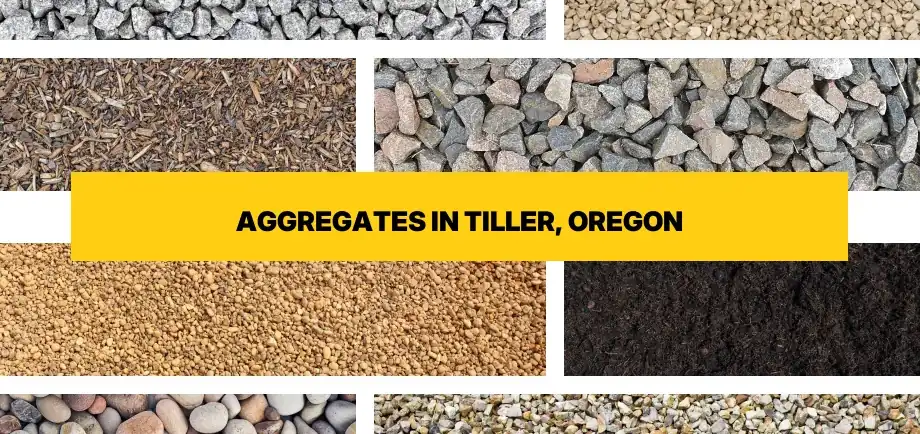
Tiller's remote location and mountainous terrain demand durable, high-performance aggregates. We supply professional-grade materials for residential properties, forestry operations, and rural construction projects throughout the area:
- Driveway Gravel - Heavy-duty surface material for long mountain driveways
- 3/4 inch Crushed Stone - Versatile aggregate for foundations and base layers
- #57 Stone - Standard drainage and concrete mix aggregate
- Crusher Run - Excellent compacting base for rural roads
- Road Base - Professional-grade material for forestry and access roads
- Drain Rock - Essential for managing heavy rainfall drainage
- Pea Gravel - Decorative landscaping stone
- River Rock - Natural aesthetic for mountain properties
- Crushed Concrete - Eco-friendly recycled aggregate
- Decomposed Granite - Natural pathway material
- Topsoil - Nutrient-rich soil for mountain gardens
- Fill Dirt - Grading material for challenging terrain
- Mason Sand - Fine sand for masonry projects
- Playground Sand - Safe, clean play area material
- Washed Sand - Multi-purpose clean sand
- Walkway Gravel - Stable paths through wooded properties
Understanding Tiller's Unique Climate & Geology for Aggregate Projects
Tiller sits at approximately 1,100 feet elevation in the western Cascade Range foothills, where the South Umpqua River winds through steep, forested valleys. This location creates specific challenges that affect material selection and construction practices.
Rainfall and Water Management
Tiller receives substantial annual precipitation, primarily between October and May, with average rainfall exceeding 50 inches per year. Winter storms can deposit several inches of rain in short periods, making drainage the primary concern for any property improvement. The area's volcanic soils, derived from ancient lava flows and ash deposits, contain significant clay content that can become saturated and unstable during wet seasons. Proper aggregate bases using clean angular stone are essential for maintaining stable driveways, roads, and building sites. The South Umpqua River and numerous seasonal creeks demonstrate the region's high water table and drainage challenges.
Temperature Variations and Freeze-Thaw Cycles
While Tiller experiences milder winters than higher Cascade elevations, temperatures regularly drop below freezing from December through February, with occasional dips into the teens Fahrenheit. These freeze-thaw cycles cause moisture trapped in poor aggregate bases to expand and contract, leading to heaving, cracking, and deterioration. Well-compacted crushed stone bases with proper drainage prevent frost damage by allowing water to drain rather than freeze in place.
Volcanic Soil Characteristics
The native soils around Tiller consist of weathered volcanic material mixed with organic forest debris. These soils typically contain volcanic rock fragments, clay, and decomposed organic matter. While fertile for forestry, these soils provide challenging building conditions. The clay component expands when wet and shrinks when dry, creating unstable conditions for structures and paved surfaces. Rocky substrates from volcanic parent material mean excavation often encounters fractured basalt and other volcanic rock. Professional-grade aggregate bases overcome these soil limitations by creating stable, well-draining foundations that perform regardless of soil moisture conditions.
Aggregate Applications for Tiller Mountain Properties
Driveway Construction for Long Rural Access Roads
Many Tiller properties feature driveways extending hundreds or even thousands of feet from the main road, often climbing steep grades through forested terrain. These extended driveways require substantial aggregate investment but are essential for year-round property access. The best approach uses a multi-layer system: excavate to stable subgrade, install geotextile fabric to prevent mixing with native soil, add 6-8 inches of compacted crusher run for the base layer, and finish with 3-4 inches of angular driveway aggregate for the wearing surface. This system handles heavy logging trucks, prevents rutting during wet seasons, and minimizes maintenance needs. Properties along Camp Creek and other drainages benefit from cross-slope grading and strategic culvert placement to manage water flow across the driveway surface.
Drainage Systems for Wet Season Management
Effective drainage is non-negotiable in Tiller's high-rainfall environment. French drains using drain rock wrapped in filter fabric intercept groundwater before it reaches foundations or causes slope instability. Driveway cutoff drains prevent water from flowing down the road surface, reducing erosion and washouts. Properties on slopes near the South Umpqua River or tributary creeks often require comprehensive drainage planning to manage both surface runoff and subsurface water movement. Clean angular aggregates like #57 stone provide the void space necessary for water to flow freely through drainage structures while filter fabric prevents soil migration that clogs systems over time.
Building Sites and Foundation Preparation
Preparing building sites in Tiller's hilly terrain often requires significant cut-and-fill work to create level pads. Imported fill dirt establishes proper grades, while compacted crushed stone bases provide stable foundations that won't settle or shift. The area's volcanic soils can be excavated relatively easily but don't compact well without proper moisture content and compaction equipment. Aggregate bases using 3/4 inch crushed stone create stable platforms for everything from mountain cabins to equipment storage buildings. Proper site drainage directed away from structures using road base channels and surface grading prevents the water accumulation that undermines foundations and causes structural problems.
Choosing the Right Aggregate for Your Tiller Project
Different projects require different materials. Understanding aggregate characteristics helps ensure successful outcomes:
| Material Type | Best Applications | Key Benefits | Compaction Rating |
|---|---|---|---|
| Crusher Run | Road bases, driveway foundations | Excellent compaction, locks together | Excellent |
| 3/4 inch Crushed Stone | General construction, drainage layers | Versatile, good drainage, stable | Very Good |
| Road Base | Forestry roads, heavy-duty driveways | Maximum durability, handles heavy loads | Excellent |
| Drain Rock | French drains, foundation drainage | Maximum water flow, clean stone | Good |
| #57 Stone | Concrete aggregate, septic systems | Uniform size, meets specifications | Good |
| Decomposed Granite | Walking paths, natural landscaping | Natural appearance, compacts well | Very Good |
| Pea Gravel | Decorative landscaping, ground cover | Attractive, weed suppression | Fair |
| Crushed Concrete | Utility projects, temporary roads | Cost-effective, environmentally friendly | Very Good |
Serving Tiller and Surrounding Douglas County Communities
Our delivery service extends throughout the Tiller area and neighboring regions:
Primary Service Area
We deliver throughout the Tiller community along Highway 227, serving properties on both sides of the South Umpqua River. From Camp Creek Road to Drew and extending toward the Umpqua National Forest boundary, we reach remote mountain properties that other suppliers can't or won't serve. Properties along Jackson Creek, South Fork Camp Creek, and other tributaries receive the same professional service and quality aggregates as more accessible locations.
Extended Delivery Range
Beyond Tiller proper, we service properties toward Canyonville to the northwest and Days Creek to the west. Our delivery drivers know the mountain roads and can navigate narrow forestry roads and steep driveways that challenge typical delivery vehicles. We also deliver to recreational properties and forestry operations in the surrounding Umpqua National Forest region, including areas near Jackson and Cavitt Creeks.
Regional Connections
Tiller's location connects to larger Douglas County communities like Roseburg and Canyonville, providing access to services while maintaining its remote mountain character. We coordinate deliveries from our suppliers to ensure fresh, high-quality aggregates reach even the most remote properties. Whether you're near the South Umpqua River at lower elevations or on ridgetop property with spectacular views, Gravel Monkey delivers.
Specialty Aggregate Projects in the Tiller Region
Forestry and Logging Road Maintenance
Tiller's economy historically centered on timber, and many properties include forestry roads requiring regular maintenance. Road base and crusher run provide durable surfaces that handle loaded logging trucks while resisting rutting during wet seasons. Proper road maintenance using quality aggregates protects your forest investment by enabling year-round access for management activities. Strategic placement of aggregates in low spots and stream crossings prevents costly washouts and maintains access.
Recreational Property Development
The Tiller area attracts outdoor enthusiasts seeking mountain retreats with access to fishing, hunting, and hiking. Developing recreational properties requires balancing minimal environmental impact with necessary access and amenities. Walkway gravel creates natural-looking paths through wooded areas, while pea gravel around cabins provides clean, attractive ground cover that suppresses weeds and mud. River rock adds natural beauty to water features or decorative landscaping that complements the mountain environment.
Garden and Landscaping Projects
Despite the challenging soils, many Tiller residents maintain productive gardens by amending native soil with quality topsoil and creating raised beds. Our topsoil products provide the organic matter and nutrients lacking in volcanic soils. Decomposed granite creates attractive, low-maintenance pathways between garden beds, while mason sand improves soil texture for better drainage and root development. The region's cool, moist growing season suits many vegetables and berries when proper soil amendments are used.
Erosion Control and Slope Stabilization
Tiller's steep terrain and heavy rainfall create significant erosion potential, especially on disturbed slopes from construction or logging. Large river rock placed along stream banks and drainage channels prevents erosion while maintaining natural aesthetics. Crushed stone retaining wall bases provide stable foundations for terracing steep properties. Proper aggregate use in erosion control protects property values and prevents sediment damage to the South Umpqua River and its tributaries, which support important salmon and steelhead populations.
Technical Guidance for Aggregate Projects in Mountain Terrain
Calculating Material Quantities
Accurate material estimation prevents shortages that delay projects or excess that wastes money. For driveway projects, measure length and width in feet, then multiply by the depth in inches divided by 12 to get cubic feet. Divide cubic feet by 27 to convert to cubic yards. A 200-foot driveway that's 12 feet wide with 6 inches of aggregate requires: (200 × 12 × 0.5) / 27 = 44.4 cubic yards. Always add 10-15% for compaction and irregular surfaces, especially on sloped terrain. Our team can verify your calculations and recommend optimal depths for Tiller's conditions.
Compaction Best Practices
Proper compaction transforms loose aggregate into a stable, durable surface. In Tiller's climate, moisture content during compaction is critical. Materials should be slightly damp (not saturated) for optimal compaction. Use a vibratory plate compactor for areas less than 4 feet wide or a walk-behind roller for larger surfaces. Compact in lifts no more than 4 inches thick, making multiple passes until the material no longer moves under the compactor. Well-compacted bases resist rutting, last decades longer than poorly compacted surfaces, and provide superior drainage.
Seasonal Timing Considerations
While we deliver year-round, project timing affects success. Summer and early fall provide ideal conditions for major projects. Dry weather allows proper compaction and curing of aggregate bases. However, wet season work is sometimes necessary. In winter, focus on drainage improvements and repairs rather than new construction. Light aggregate materials like walkway gravel or pea gravel can be installed during any season since they don't require mechanical compaction. Plan major driveway or road projects for June through September when conditions optimize quality results.
Maintenance for Long-Term Performance
Even quality aggregate installations require periodic maintenance. Grade driveways annually to maintain proper crown and drainage. Fill ruts and low spots before they worsen. Add fresh surface aggregate every 3-5 years to replace material lost to traffic and weather. Clean culverts and drainage structures before winter to prevent flooding and erosion. Properties along the South Umpqua River should inspect stream bank protection annually and add additional river rock where erosion threatens infrastructure. Proactive maintenance costs far less than reconstruction after major failures.
Environmental Considerations for Aggregate Use in Tiller
Responsible aggregate use protects Tiller's remarkable natural environment while meeting property needs. The South Umpqua River supports wild salmon and steelhead runs, making sediment control essential during any construction activity. Use silt fences and straw bales to prevent loose soil or aggregate fines from reaching waterways. When working near streams, maintain vegetated buffers and install drain rock barriers to filter runoff before it enters water bodies.
The surrounding Umpqua National Forest provides habitat for numerous wildlife species. Minimize clearing during project work and restore disturbed areas promptly using native vegetation. Crushed concrete offers an environmentally friendly alternative to virgin aggregates for utility projects and temporary roads. The recycled material performs well while reducing quarrying impacts. Decomposed granite creates natural-looking surfaces that blend with forest surroundings better than stark white gravel.
Consider permeable surfaces that allow rainfall to infiltrate rather than running off. Pea gravel and walkway gravel create attractive surfaces that don't contribute to downstream flooding or erosion. These materials support the watershed health that makes Tiller attractive to residents and visitors alike. Balancing property development with environmental stewardship ensures future generations enjoy the same natural beauty that draws people to this remote mountain community.
Frequently Asked Questions About Gravel and Aggregates in Tiller
We deliver a complete range including driveway gravel, 3/4 inch crushed stone, number 57 stone, crusher run, road base, pea gravel, river rock, drain rock, decomposed granite, crushed concrete, topsoil, fill dirt, and various sand products throughout Tiller and the South Umpqua River area.
Yes! Gravel Monkey offers FREE delivery to Tiller and surrounding Douglas County areas for all gravel and aggregate material orders.
For Tiller driveways, we recommend crusher run or 3/4 inch crushed stone as a base with road base or driveway gravel as a top layer. These materials compact well and handle the region's rainfall and seasonal freeze-thaw cycles effectively.
Measure your project area in feet for length and width, then determine depth needed. For driveways, use 4-6 inches depth. Multiply length times width times depth in feet, then divide by 27 to get cubic yards. Our team can help verify your calculations for Tiller projects.
Drain rock and number 57 stone are excellent for French drains and drainage systems in Tiller. The area receives significant rainfall, so proper drainage using clean angular aggregates is essential for preventing water damage and erosion.
Yes, we deliver throughout the Tiller area including properties along the South Umpqua River, Camp Creek, and other rural locations in the Umpqua National Forest region. Contact us to confirm access to your specific location.
Tiller has predominantly volcanic soils with clay components typical of the Cascade Range foothills. These soils drain moderately well but benefit from aggregate bases for construction. The rocky subsoil from volcanic parent material means proper grading and base materials are important.
At 1,100 feet elevation, Tiller experiences freeze-thaw cycles and over 50 inches annual rainfall. These conditions require well-draining crushed aggregates rather than round stone, proper compaction, and adequate base depth to prevent frost heaving and water damage. Materials must handle both wet winters and dry summers effectively.
Professional Aggregate Delivery for Tiller Mountain Properties
Whether you're maintaining a long forest driveway, building a mountain retreat, or managing forestry operations in the Tiller area, Gravel Monkey delivers the quality aggregates your project demands. Our materials are selected specifically for the challenging conditions of Douglas County's mountain terrain, and our free delivery service reaches even the most remote properties along the South Umpqua River and throughout the surrounding Umpqua National Forest region.
We understand that Tiller's remoteness makes reliable suppliers essential. You can't afford delays or substandard materials when your property access depends on quality aggregates. Our commitment to serving rural communities means you receive the same professional service and premium products as urban customers, without paying premium prices for delivery to your mountain location.
From crusher run for forestry roads to decorative river rock for landscaping, from drain rock for essential water management to topsoil for productive gardens, we supply everything needed to maintain and improve properties in Tiller's rugged but beautiful environment. Contact Gravel Monkey today to discuss your project needs and schedule free delivery to your property. Our experienced team understands mountain construction challenges and can recommend the optimal materials for lasting results in Tiller's demanding climate.

Need help? Reach out for a quote: