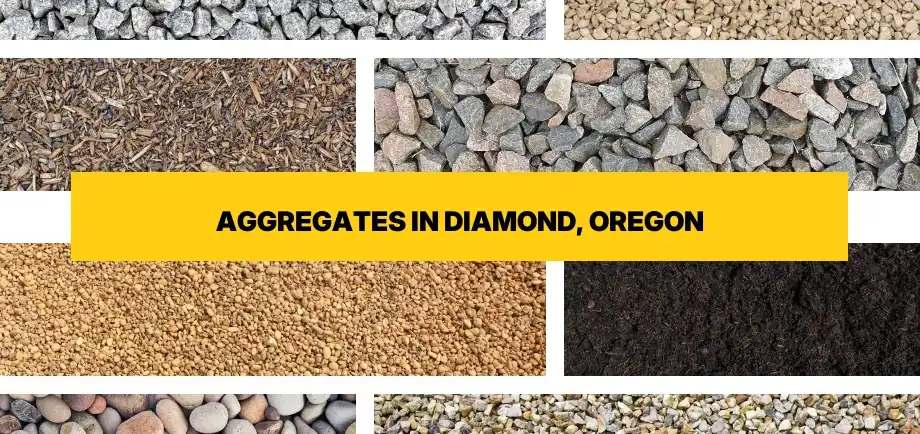
Bulk Aggregate & Gravel Products in Diamond, Oregon
Local Topsoil, Dirt, Sand, Rocks and Gravel near me in Diamond, Oregon
Shop Aggregates for Delivery in Diamond
Order online for free delivery to any Diamond address.


Gravel Monkey delivers premium aggregates and landscaping materials to Diamond, Oregon, and the surrounding high desert region of Harney County. Whether you're maintaining a ranch road near Diamond Craters, upgrading a driveway in the Diamond Valley, or managing drainage on property near Malheur National Wildlife Refuge, we provide the quality aggregates your project demands with completely free delivery to your location.
Complete Aggregate Selection for Diamond's High Desert Environment
Diamond's unique position in Oregon's high desert requires aggregates that can withstand extreme temperature variations, from sub-zero winter nights to summer days exceeding 90 degrees. The volcanic soils and alkaline conditions throughout Harney County demand materials with superior drainage and structural stability. Gravel Monkey offers a comprehensive range of aggregates specifically suited for the challenging conditions in Diamond and the surrounding region.
- Driveway Gravel - Engineered for ranch roads and long driveways throughout the Diamond Valley
- 3/4 inch Crushed Stone - Versatile aggregate base for foundations and pathways in volcanic soil
- #57 Stone - Angular aggregate ideal for drainage systems and concrete projects
- Crusher Run - Compactable base material perfect for high desert road construction
- Road Base - Stabilized aggregate foundation for lasting rural road durability
- Drain Rock - Essential for managing seasonal moisture in alkaline soils
- Pea Gravel - Decorative aggregate for xeriscape landscaping around homes
- River Rock - Natural stone for water-efficient landscape design
- Walkway Gravel - Comfortable aggregate surface for pathways and outdoor spaces
- Decomposed Granite - Permeable surface perfect for high desert patios and trails
- Crushed Concrete - Eco-friendly recycled aggregate for cost-effective base layers
- Mason Sand - Fine sand for masonry work and paver installation
- Washed Sand - Clean sand for construction and concrete mixing
- Playground Sand - Safe, certified sand for play areas
- Topsoil - Amended soil for gardens adapted to high desert conditions
- Fill Dirt - Quality fill material for grading and leveling projects
Understanding Diamond's Unique Geological and Climate Challenges
Diamond sits at approximately 4,100 feet elevation in the heart of Oregon's high desert basin country. The area experiences dramatic temperature swings, with winter lows regularly dropping below zero and summer highs climbing into the 90s. This extreme variation creates significant freeze-thaw cycles that can quickly deteriorate improperly chosen aggregates or poorly constructed bases.
The volcanic soils common throughout Harney County near Diamond present unique challenges for construction and landscaping projects. These soils often contain high levels of clay and exhibit poor drainage characteristics, making proper aggregate base preparation absolutely critical. The alkaline nature of the soil combined with minimal annual precipitation—typically just 9 to 11 inches per year—means that drainage systems must be carefully designed to handle sudden snowmelt events in spring while also managing the rare but intense summer thunderstorms that roll across the high desert.
Volcanic Soil Composition Near Diamond Craters
The Diamond Craters volcanic field dominates the landscape southeast of town, and its geological influence extends throughout the region. Properties built on or near these ancient lava flows encounter basaltic rock formations that require specialized aggregate solutions. The fractured nature of underlying bedrock affects how water moves through the soil profile, making proper drainage aggregate placement essential for any construction project in the Diamond Valley area.
Ranch roads heading toward Malheur National Wildlife Refuge or extending into the remote areas near Happy Valley face constant maintenance challenges. The combination of heavy equipment use during haying season, spring mud conditions, and winter freeze-thaw cycles demands aggregates that can compact firmly while still providing adequate drainage. These roads require regular maintenance with quality base materials to remain passable year-round.
Essential Aggregate Applications Throughout the Diamond Region
Ranch and Farm Road Construction
Rural properties in Diamond Valley and the surrounding high desert rely on well-maintained roads for ranch operations, equipment access, and emergency vehicle passage. The extreme temperature variations and occasional spring moisture events make road base selection critical. Quality aggregates that compact well while maintaining structural integrity through freeze-thaw cycles are non-negotiable for these applications.
Properties extending toward Frenchglen to the south or Fields to the southeast often feature long access roads that must withstand agricultural equipment traffic during harvest season. These roads benefit from a proper aggregate foundation topped with suitable surface materials. The key is selecting aggregates that lock together mechanically, providing stability without requiring constant grading and maintenance throughout the year.
Residential Driveway Solutions
Homes in Diamond face unique challenges when it comes to driveway construction and maintenance. The volcanic soils beneath most properties don't provide an ideal base without proper preparation. A well-designed driveway starts with adequate excavation to remove unsuitable material, followed by layers of compacted aggregate base, and finally a durable surface layer that can handle vehicle traffic and weather extremes.
The distance from major supply centers means that driveway projects in Diamond must be planned carefully to minimize material waste while ensuring adequate coverage and depth. A typical residential driveway in the area requires 5 to 7 inches of compacted aggregate base to perform reliably through multiple freeze-thaw cycles. Properties with heavy vehicle traffic or equipment storage needs may require even greater depth for long-term stability.
Drainage System Design for High Desert Properties
Despite Diamond's arid climate, proper drainage remains crucial for property protection and foundation stability. Spring snowmelt can release significant moisture in a short period, and the clay-rich volcanic soils have limited absorption capacity. Strategic placement of drainage aggregates around foundations, along roadways, and in low-lying areas prevents water accumulation and the associated freeze damage that occurs during cold nights.
Properties near seasonal water features or in areas with higher groundwater levels require particularly careful attention to drainage design. French drains constructed with appropriate angular aggregates provide long-term solutions for managing subsurface moisture. The key is using clean, angular stone that maintains void spaces for water movement while preventing soil migration into the drainage system over time.
Comparing Aggregate Materials for Diamond Projects
Choosing the right aggregate for your specific application in Diamond's challenging climate requires understanding the characteristics and performance of different materials. The following comparison helps identify which aggregates work best for common projects in the high desert environment.
| Aggregate Type | Best Applications | Compaction Quality | Drainage Performance | Freeze-Thaw Durability |
|---|---|---|---|---|
| Crusher Run | Road base, driveway foundations | Excellent | Good | Excellent |
| Road Base | Long driveways, ranch roads | Excellent | Moderate | Excellent |
| 3/4 inch Crushed Stone | Driveways, foundations, pathways | Very Good | Very Good | Excellent |
| #57 Stone | Drainage systems, concrete base | Good | Excellent | Excellent |
| Drain Rock | French drains, foundation drainage | Minimal | Excellent | Very Good |
| Decomposed Granite | Pathways, patios, xeriscape areas | Good | Excellent | Good |
| Pea Gravel | Decorative landscaping, pathways | Poor | Very Good | Very Good |
| Crushed Concrete | Base layers, temporary roads | Very Good | Good | Good |
Serving Diamond and Surrounding Harney County Communities
Gravel Monkey provides free aggregate delivery throughout the Diamond area and extends service to properties across eastern Harney County. We understand the unique needs of rural high desert properties and the importance of reliable material delivery to remote locations. Our service area includes residential properties, working ranches, agricultural operations, and commercial projects throughout the region.
Primary Service Locations Near Diamond
We regularly deliver aggregates to properties throughout the Diamond Valley watershed and the surrounding high desert basin. Whether your project is located in the immediate Diamond townsite, along the roads extending toward Malheur National Wildlife Refuge, or on ranch properties in the more remote areas of eastern Harney County, we can coordinate delivery to meet your schedule and project requirements.
The volcanic landscapes near Diamond Craters require specialized knowledge about aggregate performance in basaltic soil conditions. Properties in this area benefit from our experience working in challenging high desert environments where material selection directly impacts long-term project success. We also serve locations extending south toward Frenchglen and Steens Mountain, where elevation changes and weather patterns create additional considerations for aggregate selection and application.
Extended Service to Regional Communities
Our delivery network extends to surrounding communities including Burns to the north, where Harney County's commercial center provides a hub for regional construction activity. We also serve properties near Fields to the southeast, an area known for particularly remote ranch operations that require careful logistics planning for material delivery. Properties along Highway 205 between Diamond and Frenchglen receive regular service, as do locations near the Malheur National Wildlife Refuge headquarters.
The high desert country surrounding Diamond presents unique logistical challenges for aggregate delivery, but our experience in the region ensures reliable service regardless of your property's location. We understand seasonal road conditions, access requirements for remote properties, and the importance of coordinating deliveries around ranch operations and agricultural schedules.
Seasonal Planning for Aggregate Projects in Diamond
Diamond's location in Oregon's high desert creates distinct seasonal patterns that significantly impact construction and landscaping project timing. Understanding these seasonal variations helps property owners plan aggregate projects for optimal results and long-term performance.
Spring Construction Challenges
Spring arrives late in Diamond, with frost potential extending into May in most years. Snowmelt from winter accumulation can create muddy conditions that make excavation difficult and base preparation challenging. However, spring also offers opportunities for major grading projects when moisture content helps with soil compaction. Planning aggregate deliveries for late spring allows projects to proceed once ground conditions stabilize while still completing work before summer heat arrives.
Properties in lower-lying areas or near seasonal drainage channels may experience prolonged wet conditions during spring runoff. These locations benefit from scheduling aggregate work slightly later in the season, typically late May through June, when soils have dried sufficiently to support heavy equipment and allow proper base compaction. Road maintenance projects throughout the Diamond Valley area often concentrate in this late spring window to repair winter damage before summer ranch operations intensify.
Summer and Fall Project Windows
Summer provides the most extended window for aggregate projects in Diamond, with consistently dry weather from mid-June through September. High desert heat can exceed 90 degrees during July and August, but low humidity makes working conditions generally comfortable. This season is ideal for major driveway construction, road improvements, and drainage system installation when ground conditions are stable and compaction equipment performs optimally.
Fall offers another excellent window for aggregate work, particularly September and early October before freeze conditions return. Cool temperatures make physical work more comfortable while ground conditions remain stable. Many property owners prefer fall for aggregate projects because materials have the winter season to settle and stabilize before heavy spring use. This timing also allows identification of any drainage issues during spring snowmelt, providing time for adjustments before the following winter.
Aggregate Delivery Throughout the Diamond Valley Region
While Diamond itself is a small community, the surrounding high desert region encompasses diverse areas with unique aggregate needs. Our delivery service extends throughout these distinct areas, each presenting specific challenges and requirements for aggregate materials.
Diamond Craters Volcanic Field Area
Properties near or within the Diamond Craters Outstanding Natural Area face unique challenges related to volcanic geology. The basaltic lava flows and cinder cones that characterize this region create soils with unusual drainage properties and bearing capacity issues. Aggregate projects in this area require careful attention to base preparation and material selection to ensure long-term stability on volcanic substrates.
Malheur Wildlife Refuge Vicinity
Areas adjacent to Malheur National Wildlife Refuge, particularly along the Refuge's western boundary near Diamond, feature properties with varying soil conditions depending on proximity to historic wetland areas. These locations benefit from enhanced drainage aggregate systems to manage seasonal groundwater fluctuations and prevent moisture-related foundation issues. The refuge's presence also means increased wildlife activity that can affect unfenced landscape areas, making aggregate choices for pathways and outdoor spaces particularly important.
Steens Mountain Approach Corridor
Properties along the roads extending south from Diamond toward Frenchglen and Steens Mountain occupy transition zones between the Diamond Valley lowlands and the mountain's higher elevations. This area experiences slightly higher precipitation and more pronounced temperature variations than Diamond proper, requiring aggregate solutions that accommodate increased freeze-thaw cycling and occasional spring moisture events.
Eastern Ranch Country
The vast ranch lands extending east and southeast from Diamond toward Fields represent some of Oregon's most remote high desert territory. Properties in this area face the longest delivery distances and most challenging access conditions, but also have some of the greatest needs for quality aggregate materials. Ranch roads, equipment yards, and building sites in this region require durable aggregate solutions that minimize maintenance requirements given the distances involved in material delivery.
Technical Specifications for Diamond Aggregate Projects
Successful aggregate projects in Diamond's high desert environment require attention to specific technical details that ensure long-term performance. Understanding these specifications helps property owners make informed decisions and contractors execute projects that withstand the region's challenging conditions.
Base Depth Requirements
Diamond's freeze-thaw cycles and volcanic soil conditions typically require greater aggregate base depths than milder climates. Residential driveways should incorporate a minimum of 5 inches of compacted aggregate base, with 6 to 8 inches preferred for heavy vehicle traffic or areas with poor native soil. Ranch roads and commercial applications often require 8 to 12 inches of aggregate base depending on traffic loads and soil conditions.
Properties built on the volcanic soils common near Diamond Craters may need additional depth to bridge areas of poor bearing capacity. Soil testing can identify problem areas where extra base depth or geotextile fabric reinforcement provides necessary support. The minimal annual precipitation in Diamond means that properly designed bases remain stable once established, making the initial investment in adequate base depth particularly valuable.
Compaction Standards
Achieving proper compaction is critical for aggregate performance in Diamond's climate. Base layers should reach a minimum of 95 percent standard Proctor density to provide adequate structural support and minimize future settlement. The dry climate actually benefits compaction efforts, as the low moisture content typical of Diamond's soils allows easier achievement of target densities without the mud issues common in wetter regions.
Multiple lifts of 3 to 4 inches each, properly compacted, perform better than single thick layers. This approach ensures uniform density throughout the base and prevents weak zones that can fail under load or freeze conditions. Rental compaction equipment is available in Burns for contractors and DIY property owners tackling aggregate projects in the Diamond area.
Frequently Asked Questions About Aggregates in Diamond, Oregon
We deliver a complete range of aggregates including driveway gravel, crushed stone, drain rock, road base, crusher run, pea gravel, river rock, decomposed granite, sand products, crushed concrete, topsoil, and fill dirt throughout Diamond and surrounding Harney County areas.
Yes! Gravel Monkey offers FREE delivery to Diamond and the surrounding Oregon high desert region for all gravel and aggregate orders.
In Diamond's arid climate with extreme temperature variations, crushed stone, drain rock, and decomposed granite perform excellently. These materials handle freeze-thaw cycles well and provide superior drainage for the volcanic soil common in Harney County.
For driveways in Diamond, calculate length times width times depth. A typical residential driveway needs 4 to 6 inches of aggregate base due to the region's temperature extremes. Our team can help calculate the exact amount for your specific Diamond property.
Absolutely! We deliver throughout Harney County including areas near Malheur National Wildlife Refuge, Diamond Craters, and the surrounding high desert region. Contact us to confirm delivery to your specific location.
Road base and crusher run are ideal for Diamond's conditions. These aggregates compact firmly and withstand the freeze-thaw cycles and temperature swings common in the high desert, providing a stable foundation for ranch roads and driveways.
Yes! We serve ranches and properties throughout the Diamond Valley area, including locations near Frenchglen, Fields, and throughout eastern Harney County. We understand the unique needs of rural high desert properties.
Late spring through fall offers the best conditions for aggregate work in Diamond. June through October provides stable ground conditions, minimal precipitation, and comfortable working temperatures. Avoid winter and early spring when freeze-thaw cycles and snowmelt create challenging conditions for excavation and base preparation.
Quality Aggregates Delivered Free to Your Diamond Property
Whether you're maintaining miles of ranch roads, upgrading a residential driveway, or managing a commercial construction project in Diamond, Gravel Monkey delivers the quality aggregates you need with exceptional service and completely free delivery. Our understanding of high desert conditions and commitment to customer satisfaction makes us the preferred aggregate supplier for properties throughout Diamond Valley and eastern Harney County.
Contact us today to discuss your aggregate requirements and schedule your free delivery. Our experienced team can help you select the right materials for your specific application, calculate quantities accurately, and coordinate delivery to meet your project timeline. We're ready to support your success with premium aggregates and reliable service throughout the Diamond region.

Need help? Reach out for a quote: