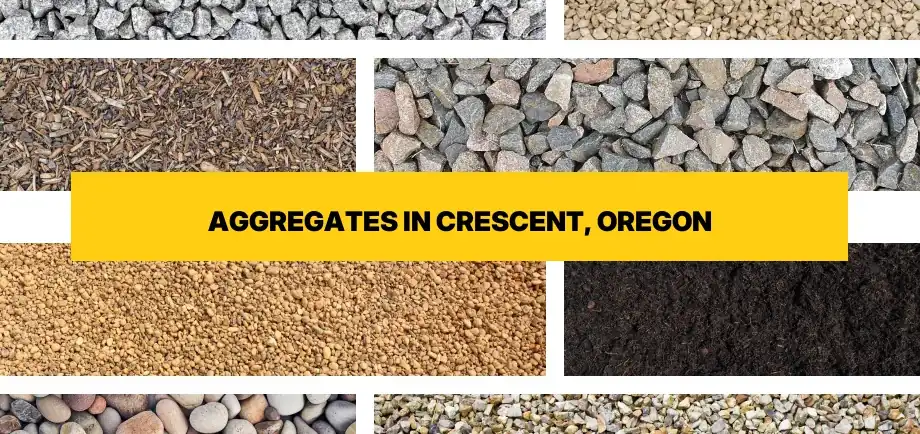
Shop Sand, Stone & Gravel in Crescent, Oregon
Local Topsoil, Dirt, Sand, Rocks and Gravel near me in Crescent, Oregon
Shop Aggregates for Delivery in Crescent
Order online for free delivery to any Crescent address.
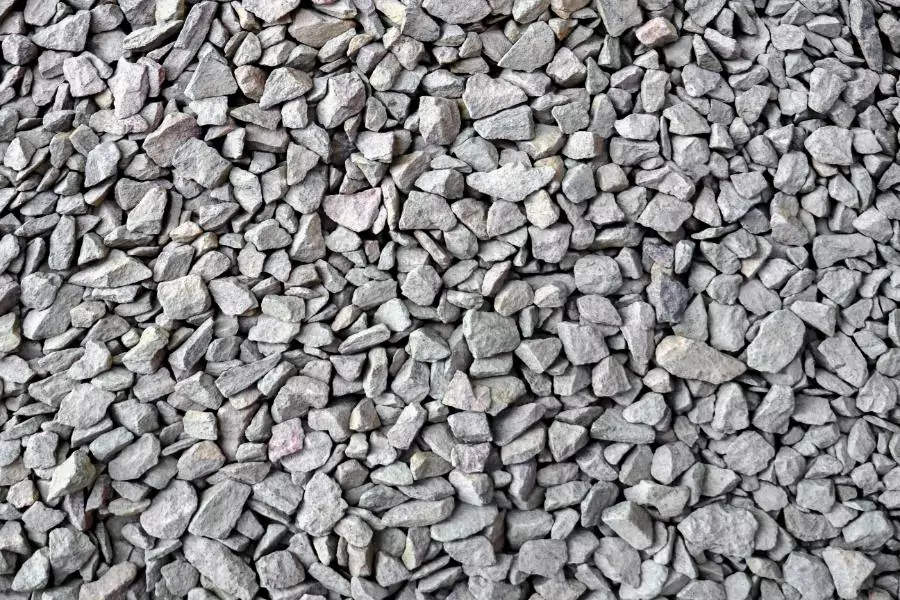
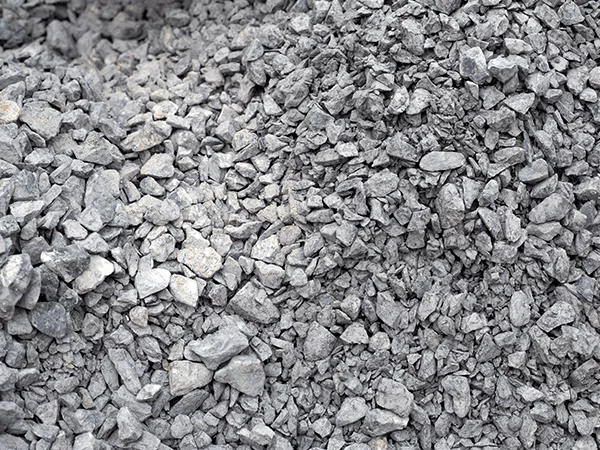


Gravel Monkey delivers premium aggregates and bulk materials to Crescent, Oregon, serving properties throughout this unique Cascade Mountain community. Whether you're building a driveway near Crescent Lake, improving drainage in the volcanic soils around Gilchrist, or creating pathways for your property along Highway 58, we provide free delivery of high-quality stone, sand, and soil materials directly to your site. Our service extends throughout Deschutes County and the surrounding central Oregon region, bringing professional-grade aggregates to residential and commercial projects in this beautiful high-desert landscape.
Buy Materials by Type in Crescent
Every material we deliver in Crescent, with coverage, sizing and ordering details for each one.
Complete Range of Aggregates & Materials for Crescent Properties
Crescent's location at 4,300 feet elevation in the eastern Cascade foothills presents unique challenges for construction and landscaping. The area's volcanic soil, cold winters with heavy snow, and dramatic temperature swings demand materials that can handle freeze-thaw cycles while providing excellent drainage. We stock aggregates specifically suited to central Oregon's climate and geology:
- Driveway Gravel - Compactable base material engineered for cold-climate durability
- 3/4 inch Crushed Stone - Versatile angular aggregate for stable foundations and drainage
- #57 Stone - Uniform crushed rock ideal for French drains and perimeter drainage systems
- Road Base - Dense gravel mix that compacts to create solid, lasting surfaces
- Crusher Run - Self-compacting blend perfect for driveways and parking areas
- Drain Rock - Clean, angular stone for superior water management in pumice soils
- Pea Gravel - Smooth, rounded stones for walkways and decorative landscaping
- River Rock - Natural aesthetic stone in multiple sizes for water features and gardens
- Decomposed Granite - Natural pathway material that compacts firmly
- Walkway Gravel - Fine aggregate blend designed for pedestrian paths
- Crushed Concrete - Eco-friendly recycled aggregate for base layers
- Topsoil - Nutrient-rich soil for gardens and lawn establishment
- Fill Dirt - Clean fill for grading and leveling mountain properties
- Mason Sand - Fine sand for concrete mixing and masonry work
- Playground Sand - Safe, clean sand for play areas and equestrian arenas
- Washed Sand - Clean sand for various construction and landscaping applications
Serving Crescent and Surrounding Central Oregon Communities
Our delivery service covers the entire Crescent area and extends throughout the central Oregon Cascade region. We regularly deliver aggregates to properties in these areas:
Crescent Lake Area - Properties along Crescent Lake Highway and throughout this popular recreation area receive regular deliveries of stone and aggregates for cabin improvements, driveway maintenance, and drainage projects. The lake's volcanic shoreline and pumice-rich soils require materials that drain efficiently while providing stable foundations.
Gilchrist - This former mill town north of Crescent features sandy volcanic soils that benefit from proper base preparation. We supply road base, crusher run, and drainage materials to residential properties throughout Gilchrist, helping homeowners create stable driveways and control water flow during spring snowmelt.
Highway 58 Corridor - Properties along this scenic route between Crescent and Oakridge often need aggregates for driveway construction, forest road maintenance, and property improvement projects. The corridor's varied elevation and soil types demand versatile materials that perform in both mountain and high-desert conditions.
Cascade Lakes Byway - Seasonal and year-round properties along this famous scenic highway require materials that withstand extreme weather. We deliver during the accessible months, helping property owners prepare driveways and access roads for winter conditions.
Spring River Area - Near where Spring River emerges from the ground, properties benefit from our drainage materials and stone products. The area's high water table and porous volcanic geology make proper drainage essential for any construction project.
Highway 97 North - Properties along the main highway between Crescent and La Pine receive deliveries of all aggregate types. This corridor's development mix of residential, commercial, and recreational properties keeps us busy supplying materials for diverse projects.
Crescent Creek Vicinity - Properties near this waterway often need drainage solutions and erosion control materials. We supply aggregates that work with the area's natural hydrology while providing stable surfaces for buildings and access roads.
Odell Lake Region - Accessible from Crescent via Highway 58, we serve properties throughout this area with deliveries during the snow-free months. The region's high elevation and heavy winter precipitation require materials that drain well and resist frost heaving.
Working with Crescent's Volcanic Soils and Mountain Climate
Crescent sits in a unique geological zone where the high Cascades meet the pumice-covered eastern slopes. Understanding these conditions is essential for selecting the right aggregates for your project.
Central Oregon's Volcanic Legacy
The entire Crescent area is built on volcanic material from Mount Mazama's catastrophic eruption 7,700 years ago. The resulting Crater Lake provided the pumice and ash that now forms the foundation soil throughout the region. This loose, porous material offers excellent drainage but provides little structural support without proper base preparation. Any driveway, building pad, or heavy-use area requires a solid aggregate base to distribute weight and prevent settling into the soft volcanic substrate.
Climate Considerations for Aggregate Selection
Crescent experiences cold, snowy winters with average snowfall exceeding 100 inches annually. Winter temperatures frequently drop below zero Fahrenheit, creating intense freeze-thaw cycles. Summers are mild and dry, with occasional thunderstorms providing brief but intense rainfall. This climate pattern means aggregates must drain efficiently to prevent frost heaving while maintaining stability through repeated freezing and thawing. Materials that trap water will fail within a few seasons, heaving and cracking under winter's grip.
Water Management in Pumice Soils
While pumice drains naturally, spring snowmelt and seasonal rains can create temporary saturation. Proper drainage design using angular crushed stone allows water to flow through and away from structures rather than pooling under driveways or foundations. The key is creating drainage paths that work with the natural soil's porosity while providing a stable platform that won't shift or settle.
Choosing the Right Aggregates for Crescent Projects
Driveway Construction in Volcanic Soils
Building a lasting driveway in Crescent's volcanic soils requires a multi-layer approach. Start with proper excavation to remove loose pumice, typically 12-18 inches deep. The base layer should consist of compactable material that won't shift – road base or crusher run work excellently here. These materials contain a mix of stone sizes that interlock when compacted, creating a stable foundation. The middle layer can be crushed stone for additional drainage and load distribution. The surface layer depends on use: more crushed stone for everyday traffic, or finer materials for a smoother finish. This layered approach prevents the driveway from sinking into the soft volcanic substrate while managing water from snowmelt and rain.
French Drains and Foundation Drainage
Basements and foundations in the Crescent area need robust drainage systems to handle seasonal moisture. French drains using clean drain rock or #57 stone provide the void space necessary for water collection and movement. Unlike the surrounding pumice, these aggregates maintain their structure and drainage capacity indefinitely. Wrap drainage stone in proper filter fabric to prevent fine volcanic particles from clogging the system over time. Foundation drains should slope continuously toward daylight or collection points, utilizing gravity to move water away from structures.
Landscaping and Pathway Materials
Decorative aggregates like pea gravel and river rock create attractive, low-maintenance landscapes that complement Crescent's natural beauty. These materials work particularly well in volcanic soils because they provide a clean surface layer that prevents wind from lifting fine pumice dust. Pathways using decomposed granite or walkway gravel offer firm surfaces that drain instantly yet remain comfortable for walking. Edge your decorative stone areas properly to prevent material migration into lawns or planting beds.
Commercial and Heavy-Use Applications
Commercial properties, RV parking areas, and equipment yards require more substantial base preparation. Start with 8-12 inches of compacted road base or crusher run, followed by additional layers as needed for the expected load. Proper compaction in lifts of 4-6 inches ensures each layer achieves maximum density. For areas with heavy equipment or semi-trucks, consider geotextile fabric under the base layer to further distribute loads and prevent aggregate from mixing with the native pumice soil.
| Aggregate Type | Best Applications | Drainage Quality | Compaction |
|---|---|---|---|
| Road Base | Driveway foundations, parking areas, heavy-use surfaces | Good | Excellent |
| Crusher Run | Residential driveways, pathways, shed pads | Good | Excellent |
| 3/4" Crushed Stone | Drainage layers, driveway surfacing, general construction | Excellent | Good |
| #57 Stone | French drains, pipe bedding, foundation drainage | Excellent | Fair |
| Drain Rock | Perimeter drains, septic systems, water management | Excellent | Poor |
| Pea Gravel | Decorative landscaping, pathways, ground cover | Very Good | Poor |
| Decomposed Granite | Pathways, patios, natural-looking surfaces | Good | Very Good |
| River Rock | Decorative landscaping, dry creek beds, accents | Good | None |
Seasonal Project Planning for Central Oregon
Crescent's mountain climate creates distinct construction seasons. Understanding these patterns helps you plan projects for optimal results and material performance.
Spring Construction Season (April-June)
Spring brings snowmelt and occasional rain, making it less ideal for base construction but acceptable for aggregate delivery and stockpiling. Ground frost typically remains until May at higher elevations. Wait for soil to thaw completely before excavating for driveways or foundations. Spring is perfect for planning summer projects and having materials delivered for use once conditions dry out. Early spring storms can make rural roads challenging, so coordinate delivery timing with weather forecasts.
Summer Building Season (July-September)
Summer offers ideal conditions for all aggregate projects. Dry weather allows proper compaction, and warm temperatures mean no frost concerns. This is prime time for driveway construction, drainage installation, and major landscaping projects. Materials compact well in warm, dry conditions, achieving maximum density. Complete outdoor projects by late September to ensure everything is set before winter arrives. Summer's low humidity also means less dust control is needed when spreading and grading materials.
Fall Preparation (October-November)
Early fall provides a final window for project completion before snow flies. Focus on finishing touches and winter preparation rather than starting major excavation projects. This is an excellent time for drainage improvements, ensuring systems are ready for spring snowmelt. Late fall deliveries may face occasional snow delays, but we continue service as long as roads remain accessible. Many property owners use fall to stockpile materials for early spring projects.
Winter Limitations (December-March)
Heavy snow and frozen ground halt most construction in the Crescent area during winter. Roads to some properties become impassable, limiting delivery options. However, Highway 97 and main Crescent roads remain open, allowing winter deliveries to accessible locations. Winter is the perfect time for project planning, obtaining estimates, and scheduling spring deliveries. Some maintenance projects like filling potholes with crusher run can proceed during brief winter warm spells.
Calculating Aggregate Quantities for Your Crescent Project
Accurate material estimation prevents over-ordering (and overspending) or under-ordering (and project delays). Here's how to calculate your aggregate needs:
Basic Volume Calculation
Measure your project area's length and width in feet. Multiply these dimensions to get square footage. Determine your desired depth in inches, then convert to feet by dividing by 12. Multiply length × width × depth (in feet) to get cubic feet. Divide cubic feet by 27 to convert to cubic yards, which is how aggregates are sold.
Driveway Example
For a 50-foot long by 12-foot wide driveway with a 4-inch base: 50 × 12 = 600 square feet. 4 inches ÷ 12 = 0.33 feet depth. 600 × 0.33 = 198 cubic feet. 198 ÷ 27 = 7.3 cubic yards. Order 8 cubic yards to account for compaction and minor variations.
Compaction Factors
Materials compact when installed, reducing their volume by 10-25% depending on the aggregate type. Loose materials like crushed stone compact less than fines-rich materials like crusher run. Add 10-15% to your calculated volume for most projects to account for compaction and waste. For critical measurements, consult with our team about specific compaction factors for your chosen material.
Depth Guidelines by Application
Residential driveways typically need 4-6 inches of compacted aggregate base. Commercial driveways and parking areas require 6-8 inches or more depending on expected loads. Pathways can use 2-3 inches of compacted base. Drainage layers around foundations should be at least 12 inches deep. These are general guidelines – your specific project may need more or less based on soil conditions and intended use.
Professional Installation Tips for Volcanic Soils
Site Preparation
Remove all vegetation, roots, and loose pumice before placing aggregates. Pumice offers virtually no structural support, so excavate until you reach firmer material or plan to excavate deeply enough that your aggregate base provides all structural support. For driveways, this typically means removing 12-18 inches of material. Grade the excavated area to promote drainage – a 2% slope away from buildings is minimum. Install geotextile fabric if excavation reveals extremely loose or unstable soil.
Layer Installation and Compaction
Place aggregates in lifts (layers) of 4-6 inches maximum. Compacting thinner lifts achieves better density than attempting to compact thick layers. Use a plate compactor for residential projects or a roller for larger areas. Make multiple passes until the material no longer compacts further. Sprinkle water lightly if material is too dry to compact properly, but avoid saturating the base. Each layer should be compacted before adding the next layer.
Edge Restraint
Aggregates need edge restraint to prevent spreading, especially in loose volcanic soils. Install treated lumber, steel edging, or concrete borders before placing final aggregate layers. For driveways, consider running edges 2-3 inches higher than the finished surface to contain materials. Proper edging extends the life of your aggregate surfaces by preventing gradual spreading and thinning at the edges.
Drainage Integration
Plan drainage before starting installation. Identify where water will flow and ensure your graded base promotes movement away from structures. Install drainage rock or perforated pipe where needed before placing upper aggregate layers. In Crescent's climate, every project should consider snowmelt drainage. Water must have somewhere to go – don't trap it under or within your aggregate base where freeze-thaw cycles will cause damage.
Frequently Asked Questions About Aggregates in Crescent, Oregon
We deliver a complete range of aggregates including driveway gravel, crushed stone, road base, crusher run, drain rock, pea gravel, river rock, decomposed granite, crushed concrete, mason sand, playground sand, washed sand, topsoil, and fill dirt throughout Crescent and surrounding Deschutes County areas.
Yes! Gravel Monkey offers FREE delivery to Crescent and the surrounding central Oregon area for all gravel and aggregate orders. We service properties near Crescent Lake, Gilchrist, and throughout the Cascade foothills.
For Crescent's cold winters and volcanic soil, we recommend three quarter inch crushed stone, road base, or crusher run. These materials compact well, provide excellent drainage for snowmelt, and hold up against freeze-thaw cycles common at our 4,300-foot elevation.
Calculate your area in square feet, then multiply by your desired depth in feet. For a four-inch driveway base, divide your square footage by 80 to get cubic yards needed. Our team can help you estimate the right amount for your specific Crescent project.
Absolutely! We deliver throughout the Crescent area including properties near Crescent Lake, along Highway 58, near Odell Lake, and throughout the surrounding Cascade Lakes region. Contact us to confirm delivery to your specific location.
Central Oregon's pumice-rich volcanic soil requires good drainage materials. Drain rock, crushed stone, and road base work exceptionally well. For landscaping in volcanic soil, combine our topsoil with native material to improve water retention while maintaining drainage.
Yes! We regularly deliver to properties throughout the Crescent area including along Highway 97 north toward La Pine, Highway 58 west toward Oakridge, and throughout the Cascade Lakes Scenic Byway corridor. Free delivery applies to all orders in our service area.
Summer (July through September) offers ideal conditions for aggregate installation in Crescent. The ground is dry, allowing proper compaction, and there's no risk of frost interference. Spring and fall are acceptable but may have weather-related delays. Winter projects are limited to accessible locations during brief mild periods.
Why Gravel Monkey for Your Crescent Aggregate Needs
Serving the Crescent area means understanding central Oregon's unique challenges. We know that volcanic soils require specific approaches, that winter weather demands materials capable of handling extreme conditions, and that mountain properties often have access challenges requiring careful delivery coordination. Our experience throughout the Cascade region ensures you get the right materials delivered on schedule, even to remote locations.
Quality Aggregates for Mountain Conditions
We supply aggregates that perform in Crescent's demanding climate. Our crushed stone comes from quarries producing angular, durable rock that compacts firmly and drains efficiently. Road base and crusher run contain the proper balance of stone sizes and fines to create stable, long-lasting surfaces. Drainage materials are clean and uniform, ensuring consistent performance in French drains and foundation systems. Every load meets specifications for mountain construction projects.
Free Delivery Throughout Central Oregon
We don't charge delivery fees to Crescent and surrounding areas. Whether your property is in town, near Crescent Lake, along Highway 58, or off forest roads near the Cascade Lakes, delivery is included. We coordinate timing to work with your schedule and road conditions. Our drivers know the region's roads and can navigate to properties that challenge less experienced delivery services.
Expert Guidance for Your Project
Not sure which aggregate suits your project? Our team understands volcanic soils, drainage requirements, and climate considerations specific to the Crescent area. We'll help you select materials that perform well and calculate the right quantities for your project. Whether you're building a new driveway, installing drainage, or landscaping your property, we provide recommendations based on proven performance in central Oregon conditions.
Reliable Service Year-Round
We deliver as long as roads remain accessible, continuing service through fall and into winter when weather permits. During prime construction season, we maintain consistent availability of all aggregate types. Our scheduling accommodates both immediate needs and planned project timelines. When you order from Gravel Monkey, you can count on delivery when promised and materials that match your order specifications.
Get Your Free Aggregate Delivery to Crescent Today
Ready to start your project with quality aggregates delivered free to your Crescent property? Contact Gravel Monkey today for expert guidance on material selection, accurate quantity estimates, and reliable delivery throughout the central Oregon region. From small landscaping projects to major construction undertakings, we supply the aggregates you need when you need them. Our team is ready to help make your project a success with materials proven to perform in Crescent's unique mountain environment.

Need help? Reach out for a quote: