Order Topsoil, Stone & Gravel in Otis, Oregon
Local Topsoil, Dirt, Sand, Rocks and Gravel near me in Otis, Oregon
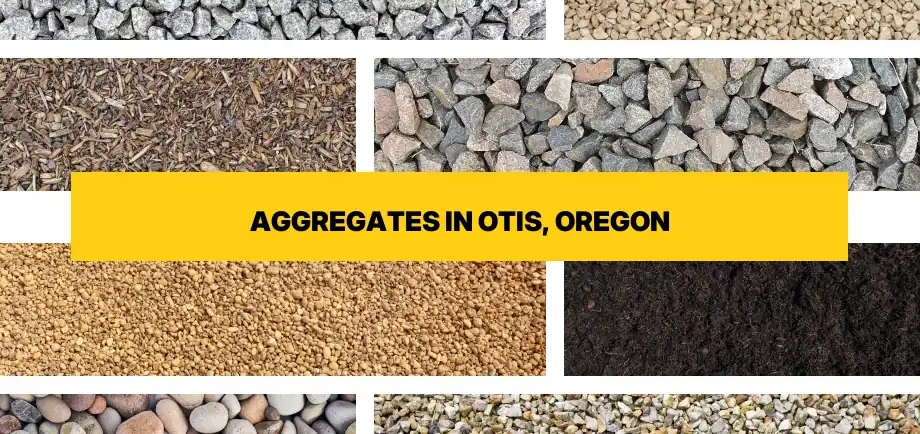
Shop Aggregates for Delivery in Otis
Order online for free delivery to any Otis address.


Gravel Monkey is your trusted local source for premium aggregates and landscaping materials in Otis, Oregon. Serving the beautiful Oregon Coast community, we understand the unique challenges of coastal properties – from the heavy rainfall and marine sedimentary soils to the salt air and seasonal weather patterns. Whether you're improving a driveway near Devils Lake, creating drainage solutions along the Salmon River, or landscaping a property between Rose Lodge and Lincoln City, we deliver high-quality aggregates directly to your location with absolutely free delivery throughout the Otis area.
Complete Range of Aggregates and Materials for Otis Properties
Living on the Oregon Coast means dealing with unique environmental conditions that require the right materials. Our comprehensive selection of aggregates is specifically suited for the coastal climate, high rainfall, and distinctive soil conditions found throughout Otis and the surrounding Lincoln County region. From residential driveways to commercial construction projects, we supply materials that perform reliably in Pacific Northwest coastal environments.
- Driveway Gravel - Durable base material engineered for high-traffic coastal driveways
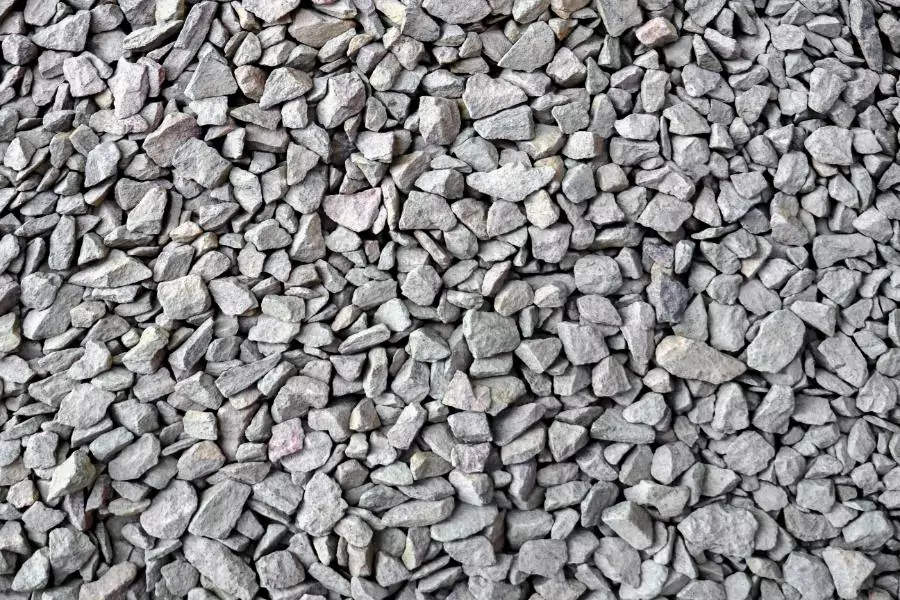
- 3/4 inch Crushed Stone - Versatile aggregate for foundations, driveways, and drainage applications
- #57 Stone - Premium grade crushed aggregate for construction and drainage projects
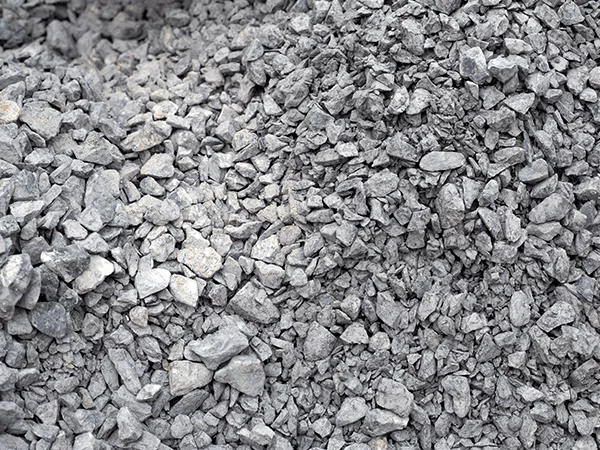
- Crusher Run - Excellent base material that compacts firmly for lasting stability
- Road Base - Heavy-duty foundation material for roads and parking areas
- Pea Gravel - Smooth decorative stone perfect for walkways and landscaping
- River Rock - Natural aesthetic stone for coastal gardens and water features
- Drain Rock - Essential aggregate for managing Otis's substantial rainfall
- Crushed Concrete - Eco-friendly recycled aggregate for sustainable projects
- Decomposed Granite - Natural compacting material for pathways and patios
- Topsoil - Nutrient-rich soil for coastal gardens and lawn establishment
- Fill Dirt - Quality material for grading and leveling Oregon Coast properties
- Mason Sand - Fine sand for masonry and construction applications
- Washed Sand - Clean sand ideal for various building projects
- Playground Sand - Safe, clean sand perfect for children's play areas
- Walkway Gravel - Attractive aggregate designed specifically for pedestrian paths
Understanding Otis's Unique Coastal Environment and Material Requirements
Otis sits in a distinctive location along Oregon's central coast, where Highway 18 meets Highway 101, serving as a gateway between the Willamette Valley and the Pacific Ocean. The area receives approximately 80-85 inches of rainfall annually, with the wettest months occurring from November through March. This substantial precipitation creates specific challenges for property owners throughout the community, from Rose Lodge to the north, down through the Salmon River valley, and extending toward the Lincoln City border.
The geology of Otis consists primarily of marine sedimentary formations – predominantly claystone, siltstone, and sandstone from the Tyee and Yamhill formations. These soils, combined with the region's volcanic ash deposits from ancient Cascade eruptions, create conditions that require careful material selection. The clay-rich composition tends to hold water, expand during wet seasons, and can become unstable without proper drainage and base preparation. Properties near Devils Lake, Siletz Bay, and along the Salmon River corridor face additional challenges from high water tables and seasonal flooding.
Climate Considerations for Aggregate Selection
The mild but wet coastal climate of Otis demands materials that can handle constant moisture while maintaining structural integrity. Winter temperatures typically range from 35-50°F, while summer averages hover between 55-70°F. This moderate temperature range means frost heaving is less of a concern than in interior Oregon, but the near-constant winter moisture creates its own set of challenges. Aggregates must provide excellent drainage, resist washout during heavy rain events, and maintain compaction even when saturated.
The proximity to the Pacific Ocean also means salt air exposure, particularly for properties west of Highway 101. While this primarily affects metal and wood structures, selecting aggregates with good drainage properties helps prevent moisture accumulation that can accelerate deterioration of adjacent materials. Properties in areas like Kernville and near the Salmon River estuary benefit significantly from proper aggregate selection and drainage design.
Choosing the Right Aggregates for Your Otis Project
Different projects throughout the Otis area require specific material characteristics. Understanding which aggregate works best for your particular application ensures long-lasting results that can withstand the demanding coastal environment.
Driveway and Parking Area Applications
For driveways serving properties from Rose Lodge through central Otis and down toward the Highway 18/101 junction, selecting the right base material is critical. The combination of heavy rainfall and clay-rich subsoils means your driveway foundation must provide both stability and drainage. We recommend starting with a base layer using crushed aggregates that lock together through angular particle contact.
Many Otis property owners find success using a layered approach: road base as the foundational layer (6-8 inches), followed by crusher run for the intermediate layer (3-4 inches), and topped with decorative or functional surface aggregates. This construction method, proven effective throughout Lincoln County, provides the drainage and stability needed to handle Oregon Coast conditions. Properties near Devils Lake or in lower-lying areas may benefit from even deeper base preparations to account for higher moisture levels.
Drainage Solutions for High-Rainfall Areas
With Otis receiving over 80 inches of annual precipitation, proper drainage infrastructure is absolutely essential. French drains, curtain drains, and perimeter drainage systems protect foundations, prevent standing water, and manage seasonal runoff effectively. The key to successful drainage in coastal clay soils is using clean, angular aggregates that maintain void space even when wet.
For drainage applications throughout the Otis area – whether you're addressing issues near the Salmon River, managing runoff on hillside properties, or creating perimeter drainage systems – drain rock provides the ideal solution. This washed aggregate maintains excellent permeability and doesn't clog with fine particles. Combined with proper geotextile fabric and sloping, it creates drainage systems that function reliably through the wettest winter months. Properties in Kernville and other low-lying areas particularly benefit from comprehensive drainage planning using quality aggregates.
Landscaping and Aesthetic Applications
The natural beauty of the Oregon Coast deserves landscaping materials that enhance rather than detract from the environment. For pathways winding through coastal gardens, decorative borders around native plantings, or creating focal points in outdoor spaces, we offer aggregates that combine functionality with aesthetic appeal.
Coastal gardens throughout Otis benefit from materials that complement the natural landscape. Natural stone aggregates work beautifully in gardens featuring shore pine, salal, and coastal rhododendrons common to the area. For properties wanting to highlight water features or create dry creek bed designs that echo the nearby Salmon River, river rock provides an authentic Pacific Northwest appearance. These materials also help with moisture management around plantings while reducing erosion on sloped areas.
Aggregate Comparison Guide for Otis Coastal Conditions
Selecting the optimal material for Oregon Coast conditions requires understanding how different aggregates perform in high-rainfall environments with clay-rich soils. This comparison helps you choose materials specifically suited to Otis's unique climate and geology.
| Aggregate Type | Best Applications | Drainage Rating | Compaction | Coastal Suitability |
|---|---|---|---|---|
| 3/4 inch Crushed Stone | Driveways, foundations, base layers | Excellent | Very Good | Ideal for wet conditions |
| #57 Stone | Drainage, concrete mix, pipe bedding | Excellent | Good | Perfect for French drains |
| Crusher Run | Base material, roads, parking areas | Very Good | Excellent | Outstanding stability |
| Road Base | Heavy-duty foundations, access roads | Very Good | Excellent | Best for high-traffic areas |
| Drain Rock | French drains, perimeter drainage | Outstanding | Fair | Essential for coastal properties |
| Pea Gravel | Walkways, landscaping, decorative | Very Good | Fair | Good for pathways |
| Decomposed Granite | Pathways, patios, natural areas | Good | Very Good | Requires maintenance in heavy rain |
| Crushed Concrete | Base material, eco-friendly projects | Very Good | Excellent | Sustainable coastal choice |
Serving All Otis Area Communities and Surrounding Regions
Gravel Monkey provides free delivery of aggregates and landscaping materials throughout the greater Otis area and surrounding Oregon Coast communities. Our service area extends from Rose Lodge to the north, through central Otis along Highway 18, west toward the Salmon River estuary and Siletz Bay, and south toward the Lincoln City boundary. We regularly deliver to properties near Devils Lake, throughout the Kernville area, and along the scenic Highway 101 corridor.
Whether your project is located in the residential areas near Three Rocks Road, the commercial district along Highway 18, properties with Salmon River frontage, or vacation homes near the coast, we ensure timely delivery of quality aggregates to your specific location. Our knowledge of local road conditions, seasonal access considerations, and property characteristics throughout Lincoln County ensures smooth delivery regardless of your site's location.
Extended Service to Nearby Communities
Beyond Otis proper, we extend our free delivery service to neighboring communities along the central Oregon Coast. This includes Lincoln City to the south, Neskowin to the north, Grande Ronde to the east, and Depoe Bay to the southwest. Properties throughout the Salmon River watershed, Siletz River valley, and along the coastal headlands all receive the same reliable service and quality aggregates that Otis customers depend on.
Common Aggregate Projects Throughout the Otis Area
Property owners throughout Otis and the surrounding Oregon Coast region undertake various projects requiring quality aggregates. Understanding the most common applications helps ensure you select materials that deliver lasting performance in our coastal environment.
Residential Driveway Construction and Repair
The wet climate and clay soils throughout Otis create ongoing challenges for residential driveways. Properties along Three Rocks Road, near Devils Lake, and throughout the Highway 18 corridor frequently experience issues with rutting, washout, and poor drainage. Reconstructing or repairing driveways with proper base materials prevents these problems and extends the lifespan of your investment.
A typical residential driveway project in Otis begins with excavating existing poor-quality materials and addressing any drainage concerns. A foundation layer using road base establishes firm support, followed by intermediate layers of angular crushed aggregates. Many homeowners near the Salmon River and Siletz Bay areas find that incorporating perimeter drainage with drain rock prevents water infiltration that can undermine driveway stability.
Erosion Control and Slope Stabilization
The hilly terrain surrounding Otis, particularly in areas near Rose Lodge and along the Salmon River canyon, makes erosion control a priority for many property owners. Heavy winter rains can quickly create erosion problems on slopes, driveways, and waterfront properties. Strategic use of aggregates helps stabilize these areas while managing water flow.
For erosion control on Otis properties, larger aggregates like river rock provide immediate stabilization while creating a natural appearance that complements the coastal environment. Combined with proper grading using fill dirt and establishing vegetation, these materials create long-term erosion solutions. Properties with more severe slope challenges benefit from engineered solutions incorporating multiple aggregate types, geotextile reinforcement, and professional grading.
Garden and Landscape Installations
The coastal climate of Otis supports beautiful gardens featuring both native and adapted plants. However, the clay-heavy soils require amendment for many garden applications. Incorporating quality topsoil improves drainage and provides the nutrient foundation that plants need to thrive in the coastal environment.
Landscape projects throughout the Otis area benefit from using aggregates both functionally and aesthetically. Walkways using decorative gravel connect different garden areas while providing drainage and reducing mud during wet months. Mulching planting beds with appropriate aggregates helps moderate soil temperature, retain moisture during summer, and provide the drainage needed during winter. Properties near Devils Lake and along the coast particularly appreciate landscaping materials that withstand salt air while requiring minimal maintenance.
Commercial and Agricultural Applications
Businesses along Highway 18 and Highway 101 require durable aggregate solutions for parking areas, access roads, and operational spaces. Agricultural properties in the Salmon River valley and Grande Ronde areas need materials that provide stable access even during wet seasons. Commercial aggregate applications demand materials that balance performance, longevity, and cost-effectiveness.
For commercial parking and access roads serving Otis businesses, a well-constructed aggregate base using crusher run topped with compacted surface materials provides years of reliable service. Agricultural operations benefit from similar construction techniques, ensuring equipment access and material handling remain possible throughout the year. The key to successful commercial applications in coastal Oregon is adequate depth, proper compaction, and maintenance of drainage features.
Professional Installation Tips for Oregon Coast Conditions
Proper installation techniques make the difference between aggregate projects that perform reliably for decades and those requiring frequent repair. The unique conditions in Otis – heavy rainfall, clay soils, and marine environment – demand attention to detail during installation.
Site Preparation and Base Work
Every successful aggregate project in Otis begins with thorough site preparation. Remove existing poor-quality materials, organic matter, and unstable soils. In areas with particularly heavy clay, excavating deeper and incorporating geotextile fabric prevents mixing of subsoil with aggregate base materials. Properties near the Salmon River or Devils Lake with high water tables may require additional excavation and drainage measures.
Proper grading ensures water moves away from structures and doesn't pool on aggregate surfaces. Even slight slopes (2-4%) make dramatic differences in drainage performance. Throughout the Otis area, directing water toward natural drainage paths or properly constructed collection systems prevents the standing water problems common to coastal properties. When working with fill dirt for grading, compact in layers no thicker than 6 inches to ensure uniform density and stability.
Layering and Compaction Techniques
Professional aggregate installations use multiple layers, each compacted to proper density before adding subsequent layers. This technique creates interlocking aggregate structures that resist displacement even under heavy loads or sustained moisture. For Otis driveways and parking areas, this typically means a base layer of 6-8 inches, intermediate layer of 3-4 inches, and surface layer of 2-3 inches.
Compaction equipment appropriate to project scale ensures proper density. Residential projects may use plate compactors, while commercial applications require vibratory rollers. In the coastal environment, achieving proper compaction before rainy season arrives prevents settling and displacement issues. Pay particular attention to edges and transitions where compaction naturally decreases – these areas often show the first signs of failure without proper attention.
Drainage Integration
Integrating drainage features during aggregate installation rather than as an afterthought prevents most moisture-related problems. French drains along driveway edges, curtain drains on upslope sides, and perimeter drainage around structures keep water from saturating aggregate bases. Using drain rock in these applications, wrapped in geotextile fabric, ensures long-term drainage function.
For properties throughout Otis experiencing persistent drainage issues, comprehensive solutions often involve multiple drainage features working together. This might include surface grading directing water to collection areas, subsurface French drains capturing groundwater flow, and downspout connections routing roof water away from structures. The investment in proper drainage during initial installation saves considerable expense in future repairs and prevents the frustration of recurring problems.
Seasonal Considerations for Aggregate Projects in Otis
The Oregon Coast's distinct seasonal patterns influence when and how to tackle aggregate projects. Understanding these patterns helps ensure successful project outcomes and prevents weather-related complications.
Optimal Installation Seasons
Summer and early fall (June through October) provide the most favorable conditions for aggregate projects in Otis. Drier weather allows for proper compaction, easier equipment operation, and better working conditions. Projects completed before winter rains arrive have time to settle and stabilize before facing challenging weather. Many Otis property owners schedule major driveway and landscaping projects during these months to take advantage of optimal conditions.
However, the Oregon Coast's relatively mild winters mean that essential projects can proceed year-round with proper precautions. Winter project success depends on managing moisture, providing adequate drainage during construction, and protecting work areas from excessive rain. Emergency repairs and critical drainage improvements often can't wait for ideal weather – proper techniques allow for successful completion even during wet months.
Maintenance Through the Seasons
Established aggregate installations throughout Otis benefit from seasonal maintenance. Before winter rains arrive, inspect drainage features, clear culverts and ditches, and address any settling or displacement from summer use. Add fresh surface aggregate to areas showing wear before weather deteriorates. These preventive measures minimize winter damage and extend the life of your aggregate installations.
Spring maintenance focuses on addressing any winter damage, refreshing surface materials displaced by runoff, and ensuring drainage systems cleared properly. Many Otis property owners find that annual maintenance visits, timed with seasonal transitions, keep their aggregate installations performing optimally year after year. This proactive approach costs far less than allowing small problems to develop into major failures requiring complete reconstruction.
Sustainable Aggregate Practices for Oregon Coast Properties
Gravel Monkey is committed to environmental responsibility in everything we do. This commitment aligns well with the conservation-minded values prevalent throughout the Otis community and Oregon Coast region. Our aggregate products and practices reflect this dedication to sustainability.
Recycled and Eco-Friendly Options
Choosing crushed concrete for appropriate applications provides excellent performance while reducing environmental impact. This recycled material works well for base layers, access roads, and utility areas throughout Otis. Using recycled aggregates diverts material from landfills while providing comparable performance to virgin stone in many applications.
For projects near sensitive areas like the Salmon River, Siletz Bay, or Devils Lake, selecting materials that won't contribute sediment or pollutants to waterways demonstrates environmental stewardship. Washed aggregates, proper erosion control during installation, and strategic use of vegetation all contribute to protecting the natural resources that make the Otis area special.
Water Management and Conservation
While Otis receives abundant rainfall, managing water responsibly benefits both individual properties and the broader community. Aggregate installations that include proper drainage features prevent contaminated runoff, reduce erosion, and protect water quality in nearby streams and estuaries. French drains, infiltration areas, and bioswales incorporating appropriate aggregates allow water to percolate naturally rather than rushing directly into storm systems.
Properties throughout Lincoln County increasingly incorporate low-impact development principles into site design. Using permeable aggregate surfaces for appropriate applications, directing roof water to landscaped infiltration areas, and designing drainage features that filter and slow runoff all contribute to healthier watersheds. These practices benefit not only individual properties but also the broader coastal ecosystem that makes this region unique.
Frequently Asked Questions About Aggregates in Otis, Oregon
For Otis driveways, we recommend starting with a layer of road base or crusher run (6-8 inches deep) as your foundation. This should be topped with 3/4 inch crushed stone for the driving surface. The angular particles in these aggregates lock together to create a stable base that drains well even during the wettest months. Proper grading and perimeter drainage are equally important – the base materials need somewhere for water to go to prevent saturation and failure.
Preventing washout requires three key elements: proper initial grading with a slight crown or cross-slope to shed water, adequate depth of compacted base material (typically 8-12 inches total), and functional edge drainage. Installing French drains or swales along driveway edges captures water before it can erode aggregate. Using angular crushed aggregates rather than round materials also helps because angular particles resist displacement better. Many Otis property owners also install erosion control fabric under their aggregate base in areas prone to washout.
For French drains in Otis, drain rock (typically 3/4 to 1 inch clean stone) provides the ideal combination of void space for water flow while maintaining structural integrity. The clean, washed nature of drain rock prevents clogging from fine particles. Wrapping the drain rock in quality geotextile fabric prevents clay particles from migrating into the aggregate and reducing drainage capacity over time. The fabric allows water through while filtering out soil particles that would otherwise compromise drain function.
Both work for walkways, but they serve different purposes. Walkway gravel and crushed stone compact more firmly and resist displacement, making them better for heavily-used paths that need to stay in place during rain. Pea gravel provides a softer appearance and feel but tends to migrate more, especially on slopes or during heavy rain. Many Otis homeowners use crushed stone for primary walkways and reserve pea gravel for decorative garden areas with less foot traffic. Your choice also depends on whether you prefer the angular, more formal look of crushed stone versus the smooth, natural appearance of pea gravel.
For parking areas in Otis, especially in areas with high water tables near Devils Lake or the Salmon River, plan for a minimum total depth of 12-14 inches of aggregate base. This should consist of 6-8 inches of compacted road base or crusher run as your foundation layer, topped with 4-6 inches of compacted crushed stone or driveway gravel. Properties with particularly poor subsoil drainage may need even greater depth or additional drainage features. The key is creating enough thickness that the structural aggregate base remains above the water table and any frost depth, ensuring year-round stability.
Smaller projects like garden pathways, decorative landscaping, or minor driveway top dressing can be successful DIY projects with basic tools and proper planning. However, larger projects involving significant excavation, grading, or structural applications benefit from professional installation. Driveways, parking areas, and foundation work require proper equipment for excavation and compaction, as well as expertise in grading and drainage design crucial for coastal Oregon conditions. A professional familiar with Otis soil conditions and climate can often save you money long-term by getting the installation right the first time, avoiding costly repairs from improper technique.
For masonry and construction projects throughout Otis, mason sand provides the proper grain size and composition for mortar mixing, paver base, and similar applications. This fine, clean sand mixes well with cement and compacts uniformly. For children's play areas, playground sand meets safety standards and provides the soft, clean material appropriate for recreation. Washed sand serves multiple purposes from concrete mixing to backfill applications where cleanliness and consistent gradation matter.
We deliver throughout the greater Otis area and surrounding communities with no delivery charge. Our drivers are familiar with local roads, seasonal access considerations, and property characteristics throughout Lincoln County. When you place an order, we discuss your specific site to ensure our delivery truck can access your location safely. For properties with challenging access during wet weather, we can often schedule delivery during drier periods or arrange alternative delivery methods. Our goal is getting quality aggregates to your project site regardless of location – from Highway 101 to Rose Lodge, from Devils Lake to the Salmon River.
Get Started with Your Otis Aggregate Project Today
Whether you're planning a new driveway, addressing drainage issues, creating beautiful landscaping, or tackling any project requiring quality aggregates, Gravel Monkey provides the materials and expertise to ensure success. Our commitment to the Otis community means delivering premium products with reliable service and local knowledge you can trust.
From Rose Lodge to Lincoln City, from the Salmon River to Siletz Bay, we're your local source for aggregates that perform in Oregon Coast conditions. Contact us today to discuss your project needs, get expert recommendations for your specific application, and schedule free delivery to your Otis-area property. Let our experience working throughout the coastal region help make your project a lasting success.

Need help? Reach out for a quote: