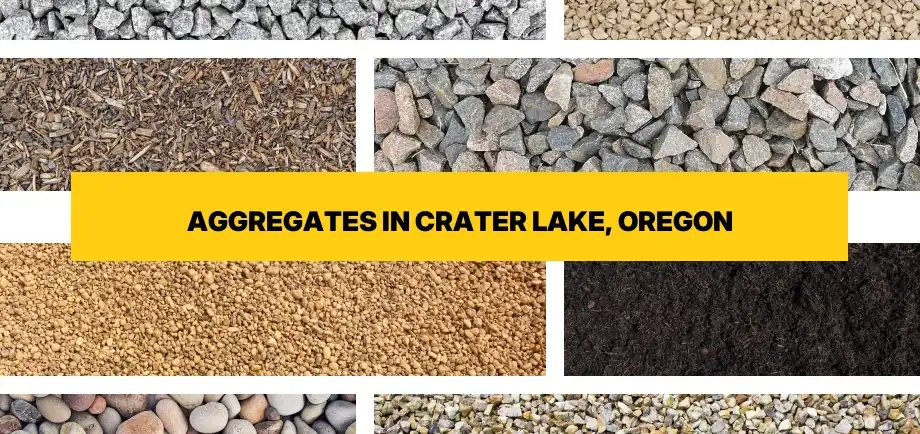
Sand, Aggregates & Gravel for Crater Lake, Oregon
Local Topsoil, Dirt, Sand, Rocks and Gravel near me in Crater Lake, Oregon
Shop Aggregates for Delivery in Crater Lake
Order online for free delivery to any Crater Lake address.
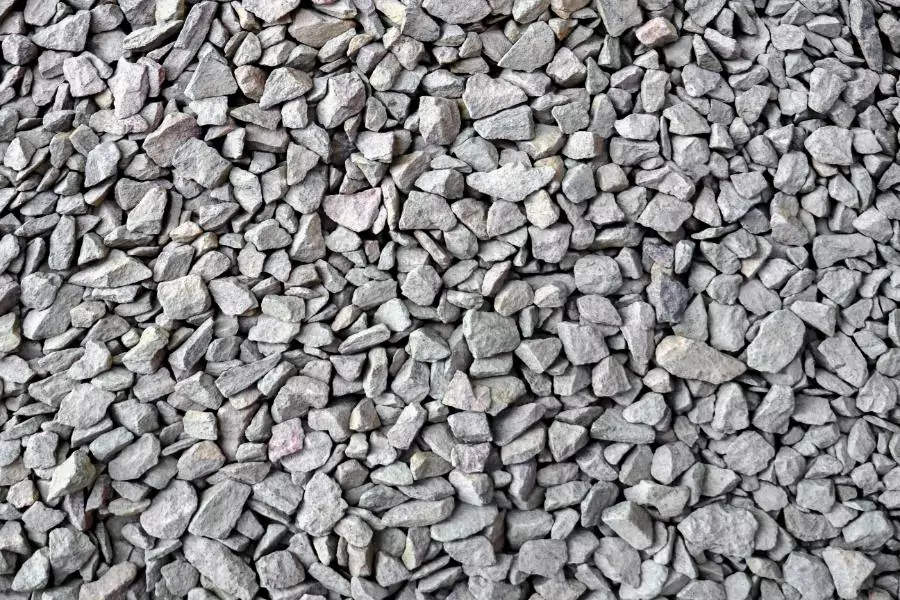
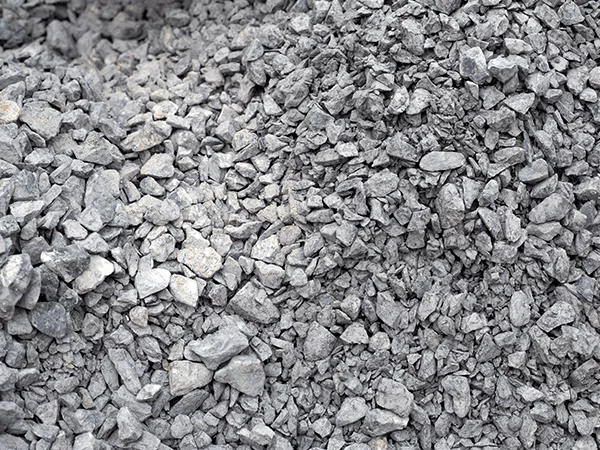


Gravel Monkey is your trusted source for high-quality aggregates and construction materials in Crater Lake, Oregon. Whether you're building a mountain retreat near Rim Village, upgrading access roads in the Klamath Falls area, or creating drainage solutions for properties around Fort Klamath, we deliver premium materials directly to your location with absolutely free delivery. Our expertise in serving Oregon's Cascade Range communities ensures you receive the right aggregates for the unique volcanic soils and challenging mountain conditions that define the Crater Lake region.
Comprehensive Aggregate Selection for Crater Lake Properties
The Crater Lake area presents unique challenges for construction and landscaping projects. With volcanic pumice soils, dramatic elevation changes from 4,000 to over 8,000 feet, and annual snowfall exceeding 500 inches at higher elevations, selecting proper aggregates is critical. Gravel Monkey provides materials specifically suited to these demanding mountain conditions.
Our complete range of aggregates and materials available for delivery throughout the Crater Lake region includes:
- Driveway Gravel - Essential base material engineered for mountain driveways and steep grades
- 3/4 inch Crushed Stone - Versatile aggregate perfect for foundations and drainage applications
- #57 Stone - Standard crushed aggregate for construction projects and drainage systems
- Crusher Run - Superior compactable base for roads and driveways in mountainous terrain
- Road Base - Heavy-duty foundation material for access roads and permanent surfaces
- Pea Gravel - Smooth decorative aggregate for pathways and landscaping features
- River Rock - Natural stone for aesthetic mountain landscaping and water features
- Drain Rock - Critical for managing snowmelt and preventing erosion on volcanic soils
- Decomposed Granite - Natural-looking material ideal for mountain trails and walkways
- Crushed Concrete - Eco-friendly recycled aggregate for sustainable building projects
- Topsoil - Nutrient-enriched soil for establishing gardens in volcanic terrain
- Fill Dirt - Essential for grading and leveling mountain properties
- Mason Sand - Fine sand for masonry work and construction applications
- Playground Sand - Safe, clean sand for recreational areas
- Washed Sand - Clean aggregate for concrete mixing and various construction needs
- Walkway Gravel - Specially sized material for paths and pedestrian surfaces
Understanding Crater Lake's Unique Volcanic Geology
The Crater Lake region sits within the Cascade Range's volcanic corridor, with soils dominated by pumice and volcanic ash from the cataclysmic eruption of Mount Mazama approximately 7,700 years ago. This geological history creates distinctive challenges for anyone working with aggregates in the area. The native volcanic soils are extremely porous and lightweight, offering poor compaction and stability for construction without proper base materials.
Properties around Annie Creek Canyon, Godfrey Glen, and the Pumice Desert require specialized approaches to foundation work. The pumice soils drain rapidly but provide minimal structural support, making quality aggregates absolutely essential for any driveway, building foundation, or roadway project. Temperature extremes ranging from summer highs near 70°F to winter lows dropping below 0°F, combined with freeze-thaw cycles that persist from October through June, demand aggregates that can withstand constant expansion and contraction.
Climate Considerations for Aggregate Selection
Crater Lake National Park and surrounding communities experience one of the heaviest snowfall rates in North America. The area receives an average of 43 feet of snow annually, with peak accumulations often exceeding 15 feet at higher elevations near Rim Drive and Cloudcap Overlook. This extreme snowpack creates massive snowmelt runoff each spring, making proper drainage systems utilizing quality drain rock and crushed stone absolutely critical for property protection.
Summer conditions bring dry periods with minimal rainfall from July through September, but intense thunderstorms can still occur, particularly near Union Peak and the Pinnacles area. Properties throughout the Mazama Village vicinity and along Highway 62 toward Fort Klamath benefit from aggregates that manage both the spring deluge and summer storm events. The volcanic soils' poor water retention means runoff happens quickly, and without proper aggregate bases, erosion becomes a significant concern on sloped properties.
Selecting the Right Aggregates for Mountain Properties
Choosing appropriate aggregates for Crater Lake area projects requires understanding how different materials perform in volcanic soils and extreme weather conditions. Each aggregate type serves specific purposes, and combining materials strategically creates durable, long-lasting results.
| Aggregate Type | Best Applications | Drainage Rating | Compaction Strength | Mountain Climate Suitability |
|---|---|---|---|---|
| Crusher Run | Driveway bases, road foundations | Good | Excellent | Outstanding - compacts firmly in volcanic soil |
| Road Base | Permanent roads, heavy-duty applications | Moderate | Superior | Excellent for year-round mountain access |
| 3/4 inch Crushed Stone | Drainage layers, foundation work | Excellent | Very Good | Ideal for freeze-thaw resistance |
| Drain Rock | French drains, perimeter drainage | Outstanding | Moderate | Critical for snowmelt management |
| Decomposed Granite | Walking paths, decorative areas | Good | Good | Natural appearance for mountain settings |
| Pea Gravel | Landscaping, pathways, decorative use | Excellent | Low | Seasonal use - can shift in heavy snow |
| #57 Stone | Drainage systems, concrete aggregate | Excellent | Good | Versatile for multiple mountain applications |
Aggregate Applications Throughout the Crater Lake Region
Driveway Construction in Volcanic Terrain
Building durable driveways in the Crater Lake area requires overcoming the challenges of pumice soils and steep mountain grades. Properties near Diamond Lake, the communities around Prospect, and mountain homes accessing Forest Road 3704 all face similar issues: the native volcanic material provides virtually no stability for vehicle traffic. A proper driveway begins with excavating the pumice soil and installing a deep aggregate base.
For mountain driveways serving areas like Union Creek or approaching Rim Village, we recommend a multi-layer approach. Start with 8 to 12 inches of compacted crusher run as the foundation layer. This aggregate contains a mix of stone sizes with fine particles that lock together when compacted, creating a solid base even in weak volcanic soils. Top this foundation with 3 to 4 inches of driveway gravel for the wearing surface. This combination handles heavy snow loads, freeze-thaw cycles, and the steep grades common throughout Klamath County's mountain properties.
Drainage Systems for Snowmelt Management
The most critical infrastructure need for Crater Lake properties is comprehensive drainage. When 40-plus feet of accumulated snow melts rapidly each spring, the resulting water must be directed away from structures, driveways, and landscaped areas. The volcanic pumice soils, while extremely porous, can become saturated during peak melt periods, creating instability and erosion.
Professional drainage solutions utilize drain rock placed in trenches around building perimeters and along access roads. For properties near Annie Creek or in the Mazama Village area, French drains filled with clean drain rock intercept snowmelt before it reaches foundations. The angular drain rock creates void spaces allowing rapid water movement while maintaining stability. Combine this with road base or crusher run on slopes to prevent erosion channels from forming during the intense spring runoff period.
Foundation Work in High-Elevation Construction
Building at elevations between 4,000 and 7,000 feet around Crater Lake presents unique foundation challenges. The volcanic soils offer poor bearing capacity, and frost can penetrate 4 feet or deeper during harsh winters. Every structure—from seasonal cabins near Rocky Point to year-round homes accessing Crater Lake Highway—requires substantial aggregate preparation beneath foundations.
Standard practice involves excavating well below the frost line and installing a compacted aggregate base of crusher run or road base. This aggregate layer serves multiple purposes: it provides stable bearing for the foundation, creates a capillary break preventing moisture wicking, and establishes proper drainage to prevent frost heave. For areas experiencing heavy snowfall like those near the Pinnacles or Cloudcap Overlook, foundation aggregate thickness often reaches 18 to 24 inches to ensure stability through decades of freeze-thaw cycles.
Serving Communities Throughout the Crater Lake Area
Gravel Monkey provides aggregate delivery throughout the greater Crater Lake region, serving diverse mountain communities with unique material needs. Each area presents distinct challenges based on elevation, soil conditions, and accessibility.
Rim Village and Park Headquarters: Properties and facilities at the crater's edge sit at 7,100 feet elevation with extreme weather exposure. Aggregate projects here must withstand the region's most severe conditions, with snowpack often lasting into July and fierce winter winds. Drainage and foundation work requires our most durable materials.
Mazama Village and Annie Creek: This developed area serves as the park's primary services center, with numerous facilities requiring aggregate for maintenance and improvements. The slightly lower elevation still experiences heavy snowfall but with better accessibility during shoulder seasons. Many properties here utilize crushed stone and drain rock for year-round functionality.
Fort Klamath Area: Located approximately 15 miles south of the park, Fort Klamath sits at a more moderate 4,200 feet elevation. This historic community has volcanic soils similar to higher elevations but experiences somewhat milder winters. Residential properties and agricultural operations here use our aggregates for driveways, barn foundations, and erosion control.
Diamond Lake Region: Northwest of Crater Lake, the Diamond Lake area attracts year-round residents and seasonal visitors. Properties around the lake require aggregates for boat ramp access, shoreline stabilization, and driveway construction through forested volcanic terrain. The area's recreational focus means many projects involve walkway gravel and decorative stone applications.
Prospect and Mill Creek: These communities along Highway 62 provide gateway access to Crater Lake from the west. Lower elevations make these areas more accessible year-round, but volcanic soils still dominate. Many newer developments utilize our complete range of aggregates for residential construction, from foundation work to finished landscaping.
Union Creek and Highway 62 Corridor: This scenic area between Prospect and the park entrance features scattered mountain properties and historic lodges. Steep terrain and heavy forest cover make proper aggregate selection critical for driveway access and erosion control. Road base and crusher run see heavy use for maintaining private access roads through challenging topography.
Common Aggregate Projects in Mountain Communities
Seasonal Access Road Maintenance
Many Crater Lake area properties rely on private forest roads that deteriorate under winter conditions and spring snowmelt. Annual maintenance requires fresh aggregate to fill ruts, improve drainage, and restore smooth surfaces. Road base provides the durability needed for these demanding applications, while crushed concrete offers an economical option for longer access roads serving multiple properties.
Cabin and Lodge Landscaping
Mountain properties throughout the region benefit from low-maintenance landscaping using quality aggregates. River rock creates attractive borders around buildings and in rain gardens that manage runoff. Pea gravel establishes permeable pathways between structures, while decomposed granite provides natural-looking surfaces for outdoor gathering areas that blend with the forest setting. These applications work particularly well around historic lodges near Union Creek and modern cabins accessing Rim Drive.
Erosion Control on Sloped Properties
Steep terrain is unavoidable throughout the Crater Lake region. Properties on hillsides facing Annie Creek Canyon, near the Pinnacles formations, or overlooking Diamond Lake all battle erosion during spring melt and summer thunderstorms. Strategic placement of larger crushed stone creates erosion barriers, while properly graded road base diverts water flow away from vulnerable areas. The volcanic pumice soils wash away easily without aggregate reinforcement.
Parking Areas for Recreational Properties
Seasonal cabins and recreational properties often need durable parking areas that withstand occasional heavy use without constant maintenance. A 6-inch layer of crusher run topped with 2 inches of walkway gravel creates parking surfaces that drain rapidly, resist rutting, and remain stable through freeze-thaw cycles. This approach works excellently for properties throughout the Diamond Lake recreational area and mountain homes near Prospect.
Professional Aggregate Delivery Throughout Klamath County
Gravel Monkey understands the logistics of delivering aggregates to mountain properties in the Crater Lake region. Our service area extends throughout Klamath County, reaching remote properties that depend on reliable material delivery for their projects. We coordinate deliveries considering road conditions, seasonal accessibility, and the unique requirements of mountain construction.
Free delivery means you receive professional-grade aggregates without hidden fees or surcharges for challenging access. Our team works with you to plan delivery timing around weather conditions and project schedules. Whether you're building near Fort Klamath with easy access or constructing at higher elevations near the park, we ensure your aggregates arrive when and where you need them.
Mountain delivery requires experience and proper equipment. We understand weight restrictions on forest roads, turning radius limitations on narrow driveways, and the importance of scheduling around spring mud season or fall snow arrival. Our drivers know the region's access patterns and work with customers to ensure successful delivery even to remote locations throughout the Cascade Range foothills.
Calculating Aggregate Quantities for Your Project
Determining the right amount of aggregates for Crater Lake projects requires accounting for the volcanic soil conditions and typical application depths for mountain properties. General guidelines help estimate your needs, though our team can provide specific recommendations based on your unique situation.
Driveway Aggregate Calculations
Mountain driveways in volcanic terrain require deeper aggregate bases than flatland applications. For a standard residential driveway, calculate the area in square feet by multiplying length times width. Then multiply by depth in feet—typically 1 foot (12 inches) total for mountain driveways: 8 inches of crusher run base plus 4 inches of driveway gravel surface. Divide the result by 27 to convert cubic feet to cubic yards.
Example for a 100-foot driveway that's 12 feet wide with 12 inches total depth: 100 x 12 x 1 = 1,200 cubic feet ÷ 27 = approximately 44 cubic yards of aggregates. Divide this between base and surface materials according to your layering plan.
Drainage Project Quantities
French drains and perimeter drainage systems require calculating trench volume. Measure the total linear feet of drainage needed, then multiply by the trench width (typically 1 to 1.5 feet) and depth (usually 2 to 3 feet in volcanic soil). Convert to cubic yards as above. For properties managing heavy snowmelt around Mazama Village or near Annie Creek, err on the side of deeper, wider drainage systems filled with clean drain rock.
Foundation and Erosion Control
Foundation aggregate requirements vary significantly based on building size and soil conditions. A typical cabin foundation might need 6 to 12 cubic yards of compacted road base. Erosion control projects are harder to estimate without site evaluation—slopes near Rocky Point or overlooking Diamond Lake may require substantial aggregate reinforcement. Contact our team for site-specific recommendations on these specialized applications.
Frequently Asked Questions About Aggregates in Crater Lake
The volcanic pumice and ash soils are extremely lightweight and porous, offering poor compaction and minimal bearing capacity. They drain rapidly but provide no structural stability, requiring substantial aggregate bases for any construction project. The soils also allow deep frost penetration, demanding proper aggregate preparation to prevent frost heave damage.
We recommend a two-layer system: 8 to 12 inches of compacted crusher run or road base for the foundation, topped with 3 to 4 inches of driveway gravel for the wearing surface. This combination provides necessary stability in weak volcanic soils while creating a durable surface that handles snow plows, freeze-thaw cycles, and steep mountain grades common throughout the Crater Lake area.
Comprehensive drainage using drain rock is essential. Install French drains around building perimeters and along access roads, filling trenches with clean drain rock to intercept water before it causes damage. On slopes, use road base or crusher run to create stable surfaces that resist erosion. The volcanic soils become saturated during peak melt despite their porosity, making proactive drainage critical for property protection.
Yes, but with considerations for heavy snow. River rock works excellently for landscaping features and will remain stable through winter. Pea gravel can be used for pathways and decorative areas, but may shift under heavy snow loads or when plows clear adjacent areas. Many properties use decorative aggregates in protected areas around buildings while relying on more stable materials for exposed locations and high-traffic zones.
Mountain foundations in volcanic soils typically require 18 to 24 inches of compacted aggregate base—deeper than standard applications. This substantial base provides stable bearing, prevents frost heave, and creates proper drainage. Use crusher run or road base compacted in layers for best results. Properties at higher elevations near Rim Village or the Pinnacles may require even deeper preparation due to extreme frost penetration depth.
Late spring through fall (June through October) provides the most reliable access for aggregate delivery. Winter deliveries are possible to lower-elevation properties near Fort Klamath or Prospect, but heavy snow restricts access to higher elevations. Spring mud season (April through May) can be challenging. Plan major projects during the summer construction window, though we can accommodate off-season deliveries to accessible locations with proper planning.
Crushed concrete performs excellently for mountain applications, offering an economical and environmentally friendly alternative to traditional aggregates. It compacts well, provides good stability in volcanic soils, and handles freeze-thaw cycles effectively. Many properties use crushed concrete for secondary access roads, parking areas, and base layers where surface appearance is not critical. It's particularly popular for longer private roads serving multiple properties throughout the forested areas.
Well-constructed driveways with proper base layers may need surface replenishment every 3 to 5 years, depending on traffic and weather exposure. Spring snowmelt and winter plowing gradually displace surface gravel. Properties experiencing heavy use or located on steep grades may require annual maintenance. The initial investment in proper base construction significantly reduces long-term maintenance needs, while inadequate base preparation leads to frequent costly repairs.
Why Crater Lake Properties Trust Gravel Monkey
Mountain construction and landscaping projects around Crater Lake demand materials that perform reliably in challenging conditions. Gravel Monkey provides aggregates specifically selected for volcanic soils, extreme weather, and the unique requirements of high-elevation properties throughout Klamath County. Our understanding of the region's geology, climate patterns, and construction challenges ensures you receive the right materials for lasting results.
Free delivery throughout the Crater Lake area means you receive professional-grade aggregates without markup or hidden fees. We work with contractors, homeowners, and property managers to supply everything from small residential projects to large-scale development work. Whether you're maintaining an existing cabin near Diamond Lake, building new in the Fort Klamath area, or managing facilities within Crater Lake National Park, we deliver the aggregates you need when you need them.
Our commitment to the mountain communities of Oregon extends beyond simply delivering aggregates. We provide expertise on material selection, quantity calculations, and application techniques suited to the region's conditions. When you work with Gravel Monkey, you benefit from our experience serving properties throughout the Cascade Range and our dedication to customer success on every project—from small walkway installations to major driveway construction serving remote mountain retreats.

Need help? Reach out for a quote: