Sand, Aggregates & Gravel for Prospect, Oregon
Local Topsoil, Dirt, Sand, Rocks and Gravel near me in Prospect, Oregon
Shop Aggregates for Delivery in Prospect
Order online for free delivery to any Prospect address.
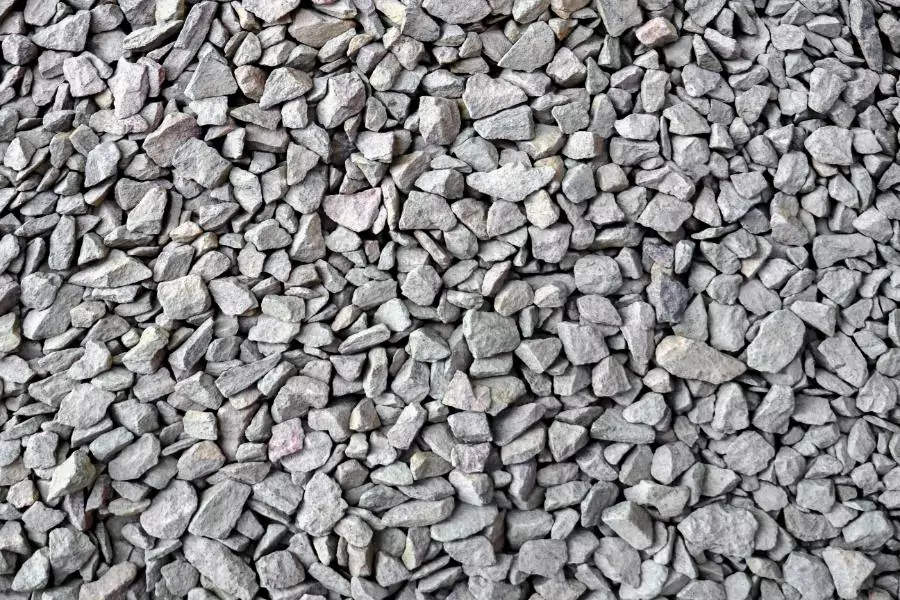
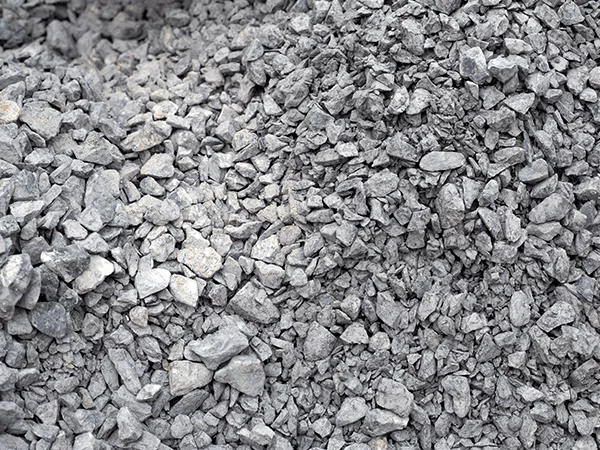


Nestled in the scenic Rogue River Valley at the gateway to Crater Lake, Prospect, Oregon faces unique challenges that demand superior aggregate materials. Gravel Monkey delivers premium crushed stone, gravel, and specialized aggregates directly to properties throughout Prospect and the surrounding Cascade Mountain foothills - with completely free delivery. Whether you're maintaining a mountain driveway along Mill Creek, managing drainage from heavy winter snowpack, or building forest access roads near the Upper Rogue River, we provide the quality materials that perform in Southern Oregon's demanding climate.
Complete Aggregate Materials for Prospect's Mountain Terrain
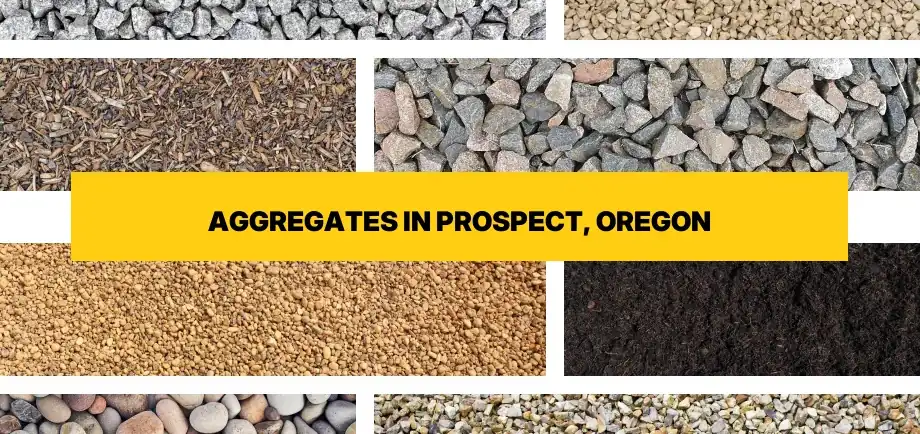
Prospect's elevation of 2,500 feet and proximity to the Cascade Range creates specific requirements for construction aggregates. Our materials are selected to handle steep grades, heavy precipitation, freeze-thaw cycles, and the volcanic soils common throughout Jackson County. We deliver professional-grade aggregates for every application:
- Driveway Gravel - Engineered for steep mountain driveways and heavy vehicle traffic
- 3/4 inch Crushed Stone - Versatile angular aggregate for foundations and drainage applications
- #57 Stone - Standard crushed stone for French drains and septic systems
- Crusher Run - Superior compaction base for roads and building pads
- Road Base - Heavy-duty foundation for forest access and private roads
- Drain Rock - Essential for managing Prospect's 40+ inches of annual precipitation
- River Rock - Natural decorative stone sourced from Rogue River tributaries
- Pea Gravel - Smooth aggregate for pathways and landscaping features
- Walkway Gravel - Stable surfaces for trails and garden paths
- Decomposed Granite - Natural compaction for rustic mountain aesthetics
- Crushed Concrete - Eco-friendly recycled aggregate for cost-effective projects
- Topsoil - Rich organic material for mountain gardens and landscaping
- Fill Dirt - Grading material for leveling sloped lots
- Mason Sand - Fine sand for masonry and construction projects
- Playground Sand - Safe, clean sand for recreational areas
- Washed Sand - Clean aggregate for concrete mixing and filtration
Understanding Prospect's Unique Geology and Climate Demands
Prospect sits in a geologically fascinating area where ancient volcanic flows from Mount Mazama meet the sedimentary formations of the Rogue River Valley. The region's volcanic soil, known locally as pumice-rich decomposed tuff, presents both challenges and opportunities for construction. This lightweight, porous soil requires proper aggregate foundation work to prevent settling and ensure long-term stability for driveways, building pads, and roads.
The climate in Prospect differs dramatically from the Medford valley floor just 30 miles southwest. Winter temperatures regularly drop below freezing from November through March, with substantial snowfall accumulation. Properties along Mill Creek Drive and near the Rogue River Gorge experience freeze-thaw cycles that can damage improperly installed aggregates. Annual precipitation exceeds 40 inches, concentrated heavily in winter months, making drainage management absolutely critical for any construction project.
These conditions mean that aggregate selection isn't just about appearance - it's about performance. Angular crushed stone outperforms rounded gravel in Prospect's climate because the irregular edges interlock under load, creating stable surfaces that resist washout during spring snowmelt. Proper sub-base preparation with compacted aggregates prevents the frost heaving that commonly damages driveways and foundations at this elevation.
Aggregate Delivery Throughout Prospect and Surrounding Areas
Gravel Monkey serves the entire Prospect area and neighboring communities with free delivery. We regularly deliver to properties in these locations:
Mill Creek and Upper Rogue River Area
Properties along Mill Creek Drive and near the historic Mill Creek Falls require aggregates that handle steep terrain and heavy forest canopy drainage. The basalt bedrock common in this area provides excellent foundation support once properly prepared with compacted base materials. Homes near the Rogue River Gorge face additional drainage challenges from groundwater movement, making proper aggregate selection essential.
Highway 62 Corridor
Residences and commercial properties along the Crater Lake Highway (Highway 62) stretch from lower elevations near Union Creek northward toward the national park entrance. This corridor experiences high traffic volumes during summer tourist season, requiring robust driveway entrances and parking areas. The highway's proximity means road salt exposure in winter, favoring aggregates that resist breakdown from freeze-thaw and chemical exposure.
Rogue River-Siskiyou National Forest Access
Private properties with forest service road access, particularly those near the Rogue River National Recreation Trail, often require specialized road base materials. These remote locations face seasonal access challenges and need aggregates that maintain integrity under limited maintenance conditions. We deliver throughout the national forest interface area, supporting both residential properties and recreational facility development.
Lost Creek Lake and McGregor Park Vicinity
Properties near Lost Creek Lake, approximately 15 miles south of Prospect, share similar elevation and climate patterns. The reservoir area's recreational development has increased demand for quality aggregates for driveways, boat ramp access, and shoreline stabilization projects. McGregor Park area properties benefit from the same aggregate materials that perform well in Prospect proper.
Union Creek and Natural Bridge Communities
The small communities of Union Creek and Natural Bridge, located within miles of Prospect, represent the northernmost extent of our regular delivery area. These higher elevation locations experience even more severe winter conditions, making proper aggregate foundation work critical for year-round access and structure longevity.
Critical Applications for Aggregates in Mountain Environments
Mountain Driveway Construction and Maintenance
Steep driveways present Prospect's most common aggregate challenge. A properly built mountain driveway requires a minimum 6-inch compacted base layer, typically using crusher run for its superior compaction characteristics. The top wearing surface should consist of angular crushed stone that interlocks under vehicle weight. Properties on grades exceeding 10% benefit from crosswise drainage features every 50-75 feet to channel water off the driving surface during heavy rain and snowmelt events.
Winter maintenance considerations are paramount. Snowplow operations common from December through March require durable aggregate surfaces that resist being scraped away. The combination of plowing, sanding, and freeze-thaw cycles can reduce driveway aggregate by several inches annually, necessitating periodic top-dressing with fresh crushed stone to maintain proper crown and drainage.
Foundation Drainage Systems
Prospect's high water table during winter and spring makes perimeter drainage systems mandatory for most structures. French drain installations around foundations require clean drain rock, properly sized to allow water movement while preventing soil infiltration. The volcanic soils common near Mill Creek contain fine particles that can clog drainage systems over time, making washed aggregates preferable to unwashed materials for these critical applications.
Septic system drain fields in Prospect face challenges from both seasonal water table fluctuations and freezing temperatures. Proper aggregate bedding below and around septic components ensures adequate drainage and prevents system failure. Local soil percolation rates vary significantly depending on proximity to ancient lava flows versus sedimentary deposits, requiring customized aggregate solutions based on specific site conditions.
Erosion Control and Slope Stabilization
The combination of steep terrain and heavy precipitation makes erosion control a constant concern throughout the Prospect area. Riprap consisting of large angular stone effectively armors streambanks and culvert outfalls against erosive forces. Properties adjacent to Mill Creek and other tributaries of the Upper Rogue River commonly require engineered rock protection to prevent property loss during spring runoff events.
Hillside building sites benefit from properly placed aggregates that provide drainage behind retaining walls while stabilizing cut slopes. The region's volcanic geology creates naturally unstable slopes in some locations, particularly where road cuts expose weathered tuff layers. Engineered aggregate fills, properly compacted in lifts, create stable building platforms even on challenging terrain.
| Aggregate Type | Best Prospect Applications | Size Range | Winter Performance | Drainage Rating |
|---|---|---|---|---|
| Crusher Run | Driveway base, road foundation, building pads | Fines to 3/4 inch | Excellent - compacts well | Moderate |
| 3/4 inch Crushed Stone | Driveway surface, general construction | 3/4 inch angular | Excellent - interlocks | Very Good |
| Road Base | Heavy-duty roads, forest access | Minus 3 inch gradation | Superior - maximum stability | Good |
| Drain Rock | French drains, foundation drainage | 3/4 to 1.5 inch washed | Good - resists freeze damage | Excellent |
| #57 Stone | Drainage systems, concrete aggregate | 1/2 to 1 inch | Very Good | Excellent |
| Decomposed Granite | Pathways, natural landscaping | Fines to 1/4 inch | Fair - requires maintenance | Moderate |
| Pea Gravel | Decorative areas, low-traffic paths | 1/4 to 3/8 inch rounded | Fair - can migrate | Good |
| River Rock | Landscaping, water features | 1 to 6 inch rounded | Fair - decorative use only | Variable |
Seasonal Project Planning for Prospect Conditions
Timing aggregate projects appropriately maximizes both performance and cost-effectiveness in Prospect's mountain environment. Understanding seasonal patterns helps property owners schedule work during optimal conditions.
Spring: Peak Construction Season
May through June represents ideal conditions for major aggregate projects. Ground thaw is complete, allowing proper compaction, while summer tourist traffic hasn't yet congested Highway 62. Spring weather provides enough moisture to aid compaction without the excessive wetness of winter months. This window is particularly important for projects requiring heavy equipment access on forest roads.
Summer: Dry Season Opportunities
July through September offers the driest conditions, making it excellent for drainage system installation and projects requiring excavation in areas with high water tables. However, extremely dry conditions can make achieving proper aggregate compaction challenging without supplemental water. The Crater Lake tourist season means increased traffic along Highway 62, which should factor into project scheduling near main roads.
Fall: Pre-Winter Preparation
October and early November provide a final window for aggregate work before winter conditions arrive. This period is critical for driveway maintenance, adding top-dressing material before snowplow season. Property owners should address drainage issues identified during the previous winter while ground conditions remain workable. Late-season projects risk being interrupted by early snowfall, particularly at higher elevations near Crater Lake.
Winter: Limited Operations
December through March presents challenging conditions for aggregate delivery and installation. Frozen ground prevents proper compaction, and snow cover makes accurate grade work impossible. However, winter provides opportunity for planning, allowing property owners to identify drainage problems and access issues for correction during the following spring. Emergency repairs sometimes necessitate winter aggregate work, requiring specialized approaches and realistic expectations about final results until spring conditions allow proper finishing.
Aggregate Solutions for Common Prospect Projects
Residential Driveway Renovation
Existing gravel driveways throughout Prospect commonly suffer from erosion ruts, washboard surfaces, and inadequate drainage. Proper renovation starts with addressing the underlying problems rather than simply adding more surface material. Regrading to establish proper crown and outslope allows water to sheet off the driving surface. Installing crosswise drainage features at regular intervals prevents water from channeling down the driveway during heavy rain.
The renovation process typically involves scarifying the existing surface, adding and compacting crusher run base material in low spots, then finishing with angular crushed stone that interlocks under traffic. Properties on steep grades may require occasional speed bumps or waterbars constructed from larger aggregates to slow water velocity and reduce erosion during intense rainfall events common in winter months.
New Home Foundation Preparation
Building sites in the Prospect area require substantial aggregate work before concrete can be poured. Volcanic soils must be excavated to competent material, then replaced with compacted aggregate fill to create stable building platforms. The depth of unsuitable material varies significantly - some locations near bedrock outcrops require minimal excavation, while properties in ancient stream valleys may need several feet of material removal and replacement.
Foundation drainage systems are mandatory in this high-precipitation environment. Perimeter drains should consist of perforated pipe surrounded by clean drain rock, with filter fabric preventing soil infiltration. The drainage system must daylight at a lower elevation or connect to a sump system, as Prospect's winter water table often rises to within feet of the surface.
Forest Road Maintenance
Private roads providing access to multiple properties or connecting to forest service roads face unique maintenance challenges. These roads typically lack the engineering and maintenance budgets of public roads, requiring cost-effective aggregate solutions that maximize longevity. Road base material provides the best value for road surface work, offering both strength and compaction characteristics needed for sustained multi-vehicle use.
Proper road maintenance involves more than simply adding aggregate periodically. Water management through ditches, culverts, and outsloped surfaces prevents the erosion that destroys road foundations. Rolling-dip drainage features every 200-300 feet along steep road sections channel water off the traveled way before it gains erosive velocity. Annual maintenance in late summer, before fall rains begin, extends road life and reduces total aggregate consumption over time.
Recreational Area Development
Properties near Lost Creek Lake and throughout the Rogue River corridor often include recreational amenities requiring aggregate work. Boat ramp approaches, parking areas, and trail systems each have specific aggregate requirements. Parking areas for RVs and boat trailers need substantial base depth - typically 8-12 inches of compacted road base - to support heavy concentrated loads without rutting.
Hiking and mountain biking trail systems benefit from native-appearing decomposed granite or crushed stone surfaces that blend with the natural landscape while providing stable, maintainable surfaces. Trail aggregate should be fine enough to pack smoothly underfoot but coarse enough to resist becoming muddy during wet conditions. Properly constructed trail surfaces reduce maintenance requirements and prevent erosion that can damage sensitive riparian areas along Mill Creek and other waterways.
Technical Specifications for Mountain Aggregate Applications
Professional results require understanding the engineering properties of different aggregates and matching them to specific applications. Prospect's challenging conditions make proper specification particularly important.
Compaction and Density Requirements
Proper compaction transforms loose aggregate into stable surfaces capable of supporting loads without excessive settlement. Crusher run and road base materials should achieve at least 95% of maximum density when compacted in lifts no thicker than 6 inches. This requires mechanical compaction equipment - simply driving over loose material proves insufficient for critical applications like driveway bases or building pads.
Moisture content during compaction significantly affects final density. Material that's too dry will not achieve proper compaction regardless of effort. Conversely, material saturated beyond optimum moisture content becomes unstable during compaction. The ideal moisture content for most aggregates used in Prospect ranges from 5-8%, allowing particles to lock together under compaction pressure while maintaining stability.
Gradation and Particle Size Distribution
Well-graded aggregates containing a range of particle sizes from fines through larger stones achieve better compaction and stability than uniformly sized materials. Crusher run exemplifies ideal gradation, with stone sizes ranging from dust through three-quarter inch. The smaller particles fill voids between larger stones, creating a dense matrix that resists water infiltration and maintains integrity under load.
Drainage applications require opposite characteristics - open-graded aggregates like drain rock intentionally lack fine particles to maximize void space for water movement. These washed aggregates typically range from three-quarter inch to one and one-half inch, providing approximately 35-40% void space for water storage and transmission. Using improperly graded material in drainage applications leads to clogging and system failure.
Angularity and Surface Texture
Crushed aggregates with angular fractured faces perform dramatically better than rounded gravels for most structural applications in Prospect. Angular particles mechanically interlock under load, creating stable surfaces that resist displacement. This characteristic proves critical for steep driveways where rounded gravel would roll downhill under vehicle traffic.
However, angular aggregates feel harsh underfoot and appear industrial in aesthetic applications. Landscaping features, pathways, and decorative areas benefit from rounded materials like pea gravel and river rock that provide softer visual appeal and comfortable walking surfaces. Matching aggregate characteristics to intended use ensures both functional performance and appropriate appearance.
Long-Term Aggregate Maintenance in Prospect Climate
Properly installed aggregates require periodic maintenance to preserve performance and appearance. Understanding maintenance requirements helps property owners budget appropriately and schedule work during optimal conditions.
Annual Driveway Maintenance
Gravel driveways lose material gradually through several mechanisms. Vehicle traffic displaces aggregate to the edges of the driving surface. Snowplow operations scrape away surface material. Rain and snowmelt wash fines from the surface. Annual top-dressing with one to two inches of fresh crushed stone restores proper surface grade and replenishes lost material.
Regrading represents equally important maintenance. Driveways naturally develop low spots where water pools and accelerates deterioration. Annual or biannual grading, ideally performed in late summer, restores proper crown and drainage slope. This work costs significantly less than allowing drainage problems to progress to the point of requiring complete driveway reconstruction.
Drainage System Care
French drains and foundation drainage systems require minimal maintenance when properly installed but benefit from periodic inspection. Cleanout points at drain ends allow verification that water flows freely. Backup or slow drainage indicates potential clogging from soil infiltration or root intrusion. Addressing problems early prevents water from backing up against foundations where it can cause serious structural damage.
Erosion Monitoring and Repair
Spring snowmelt and fall storms create conditions for erosion throughout the Prospect area. Property owners should inspect driveways, slopes, and drainage features after major runoff events. Small erosion problems can be quickly repaired by placing and compacting aggregate in affected areas. Ignoring minor erosion allows problems to expand exponentially, potentially requiring expensive engineering solutions to correct.
Environmental Considerations for Aggregate Use
Prospect's location within the Rogue River watershed and proximity to sensitive areas like the Rogue River National Recreation Trail requires environmentally responsible aggregate use. Proper practices protect water quality while meeting project requirements.
Erosion and Sediment Control
Aggregate projects can temporarily increase erosion and sediment delivery to nearby streams if improperly managed. Best practices include limiting the extent of disturbed area, working during dry periods when possible, and installing sediment barriers downslope of work areas. Properties within 100 feet of streams require particular attention to preventing sediment discharge.
Recycled Aggregate Benefits
Crushed concrete provides environmental benefits as a recycled alternative to virgin aggregates for appropriate applications. Using recycled materials reduces quarrying impacts while diverting material from landfills. Crushed concrete performs well for driveway base layers and road applications, though it's less suitable for drainage systems or decorative use. The slight alkalinity of crushed concrete can actually benefit acid-prone soils common in forested areas.
Protecting Riparian Areas
Properties adjacent to Mill Creek, the Rogue River, and tributary streams must balance access needs with riparian habitat protection. Aggregate work near streams should maintain vegetated buffer strips that filter runoff and provide shade for temperature-sensitive fish habitat. When stream crossings are unavoidable, properly sized and installed culverts with rocked approaches minimize habitat disruption while providing reliable access.
Frequently Asked Questions About Aggregates in Prospect
Steep driveways require a combination approach. Use crusher run or road base for the foundation layer (6-8 inches compacted) to create a stable base that resists sliding. Top with 2-3 inches of angular 3/4 inch crushed stone for the driving surface. The angular shape interlocks under vehicle weight, preventing the material from rolling downhill. Avoid rounded gravels on slopes exceeding 8-10% as they lack the mechanical interlock necessary for stability.
For a standard 12-foot wide by 100-foot long driveway with 6 inches of base material and 2 inches of surface material, you'll need approximately 24 cubic yards of crusher run base and 8 cubic yards of crushed stone surface material. Steep driveways or those with poor native soil conditions may require 8-10 inches of base material, increasing requirements to 32-40 cubic yards. We help customers calculate exact quantities based on specific site conditions.
Late spring through early fall (May through September) provides optimal conditions for aggregate delivery and installation. Ground conditions are dry enough for heavy equipment access, and temperatures allow proper compaction. Major projects should avoid December through March when frozen ground and snow cover make proper installation impossible. Fall delivery (September through October) allows property owners to prepare driveways before winter snowplow season begins.
Yes, we deliver throughout the Prospect area including properties along the Crater Lake Highway corridor, Mill Creek Drive, and roads accessing the Rogue River-Siskiyou National Forest. Our delivery service extends from the lower elevation areas near Union Creek northward past the Rogue River Gorge. Free delivery applies to all locations within our Prospect service area regardless of how remote or challenging the access.
Prospect receives over 40 inches of precipitation annually with heavy winter snowfall. Water is the primary enemy of aggregate installations - it causes erosion, washouts, and freeze-thaw damage. Proper drainage design includes crowned surfaces, cross-slope drainage, ditches, and culverts to move water away from driveways and structures. Areas with poor drainage experience premature aggregate failure requiring expensive reconstruction.
Both are compactable base materials but road base typically includes larger stone (up to 3 inches) and is engineered for heavy-duty applications like forest roads and commercial driveways. Crusher run contains material from fines through 3/4 inch and works well for residential driveways and lighter-duty applications. Road base costs more but provides superior performance for high-traffic or heavy-vehicle situations common in Prospect's mountain environment.
Simple projects like adding surface material to existing driveways can be DIY projects. However, new driveway construction, foundation drainage, and projects requiring excavation and compaction equipment typically need professional contractors. Proper compaction proves critical for long-term performance and requires specialized equipment. We deliver to both homeowners and contractors throughout the Prospect area, providing materials for all project types.
The pumice-rich volcanic soils common throughout Prospect are lightweight and well-draining but lack the bearing strength of denser soils. This often requires deeper aggregate base installations to distribute loads properly. The good news is that volcanic soils drain well, reducing some of the moisture-related problems common in heavier clay soils. Proper site evaluation determines appropriate base depth for specific soil conditions on your property.
Professional Aggregate Delivery Throughout the Rogue River Valley
Gravel Monkey brings three decades of aggregate industry experience to every Prospect delivery. We understand the unique challenges of mountain construction in Southern Oregon's demanding climate. Our materials are selected specifically for performance in freeze-thaw conditions, heavy precipitation, and steep terrain common throughout the Cascade foothills.
From residential driveways along Mill Creek to forest access roads near the Upper Rogue River, we deliver the quality aggregates your project demands. Free delivery throughout Prospect and surrounding Jackson County communities means you receive professional-grade materials without the premium pricing typically associated with remote mountain locations.
Our team helps customers select appropriate materials, calculate accurate quantities, and schedule delivery during optimal conditions for their specific project. Whether you're maintaining an existing driveway, building a new mountain retreat, or managing forest roads, we provide the aggregates and expertise that ensure long-term success in Prospect's challenging environment.

Need help? Reach out for a quote: