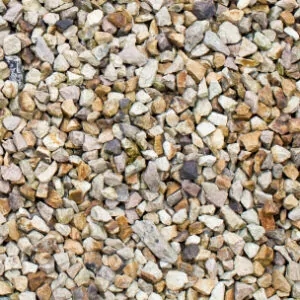

Gravel for Sale in Princeton, Oregon
Local Topsoil, Dirt, Sand, Rocks and Gravel near me in Princeton, Oregon
Shop Aggregates for Delivery in Princeton
Order online for free delivery to any Princeton address.
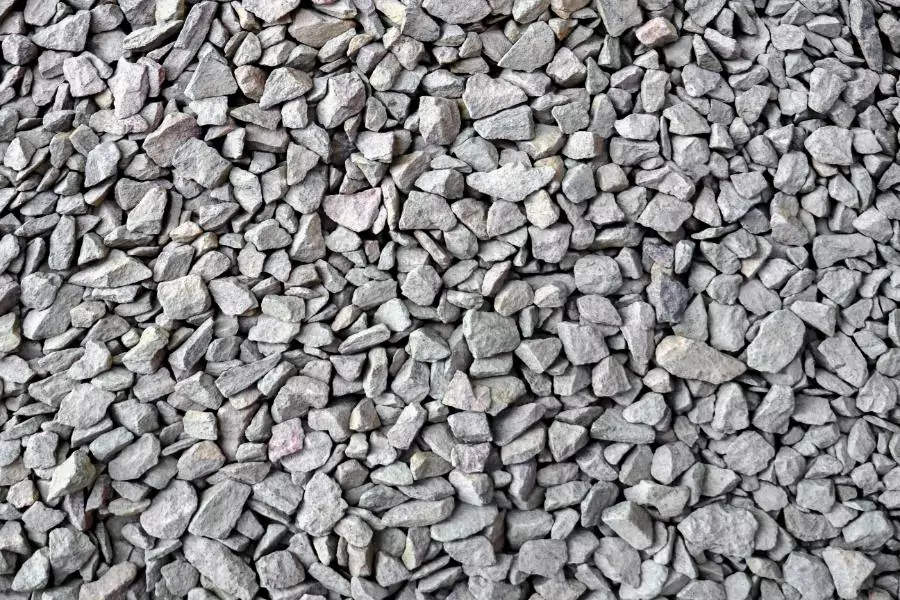
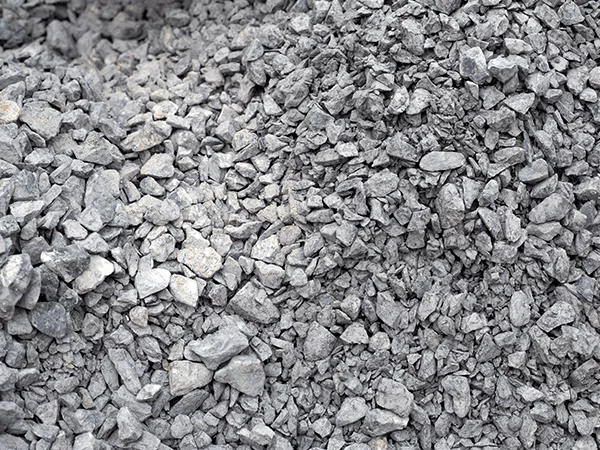


Gravel Monkey brings premium aggregates and construction materials directly to Princeton, Oregon, serving the high desert communities of Harney County with reliable, free delivery. Whether you're maintaining a ranch property near the Malheur National Wildlife Refuge, upgrading a rural driveway, or tackling construction projects in this remote southeastern Oregon landscape, we deliver quality materials suited to Princeton's unique climate and terrain. Our comprehensive selection of aggregates addresses the specific challenges of building and maintaining properties in the high desert, from freeze-thaw resistance to superior drainage performance.
Comprehensive Aggregate Selection for Princeton's High Desert Environment
Princeton's location at 4,200 feet elevation in the Oregon high desert presents unique challenges that require carefully selected materials. Our aggregate products are specifically suited for the area's volcanic soils, temperature extremes, and minimal precipitation patterns.
- Driveway Gravel - Robust base material engineered for Princeton's rural access roads and ranch driveways
- 3/4 inch Crushed Stone - Versatile aggregate for foundations, drainage, and hardscaping in alkaline soils
- #57 Stone - Clean, angular aggregate ideal for drainage applications and concrete work
- Crusher Run - Superior compaction material for road base and driveway foundations
- Road Base - Heavy-duty structural foundation for access roads across ranch properties
- Drain Rock - Essential for managing snowmelt and occasional heavy precipitation events
- Pea Gravel - Decorative aggregate for xeriscaping and low-maintenance landscapes
- River Rock - Natural aesthetic stone for water-wise landscaping designs
- Walkway Gravel - Stable surface material for pathways and garden areas
- Decomposed Granite - Natural stabilizing material perfect for high desert pathways and patios
- Crushed Concrete - Eco-friendly recycled aggregate for utility projects
- Topsoil - Amended growing medium for establishing vegetation in volcanic soils
- Fill Dirt - Essential for grading and site preparation on uneven terrain
- Mason Sand - Fine sand for construction and masonry applications
- Playground Sand - Safe, clean sand for recreational areas
- Washed Sand - Premium sand for specialized construction needs
Understanding Princeton's High Desert Geology and Climate
Princeton sits in the northern Great Basin, characterized by volcanic basalt formations, alkaline soils, and dramatic temperature swings. The area receives approximately 9 inches of annual precipitation, mostly as snow during winter months. Summer temperatures frequently exceed 90°F while winter lows drop well below freezing, creating freeze-thaw cycles that challenge construction materials.
The region's geology includes layers of volcanic ash, basalt flows, and lacustrine sediments from ancient Lake Malheur. This volcanic heritage creates soils with high pH levels and unique drainage characteristics. Properties throughout Harney County, from ranch lands near Diamond Valley to developments closer to Burns, benefit from aggregates that address these geological conditions.
Material Selection for Volcanic Soils and Temperature Extremes
Princeton's basaltic substrate and freeze-thaw cycles require aggregates with specific properties. Angular crushed materials provide superior compaction and interlock better than rounded aggregates in the area's loose volcanic soils. Proper drainage becomes critical during spring snowmelt when moisture can penetrate frost-susceptible layers.
Local contractors working on projects from Crane to Frenchglen understand that conventional base materials may fail without adequate drainage provisions. The high desert's intense UV exposure and low humidity also affect surface materials differently than in western Oregon's maritime climate. Selecting aggregates designed for these conditions ensures long-term performance and reduced maintenance costs across ranch operations and residential properties.
Aggregate Delivery Throughout Harney County Communities
Gravel Monkey serves Princeton and the surrounding high desert region with free delivery of construction aggregates and landscaping materials. Our service area extends throughout southeastern Oregon's ranching communities and recreational areas.
Princeton and Immediate Vicinity
Properties along Highway 78 and throughout the Princeton valley receive direct delivery service. Whether you're maintaining a historic homestead or developing new infrastructure near the Malheur National Wildlife Refuge boundary, we provide materials suited to rural ranch operations and residential projects in this isolated high desert community.
Regional Delivery Coverage
Beyond Princeton proper, we deliver aggregates to Burns, Hines, Crane, Frenchglen, and Diamond. Properties near Steens Mountain, the Blitzen Valley, and along the route to Fields also receive service. Ranch operations throughout the Catlow Valley and areas adjacent to the Alvord Desert can access our complete product line. From the northern reaches near Buchanan to southern properties approaching the Nevada border, Gravel Monkey ensures remote high desert locations receive quality materials without the logistics challenges typically associated with serving isolated communities.
Aggregate Applications for High Desert Projects
Ranch Roads and Rural Driveways
Princeton area ranch properties often feature extensive road networks requiring durable, low-maintenance surfaces. The combination of heavy agricultural equipment, seasonal moisture, and freeze-thaw cycles demands carefully engineered aggregate systems. Establishing proper drainage and compaction prevents the ruts and washboarding common on poorly constructed ranch roads.
Successful rural driveway construction begins with adequate base preparation. Remove unstable surface materials and establish proper crown for water shedding. A compacted base layer using crusher run or road base creates structural integrity, while a surface course of driveway gravel or crushed stone provides the wearing surface. This layered approach handles the weight of hay trucks, livestock trailers, and agricultural equipment while minimizing maintenance requirements across Harney County's expansive ranch properties.
Drainage Systems and Water Management
Despite Princeton's low annual precipitation, managing snowmelt and occasional thunderstorms remains critical. Spring runoff from Steens Mountain and surrounding highlands can overwhelm inadequate drainage systems. French drains, culvert beds, and foundation perimeter drainage all require properly sized aggregate materials.
Drain rock and clean crushed stone facilitate water movement while preventing fine sediment migration. Size drainage aggregate according to soil type and expected water volume. In Princeton's volcanic soils, coarser materials often prove more effective than in clay-based environments. Proper drainage installation protects building foundations, prevents road washouts, and manages seasonal water flow across both residential and agricultural properties throughout the high desert region.
Foundation and Hardscaping Work
Building foundations in Princeton require attention to frost depth and soil bearing capacity. The area's freeze line extends 18-24 inches, necessitating footings below this depth. Crushed aggregate provides stable support and drainage beneath foundation systems, preventing frost heave and settling issues common in improperly prepared sites.
Hardscaping projects including patios, retaining walls, and outdoor living spaces benefit from properly selected base materials. The 3/4 inch crushed stone and #57 stone create stable, draining bases for pavers and flagstone installations. In Princeton's climate, proper base construction prevents frost damage and maintains level surfaces despite temperature extremes. Projects from simple walkways to elaborate outdoor entertainment areas near Burns and throughout the county achieve longevity through appropriate aggregate selection and installation techniques.
Xeriscaping and Desert-Appropriate Landscaping
Princeton's low precipitation makes water-intensive landscaping impractical and environmentally inappropriate. Decorative aggregates including pea gravel, river rock, and decomposed granite create attractive, sustainable landscapes requiring minimal irrigation. These materials complement native plants and reflect the natural high desert aesthetic while reducing maintenance demands.
Successful xeriscape designs incorporate varying aggregate textures and colors to create visual interest. Decomposed granite compacts to create stable pathways and mulched areas, while larger river rock defines planting beds and dry creek features. This approach to landscaping suits Princeton's climate, conserves water resources, and reduces ongoing maintenance compared to traditional lawns and plantings requiring regular irrigation throughout Harney County's arid environment.
Aggregate Comparison Guide for Princeton Projects
Selecting the right aggregate depends on your specific application, soil conditions, and performance requirements. This comparison helps property owners throughout Princeton and Harney County match materials to project needs.
| Aggregate Type | Best Applications | Compaction | Drainage Rating | Princeton Suitability |
|---|---|---|---|---|
| Crusher Run | Road base, driveway foundation | Excellent | Moderate | Ideal for ranch roads |
| 3/4" Crushed Stone | General construction, drainage | Very Good | Excellent | Versatile for all projects |
| #57 Stone | Drainage, concrete aggregate | Good | Superior | Best for French drains |
| Drain Rock | Foundation drains, septic fields | Minimal | Superior | Essential for snowmelt |
| Road Base | Structural roadway foundation | Excellent | Good | Heavy equipment access |
| Decomposed Granite | Pathways, natural surfaces | Good | Moderate | Perfect for xeriscaping |
| Pea Gravel | Decorative landscape, walkways | Poor | Excellent | Low-water landscaping |
| River Rock | Decorative features, mulch | Poor | Good | Aesthetic applications |
Best Practices for Aggregate Installation in High Desert Conditions
Site Preparation and Base Construction
Successful aggregate installations begin with proper site preparation. Remove organic material, loose soil, and debris from the construction area. In Princeton's volcanic soils, you may encounter loose ash layers or porous basalt that require excavation and replacement with stable base materials. Establish proper grades to direct water away from structures and toward designated drainage areas.
Compaction proves critical in the high desert environment. Use a plate compactor for small areas or a vibratory roller for larger projects like ranch roads. Compact base materials in six-inch lifts, achieving 95% compaction for structural applications. Princeton's dry climate aids compaction but may require light moisture application for optimal results. Proper base preparation prevents settling and maintains stable surfaces despite seasonal temperature variations and freeze-thaw cycles.
Drainage Integration
Even in Princeton's arid climate, integrating drainage systems protects aggregate installations and surrounding structures. Spring snowmelt can introduce significant water volumes over short periods. Design drainage to handle these events rather than average precipitation levels. Install fabric barriers between native soils and aggregate drainage layers to prevent sediment migration while allowing water movement.
Size culverts and drainage pipes based on watershed area and local rainfall intensity data. In Harney County, occasional intense thunderstorms can overwhelm undersized drainage infrastructure. Position drainage outlets to prevent erosion and direct water to appropriate disposal areas away from foundations and roadways.
Seasonal Considerations
Princeton's climate creates distinct seasonal windows for aggregate work. Spring and fall offer moderate temperatures ideal for construction activities. Summer's intense heat can make physical labor challenging but allows rapid drying and curing. Winter freezes limit concrete work and complicate equipment operation but permit aggregate stockpiling for spring projects.
Plan major earth-moving and grading projects for late summer and early fall when soils are driest and most stable. This timing prevents compaction difficulties associated with spring moisture and positions projects for winter weather. Ranch operations scheduling around calving seasons and haying can coordinate aggregate deliveries and construction activities to minimize conflicts with agricultural priorities throughout Harney County properties.
Common Aggregate Projects Throughout Princeton and Surrounding Areas
Ranch Infrastructure Development
Harney County's ranching operations require extensive infrastructure maintenance and development. New barn construction, equipment storage facilities, and livestock handling areas all need properly prepared aggregate bases. Calving barns and feeding areas especially benefit from well-draining surfaces that remain stable despite heavy hoof traffic and equipment use.
Many Princeton area ranches maintain miles of private roads connecting pastures, water sources, and facilities. Upgrading these roads with proper aggregate systems reduces maintenance time and extends service life. Properties stretching toward Diamond, Riley, and Wagontire invest in road improvement projects that pay dividends through reduced maintenance costs and improved all-weather access across their operations.
Residential Property Improvements
Princeton's residential properties range from historic homesteads to newer recreational properties. Driveway improvements, shop building construction, and landscape projects utilize aggregates suited to the high desert environment. Water-wise landscaping incorporating decorative rock and drought-tolerant plantings has become increasingly popular as property owners embrace sustainable approaches suited to the region's climate.
Properties near the Malheur National Wildlife Refuge and those serving as base camps for Steens Mountain recreation often incorporate outdoor living spaces, fire pits, and pathways. These features rely on proper aggregate bases and surface materials designed for Princeton's temperature extremes and freeze-thaw conditions. Well-executed aggregate hardscaping creates functional outdoor spaces requiring minimal maintenance while complementing the natural high desert landscape.
Commercial and Community Projects
Small commercial operations in Princeton and nearby communities require parking areas, loading zones, and access roads meeting functional needs within budget constraints. Aggregate surfaces provide cost-effective solutions for low-traffic commercial applications. Proper design and construction deliver long-term performance suitable for businesses supporting ranch operations, recreation, and local services throughout Harney County.
Community facilities including parks, boat launches, and trailheads also utilize aggregates for parking and access. These projects balance functionality with environmental sensitivity, particularly near sensitive areas like the wildlife refuge. Selecting appropriate materials and implementing careful installation techniques minimizes environmental impact while providing necessary infrastructure for community use across southeastern Oregon's recreational resources.
Calculating Aggregate Quantities for Princeton Projects
Accurate material estimation prevents project delays and controls costs. Understanding how to calculate aggregate needs helps property owners throughout Princeton and Harney County plan effectively and avoid shortages or excess materials.
Basic Calculation Method
Calculate aggregate volume by multiplying length times width times depth, all measured in feet. Convert the result to cubic yards by dividing by 27. For example, a ranch driveway measuring 50 feet long by 12 feet wide requiring 4 inches (0.33 feet) of gravel needs approximately 7.4 cubic yards. Adding 10% for waste and compaction brings the order to 8 cubic yards.
Different aggregate types have varying densities affecting coverage rates. Compacted materials like crusher run cover less area per ton than loose decorative stone. Heavier materials like crushed stone weigh approximately 1.4 tons per cubic yard while lighter aggregates weigh less. Consider these factors when estimating material needs for projects from small residential installations to extensive ranch road construction throughout the high desert region.
Project-Specific Considerations
Driveway projects typically require 4-6 inches of surface aggregate over 6-8 inches of compacted base material. Ranch roads handling heavy equipment may need even greater depth. Drainage applications require adequate depth to handle expected water volumes while maintaining structural integrity. Calculate these requirements carefully to ensure adequate materials arrive with your delivery.
For complex projects or large-scale installations, consult with experienced contractors familiar with Princeton's conditions. Local professionals understand how the region's volcanic soils, climate, and typical applications affect material selection and quantity requirements. Their expertise helps optimize material choices and prevents costly miscalculations on significant investments in ranch infrastructure or property development throughout Harney County.
Frequently Asked Questions About Aggregate Delivery in Princeton, Oregon
We provide free delivery throughout Princeton and surrounding Harney County communities including Burns, Hines, Crane, Frenchglen, Diamond, and properties near the Malheur National Wildlife Refuge, Steens Mountain, and throughout the Catlow Valley region of southeastern Oregon.
Angular crushed materials including crusher run, 3/4 inch crushed stone, and road base provide superior performance in volcanic soils. These aggregates compact effectively and interlock well in loose ash layers and porous basalt common throughout the Princeton area. Proper drainage aggregates like drain rock are essential for managing snowmelt in spring.
Ranch roads typically require 6-8 inches of compacted base material plus 4-6 inches of surface aggregate. A road 12 feet wide and 1,000 feet long needs approximately 75-95 cubic yards of material total. Calculate your specific needs based on road width, length, and required depth, then add 10% for compaction and waste.
Late summer and early fall offer ideal conditions for aggregate work in Princeton. Soils are driest, temperatures are moderate, and you can complete projects before winter weather. Spring work is possible but may encounter wet conditions from snowmelt. Summer heat makes physical labor challenging but allows rapid project completion and drying.
Quality crushed aggregates with proper installation handle freeze-thaw cycles effectively. Ensure adequate drainage to prevent water accumulation, compact base materials thoroughly, and install aggregates at sufficient depth below the frost line. Angular materials resist frost heave better than rounded aggregates in Princeton's temperature extremes.
Both materials create strong, compactable bases but differ in composition. Crusher run contains a blend of stone sizes from dust to 3/4 inch, compacting extremely tight. Road base may contain slightly larger stones and specific gradations engineered for roadway construction. Both work well for ranch roads and driveways throughout Harney County, with selection depending on specific project requirements and local availability.
Yes, we deliver to remote ranch properties throughout Harney County. Whether your property is near Fields, along the route to the Alvord Desert, or in isolated areas of the Catlow Valley, we can arrange delivery. Contact us with your specific location so we can confirm service availability and schedule delivery to your remote high desert property.
Decomposed granite, pea gravel, and river rock all excel in water-wise landscaping for Princeton's arid climate. Decomposed granite compacts for stable pathways, pea gravel provides attractive ground cover requiring no irrigation, and river rock creates dramatic accents in dry creek beds and planting areas. These materials complement native high desert vegetation while eliminating water-intensive lawn maintenance.
Environmental Stewardship in High Desert Aggregate Use
Princeton's location near the Malheur National Wildlife Refuge and within the Great Basin ecosystem requires thoughtful approaches to development and land management. Using aggregates appropriately supports both functional land use and environmental protection across Harney County's sensitive high desert landscape.
Sustainable Material Choices
Crushed concrete and other recycled aggregates reduce demand for newly quarried materials while delivering comparable performance for many applications. Ranch roads, equipment yards, and utility projects can utilize recycled materials effectively, supporting circular economy principles in remote rural areas. This approach reduces transportation impacts and material costs while maintaining project quality standards.
Selecting locally-sourced aggregates when possible minimizes transportation distances and associated environmental impacts. Materials sourced from regional quarries reduce fuel consumption and emissions compared to products shipped from distant sources. For Princeton-area projects, this consideration becomes particularly relevant given the isolated location and distances to major material sources.
Water Quality Protection
Proper aggregate installation protects water quality in streams, springs, and wetlands throughout the region. Preventing sediment discharge during construction protects aquatic habitat and maintains water clarity. Installing erosion control measures, properly sizing drainage systems, and avoiding work during wet periods all contribute to water quality protection.
Properties near sensitive areas like the Blitzen River, Kiger Gorge, or seasonal wetlands require particular attention to sediment control. Maintaining natural drainage patterns, preserving vegetation buffers, and implementing careful construction practices protect these valuable water resources while allowing necessary development and infrastructure improvements across ranch properties and residential sites throughout southeastern Oregon's high desert environment.
Professional Aggregate Delivery Serving Princeton and Harney County
Whether you're maintaining miles of ranch roads, developing residential property near the Malheur National Wildlife Refuge, or tackling construction projects in Princeton's high desert environment, Gravel Monkey delivers the aggregates you need with free shipping throughout southeastern Oregon. Our materials are selected for performance in volcanic soils, temperature extremes, and the unique conditions of the northern Great Basin region.
From crusher run for heavy-duty ranch roads to decorative river rock for water-wise landscaping, we stock the complete range of aggregates suitable for Harney County projects. Contact us today to discuss your specific needs, receive expert material recommendations, and schedule free delivery to your Princeton-area property. We understand the challenges of building and maintaining properties in Oregon's high desert and provide materials proven to perform in this demanding environment.

Need help? Reach out for a quote: