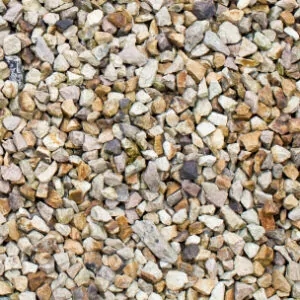
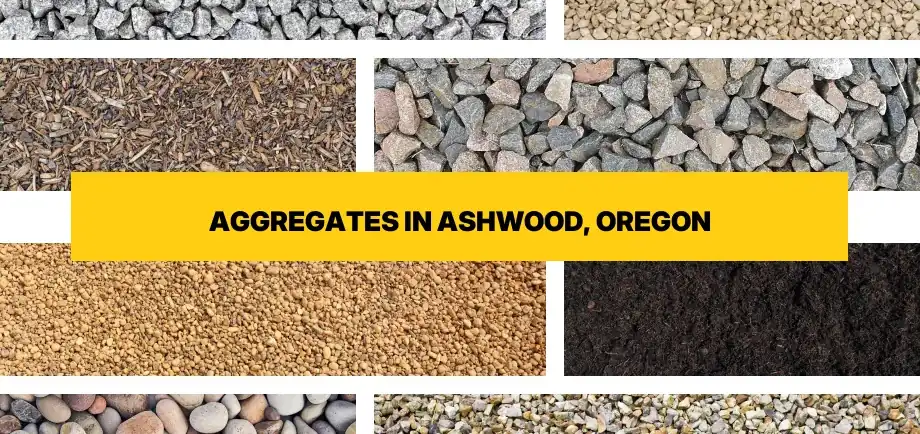
Shop Sand, Stone & Gravel in Ashwood, Oregon
Local Topsoil, Dirt, Sand, Rocks and Gravel near me in Ashwood, Oregon
Shop Aggregates for Delivery in Ashwood
Order online for free delivery to any Ashwood address.
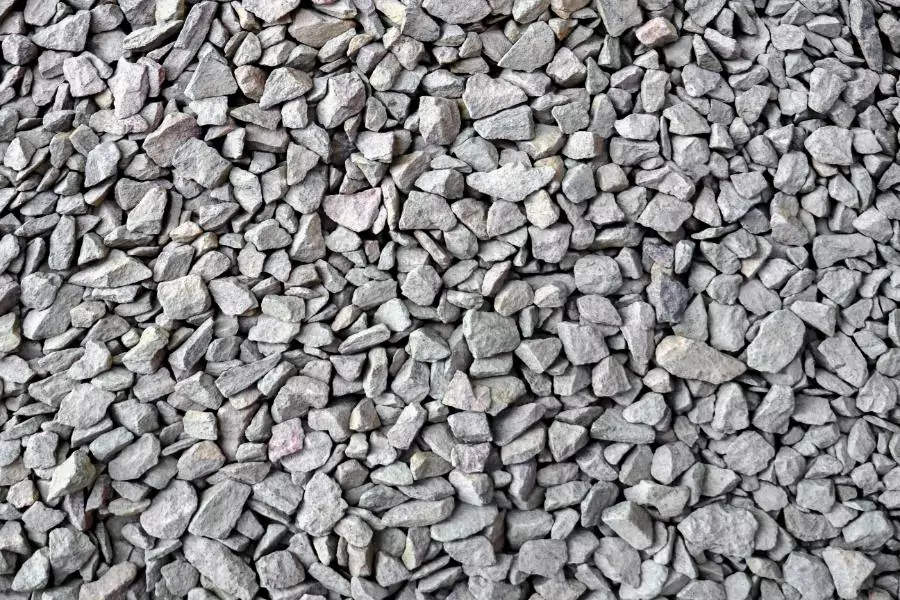
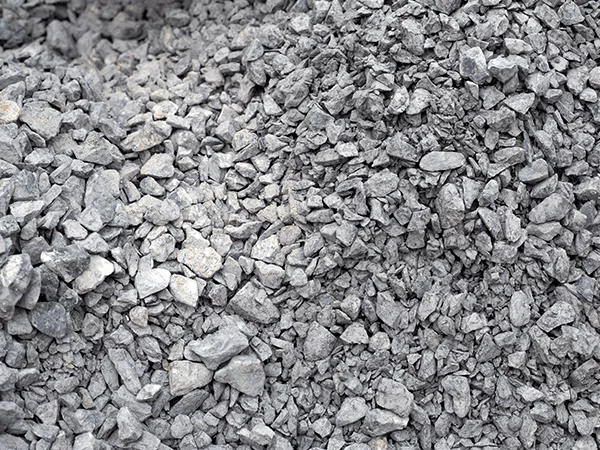


Gravel Monkey provides premium aggregates and landscaping materials throughout Ashwood, Oregon, serving ranches, rural properties, and residential projects across Jefferson County. Located in the heart of Central Oregon's high desert, Ashwood requires specialized aggregates that can handle the region's unique volcanic soils, dramatic temperature swings, and minimal annual rainfall. Whether you're upgrading a ranch access road near Trout Creek, creating drainage solutions for properties along Highway 97, or improving a driveway in the rural community, we deliver high-quality materials directly to your location with completely free delivery.
Complete Aggregate Selection for Ashwood Projects
Our comprehensive inventory includes materials specifically suited for Central Oregon's challenging conditions. From base materials that compact firmly in volcanic soil to decorative aggregates that enhance your property's aesthetic appeal, we supply everything needed for successful projects in Ashwood and the surrounding high desert region.
- Driveway Gravel - Durable aggregate blends designed for long ranch roads and rural access drives
- 3/4 inch Crushed Stone - Versatile angular aggregate for solid foundations and stable bases
- #57 Stone - Standard drainage stone for French drains and foundation perimeters
- Crusher Run - Self-compacting base material that creates rock-solid surfaces
- Road Base - Heavy-duty compactable aggregate for ranch roads and parking areas
- Drain Rock - Angular aggregate specifically engineered for superior water management
- Crushed Concrete - Eco-friendly recycled aggregate that's budget-conscious and sustainable
- Pea Gravel - Smooth rounded stones perfect for landscaping beds and pathways
- River Rock - Natural decorative stone for xeriscaping and dry creek beds
- Walkway Gravel - Appropriately sized aggregate for comfortable pedestrian paths
- Decomposed Granite - Natural pathway material that compacts firmly while maintaining permeability
- Topsoil - Nutrient-enriched soil for gardens and lawn establishment
- Fill Dirt - Clean fill material for grading, leveling, and site preparation
- Mason Sand - Fine-textured sand for masonry and construction applications
- Playground Sand - Safe, clean sand certified for children's play areas
- Washed Sand - Clean aggregate-free sand for landscaping and hardscaping projects
Every aggregate we deliver meets strict quality standards and arrives ready for immediate use on your Ashwood property. Our materials perform reliably in Central Oregon's demanding climate, where summer temperatures regularly exceed 90 degrees and winter lows drop below freezing.
Understanding Ashwood's Unique Geological Landscape
Ashwood sits at approximately 2,900 feet elevation in Jefferson County, surrounded by dramatic volcanic geology that defines Central Oregon's high desert environment. The area's soil composition reflects its volcanic origins, with layers of basalt, ash deposits, and sandy loam creating specific challenges for construction and landscaping projects.
The region's minimal annual precipitation—averaging just 10 to 12 inches—combined with strong winds and intense summer sun means aggregates must withstand significant thermal expansion and UV exposure. Properties near Trout Creek and along the John Day River watershed may encounter seasonal water table fluctuations that require proper drainage planning. Meanwhile, the volcanic rock formations throughout the area provide excellent native stone options but can complicate excavation projects.
Climate Considerations for Aggregate Selection
Central Oregon's high desert climate demands thoughtful material selection. Summer daytime temperatures in Ashwood frequently reach the mid-90s, while winter nights can plunge to 10 degrees Fahrenheit or lower. This dramatic temperature range—often 40 to 50 degrees between day and night—creates significant expansion and contraction stress on aggregates.
The freeze-thaw cycle, though less intense than in wetter climates, still affects material performance. Aggregates with good drainage characteristics prevent water accumulation that could freeze and cause heaving. The region's low humidity and strong winds also contribute to surface material migration, making proper compaction and base preparation essential for long-term stability.
Serving Ashwood and Surrounding Central Oregon Communities
Gravel Monkey proudly delivers throughout the greater Ashwood region, including these nearby areas and communities:
- Trout Creek Area - Ranch properties and rural homes along this seasonal waterway
- Highway 97 Corridor - Properties along Oregon's primary north-south route through Central Oregon
- Ashwood Historic District - The original townsite and surrounding residential properties
- John Day River Region - Ranches and recreational properties near this significant watershed
- Willowdale Area - Rural properties east of Ashwood toward the Crooked River
- Gateway to Painted Hills - Properties serving as access points to the famous geological formations
- Antelope Junction - Properties near the intersection of regional highways
- Shaniko Road Corridor - Ranch roads and access routes connecting to historic Shaniko
We also service nearby communities including Madras, Culver, Metolius, and the broader Jefferson County region. Whether your project sits in the heart of Ashwood or on a remote ranch 20 miles outside town, our delivery service reaches you with the same commitment to quality and timeliness.
Choosing the Right Aggregates for Your Ashwood Project
Ranch Roads and Rural Driveways
Long access roads represent one of the most common aggregate needs in Ashwood's predominantly rural landscape. The combination of heavy ranch equipment traffic, dramatic seasonal temperature changes, and occasional heavy storms demands durable base materials that maintain stability year-round.
For these applications, crusher run provides an excellent foundation that compacts into a nearly solid surface. This aggregate contains a mixture of stone sizes that interlock when compacted, creating exceptional stability even under heavy loads. Many Ashwood ranch owners layer crusher run as a base, then top it with driveway gravel for a smoother driving surface that sheds water effectively.
Road base offers another outstanding option for high-traffic ranch roads, particularly those serving commercial agricultural operations. Its engineered blend of aggregates compacts to maximum density, resisting rutting and washboarding that plague poorly constructed rural roads. Properties along the Trout Creek corridor especially benefit from road base's water-resistant characteristics during spring runoff periods.
Foundation and Construction Bases
Building projects in Ashwood's volcanic soil require careful attention to foundation preparation. The 3/4 inch crushed stone serves as the industry standard for building foundations, providing both structural support and drainage. Its angular shape prevents shifting while allowing water to percolate away from foundation walls—critical in areas where spring snowmelt can create temporary saturation.
For larger construction projects like shop buildings, equipment shelters, or barn foundations, consider combining 3/4 inch crushed stone with proper geotextile fabric. This combination prevents the aggregate from gradually working into the native volcanic soil while maintaining optimal drainage characteristics. The fabric barrier proves especially valuable in areas where wind-blown ash and fine particles might otherwise compromise your base layer.
Drainage Solutions for High Desert Properties
While Ashwood's overall climate is quite dry, strategic drainage remains important for several reasons. Spring snowmelt from nearby higher elevations can concentrate water flow in low areas. Summer thunderstorms, though infrequent, can dump significant rainfall in short periods. Properties near Trout Creek or in natural drainage paths require proactive water management.
The #57 stone excels in French drain applications, perimeter drains around buildings, and dry wells. Its uniform size creates consistent void spaces that allow rapid water movement while preventing soil infiltration. For properties dealing with seasonal water table issues near the John Day River watershed, properly installed drain rock systems protect foundations and prevent soggy areas that freeze and heave during winter.
Decorative Landscaping Applications
Despite the challenging climate, many Ashwood property owners create attractive landscaping using drought-tolerant plants and strategic aggregate placement. Pea gravel works beautifully in planting beds, creating clean borders around native plants and ornamental grasses that thrive in the high desert environment. Its rounded shape is comfortable to walk on and doesn't track into homes like angular materials can.
River rock adds natural aesthetics to xeriscaping projects, dry creek beds that handle occasional runoff, and decorative borders. Sizes ranging from 1 to 3 inches complement the surrounding volcanic landscape while requiring minimal maintenance. The natural earth tones blend seamlessly with Central Oregon's color palette of sage greens, rust reds, and warm browns.
For functional pathways that maintain a natural appearance, decomposed granite has gained popularity among Ashwood homeowners. This material compacts into a firm yet permeable surface that handles foot traffic well while allowing water infiltration. Walkway gravel provides another excellent option for paths between buildings, garden access routes, and perimeter trails around residential properties.
Aggregate Comparison for Central Oregon Applications
Different projects require different materials. This comparison helps Ashwood property owners select the optimal aggregate for their specific needs:
| Aggregate Type | Best Applications | Compaction Level | Drainage Rating | Desert Climate Performance |
|---|---|---|---|---|
| Crusher Run | Road bases, driveways, parking areas | Excellent | Good | Outstanding - handles thermal stress |
| Road Base | Heavy-traffic ranch roads, equipment yards | Maximum | Moderate | Excellent - resists rutting |
| 3/4" Crushed Stone | Foundations, general construction, underlayment | Very Good | Excellent | Excellent - stable in freeze-thaw |
| #57 Stone | Drainage systems, French drains, septic fields | Moderate | Outstanding | Excellent - uniform water flow |
| Drain Rock | Foundation perimeters, water management | Good | Outstanding | Excellent - prevents saturation |
| Crushed Concrete | Base layers, temporary roads, fill projects | Very Good | Good | Very Good - economical choice |
| Decomposed Granite | Pathways, natural-looking surfaces | Good | Very Good | Good - requires periodic refresh |
| Pea Gravel | Landscaping, decorative beds, walkways | Minimal | Excellent | Very Good - low maintenance |
| River Rock | Xeriscaping, dry creek beds, borders | Minimal | Good | Excellent - stable in wind |
Each aggregate performs specific functions. Selecting the right material for your Ashwood project ensures long-term success and minimizes maintenance requirements in Central Oregon's demanding climate.
Professional Installation Guidelines for Ashwood Properties
Preparing Volcanic Soil for Aggregate Installation
Ashwood's volcanic soil presents unique preparation requirements. Begin by removing all organic material from the installation area—sagebrush roots, bunch grass, and any other vegetation must be completely cleared. The sandy volcanic soil compacts differently than clay-based soils, often requiring less mechanical compaction but benefiting from moisture application during the process.
For driveway and road projects, excavate to a depth that allows for your desired aggregate thickness plus 2 inches. In areas with particularly loose volcanic ash layers, consider excavating deeper and using geotextile fabric to prevent aggregate migration into the native soil. This extra step proves invaluable for long-term performance, especially on steeper grades common in Ashwood's rolling terrain.
Compaction Techniques for High Desert Climates
Proper compaction in Ashwood's low-humidity environment requires adding water during the process. The dry air quickly evaporates surface moisture, so light misting while compacting helps aggregates settle and lock together. For crusher run and road base, compact in lifts of 3 to 4 inches, adding moisture as needed to achieve optimal density.
Timing matters in Central Oregon's extreme climate. Avoid installation during the hottest summer days when ambient temperatures exceed 95 degrees—the surface dries too quickly for proper compaction. Similarly, winter installation presents challenges when temperatures drop below freezing. Spring and fall offer ideal conditions for most aggregate projects in the Ashwood area.
Managing Drainage in Varied Terrain
Even in Ashwood's arid climate, proper drainage prevents long-term problems. Crown driveways and roads to shed water toward edges where it can disperse naturally. For properties with any slope, install cross-drains or water bars at appropriate intervals to prevent channeling and erosion during those occasional heavy thunderstorms.
Properties near Trout Creek or other seasonal drainages should include French drains with #57 stone along the uphill side of roads and driveways. This proactive measure intercepts subsurface water before it undermines your aggregate surface. The small investment in drainage infrastructure pays dividends by extending the life of your aggregate installations significantly.
Calculating Aggregate Quantities for Your Project
Accurate quantity estimation prevents both shortages and excess material. Use these guidelines for common Ashwood projects:
Basic Calculation Formula
For any rectangular area, multiply length times width times depth (all in feet), then divide by 27 to convert cubic feet to cubic yards. For example, a driveway measuring 12 feet wide by 100 feet long with 4 inches of aggregate depth: 12 × 100 × 0.33 = 396 cubic feet ÷ 27 = 14.7 cubic yards. Always round up and add 10 percent for waste and settling.
Common Project Quantities
- Standard Ranch Driveway (quarter-mile, 12 feet wide, 4 inches deep): Approximately 200 cubic yards of base material
- Residential Driveway (50 feet long, 12 feet wide, 4 inches deep): About 7.5 cubic yards
- Parking Area (20 feet by 30 feet, 4 inches deep): Approximately 7.5 cubic yards
- Building Foundation (30 feet by 40 feet, 6 inches deep): Around 22 cubic yards
- French Drain (100 feet long, 1 foot wide, 2 feet deep): About 7.5 cubic yards of drain rock
- Landscape Bed (10 feet by 20 feet, 3 inches deep): Approximately 2 cubic yards of decorative aggregate
For complex shapes or projects with varying depths, break the area into simple rectangles, calculate each section separately, then sum the totals. Our team at Gravel Monkey can help verify your calculations and recommend the appropriate material quantity for any Ashwood project.
Sustainable Aggregate Practices for Central Oregon
Ashwood's remote location and pristine high desert environment make sustainable material choices particularly important. Crushed concrete offers an excellent example of environmentally responsible aggregate use—recycled from demolished structures, this material performs comparably to virgin stone while reducing landfill waste and minimizing quarrying impacts.
Using locally sourced aggregates whenever possible reduces transportation-related carbon emissions and supports regional economies. Many materials we deliver originate from Central Oregon quarries, reducing the distance traveled compared to Portland-area sources. This regional focus also ensures materials are naturally suited to the local climate and soil conditions.
Proper installation techniques also contribute to sustainability. Well-designed drainage prevents erosion and reduces the need for repeated maintenance applications. Adequate base depth and proper compaction extend surface life, delaying replacement needs. These practices conserve resources while saving property owners money over the long term.
Frequently Asked Questions About Aggregates in Ashwood
Crusher run and road base excel in volcanic soil because they contain mixed aggregate sizes that interlock during compaction, creating stable surfaces that resist settling. The 3/4 inch crushed stone provides excellent drainage while maintaining structural support. For best results, use geotextile fabric between native volcanic soil and new aggregate to prevent intermixing over time.
Most ranch driveways in the Ashwood area perform best with 4 to 6 inches of compacted aggregate over properly prepared volcanic soil. Heavy equipment traffic or weak soil conditions may require 8 inches or more. Always consider installing a geotextile base fabric for additional stability on longer access roads serving agricultural operations.
Properly installed aggregates with good drainage characteristics perform well through Ashwood's freeze-thaw cycles. The key is preventing water accumulation—crown the surface for drainage, use angular aggregates that compact firmly, and ensure adequate depth over the native soil. Materials like crusher run and 3/4 inch crushed stone resist frost heave when properly installed.
Aggregate prices vary by material type and quantity ordered, but Gravel Monkey includes FREE delivery to Ashwood and the surrounding region. This eliminates a major cost factor for rural properties. Contact us for current pricing on specific materials—we provide transparent quotes with no hidden fees or surprise charges.
Absolutely! Crushed concrete performs excellently for base applications, driveways, and road construction in Ashwood. It compacts well, provides good drainage, and costs less than virgin aggregates while being environmentally responsible. Many commercial and residential projects throughout Central Oregon successfully use recycled concrete.
For Ashwood's windy conditions, choose larger river rock in the 2 to 4 inch range for borders and xeriscaping features. Smaller sizes may blow around during strong wind events common in the high desert. Larger stones stay in place while providing the same aesthetic appeal and require minimal maintenance throughout the year.
Yes! Gravel Monkey delivers throughout the greater Ashwood region, including remote ranch locations along Trout Creek, properties near the John Day River, and other outlying areas. We navigate rural roads regularly and can reach most properties accessible by standard dump truck. Contact us to confirm delivery access for your specific location.
Well-constructed aggregate driveways in Ashwood require minimal maintenance. Rake and redistribute surface material annually to fill any low spots or ruts. Add a fresh top layer every 3 to 5 years to maintain proper crown and surface smoothness. Address washouts promptly after heavy rains, and maintain side drainage to prevent erosion. Proper initial installation significantly reduces long-term maintenance needs.
Ready to Start Your Ashwood Aggregate Project?
Gravel Monkey brings decades of aggregate supply experience to Ashwood and the surrounding Central Oregon region. We understand the unique challenges of building and maintaining properties in the high desert environment, from volcanic soils to dramatic temperature swings to remote ranch locations. Our comprehensive material selection, expert guidance, and free delivery service make us the preferred aggregate supplier for Jefferson County property owners.
Every delivery includes quality materials that arrive on schedule and meet your project specifications exactly. We work with homeowners, ranchers, contractors, and commercial developers throughout the Ashwood area, providing the same professional service regardless of project size. From small residential landscaping projects to major ranch road construction, we supply the aggregates you need with the expertise you deserve.
Contact Gravel Monkey today to discuss your project requirements, receive a detailed quote, and schedule your free aggregate delivery anywhere in the Ashwood region. Our team stands ready to help you select the perfect materials and ensure your project succeeds in Central Oregon's challenging but beautiful high desert landscape.

Need help? Reach out for a quote: