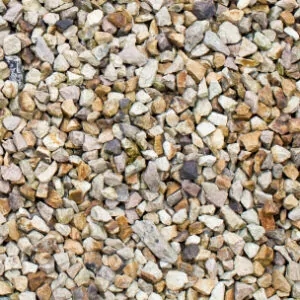
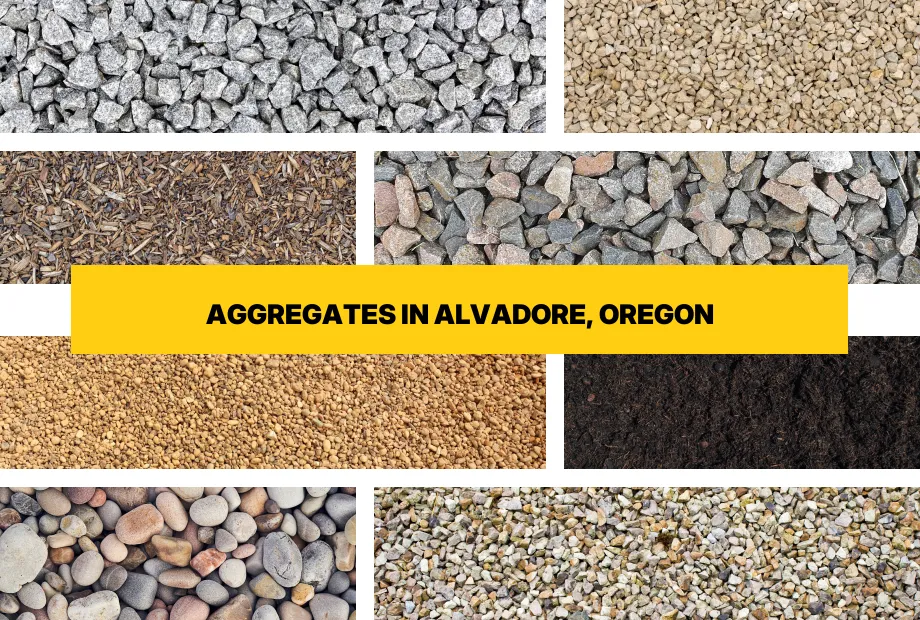
Rock & Driveway Gravel in Alvadore, Oregon
Local Topsoil, Dirt, Sand, Rocks and Gravel near me in Alvadore, Oregon
Shop Aggregates for Delivery in Alvadore
Order online for free delivery to any Alvadore address.
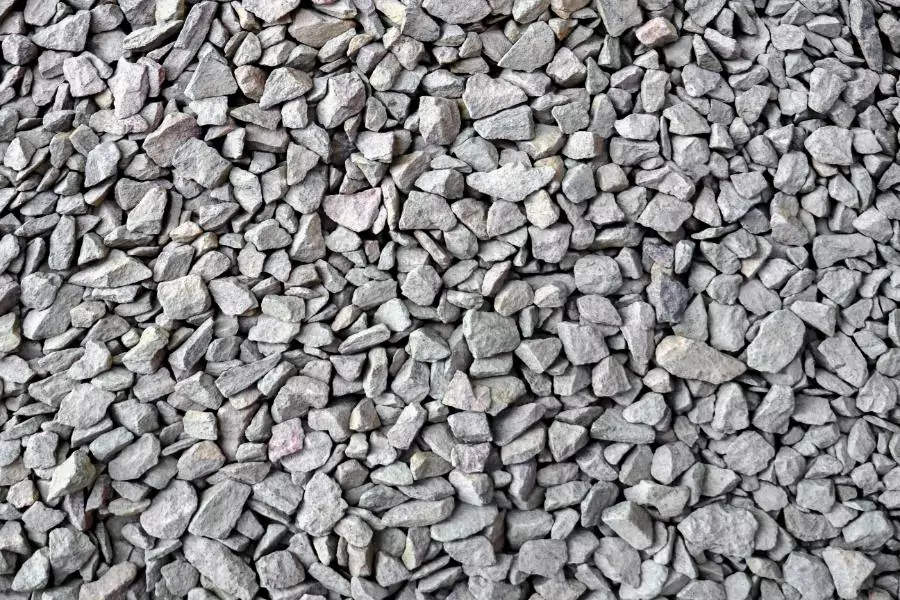
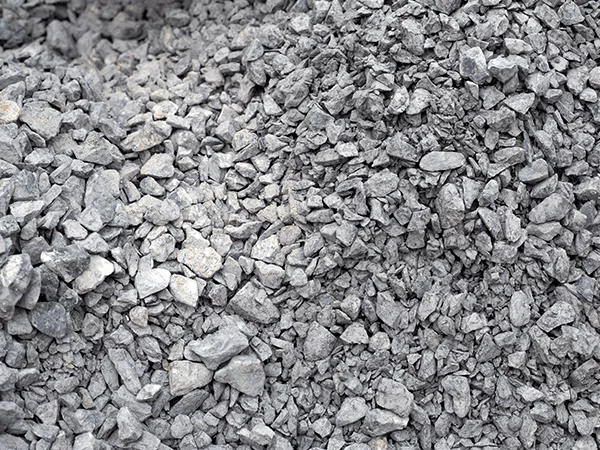


Gravel Monkey is your trusted source for premium gravel and aggregate delivery in Alvadore, Oregon. Serving the rural communities along the Long Tom River and throughout western Lane County, we deliver high-quality construction materials directly to your property with absolutely free delivery. Whether you're building a new driveway near Fern Ridge Reservoir, improving drainage on your acreage, or tackling a landscaping project in the valley, we provide the aggregates you need to succeed in Oregon's unique climate.
Comprehensive Aggregate & Material Selection for Alvadore Projects
Our extensive inventory includes everything needed for residential, agricultural, and commercial projects throughout the Alvadore area. Each aggregate type is selected to perform well in western Oregon's wet winter conditions and moderate summers. From Highway 126 to the surrounding rural roads, we supply materials that stand up to Lane County's challenging soil and weather patterns.
- Driveway Gravel - Compactable base material engineered for long-lasting rural driveways
- 3/4 Inch Crushed Stone - Versatile aggregate for foundations, drainage, and base layers
- #57 Stone - Clean crushed aggregate ideal for drainage systems and concrete work
- Road Base - Dense, stable material for access roads and heavy-use areas
- Crusher Run - Compactable blend perfect for stable driveways and pathways
- Drain Rock - Large aggregate for French drains and water management
- Pea Gravel - Smooth, rounded stone for decorative landscaping
- River Rock - Natural aesthetic stone for garden beds and water features
- Walkway Gravel - Comfortable aggregate for paths and pedestrian areas
- Crushed Concrete - Eco-friendly recycled material for sustainable projects
- Topsoil - Rich growing medium for gardens and lawn establishment
- Fill Dirt - Essential for grading, leveling, and site preparation
- Decomposed Granite - Natural pathway material that compacts beautifully
- Mason Sand - Fine sand for construction and masonry applications
- Playground Sand - Safe, clean sand for play areas
- Washed Sand - Clean aggregate for multiple construction uses
Understanding Alvadore's Soil Conditions & Aggregate Needs
Alvadore sits in the Long Tom River valley, where the geology presents specific challenges for construction and landscaping projects. The area features predominantly clay-rich alluvial soils deposited by centuries of river activity. This heavy clay soil expands when wet and contracts during the drier summer months, creating movement that can damage driveways and foundations without proper aggregate base preparation.
With annual rainfall averaging 45 to 50 inches, primarily falling between October and May, drainage is a critical concern for any property in the Alvadore area. The water table sits relatively high throughout much of the valley, especially near the Long Tom River and approaching Fern Ridge Reservoir. Properties in lower-lying areas often deal with standing water during winter storms, making proper drainage aggregates essential for year-round accessibility.
The native soil's poor drainage characteristics require substantial aggregate base layers for driveways and roads. Most successful rural driveways in the Alvadore area use at least 6 inches of compacted base material, with crusher run or road base providing the stability needed to prevent rutting and washouts during Oregon's wet season. The expansive clay soils also create challenges for foundations, where proper drainage rock placement around structures prevents water infiltration and foundation movement.
Climate Considerations for Alvadore Aggregate Projects
Alvadore experiences a typical Willamette Valley climate with mild, wet winters and warm, dry summers. Winter temperatures rarely drop below freezing, typically ranging from 35 to 50 degrees Fahrenheit, while summer highs reach 80 to 85 degrees. This moderate temperature range means freeze-thaw cycles aren't a major concern, but the extended wet season demands materials that maintain stability in saturated conditions.
The rainy season brings consistent precipitation from October through May, with December and January receiving the heaviest rainfall. During these months, properties throughout the Alvadore area can experience 6 to 8 inches of rain monthly, creating muddy conditions that challenge any unprepared surface. Aggregates must drain efficiently while maintaining load-bearing capacity even when saturated. Materials like drain rock and well-graded crushed stone excel in these conditions.
Summer brings little precipitation, sometimes as little as 1 inch total from June through September. This dry period allows clay soils to contract and harden, but also creates dust on aggregate driveways. The seasonal moisture swing makes proper base preparation crucial, as inadequate thickness or poor material selection leads to rutting in winter and washboarding in summer. Strategic aggregate selection addresses both seasonal extremes.
Serving Alvadore & Surrounding Western Lane County Areas
Our free delivery service extends throughout Alvadore and the surrounding communities in western Lane County. We regularly deliver to properties along Highway 126, which runs through the heart of town connecting Eugene to the Oregon Coast. Many of our customers are located on the rural roads branching off this main corridor, including acreage properties extending toward Veneta and Elmira.
The Fern Ridge Reservoir area represents a significant portion of our service territory, with many lakeside properties requiring aggregates for driveways, boat launch improvements, and erosion control. Properties near Perkins Peninsula Park and Richardson Park frequently need drainage solutions and driveway materials that handle both recreational traffic and seasonal weather challenges. The reservoir's recreational appeal brings property owners seeking to improve access and aesthetics with quality aggregates.
Rural areas south toward Noti and east toward Crow require materials delivered to remote properties accessed by gravel county roads. These agricultural areas often need large quantities of base material for farm lanes, equipment yards, and property improvements. The Long Tom River corridor includes properties dealing with high water tables and flood-prone areas, where proper drainage aggregates prevent access issues during wet months.
Veneta, just east of Alvadore, represents another community we serve regularly. Properties between Alvadore and Veneta often feature the same challenging clay soils and drainage requirements. Highway 126 properties benefit from our delivery service for both residential improvements and small commercial projects. The rural character of this area means many properties feature long driveways requiring substantial aggregate quantities.
West toward Elmira and Cheshire, properties become increasingly rural with larger acreages and forestland. These areas often need road base for logging roads, agricultural access, and homestead driveways. The hillier terrain west of Alvadore presents different challenges than the valley floor, with slopes requiring materials that resist erosion while providing stable vehicle access. We work with property owners throughout these areas to select appropriate aggregates for their specific topography and soil conditions.
| Aggregate Type | Best Applications | Drainage Rating | Compaction | Ideal for Wet Conditions |
|---|---|---|---|---|
| Road Base | Driveways, access roads, parking areas | Good | Excellent | Yes |
| Crusher Run | Driveway base, pathways, stable surfaces | Good | Excellent | Yes |
| Drain Rock | French drains, foundation drainage | Excellent | Poor | Yes |
| 3/4 Crushed Stone | Base layers, drainage, foundations | Excellent | Good | Yes |
| #57 Stone | Drainage systems, concrete aggregate | Excellent | Fair | Yes |
| Pea Gravel | Landscaping, decorative applications | Very Good | Poor | Moderate |
| Decomposed Granite | Pathways, patios, natural look | Fair | Good | Moderate |
| Crushed Concrete | Base layers, sustainable projects | Good | Very Good | Yes |
Aggregate Applications for Alvadore Properties
Rural Driveway Construction
Building a durable driveway in Alvadore requires understanding the relationship between native clay soils and aggregate base layers. The most successful approach starts with excavating 8 to 12 inches of organic topsoil and unstable clay, creating a clean base for aggregate placement. Installing geotextile fabric at this stage prevents mixing between native soil and new aggregate, extending driveway life significantly.
The base layer should consist of 4 to 6 inches of compacted road base or crusher run. These materials contain a gradation of stone sizes that lock together when compacted, creating a stable platform that resists rutting even under heavy loads. Properties with particularly soft soils or heavy vehicle use may benefit from 8 inches of base material. Proper compaction at this stage determines long-term performance, as inadequately compacted base layers settle unevenly over time.
The surface layer typically consists of 2 to 3 inches of smaller aggregate that provides a smooth driving surface while still allowing water infiltration. Driveway gravel specifically formulated for this purpose works well, though some property owners prefer the aesthetics of pea gravel or small crushed stone. The key is maintaining adequate base thickness beneath any decorative surface material to prevent the beautiful top layer from sinking into mud during winter.
Drainage Solutions for High Water Tables
Properties throughout the Long Tom River valley frequently struggle with standing water and muddy conditions during the rainy season. French drain systems using drain rock provide effective solutions for redirecting groundwater away from structures and access areas. These drainage systems work by creating high-permeability channels that capture water from surrounding soils and direct it to appropriate discharge points.
A typical French drain installation involves excavating a trench 18 to 24 inches deep and 12 inches wide, lined with landscape fabric to prevent soil infiltration. Large drain rock fills the trench around a perforated drainage pipe, creating space for water to flow freely toward the discharge area. Properties near the reservoir or river may need multiple parallel drains to handle seasonal groundwater levels effectively.
Surface drainage also requires attention in Alvadore's wet climate. Swales lined with smaller crushed stone can channel surface runoff away from buildings and prevent erosion along driveways. Strategic placement of these drainage features, combined with proper site grading, keeps properties accessible even during the wettest winter storms. The combination of surface and subsurface drainage often provides the comprehensive solution rural properties need.
Foundation and Building Site Preparation
Preparing building sites in Alvadore demands careful attention to aggregate selection and placement. Foundation excavations in clay soils must extend below the frost line and into stable bearing material. Once excavated, a 4 to 6 inch layer of compacted crushed stone creates a capillary break that prevents moisture wicking from soil into concrete foundations. This aggregate layer also provides a level working surface for forming and concrete placement.
Foundation drainage proves critical in preventing basement moisture issues and foundation movement. Drain rock placed around foundation perimeters, combined with proper drainage pipe installation, captures water before it can penetrate basement walls or create hydrostatic pressure. This drainage system must discharge to daylight or connect to an appropriate drainage system, never simply terminating in native soil where water has nowhere to go.
Landscaping and Decorative Applications
Decorative aggregate applications transform Alvadore properties while providing practical benefits. River rock creates attractive borders around garden beds, preventing soil erosion while maintaining the natural aesthetic that suits Oregon's landscape. These natural stones require minimal maintenance and last indefinitely, making them an excellent investment for property beautification.
Walkway gravel provides comfortable pedestrian surfaces for garden paths, connecting outdoor living areas, and creating defined circulation through landscaped areas. Unlike poured concrete or pavers, gravel pathways allow water infiltration and can be easily adjusted or relocated as landscaping evolves. The natural appearance complements Oregon's outdoor aesthetic while requiring minimal maintenance beyond occasional replenishment.
Decomposed granite offers another popular option for pathways and patio areas. This natural material compacts to create a firm but permeable surface with an organic appearance. The warm tones complement many landscape styles and provide a comfortable walking surface that drains well during rainy months. Proper base preparation ensures decomposed granite surfaces remain stable and attractive for years.
Sustainable Aggregate Choices for Environmental Stewardship
Alvadore property owners increasingly seek environmentally responsible materials for their projects. Crushed concrete represents an excellent sustainable choice, recycling construction waste into useful aggregate while reducing quarrying impacts. This recycled material performs comparably to natural crushed stone in many applications, particularly for base layers and sub-base uses where aesthetics aren't primary concerns.
Proper aggregate selection also supports environmental goals by improving property drainage and reducing erosion. Well-designed drainage systems using appropriate stone materials prevent sediment runoff into the Long Tom River and surrounding waterways. This protection proves especially important given the area's connection to Fern Ridge Reservoir and downstream water quality concerns. Stabilizing access roads and driveways with adequate aggregate prevents the muddy rutting that generates sediment-laden runoff during storms.
Permeable aggregate surfaces support groundwater recharge rather than creating impervious areas that increase stormwater runoff. Properties using gravel driveways and pathways allow rainfall to infiltrate naturally, reducing the burden on drainage systems while supporting healthy soil moisture patterns. This approach aligns with Oregon's environmental values and often performs better than impervious surfaces in the region's wet climate.
Professional Installation Tips for Alvadore Conditions
Successful aggregate projects in Alvadore start with thorough site preparation. Remove all organic material, topsoil, and unstable clay from areas receiving aggregate. This excavation depth varies with soil conditions and intended use, but most driveways require removing 8 to 12 inches of material. Agricultural equipment yards or heavy-use areas may need deeper excavation to reach stable bearing material.
Geotextile fabric installation provides critical separation between native soils and imported aggregates. This synthetic fabric allows water drainage while preventing soil from pumping up through aggregate layers during wet weather. Many failed aggregate projects can be traced to skipping this step, as clay soils inevitably mix with overlying stone, creating muddy conditions and lost investment. The modest cost of geotextile fabric prevents expensive repairs and ensures long-term performance.
Compaction equipment selection depends on project scale and aggregate type. Small residential projects may use hand-operated plate compactors for areas inaccessible to larger equipment. Longer driveways and larger areas benefit from ride-on rollers that compact base material in layers, achieving the density necessary for lasting stability. Each aggregate layer should be compacted before adding subsequent layers, as retroactive compaction proves far less effective.
Proper drainage integration during installation prevents future problems. Surface grades should slope away from structures at 2 to 3 percent minimum, directing water to appropriate discharge areas. Culverts may be necessary where driveways cross natural drainage swales or where seasonal water flow crosses access routes. Installing these drainage features during initial construction costs far less than addressing water problems after project completion.
Maintaining Aggregate Surfaces in Oregon's Climate
Gravel driveways and aggregate surfaces require periodic maintenance to maintain optimal performance and appearance. The annual wet-dry cycle in Alvadore creates conditions where some aggregate migration and surface degradation naturally occur. Regular grading redistributes material and maintains proper crown and drainage patterns. Most properties benefit from annual grading before the rainy season, preparing surfaces for winter weather challenges.
Top dressing with fresh aggregate every few years replaces material lost to traffic and weather. The amount needed varies with use levels and initial installation quality, but most driveways benefit from adding 1 to 2 inches of surface material every 3 to 5 years. This maintenance proves far more cost-effective than allowing surfaces to deteriorate to the point of requiring complete reconstruction.
Vegetation control prevents weeds and grasses from infiltrating aggregate surfaces. Hand removal works for small areas, while landscape fabric installed during initial construction prevents most vegetation issues. Organic weed control methods align with Oregon's environmental values while maintaining clean, professional-appearing aggregate surfaces. Addressing vegetation promptly prevents root systems from displacing aggregate and creating uneven surfaces.
Drainage system maintenance ensures continued effectiveness of French drains and surface drainage features. Periodically flushing drainage pipes removes accumulated sediment, while inspecting and clearing discharge points prevents backup. These simple maintenance tasks preserve the drainage investments protecting your property from water damage. Properties near the reservoir may need more frequent drainage maintenance due to higher water table fluctuations.
Frequently Asked Questions About Aggregates in Alvadore, Oregon
For Alvadore's clay soils and wet winters, we recommend starting with 4 to 6 inches of compacted road base or crusher run, topped with 2 to 3 inches of driveway gravel. This combination provides excellent stability and drainage while resisting rutting during the rainy season. Properties with particularly soft soils may benefit from deeper base layers.
Muddy driveways result from inadequate base preparation or insufficient aggregate depth. Install geotextile fabric between native soil and aggregate, use at least 6 inches of compacted base material, and ensure proper drainage grading. These steps prevent clay soil from mixing with gravel and maintain a stable surface even during heavy rains. Many Alvadore properties also benefit from French drains along driveway edges to handle groundwater.
For French drains in Alvadore, we recommend 3/4 inch to 1.5 inch drain rock. This size provides excellent water flow while preventing soil infiltration when used with landscape fabric. The larger stone creates adequate void space for water movement while remaining stable around drainage pipes. Proper sizing ensures your drainage system handles the area's high winter water tables effectively.
Calculate volume by multiplying length times width times depth in feet, then divide by 27 to get cubic yards. For example, a 100-foot by 12-foot driveway with 6 inches of depth needs about 22 cubic yards. Our team can help you calculate exact quantities based on your specific project requirements and Alvadore soil conditions. We account for compaction factors to ensure you order sufficient material.
Yes, though spring through early fall offers ideal conditions. Winter installation is possible but requires extra attention to drainage and working around wet conditions. Many Alvadore property owners schedule deliveries in late spring or early summer, allowing projects to be completed before fall rains begin. However, we deliver year-round and can advise on seasonal considerations for your specific project.
Absolutely! We deliver throughout western Lane County, including remote properties along county roads near Fern Ridge Reservoir, toward Veneta, Elmira, and Noti. Our free delivery service extends to rural areas where aggregate access proves challenging. We work with property owners to schedule deliveries that accommodate longer rural driveways and remote access situations common in the Alvadore area.
Both are excellent compactable base materials, with subtle differences. Crusher run contains stone fines from the crushing process, creating a dense, tightly-locking surface when compacted. Road base is specifically processed with precise gradations meeting road construction specifications. Both work well for Alvadore driveways, with road base typically providing slightly superior long-term stability for high-traffic areas.
For base applications and non-decorative uses, crushed concrete performs comparably to natural crushed stone while offering environmental benefits through recycling. It compacts well, provides good drainage, and costs less than virgin aggregate. Many Alvadore projects use crushed concrete for base layers, then finish with natural stone for aesthetic surface layers. This approach balances performance, sustainability, and budget considerations.
Free Delivery Throughout Alvadore & Western Lane County
Gravel Monkey delivers premium aggregates throughout Alvadore and surrounding western Lane County communities with absolutely no delivery charges. Whether you're improving a rural property near the Long Tom River, upgrading your Fern Ridge Reservoir cabin access, or tackling a commercial project along Highway 126, we provide the materials and expertise to ensure project success. Our extensive aggregate inventory addresses every aspect of construction and landscaping in Oregon's unique climate.
We understand the specific challenges posed by Alvadore's clay soils, high water tables, and wet season conditions. Our team helps you select appropriate materials for your soil type, intended use, and budget. From initial project planning through delivery scheduling, we support your success with quality products and local expertise. Contact us today to discuss your aggregate needs and experience the Gravel Monkey difference in material quality and customer service.

Need help? Reach out for a quote: