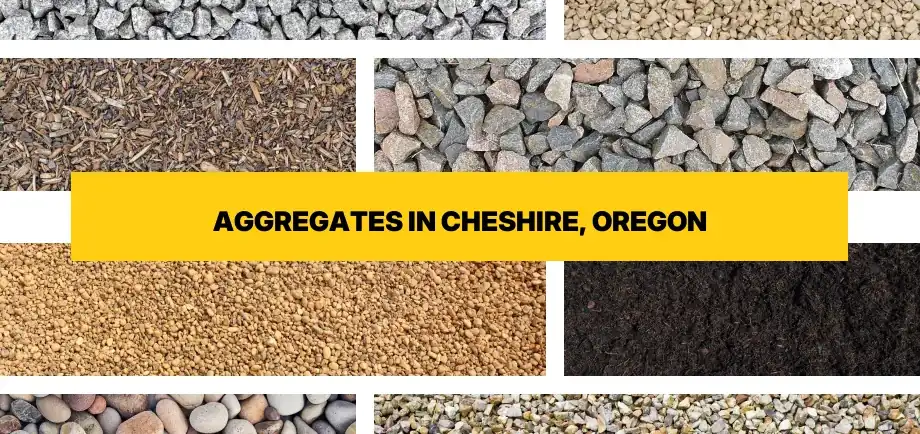
Sand, Aggregates & Gravel for Cheshire, Oregon
Local Topsoil, Dirt, Sand, Rocks and Gravel near me in Cheshire, Oregon
Shop Aggregates for Delivery in Cheshire
Order online for free delivery to any Cheshire address.


Gravel Monkey is your trusted local source for premium gravel, aggregates, and landscaping materials in Cheshire, Oregon. Nestled in the heart of Lane County's agricultural landscape, Cheshire presents unique challenges for property owners, from managing the region's substantial rainfall to maintaining rural driveways and farm roads. Whether you're enhancing a residential property near the Long Tom River or upgrading access roads for agricultural operations, we deliver high-quality aggregates directly to your Cheshire location with absolutely free delivery.
Complete Aggregate & Material Selection for Cheshire Properties
Our comprehensive inventory addresses every landscaping, construction, and drainage need specific to Cheshire's geography and climate. From the Willamette Valley's characteristic clay soils to the area's impressive 45+ inches of annual rainfall, we stock aggregates proven to perform in Oregon's wet conditions:
- Driveway Gravel - Durable base material engineered for long-lasting rural and residential driveways
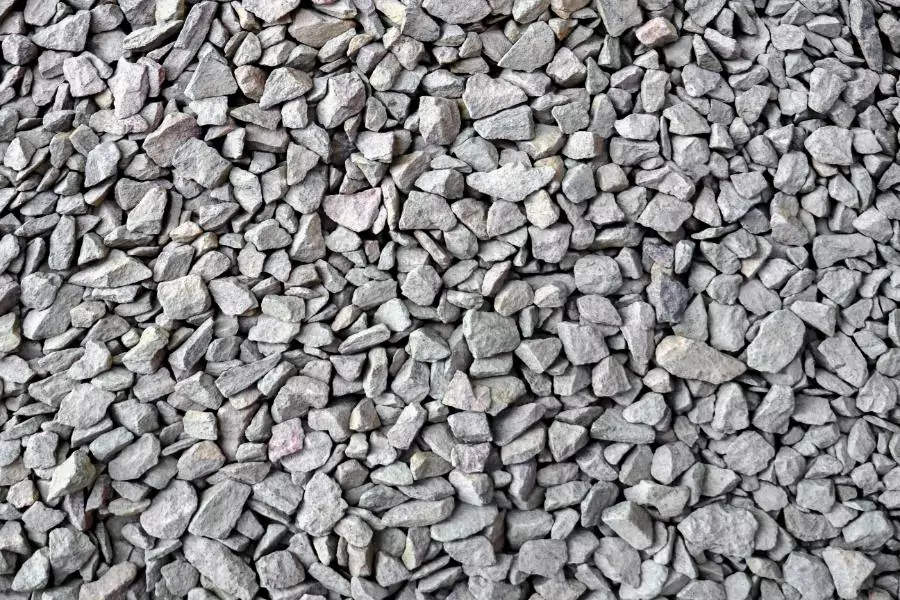
- 3/4 inch Crushed Stone - Versatile aggregate ideal for foundations, drainage layers, and base applications
- #57 Stone - Industry-standard aggregate for drainage systems and French drains
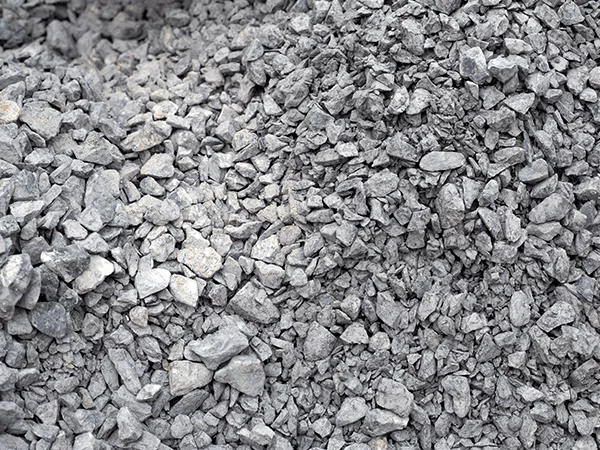
- Crusher Run - Compactable base material that locks together for maximum stability
- Road Base - Heavy-duty foundation for access roads and farm lanes
- Drain Rock - Specialized aggregate for managing Cheshire's abundant rainfall
- Pea Gravel - Smooth, rounded stones perfect for pathways and decorative applications
- River Rock - Natural aesthetic stone for water features and garden beds
- Walkway Gravel - Comfortable aggregate designed specifically for pedestrian paths
- Crushed Concrete - Eco-friendly recycled aggregate for sustainable projects
- Topsoil - Nutrient-rich soil for gardens, lawns, and agricultural applications
- Fill Dirt - Essential material for grading, leveling, and site preparation
- Decomposed Granite - Compactable natural material for pathways and stable surfaces
- Mason Sand - Fine-grade sand for masonry, paver bases, and construction
- Playground Sand - Safe, clean sand for play areas and sandboxes
- Washed Sand - Clean, debris-free sand for multiple applications
Understanding Cheshire's Unique Soil and Climate Challenges
Cheshire sits in the Willamette Valley where clay-rich soils dominate the landscape. These soils, derived from ancient volcanic activity and river deposits, present specific challenges for property owners. The clay content means poor natural drainage, causing water to pool on surfaces during Oregon's lengthy rainy season from October through May. This characteristic clay layer often requires strategic aggregate placement to create stable, well-draining surfaces.
The area receives approximately 45 to 50 inches of precipitation annually, with winter months particularly wet. This substantial rainfall impacts aggregate selection significantly. Materials must provide excellent drainage while maintaining structural integrity when saturated. The region's mild temperatures, typically ranging from 35°F in winter to 85°F in summer, minimize freeze-thaw concerns but emphasize the need for water management solutions.
Properties near the Long Tom River and its tributaries face additional drainage considerations during spring runoff. The valley's relatively flat terrain means water doesn't naturally drain quickly, making proper aggregate base installation critical for driveways, farm roads, and building foundations throughout the Cheshire area.
Aggregate Solutions for Rural Oregon Properties
Driveway and Access Road Construction
Rural properties around Cheshire require driveways and access roads that withstand heavy agricultural equipment, consistent rainfall, and year-round use. The foundation begins with proper site preparation, addressing the underlying clay soils that characterize the region. Many successful installations start with a geotextile fabric layer to prevent aggregate mixing with clay, followed by crusher run or road base for a solid foundation. This base layer typically measures 4 to 6 inches compacted.
The top wearing course depends on traffic patterns and budget. For high-traffic farm lanes supporting heavy equipment, a combination of road base topped with 3/4 inch crushed stone provides excellent durability. Residential driveways benefit from driveway gravel or crushed stone, which compacts well while allowing water permeation. Properties experiencing persistent mud issues should consider increasing base depth to 8 inches and incorporating additional drainage solutions.
Drainage System Installation
Effective drainage ranks among the most critical concerns for Cheshire property owners. The combination of clay soils and high rainfall creates conditions where water management separates functional properties from muddy, unusable spaces. French drains using #57 stone or drain rock effectively channel water away from structures, driveways, and low-lying areas. These systems require proper slope (minimum 1 percent grade) and adequate depth, typically 18 to 24 inches.
Surface drainage solutions include strategic placement of gravel-filled swales and drainage ditches. Crusher run works exceptionally well for ditch bottoms, providing a stable surface that prevents erosion while allowing water flow. Properties with standing water issues benefit from comprehensive drainage plans incorporating multiple aggregate types to create effective water movement throughout the site.
Garden and Landscape Applications
The Willamette Valley's fertile soils support abundant gardens and ornamental landscapes, but proper soil amendment and drainage remain essential. Topsoil applications improve garden bed structure, though mixing with existing clay requires attention to prevent creating impermeable layers. Raised bed construction addresses drainage concerns while providing optimal growing conditions.
Decorative aggregate applications transform landscapes while serving practical purposes. Pea gravel creates attractive, permeable pathways between garden beds. River rock adds visual interest around plantings while suppressing weeds and retaining soil moisture during summer's drier months. Decomposed granite offers a natural appearance for pathways and patio areas, compacting into a stable yet permeable surface that handles Oregon weather effectively.
Aggregate Comparison for Oregon Climate Conditions
| Aggregate Type | Best Applications | Drainage Rating | Compaction | Oregon Climate Performance |
|---|---|---|---|---|
| Crusher Run | Driveway base, road foundation | Good | Excellent | Outstanding - locks together when wet |
| 3/4" Crushed Stone | General purpose, drainage layer | Excellent | Good | Excellent - handles heavy rainfall |
| #57 Stone | French drains, pipe bedding | Excellent | Moderate | Excellent - optimal for drainage systems |
| Road Base | Heavy-duty roads, farm lanes | Good | Excellent | Outstanding - withstands equipment traffic |
| Drain Rock | Drainage applications, wet areas | Excellent | Low | Excellent - specifically for water management |
| Pea Gravel | Walkways, decorative areas | Excellent | Low | Good - loose surface drains well |
| Decomposed Granite | Pathways, patio areas | Good | Good | Good - compacts into stable surface |
| Crushed Concrete | Budget-friendly base, eco projects | Good | Good | Good - sustainable option for base layers |
Serving Cheshire and Surrounding Lane County Communities
Gravel Monkey proudly delivers throughout Cheshire and the broader western Lane County region. Our service area encompasses rural properties, farms, and residential developments across this productive agricultural landscape. We understand the unique needs of properties in this area, from managing clay soils to addressing seasonal drainage challenges.
We regularly deliver aggregates to properties throughout the Cheshire area and neighboring communities including Junction City to the north, where residential developments require quality driveway materials and drainage solutions. Monroe, located northeast of Cheshire, presents similar soil conditions and benefits from our crusher run and road base products for rural road maintenance. Harrisburg properties to the southeast often require extensive drainage systems given their proximity to the Willamette River.
West toward Veneta and the coast range foothills, properties transition into slightly different geology but maintain the clay soil characteristics common throughout the valley floor. Farm operations throughout this region rely on our road base and crushed stone products to maintain functional access roads year-round. Properties near Alpine and the Long Tom River particularly benefit from our drain rock and #57 stone for managing high water table conditions and seasonal flooding concerns.
Eugene, just southeast of Cheshire, serves as the major urban center for the region, though many residents choose the rural character of communities like Cheshire while maintaining connections to city amenities. These rural residential properties typically require comprehensive aggregate solutions for driveways, pathways, and landscape features. The agricultural operations that dominate Cheshire's landscape depend on our bulk aggregate deliveries to maintain farm infrastructure throughout demanding harvest seasons and wet winter months.
Professional Installation Guidance for Oregon Conditions
Successful aggregate installations in Cheshire require understanding local conditions and following proven techniques. Site preparation determines long-term performance, particularly when working with the area's clay soils. Begin by removing vegetation and existing material to reach stable soil. If clay is particularly wet or soft, allow time for drying or consider geotextile fabric to separate aggregate from soil.
Base layer installation demands attention to depth and compaction. For driveways supporting regular vehicle traffic, plan for minimum 4-inch compacted depth, increasing to 6 inches for heavier use. Compact in lifts no greater than 3 inches using appropriate equipment—a plate compactor for smaller projects or a roller for extensive installations. Each lift should achieve firm compaction before adding the next layer.
Drainage considerations integrate into every phase. Grade all surfaces away from buildings with minimum 2 percent slope. Low spots collect water and fail prematurely, so careful attention to final grade prevents future problems. Where drainage is particularly challenging, incorporate perforated pipe in gravel-filled trenches to actively move water off the property. This approach proves especially valuable for properties near the Long Tom River where seasonal high water tables affect drainage capacity.
Edge containment extends aggregate life significantly. Without edges, materials migrate laterally, creating thin spots and eventual failure. Options include treated timber, steel edging, or concrete curbs depending on application and budget. For farm roads and utilitarian applications, simply over-excavating and filling edges with compacted base material often suffices.
Seasonal Planning for Aggregate Projects in Cheshire
Oregon's distinct seasons influence optimal timing for aggregate installations. Summer months from June through September offer ideal conditions with minimal rainfall and warm temperatures facilitating proper compaction. Driveways, pathways, and decorative applications installed during dry weather achieve better long-term performance as materials compact effectively without excess moisture.
Fall installation remains viable through October, though increasing rainfall requires attention to weather forecasts. Avoid installing fine materials like decomposed granite or mason sand during rainy periods as moisture prevents proper compaction. Coarser aggregates like crusher run and road base tolerate fall conditions better, though proper drainage remains essential to prevent water accumulation during installation.
Winter and early spring present challenges for new installations due to saturated soil conditions. However, these seasons often reveal drainage deficiencies in existing surfaces, making them optimal times for planning improvements. Properties experiencing persistent mud or standing water during winter clearly need drainage solutions. Use wet months to observe water flow patterns and plan strategic placement of drain rock, French drains, or surface swales.
Spring installation becomes practical as soils dry, typically by late April or May. This timing allows projects to complete before summer, ensuring driveways and paths are functional for the pleasant summer season. Topsoil and fill dirt applications often occur in spring to prepare garden beds and landscape areas for planting season.
Sustainable Aggregate Choices for Environmentally Conscious Projects
Environmental stewardship increasingly influences material selection for Oregon property owners. Crushed concrete offers an eco-friendly alternative to virgin aggregate, recycling construction waste into functional base material. This recycled product performs admirably for driveways, farm roads, and base applications while reducing environmental impact. The material compacts well and provides adequate drainage for most applications around Cheshire.
Permeable surfaces support watershed health by allowing rainfall infiltration rather than creating runoff. Pea gravel, river rock, and decomposed granite all provide permeable alternatives to impermeable concrete or asphalt. These materials allow water to percolate into the ground, reducing strain on drainage systems and supporting groundwater recharge—particularly important in agricultural areas dependent on irrigation.
Proper drainage system design prevents erosion and protects water quality. Strategic aggregate placement in swales and drainage ways slows water flow, allowing sediment settlement before water reaches streams and rivers. This approach protects the Long Tom River and its tributaries from agricultural runoff and soil erosion. Using drain rock and #57 stone in drainage applications creates effective, long-lasting systems that protect both property and natural water resources.
Agricultural and Commercial Aggregate Applications
Cheshire's agricultural character means many properties require aggregate solutions for farm operations. Access roads connecting buildings, fields, and storage areas demand durable bases capable of supporting heavy equipment including tractors, combines, and loaded trucks. Road base provides the structural capacity these applications require, creating all-weather access that remains functional during harvest when timing proves critical.
Equipment yards and storage areas benefit from crusher run or crushed stone surfaces that prevent equipment from sinking into mud during wet seasons. A properly prepared base of 6 to 8 inches compacted depth creates stable work areas that improve operational efficiency and reduce equipment maintenance issues caused by mud exposure.
Grain storage facilities and agricultural buildings require well-draining surfaces around foundations to prevent water infiltration and structural issues. A perimeter of drain rock or #57 stone channels water away from buildings while preventing splash-back that can damage siding and foundations. These drainage solutions prove particularly valuable during Cheshire's prolonged rainy season when water management determines building longevity.
Commercial operations including nurseries, contractors, and equipment dealers also rely on quality aggregate surfaces. Customer parking areas, display yards, and equipment storage all benefit from professional aggregate installation. Mason sand serves construction professionals requiring quality sand for masonry and concrete work, while bulk aggregate deliveries support contractors serving clients throughout Lane County.
Frequently Asked Questions About Gravel in Cheshire, Oregon
For Cheshire's high rainfall conditions, crusher run provides an excellent driveway base because it compacts tightly and sheds water effectively. Top this base with 3/4 inch crushed stone or driveway gravel for a durable, well-draining surface. The combination handles Oregon's wet winters while providing year-round access. For particularly challenging drainage situations, consider increasing base depth to 6 inches and incorporating geotextile fabric beneath the aggregate.
Calculate aggregate quantity by measuring length times width times depth in feet, then divide by 27 to get cubic yards. For example, a driveway 50 feet long by 12 feet wide with 4 inches of depth equals 50 x 12 x 0.33 divided by 27, requiring approximately 7.4 cubic yards. Always order 10 to 15 percent extra to account for compaction and uneven surfaces. Our team gladly assists with calculations specific to your Cheshire property.
While summer provides optimal conditions, coarser aggregates like crusher run and road base can be installed during light rain. Avoid installing during heavy rainfall or when the site is saturated. Fine materials like sand and decomposed granite require dry conditions for proper compaction. If your project timeline demands winter installation, focus on base layers and drainage improvements, saving finish surfaces for drier weather. Fall offers a good compromise with decreasing rainfall and still-warm soil conditions.
Crushed stone consists of uniform-sized angular particles, typically 3/4 inch, that provide excellent drainage but limited compaction. Crusher run contains a mixture of stone sizes from dust to 3/4 inch, allowing it to compact into a dense, stable base. For Cheshire applications, use crusher run or road base for foundation layers where stability matters most, then top with crushed stone or driveway gravel where drainage and appearance are priorities.
Cheshire's clay soils present drainage challenges because clay holds water and becomes unstable when saturated. Aggregates can mix with clay over time, reducing effectiveness. Address this by using geotextile fabric between clay and aggregate, which prevents mixing while allowing water drainage. Ensure adequate depth (minimum 4 inches compacted) to distribute weight properly. Clay soil also requires attention to drainage—water must be directed away from aggregate surfaces to prevent undermining and premature failure.
Drain rock specifically refers to clean, angular stone sized to maximize void space between particles, allowing rapid water movement. It typically ranges from 3/4 inch to 1.5 inches and contains no fines that might clog drainage capacity. Regular gravel may contain various sizes including fines, which reduce drainage efficiency. For French drains and drainage systems around Cheshire properties, drain rock or #57 stone ensures optimal performance during heavy rainfall periods.
Crushed concrete performs well for base applications, driveways, and roads while costing less than virgin aggregate. It compacts effectively and provides good drainage. The material works particularly well for farm roads and utilitarian applications around Cheshire. For decorative applications or where appearance matters, natural stone offers better aesthetics. Crushed concrete represents an environmentally responsible choice, recycling construction waste into functional material suitable for most rural Oregon applications.
Absolutely! We deliver throughout rural Lane County including properties near Junction City, Harrisburg, Monroe, Veneta, and the broader agricultural areas surrounding Cheshire. Our service area extends to remote farms and rural residential properties. We understand the access challenges of rural delivery and work with property owners to ensure successful delivery. All deliveries within our service area are completely free, regardless of location.
Why Cheshire Property Owners Choose Gravel Monkey
Local expertise distinguishes our service. We understand Cheshire's clay soils, seasonal rainfall patterns, and the specific challenges Oregon property owners face. This knowledge informs our product recommendations, ensuring you receive aggregates appropriate for local conditions rather than generic suggestions that may not perform in the Willamette Valley climate.
Free delivery eliminates a significant cost component from your project budget. Whether you need a single cubic yard for a small garden project or bulk quantities for farm road construction, delivery is always free throughout our Cheshire service area. This policy makes quality aggregates accessible for projects of any size without hidden charges or delivery fees eating into your budget.
Material quality forms the foundation of our reputation. Every aggregate we deliver meets rigorous standards for size consistency, cleanliness, and performance characteristics. Our crushed stone contains properly sized, angular particles that compact and drain effectively. Sand products are clean and free of excessive clay or organic matter. Topsoil is screened and nutrient-rich, ready for immediate planting use.
Customer service remains our priority throughout every interaction. From initial consultation helping you select appropriate materials through delivery scheduling that accommodates your timeline, we ensure a positive experience. Our team understands construction and landscaping applications, providing knowledgeable guidance rather than simply taking orders. We're invested in your project success because satisfied customers become loyal customers who recommend Gravel Monkey throughout the Cheshire community.
Get Started on Your Cheshire Aggregate Project Today
Whether you're planning a new driveway installation, improving drainage around your property, or creating beautiful landscape features, Gravel Monkey provides the quality aggregates and expert guidance to ensure success. Our extensive inventory addresses every application common to Cheshire properties, from heavy-duty farm roads to decorative garden pathways. Free delivery throughout Lane County makes professional-grade materials accessible and affordable for projects of any scale. Contact us today to discuss your specific needs and receive personalized recommendations based on your property conditions and project goals.

Need help? Reach out for a quote: