Shop Bulk Materials & Gravel in Neotsu, Oregon
Local Topsoil, Dirt, Sand, Rocks and Gravel near me in Neotsu, Oregon
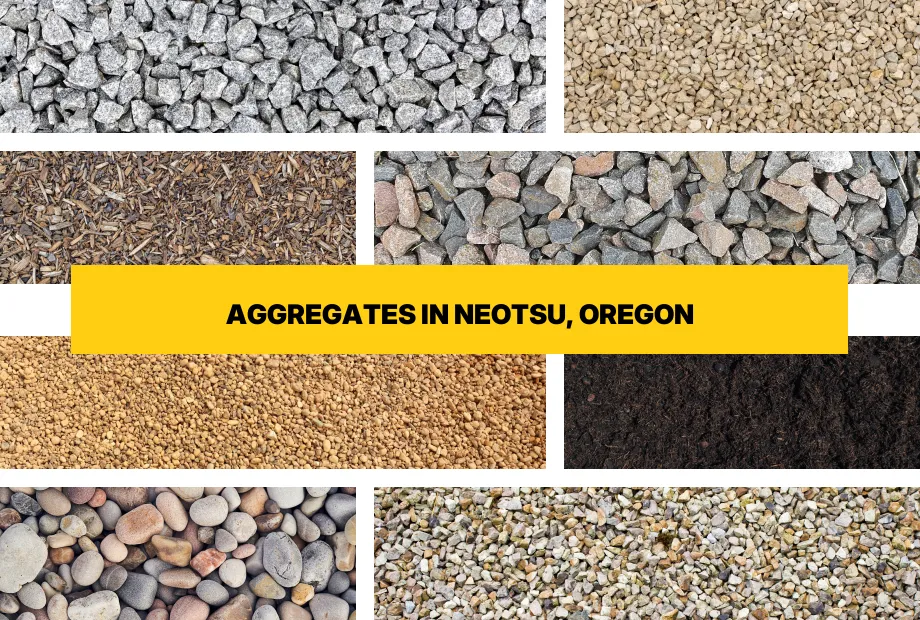
Shop Aggregates for Delivery in Neotsu
Order online for free delivery to any Neotsu address.


Gravel Monkey is your trusted source for premium gravel and aggregate delivery in Neotsu, Oregon. Whether you're stabilizing a coastal driveway near Siletz Bay, managing drainage for properties along Highway 101, or creating beautiful landscaping near the beach, we deliver high-quality aggregates directly to your property with free delivery throughout the Oregon Coast region. Our materials are selected specifically to withstand the unique challenges of coastal living, including heavy rainfall, salt air exposure, and the distinctive clay and sandy loam soils common to Lincoln County.
Comprehensive Aggregate and Stone Products for Neotsu
Coastal properties face unique challenges that require specialized materials. Neotsu receives approximately 80 inches of rainfall annually, with the wettest months between November and March when properties near Siletz Bay and along the coast experience significant moisture. Our aggregate selection addresses these specific Oregon Coast conditions:
- Driveway Gravel - Engineered for coastal stability and drainage
- 3/4 inch Crushed Stone - Versatile aggregate for foundations and base layers
- #57 Stone - Clean crushed aggregate perfect for French drains
- Drain Rock - Large aggregate for superior water management
- Crusher Run - Compactable base for roads and parking areas
- Road Base - Stable foundation for coastal access roads
- Pea Gravel - Smooth stone for walkways and landscaping
- River Rock - Natural aesthetic for coastal gardens
- Walkway Gravel - Perfect for paths and garden trails
- Crushed Concrete - Eco-friendly recycled aggregate option
- Decomposed Granite - Natural fines for paths and landscaping
- Topsoil - Nutrient-rich soil for coastal gardens
- Fill Dirt - Essential for grading and leveling
- Mason Sand - Fine sand for construction and masonry
- Playground Sand - Safe, clean sand for play areas
- Washed Sand - Clean sand for multiple applications
Serving All Neotsu Areas and Nearby Oregon Coast Communities
As a small coastal community in Lincoln County, Neotsu is perfectly positioned between Lincoln City to the north and Depoe Bay to the south. Our delivery service covers all areas of this charming beachside community, including properties along the scenic Highway 101 corridor, homes nestled in the forested hillsides above the coast, and waterfront properties with spectacular views of Siletz Bay. We also serve nearby communities including Lincoln City, Gleneden Beach, Salishan, and Depoe Bay, ensuring that all Central Oregon Coast residents have access to quality aggregates.
The Neotsu area is characterized by its proximity to the Siletz River estuary, where freshwater meets the Pacific Ocean at Siletz Bay. Properties in this region often deal with the marine clay soils typical of estuarine environments, combined with sandy deposits from ancient coastal processes. This unique geology means drainage is absolutely critical for long-term property stability. Homes along the elevated portions east of Highway 101 sit on older terrace deposits with better natural drainage, while properties closer to sea level require more attention to water management systems.
Coastal Drainage Solutions for Oregon Coast Properties
Neotsu properties face significant drainage challenges due to the area's impressive annual rainfall and the tendency for coastal soils to retain moisture. The marine terraces and clay-rich soils throughout Lincoln County can become waterlogged during Oregon's famously wet winters, leading to standing water, foundation issues, and driveway deterioration. Properties near Siletz Bay are particularly vulnerable to seasonal high water tables.
Essential Drainage Aggregates for Wet Conditions
Proper drainage requires aggregates that allow water to move freely while providing structural support. Our stone products excel in coastal applications where managing moisture is critical for property preservation. The combination of heavy winter rains and fine-grained soils means that most Neotsu properties benefit significantly from professional drainage solutions using quality aggregates.
For French drain systems common along the Oregon Coast, clean washed aggregates provide the void space needed for water collection and transport. Properties on hillsides above Highway 101 often need curtain drains to intercept groundwater before it reaches structures. Basement and crawl space waterproofing in this climate absolutely requires proper drainage aggregate around foundations. Even properties with seemingly good natural drainage benefit from improved water management during the intense storms that sweep in from the Pacific between November and March.
Durable Driveways for Coastal Oregon Properties
Coastal driveways face unique challenges that don't exist in drier climates. The constant moisture from ocean fog, frequent rainfall averaging 80 inches annually, and the tendency for coastal soils to soften make driveway construction and maintenance more complex. Properties throughout Neotsu require driveways that can handle these wet conditions while providing reliable year-round access.
Selecting the Right Aggregate for Coastal Access
A successful coastal driveway starts with understanding the layering system. Base layers must provide stability and drainage, while surface materials need to resist erosion from runoff. The clay content in local soils means that proper base preparation is absolutely essential. Homes in areas like Salishan and along the forested roads off Highway 101 see the most challenging conditions, where shade keeps moisture levels high even during summer months.
Compactable base materials create a solid foundation that won't shift under vehicle weight, even when saturated. The angular nature of crushed aggregates allows them to interlock, providing stability that rounded materials cannot achieve. Top dressing with appropriately sized stone gives excellent traction and prevents the muddy conditions that plague poorly constructed coastal driveways. Properties with steeper grades require special attention to prevent washouts during heavy rain events common to the Oregon Coast.
| Aggregate Type | Best Applications | Drainage Rating | Compaction | Coastal Performance |
|---|---|---|---|---|
| Driveway Gravel | Residential driveways, parking areas | Excellent | Good | Outstanding in wet conditions |
| Crusher Run | Road base, driveway foundation | Very Good | Excellent | Superior stability when wet |
| 3/4 inch Crushed Stone | Drainage layers, base material | Excellent | Good | Versatile for coastal projects |
| #57 Stone | French drains, perimeter drainage | Outstanding | Moderate | Ideal for high rainfall areas |
| Drain Rock | Foundation drainage, septic fields | Outstanding | Low | Maximum water flow capacity |
| Road Base | Private roads, heavy-duty access | Good | Excellent | Best for traffic-bearing surfaces |
| Pea Gravel | Pathways, landscaping, decorative | Very Good | Poor | Attractive, low maintenance |
| River Rock | Garden beds, erosion control | Good | None | Natural coastal aesthetic |
Landscaping Aggregates for Coastal Oregon Gardens
Creating beautiful outdoor spaces along the Oregon Coast requires materials that complement the natural environment while standing up to maritime conditions. Salt spray, persistent moisture, and cool temperatures that average 50-65°F during summer create a unique growing environment. Neotsu's coastal gardens benefit from aggregates that provide excellent drainage while adding visual interest.
Decorative Stone for Coastal Landscapes
Garden beds throughout Neotsu perform best when designed with proper drainage in mind. The native soils' high clay content means that amended beds with good aggregate underlayment produce healthier plants. Mulching with stone provides weed suppression while allowing air and water movement that organic mulches in this damp climate can't match.
Pathways through coastal gardens need materials that provide good footing even when wet from morning fog. Smaller aggregates create comfortable walking surfaces while maintaining the natural feel appropriate for seaside properties. Many Neotsu residents incorporate local materials into their landscape designs, creating gardens that feel connected to the surrounding environment of Sitka spruce, shore pine, and coastal shrubs.
Topsoil and Fill Materials for Coastal Properties
The native soils around Neotsu present challenges for both construction and gardening. Marine terraces in the area contain clay-rich soils that drain poorly and can expand when wet. Properties require quality imported materials for successful landscaping and proper grading. Understanding local soil conditions is essential for any property improvement project along this section of the Oregon Coast.
Improving Coastal Garden Soil
Native vegetation including salal, evergreen huckleberry, and coastal conifers thrive in the acidic, well-drained soils found on higher terraces. However, lawns and gardens typically need soil improvement. Quality topsoil provides the drainage and nutrient content that coastal gardens require. The cool, moist climate supports lush growth when plants have proper soil conditions, but poorly draining native soils lead to root rot and plant failure.
Properties throughout the Neotsu area benefit from raised bed gardens that provide excellent drainage while allowing the warm soil temperatures needed for vegetables. Many coastal residents have discovered that building up planting areas above the native soil level solves multiple problems simultaneously. This approach works particularly well on properties near Siletz Bay where the water table rises seasonally.
Construction and Foundation Materials
Building on the Oregon Coast requires attention to details that might be overlooked in drier climates. Foundation drainage is absolutely critical in an area receiving 80 inches of annual rainfall. The marine clay soils can exert significant lateral pressure on foundations when saturated, making proper backfill material selection essential for long-term structural integrity.
Foundation Drainage Requirements
Oregon building practices for coastal areas emphasize robust drainage systems around all structures. Clean, angular aggregates around foundations create drainage planes that prevent water accumulation. Properties built on the clay-rich soils common throughout Lincoln County require particular attention to drainage details that might be optional in other regions.
Septic systems in Neotsu face special challenges due to soil conditions and high precipitation. Drain fields require specific aggregate materials that provide the necessary void space for proper effluent dispersal. Many properties have complex drainage systems that work in conjunction with septic installations to manage both gray water and stormwater in this high-rainfall environment.
Sustainable Aggregate Options for Coastal Oregon
Environmental stewardship is important to residents throughout the Oregon Coast. Recycled materials provide eco-friendly alternatives that reduce the environmental impact of construction and landscaping projects. These materials offer excellent performance while supporting sustainability goals that align with the conservation values common in coastal communities.
Recycled Aggregate Benefits
Crushed concrete provides a cost-effective base material that performs comparably to virgin aggregates while keeping concrete out of landfills. This recycled product works particularly well for projects where aesthetic appearance isn't the primary concern, such as underlayment for sheds, pathways, and utility areas. Properties throughout Neotsu have successfully used recycled aggregates for various applications without compromising performance.
Selecting locally sourced materials reduces transportation impacts while supporting the regional economy. Our aggregates come from responsible sources that prioritize environmental protection and sustainable extraction practices. This approach resonates with the environmental consciousness prevalent throughout communities along the Oregon Coast.
Planning Projects Around Oregon Coast Weather
Timing is crucial for outdoor projects along the coast. Summer months from June through September offer the best conditions for aggregate installation, with average temperatures in the comfortable 55-70°F range and significantly reduced rainfall. Properties throughout Neotsu experience the Pacific Northwest's characteristic dry summer, making this the ideal season for driveway installation, foundation work, and landscaping projects.
Winter Weather Impacts on Coastal Projects
Winter brings intense storms sweeping in from the Pacific, with sustained rainfall that can dump several inches in a single day. This is when properly installed drainage systems prove their worth. Properties near Highway 101 and along the coastal bluffs face the full force of winter weather, making robust construction essential for long-term durability.
Fall and spring represent transitional seasons with variable weather. October often sees the first significant rains as systems begin tracking further south, while May typically brings improving conditions as summer approaches. These shoulder seasons can work for projects if weather windows are carefully monitored, though the unpredictability of Oregon Coast weather makes summer the safer choice for major undertakings.
Calculating Aggregate Quantities for Your Project
Accurate material estimation prevents costly shortfalls or excess material that you'll need to store. Understanding how to calculate quantities ensures your project proceeds smoothly from start to finish. Different aggregates have varying coverage rates based on their intended application and required depth.
Driveway Material Calculations
For driveway projects, measure the length and width in feet, then multiply by the depth in feet to get cubic feet. Divide by 27 to convert to cubic yards, which is how aggregates are sold. A typical residential driveway in Neotsu measuring 12 feet wide by 50 feet long at 4 inches deep requires approximately 7.5 cubic yards of material. Base layers may need additional material depending on soil conditions.
Drainage Project Requirements
French drain trenches typically measure 12-18 inches wide and 18-24 inches deep. Calculate the linear footage and use these dimensions to determine cubic yards needed. A 50-foot French drain at standard dimensions requires approximately 1.5-2 cubic yards of clean aggregate. Properties with extensive drainage needs around foundations or across slopes will require substantially more material.
Landscaping Coverage Estimates
Decorative aggregates for garden beds typically apply at 2-3 inches depth. One cubic yard covers approximately 100 square feet at 3 inches deep, or 150 square feet at 2 inches. Pathway applications often use slightly deeper coverage, typically 3-4 inches, for better weed suppression and more comfortable walking surfaces.
Professional Installation Techniques for Coastal Projects
Proper installation makes the difference between projects that last decades and those that fail within seasons. Coastal conditions demand attention to details that ensure long-term performance. Whether you're tackling a DIY project or working with contractors, understanding best practices helps achieve optimal results.
Site Preparation Essentials
Every successful aggregate project begins with thorough site preparation. Remove vegetation, organic matter, and unsuitable soil. Grade the area to promote positive drainage away from structures. In Neotsu's clay soils, excavating below frost depth and removing unstable material prevents future settling and shifting. Properties near Siletz Bay may encounter high water tables that require additional drainage considerations before aggregate placement.
Layer Compaction Methods
Mechanical compaction is essential for any load-bearing surface. Compact base layers in 4-inch lifts using a plate compactor for small areas or a roller for larger projects. Each layer should achieve proper density before adding the next. This process takes time but prevents the rutting and settling that plague improperly installed driveways along the Oregon Coast.
Edge Restraint Systems
Aggregate materials require proper edge restraint to prevent spreading. Driveways benefit from compacted edges or installed borders that contain the material. Landscape applications often use metal or plastic edging buried alongside aggregates. Without proper restraint, even well-installed materials will gradually migrate, especially on properties with slopes common throughout the Neotsu area.
Maintaining Aggregate Surfaces in Coastal Environments
Regular maintenance extends the life of aggregate installations and keeps them looking their best. Coastal conditions create unique maintenance requirements that differ from those in drier climates. Understanding these needs helps property owners protect their investment in quality materials.
Seasonal Maintenance Schedule
Spring cleaning after winter storms should include removing accumulated organic debris, repairing any washout areas, and adding material where settlement has occurred. Summer provides opportunity for deeper maintenance like adding new surface layers or improving drainage in problem areas. Fall preparation involves clearing leaves and organic matter that can stain decorative aggregates and clog drainage paths.
Managing Moss and Algae Growth
The damp coastal climate promotes moss and algae growth on aggregate surfaces, particularly in shaded areas. These organisms don't harm the aggregates but can make surfaces slippery. Regular raking helps maintain appearance and safety. Properties in forested areas off Highway 101 face the most persistent growth due to shade and constant moisture from fog and rain.
Frequently Asked Questions About Aggregates in Neotsu
For coastal driveways in Neotsu, we recommend driveway gravel or crusher run as base materials, topped with three-quarter inch crushed stone. These aggregates compact well, provide excellent drainage, and maintain stability throughout Oregon's wet winter months. The angular nature of crushed materials creates interlocking that resists displacement better than rounded gravels. Properties with clay soils benefit most from deeper base layers of compactable materials.
Preventing washout requires proper grading, adequate base depth, and appropriate surface materials. Install the driveway with a crown or slope that sheds water to the edges rather than allowing it to flow down the length. Use compactable base materials like road base or crusher run for the foundation, then top with angular crushed stone that resists movement. Properties on slopes should include cross-drains or water bars to interrupt water flow. Edge restraint prevents lateral spreading that leads to deterioration.
For French drain systems in Neotsu, we recommend drain rock or number 57 stone. These clean, washed aggregates provide maximum void space for water collection and flow. The size range typically falls between three-quarter inch and 1.5 inches, which balances drainage capacity with the ability to stay in place. Avoid using smaller materials like pea gravel in drain applications as they provide less void space and can migrate into perforated pipe openings.
Absolutely! Crushed concrete performs excellently as a base material for driveways, pathways, and under sheds or patios. It compacts well, provides good drainage, and costs less than virgin aggregates while supporting environmental sustainability. The material works particularly well for projects where appearance isn't critical, as it has a more industrial look than natural stone. Many coastal properties use crushed concrete successfully for utility areas and driveway bases.
In the clay-rich soils common throughout Neotsu and Lincoln County, driveway bases typically need 6-8 inches of compacted material for residential use, with commercial or heavy-use driveways requiring 8-12 inches. If excavating reveals particularly soft or unsuitable soil, you may need to go deeper or use geotextile fabric to separate base materials from native soil. Properties on slopes or in areas with poor natural drainage often benefit from deeper bases that provide additional stability and drainage capacity.
Summer months from June through September offer the best conditions for driveway installation along the Oregon Coast. Soil is drier and more stable, making excavation and compaction easier and more effective. Aggregates compact better in dry conditions, and you avoid the challenges of working in mud. While spring and fall projects are possible during dry spells, summer provides the most reliable weather window for successful installation that will perform well throughout the wet winter months.
Well-installed driveways with proper base preparation typically need top dressing every 3-5 years, depending on use and traffic. Coastal conditions with heavy rain can accelerate surface material migration, particularly on sloped driveways. Annual inspection after winter storms helps identify areas needing attention. Adding material to high-traffic areas like the first 10-15 feet from the road maintains surface integrity. Properties with proper base layers and good drainage require less frequent maintenance than those lacking these essentials.
Stone aggregates are unaffected by salt air exposure. River rock, pea gravel, and crushed stone maintain their integrity indefinitely in coastal environments. This makes them ideal for Neotsu properties where salt spray reaches inland from the Pacific. Unlike organic mulches that break down quickly in the moist coastal climate, stone aggregates provide permanent solutions that won't deteriorate or need replacement. They also won't harbor the mold and mildew that can affect wood products in high-humidity coastal zones.
Professional Aggregate Delivery Throughout the Oregon Coast
Gravel Monkey provides free delivery of all aggregate materials throughout Neotsu and surrounding Central Oregon Coast communities. Our locally focused service understands the unique requirements of coastal properties and the challenges presented by Lincoln County's geology and climate. Whether you're improving drainage on a waterfront property, installing a new driveway in the forested hills above Highway 101, or creating beautiful landscaping that complements the natural coastal environment, we deliver the quality materials your project deserves.
Every property along the Oregon Coast has distinct characteristics that influence material selection and installation methods. Our experience serving Neotsu, Lincoln City, Gleneden Beach, and Salishan means we understand the local conditions that make your project unique. From the clay soils that require robust drainage solutions to the heavy rainfall that tests every installation, we've seen the challenges and know what works. Contact us today to discuss your project needs and let our expertise help you select the perfect aggregates for lasting results in Oregon's beautiful coastal environment.

Need help? Reach out for a quote: