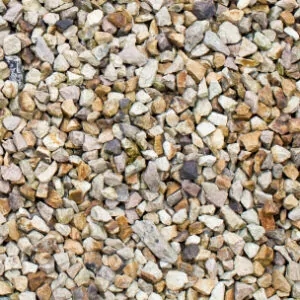
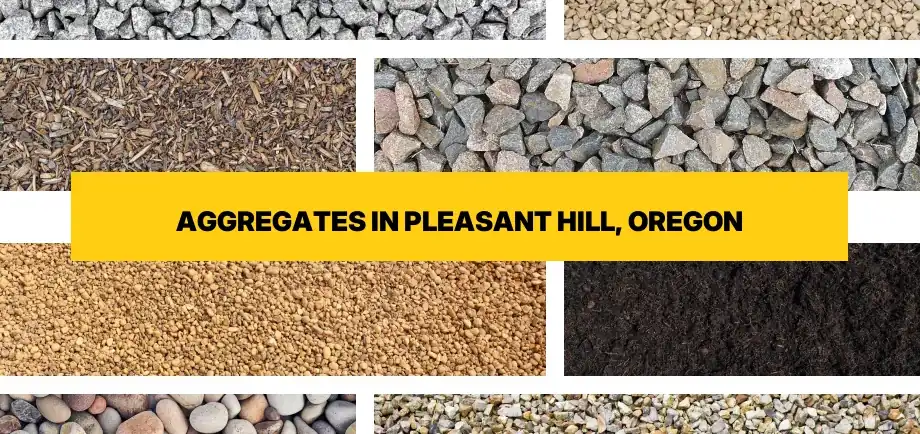
Buy Bulk Aggregates & Gravel in Pleasant Hill, Oregon
Local Topsoil, Dirt, Sand, Rocks and Gravel near me in Pleasant Hill, Oregon
Shop Aggregates for Delivery in Pleasant Hill
Order online for free delivery to any Pleasant Hill address.
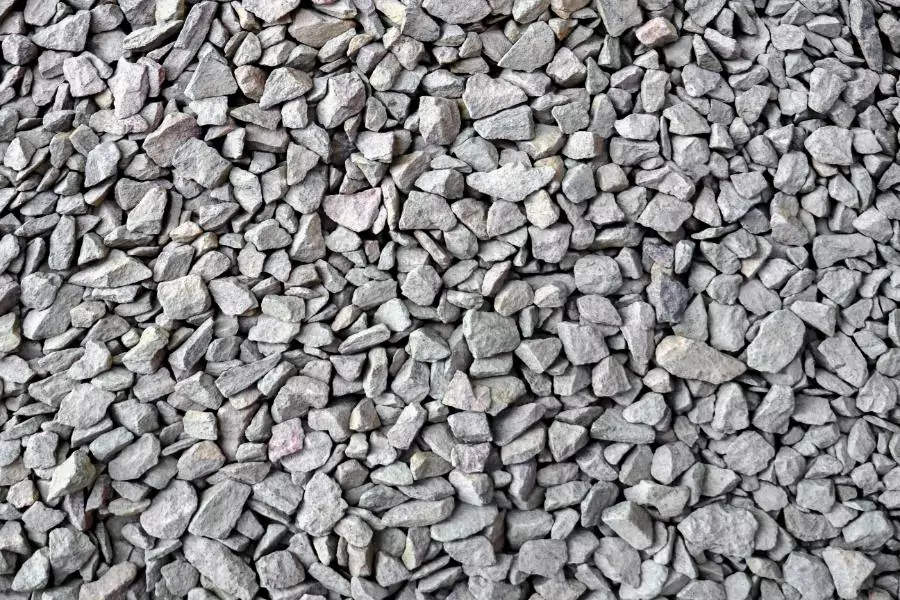
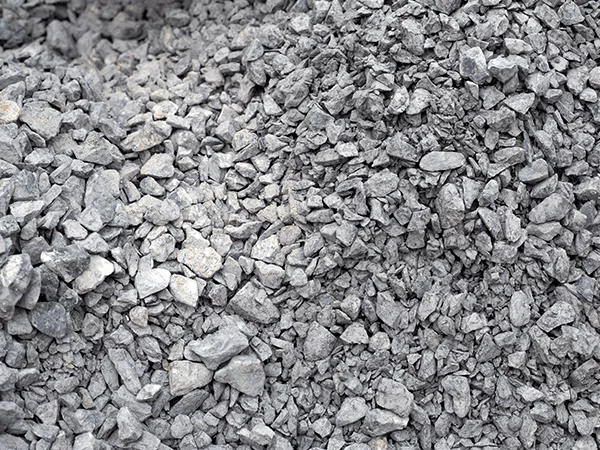


Gravel Monkey provides premium gravel and aggregate delivery throughout Pleasant Hill, Oregon, serving residential and commercial properties with reliable, high-quality materials. Nestled in the scenic Willamette Valley southeast of Eugene, Pleasant Hill sits at the junction of Highway 58 and Interstate 5, making it a hub for homeowners, farmers, and contractors who need dependable aggregates for driveways, drainage systems, landscaping projects, and construction work. Whether you're improving a property near the Pleasant Hill School District, developing land along the Middle Fork Willamette River corridor, or upgrading a rural driveway in the surrounding hills, we deliver every order absolutely free.
Complete Range of Aggregates and Materials Available in Pleasant Hill
Pleasant Hill's unique position in Lane County means properties face distinct challenges including clay-rich soil, seasonal flooding potential near waterways, and the need for proper drainage during Oregon's rainy months. Our comprehensive selection of aggregates addresses these specific local conditions:
- Driveway Gravel - Durable, compactable material engineered for long-lasting driveways that withstand Oregon weather
- 3/4 inch Crushed Stone - Versatile angular aggregate ideal for base layers, drainage applications, and foundation support
- #57 Stone - Standard construction grade crushed stone perfect for drainage fields and concrete mix
- Crusher Run - Blended aggregate that compacts tightly to create stable driveways and roadbeds
- Road Base - Heavy-duty foundation material for roads, parking areas, and high-traffic surfaces
- Drain Rock - Clean aggregate specifically sized for French drains and water management systems
- Pea Gravel - Smooth, rounded stones perfect for walkways, garden paths, and decorative landscaping
- River Rock - Natural river stones available in multiple sizes for water features and aesthetic landscapes
- Walkway Gravel - Specially graded aggregate for comfortable, attractive pedestrian paths
- Crushed Concrete - Eco-friendly recycled aggregate offering excellent drainage and compaction
- Decomposed Granite - Natural stone pathway material that compacts firmly while maintaining permeability
- Topsoil - Rich, organic soil blend for gardens, raised beds, and lawn establishment
- Fill Dirt - Clean fill material for grading, leveling, and site preparation projects
- Mason Sand - Fine, clean sand for mortar mixing, paver setting, and masonry work
- Playground Sand - Safe, washed sand ideal for play areas and sandboxes
- Washed Sand - Clean construction sand for concrete, landscaping, and general applications
Understanding Pleasant Hill's Soil Conditions and Aggregate Needs
Pleasant Hill sits in the southern Willamette Valley where ancient alluvial deposits from the Cascade Mountains meet volcanic soils from past geological activity. The area experiences approximately 45 inches of rainfall annually, concentrated heavily between October and April, creating unique challenges for property development and maintenance.
The predominant soil type throughout Pleasant Hill and extending toward Jasper and Dexter consists of heavy clay with moderate drainage capacity. This clay-rich composition expands when wet and contracts during summer months, putting stress on driveways, foundations, and hardscaping. Near the Middle Fork Willamette River and along tributaries like Fall Creek, properties encounter alluvial soils with better natural drainage but increased flood risk during peak runoff seasons.
These geological conditions make proper aggregate selection critical. Materials must provide structural stability during wet periods while allowing adequate drainage to prevent water pooling. Properties near Highway 58 heading toward Oakridge often sit on sloped terrain requiring aggregates that resist erosion and washout during heavy rains. The combination of clay soil, seasonal moisture, and occasional freezing temperatures demands aggregates specifically suited to Pacific Northwest conditions.
Choosing the Right Aggregates for Your Pleasant Hill Project
Driveways and Access Roads
Pleasant Hill driveways face unique challenges from clay soil expansion, wet weather compaction issues, and the need for year-round stability. For properties along rural roads near Jasper or in the hills south of town, proper base preparation with the right aggregate makes the difference between a driveway that lasts decades and one requiring constant repairs.
Base layers should utilize compactable materials that create a solid foundation resistant to settling. Road base provides exceptional stability for heavy vehicles and equipment common on rural properties. This material compacts tightly to form a dense layer that distributes weight evenly and prevents rutting. For properties with significant clay content, installing an adequate base layer of 4-6 inches becomes essential to separate the driveway surface from problematic native soil.
Surface layers require different characteristics - good drainage, resistance to displacement, and a stable driving surface. Many Pleasant Hill property owners achieve excellent results by topping their road base with a layer of driveway gravel or crusher run. These materials contain a mix of stone sizes that interlock when compacted, creating surfaces that drain well while maintaining stability even during extended rainy periods.
Drainage Solutions for Wet Climate Conditions
With average rainfall exceeding 45 inches and clay soils that retain moisture, drainage planning becomes paramount throughout Pleasant Hill. Properties near the Middle Fork Willamette River corridor or in low-lying areas toward Dexter require particularly robust water management systems.
French drains installed with drain rock provide reliable subsurface drainage. The clean, angular stones allow water to flow freely while preventing soil infiltration that could clog the system. For areas with persistent standing water or properties at the base of slopes collecting runoff, strategic placement of drainage systems with appropriate aggregates prevents foundation damage and landscape erosion.
Surface drainage solutions using crushed stone or gravel channels direct water away from structures and vulnerable areas. Properties in the Pleasant Hill School District area or along residential streets near Highway 58 benefit from carefully graded surfaces that move water efficiently. The angular nature of crushed aggregates provides superior drainage compared to rounded materials while maintaining structural integrity under traffic.
Landscaping and Decorative Applications
Pleasant Hill's natural beauty and rural character inspire homeowners to create attractive outdoor spaces that complement the surrounding Willamette Valley landscape. Decorative aggregates enhance these projects while providing practical benefits suited to local conditions.
Walkway gravel creates permeable paths that handle Oregon's wet weather while offering comfortable walking surfaces. Unlike solid paving that can crack from soil movement, gravel pathways flex with underlying clay soil expansion and contraction. They also allow rainwater to percolate naturally, reducing runoff and supporting healthy landscape hydration.
For garden beds, accent features, and water-wise landscaping, pea gravel delivers smooth texture and natural appearance. Its rounded profile creates a soft look that works beautifully around native Oregon plants and drought-tolerant species increasingly popular as summer water conservation becomes important. River rock adds bold texture for dry creek beds, borders, and focal points, bringing natural Cascade Mountain character to Pleasant Hill properties.
Decomposed granite offers an excellent alternative for pathways and patios where a more refined, compacted surface is desired. This material binds together when moistened and compacted, creating firm surfaces that still allow water infiltration. For properties wanting the look of natural trails found in nearby recreational areas while maintaining accessible surfaces, decomposed granite provides ideal balance.
| Aggregate Type | Best Pleasant Hill Applications | Drainage Rating | Compaction | Wet Climate Performance |
|---|---|---|---|---|
| Road Base | Driveway foundations, parking areas, high-traffic zones | Good | Excellent | Superior stability in wet conditions |
| Crusher Run | Driveway surfaces, access roads, rural lanes | Very Good | Excellent | Locks together when wet, minimal rutting |
| 3/4 inch Crushed Stone | Base layers, drainage applications, general fill | Excellent | Very Good | Prevents water pooling, maintains stability |
| Drain Rock | French drains, foundation drainage, septic fields | Excellent | Poor (by design) | Designed for maximum water flow |
| Pea Gravel | Pathways, landscaping, garden beds, decorative areas | Excellent | Fair | Good drainage, may shift slightly when saturated |
| Crushed Concrete | Eco-friendly driveways, base material, erosion control | Very Good | Very Good | Excellent performance, environmentally responsible |
| Decomposed Granite | Pathways, patios, natural-look surfaces | Good | Good | Compacts well when moist, permeable surface |
| #57 Stone | Drainage systems, concrete aggregate, general construction | Excellent | Good | Reliable drainage performance year-round |
Serving All Pleasant Hill Areas and Surrounding Communities
Gravel Monkey delivers throughout Pleasant Hill and the greater southeastern Lane County region. Our service area encompasses diverse property types from suburban developments to rural acreage, each with unique aggregate requirements.
In Pleasant Hill's residential core near the School District and along Main Street, homeowners utilize our aggregates for driveway improvements, landscaping enhancements, and drainage solutions addressing clay soil challenges. Properties in established neighborhoods benefit from decorative materials like river rock and pea gravel that complement traditional Pacific Northwest landscaping styles.
Moving toward Jasper along the Willamette River corridor, properties often require larger quantities of base materials for long rural driveways and agricultural access roads. These areas also see increased demand for drainage solutions given proximity to waterways and seasonal flood considerations. Road base and crusher run provide the stability needed for equipment access while maintaining performance through wet seasons.
The Dexter Lake area and communities along Highway 58 toward Lowell present unique terrain with more elevation change and forest interface properties. Hillside locations require aggregates for erosion control, retaining wall drainage, and driveway construction on slopes. Materials must resist washout during heavy rains while providing stable surfaces for steep access routes.
Rural properties throughout the Fall Creek area and surrounding hills utilize aggregates for diverse applications from barn pad preparation to pond dam construction. These properties often feature longer access routes requiring significant material volumes, making our free delivery service particularly valuable.
We also serve neighboring communities including Creswell to the northwest, where growing residential development creates demand for construction aggregates and landscaping materials. Southeast toward Oakridge, recreational properties and mountain home sites require materials suited to higher elevation conditions and increased precipitation.
Aggregate Selection for Pacific Northwest Climate
Pleasant Hill's location in the Willamette Valley creates a distinct climate pattern that significantly impacts aggregate performance and longevity. Understanding these conditions helps property owners make informed material choices for lasting results.
The region experiences a Mediterranean-influenced climate with wet winters and dry summers. October through April brings the majority of annual precipitation, often as extended periods of light to moderate rain rather than intense storms. This sustained moisture saturates clay soils, creating challenges for unprepared surfaces. Aggregates must provide drainage while maintaining structural integrity when wet.
Winter temperatures occasionally drop below freezing, particularly during clear nights when cold air settles in the valley. While not experiencing the harsh freeze-thaw cycles of higher elevations or continental climates, Pleasant Hill does see occasional icing conditions. Materials that drain well naturally resist frost heaving since water drains away rather than freezing in place and expanding.
Summer brings dry conditions with temperatures reaching the 80s and occasionally into the 90s. This seasonal shift means clay soils contract after months of saturation, potentially creating gaps beneath improperly installed surfaces. Adequate base depth with properly selected aggregates accommodates this seasonal movement without surface failure.
The extended dry season also allows for optimal construction and installation timing. Most aggregate projects in Pleasant Hill are best scheduled between May and September when soil conditions remain stable and compaction can be achieved effectively. However, our materials can be delivered year-round, and certain applications like drainage system installation may actually benefit from wetter conditions that reveal water flow patterns.
Best Practices for Pleasant Hill Aggregate Projects
Site Preparation
Successful aggregate projects begin with proper site preparation addressing Pleasant Hill's specific soil conditions. Clay soils require removal or modification before aggregate placement to prevent future settling and drainage issues. Excavate to a depth appropriate for your project - typically 6-8 inches for driveways, less for pathways.
For properties with severe clay challenges common near the Middle Fork Willamette River bottomlands, consider installing landscape fabric between native soil and aggregate base. This separation layer prevents clay migration into your aggregate while allowing water drainage. It dramatically extends the life of driveways and other installations by maintaining the integrity of base materials.
Proper Compaction Methods
Compaction transforms loose aggregate into stable, load-bearing surfaces. In Pleasant Hill's moisture-rich environment, achieving proper compaction requires attention to moisture content. Materials compact best when slightly damp - too dry and particles won't bind; too wet and you'll create a muddy mess that won't stabilize.
For driveway and parking area applications using road base or crusher run, mechanical compaction with a plate compactor or roller produces best results. Apply materials in lifts of 3-4 inches, compacting each layer before adding the next. This layer-by-layer approach ensures density throughout the entire depth rather than just the surface.
Drainage Integration
Every aggregate project in Pleasant Hill should incorporate drainage planning. Even decorative applications benefit from considering water flow. Grade surfaces to direct water away from structures, creating positive drainage that prevents pooling. For driveways and parking areas, a 2-3% slope provides adequate drainage without creating uncomfortable driving surfaces.
Consider where water will go after leaving your improved surface. Properties throughout Pleasant Hill must manage runoff responsibly, directing water to appropriate drainage systems or natural infiltration areas. Strategic placement of drain rock trenches or gravel channels can capture and direct water flow, protecting both your property and neighboring areas.
Sustainable Aggregate Choices for Pleasant Hill Properties
Oregon's strong environmental consciousness extends to landscaping and construction material choices. Pleasant Hill property owners increasingly seek sustainable options that perform well while minimizing environmental impact.
Crushed concrete represents an excellent eco-friendly alternative to virgin stone aggregates. This recycled material diverts concrete waste from landfills while providing performance characteristics comparable to natural crushed stone. For driveways, base layers, and erosion control applications, crushed concrete offers strength, drainage, and environmental responsibility in one material.
Permeable aggregate surfaces support groundwater recharge and reduce stormwater runoff - critical considerations given Pleasant Hill's proximity to the Willamette River watershed. Unlike impermeable concrete or asphalt that send all precipitation into storm drains, gravel driveways and walkways allow rainfall to infiltrate naturally. This reduces strain on municipal drainage systems and helps maintain healthy stream flows in local waterways.
Locally sourced aggregates minimize transportation impacts, reducing the carbon footprint of your project. While we serve Pleasant Hill from regional sources, choosing commonly available materials over specialty items shipped from distant quarries provides environmental benefits along with cost advantages.
Common Pleasant Hill Aggregate Applications
Rural Driveway Construction
Long rural driveways connecting properties to Highway 58 or local roads represent one of Pleasant Hill's most common aggregate applications. A typical installation begins with site grading to establish proper slope and drainage. After excavating clay soil to appropriate depth, contractors install a 4-6 inch base layer of road base, compacting thoroughly. The surface layer of crusher run or driveway gravel provides the driving surface, typically 2-3 inches thick and compacted. This two-layer approach creates driveways that handle farm equipment, resist rutting during wet months, and require minimal maintenance.
French Drain Installation
Clay soils throughout Pleasant Hill often create standing water problems, particularly in low areas and at the base of slopes. French drains using drain rock solve these issues effectively. The installation process involves digging trenches sloped toward desired drainage outlets, lining them with landscape fabric, filling with clean drain rock, and covering with topsoil or surface material. Water infiltrates the gravel, flows through the open spaces between stones, and drains away from problem areas. Properties near Jasper and along the river corridor particularly benefit from strategic French drain placement.
Landscaping and Garden Design
Pleasant Hill homeowners create beautiful, functional landscapes using decorative aggregates suited to Pacific Northwest aesthetics. River rock mulch beds provide weed suppression and moisture retention around native plants and shrubs. Pea gravel pathways wind through gardens, offering comfortable walking surfaces that drain instantly after rain. Decomposed granite patios create outdoor living spaces with natural appearance and excellent drainage properties. These materials complement Pleasant Hill's rural character while providing practical benefits for Oregon's climate.
Free Delivery Throughout Pleasant Hill and Lane County
Gravel Monkey eliminates the hassle and expense of aggregate procurement with free delivery throughout Pleasant Hill and surrounding communities. Whether you need a few yards for a small garden project or dozens of yards for major driveway construction, we deliver directly to your property at no additional charge.
Our delivery service accommodates various property types and access situations. Standard deliveries work for most residential locations with street access and space for a delivery truck. For properties with long rural driveways or limited access, we can often arrange specialized delivery solutions. Contact us to discuss your specific location and any access considerations.
We understand that project timing matters, particularly when working within Pleasant Hill's seasonal weather windows. Our scheduling accommodates your timeline, coordinating deliveries to coincide with contractor availability or project phases. For large projects requiring multiple material types, we can arrange sequential deliveries ensuring you have the right materials when needed without excessive on-site storage.
Frequently Asked Questions About Gravel and Aggregates in Pleasant Hill
For Pleasant Hill's clay soil and wet climate, we recommend a two-layer approach: road base or crusher run for the foundation layer (4-6 inches), topped with driveway gravel or crusher run for the surface (2-3 inches). This combination provides excellent drainage, resists rutting during wet months, and creates stable surfaces year-round. The angular stones interlock when compacted, distributing weight evenly and preventing the settling common with clay subsoil.
Material quantities depend on your project dimensions and desired depth. For driveways, calculate length times width times depth in feet, then divide by 27 to get cubic yards. A standard residential driveway 12 feet wide and 100 feet long with 6 inches total depth requires approximately 22 cubic yards of material. Our team can help calculate exact amounts based on your specific project details and Pleasant Hill site conditions.
While possible, we don't recommend placing aggregates directly on Pleasant Hill's clay soil without preparation. Clay expansion and contraction with moisture changes will cause settling and surface failure. Best practice involves excavating clay to appropriate depth, optionally installing landscape fabric, then placing your aggregate base and surface layers. This approach ensures long-term stability and performance even in challenging clay soil conditions common throughout Lane County.
Crushed stone has angular edges from mechanical crushing, allowing pieces to interlock and compact tightly - ideal for driveways and base layers. Gravel typically refers to naturally rounded river stone that doesn't compact as firmly but provides excellent drainage and attractive appearance for landscaping. Both work well in Pleasant Hill depending on application. Driveways need crushed materials; decorative landscaping benefits from rounded river rock or pea gravel.
Weed prevention in Pleasant Hill gravel applications starts with proper installation. Use landscape fabric beneath decorative gravel to block weed growth from below. For pathways and patios, adequate depth of 3-4 inches makes it difficult for weeds to establish. Periodically refreshing your gravel surface and spot-treating any emerging weeds maintains clean appearance. Compacted materials like decomposed granite or crusher run naturally resist weed growth better than loose pea gravel.
Summer and early fall (May through September) provide ideal conditions for aggregate installation in Pleasant Hill. Dry soil allows proper excavation and compaction while avoiding mud and excess moisture. However, certain projects like drainage systems may benefit from winter installation when water flow patterns are visible. We deliver year-round, allowing you to schedule projects according to your specific needs and contractor availability.
Absolutely! We deliver throughout Pleasant Hill and surrounding Lane County communities including Jasper, Dexter, Fall Creek, Lowell, and rural areas along Highway 58. Free delivery extends to these locations, making aggregate procurement convenient even for properties with significant distance from town. Contact us to confirm delivery availability to your specific rural location.
Crushed concrete diverts construction waste from landfills while providing aggregate performance comparable to virgin stone. This recycled material requires no new quarrying, reducing environmental impact associated with aggregate production. In Pleasant Hill applications, crushed concrete performs excellently for driveways, base layers, and erosion control while supporting sustainable building practices increasingly valued throughout Oregon.
Start Your Pleasant Hill Aggregate Project Today
Whether you're planning a new driveway, solving drainage challenges, or enhancing your landscape, Gravel Monkey provides the quality aggregates and reliable delivery that Pleasant Hill property owners trust. Our extensive selection addresses every application from basic fill dirt to decorative landscaping materials, all backed by expert advice and free delivery throughout Lane County.
Contact us today to discuss your project requirements, get material recommendations specific to Pleasant Hill conditions, and schedule your free delivery. We're here to help you select the perfect aggregates for lasting results in Oregon's unique climate and soil conditions.

Need help? Reach out for a quote: