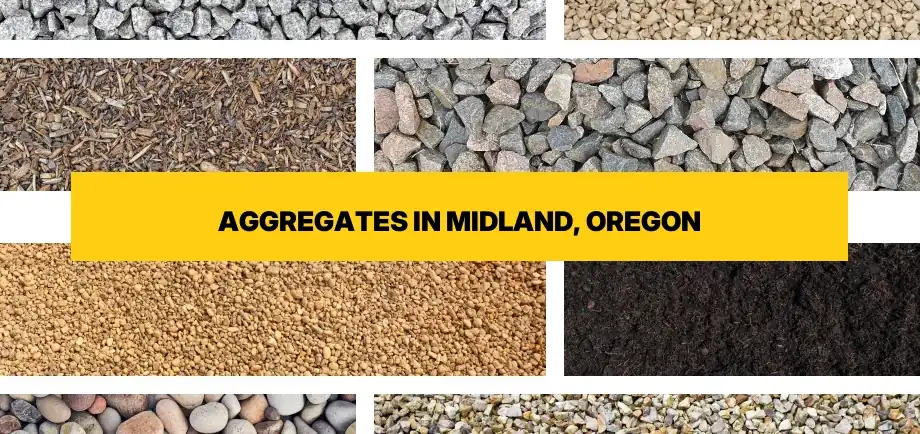
Bulk Aggregate & Gravel Products in Midland, Oregon
Local Topsoil, Dirt, Sand, Rocks and Gravel near me in Midland, Oregon
Shop Aggregates for Delivery in Midland
Order online for free delivery to any Midland address.
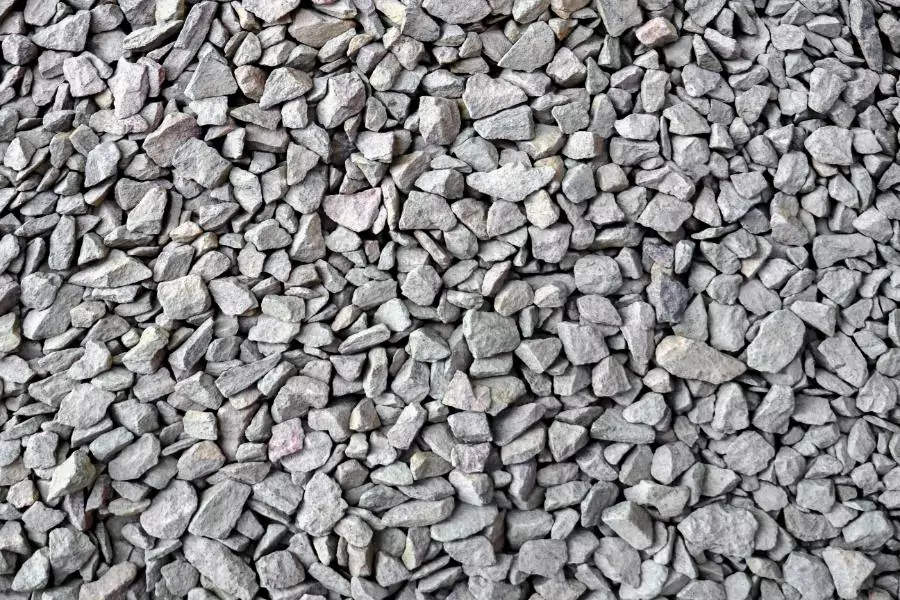
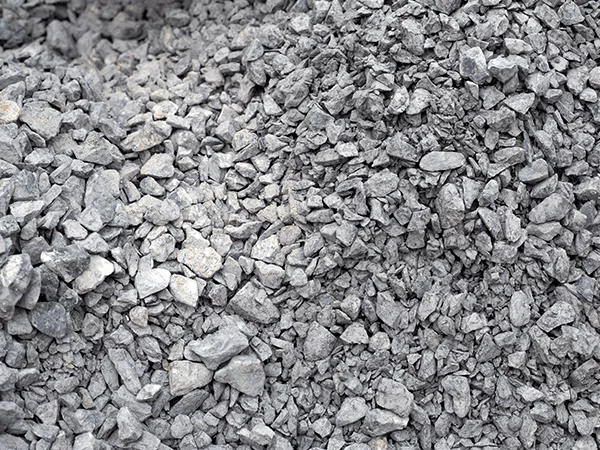


Gravel Monkey delivers premium aggregates and bulk materials throughout Midland, Oregon, serving rural properties, ranches, and agricultural operations across Klamath County. Located in the high desert region east of Upper Klamath Lake, Midland experiences unique soil conditions and climate patterns that demand quality aggregates for lasting driveways, roads, and drainage solutions. Whether you're maintaining a ranch road near Bonanza, upgrading a driveway in the Klamath Basin, or managing water flow on property near Lost River, we provide free delivery of crushed stone, road base, and specialized aggregates directly to your location.
Complete Aggregate Selection for Midland Properties
The volcanic soils and semi-arid climate of Midland require aggregates that provide stability, drainage, and durability through temperature extremes. Our comprehensive material selection addresses the specific challenges facing property owners in this high desert environment:
- Driveway Gravel - Compactable base material engineered for rural driveways and ranch roads
- 3/4 inch Crushed Stone - Versatile aggregate ideal for foundations and driveway surfaces in volcanic soils
- #57 Stone - Premium drainage aggregate for managing seasonal moisture and snowmelt
- Crusher Run - All-in-one base material that compacts firmly for stable roads and driveways
- Road Base - Heavy-duty foundation material for private roads and high-traffic agricultural access
- Drain Rock - Essential aggregate for French drains and foundation water management
- River Rock - Natural decorative stone for landscaping and erosion control
- Pea Gravel - Smooth aggregate perfect for pathways and decorative applications
- Walkway Gravel - Specially sized aggregate for attractive pedestrian paths
- Decomposed Granite - Natural compacting material ideal for dry climate pathways
- Crushed Concrete - Eco-friendly recycled aggregate for base layers and rural roads
- Topsoil - Nutrient-rich soil for gardens and landscape establishment
- Fill Dirt - Quality grading material for leveling and property development
- Mason Sand - Fine aggregate for concrete work and masonry projects
- Playground Sand - Safe, clean sand for recreational areas
- Washed Sand - Versatile clean sand for various construction and landscaping applications
Midland's Unique Geology and Aggregate Requirements
Midland sits in the northern portion of the Basin and Range Province at approximately 4,200 feet elevation, characterized by volcanic bedrock and pumice-rich soils. This region's geology stems from ancient volcanic activity, leaving behind a substrate that includes basalt, volcanic ash, and pumice deposits. These volcanic soils, while fertile for certain crops, present specific challenges for construction and road building.
The area experiences a high desert climate with cold winters averaging 20-40°F and warm, dry summers reaching 80-90°F. Annual precipitation measures only 12-14 inches, primarily falling as winter snow and spring rain. This limited moisture, combined with the porous volcanic soils, creates unique drainage patterns. Properties near the Klamath Basin and Lost River area deal with seasonal water table fluctuations, while ranches toward Bonanza and Merrill face dust issues during the dry summer months.
The pumice-heavy soils common throughout Midland offer poor load-bearing capacity without proper aggregate base. Winter freeze-thaw cycles, though less severe than in higher elevations, still affect driveway integrity. These conditions make quality aggregates essential for any construction project, from ranch road maintenance to new driveway installation.
Drainage Aggregates for Klamath County Properties
Managing water effectively is critical for Midland properties, particularly during spring snowmelt and the occasional heavy rainfall events. The volcanic soils drain quickly in summer but can become saturated during wet periods, creating foundation concerns and driveway erosion.
Strategic Drainage Solutions
Properties throughout the Klamath Basin benefit from properly installed drainage systems using the right aggregates. The combination of seasonal moisture, irrigation runoff from agricultural operations, and natural springs requires thoughtful water management. French drains installed with appropriate stone prevent foundation water intrusion and protect structures from moisture damage.
For ranch properties between Midland and Merrill, perimeter drainage systems help manage irrigation water and prevent soil saturation near buildings and livestock facilities. The key is selecting aggregates that provide void space for water movement while filtering out fine sediments that could clog drainage systems over time.
Crushed stone in the three-quarter to one-and-a-half-inch range creates excellent drainage layers under driveways, preventing the pumice soils from migrating upward while allowing water to percolate downward. This prevents the rutting and washboarding common on poorly constructed rural roads in volcanic soil regions.
Building Lasting Driveways in Volcanic Soils
Driveway construction in Midland demands understanding of the local soil composition and climate patterns. The volcanic substrata requires proper preparation and adequate aggregate depth to create a stable driving surface that withstands both agricultural equipment and seasonal weather changes.
Proper Base Preparation
Successful driveways in the Midland area start with excavating the pumice-rich topsoil down to more stable material, typically 6-8 inches deep. This excavation removes the compressible volcanic material that would otherwise settle unevenly under vehicle weight. The resulting trench is then filled with compactable aggregates in layers.
The first layer should consist of larger aggregates that bridge across any remaining soft spots in the subgrade. Road base or crusher run works exceptionally well for this purpose, as these materials contain a mixture of stone sizes that lock together when compacted. A 4-inch layer of this material, properly compacted with a plate compactor or roller, creates the foundation for the entire driveway.
The surface layer requires material that provides traction while resisting displacement. Many Midland property owners prefer crushed stone or specialty driveway gravel that packs firmly but doesn't create excessive dust during the dry summer months. The angular edges of crushed aggregates interlock effectively, preventing the washboarding that occurs with rounded gravels.
Aggregate Comparison for Midland Applications
Selecting the right aggregate for your specific project ensures optimal performance in Midland's unique environment. This comparison helps identify which materials best suit common applications:
| Aggregate Type | Best Applications | Compaction | Drainage Rating | Volcanic Soil Compatibility |
|---|---|---|---|---|
| Crusher Run | Driveway base, ranch roads | Excellent | Moderate | Excellent - locks into pumice soils |
| Road Base | Heavy traffic areas, equipment access | Superior | Moderate | Excellent - provides stable platform |
| 3/4" Crushed Stone | Driveway surface, pathways | Very Good | Good | Very Good - prevents soil migration |
| #57 Stone | Drainage systems, French drains | Poor | Excellent | Good - allows water movement |
| Drain Rock | Foundation drainage, culverts | Poor | Superior | Excellent - prevents sediment clogging |
| Decomposed Granite | Walkways, patios, dry climate paths | Good | Fair | Very Good - natural appearance |
| Pea Gravel | Decorative landscaping, borders | Poor | Good | Good - decorative use only |
| Crushed Concrete | Base layers, rural access roads | Very Good | Moderate | Good - economical alternative |
Aggregate Delivery Throughout the Midland Area
Gravel Monkey provides free aggregate delivery to all areas surrounding Midland, ensuring ranches, farms, and rural properties have access to quality materials regardless of location. Our delivery service extends throughout the region, reaching properties that larger suppliers often overlook.
Primary Service Areas
We serve the greater Midland area including properties along Highway 97, the Klamath Basin agricultural region, and rural lands extending toward the Lost River. Ranch properties between Midland and Bonanza receive regular deliveries, as do farms in the Merrill area and properties near Malin. Our service extends to Klamath Falls and the surrounding county, providing consistent access to aggregates for both residential and agricultural projects.
Properties near Upper Klamath Lake benefit from our drainage aggregates, essential for managing the higher water tables common in that area. Ranches on the eastern side toward Bly and Beatty receive the same quality materials and service, ensuring all of Klamath County has access to proper aggregates for construction and road maintenance.
Agricultural and Ranch Applications
The agricultural character of Midland creates unique aggregate needs. Cattle ranches require durable access roads that handle heavy livestock trailers and feed trucks year-round. Hay operations need barn approaches that remain solid during wet weather. Irrigation equipment crossing points demand stable surfaces that prevent rutting.
Alfalfa farms and cattle operations around Midland utilize our aggregates for feed lot surfacing, equipment storage areas, and livestock handling facilities. The crusher run and road base materials provide the load-bearing capacity needed for agricultural equipment, while proper drainage aggregates prevent mud accumulation in high-traffic zones.
Seasonal Aggregate Needs in the High Desert
Midland's pronounced seasons create varying demands for aggregates throughout the year. Understanding these seasonal patterns helps property owners plan projects effectively and select appropriate materials.
Winter Preparation and Snow Management
While Midland receives moderate snowfall compared to higher elevations, winter conditions still impact driveways and access roads. The freeze-thaw cycles that occur during shoulder seasons cause frost heaving in improperly constructed surfaces. Adequate aggregate depth prevents this movement, as proper base materials resist frost penetration.
Snow removal from aggregate driveways requires appropriate surface materials. Crushed stone provides better plow blade contact than round gravels, reducing slippage during plowing operations. The angular materials also shed snow more effectively during sunny winter days, as the darker stone absorbs solar heat.
Spring Runoff Management
Spring brings snowmelt and occasional heavy rain to the Klamath Basin, challenging driveways and drainage systems. Properties that didn't install adequate drainage aggregates often experience washouts and erosion during this period. French drains and culvert systems properly bedded in drainage rock handle the increased water flow without clogging or failing.
The volcanic soils become saturated during spring, creating temporary soft spots in driveways lacking proper aggregate base. Properties with adequate base layers maintain their integrity, as the stone distributes loads effectively even when the underlying soil is moisture-laden.
Summer Dust Control and Maintenance
The dry summers bring dust challenges to aggregate roads and driveways. The fine pumice particles in Midland soils become airborne easily, creating visibility and respiratory concerns. Properly graded aggregates with adequate fines help bind surfaces together, reducing dust generation.
Some property owners apply magnesium chloride or calcium chloride dust suppressants during summer months. These work most effectively on well-graded crusher run or road base surfaces, as the materials provide enough fine particles to retain moisture and activate the dust control agents.
Landscaping Aggregates for High Desert Properties
Beyond functional applications, aggregates serve important roles in Midland landscaping projects adapted to the high desert climate. The limited rainfall and temperature extremes require low-maintenance landscape solutions that conserve water while providing visual appeal.
Xeriscaping with Aggregates
Decomposed granite creates natural-looking pathways and patio surfaces perfectly suited to Midland's climate. This material compacts moderately, stays in place during wind events, and complements native plantings beautifully. Unlike organic mulches that blow away in the dry conditions, decomposed granite remains stable while still allowing water penetration to plant roots.
River rock and pea gravel provide decorative ground cover that reduces water needs while suppressing weed growth. These aggregates work particularly well around drought-tolerant shrubs and native grasses common in high desert landscapes. The thermal mass of stone also moderates soil temperature, protecting plant roots during both summer heat and winter cold.
Functional Landscaping Elements
Walkway gravel creates attractive paths that handle the temperature swings better than concrete or asphalt. These materials allow water infiltration, reducing runoff and supporting plant hydration. The permeable surface prevents ice accumulation in winter, as water drains through rather than forming a frozen layer on the surface.
Landscape drainage solutions using proper aggregates protect foundations and prevent water pooling near structures. The combination of surface drainage channels and subsurface French drains keeps buildings dry even during spring runoff events. These systems work most effectively when installed with clean drainage aggregates that resist clogging from the volcanic sediments common in Midland soils.
Planning Your Aggregate Project
Successful aggregate projects in Midland require understanding material quantities, delivery logistics, and installation techniques appropriate for local conditions. Proper planning ensures projects stay within budget while delivering lasting results.
Calculating Material Quantities
Aggregate volume calculations start with accurate measurements of the project area. For driveways, measure length times width to determine square footage, then determine depth based on use. Residential driveways typically need 4-6 inches of aggregate total, while agricultural access roads may require 8-12 inches for heavy equipment traffic.
Convert these measurements to cubic yards by multiplying square footage by depth in feet, then dividing by 27. For example, a 12-foot by 100-foot driveway with 6 inches of aggregate requires: (12 × 100 × 0.5) ÷ 27 = 22.2 cubic yards. Always add 10-15% extra to account for compaction and uneven subgrade.
Site Preparation Essentials
Proper site preparation determines long-term project success. Remove the pumice-rich topsoil completely from the project area, excavating to firm subgrade. Grade the subgrade for proper drainage, establishing a minimum 2% slope away from buildings. This prevents water accumulation under the aggregate layer.
For areas with very poor soil conditions, consider geotextile fabric between the subgrade and aggregate. This separation layer prevents the volcanic soils from migrating upward into the aggregate while still allowing drainage. The fabric is particularly beneficial in areas with high water tables or seasonal saturation.
Delivery Considerations
Gravel Monkey coordinates delivery timing with your project schedule, ensuring materials arrive when you're ready to install them. Our trucks access most rural properties throughout the Midland area, though some remote locations may require alternative delivery arrangements. Discuss access routes and delivery sites when ordering to ensure smooth placement.
Plan aggregate storage if you can't install materials immediately. Place aggregates on firm ground away from drainage patterns, creating a slight mound to shed water. Cover stockpiles with tarps during wet periods to prevent saturation, especially for materials like mason sand or washed sand that perform best when dry.
Installation Best Practices for Lasting Results
Proper installation techniques ensure your aggregate investment performs optimally for years. The specific methods vary by material type, but fundamental principles apply across most projects.
Compaction Requirements
Compaction transforms loose aggregates into stable surfaces capable of supporting vehicle traffic. Rent or purchase a plate compactor for smaller projects, or hire a roller for larger areas like ranch roads. Compact materials in 4-inch lifts maximum, as thicker layers won't compress adequately in the center.
Make multiple passes with compaction equipment, overlapping each pass slightly. Operate the equipment in a systematic pattern, working from the edges toward the center. For materials like crusher run, light moisture during compaction helps achieve maximum density, though in Midland's dry climate, this typically requires adding water via hose or water truck.
Drainage Integration
Install drainage systems before placing final aggregate surfaces. French drains require trenching to appropriate depth, typically 18-24 inches below finished grade. Line trenches with geotextile fabric, place drain rock, install perforated pipe, add more aggregate, then wrap the fabric over the top before backfilling.
Surface drainage channels direct water away from structures and off driveways. Create subtle valleys using proper grading, then line with erosion-resistant aggregates. These channels prevent concentration of flow that causes washing and rutting during spring runoff events.
Edge Restraints and Borders
Prevent aggregate migration by installing edge restraints along driveways and pathways. Options include pressure-treated lumber, steel edging, or concrete borders. These restraints contain materials, maintain clean lines, and prevent grass encroachment. For agricultural applications, simple trenches filled with larger stone create effective borders that handle equipment traffic.
Maintaining Aggregate Surfaces
Regular maintenance extends the life of aggregate installations and preserves their functionality. The high desert environment creates specific maintenance needs that differ from wetter climates.
Routine Maintenance Tasks
Rake or drag aggregate driveways periodically to redistribute materials and fill low spots. This prevents the development of ruts and washboarding that occur as vehicles push materials aside. For longer driveways, consider a tow-behind drag made from chain-link fence or metal grating.
Remove vegetation promptly when it appears in aggregate surfaces. The volcanic soils support vigorous weed growth when moisture is available, and plants can quickly compromise surface integrity. Hand-pull weeds or use appropriate herbicides, following label directions carefully.
Add fresh aggregate every few years to maintain proper depth and surface quality. Even well-constructed surfaces lose material to displacement and gradual breakdown. A thin new layer restores appearance and performance without requiring complete reconstruction.
Seasonal Maintenance Considerations
Address winter damage promptly each spring. Fill any washouts from snowmelt, regrade areas where plowing displaced materials, and repair edge damage. Early spring maintenance prevents minor issues from becoming major problems as the season progresses.
Before winter, ensure drainage systems are clear of debris. Clean culverts, flush drainage pipes, and remove any obstructions from surface channels. Proper water flow prevents freeze-thaw damage and maintains surface integrity through winter months.
Environmental Stewardship and Sustainable Practices
Responsible aggregate use supports environmental conservation while meeting property development needs. Several practices align project requirements with ecological stewardship in the Midland area.
Water Conservation Through Smart Landscaping
Aggregate-based landscaping significantly reduces irrigation demands compared to traditional lawns. In Midland's water-limited environment, this conservation is crucial. Permeable aggregate surfaces allow rainfall and irrigation to penetrate soil, recharging groundwater rather than creating runoff.
Strategic use of aggregates in landscape design reduces the footprint of water-intensive plantings while maintaining attractive outdoor spaces. The thermal properties of stone also create microclimates that benefit drought-tolerant plants, extending the viable palette of species that thrive with minimal supplemental water.
Recycled and Sustainable Aggregates
Crushed concrete offers an environmentally responsible alternative to virgin aggregates for many applications. This recycled material performs excellently in base layers and rural roads while diverting material from landfills. The production of crushed concrete also requires less energy than quarrying and processing new stone.
When projects allow, selecting locally sourced aggregates reduces transportation impacts and supports regional economies. The volcanic materials abundant in the Klamath Basin provide excellent aggregate sources when properly processed, minimizing the environmental footprint of material transportation from distant quarries.
Frequently Asked Questions About Aggregates in Midland
We deliver a comprehensive selection including driveway gravel, crushed stone in multiple sizes, crusher run, road base, drain rock, river rock, pea gravel, decomposed granite, crushed concrete, topsoil, fill dirt, mason sand, playground sand, and washed sand throughout Midland and surrounding Klamath County areas.
Yes! Gravel Monkey offers FREE delivery to Midland and the surrounding Oregon area for all gravel and aggregate material orders. We service rural properties, ranches, and farms throughout the region.
For Midland volcanic soils, crusher run and three-quarter inch crushed stone provide excellent stability for driveways and foundations. These angular materials lock into the pumice-rich soils effectively. Drain rock is essential for managing seasonal moisture and preventing foundation water issues. Road base works exceptionally well for ranch roads and agricultural access routes requiring heavy load support.
For driveways in Midland, calculate length times width times depth in feet, then divide by 27 to get cubic yards. A standard residential driveway needs 4 to 6 inches of aggregate base material. Ranch roads and agricultural access routes may require 8 to 12 inches. Our team can help estimate the exact amount for your specific property and soil conditions, accounting for the compaction characteristics of volcanic soils.
We serve Midland and nearby communities including Klamath Falls, Merrill, Bonanza, Malin, Bly, and Beatty throughout Klamath County with free aggregate delivery. Our service extends to rural properties, ranches, and farms throughout the Klamath Basin region.
Select well-graded aggregates like crusher run that contain enough fine particles to bind the surface together naturally. These materials compact more firmly and generate less dust than clean stone. For additional dust control, consider periodic application of magnesium chloride or calcium chloride dust suppressants, which work effectively in the high desert climate when applied to properly graded surfaces.
Road base and crusher run provide the best performance for ranch roads handling tractors, livestock trailers, and hay trucks. These materials contain a mixture of stone sizes that compact together to create a stable surface capable of supporting heavy loads without rutting. Install a minimum of 8 inches in two compacted lifts for optimal performance on volcanic soils.
Many Midland property owners successfully install aggregates themselves for projects like driveways and pathways. The key requirements include proper site preparation, adequate compaction equipment, and understanding of base depth requirements for volcanic soils. Larger projects like ranch roads or complex drainage systems may benefit from professional installation to ensure optimal performance and longevity.
Quality Aggregates Delivered Free Throughout Midland
Whether you're building a new driveway for your ranch, maintaining agricultural access roads, or creating low-water landscaping adapted to the high desert climate, Gravel Monkey provides the quality aggregates you need with free delivery throughout the Midland area. Our materials are selected specifically for performance in volcanic soils and semi-arid conditions, ensuring your projects deliver lasting value.
Our team understands the unique challenges facing property owners in Klamath County, from managing spring runoff to creating stable surfaces in pumice soils. We help you select the right materials for your specific application and soil conditions, providing guidance that ensures successful project outcomes.
Contact Gravel Monkey today to discuss your aggregate needs and schedule free delivery to your Midland property. We're committed to supporting the agricultural and residential communities throughout the Klamath Basin with reliable materials and knowledgeable service.

Need help? Reach out for a quote: