Shop Sand, Stone & Gravel in Government Camp, Oregon
Local Topsoil, Dirt, Sand, Rocks and Gravel near me in Government Camp, Oregon
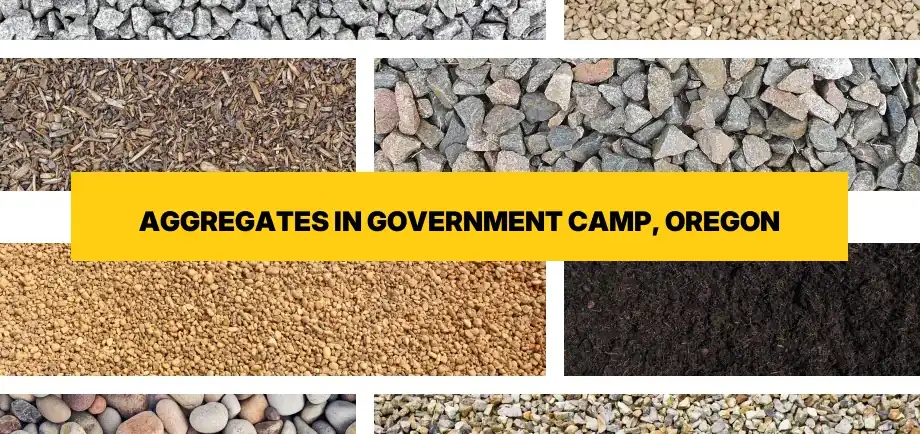
Shop Aggregates for Delivery in Government Camp
Order online for free delivery to any Government Camp address.


Nestled at 4,000 feet on the southern slopes of Mt. Hood, Government Camp presents unique challenges for construction and landscaping projects. Gravel Monkey delivers premium aggregates and construction materials specifically suited for high-elevation mountain environments throughout Government Camp, OR. Whether you're maintaining a winter cabin near Timberline Lodge, building a driveway in the Summit Meadows area, or creating drainage solutions for spring snowmelt, we provide expert aggregate delivery absolutely free to your mountain property.
Mountain-Grade Aggregates Available in Government Camp
Government Camp's extreme climate demands superior materials. With annual snowfall exceeding 400 inches, temperatures ranging from -10°F in winter to 75°F in summer, and the constant freeze-thaw cycles that challenge typical construction materials, choosing the right aggregates is critical. We supply a comprehensive selection of materials engineered for alpine conditions:
- Driveway Gravel - Heavy-duty aggregate designed for steep mountain driveways
- 3/4 inch Crushed Stone - Versatile material for foundations and base layers
- Drain Rock - Essential for managing snowmelt and preventing water damage
- Road Base - Premium compacting material for mountain access roads
- Crusher Run - Ideal for driveways that need maximum stability
- #57 Stone - Clean drainage aggregate for French drains and foundation work
- Pea Gravel - Decorative stone for alpine landscaping
- River Rock - Natural aesthetic for mountain garden beds
- Topsoil - Nutrient-enriched soil for high-elevation gardens
- Fill Dirt - Grading material for mountain lot preparation
Understanding Government Camp's Unique Geological Conditions
Government Camp sits directly on volcanic deposits from Mt. Hood's previous eruptions, creating a complex soil profile that every property owner must understand. The area's geology consists primarily of volcanic ash, pumice, and andesite bedrock overlaid with centuries of accumulated organic matter from the surrounding Cascade forest. This volcanic soil, while scenic, presents specific challenges for construction projects.
The volcanic substrate is highly porous and prone to settling, especially during the dramatic spring thaw when hundreds of inches of accumulated snowpack melt within weeks. Properties near the Timberline Highway experience particularly challenging drainage conditions as runoff from Mt. Hood flows through the community. Areas around Multorpor Mountain and Tom Dick and Harry Mountain receive direct snowmelt that can undermine inadequately prepared foundations and driveways.
Additionally, Government Camp's position in the Cascade Range means the local soil freezes to depths of 24-36 inches during winter months. This deep frost penetration, combined with the region's 400+ inches of annual snowfall, creates severe freeze-thaw cycles that can heave and crack improperly installed aggregates. That's why choosing appropriate materials like crushed concrete or compacting road base becomes essential for long-term structural integrity.
Aggregate Delivery Throughout the Mt. Hood Corridor
Gravel Monkey serves all areas of Government Camp and the surrounding Mt. Hood region with reliable, free delivery:
Central Government Camp
The historic core of Government Camp, centered around the intersection of Highway 26 and Timberline Road, contains many of the area's oldest cabins and commercial properties. Properties here often require specialized drainage solutions due to their proximity to the natural drainage channels that flow from Mt. Hood's snowfields. We regularly deliver drain rock and crusher run to properties maintaining the vintage cabins and ski lodges that define this iconic mountain village.
Timberline Lodge Area
Properties along the Timberline Highway leading to the famous Timberline Lodge face extreme exposure and the highest snowfall totals in the region. Driveways and access roads here demand the most durable aggregates available. Road base and heavy-duty driveway gravel perform best in this elevation zone, which regularly sees snow depths exceeding 15 feet during peak winter months.
Summit Meadows
This residential area north of Highway 26 offers some of Government Camp's most sought-after cabin properties. The meadow environment provides slightly gentler terrain, but spring snowmelt creates temporary wetland conditions that require excellent drainage planning. We supply washed sand and fill dirt for lot grading, along with drain rock for foundation drainage systems.
Mt. Hood Skibowl Vicinity
Properties near the Skibowl resort area benefit from slightly lower elevation but still experience severe winter conditions. The steep terrain here makes driveway construction particularly challenging, requiring aggregates that resist washout during spring runoff while providing traction during winter snow events.
Multorpor Area
East of central Government Camp, the Multorpor Mountain area offers quieter residential properties with spectacular views. The eastern exposure means earlier snowmelt and different drainage patterns. Properties here often need strategic placement of aggregates to manage the spring runoff that cascades down from the mountain slopes above.
Selecting Aggregates for Extreme Mountain Weather
Government Camp's climate statistics tell the story: average winter temperatures hover around 28°F, but cold snaps regularly push thermometers to -10°F or lower. Summer highs reach the mid-70s, creating a 85+ degree annual temperature range that few construction materials can withstand without proper selection. Annual precipitation exceeds 110 inches, with the vast majority falling as snow between November and April.
This extreme climate demands thoughtful material selection. Standard aggregates that perform well in Portland or the Willamette Valley often fail catastrophically at 4,000 feet. The freeze-thaw cycle—where water penetrates aggregate pores, freezes, expands, and fractures the stone—occurs dozens of times each winter. Only properly graded, durable aggregates survive these conditions.
The volcanic soil beneath Government Camp compounds these challenges. Unlike the stable marine sediments found in lower-elevation Oregon communities, volcanic ash and pumice are inherently unstable. They compress under weight, shift with moisture changes, and provide poor bearing capacity without proper aggregate base preparation. Properties in Government Camp require 12-18 inches of compacted aggregate base for driveways—double what's needed at sea level.
| Aggregate Type | Best Government Camp Applications | Freeze-Thaw Resistance | Drainage Rating | Compaction Ability |
|---|---|---|---|---|
| Road Base | Primary driveways, parking areas, mountain access roads | Excellent | Very Good | Superior |
| Crusher Run | Driveway base, steep grade applications, winter access | Excellent | Good | Excellent |
| 3/4 inch Crushed Stone | Foundation drainage, general construction, base layer | Very Good | Excellent | Good |
| Drain Rock | French drains, foundation perimeter, snowmelt management | Excellent | Superior | Fair |
| #57 Stone | Drainage applications, pipe bedding, septic fields | Excellent | Excellent | Fair |
| Pea Gravel | Decorative landscaping, pathways, erosion control | Good | Very Good | Poor |
| Decomposed Granite | Walking trails, fire-safe landscaping, natural pathways | Good | Good | Good |
Critical Drainage Solutions for Government Camp Properties
Water management separates successful Government Camp construction projects from expensive failures. The dramatic spring snowmelt transforms the landscape virtually overnight, with hundreds of inches of accumulated snow converting to rushing water within weeks. Properties without adequate drainage systems experience foundation undermining, driveway washouts, and structural settling.
Every Government Camp property needs a comprehensive drainage strategy built on quality aggregates. Start with foundation perimeter drainage using mason sand as bedding material beneath drain rock trenches. The drain rock creates a pathway for water to move away from foundations before it can penetrate basement walls or undermine footings. This is especially critical in areas like Summit Meadows where seasonal water tables rise during spring melt.
Driveway Drainage Systems
Mountain driveways face water flow from both above (snowmelt cascading downhill) and below (water rising through volcanic soil). Proper construction requires excavating 18-24 inches deep, installing geotextile fabric, adding a 12-inch layer of compacted road base, and finishing with 4-6 inches of crusher run or driveway gravel. Without this depth, spring frost heave will destroy the driveway within two seasons.
Driveways on steep grades—common throughout Government Camp—need additional cross-slope drainage. Install culverts or drainage channels every 50-75 feet to divert water off the driving surface before it gains erosive velocity. Use walkway gravel or smaller aggregates around these drainage structures to prevent aggregate migration.
Seasonal Planning for Government Camp Aggregate Projects
Timing is everything in mountain construction. Government Camp's construction season is remarkably short—typically mid-June through mid-October—when soil temperatures remain above freezing and equipment can operate effectively. Spring arrives late at 4,000 feet, with significant snow often lingering into May. Fall comes early, with the first major snowstorms possible by late September.
Plan aggregate delivery and installation for mid-summer when conditions are most stable. July and August offer the most reliable weather windows. Attempting aggregate work during shoulder seasons risks encountering frozen ground (which prevents proper compaction) or early snow (which can trap moisture in base layers). Properties near Timberline Lodge at higher elevations have even shorter construction windows.
For emergency repairs or time-sensitive projects, we maintain delivery capabilities throughout the year, but installation should wait for appropriate conditions. Stockpile materials like playground sand or decomposed granite during summer for use in spring landscaping projects. This allows immediate work once snowmelt permits access.
Matching Aggregates to Specific Government Camp Projects
New Driveway Construction
Building a driveway at elevation demands premium materials and proper technique. Begin with complete excavation to remove unstable volcanic soil and organic matter. Install heavy-duty geotextile fabric to prevent aggregate migration into the soft substrate below. Place 12 inches of compacted road base as your foundation layer, then add 6 inches of crusher run for the driving surface. For properties with particularly steep access like those near Mt. Hood Skibowl, consider decomposed granite as a finish layer that provides excellent traction even in wet conditions.
Foundation Drainage Systems
Protecting foundations from snowmelt requires robust drainage aggregates. Excavate 18-24 inches wide around the foundation perimeter, sloping the trench bottom away from the structure. Lay perforated drain pipe in a 4-inch bed of clean #57 stone, then backfill with drain rock to within 6 inches of grade. Top with native soil or topsoil to restore landscaping. This system intercepts water before it reaches foundation walls, directing it to daylight or a dry well.
Erosion Control and Slope Stabilization
Government Camp's steep terrain creates significant erosion challenges, especially during spring runoff. Exposed slopes require stabilization using a combination of aggregates and vegetation. Start with a 6-inch layer of fill dirt to establish grade, then apply 3-4 inches of topsoil mixed with erosion control seed. For immediate stabilization, large river rock placed along the slope toe prevents undercutting. Areas with extreme exposure benefit from engineered solutions using road base terraces faced with natural stone.
Parking Areas and Turnarounds
Mountain properties often lack adequate parking and turning space—a critical safety issue during winter when snowbanks reduce usable area. Creating parking areas requires 18 inches of excavation, geotextile installation, 12 inches of compacted road base, and 6 inches of crusher run surface. For areas receiving heavy truck traffic or snow removal equipment, increase road base depth to 16 inches. The compacting ability of these materials is essential in volcanic soils that would otherwise settle and become rutted.
Frequently Asked Questions About Aggregates in Government Camp
Government Camp's 4,000-foot elevation creates extreme conditions: 400+ inches of annual snowfall, temperatures from -10°F to 75°F, severe freeze-thaw cycles, volcanic soil that lacks bearing capacity, and dramatic spring snowmelt. Standard aggregates and installation methods used in Portland fail here. Mountain-grade materials with superior freeze-thaw resistance, proper drainage design, and deeper base preparations are absolutely essential for projects that will survive more than a few seasons.
Government Camp driveways require approximately double the base depth used at lower elevations. Plan for 12-18 inches of compacted aggregate base compared to 6-8 inches at sea level. The combination of deep frost penetration (24-36 inches), unstable volcanic substrate, and extreme freeze-thaw cycles demands this additional depth. Attempting to save costs with thinner base layers results in catastrophic failure within 1-2 years.
We deliver year-round, but installation is best between mid-June and mid-October when ground temperatures allow proper compaction. July and August offer the most reliable weather windows. Spring delivery risks encountering lingering snowpack or saturated ground. Fall delivery after mid-September risks early snow events. However, we can deliver materials any time for stockpiling, allowing immediate work when conditions permit in spring.
Government Camp receives over 400 inches of annual snowfall, all of which melts within weeks each spring. This concentrated water release, combined with porous volcanic soil and steep terrain, creates extreme drainage challenges. Without proper aggregate-based drainage systems, properties experience foundation undermining, driveway washout, basement flooding, and structural settling. Every property needs perimeter drains, driveway drainage, and surface water management.
No. The extreme mountain environment demands specialized materials. While Portland might use standard gravel, Government Camp requires freeze-thaw resistant aggregates like road base, crusher run, and properly graded crushed stone. Materials must withstand temperatures 85 degrees apart, survive dozens of freeze-thaw cycles, and remain stable in volcanic soil. Using Portland-grade materials at elevation results in rapid failure.
For driveways, calculate length x width x depth in feet, then divide by 27 to get cubic yards. Remember Government Camp requires 18-24 inches total depth (1.5-2 feet). For a 50-foot by 12-foot driveway at 1.5 feet deep: 50 x 12 x 1.5 = 900 cubic feet ÷ 27 = 33.3 cubic yards. Add 10% for compaction loss. Our team provides free estimation assistance specific to mountain conditions and volcanic soil considerations.
We deliver free throughout Government Camp, including central Government Camp, the Timberline Lodge area, Summit Meadows, the Mt. Hood Skibowl vicinity, and the Multorpor area. We also serve surrounding Mt. Hood communities including Rhododendron, Zigzag, Welches, Brightwood, and the Highway 26 corridor. Our drivers are experienced with mountain roads and winter access challenges.
Yes, we deliver year-round, though winter deliveries require accessible, plowed roads and safe turnaround areas. Most construction work pauses during heavy snow, but we can deliver materials for stockpiling or for emergency repairs. Spring is our busiest season as property owners prepare for summer projects. Contact us to discuss specific winter delivery needs and road accessibility.
Aggregate Delivery to Nearby Mt. Hood Communities
Beyond Government Camp proper, Gravel Monkey serves the entire Mt. Hood region with the same commitment to quality and free delivery. Communities down the mountain toward Portland—including Rhododendron, Zigzag, and Welches—benefit from slightly milder conditions but still require mountain-grade aggregates to handle the Cascade environment. These areas typically see 200-300 inches of annual snowfall and experience similar freeze-thaw challenges, though less extreme than at 4,000 feet elevation.
Properties in Brightwood and Wemme face transitional conditions between true mountain and foothill environments. While still requiring attention to drainage and freeze protection, these lower elevations often allow slightly reduced aggregate base depths and more flexibility in material selection. We help property owners throughout the corridor select appropriate aggregates for their specific elevation and exposure.
Communities on the eastern slope of Mt. Hood, including areas toward Hood River, experience different precipitation patterns but similar temperature extremes. The rain shadow effect reduces snowfall totals, but cold temperatures and volcanic soils remain constant challenges. Our expertise spans the entire Mt. Hood region, ensuring appropriate material recommendations regardless of which side of the mountain you call home.
Working with Contractors in Government Camp
If you're hiring contractors for your Government Camp project, ensure they have genuine mountain construction experience. Well-meaning contractors from Portland or the valley often lack understanding of alpine conditions and make costly mistakes. Proper mountain construction requires specialized knowledge of freeze-thaw dynamics, volcanic soil characteristics, and extreme drainage requirements.
Qualified mountain contractors will immediately discuss drainage strategy, base depth requirements, and seasonal timing. They should specify road base or crusher run for structural layers rather than relying on cheaper alternatives. Be wary of contractors suggesting Portland-standard 6-8 inch base depths—this guarantees failure at elevation. Request references from other Government Camp projects and verify the contractor's experience with volcanic soil conditions.
Gravel Monkey works regularly with experienced mountain contractors throughout the Government Camp area. We're happy to provide material recommendations and coordinate delivery timing with your contractor's schedule. Our drivers understand mountain access challenges and can navigate the narrow roads and steep driveways common in Government Camp developments.
Free Aggregate Delivery Throughout Government Camp
Whether you're maintaining a family cabin near Timberline Lodge, building a new mountain retreat in Summit Meadows, or managing a commercial property in central Government Camp, Gravel Monkey delivers the mountain-grade aggregates your project demands. We understand the unique challenges of construction at 4,000 feet and provide expert guidance on material selection for extreme alpine conditions.
Our comprehensive inventory includes everything from heavy-duty road base for primary access roads to decorative river rock for alpine landscaping. Every material is selected for freeze-thaw resistance, drainage performance, and compatibility with Government Camp's volcanic soils. With free delivery throughout the Mt. Hood corridor and experienced drivers familiar with mountain roads, we make your aggregate supply the easiest part of your project.
Contact Gravel Monkey today to discuss your Government Camp project needs. Our team provides free material estimation, delivery scheduling, and expert advice on tackling the unique challenges of mountain construction. From emergency repairs to major development projects, we're your trusted partner for aggregates and construction materials in Oregon's premier mountain community.

Need help? Reach out for a quote: