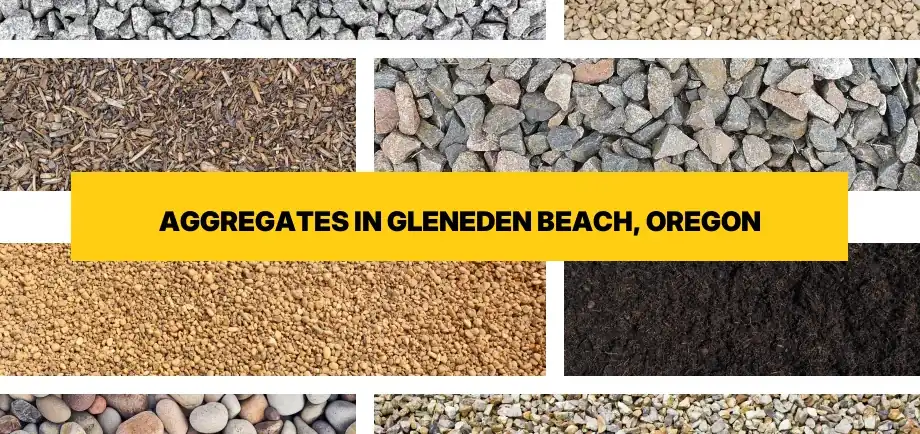
Order Topsoil, Stone & Gravel in Gleneden Beach, Oregon
Local Topsoil, Dirt, Sand, Rocks and Gravel near me in Gleneden Beach, Oregon
Shop Aggregates for Delivery in Gleneden Beach
Order online for free delivery to any Gleneden Beach address.
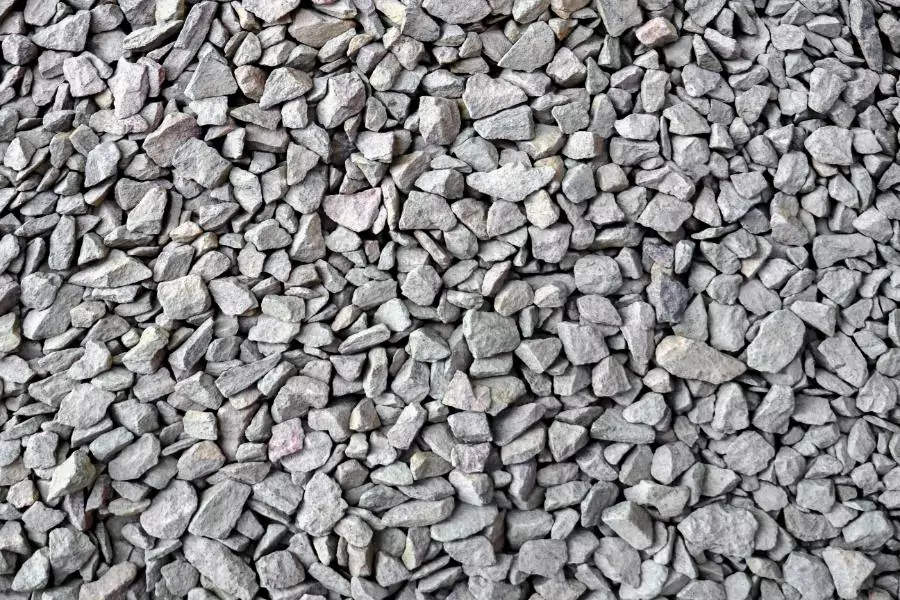
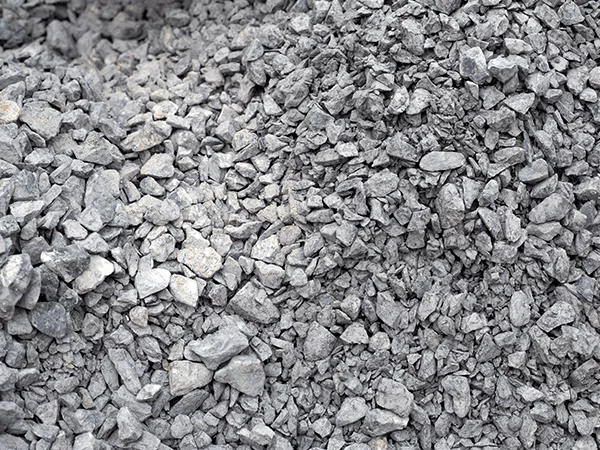


Gravel Monkey delivers premium aggregates and landscaping materials directly to properties throughout Gleneden Beach, Oregon. Whether you're building a driveway near Salishan Resort, installing drainage systems in the Gleneden Beach Loop area, or creating coastal landscaping along Wesler Street, we provide high-quality materials with completely free delivery. Our aggregate solutions are specifically chosen to perform in the unique coastal climate of Lincoln County, handling the region's heavy rainfall and marine environment.
Premium Aggregates Available in Gleneden Beach
Our comprehensive selection of aggregates serves residential and commercial projects across coastal Oregon. From oceanfront properties to hillside developments, we deliver materials engineered for the Pacific Northwest:
- Driveway Gravel - Compacting base material for lasting coastal driveways
- 3/4 inch Crushed Stone - Versatile aggregate for foundations and drainage
- #57 Stone - Premium drainage stone for French drains and septic systems
- Drain Rock - Specialized aggregate for water management
- Crusher Run - Compactable base for roads and driveways
- Road Base - Heavy-duty foundation aggregate
- River Rock - Natural decorative stone in multiple sizes
- Pea Gravel - Smooth aggregate for pathways and landscaping
- Walkway Gravel - Comfortable walking surface material
- Decomposed Granite - Natural pathway material that compacts firmly
- Topsoil - Nutrient-rich soil for coastal gardens
- Fill Dirt - Quality material for grading and leveling
- Crushed Concrete - Eco-friendly recycled aggregate
- Mason Sand - Fine sand for masonry and concrete work
- Playground Sand - Safe, clean sand for play areas
- Washed Sand - Clean aggregate for multiple applications
Aggregates for Gleneden Beach's Coastal Environment
Gleneden Beach receives over 70 inches of rainfall annually, with the wettest months from November through March bringing persistent Pacific storms. The marine climate, salt air, and sandy coastal soils create specific challenges that require properly selected aggregates. Properties from the Salishan area down to the Siletz Bay require materials that handle constant moisture while resisting erosion from winter weather.
The underlying geology consists primarily of marine sedimentary formations and coastal sand deposits. This sandy substrate offers excellent natural drainage but can shift and settle under structures without proper aggregate bases. Winter temperatures typically range from 40-50°F while summers hover in the comfortable 60-70°F range, with fog and marine layer influence throughout the year. These moderate temperatures combined with high humidity mean aggregates must resist moisture retention that could lead to frost heaving or surface degradation.
Drainage Solutions for High-Rainfall Properties
With Gleneden Beach's substantial precipitation, proper drainage systems are essential for every property. Many homes along Westler Street and in the hillside areas above Highway 101 face runoff challenges during winter storms. French drains, dry wells, and drainage swales become critical infrastructure components. Our drainage aggregates provide the void space necessary for water movement while filtering sediment that could clog systems over time.
Properties near Siletz Bay and along the Gleneden Beach Loop particularly benefit from strategic aggregate placement around foundations and along slopes. The combination of rainfall, coastal groundwater, and proximity to tidal influences makes water management a year-round concern rather than a seasonal one.
Aggregate Applications Throughout Gleneden Beach
Coastal Driveway Construction
Driveways in Gleneden Beach face unique stresses from the marine environment. Salt air, constant moisture, and temperature fluctuations require robust base materials. A proper driveway starts with compacted road base or crusher run, typically 6-8 inches deep, providing structural integrity that prevents settling in the sandy coastal soils. The top layer utilizes driveway gravel that sheds water while resisting displacement from vehicle traffic.
Properties along Pacific Sands Resort and Salishan neighborhoods often feature longer driveways that require additional attention to drainage and erosion control. Proper aggregate selection and installation techniques prevent the washouts common during November through February's heavy rains. The investment in quality base materials pays dividends through reduced maintenance and extended surface life.
Foundation and Structural Support
Building on coastal Oregon soils demands proper foundation preparation. The 3/4 inch crushed stone creates a stable, well-draining base beneath concrete slabs and foundation walls. This aggregate layer prevents moisture wicking into structures while distributing loads evenly across the building footprint. For properties in the Gleneden Beach area, a minimum 4-inch aggregate base is standard, with 6 inches preferred for larger structures or areas with particularly poor native soil conditions.
Crawl spaces beneath homes benefit tremendously from proper aggregate coverage. A layer of drain rock or crushed stone keeps moisture away from floor joists and substructure while improving air circulation. This simple application prevents the wood rot and moisture damage that plague many coastal structures.
Landscaping and Garden Applications
Coastal landscaping combines aesthetic appeal with practical drainage requirements. River rock creates beautiful dry creek beds that channel rainwater away from structures while adding visual interest. These decorative aggregates work particularly well in xeriscaping designs that minimize water use and maintenance. Properties throughout the Wesler area showcase creative uses of river rock in garden designs that complement the natural coastal environment.
Pea gravel serves as an excellent mulch alternative in flower beds and around shrubs. Unlike organic mulches that decompose quickly in the wet climate, pea gravel remains stable indefinitely while still allowing water and air to reach plant roots. The neutral colors blend naturally with coastal vegetation while suppressing weed growth effectively. For walking surfaces, decomposed granite provides a firm, natural-looking pathway material that drains well and develops an attractive patina over time.
Erosion Control on Sloped Properties
Many Gleneden Beach properties occupy sloping terrain that presents erosion challenges, particularly during winter storm events. Strategic placement of larger aggregates, including river rock and crushed stone, helps stabilize slopes while managing runoff. These materials slow water velocity, allowing gradual infiltration rather than sheet flow that carries topsoil away. Combined with appropriate vegetation, aggregate erosion control creates long-term solutions for hillside properties.
Aggregate Comparison for Coastal Oregon Projects
Selecting the right aggregate depends on your specific application and site conditions. This comparison helps match materials to common Gleneden Beach projects:
| Aggregate Type | Best Applications | Drainage Rating | Compaction Ability | Coastal Suitability |
|---|---|---|---|---|
| Crusher Run | Driveway base, road foundations | Good | Excellent | Excellent - resists erosion |
| 3/4" Crushed Stone | General construction, drainage | Excellent | Very Good | Excellent - versatile use |
| #57 Stone | French drains, septic systems | Excellent | Good | Excellent - superior drainage |
| Drain Rock | Foundation drainage, wet areas | Excellent | Fair | Excellent - handles high rainfall |
| Road Base | Heavy-duty foundations | Good | Excellent | Excellent - long-lasting |
| Pea Gravel | Pathways, decorative use | Very Good | Poor | Good - attractive, drains well |
| River Rock | Landscaping, dry creek beds | Very Good | Poor | Excellent - natural appearance |
| Decomposed Granite | Pathways, patios | Good | Very Good | Good - compacts well |
| Crushed Concrete | Base material, fill | Very Good | Excellent | Excellent - eco-friendly option |
Aggregate Delivery Throughout Gleneden Beach Communities
Gravel Monkey serves all Gleneden Beach neighborhoods and surrounding areas with free delivery:
Salishan Resort Area
The prestigious Salishan neighborhood features oceanfront properties and hillside homes that often require specialized aggregate solutions. The combination of elevation changes and proximity to the ocean demands materials that handle both drainage and erosion control. We regularly deliver to construction and renovation projects throughout this established community.
Gleneden Beach Loop and Wesler Street
These central residential areas contain a mix of full-time residences and vacation properties. Driveway maintenance and landscaping projects are common, with homeowners seeking aggregates that minimize upkeep while performing reliably in the coastal climate. The moderate slopes in these areas benefit from properly installed drainage aggregates during the rainy season.
Siletz Bay Properties
Properties near the bay face unique considerations due to tidal influence and elevated groundwater. Aggregate selection here emphasizes drainage and moisture management. Foundation systems require extra attention to water control, making our drainage rock and #57 stone popular choices for builders working in this area.
Highway 101 Corridor
Commercial properties and businesses along the Highway 101 corridor through Gleneden Beach utilize our aggregates for parking areas, landscaping, and drainage solutions. The higher traffic volumes demand durable base materials that resist degradation while managing storm runoff effectively.
Nearby Communities We Serve
Our delivery area extends beyond Gleneden Beach proper to serve Lincoln Beach, Fogarty Creek, and Depoe Bay to the north, and Lincoln City neighborhoods to the south. Properties in these coastal communities face similar challenges and benefit from the same aggregate solutions that work well in Gleneden Beach itself.
Aggregate Installation Best Practices for Coastal Properties
Site Preparation
Proper aggregate installation begins with thorough site preparation. Remove organic material, debris, and unsuitable soils from the project area. For driveway and foundation applications, excavate to the recommended depth based on the aggregate type and intended use. In Gleneden Beach's sandy soils, compacting the native subgrade before aggregate placement improves long-term stability.
Consider installing landscape fabric or geotextile beneath aggregates, particularly in drainage applications and pathways. This barrier prevents aggregate migration into native soils while still allowing water passage. For areas prone to significant erosion, such as slopes near Siletz Bay, geotextile becomes essential infrastructure.
Layering and Compaction
Multiple aggregate layers create the strongest, longest-lasting installations. For driveways, start with road base or crusher run as the bottom layer, compacted in 3-4 inch lifts using a plate compactor or roller. Add successive layers until reaching the desired base depth, compacting each thoroughly. Top with driveway gravel for the final wearing surface.
For drainage applications like French drains, proper aggregate placement ensures long-term performance. Surround perforated pipes completely with drain rock or #57 stone, maintaining at least 6 inches of aggregate on all sides. This generous aggregate envelope prevents sediment intrusion while maximizing water collection capacity.
Seasonal Considerations
While aggregate installation can occur year-round in Gleneden Beach's moderate climate, timing affects ease of work and results. Summer months from July through September offer the driest conditions, making excavation and compaction simpler. However, the marine layer and fog can still add moisture to aggregates, so plan for covered storage or tarping when necessary.
Winter installation requires extra attention to moisture management. Ensure proper drainage from work areas to prevent standing water that complicates compaction. The advantage of winter work in this region is the moderate temperatures - unlike inland areas, freezing conditions rarely interrupt coastal Oregon construction schedules.
Maintaining Aggregate Surfaces in Coastal Conditions
Properly installed aggregate surfaces require minimal maintenance, but coastal conditions do necessitate periodic attention. Driveways benefit from annual inspection and repair of any areas showing displacement or depression. Add fresh driveway gravel to worn sections, raking smooth and compacting lightly.
Drainage systems should be inspected annually, particularly before the heavy rains of late fall. Ensure that inlet areas remain clear of debris and that water flows freely through drainage aggregates. Properties throughout the Salishan area and along Gleneden Beach Loop particularly benefit from this proactive maintenance approach.
Decorative aggregates like river rock and pea gravel occasionally require topping off as material settles or disperses over time. This maintenance typically occurs every 3-5 years depending on exposure and use. Landscape fabric beneath decorative aggregates extends their effective life while simplifying maintenance.
Erosion Monitoring
Coastal properties face ongoing erosion pressures from wind, rain, and runoff. Monitor aggregate installations on slopes and near drainage outlets for signs of movement or displacement. Early intervention prevents minor issues from becoming major problems. Adding additional aggregate strategically reinforces vulnerable areas before significant erosion occurs.
Sustainable Aggregate Solutions
Modern aggregate use emphasizes environmental responsibility alongside performance. Our crushed concrete represents recycled material that reduces landfill waste while performing comparably to virgin stone in many applications. These recycled aggregates work particularly well for base courses and stabilization projects where the precise stone shape matters less than compaction characteristics.
Proper drainage aggregate installation protects water quality by managing runoff effectively. Rather than allowing storm water to sheet across surfaces picking up contaminants, well-designed aggregate systems promote infiltration and filtration. This approach aligns with coastal Oregon's commitment to protecting marine ecosystems and water quality.
Choosing locally-sourced aggregates minimizes transportation impacts while supporting regional suppliers. Our materials are selected for both performance and environmental consciousness, meeting the expectations of Gleneden Beach property owners who value sustainability.
Simple Aggregate Ordering Process
Gravel Monkey makes ordering aggregates straightforward for Gleneden Beach customers. Calculate your material needs based on project area and depth requirements, or contact our team for assistance with estimates. We provide guidance on quantities, help select appropriate materials for your specific application, and schedule delivery at your convenience.
Our free delivery service eliminates the logistical challenges of material transport. Whether you need several tons for a major driveway project in the Salishan area or a few cubic yards of decorative river rock for landscaping near Wesler Street, we deliver directly to your property. The quality of our aggregates combined with reliable delivery and competitive pricing makes Gravel Monkey the preferred supplier for coastal Oregon projects.
Material Quantity Guidelines
Estimating aggregate quantities requires knowing your project dimensions and depth requirements. For driveway bases, calculate length times width times depth (in feet) to get cubic feet, then divide by 27 for cubic yards. A standard driveway base using crusher run typically requires 4-6 inches depth. Drainage applications using drain rock or #57 stone typically need 12-18 inches depth around pipes.
For decorative applications, measure the area and desired depth. Pea gravel and river rock installations typically use 2-3 inch depths for pathways and 3-4 inches for landscaping beds. Our team can verify these calculations and ensure you order appropriate quantities for your Gleneden Beach project.
Frequently Asked Questions About Aggregates in Gleneden Beach
Crusher run provides the best driveway base, topped with driveway gravel for the wearing surface. This combination handles heavy rainfall, resists erosion, and compacts firmly in the sandy coastal soils common throughout Gleneden Beach. The base should be 6-8 inches deep for optimal performance.
Install French drains using drain rock or number 57 stone around foundations and in low-lying areas. With over 70 inches of annual rainfall, proper drainage systems are essential. Place perforated pipe surrounded by at least 6 inches of drainage aggregate, directing water away from structures toward appropriate discharge points.
Yes, crushed stone, gravel, and rock aggregates resist corrosion from salt air exceptionally well. Unlike metal or certain building materials that deteriorate in marine environments, natural stone aggregates maintain their integrity and performance indefinitely in coastal conditions. This makes them ideal for Gleneden Beach applications.
Project requirements vary by application. Driveways use 3/4 inch crushed stone or crusher run for the base. French drains work best with number 57 stone or drain rock. Decorative landscaping typically uses pea gravel or river rock in various sizes. Our team can recommend specific materials based on your Gleneden Beach project needs.
Gravel Monkey provides FREE delivery to Gleneden Beach and surrounding coastal Oregon communities. You pay only for the materials themselves, with no hidden delivery fees or fuel surcharges. This free delivery policy applies to all aggregate orders regardless of size.
Summer months from July through September offer the driest conditions for aggregate work, though installation can occur year-round in Gleneden Beach's moderate climate. The mild temperatures and rare freezing events mean winter projects remain viable, though moisture management requires extra attention during the rainy season.
Landscape fabric or geotextile is highly recommended under pea gravel, river rock, and decorative aggregates. This barrier prevents aggregate migration into the soil, reduces weed growth, and extends the life of your installation. In coastal soils with high sand content, fabric becomes especially important for maintaining aggregate placement.
Absolutely. Crushed concrete performs excellently as a base material in coastal applications. This recycled aggregate provides environmental benefits while offering comparable performance to virgin stone. Many Gleneden Beach contractors choose crushed concrete for road base and foundation applications as a sustainable alternative.
Start Your Gleneden Beach Aggregate Project
From oceanfront estates in the Salishan neighborhood to residential properties along Gleneden Beach Loop, Gravel Monkey provides the aggregates and expertise that coastal Oregon projects demand. Our comprehensive material selection, local knowledge, and free delivery service make us the preferred supplier for contractors and homeowners throughout Lincoln County. Quality aggregates properly installed create lasting solutions that withstand the Pacific Northwest's unique coastal challenges while enhancing property value and functionality.

Need help? Reach out for a quote: