Bulk Aggregate & Gravel Products in Saint Paul, Oregon
Local Topsoil, Dirt, Sand, Rocks and Gravel near me in Saint Paul, Oregon
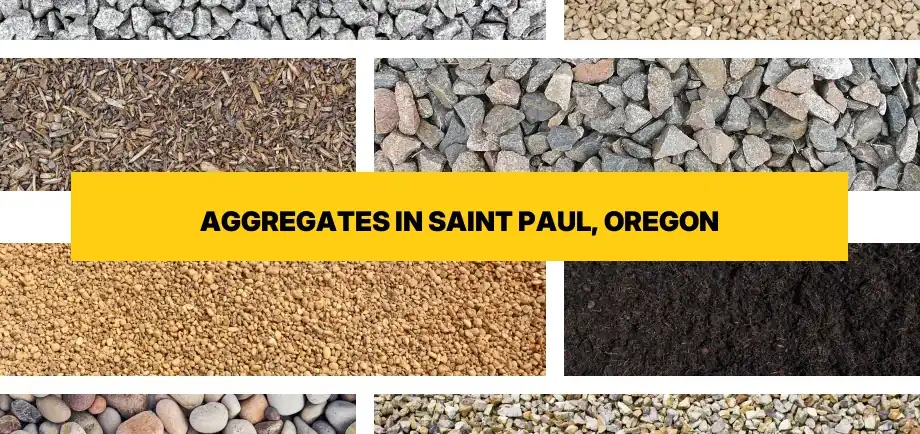
Shop Aggregates for Delivery in Saint Paul
Order online for free delivery to any Saint Paul address.


Gravel Monkey is your trusted source for premium gravel and aggregate delivery in Saint Paul, Oregon. Serving this historic Willamette Valley community and surrounding Marion County areas, we provide high-quality bulk materials directly to your property with absolutely free delivery. Whether you're improving a rural driveway near Champoeg State Heritage Area, installing drainage solutions for a vineyard property, or creating walkways through your French Prairie acreage, our comprehensive selection of aggregates meets every residential, agricultural, and commercial need throughout Saint Paul and nearby communities like Newberg, Woodburn, and Donald.
Complete Aggregate Selection for Saint Paul Properties
Saint Paul's unique position in the heart of Oregon wine country, combined with its rich agricultural heritage and proximity to the Willamette River, creates specific material requirements for local properties. Gravel Monkey offers a full range of aggregates and materials designed to perform exceptionally well in the region's clay-heavy soils and wet climate conditions:
- Driveway Gravel - Durable aggregate that compacts firmly on long rural driveways common throughout French Prairie
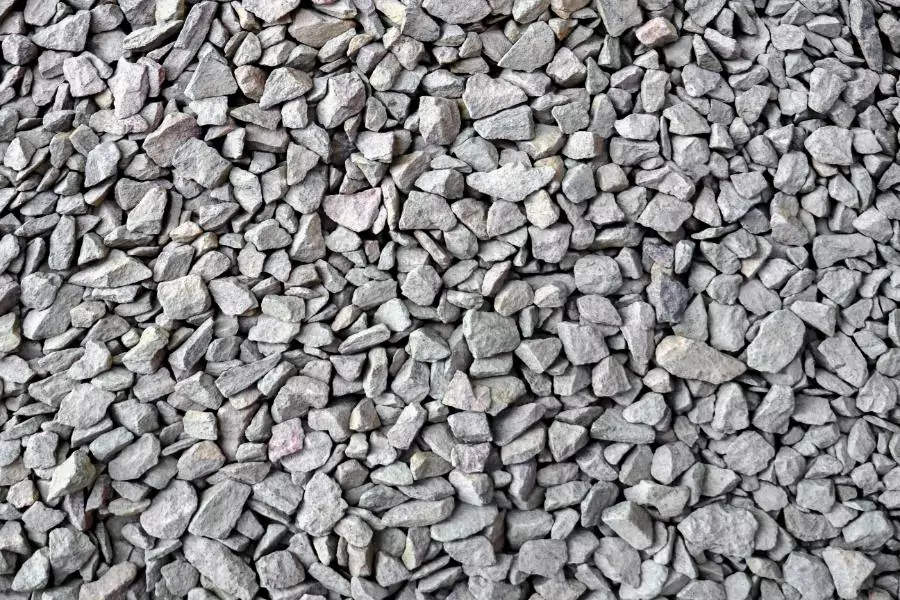
- 3/4 Inch Crushed Stone - Versatile aggregate for foundations, driveways, and drainage applications
- #57 Stone - Ideal drainage aggregate for French drains and foundation perimeter systems
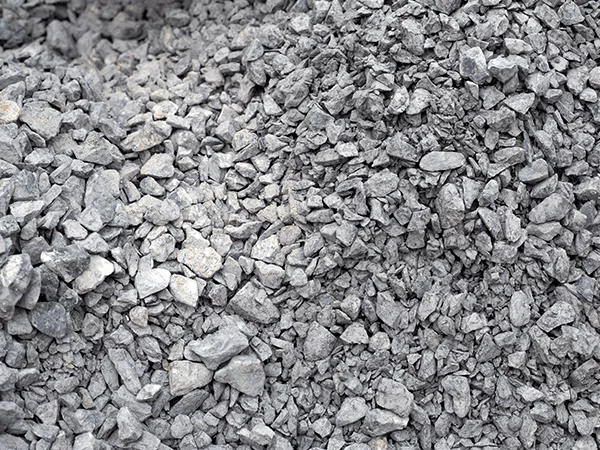
- Crusher Run - Superior compactable base material for roads and vineyard access lanes
- Road Base - Professional-grade aggregate for private roads and farm lanes
- Pea Gravel - Smooth decorative aggregate for garden beds and pathways
- River Rock - Natural stone perfect for landscaping and water features
- Walkway Gravel - Specially sized aggregate for comfortable walking surfaces
- Drain Rock - Essential aggregate for managing high water tables and seasonal flooding
- Crushed Concrete - Eco-friendly recycled aggregate for base applications
- Decomposed Granite - Natural aggregate for rustic pathways and xeriscaping
- Topsoil - Rich soil perfect for gardens and lawn establishment
- Fill Dirt - Clean fill for grading and leveling projects
- Mason Sand - Fine sand for masonry and construction work
- Playground Sand - Safe, clean sand for play areas
- Washed Sand - Clean sand for various construction and landscaping applications
Understanding Saint Paul's Soil and Climate Conditions
Saint Paul sits in the heart of the Willamette Valley, where the unique geology and climate significantly impact construction and landscaping decisions. The area's Willamette silt loam soil, characteristic of the French Prairie region, contains high clay content that becomes saturated during Oregon's wet season from October through May.
With average annual rainfall exceeding 40 inches and winter temperatures frequently dipping to 35°F with occasional freezing conditions, proper aggregate selection becomes crucial for long-term project success. The clay-heavy soils common throughout Saint Paul, from properties near the Willamette River bottomlands to the slightly elevated areas around the historic downtown district, require materials that provide excellent drainage while resisting frost heave.
Aggregate Solutions for Willamette Valley Soil Challenges
The expansive clay soils found throughout Marion County create unique challenges for property owners. During Saint Paul's wet winter months, these soils absorb significant moisture and expand, then contract during the drier summer season when temperatures average 80-85°F. This seasonal movement affects driveways, foundations, and hardscaping projects.
Properly selected aggregates create stable, well-draining bases that mitigate soil movement issues. Crusher run provides an excellent foundation layer that locks together when compacted, creating a solid base that resists the shifting caused by clay soil expansion. For drainage applications around foundations or in agricultural settings common throughout the French Prairie area, clean drain rock allows water to move freely away from structures, preventing the hydrostatic pressure that clay soils can create during extended rainy periods.
Aggregate Applications Throughout Saint Paul
Rural Driveway Construction and Maintenance
Saint Paul's rural character means many properties feature long driveways extending from public roads to homes nestled among farmland or vineyard properties. These access routes require durable aggregates that can withstand regular vehicle traffic while providing reliable traction during the wet season. The 3/4 inch crushed stone creates an excellent middle layer in driveway construction, providing structural strength while facilitating water drainage through to the base layer below.
Properties throughout the Champoeg area and along rural roads extending toward Aurora and Butteville frequently benefit from a properly constructed three-layer driveway system. Starting with compacted road base as the foundation, adding crusher run as the structural layer, and finishing with driveway gravel creates a durable surface that performs well year-round. This approach prevents the rutting and washout common with single-layer aggregate applications on clay soils.
Vineyard and Agricultural Property Applications
Saint Paul's location in Oregon wine country means many properties include vineyard operations or agricultural facilities requiring specialized aggregate applications. Vineyard access rows benefit from well-compacted aggregate surfaces that support equipment during harvest season, even when soils are saturated. Road base provides the structural capacity needed for tractors and harvest equipment, while remaining permeable enough to prevent waterlogging issues.
Farm buildings, equipment storage areas, and processing facilities throughout the French Prairie region require stable, well-draining surfaces. Crushed concrete offers an economical and environmentally responsible aggregate choice for these high-traffic areas, providing excellent compaction and load-bearing capacity while utilizing recycled materials.
Drainage Management Systems
Given Saint Paul's high water table, particularly in lower-lying areas near the Willamette River and Mission Creek, effective drainage systems are essential for protecting structures and maintaining usable outdoor spaces. French drains installed with proper drain rock efficiently collect and redirect groundwater away from foundations, preventing the moisture infiltration and hydrostatic pressure that can damage buildings.
Properties throughout Saint Paul, from newer developments to historic farmhouses near downtown, benefit from perimeter drainage systems using #57 stone. This uniformly graded aggregate allows rapid water movement while preventing soil particles from clogging the drainage system—a critical consideration given the fine silt particles common in Willamette Valley soils.
Landscaping and Decorative Applications
Beyond functional applications, Saint Paul property owners create beautiful outdoor spaces using decorative aggregates. Pea gravel provides an attractive, comfortable surface for garden pathways, while river rock adds natural beauty to water features, dry creek beds, and planting bed borders. The rounded stones complement the region's natural aesthetic while requiring minimal maintenance.
Decomposed granite offers another attractive option for walkways and patio areas, particularly for properties seeking a more rustic or natural appearance. This material compacts into a firm, stable surface while maintaining a softer, more organic look than traditional concrete or asphalt. Properties throughout the Saint Paul Rodeo grounds area and near Champoeg State Heritage Area often incorporate these natural-looking materials to blend with the rural landscape.
Aggregate Comparison Guide for Saint Paul Projects
Selecting the appropriate aggregate depends on your specific application, soil conditions, and performance requirements. This comparison helps Saint Paul property owners make informed decisions:
| Aggregate Type | Best Applications | Drainage Rating | Compaction | Willamette Valley Performance |
|---|---|---|---|---|
| Driveway Gravel | Residential driveways, parking areas | Excellent | Good | Performs well on clay soils, resists rutting |
| Crusher Run | Base layers, roads, vineyard lanes | Very Good | Excellent | Superior stability on expansive soils |
| 3/4 Inch Crushed Stone | Driveways, foundations, general use | Excellent | Good | Versatile for multiple applications |
| #57 Stone | Drainage systems, French drains | Superior | Moderate | Essential for wet season water management |
| Road Base | Private roads, farm lanes, heavy traffic | Good | Excellent | Handles agricultural equipment loads well |
| Drain Rock | Foundation drains, septic fields | Superior | Low | Critical for managing high water tables |
| Pea Gravel | Walkways, landscaping, decorative use | Good | Low | Attractive, comfortable walking surface |
| Decomposed Granite | Pathways, patios, natural landscaping | Moderate | Good | Natural look, suitable for dry season use |
Serving All Saint Paul Area Neighborhoods
Gravel Monkey proudly delivers throughout Saint Paul and the surrounding French Prairie region. Our service area encompasses diverse properties with varying aggregate needs:
Historic Downtown Saint Paul: The town's historic core features charming older homes and commercial buildings, many dating back over a century. These properties often require careful drainage solutions and attractive walkway materials that complement the area's historic character. Properties near the iconic St. Paul Catholic Church and along Main Street benefit from decorative aggregates like river rock and pea gravel that enhance curb appeal while providing functional drainage.
French Prairie Agricultural District: The expansive farmland and vineyard properties throughout the French Prairie area represent Saint Paul's agricultural heritage. These operations require substantial quantities of durable aggregates for access roads, equipment yards, and facility improvements. Crusher run and road base provide the load-bearing capacity needed for modern agricultural equipment, while maintaining permeability for effective water management.
Champoeg Area: Properties near Champoeg State Heritage Area and along the Willamette River require special attention to drainage given their proximity to the floodplain. Properly installed drain rock systems protect these properties during periods of high water, while elevated driveways constructed with well-compacted road base provide reliable access even during wet conditions.
Willamette River Bottomlands: The fertile bottomland areas near the Willamette River offer prime agricultural land but present unique challenges due to the high water table and periodic flooding. Properties in these areas require robust drainage systems using substantial quantities of clean drain rock, combined with elevated building pads constructed using properly compacted fill dirt and aggregates.
Rural Residential Properties: Saint Paul's outlying areas feature spacious residential properties on multi-acre parcels. These homes typically feature long private driveways requiring significant aggregate quantities. The combination of proper base preparation using road base, followed by structural layers of crusher run and finished with driveway gravel, creates long-lasting access routes that perform well despite challenging soil conditions.
Highway 219 Corridor: Properties along the Highway 219 corridor connecting Saint Paul to Newberg and other communities often require commercial-grade aggregate solutions. Businesses, wineries, and larger residential estates in this area benefit from professional installation using high-quality aggregates that project a well-maintained appearance while providing excellent functionality.
Mission Creek Watershed: The Mission Creek area and surrounding properties require careful water management strategies given the local topography and drainage patterns. Strategic placement of drain rock around foundations, combined with properly graded surfaces using appropriate aggregates, prevents water accumulation and protects structures from moisture-related damage common in areas with poor drainage.
Aurora and Donald Border Areas: Properties near Saint Paul's borders with neighboring Aurora and Donald share similar soil characteristics and aggregate requirements. The continuous French Prairie geology means these properties benefit from the same aggregate selection principles, emphasizing drainage and stability on clay-heavy Willamette Valley soils.
Seasonal Aggregate Considerations for Saint Paul
Wet Season Planning (October-May)
Saint Paul's extended wet season significantly impacts construction and landscaping projects. During these months, when rainfall averages 5-7 inches per month, proper aggregate selection and installation become crucial. Projects initiated during wet conditions require extra attention to drainage and base preparation.
Washed sand provides an excellent bedding material for utility trenches and pipe installations during wet weather, as it drains freely and won't hold excessive moisture. For driveway projects that must proceed during winter months, starting with a substantial road base layer helps prevent the subgrade from becoming saturated, while allowing construction to continue even during rainy periods.
Dry Season Opportunities (June-September)
Saint Paul's dry summer season, with average rainfall dropping to less than 1 inch per month and temperatures consistently in the 80s, provides ideal conditions for major aggregate projects. The firm, dry ground allows heavy equipment to access properties without creating ruts, while aggregates compact optimally in dry conditions.
Summer represents the ideal time for installing decomposed granite pathways, as the material sets firmly and won't wash away before it has time to compact. Similarly, major driveway reconstruction projects benefit from dry conditions that allow each aggregate layer to be properly compacted before adding subsequent layers. Mason sand applications for paver installations also perform best during dry weather when moisture won't interfere with leveling and setting.
Best Practices for Aggregate Installation in Saint Paul
Foundation and Base Preparation
Success with any aggregate project begins with proper foundation preparation. In Saint Paul's clay soils, this means excavating deep enough to reach stable subgrade, typically 12-18 inches for driveways and 6-8 inches for walkways. The excavated area should be graded to promote water drainage away from structures and properly compacted before adding aggregates.
Installing landscape fabric between the native soil and aggregate layers prevents clay particles from migrating upward and contaminating the aggregate over time. This separation layer proves particularly valuable in the Willamette Valley, where fine silt and clay particles readily move through the soil profile during wet periods.
Proper Compaction Techniques
Each aggregate layer requires thorough compaction to achieve optimal performance. Road base should be compacted in 4-6 inch lifts using a vibrating plate compactor or roller, achieving at least 95% compaction. Adding moisture during compaction helps aggregates bind together, creating a solid, stable base.
The crusher run layer similarly requires systematic compaction, working from the edges toward the center and making multiple passes with compaction equipment. Properly compacted crusher run essentially creates a solid mass that resists deformation even under heavy loads. The final driveway gravel surface layer needs lighter compaction to maintain its functional characteristics while creating a stable driving surface.
Drainage Integration
Every aggregate installation in Saint Paul should incorporate effective drainage strategies. Driveways should crown slightly in the center or slope to one side to shed water, preventing it from pooling on the surface. French drains along the edges collect this runoff and direct it away from the travel surface.
Properties with drainage challenges benefit from installing subsurface drainage systems using drain rock before constructing driveways or paved areas. These systems intercept groundwater before it reaches the surface, preventing the softening and failure of aggregate layers from below. Near the Willamette River bottomlands and Mission Creek areas, robust drainage systems aren't optional—they're essential for long-term success.
Maintaining Aggregate Surfaces in Marion County
Properly installed aggregate surfaces require minimal maintenance but benefit from periodic attention. Saint Paul's wet winters cause some aggregate migration and surface wear, typically requiring minor replenishment every 2-3 years. Adding fresh driveway gravel to high-traffic areas and raking the surface smooth maintains appearance and functionality.
Walkway gravel and pea gravel paths need occasional raking to redistribute materials and maintain even surfaces. Edging helps contain these smaller aggregates, preventing them from spreading into adjacent lawn or planting areas. After major rain events, inspect aggregate surfaces for signs of washout or settling, addressing any issues promptly to prevent minor problems from becoming major repairs.
Properties using decomposed granite for pathways may need to add material and re-compact every few years, particularly in high-traffic areas. The material gradually breaks down and can wash away during heavy rains, but replenishment is straightforward and maintains the natural appearance that makes this aggregate choice attractive.
Sustainable Aggregate Choices for Oregon Properties
Saint Paul property owners increasingly prioritize environmentally responsible material choices. Crushed concrete provides an excellent example of sustainable aggregate use, diverting material from landfills while providing performance comparable to virgin stone aggregates. This recycled material works particularly well for base layers in driveways, parking areas, and farm roads throughout the French Prairie region.
Permeable aggregate surfaces support groundwater recharge, an important consideration in agricultural areas where aquifer management affects irrigation capacity. Rather than shedding all rainfall as runoff, properly designed aggregate surfaces allow water to infiltrate gradually, reducing erosion and supporting the water table that many area wells depend upon.
Using locally sourced aggregates minimizes transportation impacts while supporting regional suppliers. Gravel Monkey prioritizes efficient delivery routes and consolidates orders when possible to reduce fuel consumption and emissions associated with aggregate delivery throughout Marion County.
Frequently Asked Questions About Aggregates in Saint Paul
For Saint Paul's clay-heavy Willamette Valley soils, a multi-layer system works best. Start with 6-8 inches of compacted road base, add 3-4 inches of crusher run, and finish with 2-3 inches of driveway gravel. This combination provides excellent stability and drainage, preventing the rutting and washout common with single-layer installations on clay soils.
For a standard driveway 12 feet wide and 100 feet long with proper base preparation, you'll typically need 8-10 tons of road base, 6-8 tons of crusher run, and 4-5 tons of surface gravel. However, quantities vary based on existing conditions, desired depth, and specific applications. Our team provides accurate estimates based on your property's specific requirements and Saint Paul's soil conditions.
Late spring through early fall (May-October) provides optimal conditions for aggregate installation in Saint Paul. The drier weather allows proper compaction and prevents equipment from damaging wet soils. However, with proper techniques and drainage considerations, projects can succeed year-round when necessary. Winter projects require extra attention to drainage and moisture management.
Proper installation prevents most washout issues. Ensure adequate base preparation with well-compacted road base and crusher run layers. Create proper drainage by crowning the driveway or sloping it to one side. Install French drains along edges to collect and redirect water. Regular maintenance, including filling low spots and maintaining proper crown, keeps water moving off the surface rather than eroding the aggregate.
Both are compactable aggregates suitable for base applications, but they have slightly different characteristics. Road base typically contains a higher percentage of fine particles and compacts into an extremely solid, stable base—ideal for the bottom layer. Crusher run includes a mix of stone sizes that lock together when compacted, creating a strong structural layer. Many Saint Paul projects use road base as the foundation with crusher run as the structural layer above it.
Given Saint Paul's high rainfall, clay soils, and elevated water table, foundation drainage systems are essential for protecting structures. Drain rock installed around foundation perimeters collects water and directs it away before it can penetrate basements or crawl spaces. This is particularly important in lower-lying areas near the Willamette River and Mission Creek watershed, where the water table rises significantly during wet months.
While possible, installing decorative aggregates works best during dry weather. Pea gravel and river rock can be placed during winter months if the ground is properly prepared and won't be disturbed by wet conditions. However, the materials will settle and may shift more during winter rains. For best results, particularly for walkways using decomposed granite or finely graded aggregates, wait for dry conditions between May and October.
Saint Paul's wet winters with 40+ inches of annual rainfall and clay-heavy soils create challenging conditions for aggregate installations. Materials must provide excellent drainage to prevent saturation and subsequent failure. The seasonal freeze-thaw cycles, while less severe than in many regions, still cause some aggregate movement. Proper installation with adequate depth, thorough compaction, and effective drainage systems ensures aggregates perform well despite these challenging conditions throughout the French Prairie area.
Professional Aggregate Delivery Throughout Saint Paul
Whether you're maintaining a historic property in downtown Saint Paul, developing a vineyard estate in the French Prairie district, or improving a rural residence near Champoeg, Gravel Monkey delivers the quality aggregates your project requires. Our extensive inventory includes everything from structural materials like road base and crusher run to decorative options like river rock and decomposed granite.
Every delivery arrives with our commitment to quality, reliability, and customer service. We understand Saint Paul's unique soil conditions, climate challenges, and local construction requirements, allowing us to recommend the optimal materials for your specific application. Our free delivery throughout Marion County eliminates the hassle and expense of multiple trips to supply yards, letting you focus on your project rather than logistics.
From small residential projects requiring just a few tons of pea gravel to major agricultural installations needing substantial quantities of road base, we handle orders of all sizes with the same professional attention. Our experienced team helps you calculate quantities, select appropriate materials, and schedule delivery at your convenience—even coordinating with contractors or scheduling around your property's access limitations.

Need help? Reach out for a quote: