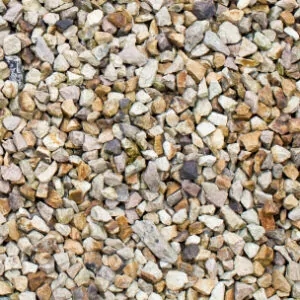
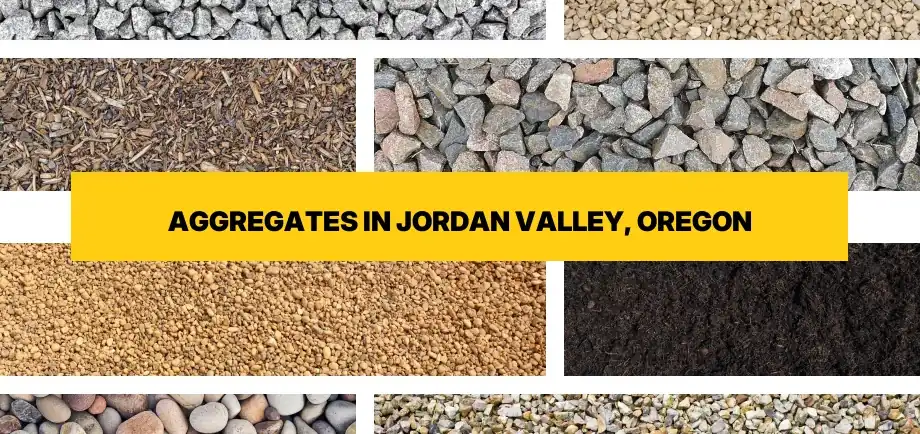
Rock & Driveway Gravel in Jordan Valley, Oregon
Local Topsoil, Dirt, Sand, Rocks and Gravel near me in Jordan Valley, Oregon
Shop Aggregates for Delivery in Jordan Valley
Order online for free delivery to any Jordan Valley address.
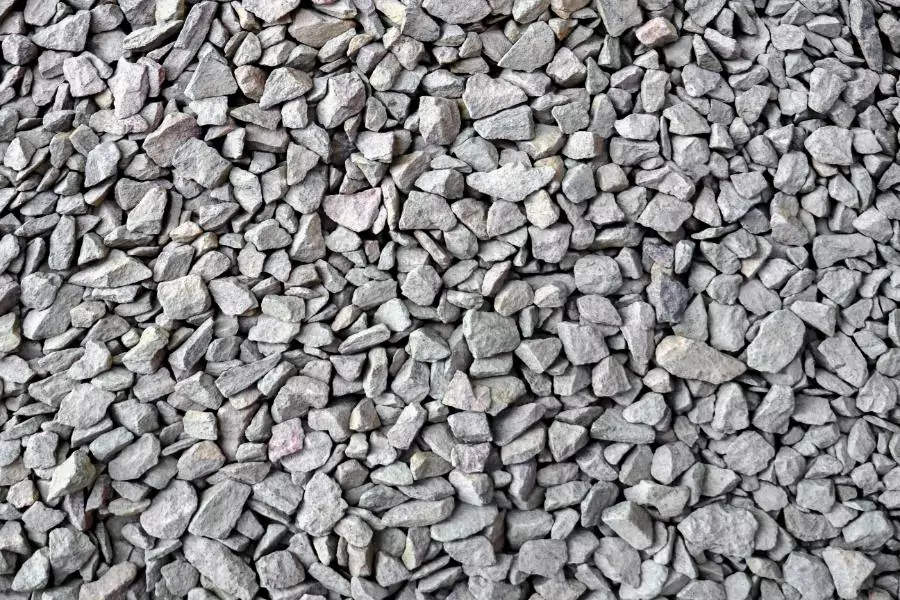
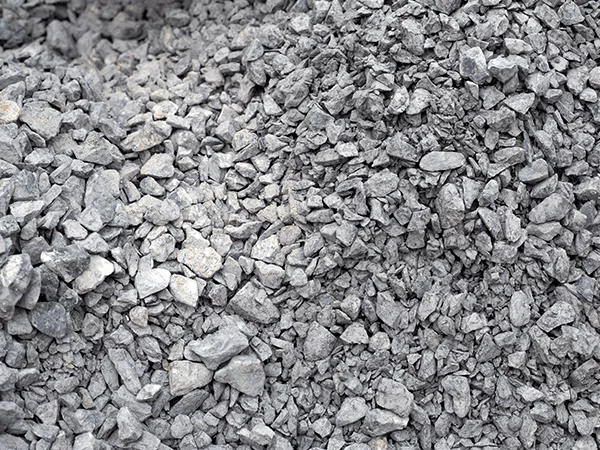


Gravel Monkey delivers premium aggregates and gravel to Jordan Valley, Oregon - one of the most remote and rugged communities in the American West. Whether you're maintaining a ranch road along the Owyhee River, upgrading a driveway near Jordan Creek, or managing water resources on your high desert property, we supply the quality aggregates you need with free delivery throughout Malheur County. Our materials are specifically selected to perform in Jordan Valley's extreme climate conditions, from bitter winter freezes to scorching summer heat.
Premium Aggregates for Jordan Valley's High Desert Environment
Jordan Valley's unique position in Oregon's high desert basin demands aggregates that can handle temperature swings of over 100 degrees between seasons, alkaline volcanic soils, and the challenges of remote rural properties. We supply materials proven to perform in these demanding conditions:
- Driveway Gravel - Engineered for long ranch access roads and residential driveways
- Road Base - Compactable foundation for rural roads and heavy equipment access
- Crusher Run - All-in-one base aggregate that compacts to a solid surface
- 3/4 inch Crushed Stone - Versatile angular stone for drainage and stability
- #57 Stone - Standard crushed aggregate for foundations and drainage projects
- Drain Rock - Essential for irrigation systems and water management
- Crushed Concrete - Eco-friendly recycled aggregate for budget-conscious projects
- Pea Gravel - Smooth stone for decorative applications and pathways
- River Rock - Natural rounded stone for xeriscaping and landscaping
- Decomposed Granite - Natural pathways that blend with the high desert landscape
- Walkway Gravel - Comfortable stone for pedestrian paths and garden areas
- Topsoil - Amended soil for gardens and landscaping projects
- Fill Dirt - Bulk earth material for grading and leveling
- Mason Sand - Fine sand for construction and masonry work
- Washed Sand - Clean sand for multiple applications
- Playground Sand - Safe, clean sand for play areas
Understanding Jordan Valley's Unique Geography and Conditions
Jordan Valley sits at approximately 4,400 feet elevation in the northern reaches of the Great Basin, where Oregon, Idaho, and Nevada converge. This remote community experiences temperature extremes ranging from below zero in winter to over 100 degrees Fahrenheit in summer. The local geology consists primarily of volcanic basalt formations, rhyolite tuff, and sedimentary deposits from ancient Lake Idaho, creating alkaline soils with pH levels often exceeding 8.0.
The Owyhee River watershed dominates the landscape, with Jordan Creek and other tributaries creating irrigation opportunities while also presenting drainage challenges. Annual precipitation averages only 8-10 inches, falling primarily as snow between November and March. This arid climate, combined with temperature extremes and expansive volcanic soils, demands careful aggregate selection for any construction or improvement project.
Aggregates Designed for High Desert Performance
Properties throughout the Jordan Valley area face unique challenges. The volcanic soil base expands and contracts dramatically with moisture changes. Winter frost heave can destroy poorly constructed roads and driveways. Summer heat causes rapid moisture evaporation and dust issues. Our aggregate products address these specific conditions, providing stable bases that resist frost damage, manage water effectively, and maintain structural integrity through extreme temperature cycles.
Ranch Roads and Agricultural Access Throughout Jordan Valley
Jordan Valley's economy centers on cattle ranching and agriculture, with properties ranging from hundreds to thousands of acres. Ranch roads often extend for miles, requiring durable surfaces that support heavy livestock trailers, equipment haulers, and hay trucks year-round. The region's remote nature means roads must withstand long periods without maintenance.
Proper road base materials provide the foundation for successful rural roads. Angular aggregates interlock under compaction, creating stable surfaces that resist rutting from heavy loads. In areas near the Owyhee River or where irrigation creates moisture concerns, proper drainage aggregate beneath the traveled surface prevents undermining and extends road life dramatically. Properties along Jordan Creek Road and throughout the surrounding rangeland benefit from professionally engineered aggregate applications.
Driveway Solutions for Remote Properties
Residential driveways in Jordan Valley serve different purposes than urban counterparts. Many extend a quarter-mile or more from highways to homesteads, requiring substantial quantities of material. Winter access demands proper crown and drainage to shed snowmelt. Summer conditions require dust control and surface stability. The right aggregate specifications balance these competing needs while remaining cost-effective for long driveways.
Properties near town along Highway 95 and those in more remote locations toward the Idaho state line all benefit from proper aggregate selection. Base layers of compacted material topped with appropriate surface aggregates create driveways that last for years with minimal maintenance, even under Jordan Valley's harsh conditions.
Selecting the Right Aggregate for Your Jordan Valley Project
Different projects throughout the Jordan Valley region require different aggregate specifications. Understanding which material best serves your purpose ensures successful, long-lasting results:
| Aggregate Type | Best Applications | Key Characteristics | Compaction |
|---|---|---|---|
| Road Base | Ranch roads, long driveways, equipment access | Engineered blend, all-weather performance | Excellent |
| Crusher Run | Base layers, parking areas, foundation prep | Mixed sizes compact to solid surface | Superior |
| 3/4 inch Crushed Stone | Drainage, driveways, general construction | Angular, uniform size, versatile | Good |
| Drain Rock | French drains, irrigation, water management | Clean, promotes water flow | Minimal |
| Crushed Concrete | Budget projects, secondary roads, fill | Recycled, eco-friendly, cost-effective | Good |
| Decomposed Granite | Pathways, landscaping, natural appearance | Compacts naturally, desert aesthetic | Moderate |
| Pea Gravel | Decorative beds, pathways, ground cover | Rounded, comfortable underfoot | None |
| River Rock | Xeriscaping, dry creek beds, accents | Natural appearance, various sizes | None |
Climate Considerations for Aggregate Selection
Jordan Valley's position at the intersection of the Owyhee Uplands and the Snake River Plain creates microclimates that affect material performance. Properties at higher elevations toward the Owyhee Mountains experience heavier snowfall and longer freeze periods. Lower elevation ranch properties near the river face different drainage concerns. Southern-exposed slopes shed snow quickly but face intense summer sun. Northern exposures retain moisture longer, potentially causing frost issues.
Aggregates must accommodate these varying conditions. Angular materials resist displacement from freeze-thaw cycles better than rounded stones. Proper gradation ensures adequate drainage without sacrificing stability. Materials selected for Jordan Valley properties need to perform across the full range of conditions present in this challenging environment.
Water Management and Irrigation Infrastructure
Despite averaging less than 10 inches of annual precipitation, water management remains crucial throughout Jordan Valley. Agricultural operations depend on irrigation from the Owyhee River system, Jordan Creek, and numerous springs and wells. Proper aggregate use in water conveyance systems, drainage structures, and irrigation infrastructure directly impacts operational efficiency.
Drain rock serves as the foundation for functioning French drains, preventing silting while maintaining water flow. Applications around pivot irrigation systems require aggregates that resist erosion while providing stable equipment access. Livestock watering areas benefit from proper aggregate placement, preventing mud holes while maintaining drainage. Properties throughout the valley, from those near town to remote ranches toward Succor Creek, all require thoughtful water management using appropriate aggregates.
Preventing Erosion and Managing Runoff
Spring snowmelt and occasional intense summer thunderstorms create erosion concerns across Jordan Valley's landscape. Improperly managed runoff cuts gullies, undermines roads, and damages infrastructure. Strategic aggregate placement channels water safely while stabilizing vulnerable areas. Rip-rap using larger stone protects culvert outfalls and stream crossings. Properly graded surfaces shed water before it can cause damage.
Residential and Commercial Properties in Jordan Valley
While ranching dominates the local economy, Jordan Valley's small town center includes residential properties, the historic Basque community, and businesses serving the surrounding area. These in-town properties face different aggregate needs than remote ranches, though the harsh climate affects all equally.
Residential driveways within the town limits typically require less material than ranch access roads but still need proper construction for longevity. Parking areas for local businesses benefit from well-compacted aggregate bases. The elementary school, community buildings, and churches all use aggregates in various applications. Even small residential projects benefit from quality materials properly installed.
Landscaping in the High Desert
Successful landscaping in Jordan Valley embraces the high desert environment rather than fighting it. Native and adapted plants thrive with minimal water when surrounded by appropriate aggregates. Decorative stone mulches conserve precious soil moisture while suppressing weeds. Pathways using natural materials blend with the landscape while remaining functional.
Xeriscaping has become increasingly popular as property owners recognize the beauty and practicality of working with the desert environment. River rock creates visual interest in dry creek beds that channel occasional runoff. Pea gravel provides comfortable walking surfaces around drought-tolerant plantings. These approaches reduce water use while creating attractive, low-maintenance landscapes suited to the region.
Delivery Throughout the Jordan Valley Region
Gravel Monkey serves the entire Jordan Valley area, from the town center to the most remote ranch properties. Our free delivery extends throughout Malheur County's eastern reaches, including:
- Jordan Valley town and immediate surrounding areas
- Properties along Highway 95 north toward Rome, Oregon
- Ranches along the Owyhee River corridor
- Jordan Creek watershed properties
- Locations near the Idaho state line and Homedale area
- Remote ranches toward Succor Creek and Leslie Gulch
- Properties in the surrounding high desert rangeland
- Agricultural operations throughout the valley floor
We understand the logistics of serving remote areas. Our delivery scheduling accommodates the distances involved and the importance of reliable material delivery to properties where the nearest alternative supplier might be hours away. Whether your project sits within sight of town or requires navigating miles of ranch roads, we ensure your aggregates arrive when and where you need them.
Technical Specifications and Installation Guidance
Successful aggregate projects in Jordan Valley require more than quality materials - proper installation techniques ensure long-term performance. The extreme climate conditions amplify both good and poor construction practices.
Subgrade Preparation
Jordan Valley's volcanic soils vary considerably in composition and behavior. Some areas contain expansive clay components that swell when wet and shrink when dry, creating movement that damages structures built without proper preparation. Other locations have loose, sandy soils that require compaction before receiving aggregate layers. Understanding your specific soil conditions determines the necessary preparation.
Most projects benefit from removing organic topsoil and compacting the exposed subgrade. Wet conditions require additional time for soil drying. Areas with poor natural drainage may need subsurface drain systems installed before aggregate placement. Taking time for proper subgrade preparation pays dividends in long-term performance.
Aggregate Depth and Layering
Climate extremes in Jordan Valley demand adequate aggregate depth. Minimum recommendations include:
- Ranch roads with heavy truck traffic: 8-12 inches of compacted base aggregate
- Residential driveways: 6-8 inches of compacted aggregate in two lifts
- Parking areas: 6-10 inches depending on traffic and soil conditions
- Pathways and light-duty areas: 4-6 inches of appropriate aggregate
- Drainage systems: Variable based on water volume and soil permeability
Multiple lifts with compaction between each layer create superior results compared to placing full depth at once. The additional labor investment proves worthwhile through extended surface life and reduced maintenance requirements.
Compaction Techniques
Proper compaction transforms loose aggregate into a stable, load-bearing surface. Vibratory plate compactors work well for most residential and light commercial applications. Larger projects benefit from roller compactors or even sheep-foot rollers for initial base compaction. Moisture content during compaction significantly affects results - aggregate should be damp but not saturated for optimal density.
The remote nature of many Jordan Valley projects makes equipment rental logistics challenging. We can provide guidance on working with the equipment available locally, including techniques for achieving adequate compaction without expensive machinery when necessary.
Seasonal Factors in Jordan Valley Construction
Jordan Valley's dramatic seasonal variations create distinct construction windows and challenges. Understanding these factors helps plan successful projects.
Winter Challenges
From November through March, temperatures frequently drop below zero, especially during clear nights. Frozen ground makes excavation difficult or impossible. Snow cover, while limited compared to higher elevations, still impacts access and work schedules. Most major aggregate projects wait until spring thaw, though maintenance and repairs continue as conditions allow.
Winter weather does create opportunities for some specialized work. Frozen ground can actually provide better access to remote locations that become muddy during spring thaw. Light snow cover sometimes aids equipment traction. For urgent repairs, aggregate can be placed over frozen surfaces when necessary, though results vary from standard construction practices.
Spring and Summer Construction Seasons
April through October represents prime construction season in Jordan Valley. Spring brings challenges with snowmelt runoff and muddy conditions, particularly in areas with irrigation. Waiting until soils dry adequately prevents creating problems with premature work.
Summer's heat and dryness create ideal conditions for most aggregate work. Proper moisture during compaction becomes critical as aggregates dry quickly in low humidity. Dust control may be necessary during placement. The long daylight hours of summer allow extended work periods when schedules demand.
Fall Transition Period
September and October offer excellent conditions before winter arrives. Moderate temperatures, minimal precipitation, and stable soil conditions make this period ideal for completing projects before freeze-up. Many property owners target fall for final driveway and road work, ensuring good access throughout the coming winter months.
Long-Term Maintenance and Performance
Quality aggregates properly installed require minimal maintenance, but Jordan Valley's climate does necessitate periodic attention. Understanding maintenance needs helps preserve your investment.
Addressing Surface Degradation
Over time, traffic and weather gradually break down surface aggregates. Dust generation increases as fines accumulate. Ruts develop in high-traffic areas. Spring snowmelt may wash fines away, leaving larger stones on the surface. These normal processes require periodic refreshing with additional material.
Many property owners schedule maintenance every 3-5 years, adding a thin layer of fresh aggregate to restore the surface. This relatively inexpensive maintenance extends overall life substantially compared to allowing complete degradation before addressing problems.
Drainage Maintenance
Keeping drainage systems functional prevents more serious problems. Culverts require periodic cleaning of sediment and debris. Roadside ditches need occasional reshaping. French drains around structures should be checked for proper function. These simple maintenance tasks prevent water-related damage that could require expensive repairs.
Frequently Asked Questions About Aggregates in Jordan Valley
We deliver a complete range of aggregates including driveway gravel, road base, crusher run, crushed stone, drain rock, pea gravel, river rock, decomposed granite, crushed concrete, topsoil, fill dirt, and various sands throughout Jordan Valley and surrounding Malheur County ranching areas. Each material is selected to perform well in the high desert climate conditions typical of the region.
Yes! Gravel Monkey offers FREE delivery to Jordan Valley and the surrounding eastern Oregon area for all gravel and aggregate orders. We serve ranches, properties, and projects throughout the Jordan Valley region, including remote locations that can be challenging to access. Our delivery service extends throughout Malheur County to ensure you receive materials regardless of your property's location.
For Jordan Valley's extreme temperature variations and alkaline soil conditions, we recommend road base and crusher run for driveways, drain rock for irrigation and water management, and crushed stone for durable ranch roads that withstand harsh winters and hot summers. These materials resist frost heave during winter freezes and maintain stability during summer heat, making them ideal for the region's challenging conditions.
For ranch driveways in Jordan Valley, calculate length times width times depth. Most rural driveways need 4 to 6 inches of compacted base material. A typical half-mile ranch access road requires substantial aggregate tonnage - often 300 to 500 tons depending on width and depth specifications. Our team helps estimate quantities for your specific property, taking into account soil conditions, expected traffic, and climate factors unique to the Jordan Valley area.
Absolutely. We regularly deliver to remote ranch properties, homesteads, and agricultural operations throughout the Jordan Valley area, including locations along the Owyhee River, Jordan Creek, and throughout the surrounding high desert rangeland. Our drivers are experienced with navigating rural roads and ranch access routes. We work with property owners to determine the best delivery location and timing for your specific situation.
Drain rock is essential for irrigation systems and water management on Jordan Valley properties. We also recommend crushed stone for French drains, road base for preventing erosion, and river rock for decorative dry creek beds that channel seasonal runoff. Proper aggregate selection and placement helps manage both irrigation water and natural precipitation, preventing erosion while maintaining functional access throughout the property.
Yes, we deliver throughout Malheur County including areas toward Rome, along Highway 95, near the Idaho border, toward Succor Creek and Leslie Gulch, and throughout the surrounding high desert ranch country. We understand the logistics of serving remote eastern Oregon locations and schedule deliveries to accommodate the distances involved. Contact us to confirm delivery to your specific location - we likely serve your area.
The optimal construction window runs from late April through October in Jordan Valley. Spring can be challenging due to snowmelt and mud, so waiting until soils dry adequately produces better results. Summer offers excellent conditions with warm, dry weather ideal for compaction and curing. Fall provides moderate temperatures and stable conditions before winter arrives. We can advise on timing for your specific project based on current conditions and forecast.
Start Your Jordan Valley Aggregate Project Today
Whether you're building new ranch infrastructure, maintaining existing roads and driveways, or creating water management systems for agricultural operations, Gravel Monkey supplies the quality aggregates needed for success in Jordan Valley's challenging environment. Our materials are selected specifically to perform under the extreme conditions typical of eastern Oregon's high desert basin.
From properties near the town center to the most remote ranches along the Owyhee River, we deliver the aggregates you need with free shipping throughout the Jordan Valley region. Our team understands the unique requirements of construction in this area and provides expert guidance on material selection, quantities, and installation techniques suited to local conditions.
Contact Gravel Monkey today at (646) 809-3983 to discuss your project requirements. We'll help determine the right aggregates for your application, calculate accurate quantities, and schedule convenient delivery to your Jordan Valley property. Experience the difference that quality materials and professional service make in your next project.

Need help? Reach out for a quote: