Shop Sand, Stone & Gravel in Gold Hill, Oregon
Local Topsoil, Dirt, Sand, Rocks and Gravel near me in Gold Hill, Oregon
Shop Aggregates for Delivery in Gold Hill
Order online for free delivery to any Gold Hill address.


Gravel Monkey is your trusted source for high-quality aggregates and construction materials in Gold Hill, Oregon. Nestled along the Rogue River in Jackson County, Gold Hill presents unique challenges for property owners, from the region's distinctive volcanic soil composition to seasonal weather patterns that demand reliable drainage solutions. Whether you're improving a driveway near Old Town, building a foundation in Sardine Creek, or creating erosion control along the river corridor, we deliver premium aggregates directly to your property with absolutely free delivery throughout Gold Hill and neighboring communities including Rogue River, Central Point, and the greater Medford area.
Our comprehensive selection of aggregates serves both residential and commercial projects across Gold Hill's diverse landscape. From historic properties near the Gold Hill Museum to newer developments along Highway 234, we understand the specific material requirements for this region's mix of clay-based soils, steep terrain, and variable moisture conditions. With Southern Oregon's climate bringing wet winters and dry, hot summers, choosing the right aggregate for drainage, compaction, and durability is essential for long-lasting results.
Complete Range of Aggregates and Materials for Gold Hill Projects
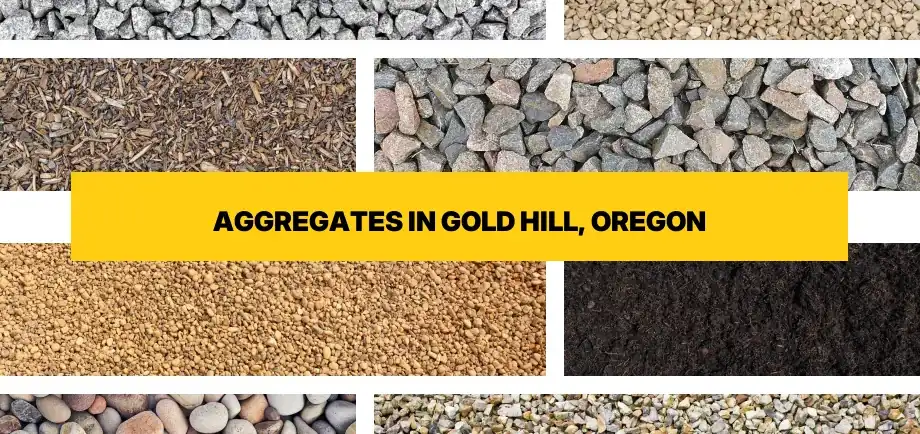
Gravel Monkey supplies every type of aggregate and construction material needed for successful projects in Gold Hill, OR. Our inventory addresses the specific geological and climate conditions of the Rogue Valley:
- 3/4 Inch Crushed Stone - Versatile aggregate perfect for driveway bases and foundation work
- #57 Stone - Premium drainage aggregate ideal for French drains and septic systems
- Crusher Run - Compactable base material that excels in Gold Hill's clay soils
- Driveway Gravel - Durable surface material designed for high-traffic residential and farm driveways
- Road Base - Stable foundation material for roads and parking areas
- Drain Rock - Angular aggregate for superior water management in wet seasons
- Pea Gravel - Smooth, rounded stones for walkways and decorative landscaping
- River Rock - Natural aesthetic stones perfect for xeriscaping and water features
- Walkway Gravel - Comfortable, stable surface for pathways and garden trails
- Decomposed Granite - Natural pathway material that complements Gold Hill's landscape
- Crushed Concrete - Eco-friendly recycled aggregate for sustainable building projects
- Topsoil - Nutrient-rich soil for gardens and lawn establishment
- Fill Dirt - Essential material for grading and leveling uneven terrain
- Mason Sand - Fine sand for mortar, concrete mixing, and masonry work
- Washed Sand - Clean sand for concrete applications and sandboxes
- Playground Sand - Soft, safe sand for children's play areas
Understanding Gold Hill's Unique Geological Conditions
Gold Hill sits in the Rogue River Valley, a region characterized by complex geological formations that significantly impact construction and landscaping decisions. The area features a combination of ancient marine sediments, volcanic deposits from the Western Cascades, and alluvial materials deposited by the Rogue River over millennia. This creates a soil profile that typically includes a shallow topsoil layer over dense clay subsoils, with occasional pockets of sandy loam near the river.
The dominant soil type in Gold Hill is Agate-Brader complex, a clay-heavy soil that presents both challenges and opportunities. During winter months when rainfall averages 3-4 inches per month, these clay soils retain moisture and can become unstable, leading to muddy conditions and poor drainage. Conversely, summer temperatures regularly exceed 90 degrees Fahrenheit, causing the same clay to harden, crack, and pull away from foundations. This seasonal expansion and contraction cycle makes proper aggregate selection critical for any construction project in the Gold Hill area.
Climate Considerations for Aggregate Selection
Gold Hill experiences a Mediterranean climate with distinct wet and dry seasons. Annual precipitation averages 22-24 inches, with most rainfall occurring between November and April. Summer months from June through September are typically hot and dry, with minimal precipitation and high evaporation rates. These extreme seasonal variations demand aggregates that can handle both saturated conditions and extended dry periods without degrading or shifting.
The freeze-thaw cycle, while less severe than in higher elevations, still occurs occasionally during winter months. Temperatures can dip into the low 20s Fahrenheit on cold nights, creating conditions where water trapped in poorly draining aggregates can freeze and cause heaving or cracking. This makes proper drainage and aggregate selection essential for long-term durability of driveways, foundations, and hardscaping throughout Gold Hill and nearby areas like Rock Point and Kelly Gulch.
Driveway and Road Construction with Premium Aggregates
Gold Hill's rural character means many properties feature long driveways, farm roads, and private access roads that require durable, well-designed aggregate bases. The key to a lasting driveway in this region starts with understanding soil conditions and proper material layering. For most Gold Hill properties, a successful driveway includes a base layer of compacted aggregate, followed by a surface layer that provides traction and aesthetic appeal.
Properties throughout Old Town Gold Hill and along Sardine Creek Road benefit from a multi-layer approach. Start with 4-6 inches of compacted base aggregate to create stability over the clay subsoil. This base layer should consist of materials with excellent compaction characteristics and varying particle sizes that lock together under pressure. Top this with 2-3 inches of surface aggregate that provides good traction while shedding water effectively.
Foundation and Construction Aggregates
Building projects in Gold Hill require careful attention to drainage and soil stabilization. The expansive clay soils common throughout Jackson County can exert significant pressure on foundations during wet season expansion. Proper aggregate use around foundations, in footer trenches, and for site grading prevents moisture accumulation and provides stable support for structures.
For foundation drainage, angular aggregates work best because they maintain open pore space even under load. These materials allow water to flow away from foundation walls rather than pooling against them. Properties near the Rogue River or in low-lying areas particularly benefit from comprehensive drainage systems using proper aggregates to manage groundwater and surface runoff.
Comparing Aggregates for Gold Hill Applications
Selecting the right aggregate depends on your specific project requirements and site conditions. Here's how our most popular materials compare for common Gold Hill applications:
| Aggregate Type | Best Applications | Particle Size | Drainage Rating | Compaction |
|---|---|---|---|---|
| 3/4" Crushed Stone | Driveway base, foundations, drainage | 3/4 inch | Excellent | Very Good |
| #57 Stone | French drains, pipe bedding, septic systems | 1/2 to 1 inch | Superior | Moderate |
| Crusher Run | Driveway base, road base, parking areas | Varies to fine | Good | Excellent |
| Drain Rock | Perimeter drains, retaining walls | 3/4 to 1.5 inch | Superior | Poor |
| Decomposed Granite | Pathways, patios, xeriscape | 1/4 inch minus | Moderate | Good |
| Pea Gravel | Decorative landscaping, walkways | 1/4 to 3/8 inch | Excellent | Poor |
| River Rock | Water features, erosion control, landscaping | 1 to 6 inches | Good | Poor |
| Road Base | Heavy-duty roads, commercial drives | Varies | Good | Excellent |
Landscaping and Decorative Aggregate Solutions
Gold Hill's natural beauty provides the perfect backdrop for attractive outdoor living spaces. Whether you're creating a low-maintenance xeriscape garden, building pathways through wooded property, or designing water features that complement the Rogue River setting, decorative aggregates offer both functional and aesthetic benefits.
Many Gold Hill homeowners embrace drought-tolerant landscaping that reduces water consumption during hot summer months. Decorative aggregates serve as excellent mulch alternatives, suppressing weeds while reflecting heat and conserving soil moisture. These materials work particularly well in Gold Hill's climate because they don't decompose or blow away like organic mulches, and they don't attract pests or create fire hazards during dry season.
Creating Functional Outdoor Spaces
Pathways and patios constructed with aggregates provide comfortable, permeable surfaces that handle Gold Hill's seasonal rain without creating puddles or mud. Unlike solid surfaces like concrete or asphalt, aggregate pathways allow water to percolate into the soil naturally, reducing runoff and supporting healthy vegetation. This makes them ideal for properties throughout Rock Point, Kelly Gulch, and other areas with mature trees or sensitive landscaping.
For properties with slopes or erosion concerns—common along Sardine Creek and near the Rogue River—larger aggregates help stabilize soil while adding visual interest. Strategic placement of river rock or larger drain rock controls water flow during winter storms while creating natural-looking transitions between different landscape zones.
Serving All Gold Hill Communities and Surrounding Areas
Gravel Monkey provides comprehensive aggregate delivery throughout Gold Hill proper and extends service to all surrounding communities in Jackson County. Our delivery area includes:
Gold Hill and Immediate Vicinity
Historic Old Town Gold Hill represents the heart of this small community, where properties often feature older homes on larger lots. These established neighborhoods frequently need aggregate for driveway repair, drainage improvements, and landscaping renovations that respect the area's heritage character while meeting modern standards.
Rock Point, located just south of downtown, encompasses primarily residential properties with a mix of newer and older construction. The varied topography in this area creates drainage challenges that benefit from properly selected and placed aggregates, particularly around foundations and along property boundaries where seasonal runoff concentrates.
The Sardine Creek area features rural properties with larger acreage, often including outbuildings, barns, and extensive driveways. These properties typically require substantial quantities of base aggregates for roads and parking areas that can withstand farm equipment, delivery trucks, and seasonal weather extremes.
Greater Jackson County Service Area
Kelly Gulch and the surrounding hillside properties present unique challenges with steeper grades and potential erosion issues. Aggregate selection for these areas must consider not just horizontal stability but also resistance to downslope movement during heavy rainfall events. Properties here often benefit from terraced landscaping using combinations of larger stone for retention and finer aggregates for pathways and planting areas.
We proudly serve neighboring communities including Rogue River, located just minutes downstream, where similar soil conditions and climate patterns create comparable aggregate needs. Central Point and the greater Medford area also fall within our delivery zone, ensuring that all Jackson County property owners have access to quality aggregates with free delivery.
Technical Specifications and Installation Guidelines
Successful aggregate projects require more than just quality materials—proper installation techniques ensure long-lasting results. For Gold Hill's specific conditions, follow these professional guidelines:
Site Preparation and Excavation
Begin any aggregate project by removing organic topsoil and vegetation from the project area. In Gold Hill, this typically means excavating through 4-8 inches of topsoil to reach the clay subsoil layer. For driveways, excavate to a depth that allows for 6-8 inches of total aggregate (base plus surface layers) while maintaining proper grade for drainage.
Grade the exposed subsoil to create a minimum 2% slope away from structures. In areas with poor natural drainage or heavy clay, consider excavating an additional 2-3 inches and installing a geotextile fabric before placing aggregates. This fabric prevents clay from migrating up into aggregate layers while allowing water to drain freely—essential for Gold Hill's wet winter conditions.
Compaction Requirements
Proper compaction transforms loose aggregate into a stable, load-bearing surface. For most Gold Hill applications, compact base aggregates in 2-3 inch lifts using a plate compactor or roller. Each lift should reach 95% of maximum density before adding the next layer. Pay special attention to edges and transitions where material tends to spread and become less dense.
The clay soils common throughout Gold Hill provide excellent compaction support when properly prepared. However, avoid compacting when subsoil is saturated—wet clay compacts poorly and can create unstable conditions. Schedule installation during drier months (May through October) for best results, or allow wet subsoils to dry adequately before proceeding.
Drainage Considerations
Every aggregate installation in Gold Hill should incorporate drainage planning. Even driveways and pathways need positive drainage to prevent water pooling and premature material degradation. Crown driveways slightly in the center so water sheds to both sides. For longer driveways, incorporate cross-slope drainage at intervals to prevent channeling.
Properties with poor natural drainage benefit from French drains or curtain drains along the upslope side of driveways and structures. These systems intercept groundwater and surface runoff before they reach improved areas, significantly extending the life of aggregate installations and preventing foundation problems.
Seasonal Maintenance for Gold Hill Aggregates
Gold Hill's climate extremes require different maintenance approaches depending on the season. Understanding these needs helps maximize the lifespan of your aggregate installations:
Winter and Spring Maintenance
During wet months, monitor drainage systems to ensure they're functioning properly. Remove leaves and debris from drainage swales and culverts before winter rains arrive. For aggregate driveways, address any low spots or depressions where water pools—these areas will deteriorate rapidly if left unattended through multiple rain cycles.
If aggregate surfaces become rutted or loose during wet weather, allow them to dry completely before attempting repairs. Adding material to saturated aggregates creates mixing with underlying mud and makes problems worse. Instead, wait for dry conditions and then regrade, compact, and add fresh surface material as needed.
Summer and Fall Preparation
Hot, dry summers cause fine particles to separate from aggregate surfaces through traffic and wind. Periodically rake or grade driveways to redistribute materials evenly. Consider applying water before compacting to help reset the surface—this technique works particularly well with crusher run and decomposed granite.
Fall preparation should include edge maintenance to prevent winter erosion. Define driveway edges clearly and ensure proper transitions to vegetated areas. Add material to any worn areas before winter arrives, giving it time to settle and compact naturally before heavy rains begin.
Environmental Benefits and Sustainable Practices
Choosing aggregates for your Gold Hill property offers numerous environmental advantages compared to solid paving materials. Permeable aggregate surfaces allow rainwater to infiltrate naturally, reducing stormwater runoff that can carry pollutants into Sardine Creek and the Rogue River. This natural filtration protects water quality in these important aquatic ecosystems.
Recycled aggregates like crushed concrete provide sustainable alternatives to virgin quarried materials. These products perform comparably to natural stone in most applications while reducing the environmental impact of quarrying operations and diverting construction waste from landfills. For environmentally conscious Gold Hill property owners, crushed concrete offers an excellent balance of performance, cost-effectiveness, and sustainability.
Aggregate landscaping reduces water consumption compared to traditional lawns—particularly important during Gold Hill's dry summers when outdoor water use peaks. Xeriscape designs using decorative stone, decomposed granite, and native plantings require minimal irrigation once established, conserving water while creating attractive, low-maintenance landscapes that complement the region's natural character.
Commercial and Agricultural Aggregate Applications
Gold Hill's economy includes agricultural operations, small businesses, and light industrial uses that require substantial quantities of aggregates. Farms and ranches throughout the area need durable road surfaces that withstand heavy equipment, livestock traffic, and year-round use. Base aggregates with excellent compaction characteristics provide the foundation for farm roads that remain passable even during wet weather.
Equipment yards, storage areas, and work zones benefit from proper aggregate surfaces that prevent mud, control dust, and provide stable footing for machinery. For operations near Old Town or along Highway 234, maintaining clean, professional-looking aggregate surfaces contributes to community aesthetics while serving practical functions.
Vineyard and orchard operations increasingly use aggregate in permanent roadways between planting rows and around processing facilities. These applications require materials that compact firmly, drain well, and resist degradation from repeated traffic. The proper aggregate selection minimizes maintenance needs and maximizes accessibility during critical harvest periods.
Frequently Asked Questions About Aggregates in Gold Hill
For Gold Hill's clay-based soils, we recommend a two-layer approach: 4-6 inches of crusher run or road base as a foundation layer, topped with 2-3 inches of three-quarter inch crushed stone or driveway gravel as a surface layer. This combination provides excellent compaction over clay while maintaining good drainage and surface stability throughout our wet winters and dry summers.
For a standard 12-foot-wide by 100-foot-long driveway with 6 inches total depth, you'll need approximately 22 cubic yards of aggregate (combining base and surface layers). However, exact quantities vary based on your specific dimensions, desired depth, and whether you're building new or refreshing an existing surface. Our team can provide precise calculations based on your property's measurements.
Many Gold Hill property owners successfully install aggregate driveways and pathways themselves, particularly smaller projects. You'll need basic equipment including a rake, wheelbarrow, and ideally a plate compactor (available at rental centers). For larger projects like long driveways or those requiring significant excavation and grading, hiring a local contractor ensures proper installation and saves considerable time and effort.
Installing landscape fabric beneath your aggregates provides an effective weed barrier. For existing installations, maintain a depth of at least 3-4 inches of aggregate—shallow applications allow more weed penetration. Periodic application of environmentally safe weed control products or manual removal keeps growth in check. Proper drainage also helps, as wet, compacted areas encourage weed establishment more than well-drained surfaces.
Gold Hill properties benefit from comprehensive drainage planning given our 22-24 inches of annual rainfall concentrated in winter months. Install drain rock or number 57 stone in perimeter drains around structures and along the uphill side of driveways. For properties with persistent wet spots, consider French drains running to lower areas or connection to existing drainage systems. The angular nature of drain rock maintains open pore space even when saturated, allowing continuous water movement.
Properly installed and compacted aggregates resist erosion and shifting remarkably well. The key is adequate depth (minimum 6 inches for driveways), proper compaction in layers, and defined edges to contain materials. Coarser aggregates like three-quarter inch crushed stone remain stable even during heavy rain. For sloped areas or locations with concentrated water flow, larger stones or erosion control measures may be necessary to prevent movement.
Summer temperatures regularly exceeding 90 degrees can cause fine particles in some aggregates to migrate to the surface through expansion and contraction cycles. This primarily affects crusher run and decomposed granite surfaces. Periodic raking and light watering followed by compaction helps reset the surface. Coarser aggregates like pea gravel and river rock remain dimensionally stable regardless of temperature extremes and require minimal summer maintenance.
Absolutely! We provide free delivery throughout Gold Hill and extending to Rock Point, Kelly Gulch, Sardine Creek, and all surrounding areas. Our service area includes neighboring communities like Rogue River and Central Point as well. Whether your property is in Old Town Gold Hill or on acreage outside the city limits, we deliver premium aggregates directly to your site at no additional charge.
Get Started with Your Gold Hill Aggregate Project
Gravel Monkey makes ordering aggregates simple and convenient for Gold Hill property owners. Our streamlined process begins with understanding your project requirements—whether you're building a new driveway in Rock Point, improving drainage near Sardine Creek, or creating decorative landscaping in Old Town. We help you select the right materials and calculate accurate quantities to ensure your project succeeds.
With free delivery throughout Gold Hill and surrounding Jackson County areas, you receive premium aggregates without transportation costs or logistics headaches. Our materials arrive when you need them, properly loaded and placed for easy access. From small landscaping projects requiring just a few cubic yards to major site development requiring truckload quantities, we handle orders of all sizes with the same attention to quality and service.
Gold Hill's unique combination of clay soils, seasonal weather extremes, and varied topography requires thoughtful material selection and proper installation techniques. Whether you're a homeowner tackling a DIY project or a contractor managing commercial work, Gravel Monkey provides the expertise and materials you need for lasting results. Our understanding of local conditions—from the Rogue River corridor to hillside properties in Kelly Gulch—ensures you receive guidance specific to your Gold Hill location and project requirements.

Need help? Reach out for a quote: