Shop Sand, Stone & Gravel in Gales Creek, Oregon
Local Topsoil, Dirt, Sand, Rocks and Gravel near me in Gales Creek, Oregon
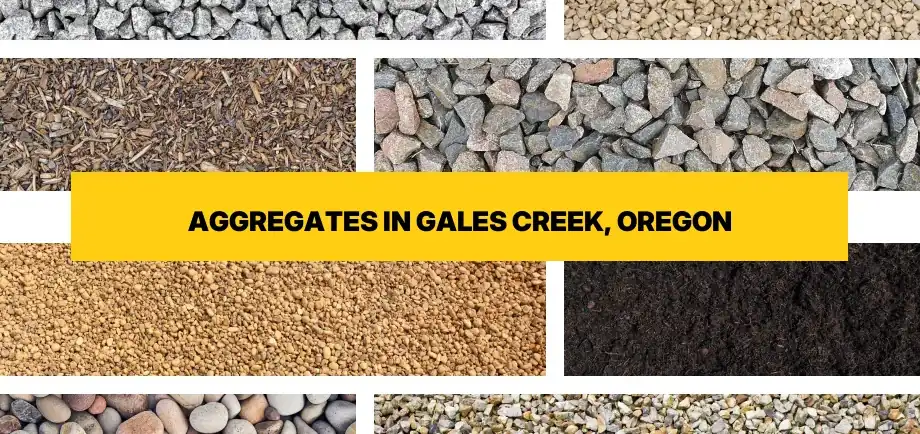
Shop Aggregates for Delivery in Gales Creek
Order online for free delivery to any Gales Creek address.


Gravel Monkey delivers premium aggregates and landscaping materials throughout Gales Creek, Oregon, with absolutely free delivery to your property. Located in the scenic Tualatin River valley of Washington County, Gales Creek presents unique challenges for homeowners and contractors, from managing the area's heavy rainfall to working with the region's silty soils. Whether you're building a driveway along Gales Creek Road, improving drainage near the Patton Valley area, or creating pathways on your forested property, we provide the quality materials you need for lasting results.
Our complete selection of aggregates serves both residential and commercial projects across the Gales Creek community. From rural properties along the Tualatin River to homes nestled in the Coast Range foothills, we understand the specific material requirements for this region's wet climate and challenging soil conditions. With annual rainfall exceeding 50 inches and winter temperatures regularly dipping into the 30s, choosing the right stone and base materials makes all the difference in project longevity.
Complete Aggregate & Stone Selection for Gales Creek
We stock an extensive range of aggregates designed to handle the Pacific Northwest climate and soil conditions. Each material serves specific purposes, from providing solid foundations on Gales Creek's silty soils to managing the area's significant seasonal rainfall.
- 3/4 inch Crushed Stone - Versatile angular stone for driveways and foundations
- #57 Stone - Premium drainage aggregate for French drains and septic systems
- Driveway Gravel - Specially blended for rural road and driveway applications
- Crusher Run - Compactable base material with excellent stability
- Road Base - Heavy-duty foundation for roads and parking areas
- Drain Rock - Angular aggregate for superior water management
- Pea Gravel - Smooth stone for decorative landscaping and paths
- River Rock - Natural rounded stone for gardens and water features
- Walkway Gravel - Comfortable, stable surface for pedestrian paths
- Crushed Concrete - Eco-friendly recycled aggregate for base layers
- Decomposed Granite - Natural compacting material for rustic pathways
- Topsoil - Rich soil for gardens and lawn establishment
- Fill Dirt - Clean fill for grading and leveling projects
- Mason Sand - Fine sand for masonry and construction work
- Playground Sand - Safe, clean sand for play areas
- Washed Sand - Clean sand for multiple applications
Managing Gales Creek's Heavy Rainfall with Proper Aggregates
With Gales Creek receiving over 50 inches of annual precipitation, primarily concentrated between October and May, effective water management is crucial for any outdoor project. The area's combination of moderate slopes, silty soils, and dense vegetation creates unique drainage challenges that require strategic material selection.
Properties along Gales Creek Road and throughout the Tualatin River valley often experience seasonal water accumulation due to the underlying Cascade silt loam soils. These soils have slow permeability, meaning surface water doesn't readily absorb into the ground. Installing proper base layers with angular aggregates creates necessary void spaces for water to channel away from structures and paved surfaces.
Best Drainage Materials for Gales Creek Properties
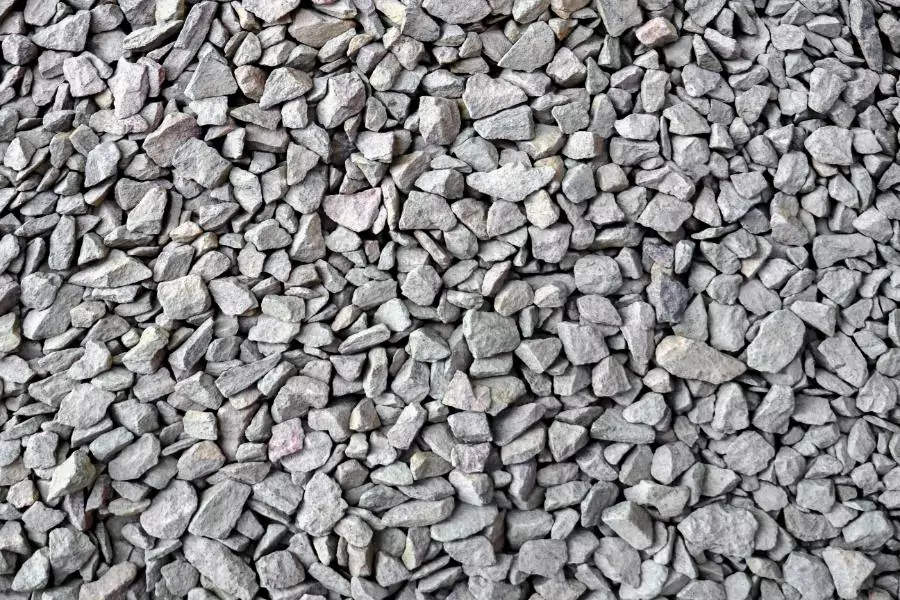
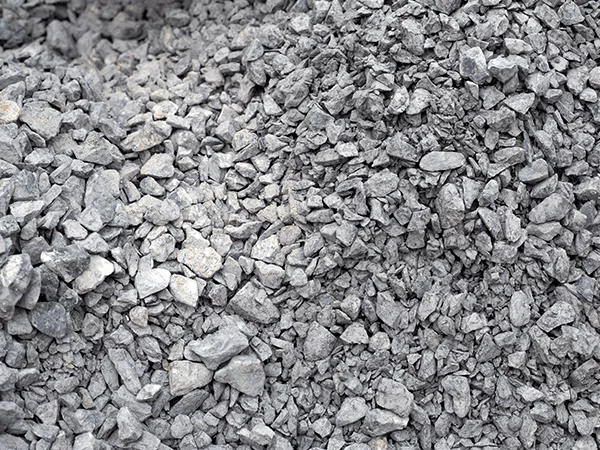
Angular crushed stone outperforms rounded gravel in drainage applications because the irregular edges create more void space and resist compaction. When wet Oregon clay soils become saturated, angular materials maintain their structural integrity and continue to facilitate water movement. Properties near the Patton Valley area particularly benefit from robust drainage systems given the proximity to seasonal creek flows.
For French drains and foundation drainage, we recommend combining coarse aggregates with proper geotextile fabric to prevent silt migration. The region's fine-grained soils can gradually infiltrate drainage systems, reducing effectiveness over time. A properly designed system using the right stone size and filtration prevents this common issue.
Driveway Aggregates for Rural Gales Creek Properties
Rural driveways in the Gales Creek area face unique challenges from heavy seasonal rains, minimal maintenance infrastructure, and the natural settling of silty soils. Many properties feature long driveways through forested areas, requiring materials that resist rutting, provide traction in wet conditions, and minimize ongoing maintenance.
A successful driveway in this region starts with proper site preparation and base materials. The underlying Cornelius silty clay loam common throughout Gales Creek has high plasticity and expands when wet, then contracts during dry summer months. This movement can quickly destroy driveways built without adequate foundation layers. Excavating down to stable soil and installing a thick base layer of compactable aggregates creates a stable platform that resists seasonal movement.
Layer-by-Layer Driveway Construction
For properties along the forested hillsides near Gales Creek, we recommend a three-layer approach. The bottom layer should consist of large angular stone that bridges soft spots and distributes weight. This foundation layer prevents the driveway from gradually sinking into saturated soils during winter months. A middle layer of compactable material creates a solid, stable base that locks together when properly compacted. The top layer provides the finished driving surface with excellent traction and drainage.
Homes in the valley bottom near the Tualatin River tributaries may need additional base depth due to higher water tables. Properties at higher elevations toward the Coast Range foothills typically have better natural drainage but steeper grades requiring consideration for erosion control. Both situations benefit from angular aggregates that compact tightly while maintaining drainage pathways.
| Material Type | Best Applications | Drainage Rating | Compaction Quality |
|---|---|---|---|
| 3/4 inch Crushed Stone | Driveways, foundations, general base | Excellent | Very Good |
| #57 Stone | French drains, septic fields, behind retaining walls | Superior | Minimal (by design) |
| Crusher Run | Road base, stable platforms, driveway foundation | Good | Excellent |
| Drain Rock | Perimeter drains, downspout drainage, wet areas | Superior | Minimal |
| Pea Gravel | Pathways, landscaping, decorative borders | Good | Poor |
| Decomposed Granite | Natural pathways, rustic driveways, garden paths | Fair | Good |
| River Rock | Dry creek beds, decorative accents, mulch areas | Fair | Poor |
| Road Base | Heavy-duty drives, parking areas, high traffic | Good | Excellent |
Landscaping Aggregates for Gales Creek Gardens & Yards
The Gales Creek area's mild, wet climate creates ideal growing conditions for Pacific Northwest gardens, but also presents challenges for outdoor living spaces. Pathways become muddy, garden beds hold excessive moisture, and decorative areas require materials that maintain their appearance through months of rain followed by dry summers.
Natural stone materials complement the forested, rural character of Gales Creek properties while providing functional benefits. Rounded aggregates work beautifully for decorative applications where foot traffic isn't a concern. The smooth stones create visual interest while allowing water to percolate through to the soil below. For pathways that see regular use, materials that compact slightly provide more stable footing than loose rounded stone.
Creating Functional Outdoor Spaces
Properties throughout the Gales Creek valley benefit from well-defined pathways that keep mud off feet and provide safe navigation during wet months. The compact nature of the community means many homes have gardens, outbuildings, and recreational areas that require connecting paths. Choosing appropriate aggregates ensures these pathways remain functional year-round without becoming maintenance headaches.
Garden borders using decorative stone serve multiple purposes in this region. They define planting beds, prevent grass encroachment, provide contrast against green foliage, and improve drainage around plant root zones. The natural colors of stone materials harmonize with the earthy tones predominant in Coast Range landscapes. Many Gales Creek homeowners appreciate materials that look natural rather than highly processed or artificially colored.
Understanding Gales Creek Soil Conditions
The Gales Creek area sits within the Willamette Valley's northern extension, characterized by soils formed from weathered basalt, alluvial deposits, and old landslide materials. The primary soil types include Cascade silt loam on upland areas and Cornelius silty clay loam in valley positions. Both soil types present significant challenges for construction and landscaping projects.
Cascade silt loam, found on the gentle to moderately steep slopes surrounding Gales Creek, has moderate permeability when dry but becomes nearly impermeable when saturated. This soil type shrinks and swells with seasonal moisture changes, creating movement that can damage poorly designed structures. The high silt content means this soil becomes slippery and unstable when wet, requiring substantial base preparation for any construction.
Working with Silty Clay Soils
Cornelius silty clay loam, prevalent in lower-lying areas near the creek itself, poses even greater challenges. This soil has very slow permeability and high plasticity. When wet, it becomes sticky and unworkable. When dry, it hardens into concrete-like conditions and develops deep cracks. These characteristics make proper aggregate base layers absolutely essential for any project in the valley bottom.
The solution for both soil types involves removing or stabilizing the upper layer and installing deep aggregate bases that provide a stable, free-draining platform. Projects in Gales Creek typically require deeper bases than might be necessary in areas with better-draining native soils. The investment in proper base materials pays dividends through dramatically reduced maintenance and longer project life.
Adapting to Oregon's Seasonal Weather Patterns
Gales Creek experiences distinct wet and dry seasons, with implications for construction timing and material selection. The wet season typically runs from October through May, with November through January seeing the heaviest rainfall. During these months, average temperatures range from the mid-30s to mid-40s, occasionally dropping below freezing at night.
The combination of cold temperatures and saturated soils creates challenging working conditions. Ground frost can occur, though it rarely penetrates more than a few inches given the maritime climate influence. More problematic is the mud created when heavy equipment works on saturated silty soils. Many rural properties in the Gales Creek area become inaccessible to heavy vehicles during peak wet periods without proper road access.
Summer Conditions and Material Behavior
Summer in Gales Creek brings a dramatic shift, with July and August typically seeing less than an inch of rain combined. Temperatures range from the mid-50s to low 80s, occasionally reaching the 90s during heat waves. This extended dry period allows soils to dry significantly, which affects how aggregates settle and perform.
Crushed aggregate installations completed in summer will settle differently than those installed during wet months. Materials placed on dry, hard soil may later shift when winter rains soften the ground beneath. Experienced contractors in the area account for this by adjusting compaction techniques and sometimes slightly overbuilding projects installed during dry months. Understanding these seasonal dynamics ensures projects maintain integrity through multiple wet-dry cycles.
Serving All Gales Creek Area Neighborhoods
Gravel Monkey proudly delivers throughout Washington County's Gales Creek region, including:
- Gales Creek Road corridor - The main thoroughfare through the community
- Patton Valley area - Rural properties with access to Patton Valley Road
- Tualatin River valley bottom - Properties near the scenic river corridor
- Coast Range foothills - Elevated properties with forested settings
- Highway 6 access areas - Properties along the main east-west route
- Old Mill Road vicinity - Established rural residential area
- Timber Road areas - Forested properties with logging heritage
- Nearby communities - Including Forest Grove, Banks, and Buxton
Our delivery trucks navigate the area's rural roads safely and efficiently, reaching properties throughout the valley and into the surrounding hills. We understand local road conditions and coordinate delivery timing to work around any seasonal access challenges.
Common Projects in the Gales Creek Area
Homeowners and contractors throughout Washington County's rural Gales Creek region tackle diverse projects requiring quality aggregates. The area's mix of established homes, newer construction, hobby farms, and recreational properties creates demand for materials serving many purposes.
Driveway Renovation and Construction
Many Gales Creek properties feature long gravel driveways, some stretching several hundred feet from the main road to the home. These driveways require periodic refreshing as aggregate gradually migrates, embeds into underlying soil, or washes away during heavy rains. Proper driveway maintenance involves adding fresh material every few years and occasionally rebuilding the base layer when underlying soil issues develop.
New driveway construction requires careful planning for Gales Creek's conditions. Properties with significant slope need consideration for erosion prevention and water management. Flat areas may need crown shaping to shed water effectively. Every situation benefits from adequate aggregate depth and proper compaction techniques that account for the area's silty soils.
Drainage System Installation
French drains, curtain drains, and foundation drainage systems are common projects throughout the Gales Creek area. The combination of hillside properties, high rainfall, and slow-draining soils means many homes experience water intrusion issues without proper drainage infrastructure. Professional drainage systems installed with appropriate aggregates effectively redirect water away from structures, preventing basement flooding, foundation damage, and landscape erosion.
Drainage projects require careful attention to stone sizing, installation depth, and outfall location. The high water table common in valley bottom properties affects system design differently than elevated hillside locations. Each situation requires materials selected for specific performance characteristics rather than simply choosing the cheapest option.
Sustainable Aggregate Options for Oregon Projects
Gales Creek residents often prioritize environmental stewardship, consistent with broader Pacific Northwest values. Sustainable aggregate options align with these priorities while delivering excellent performance. Recycled materials reduce demand on quarries and divert waste from landfills.
Recycled concrete aggregate comes from demolished structures, crushed and screened for use as base material. It performs similarly to natural crushed stone for many applications while reducing environmental impact. The material compacts well, provides good drainage, and costs less than virgin aggregate. Projects like shop floors, temporary roads, or less-visible applications work perfectly with recycled materials.
Choosing locally sourced materials when possible reduces transportation emissions and supports regional businesses. The Portland metro area, easily accessible from Gales Creek, hosts several quarries producing quality aggregates. Shorter hauling distances mean lower costs and reduced environmental footprint—benefits worth considering when planning projects.
Installation Best Practices for Gales Creek Conditions
Successful aggregate installations in the Gales Creek area require attention to local conditions and proven techniques. While DIY installation is possible for smaller projects, understanding proper methods ensures better outcomes and longer-lasting results.
Site Preparation Essentials
Proper excavation makes the difference between a project that lasts decades and one requiring reconstruction within a few years. Remove all organic material, including roots, vegetation, and topsoil. These materials decompose and create voids, leading to settling and failure. Excavate deep enough to reach stable soil, which in Gales Creek often means going deeper than you might expect given the thick layer of soft surface soils.
Grade the excavated area to promote water drainage away from structures and toward appropriate collection points. Even small slopes make significant differences in water management. Consider installing landscape fabric or geotextile on the prepared subgrade to prevent aggregate migration into soft soils—particularly important with Gales Creek's fine-grained soil types.
Compaction Techniques
Proper compaction transforms loose aggregate into a solid, stable surface. For small projects, a hand tamper or plate compactor suffices. Larger areas benefit from vibratory rollers that achieve uniform, deep compaction. Compact in lifts no more than four inches thick for best results, adding water as needed to achieve optimal moisture content.
Silty soils beneath aggregate installations can't support loads when saturated, regardless of how well you compact the aggregate itself. This reality underscores the importance of adequate base depth—the aggregate layer must be thick enough that loads distribute over a wider area before reaching soft subgrade soils.
Ordering Materials for Your Gales Creek Project
Gravel Monkey makes ordering aggregates simple and straightforward. Calculate your material needs based on project dimensions, or contact us for assistance with estimates. Our team understands local conditions and can recommend appropriate materials and quantities for your specific application.
Calculating Material Quantities
Aggregate quantities are typically specified in cubic yards. Calculate the volume of your project area by multiplying length times width times depth, all measured in feet. Divide the result by 27 to convert cubic feet to cubic yards. For example, a 20-foot by 30-foot driveway area with 4 inches of aggregate depth: 20 × 30 × 0.33 = 198 cubic feet ÷ 27 = 7.3 cubic yards. Always round up and consider ordering slightly extra for settlement and irregular areas.
Different materials have varying weights per cubic yard, affecting transportation costs when purchasing from suppliers charging by weight. Crushed stone typically weighs 2,500 to 2,800 pounds per cubic yard, while lighter materials like playground sand weigh around 2,200 pounds. Understanding these differences helps when comparing costs between suppliers.
Delivery Considerations
We deliver throughout the Gales Creek area year-round, though seasonal conditions may affect specific delivery locations. Our trucks can navigate most rural roads and driveways, but properties with very narrow access, low-hanging branches, or steep grades may require special arrangements. Contact us to discuss access if you're uncertain whether our trucks can reach your desired delivery location.
Plan for material placement when scheduling delivery. Aggregates dump where the truck stops, so position the delivery to minimize handling. Most driveways allow dumping directly on-site, while some projects may need materials placed nearby for later distribution. We work with customers to find solutions that balance truck capabilities with project requirements.
Frequently Asked Questions About Gravel in Gales Creek
We deliver driveway gravel, crushed stone in various sizes, pea gravel, river rock, drain rock, crusher run, road base, recycled concrete, decomposed granite, topsoil, fill dirt, and multiple sand types throughout Gales Creek and surrounding Washington County areas.
Yes! Gravel Monkey offers FREE delivery to Gales Creek and the surrounding Oregon area for all gravel and aggregate material orders.
The amount depends on your project size. For driveways, calculate length times width times depth in feet, then divide by 27 for cubic yards. A typical driveway needs 3 to 4 inches of depth. Our team can help you estimate the right amount for your specific Gales Creek property.
For Gales Creek's rainy climate, angular crushed stone like three-quarter inch crushed stone or drain rock provides excellent drainage. These materials compact well while allowing water to flow through, preventing muddy conditions common in our wet winters.
Absolutely! We regularly deliver to rural properties throughout the Gales Creek area, including homes along the Tualatin River valley, near Patton Valley, and throughout the surrounding forest areas. Our trucks can navigate most rural roads and driveways.
Gales Creek sits in an area with primarily Cascade silt loam and Cornelius silty clay loam soils. These soils have moderate to poor drainage, making proper base materials and drainage rock essential for driveways and construction projects in the area.
We typically deliver to Gales Creek within 2 to 3 business days of your order. During peak seasons in spring and summer, lead times may extend slightly. Contact us for current availability and scheduling.
Most residential aggregate deliveries in Gales Creek don't require permits. However, large commercial projects or work within wetlands or stream buffers may need county approval. Check with Washington County planning department if you're uncertain about your specific project.
Ready to Start Your Gales Creek Project?
Whether you're maintaining a rural driveway, installing drainage systems, or creating beautiful landscaping features on your Gales Creek property, quality aggregates delivered directly to your site make all the difference. Our extensive material selection, local expertise, and free delivery ensure your project starts right.
The Gales Creek area's unique combination of wet climate, silty soils, and rural character requires materials selected specifically for local conditions. We understand these challenges and stock aggregates that perform reliably through Oregon's demanding seasonal cycles. From the valley floor to the Coast Range foothills, properties throughout Washington County benefit from proper material selection and professional delivery service.
Contact us today to discuss your project needs, get expert material recommendations, and schedule your free delivery. Our team understands Gales Creek's landscape and conditions, ensuring you receive materials perfectly suited to your specific application. We're committed to helping rural Oregon property owners build projects that last.

Need help? Reach out for a quote: