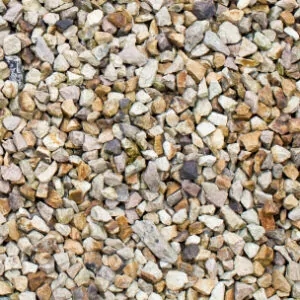
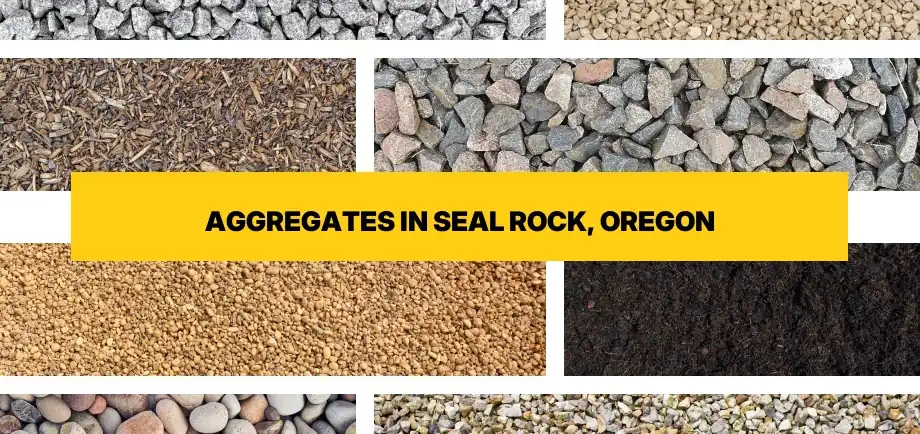
Order Topsoil, Stone & Gravel in Seal Rock, Oregon
Local Topsoil, Dirt, Sand, Rocks and Gravel near me in Seal Rock, Oregon
Shop Aggregates for Delivery in Seal Rock
Order online for free delivery to any Seal Rock address.
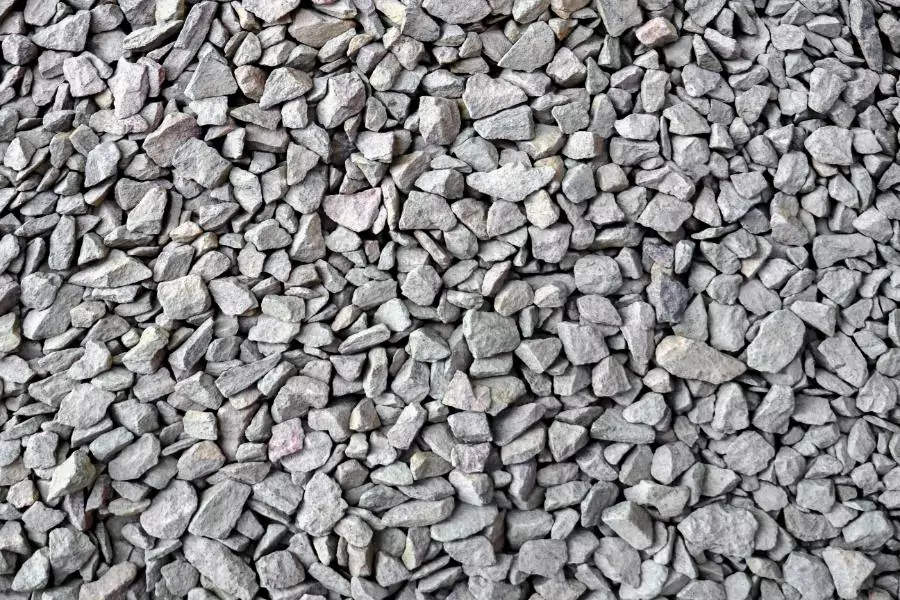
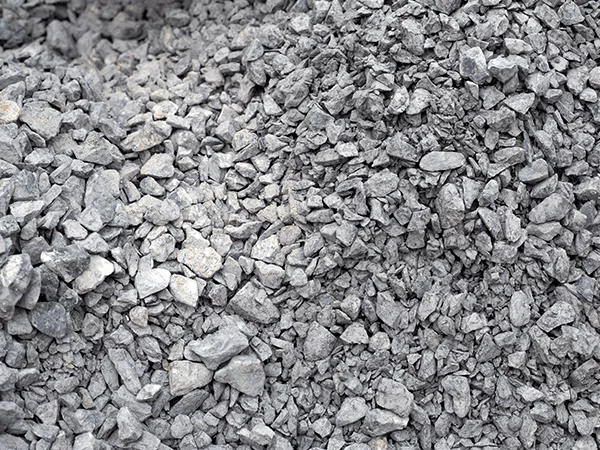


Seal Rock is home to some of Oregon's most stunning coastal landscapes, and maintaining your property along Highway 101 requires quality materials that can withstand the unique challenges of Pacific Northwest weather. Gravel Monkey delivers premium aggregates and landscaping materials directly to your Seal Rock property with absolutely free delivery. Whether you're building a new driveway near Seal Rock State Recreation Site, creating drainage solutions for properties along Seal Rock Creek, or improving pathways around your coastal home, we provide the aggregates you need for lasting results in this beautiful oceanside community.
Complete Selection of Aggregates for Seal Rock Properties
The coastal environment of Seal Rock demands materials that can handle heavy rainfall, sandy soil conditions, and salt air exposure. Our comprehensive range of aggregates serves residential and commercial projects throughout the Seal Rock area and neighboring communities like Waldport, Newport, and Yachats.
- Driveway Gravel - Superior compaction for coastal driveways that resist erosion
- 3/4 inch Crushed Stone - Versatile aggregate for foundations and drainage applications
- #57 Stone - Ideal drainage stone for French drains and pipe bedding
- Crusher Run - Compactable base material that creates stable surfaces
- Road Base - Professional-grade foundation for driveways and access roads
- Drain Rock - Essential for managing Seal Rock's substantial rainfall
- Pea Gravel - Decorative rounded aggregate for pathways and gardens
- River Rock - Natural beauty for coastal landscaping features
- Walkway Gravel - Comfortable walking surfaces for garden paths
- Crushed Concrete - Sustainable recycled aggregate for eco-conscious projects
- Decomposed Granite - Natural hardscaping material that compacts beautifully
- Topsoil - Nutrient-rich soil for coastal gardens and lawn establishment
- Fill Dirt - Grading material for leveling and elevation projects
- Mason Sand - Fine sand for mortar mixing and masonry work
- Playground Sand - Safe, clean sand for play areas
- Washed Sand - Clean sand for construction and landscaping applications
Understanding Seal Rock's Unique Coastal Environment
Seal Rock sits along one of the most scenic stretches of the Oregon Coast, where coastal weather patterns and local geology create specific challenges for property owners. The community experiences approximately 72 inches of annual rainfall, with the wettest months occurring between November and March. This substantial precipitation, combined with the area's sandy soils and marine influence, makes proper drainage and aggregate selection absolutely critical for successful construction projects.
The underlying geology of the Seal Rock area consists primarily of Tertiary marine sediments and basalt formations, with surface soils characterized by sandy loams that drain rapidly but offer limited natural compaction. Properties near Seal Rock Creek and areas closer to Highway 101 often contend with seasonal high water tables and runoff management challenges. These conditions make quality aggregates essential for creating stable, long-lasting surfaces that can handle the demands of coastal living.
Aggregate Selection for Coastal Oregon Conditions
The mild but consistently wet climate of Seal Rock requires careful material selection. Properties throughout the area, from homes near Seal Rock State Recreation Site to developments along Ten Mile Creek, benefit from aggregates specifically chosen for their drainage capabilities and resistance to erosion. Materials like crusher run and road base provide excellent stability while allowing water to permeate through, preventing the pooling and erosion common in coastal environments.
Temperature fluctuations remain moderate year-round in Seal Rock, with summer highs averaging in the mid-60s and winter lows rarely dropping below freezing. While frost heave isn't a primary concern as it would be in inland Oregon locations like Bend or La Grande, the constant moisture and occasional coastal storms create their own set of challenges. Quality aggregates must maintain structural integrity during extended wet periods while resisting compaction loss from vehicular traffic on soggy surfaces.
Critical Drainage Solutions for Seal Rock Properties
Managing water is perhaps the single most important consideration for Seal Rock property owners. With rainfall totals exceeding six feet annually, effective drainage systems using appropriate aggregates can mean the difference between a functional property and ongoing maintenance headaches. The combination of sandy native soils and heavy precipitation creates conditions where standing water, erosion, and saturation issues frequently occur without proper planning.
French Drain Systems Using Premium Aggregates
French drains represent one of the most effective drainage solutions for Seal Rock properties. These systems work by creating a gravel-filled trench with a perforated pipe that channels water away from foundations, driveways, and low-lying areas. The success of any French drain depends entirely on using clean, appropriately sized aggregates that allow rapid water movement while filtering out sediment that could clog the system over time. Properties throughout the Seal Rock area utilize these systems to protect structures from the relentless coastal moisture.
Foundation drainage around homes near Rocky Creek or properties backing onto forested areas requires particular attention. The combination of hillside runoff and natural groundwater movement creates conditions where water naturally flows toward structures. Installing French drains with the right aggregates creates a protective barrier that intercepts water before it reaches vulnerable areas. This proactive approach prevents foundation damage, crawl space flooding, and the moisture-related issues that plague poorly drained coastal properties.
Driveway Drainage Considerations
Driveways in Seal Rock face unique challenges compared to inland locations. The constant moisture combined with vehicular traffic creates conditions where poorly designed driveways quickly develop ruts, potholes, and drainage channels. Creating a proper driveway begins with establishing a well-compacted base using materials that provide both stability and drainage capability. This foundation layer proves critical for long-term performance in the wet coastal climate.
Aggregate Comparison for Seal Rock Applications
Selecting the right aggregate for your specific project requires understanding how different materials perform under coastal Oregon conditions. The following comparison helps property owners make informed decisions based on their project requirements and site conditions.
| Aggregate Type | Best Applications | Drainage Rating | Compaction | Coastal Suitability |
|---|---|---|---|---|
| Crusher Run | Driveway base, parking areas | Good | Excellent | Outstanding - ideal for wet conditions |
| Road Base | Heavy-duty driveways, access roads | Good | Excellent | Superior for high-traffic areas |
| Drain Rock | French drains, foundation drainage | Excellent | Poor | Essential for water management |
| 3/4 inch Crushed Stone | General purpose, drainage layers | Very Good | Good | Versatile for multiple applications |
| #57 Stone | Drainage fields, pipe bedding | Excellent | Fair | Perfect for subsurface drainage |
| Crushed Concrete | Base layers, secondary roads | Good | Very Good | Eco-friendly alternative |
| Pea Gravel | Pathways, decorative areas | Good | Poor | Best for low-traffic applications |
| Decomposed Granite | Paths, patios, natural landscaping | Fair | Good | Requires edging in wet climate |
Serving All Seal Rock Neighborhoods and Surrounding Areas
Gravel Monkey provides comprehensive aggregate delivery throughout Seal Rock and the surrounding Central Oregon Coast communities. Our service area extends from properties near the historic Seal Rock formation itself to homes in nearby Waldport, with regular deliveries to projects throughout Lincoln County.
Seal Rock State Recreation Site Area
Properties near the Seal Rock State Recreation Site enjoy spectacular ocean views but face particular challenges with wind-driven rain and coastal exposure. Homes in this area benefit from stable driveway surfaces that resist erosion and provide reliable traction year-round. The sandy soils common near the coast require deeper aggregate bases than might be typical in inland locations, typically four to six inches of well-compacted material to achieve lasting stability.
Highway 101 Corridor Properties
The stretch of Highway 101 running through Seal Rock connects residents to both Newport to the north and Waldport to the south. Properties along this corridor often include commercial establishments, vacation rentals, and residential homes. These locations require parking areas and access driveways capable of handling varied traffic patterns while maintaining appearance standards appropriate to the scenic coastal highway. Aggregates that compact well while providing adequate drainage serve these properties best, ensuring surfaces remain functional through all seasons.
Creek and Waterway Adjacent Properties
Homes near Seal Rock Creek, Rocky Creek, and other waterways enjoy tranquil settings but must carefully manage water drainage and potential flooding concerns. These properties often require sophisticated drainage systems incorporating multiple aggregate types to channel water safely away from structures while maintaining stable access during wet periods. Projects in these areas typically involve creating swales, installing French drains, and establishing well-drained building sites that work in harmony with the natural hydrology.
Forested Interior Areas
Properties situated away from the immediate coast within Seal Rock's forested areas deal with different challenges, including falling needles, moss growth, and dappled sunlight that keeps surfaces damp. Driveways and paths in these locations benefit from aggregates that provide good drainage while minimizing organic debris accumulation. The acidic soils common under coastal forests also influence material selection, with some aggregates performing better than others in these conditions.
South Beach to Ten Mile Creek Corridor
The area extending from South Beach toward Ten Mile Creek encompasses diverse property types, from older established neighborhoods to newer coastal developments. Each location presents unique site conditions requiring thoughtful aggregate selection. Properties with steeper slopes need aggregates that resist erosion and provide stable footing, while flatter lots may prioritize drainage efficiency to prevent ponding during heavy rainfall events.
Professional Installation Practices for Coastal Aggregates
Successfully installing aggregates in Seal Rock's challenging environment requires more than simply spreading material on the ground. Proper site preparation, appropriate base depths, and correct compaction techniques determine whether your project performs well for decades or requires constant maintenance within a few years. Understanding these fundamentals helps property owners work effectively with contractors or tackle DIY projects with confidence.
Site Preparation Essentials
Every successful aggregate project begins with thorough site preparation. This means removing organic material, addressing existing drainage issues, and creating proper grades that direct water away from structures and toward appropriate discharge points. In Seal Rock's sandy soils, excavation depths typically need to extend deeper than similar projects in areas with more stable native materials. Removing loose sand and reaching more consolidated material provides a stable foundation for aggregate layers.
Properties dealing with high water tables or seasonal saturation may require additional steps before aggregate installation. This might include installing subsurface drainage systems, creating swales to redirect surface water, or even incorporating geotextile fabrics that prevent mixing between native soils and imported aggregates. These preparatory measures add to initial project costs but pay dividends through extended surface life and reduced maintenance requirements.
Compaction Requirements for Coastal Conditions
Proper compaction transforms loose aggregates into stable, load-bearing surfaces capable of withstanding both traffic and weather. The wet coastal climate complicates compaction, as materials need adequate moisture for optimal compaction but excess water prevents proper binding. Timing projects for periods of relative dryness, typically late summer through early fall in Seal Rock, often yields better results than attempting installations during the wettest winter months.
Multiple lift compaction, where aggregates are placed in layers rather than all at once, produces superior results in coastal applications. Each layer, typically three to four inches thick, receives thorough compaction before the next layer is added. This methodical approach ensures density throughout the entire depth rather than creating a hard surface over loose material underneath. The extra time invested in proper compaction prevents future settling, rutting, and premature failure of the finished surface.
Maintaining Aggregate Surfaces in Seal Rock's Climate
Even properly installed aggregate surfaces benefit from regular maintenance to maximize their service life in coastal conditions. The combination of heavy rainfall, windblown debris, and seasonal variations creates ongoing maintenance needs that property owners should anticipate. Fortunately, most maintenance tasks are straightforward and can be accomplished with minimal tools and effort.
Annual Maintenance Schedule
Spring represents an ideal time for aggregate maintenance in Seal Rock, allowing property owners to address any damage from winter storms and prepare surfaces for the drier summer months. This typically involves raking or dragging gravel to redistribute material that has shifted, filling low spots where water pooled during winter, and refreshing edge restraints that may have loosened. Properties with decorative aggregates like pea gravel or river rock often require adding fresh material to maintain desired depths and coverage.
Fall maintenance focuses on preparing surfaces for winter's heavy rainfall. This includes clearing organic debris that could trap moisture and promote moss growth, ensuring drainage features remain clear and functional, and addressing any erosion or displacement before wet weather begins. Properties near forested areas need particular attention to leaf and needle accumulation, which can bury aggregate surfaces and create persistently damp conditions that accelerate deterioration.
Managing Moss and Organic Growth
The mild, moist climate of Seal Rock creates ideal conditions for moss, algae, and other organic growth on aggregate surfaces. While some property owners appreciate the aged, naturalized appearance this creates, others prefer keeping surfaces clean and clearly defined. Managing organic growth involves both physical removal and addressing the underlying moisture conditions that promote growth. Improving drainage, increasing sunlight exposure through selective pruning, and periodic cleaning help maintain cleaner aggregate surfaces.
Common Aggregate Projects in Seal Rock
Understanding how other Seal Rock property owners utilize aggregates provides valuable insights for planning your own projects. From functional driveways to decorative landscapes, quality materials from Gravel Monkey enable a wide range of improvements that enhance both property value and enjoyment of coastal living.
Residential Driveway Construction and Repair
Driveways represent the most common aggregate project in Seal Rock, with property owners regularly upgrading from rutted dirt tracks to proper all-weather surfaces. Creating a functional driveway in this environment involves more than simply spreading gravel. It requires establishing proper drainage, using appropriately sized aggregates for the base and surface layers, and ensuring adequate depth to support expected loads. Most residential driveways in Seal Rock utilize four to six inches of compacted material, with the base layer consisting of larger aggregates and the surface comprising materials that provide good traction and comfortable driving.
Parking and Turnaround Areas
The narrow lots and dense vegetation common in Seal Rock often create challenging parking situations. Many properties benefit from designated parking pads or turnaround areas that allow vehicles to maneuver without repeatedly backing onto Highway 101 or attempting tight turns on sloped driveways. These areas require stable, well-drained surfaces capable of supporting vehicles while minimizing tracking of material into the house. Proper edge restraints prevent aggregate migration, while crowned or sloped surfaces ensure water drains away rather than pooling under parked vehicles.
Garden Pathways and Access Routes
Walking through gardens and accessing various areas of coastal properties becomes challenging during Seal Rock's wet season without proper pathways. Aggregate paths provide practical solutions that blend naturally with coastal landscapes while offering firm, dry walking surfaces year-round. The choice between materials like decomposed granite for a more naturalized appearance or pea gravel for distinctly defined paths depends on individual preferences and site conditions. Proper installation with adequate drainage and edge definition ensures these pathways remain functional and attractive with minimal maintenance.
Foundation and Crawl Space Drainage
Perhaps the most critical aggregate application for Seal Rock homes involves protecting foundations from water damage. Installing drain rock around foundation perimeters, beneath crawl spaces, and in French drain systems prevents the moisture problems that plague coastal structures. These applications prioritize function over appearance, using aggregates selected specifically for their drainage efficiency and longevity. Properly designed and installed foundation drainage systems protect substantial investments while preventing the mold, rot, and structural issues associated with persistent moisture problems.
Sustainable Aggregate Practices for Coastal Properties
Environmental stewardship remains important to Seal Rock residents who appreciate the natural beauty that drew them to the coast. Selecting and using aggregates responsibly supports both functional project goals and environmental protection. Several approaches help property owners minimize environmental impacts while achieving their landscaping and construction objectives.
Recycled and Reclaimed Materials
Crushed concrete and recycled aggregates offer environmentally preferable alternatives to virgin materials for many applications. These products divert waste from landfills while providing performance characteristics similar to traditional aggregates. Projects like driveway bases, parking areas, and general fill applications often work well with recycled materials, reducing environmental impact without compromising quality. The increasing availability of recycled aggregates makes them practical options for environmentally conscious property owners.
Permeable Surface Design
Rather than creating impermeable surfaces that concentrate runoff, many Seal Rock projects benefit from designs that allow water to infiltrate through aggregate layers into underlying soils. This approach reduces erosion, minimizes downstream flooding, and helps recharge groundwater supplies. Permeable designs work particularly well for paths, patios, and low-traffic areas where the full structure of a compacted driveway isn't necessary. These installations can provide firm, functional surfaces while managing water more sustainably than traditional solid surfaces.
Native Material Integration
Blending imported aggregates with native materials where appropriate reduces both costs and environmental impacts of material transportation. The sandy nature of Seal Rock soils makes them unsuitable for most structural applications, but they can play roles in certain projects. Mixing native sand with crushed aggregates for garden areas, incorporating local stone into decorative features, and using site-excavated material for rough grading before finish layers all reduce the volume of imported materials required.
Frequently Asked Questions About Aggregates in Seal Rock
For the coastal conditions in Seal Rock, crusher run or road base provides excellent driveway performance. These materials compact well while allowing drainage, creating stable surfaces that resist the rutting and erosion common in our wet climate. A four to six inch compacted depth typically provides adequate strength for residential driveways, with deeper bases required for heavier vehicles or commercial applications.
Sloped properties in Seal Rock require thoughtful erosion control measures. Using angular crushed aggregates rather than round materials provides better interlock and stability on grades. Installing proper drainage features like swales and French drains intercepts water before it gains erosive velocity. Geotextile fabrics beneath aggregates prevent mixing with underlying soils while maintaining stability. For steeper slopes, consider terracing or installing landscape timber edges to reduce effective grades.
Many smaller aggregate projects work well as DIY efforts for property owners with basic tools and physical capability. Simple paths, garden borders, and minor driveway repairs typically fall within DIY scope. However, larger projects like new driveway installation, complex drainage systems, or anything requiring heavy equipment generally benefit from professional installation. Contractors bring experience with local conditions, access to specialized equipment like compactors, and knowledge of proper techniques that ensure long-term performance.
Replenishment frequency depends on material type, traffic levels, and installation quality. Well-installed driveways using crusher run or road base may require only minor top-dressing every few years. Looser materials like pea gravel in pathways might need annual additions to maintain desired depths. High-traffic areas lose material faster than occasional-use surfaces. Generally, plan to add a thin layer of material every two to three years to maintain optimal appearance and function.
Effective drainage in Seal Rock typically involves multiple complementary strategies. French drains using drain rock channel water away from foundations and low areas. Surface swales direct runoff toward appropriate discharge points. Proper crowning of driveways and paths prevents water ponding. For properties with particularly challenging drainage, sump pumps or daylight drains may be necessary. The key is designing systems that work with the site's natural hydrology rather than fighting against it.
Yes, recycled aggregates like crushed concrete perform well in coastal applications. They provide similar strength and drainage characteristics to virgin materials while offering environmental benefits. Crushed concrete works particularly well for driveway bases, parking areas, and general fill applications. Some property owners prefer virgin materials for highly visible surface layers, but recycled options excel in base and subsurface applications where appearance is less critical.
Natural stone aggregates resist salt air corrosion well, making them ideal for coastal applications. Unlike metal or some organic materials, stone doesn't rust or deteriorate from salt exposure. However, salt can affect vegetation and soil chemistry, so avoid allowing aggregate runoff to concentrate near sensitive plants. Regular rinsing during winter storms naturally washes salt accumulation away, preventing buildup on aggregate surfaces.
Late summer and early fall, typically August through October, provides optimal conditions for aggregate installation in Seal Rock. These months offer the driest weather, allowing proper compaction and material handling. Ground conditions remain firm enough for equipment access while materials can be worked without excess moisture. However, emergency repairs and essential projects can occur year-round with appropriate techniques adapted to wet conditions.
Start Your Seal Rock Aggregate Project Today
Whether you're upgrading a driveway near the ocean, creating garden pathways through coastal forests, or installing drainage solutions to protect your property investment, quality aggregates make the difference between temporary fixes and lasting improvements. Our free delivery throughout Seal Rock and the surrounding Oregon Coast ensures you receive the materials you need without hidden transportation costs eating into your project budget.
Every load of aggregates we deliver comes backed by our commitment to quality materials and customer service. We understand the unique challenges coastal properties face and can help you select the right materials for your specific situation. From determining quantities to recommending products best suited to Seal Rock's climate and soil conditions, our team brings expertise gained from serving coastal Oregon communities for years.
Don't let another winter of erosion, drainage problems, or deteriorating surfaces diminish your enjoyment of coastal living. Contact us today to discuss your project needs and schedule your free aggregate delivery. Our knowledgeable team stands ready to help transform your Seal Rock property with quality materials and reliable service that coastal homeowners trust.

Need help? Reach out for a quote: